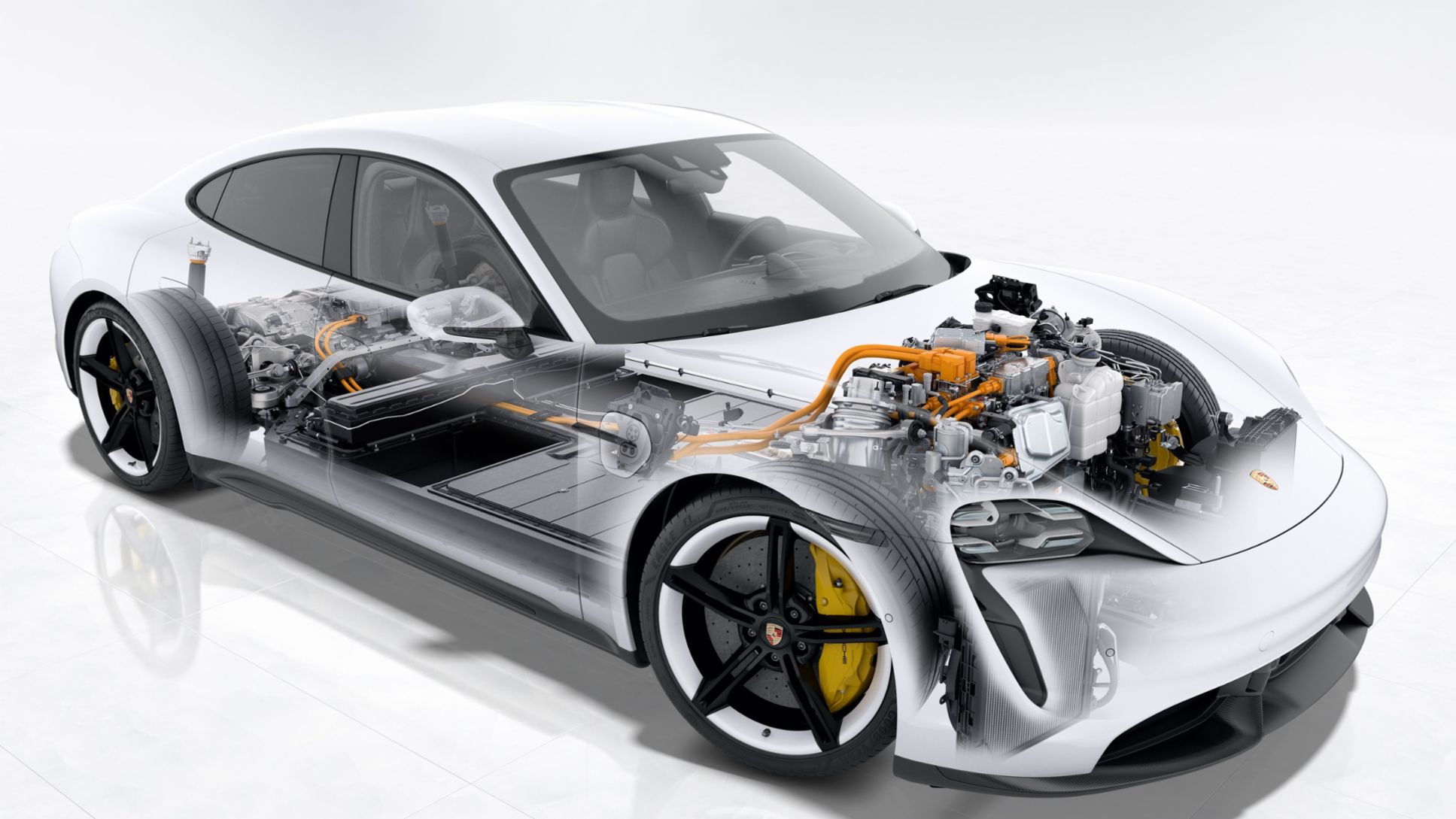

Porsche has announced an all-new tech joint venture with its partner, UP.Labs.
Porsche is flush with cash, thanks to its incredible sales success this year and its IPO, which has quickly rocketed the historic brand to become the most valuable automaker in Europe. Now, Porsche is looking to spend some of that added capital and has founded a joint venture tech business named Pull Systems with its partner UP.Labs.
Pull Systems is described by Porsche as a “machine-learning-as-a-service” business. Essentially, the company is selling analytics software that can provide automakers with critical data and analysis, thanks to the use of AI. Specifically, Porsche states that its new Pull platform will give automakers insight into electronic components and batteries.
Porsche was not immediately available to comment to Teslarati on specific use cases of their new technology.
Tesla has perhaps best exemplified the incredible help that vehicle data and its subsequent analysis can provide, specifically within its autonomous driving offerings. Tesla constantly takes in data from each of its vehicles and uses it to improve the Full Self Driving system and its capabilities. The American automaker has even used this dataset to help improve the safety of its vehicles, as it can analyze hundreds of thousands of vehicle collisions and aim to enhance survivability and limit harm to occupants.
This is far from the only investment that Porsche is looking to make with its newfound capital. Porsche’s “startup ecosystem” has been established to help the legacy automaker increase innovation and employ the newest bleeding-edge technologies within its vehicles. Porsche has invested in numerous startups already and is part of a series of venture partnerships, including “Startup Autobahn,” which hopes to invest in startups in Germany’s transportation sector.
“With UP.Labs, we are expanding our digital ecosystem to include an external venture lab. In this way, we are strengthening Porsche’s digital expertise and entering into an exchange with international talents and their know-how,” says Lutz Meschke, Deputy Chairman of the Executive Board of Porsche.
As for Porsche’s partner, UP.Labs is another incredibly well-funded venture capital firm that works to invest in “the future of transportation and mobility.” Some companies it has already invested in include BETA, an electric aircraft startup; Range, an electric semi-trailer manufacturer; and Teleo, a remote-controlled construction equipment provider.
As automakers continue to look to differentiate their upcoming electric vehicles, investments in the newest technology may become more popular and necessary. Hopefully, these investments will result in higher quality, better performing, and safer vehicles in the not-too-distant future.
What do you think of the article? Do you have any comments, questions, or concerns? Shoot me an email at william@teslarati.com. You can also reach me on Twitter @WilliamWritin. If you have news tips, email us at tips@teslarati.com!


Elon Musk
FAA kicks off review of SpaceX’s bid to fly Starship nearly every day
FAA is reviewing SpaceX’s plan for 456 Starship launches a year, up from 25 today.

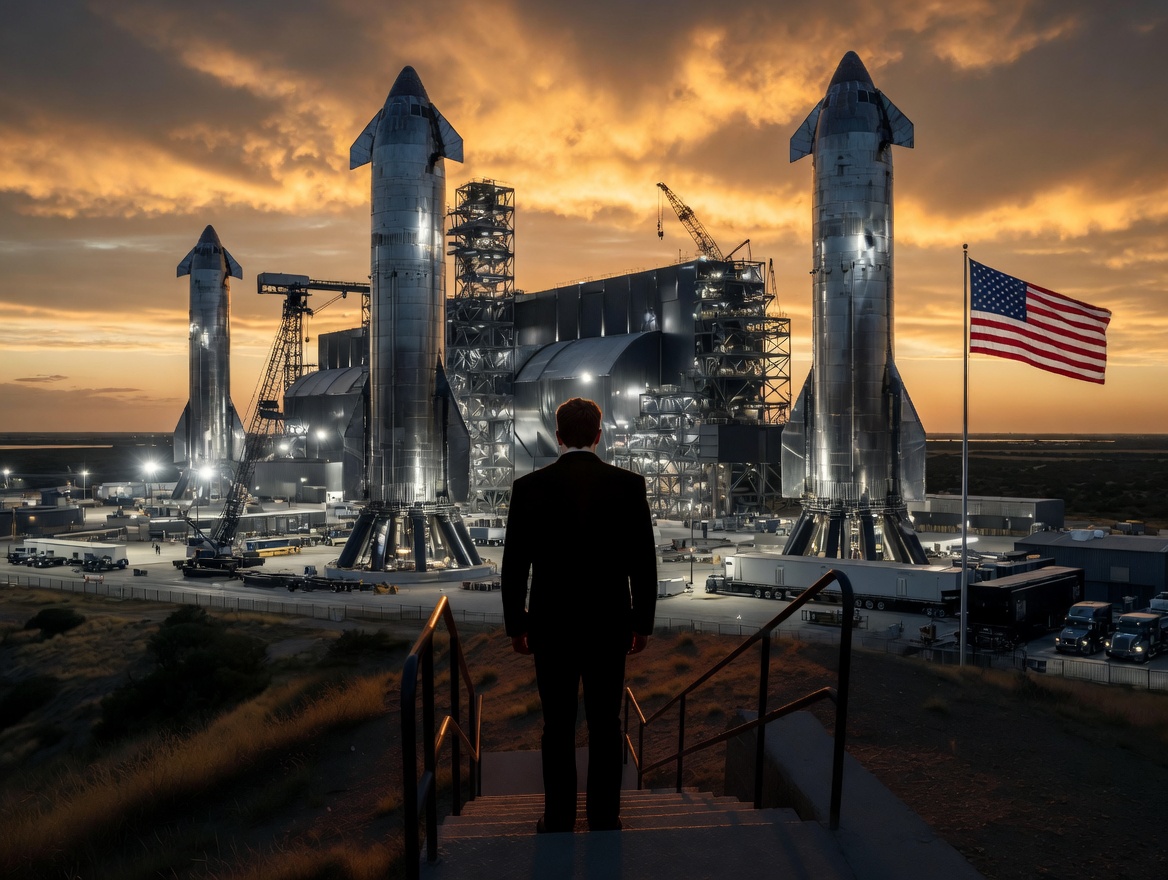
The FAA said Tuesday that it will prepare an environmental impact statement on SpaceX’s proposal to run as many as 456 Starship launches and 912 landings a year from Starbase, Texas. SpaceX is currently authorized for 25 launches and 50 landings annually, which makes the request roughly 18 times the existing ceiling. The notice of intent is set to publish in the Federal Register on Wednesday.
The plan comes in two phases. Phase 1 would allow up to 100 launches and 200 landings a year, on any day and at any hour. Phase 2, which the FAA says could arrive within several years, would raise the limit to the full 456 launches, still at any hour but only on weekdays. The agency noted that 912 landings is the upper limit for the Texas facility no matter where a given mission begins, and that Starship and Super Heavy could come down at the launch site or in the Gulf and open ocean.
A draft statement will be released for public comment at a later date, and the FAA has not said when. According to the Federal Registar, written comments are due November 30 on regulations.gov under docket FAA-2026-12808, with in person scoping meetings on November 17 in Brownsville and November 19 in Port Isabel, plus a virtual session on November 18. The review will weigh air quality, wildlife, coastal resources, water, noise, and aviation, and the FAA said any increase beyond this proposal would need its own separate review.
The numbers look large next to what Starbase has actually done. Starship has flown three times from Texas this year, including Flight 14 on September 28, the first orbital flight, which deployed 26 Starlink V3 satellites. Bloomberg reported that Starbase has never launched more than five times in a calendar year. The current cap of 25 comes from an FAA approval in May 2025. In February, the agency also approved up to 44 Starship launches a year from Launch Complex 39A in Florida, so Phase 1 in Texas alone would more than double that allowance.
Musk has said Starship could eventually fly more than once per hour within less than a decade, per Bloomberg. The nearer term target is Flight 15. Musk said on October 10 that it is hopefully four to six weeks away and will try to catch the ship with the tower, as Teslarati covered. That flight still runs under the existing 25 launch limit, and so would every Starbase launch for as long as the new review takes.
As of mid morning Pacific time on Tuesday, SpaceX had not posted about the filing on its own account.
News
Tesla Roadster livestream: everything Tesla has revealed before Thursday night
Tesla will stream the Roadster event Thursday at 7:55 p.m. Central. Here is what’s known.
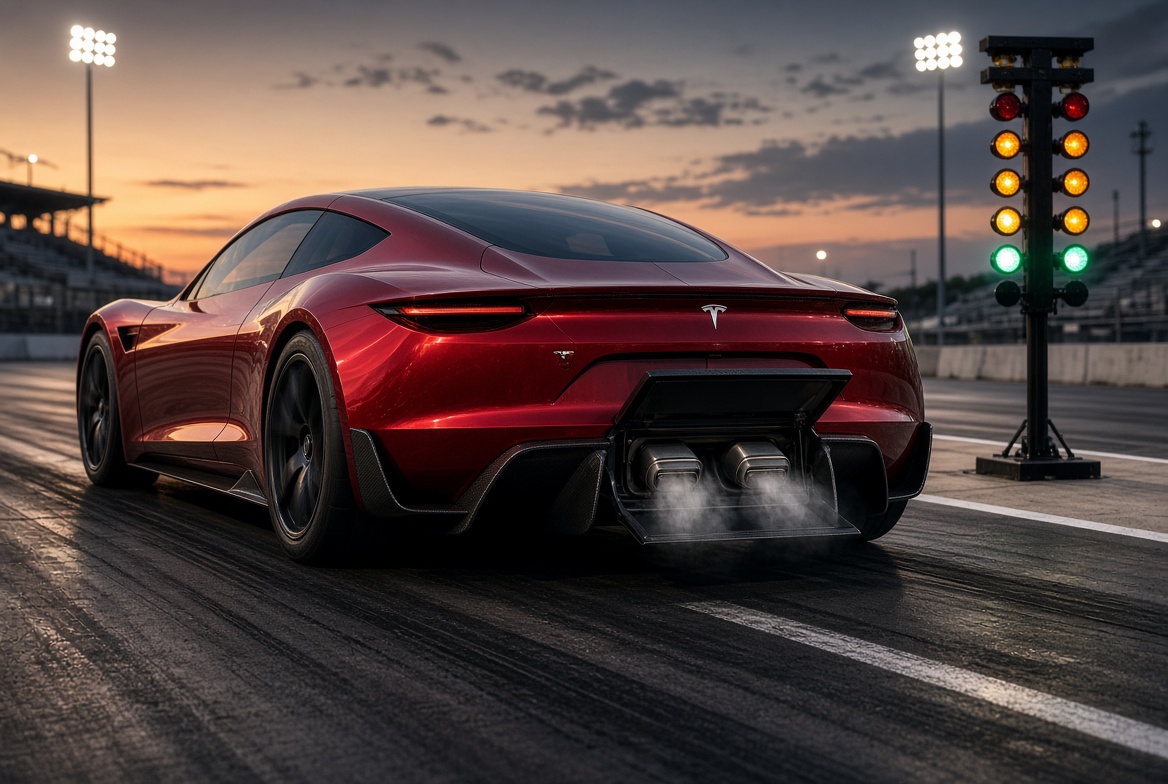
Tesla will stream its next generation Roadster event live this Thursday, October 15, at 7:55 p.m. Central, according to a post from the official Tesla account shared late Monday. Texas is on daylight time, and outlets have read the post as local Central time, which puts the Tesla Roadster livestream at 8:55 p.m. Eastern and 5:55 p.m. Pacific. The stream is expected on Tesla’s X account, where the announcement went up.
This is the second date for the event. Tesla posted a “Go for launch” image on September 12 that set the unveil for October 1, and invitations sent to reservation holders placed it in Waco, Texas, at 8:30 p.m. Eastern, for guests 21 and older with tickets that could not be transferred. Until this week, Tesla had not said the event would be broadcast at all.
Roadster event streaming live this Thursday at 7:55pm CST https://t.co/AbsmpVucui
— Tesla (@Tesla) October 14, 2026
On September 28, Tesla moved the event to October 15, citing severe weather and the fact that the demo can only be held outdoors. Elon Musk then said the cause was high winds, a comment that pushed speculation that the car will leave the ground on stage.
The event will be held in Waco, which sits close to SpaceX’s McGregor rocket test site, where the FAA closed airspace up to 10,000 feet from September 18 through October 2 for the original date. Another restriction covering Wednesday, October 14, has been reported near the site, which could mean a rehearsal, though that is unconfirmed.
What Tesla will actually show comes from speculative reports that the vehicle will be unmanned, and spectators will be kept several hundred yards back for safety. A SpaceX package is reportedly code named A71, and linked to what Musk has hinted at in the past – thrusters that could bring 0 to 60 mph down to about one second, compared with the 1.9 seconds quoted for the base car in 2017. Tesla also closed its Semi event with a Roadster teaser suggesting a design that looks different from the original prototype, and has said the event will include pricing, specifications, and production targets.
The 2017 figures remain the only official ones: 620 miles of range, a top speed above 250 mph, and prices of $200,000 for the base car and $250,000 for the Founders Series. Tesla reopened reservations last month with a $5,000 card payment followed by a $45,000 wire within ten days, and the deposit is refundable. Production is expected at Giga Texas in 2027 or 2028.
Tesla reports third quarter earnings on October 21, six days after the stream, so whatever price or timeline appears Thursday night will land just ahead of that call.
Elon Musk
SpaceX just combined Grok, Cursor, and X into one mega plan
SpaceXSI merges Grok, Cursor, and X Premium into one plan, raising questions for Tesla owners.
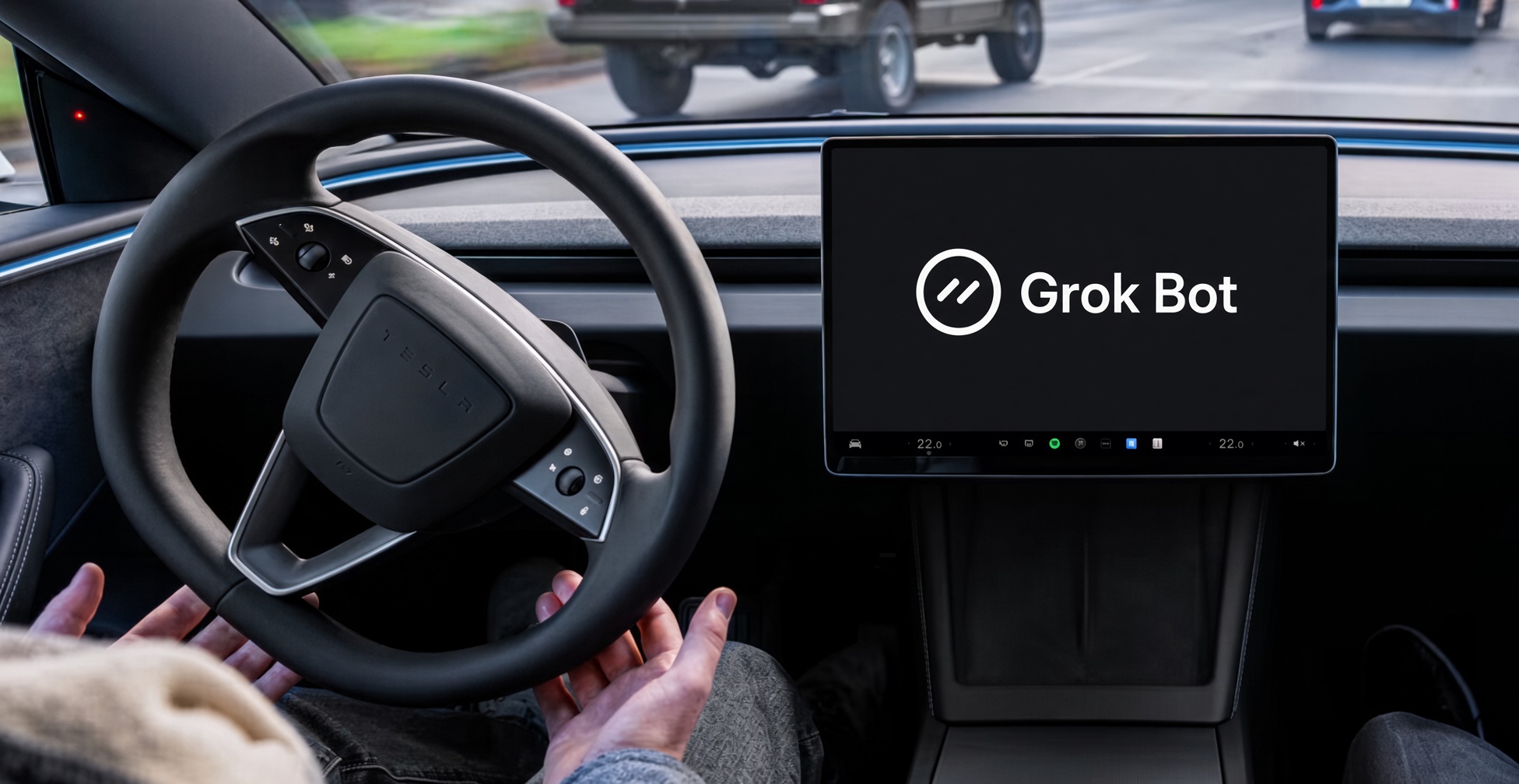
SpaceX Super Intelligence has rolled out The X Subscription, a single plan that combines Grok, Grok Bot, Cursor, and X Premium.
There are five levels, including a free plan that includes daily Grok access and a starter allowance for Cursor’s coding agents. Plus is $8 per month, Premium is $30, Super is $100, and Ultra is $200. Usage scales as you move up, with Premium offering four times the Plus allowance, Super 15 times, and Ultra 50 times. Annual billing brings the prices down a bit further, with Premium at $300 per year.
We’ve unified plans across Grok, Cursor, and X Premium.
Introducing The X Subscription. https://t.co/SvkrVvBa0p
— SpaceX Super Intelligence (@SpaceXSI) October 12, 2026
The $30 Premium tier is where SpaceXSI says it packs the benefits of SuperGrok, Cursor Pro, and X Premium+, which previously added up to $90 per month. Grok Bot, the agent that handles tasks like ordering food or managing a calendar, is included from Premium upward but not on Plus. Paid plans share one weekly usage pool across Grok and Cursor, and each plan includes at least twice the coding usage of the comparable Cursor plan. Third party models in Cursor remain available on Premium and above, but they are billed separately at API list prices.
That last detail matters because of what has happened around Cursor this year. SpaceX exercised its option to buy the company for $60 billion in June, and the deal closed in August. Weeks later, OpenAI said it will cut Cursor’s access to its models on November 12. Bundling Cursor with Grok usage gives SpaceXSI a reason to steer developers toward its own models.
Tesla integrates Grok Bot into its vehicles for the ultimate personal assistant
For Tesla owners, the connection is Grok Bot. Tesla brought it into its vehicles last month, and at that point access inside the car was limited to SuperGrok Heavy subscribers. Grok Bot is now enabled across every Cybercab and the rest of the Model Y Robotaxi fleet. Neither SpaceXSI nor Tesla has said how the new plans change inside the car access for owners, or whether a $30 Premium subscription now covers Grok Bot in a personal Tesla. That is the question owners will want answered first.
The company is also changing its name along the way. The rollout follows the rebrand Musk announced on October 4, when he said SpaceXAI would become SpaceXSI, and the plan page now carries that branding.
The X Subscription is available to new customers starting now, and SpaceXSI says it will reach everyone globally over the next few days. Existing SuperGrok, Cursor, and X Premium subscribers do not have to switch. The option to move will appear gradually in billing settings, with a prorated refund for the unused time on the old plan. Switching is permanent once the accounts are unified, and old plans are closed to new sign ups.

FAA kicks off review of SpaceX’s bid to fly Starship nearly every day

Tesla Roadster livestream: everything Tesla has revealed before Thursday night

SpaceX just combined Grok, Cursor, and X into one mega plan

The Pentagon taps Elon Musk to design the battlefield of the future

SpaceX reveals how its 1 Million AI satellite network will work and prevent space collisions


