News
Tesla might benefit from Trump’s plans for Saudi Arabia
Tesla is launching its EVs in Saudi Arabia this Thursday. And with Trump pushing for major Saudi investments, Musk’s timing could pay off big.

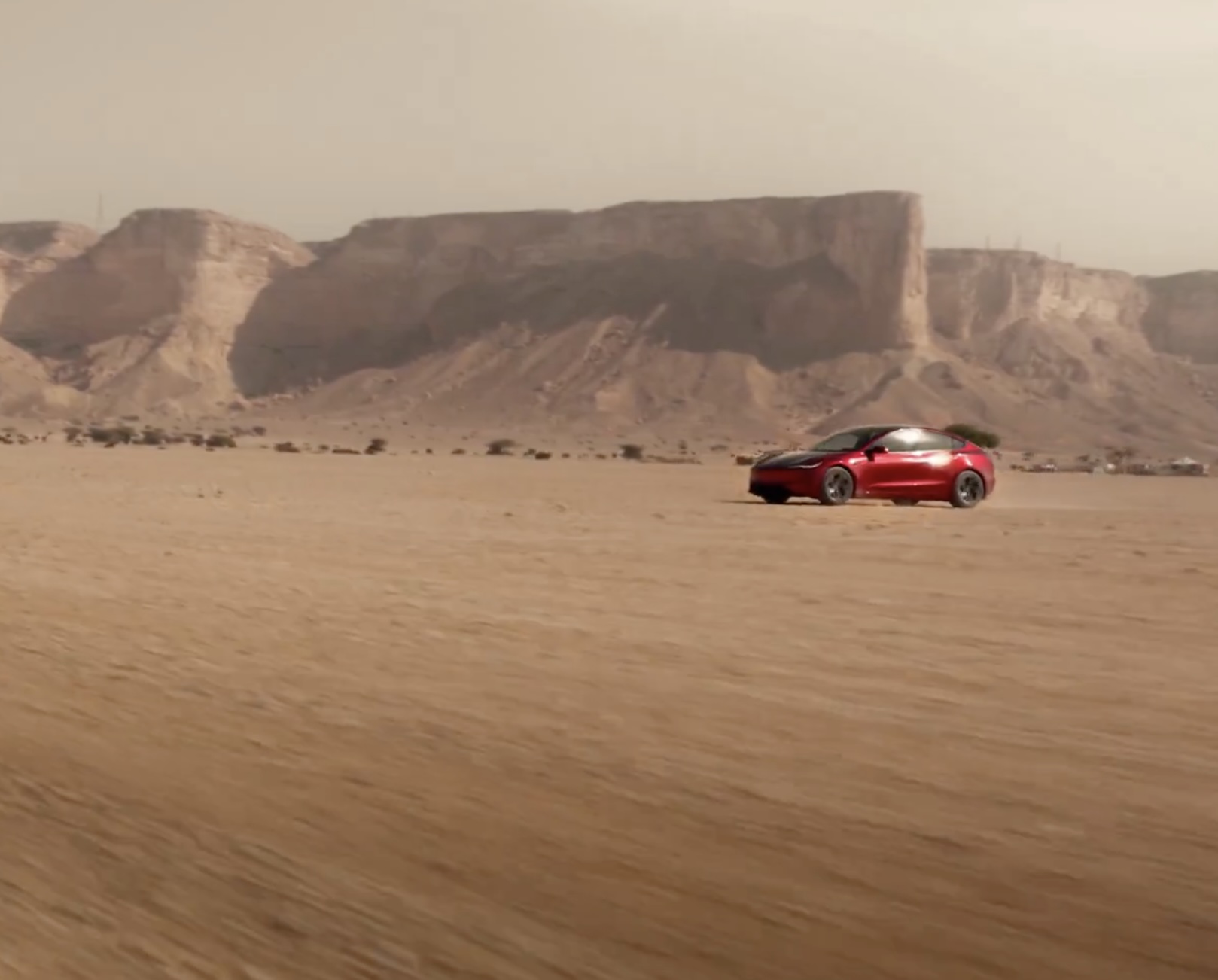
Tesla Saudi Arabia might benefit from U.S. President Donald Trump’s investment plans for Saudi Arabia.
Tesla starts selling cars in Saudi Arabia this Thursday, April 10. In the desert kingdom, Tesla is plunging into a market where not a single electric vehicle (EV) charging station can be found on a 900-kilometer stretch between Riyadh and Mecca. Last year, EV sales in Saudi Arabia hit just 2,000 units, per analyst Sam Abuelsamid—less than Tesla’s typical daily tally.
Despite challenges in Saudi Arabia, Tesla isn’t holding back with its debut in the kingdom. Tesla Saudi Arabia will host a launch event April 10, 2025, at Bujairi Terrace, showcasing the Cybercab, its Optimus humanoid robot, and its AI and robotics plans.
According to Reuters, Tesla’s push aligns with thawing ties between Elon Musk and Riyadh, fueled by Musk’s prominent role in Trump’s campaign and administration.
Trump’s eyeing Saudi Arabia for his first overseas trip in May. The U.S. President aims to ink a deal after urging Saudi Arabia in January to invest $1 trillion into the United States over the next four years. Trump’s Saudi Arabian investment deal includes military buys.
“Plenty of business people are thinking about how to position their firms around President Trump’s anticipated visit to the Gulf,” noted Robert Mogielnicki, senior resident scholar at the Arab Gulf States Institute in Washington.
“I suspect Tesla wants to firmly plant their flag in the Saudi market before President Trump’s visit and then try to capitalize on momentum thereafter,” added Mogielnicki.
Saudi Arabia’s foreign minister landed in the U.S. on Tuesday, April 8, signaling big moves ahead. With rivals like BYD and Lucid already at play in Saudi Arabia, Tesla’s timing could leverage Trump’s deal-making to jumpstart its foothold in the kingdom.



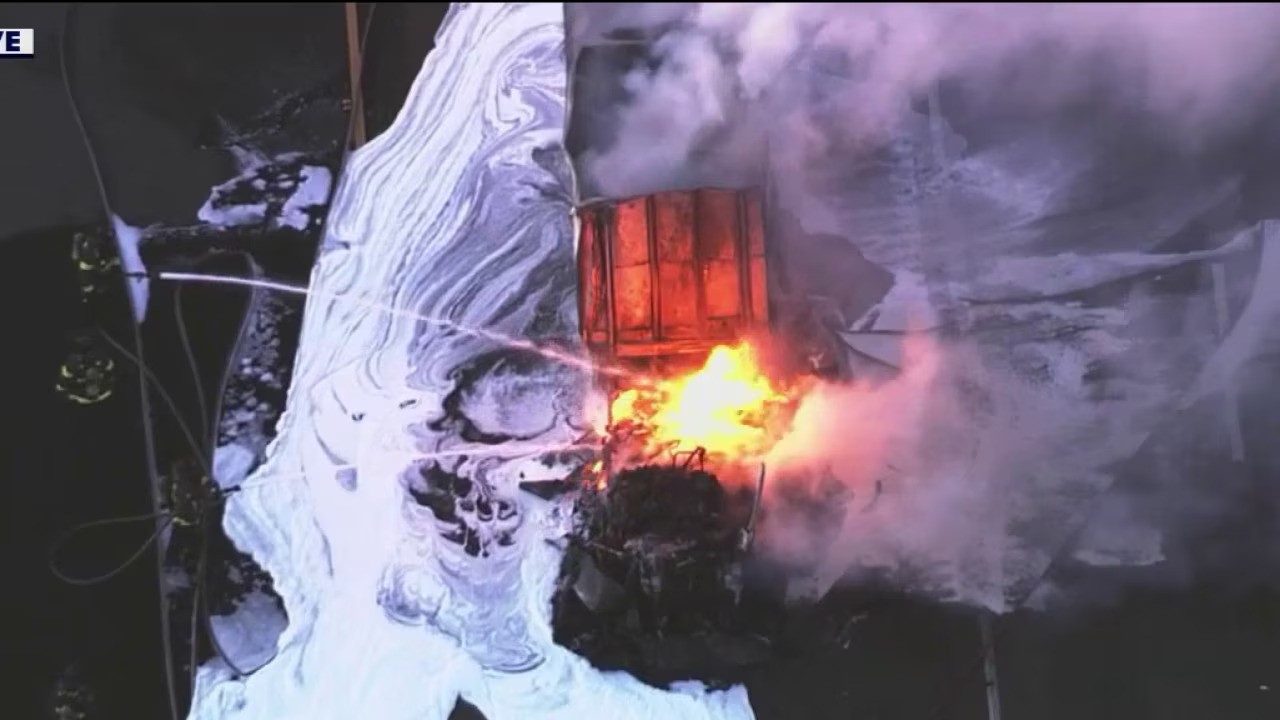
A Tesla Semi caught fire in Hayward, California, which caused both directions of traffic to shut down for hours before being completely reopened early on Wednesday, the California Highway Patrol said.
The fire occurred just after 5:30 local time in Hayward on Tuesday, as the Semi caught fire in the southbound lanes of I-880 before CHP officials made the decision to shut down both lanes of traffic due to potential risks from hazardous chemical smoke.
There were no injuries reported.
🚨 A Tesla Semi reportedly caught fire, with California Highway Patrol confirming. The Semi was on I-880 SB
An estimated 5,000 to 7,000 semi-truck and large commercial vehicle fires occur on U.S. roadways every year
— TESLARATI (@Teslarati) October 28, 2026
The cause of the fire is currently unknown, as neither Tesla nor the CHP have not determined a cause.
However, some images taken before the Semi was completely destroyed by the fire seem to indicate this might have been an older unit, as it appears to be one of the designs that Tesla shipped as part of its pilot program, before revising it and starting mass production just a month ago.
@Tslachan From on of the videos looks like it’s an old Semi (not the refresh version that recently started production) https://t.co/KzwmR2kXow
— Area Under The Curve 🎗️ (@AreaUnderCurve) October 28, 2026
At the time of publication, CHP had not returned our request for a comment for additional details, including the Semi involved and any potential collaboration on an investigation between the CHP and Tesla. We will update this story when we hear back from them.
The southbound lanes were reopened at 3:30 a.m. on Wednesday, with the northbound lanes opening last night a few hours after the fire began. The CHP did state that the lithium batteries were “incredibly difficult to extinguish,” according to NBC Bay Area.
The truck’s driver said that the Semi caught fire, but he did not have an explanation.
An estimated 5,000 to 7,000 semi-truck and large commercial vehicle fires occur on U.S. roadways every year.
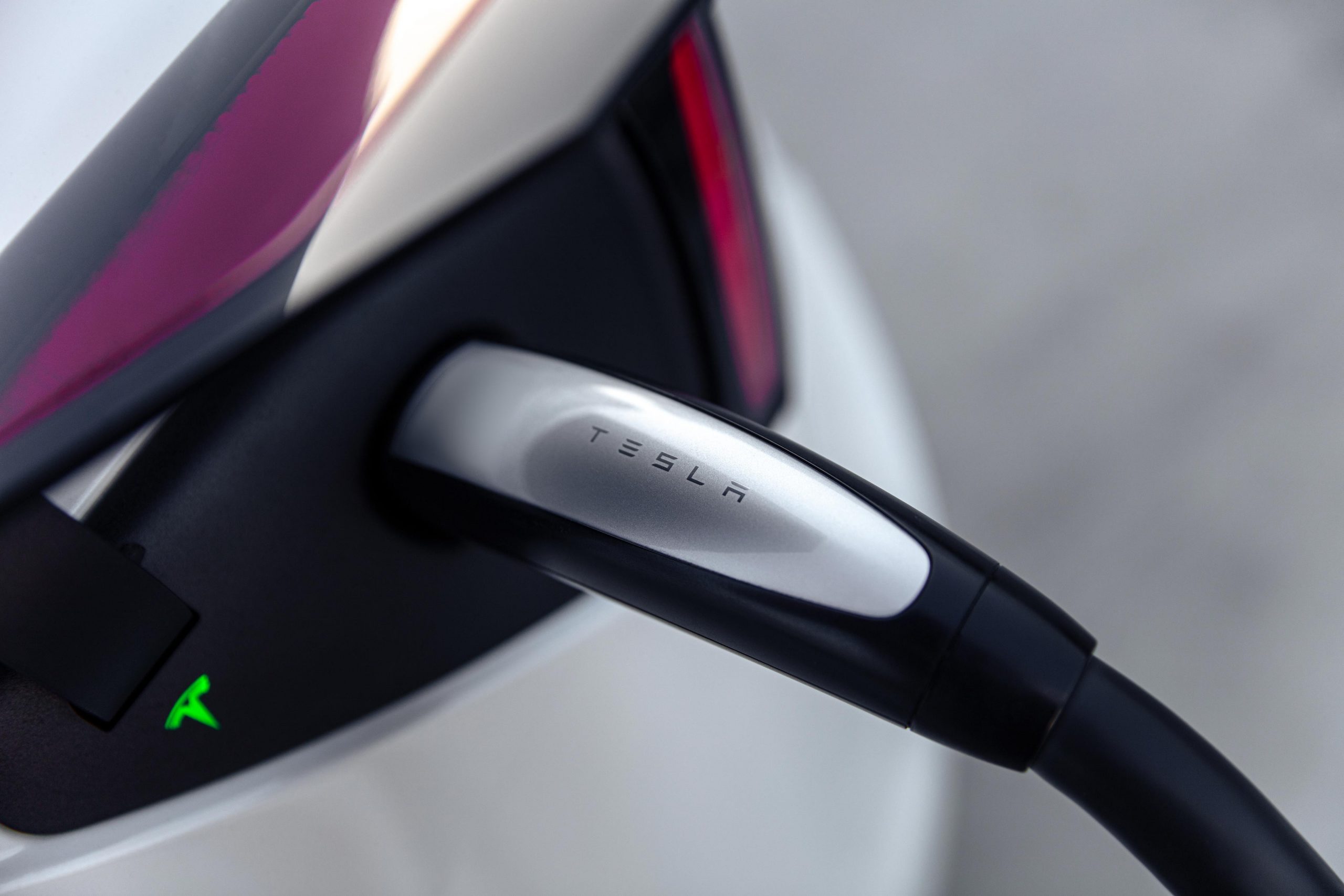
Tesla’s launch of the “Emergency Drive Away” function a few months back offered owners a safe option to evacuate an area if they were in reasonable danger. The function finally got its first use in the real world, but it appears it was by mistake.
A video shared by u/Joshalander in the r/TeslaLounge subreddit recorded the instance from his vehicle and said the incident took place in Austin this past weekend during the city’s F1 Race.
“Was charging around 6 AM this past Sunday in Austin before heading to the F1 race and heard a pop. Looked over and saw the new emergency drive-away feature in action. Genuinely felt bad for the dude when he got out and realized what happened, since he looked exhausted and only seemed to half-read the prompts.”
🚨 Here’s the first look at Tesla’s Emergency Drive Away function in action:
Apparently this driver accidentally enabled it and drove forward; you can see the Supercharger pull with the car.
Tesla said previously this would cost up to $25k if not used properly. https://t.co/B4qQRrsO6B
— TESLARATI (@Teslarati) October 28, 2026
Emergency Drive Away unlatches the Supercharger connector from the vehicle, but still causes damage to both the car and the Supercharger. Tesla has said that it will cost up to $25,000 in repairs to have everything fixed back to normal.
Additionally, the company said that if it were not used in an emergency situation, the driver of the vehicle who activated the Emergency Drive Away feature would be responsible for all repair costs.
Tesla constitutes the following situations as reasonable justifications for activating the feature:
- You face an immediate threat to your life or personal safety.
- You must leave the area immediately.
- Exiting the vehicle is unsafe.
- Unplugging the charge connector would unreasonably delay your departure or expose you to a risk to your personal safety.
After using the feature, Tesla requires the driver to schedule Service so the car can be inspected.
News
Tesla’s Cybercab battery design could make robotaxis even cheaper
Tesla built the Cybercab’s battery pack with spare room for a future switch to LFP.

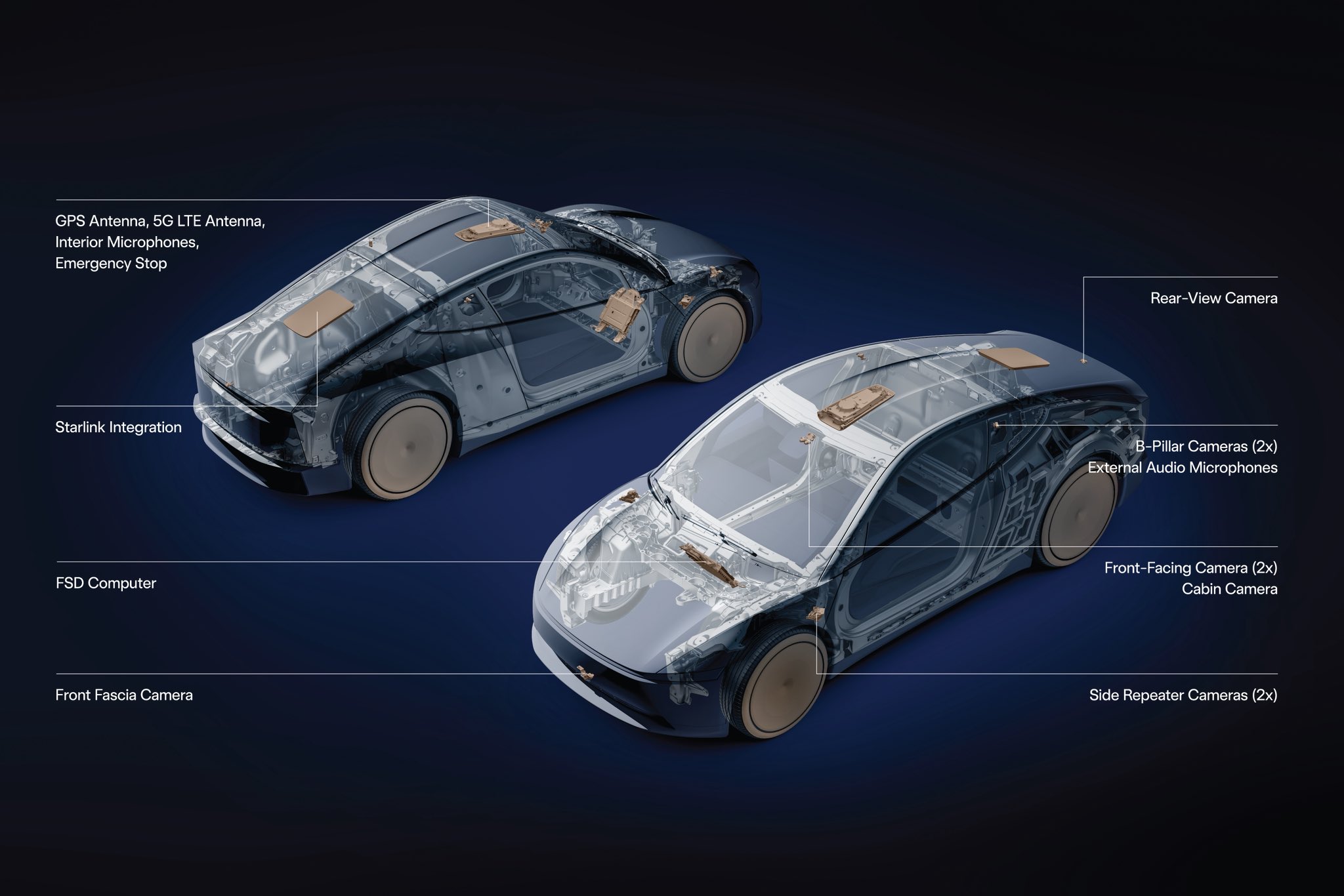
Tesla built the Cybercab’s battery pack with empty space inside it on purpose, and the reason points to a cheaper robotaxi down the road.
Robert Sumpf, Tesla’s director of mechanical design engineering for battery modules and packs, said the extra room beside and beneath the Cybercab’s modules was left there so the company can move to lithium iron phosphate cells later. “So, we protected this pack to go to an even lower energy dense chemistry as we scale and need to bring LFP into the platform,” Sumpf said in a Cybercab deep dive with Munro Live.
The Cybercab runs on Tesla’s own 4680 cells with a nickel chemistry today. LFP cells store less energy for their size, so a straight swap would cut range. The reserved space lets Tesla add more LFP cells to make up the difference. In return, Tesla would get cells that cost less, run cooler and survive more charge cycles. LFP became the most used EV battery chemistry in the world last year.
Not all of that room was planned for a chemistry change. Lars Moravy, Tesla’s Vice President of Vehicle Engineering, said part of it exists because “we didn’t need as many batteries as we thought we did.” Tesla told Sandy Munro in early 2025 that it was targeting a Cybercab pack under 50 kWh with close to 300 miles of range.
The pack also breaks from the structural design Tesla used in some Model Y and Cybertruck builds. Instead of potting hundreds of cells into one block, the Cybercab uses four separate, individually sealed modules, so a bad module can be replaced without scrapping the whole pack. Sumpf was blunt about the older approach, giving the Model Y structural battery “a grade D” because it was hard to build and nearly impossible to repair. He estimated a fully structural pack gains about 10% more cell volume, but said “the issue is the service cost.”
That cost matters more for a car that rarely sits parked. Cybercab chief engineer Eric Earley said replacing an entire pack “before half a million miles is a killer on cost,” which is why remanufacturing and serviceability were built into the design from the start.
The same Munro Live tour produced Moravy’s admission that the Cybercab line at Giga Texas is now outpacing Robotaxi deployments, along with a look at the robotaxi’s unorthodox paint process. Tesla is aiming to deliver the first Cybercabs to outside customers by the end of 2026, though Elon Musk has said the vast majority will stay owned by Tesla and run as a transport service.
Sumpf did not give a date for an LFP version, name a cell supplier or say how a chemistry change would affect range. For now, the 4680 cars keep piling up: Texas DMV records from Tuesday list 544 Cybercabs authorized for Tesla’s Robotaxi fleet, more than the 507 Model Ys on the same roster for the first time.

Tesla Semi catches fire in California: what we know

Tesla’s ‘Emergency Drive Away’ function gets its first use in the real world


