News
SpaceX share sale expected to back $400 billion valuation
The new SpaceX valuation would represent yet another record-high as far as privately-held companies in the U.S. go.

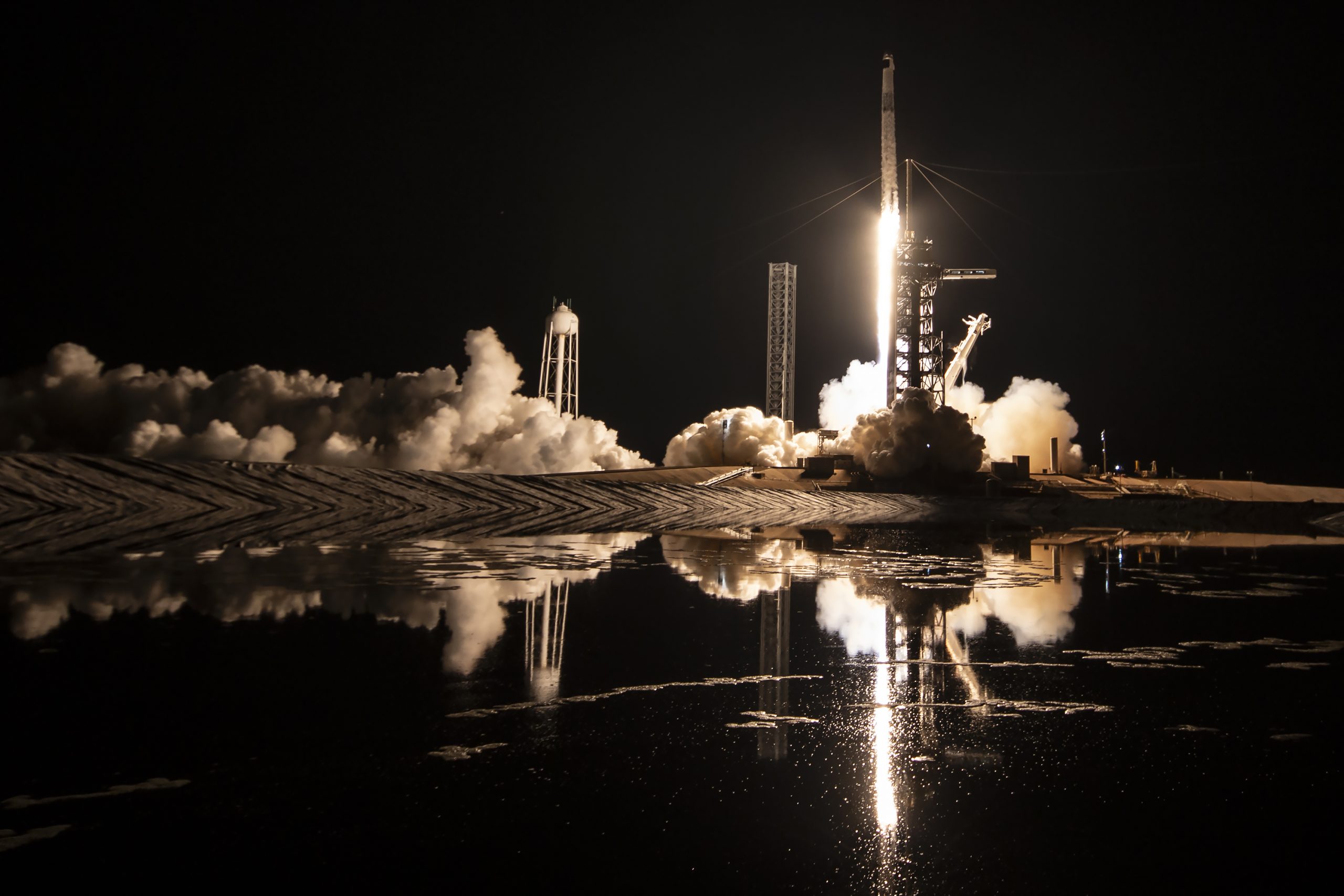
A new report this week suggests that Elon Musk-led rocket company SpaceX is considering an insider share sale that would value the company at $400 billion.
SpaceX is set to launch a primary fundraising round and sell a small number of new shares to investors, according to the report from Bloomberg, which cited people familiar with the matter who asked to remain anonymous due to the information not yet being public. Additionally, the company would sell shares from employees and early investors in a follow-up round, while the primary round would determine the price for the secondary round.
The valuation would represent the largest in history from a privately-owned company in the U.S., surpassing SpaceX’s previous record of $350 billion after a share buyback in December. Rivaling company valuations include ByteDance, the parent company of TikTok, as well as OpenAI.
Bloomberg went on to say that a SpaceX representative didn’t respond to a request for comment at the time of publishing. The publication also notes that the details of such a deal could still change, especially depending on interest from the insider sellers and share buyers.
Axiom’s Ax-4 astronauts arriving to the ISS! https://t.co/WQtTODaYfj
— TESLARATI (@Teslarati) June 26, 2025
READ MORE ON SPACEX: SpaceX to decommission Dragon spacecraft in response to Pres. Trump war of words with Elon Musk
SpaceX’s valuation comes from a few different key factors, especially including the continued expansion of the company’s Starlink satellite internet company. According to the report, Starlink accounts for over half of the company’s yearly revenue. Meanwhile, the company produced its 10 millionth Starlink kit last month.
The company also continues to develop its Starship reusable rocket program, despite the company experiencing an explosion of the rocket on the test stand in Texas last month.
The company has also launched payloads for a number of companies and government contracts. In recent weeks, SpaceX launched Axiom’s Ax-4 mission, sending four astronauts to the International Space Station (ISS) for a 14-day stay to work on around 60 scientific experiments. The mission was launched using the SpaceX Falcon 9 rocket and a new Crew Dragon capsule, while the research is expected to span a range of fields including biology, material and physical sciences, and demonstrations of specialized technology.


Elon Musk
Tesla primes Cybercabs for 4K streaming and high bandwidth gaming with Starlink integration
Tesla is now shipping Cybercabs from Giga Texas with Starlink hardware built in as standard.

Tesla’s Cybercabs are now leaving Gigafactory Texas with Starlink hardware on the rear hatch in significant numbers, according to drone footage captured Tuesday by longtime Austin drone observer Joe Tegtmeyer. Production at the factory ramped back up after the Labor Day weekend, and his flyover of the outbound lot showed rows of gold Cybercabs alongside Model Y Long Wheelbase units, many carrying the satellite module for the first time as standard equipment rather than a one off retrofit.
Giga Texas today is busy with production coming back up following the long weekend. Of interest today in the outbound lot is the appearance of hundreds of Mode; YL’s and many more Cybercabs and for the 1st time equipped with the Starlink module one the hatch in big numbers.
At… pic.twitter.com/G9yl6s51m4
— Joe Tegtmeyer 🚀 🤠🛸😎 (@JoeTegtmeyer) September 8, 2026
Tesla first showed Starlink built into an actual Cybercab on August 10, when the Robotaxi account posted images of a single gold unit with the antenna integrated into the roofline above the taillights and called it the first Cybercab with Starlink integration. That followed a July reveal where Tesla and Starlink jointly posted a cutaway diagram of the antenna placement without a working vehicle to back it up. Ashok Elluswamy, Tesla’s VP of AI software, said at the time that the connection isn’t required for the car to drive itself. It exists mainly for navigation, customer service and keeping tabs on the fleet.
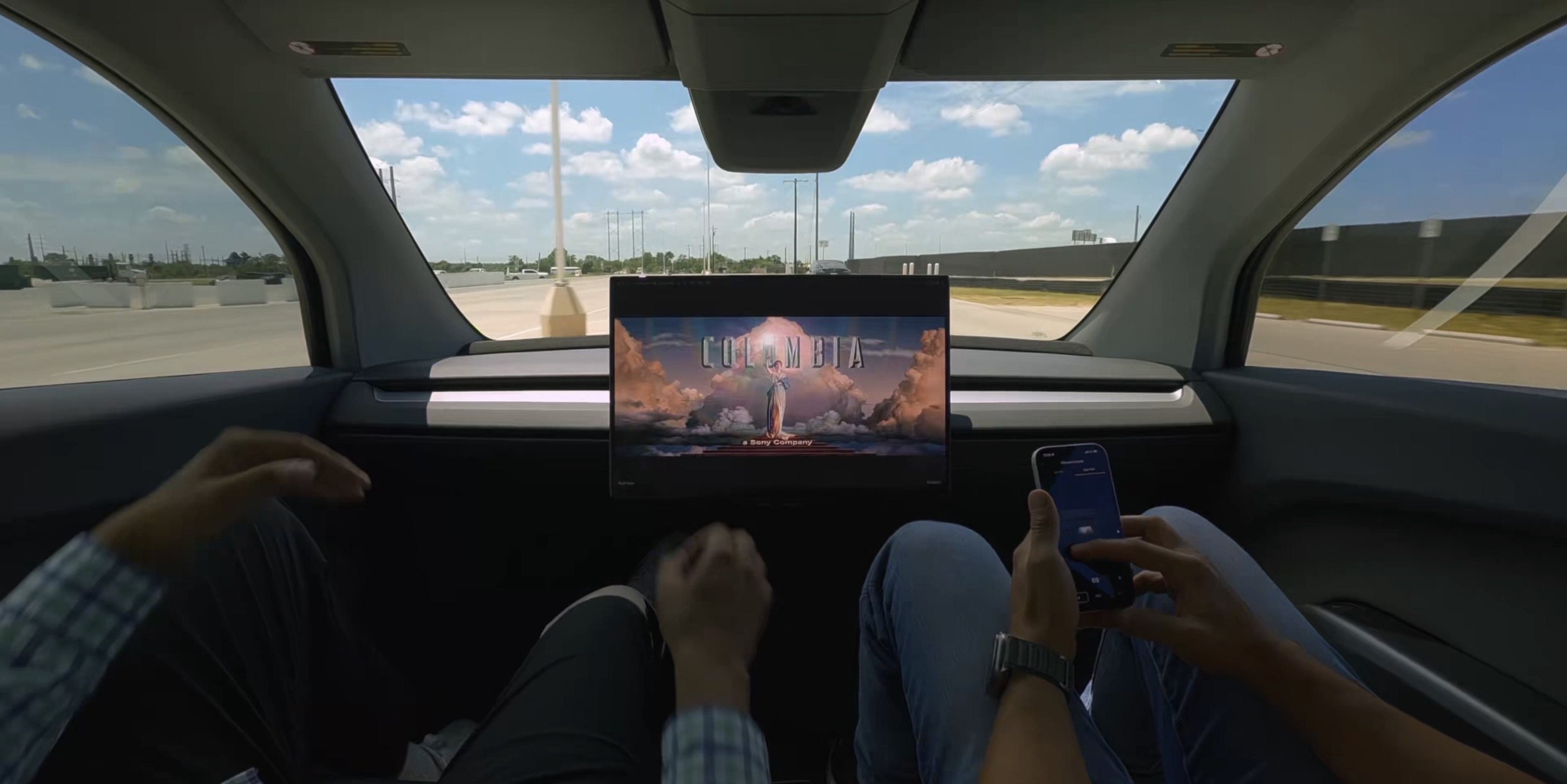
Musk has made a different case in public. During Tesla’s Q2 earnings call, he said the company can’t afford robotaxis stranded in what he called “Bermuda Triangles of lack of cellular connectivity,” and he separately claimed on X that Starlink will eventually reach every Tesla built, calling it the only way to deliver high bandwidth to billions of vehicles. He has also pitched the antenna as an entertainment upgrade, telling riders they would be able to stream 4K video or play games during a trip.
The rollout has moved fast since. Robotaxi service opened to the public in Austin on September 3, and Cybercabs had already been spotted with Starlink hardware in Houston and near Miami International Airport in the weeks before Tuesday’s factory footage showed the module shipping at volume rather than on scattered test units. Whether the satellite link earns its keep is still an open question. Tesla’s unsupervised service currently runs in dense metro geofences in Texas and Florida, markets where cellular coverage is already strong, which is not where the rural dead zones Musk describes tend to show up.

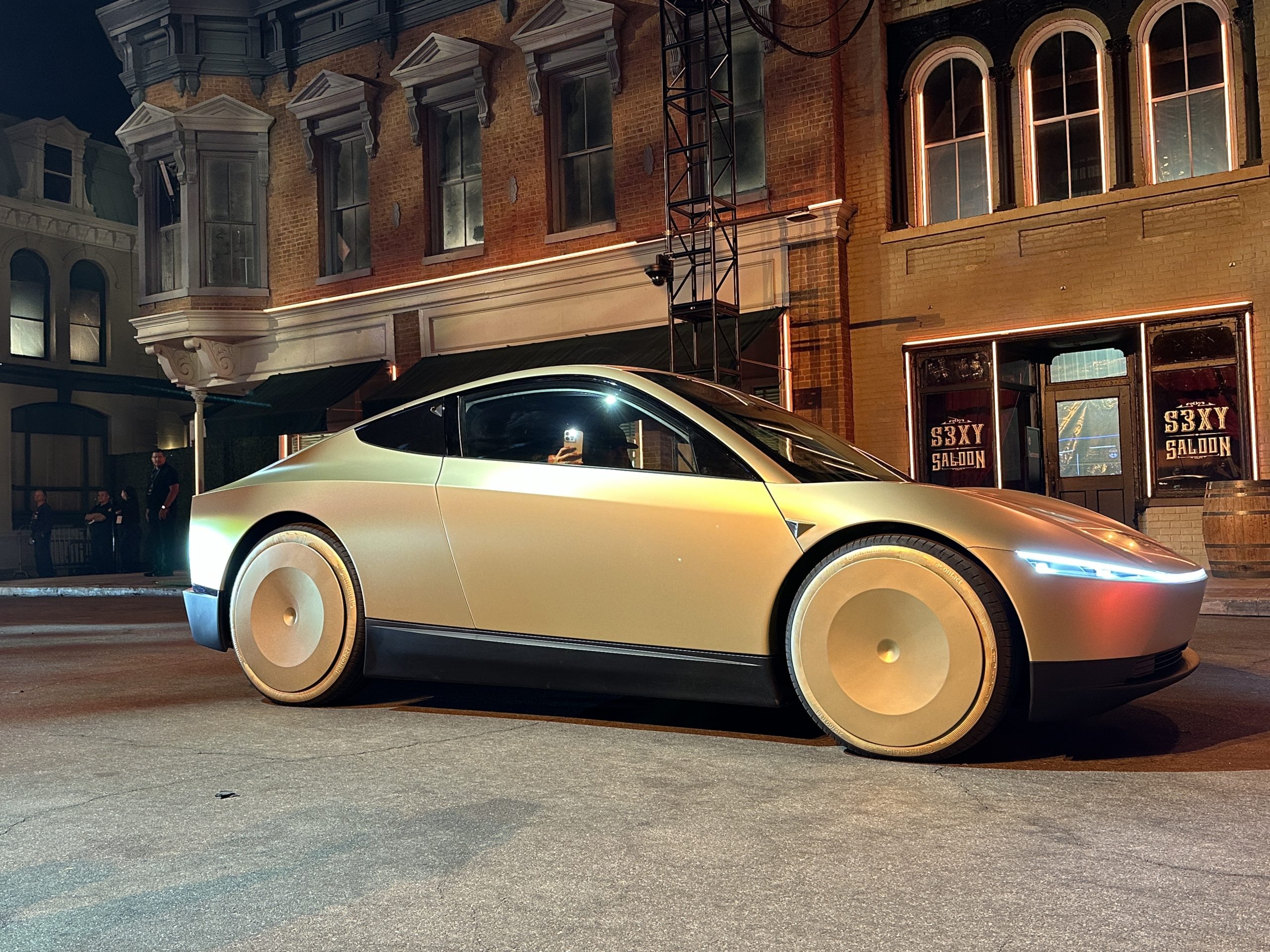
After launching in Austin, Texas, last week, Tesla is looking to expand the Cybercab to new parts of the United States in an effort that will see the driverless, steering wheel-less, and pedal-less vehicle chauffeur people around as part of the Robotaxi ride-hailing service.
However, the expansion will go far beyond the United States, and CEO Elon Musk revealed he hopes Europe will be the next market where Cybercab will be operational.
Musk has publicly expressed hope that Tesla’s Cybercab robotaxi will reach Europe in the near future.
On September 8, Tesla’s Chief Executive quoted a German rider who had just completed a trip in Austin, Texas, and wrote that he hoped the vehicle would not take years to arrive in Germany. Musk replied with a short but notable message: “Hopefully soon in Europe too.”
Hopefully soon in Europe too https://t.co/vqQ69bLJuN
— Elon Musk (@elonmusk) September 8, 2026
The comment arrived only days after Tesla opened Cybercab ride-hailing to the public in Austin. The two-seat vehicle has no steering wheel or pedals and relies entirely on Tesla’s Full Self-Driving software. Early passengers have described the rides as quiet, smooth, and more stylish than competing robotaxis such as Waymo.
Austin is currently the only city where members of the public can hail a Cybercab through Tesla’s Robotaxi app. The initial fleet is small; Texas registration records show only a few dozen of the purpose-built vehicles on the road.
Tesla set to open Cybercab rides to the public, with no steering wheel or pedals
Tesla has also been operating a larger number of conventional Model Y robotaxis in the same area, but the Cybercab itself represents the company’s first dedicated, controls-free taxi design.
Europe presents a different regulatory picture. The European Union does not permit manufacturers to self-certify vehicles the way Tesla did in the United States.
Type-approval rules and a small-series limit of 1,500 automated vehicles per type per year apply across the bloc.
Supervised Full Self-Driving has gained provisional approval in several member states through national recognition of Dutch certification, yet unsupervised robotaxi operation remains a separate and more distant step. Tesla has not announced a European launch city, date, or approval pathway for the Cybercab.
Musk himself has previously cautioned that the company does not control European regulators. In an earnings call earlier in 2026, he noted that even supervised FSD took an “immense amount of time” to clear and that unsupervised service would be “somewhat at the mercy of the governments in Europe and the EU.”
The latest social-media remark therefore functions more as an expression of intent than a timetable.
If the Cybercab eventually reaches European streets, it would mark a significant expansion of Tesla’s robotaxi ambitions beyond the United States. For now, the vehicle remains an Austin-only experience, and the gap between Musk’s hope and actual deployment will be decided by regulators rather than by engineering alone.
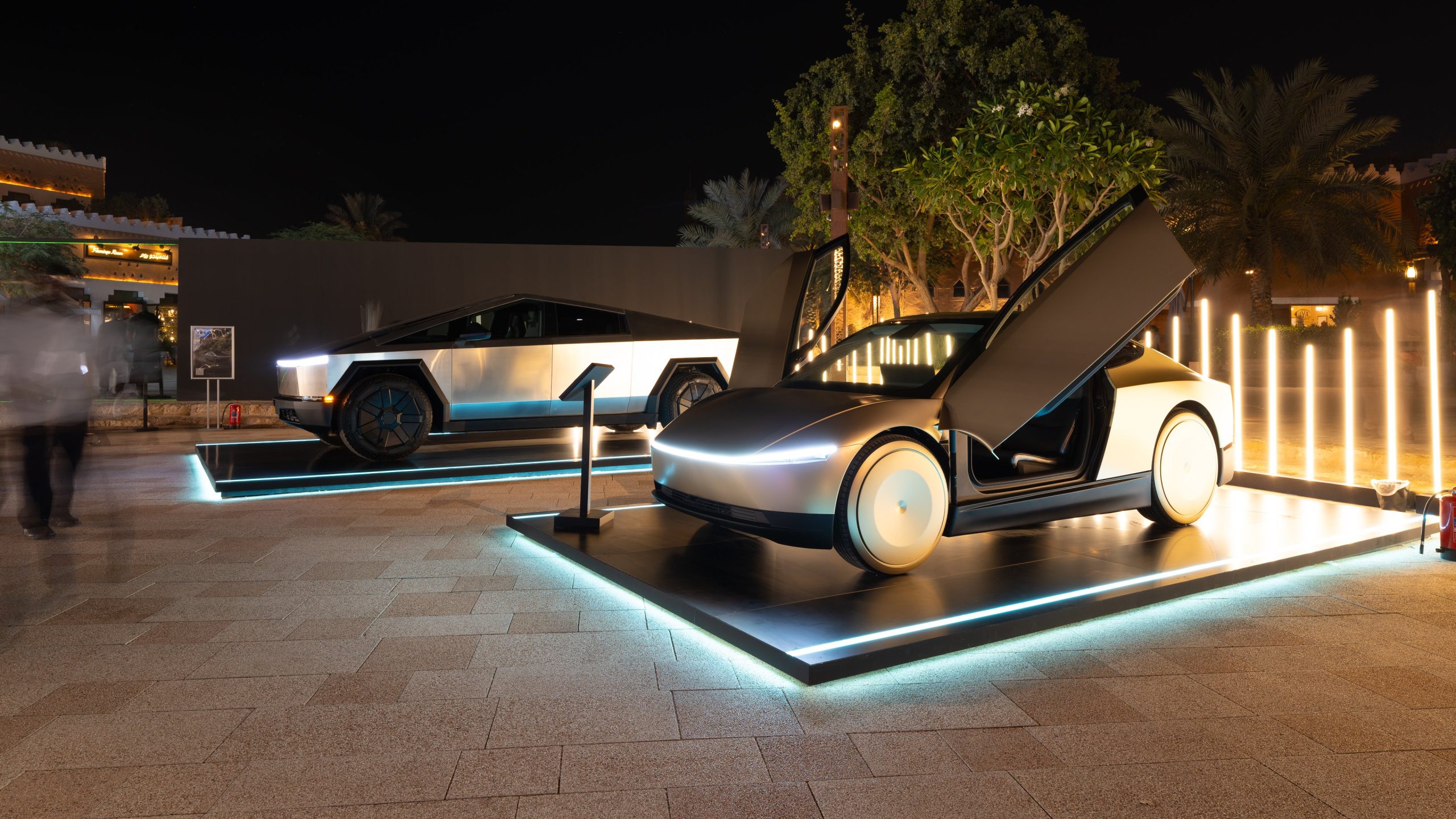
Tesla Cybercab might have just rolled out to the public as it entered the company’s Robotaxi suite in Austin this past week. However, the vehicle might already be on its way to becoming even better, as the company is asking riders to describe what they’d like to see improved with the Cybercab.
Tesla sent a rider experience survey to Cybercab passengers only days after paid rides began in Austin. The questionnaire asks how satisfied riders were with the overall trip. Then it requests star ratings for availability and wait time, door functionality, vehicle touchscreen, mobile app experience, seat comfort, interior space, ride comfort, cleanliness, and cargo space.
A later section asks which features riders would most like to have and allows selection of up to three items from a list that includes heated seats, ventilated seats, fully reclining seats, a tray table, a wireless phone charger, a better sound system, and more storage. Respondents may also choose none of these or write in another idea. The survey closes with a recommendation score from zero to ten.
Tesla just sent out a Cybercab rider experience survey so you can give feedback to the team. pic.twitter.com/YsU5OYdAjW
— Sawyer Merritt (@SawyerMerritt) September 8, 2026
This rapid request for input illustrates Tesla’s habit of treating early users as collaborators rather than mere customers. The company has long refined vehicles through software updates and hardware changes informed by real-world use across its passenger cars.
Collecting structured opinions so soon after commercial service started shows the same mindset applied to a purpose-built autonomous taxi. The questions themselves reveal an openness to cabin changes even after the first vehicles reached public streets, which is no surprise.
Tesla has always hoped to cater a great experience to anyone in its vehicles, which is why so many fan-requested features have made it into its vehicles.
Replies already circulating online favor reclining seats, tray tables, wireless charging, improved audio, and extra room when seats fold back.
Tesla Cybercabs narrowly miss deadly Amazon cargo plane crash
Those preferences point toward comfort upgrades that Tesla can implement in later production batches or through cabin revisions. Because the Cybercab is designed around software first principles, many requested amenities can arrive faster than in traditional automakers.
Tesla’s willingness to survey riders immediately after launch therefore makes near-term cabin and experience improvements likely as the team reviews responses and iterates toward a more refined robotaxi people will choose daily.

Tesla primes Cybercabs for 4K streaming and high bandwidth gaming with Starlink integration

Elon Musk hints at Tesla Cybercab’s next market


