News
New data suggests Tesla registrations climbing across Europe in September
Perhaps the slowdown in sales earlier this year really was mostly caused by the changeover to the new Model Y.

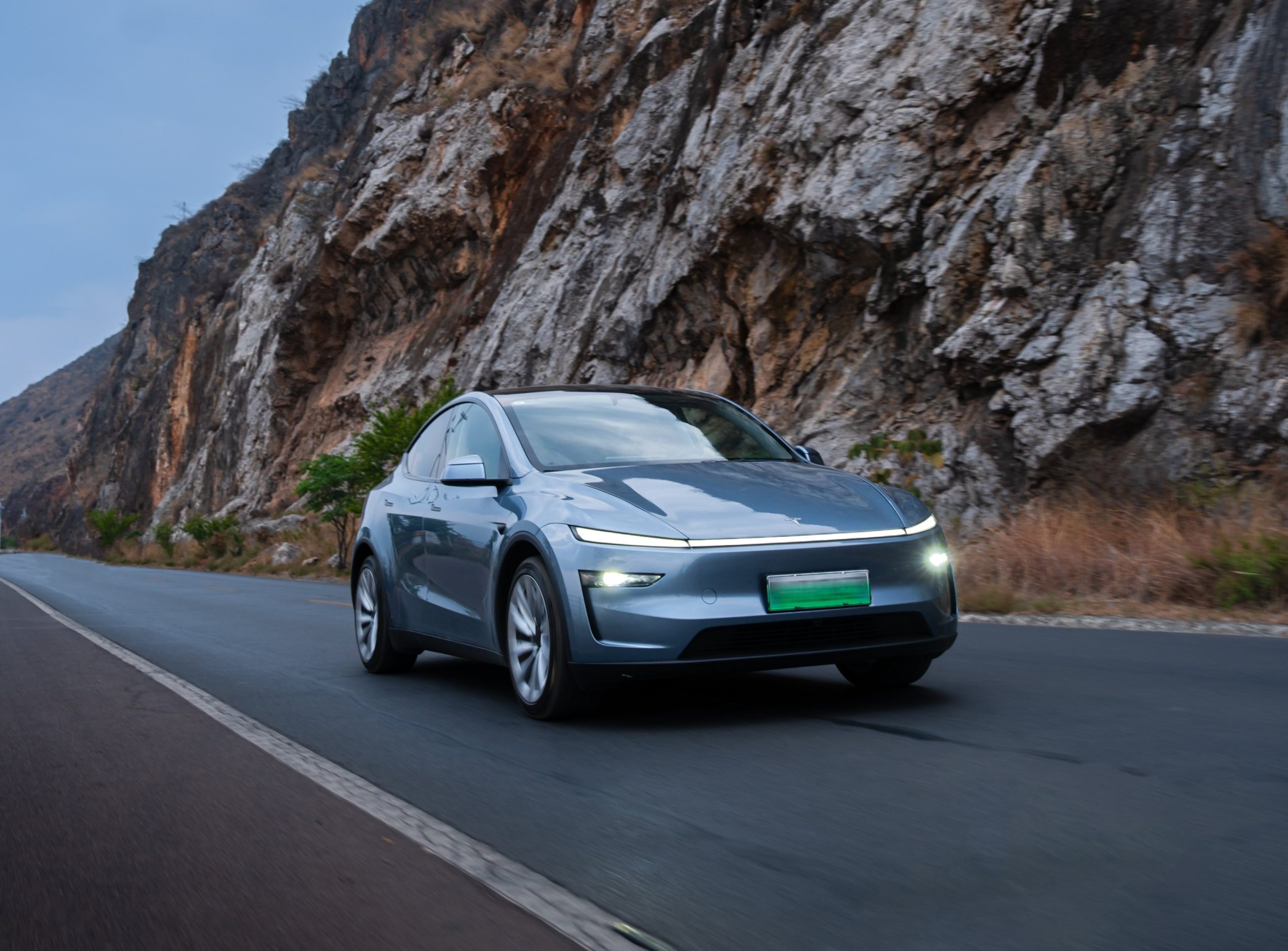
Tesla’s European sales are showing signs of recovery, with new data suggesting an upward trend in registrations across several key markets this quarter.
The trend suggests that Tesla’s decline in Europe this 2025 may have been driven primarily not by Elon Musk’s politics or consumers’ dislike of the brand, but by the unavailability of the Model Y, which had a changeover to a new version earlier this year.
Tesla Europe hints at recovery
Between September 8 and 14, Tesla registered 4,400 vehicles in 10 European countries, as per data aggregated by industry watchers. This suggests that Tesla has reached 63% of its August’s sales figures in the region in just two weeks, as noted in a CarUp report.
Tesla’s year-to-date sales in Europe remain down 33% year-to-date, with Sweden showing a notable 73% drop. By contrast, Norway is seeing strong momentum. Tesla has already matched its Q3 2024 sales in the country, and after 79 days of the quarter, Q3 2025 is shaping up to be its strongest yet.
Across Europe, Tesla remains 11% behind last year’s Q3 levels but has climbed 11.3% compared to the previous quarter, suggesting a stabilization after months of declines. This also suggests that the alarming headlines from earlier this year, which hinted at Tesla’s demise in Europe due to Elon Musk’s politics in the United States, may have been overblown.
Giga Berlin boosts output
Tesla’s recovery in Europe is hinted at by Giga Berlin in Grünheide, which is preparing for stronger output through the rest of 2025. The facility has already produced more than 500,000 Model Ys and recently built 100,000 units of the new Model Y, as noted in a Trading View report. The factory supplies over 30 markets, including Europe, Canada, Australia, and the Middle East.
Plant manager André Thierig told European media that Tesla has revised production targets upward for the third and fourth quarters, citing “very good sales figures” in multiple regions. With this, it would not be surprising if Tesla’s sales figures in Europe see even more improvements over the coming months.



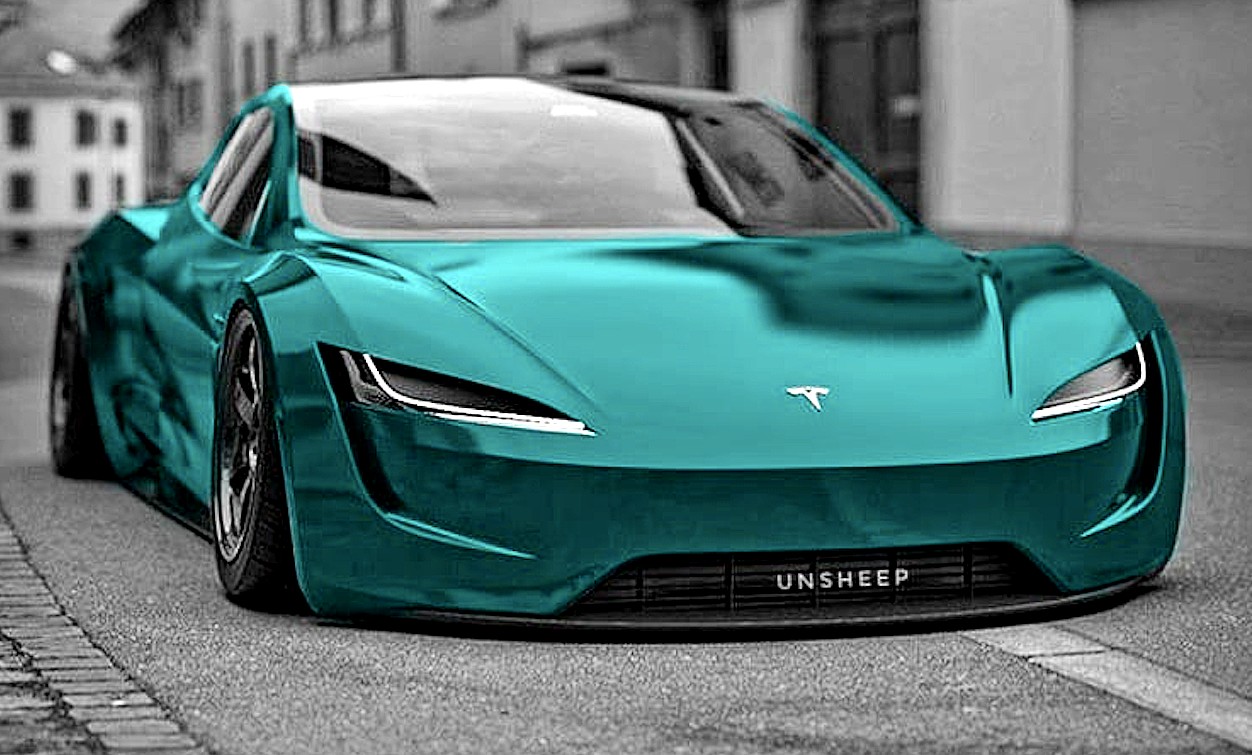
Tesla has reopened reservations for its long-delayed next-generation Roadster, asking buyers for a $50,000 deposit just days before an October 1 reveal event in Waco, Texas. The move revives a reservation process first launched in 2017 and later paused when Tesla pulled pricing from its website in 2021.
The reservation page requires an immediate $5,000 credit-card payment, described as fully refundable, followed by a $45,000 wire transfer due within 10 days, which is identical to what was expected previously. Reservations are not considered final until the wire clears.
The structure matches the 2017 terms Tesla used when it first collected deposits after unveiling a prototype. Tesla has not published a confirmed retail price or production start date on the order page.
Go buy a Roadster pic.twitter.com/n7rhouAmIS
— TESLARATI (@Teslarati) September 21, 2026
The October 1 event is scheduled in Waco, about 90 minutes north of Tesla’s Austin headquarters and near SpaceX’s McGregor rocket test site. Tesla sent invitations to existing reservation holders and posted a “Go for launch” teaser on September 12.
The Federal Aviation Administration (FAA) established a temporary flight restriction over the McGregor area from September 18 through October 2, consistent with plans for a demonstration involving SpaceX-designed cold-gas thrusters. Elon Musk has previously described the optional package as enabling extreme acceleration or brief hovering. Tesla has said the event will include pricing, specifications, and production targets.
The second-generation Roadster was first shown in November 2017 during Tesla’s Semi launch. Musk promised production in 2020, with claimed performance of 0-60 mph in 1.9 seconds, more than 250 mph top speed, and roughly 620 miles of range.
Those targets have slipped repeatedly.
Tesla later pointed to 2022, 2023, 2024, and 2025-2026 before indicating production would not begin until 2027 or 2028 at Gigafactory Texas. Design work has continued, with reports of a sharper, Cybertruck-influenced look replacing the original curvy prototype.
Original reservation holders who paid $50,000 in 2017, or $250,000 for the Founders Series, have waited nearly nine years without a production car. Some high-profile customers canceled. Tesla’s decision to reopen orders now, after previously shutting them down, tests whether new buyers will commit substantial funds before seeing a finalized production vehicle. The October 1 event is intended to answer remaining questions about what those buyers will actually receive and when.

Tesla’s Full Self-Driving (Supervised) is heading to Czechia after the Czech Ministry of Transport recognised the Dutch RDW’s provisional type approval, making the country the seventh EU member state to clear the system for public roads. Tesla Europe announced on 21 September 2026 that “FSD Supervised is now approved in Czechia” and that rollout “will begin soon.”
The decision marks a notable reversal. Earlier in 2026, Prague had declined to automatically recognise the Netherlands’ April approval, citing concerns over speed-limit compliance, traffic-sign recognition and driver-attention monitoring, and arguing that a coordinated EU approach was preferable. Officials said months of expert review, talks with Tesla and other member states, and real-world data from countries already using the system resolved those issues.
🚨 Tesla FSD heading to Czechia 🇨🇿 pic.twitter.com/mkzlM9QjrB
— TESLARATI (@Teslarati) September 21, 2026
“Safety remains the top priority,” the ministry stated.
FSD Supervised remains a Level 2 driver-assistance system: the driver must stay engaged and is legally responsible. Eligible vehicles need AI4, the company’s most up-to-date hardware version. Tesla is expected to push the feature over the air in the coming days, following the pattern seen after earlier national approvals.
Europe’s rollout began when Dutch regulator RDW issued a provisional EU type approval on 10 April 2026 after extensive testing. Mutual recognition then produced a rapid cascade: Lithuania (20 May), Estonia (29 May), Denmark (9 June), Belgium (10 June) and Slovenia (7 September). Czechia now completes that list of seven.
The approvals cover only a modest share of the EU population, but they add political weight ahead of a 6 October vote by the Technical Committee on Motor Vehicles. A qualified majority, at least 15 of 27 member states representing 65 percent of the EU population, could open the remaining markets, including large ones such as Germany, France, Italy and Spain that have so far preferred to wait for a bloc-wide decision.
For Czech Tesla owners, the immediate prize is access to the same supervised highway and city driving already available in the other six countries. For Tesla, each new market generates additional European driving data and strengthens the case that FSD Supervised can operate safely under the continent’s varied road rules. The Czech approval is therefore both a local milestone and another incremental step toward a wider European launch.
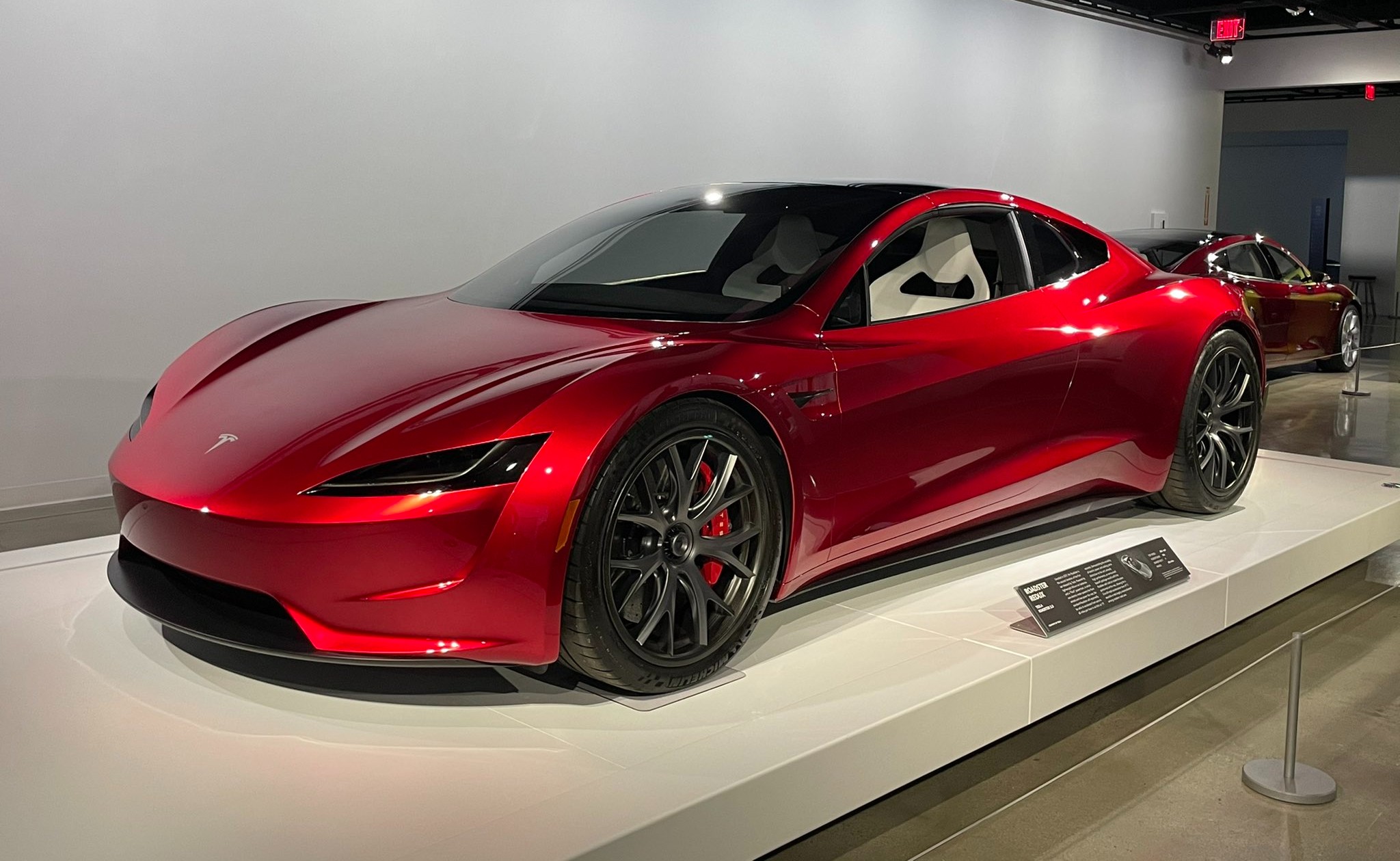
The Federal Aviation Administration (FAA) has established a Temporary Flight Restriction over SpaceX’s McGregor, Texas, rocket development and test facility, a move widely viewed as preparation for Tesla’s October 1 Roadster reveal. The restriction took effect September 18 and runs through October 2.
NOTAM FDC 6/3825 covers a 1.5-nautical-mile radius around the site near Waco and extends from the surface to 10,000 feet above ground level. The FAA cited hazards under 14 CFR 91.137(a)(3) and barred aircraft and drones from the zone. Tesla’s invitation to reservation holders already placed the event in Waco, about 20 minutes from McGregor, making the timing and location more than coincidental.
A TFR has appeared around SpaceX’s McGregor Testing Site up to 10,000ft and runs through until the 2nd of October 👀 pic.twitter.com/rcZ4p4JkLm
— Niall Anderson (@INiallAnderson) September 18, 2026
What stands out is the altitude. Typical recent TFRs at McGregor for engine static fires and component tests have used far lower ceilings, often around 2,000 feet. Raising the limit to 10,000 feet is unusually high even compared with some Starbase restrictions and signals operations that go beyond a standard ground-level engine test.
That extra airspace has fueled speculation about the long-promised SpaceX Package for the Roadster. Elon Musk has described cold-gas thrusters that could deliver sub-one-second 0-60 times and, more dramatically, brief lift-off. Reports earlier this year indicated Tesla planned a remote-controlled demonstration at McGregor in which the car would leave the ground with no one inside; spectators kept hundreds of yards away because of the noise.
The 10,000-foot envelope would give operators a large safety buffer even if the vehicle only hovers a short distance.
Tesla has not confirmed a flight demo. The company has only used the phrase “Go for launch” and posted a teaser image of the car on what looks like a launch pad. The TFR itself mentions only hazards. Still, closing airspace this high and this close to the reveal date strongly suggests the event will include more than a static display.
Whether the Roadster actually hovers on October 1 remains to be seen. What is certain is that the FAA has cleared a large vertical slice of Texas sky for whatever Tesla and SpaceX intend to show. Reservation holders heading to Waco will be among the first to find out if the car can do more than drive.

Tesla Roadster is available for order once again following brief hold

Tesla Full Self-Driving expands to another European country


