News
Elon Musk discusses Tesla FSD rollout challenges for Europe and China

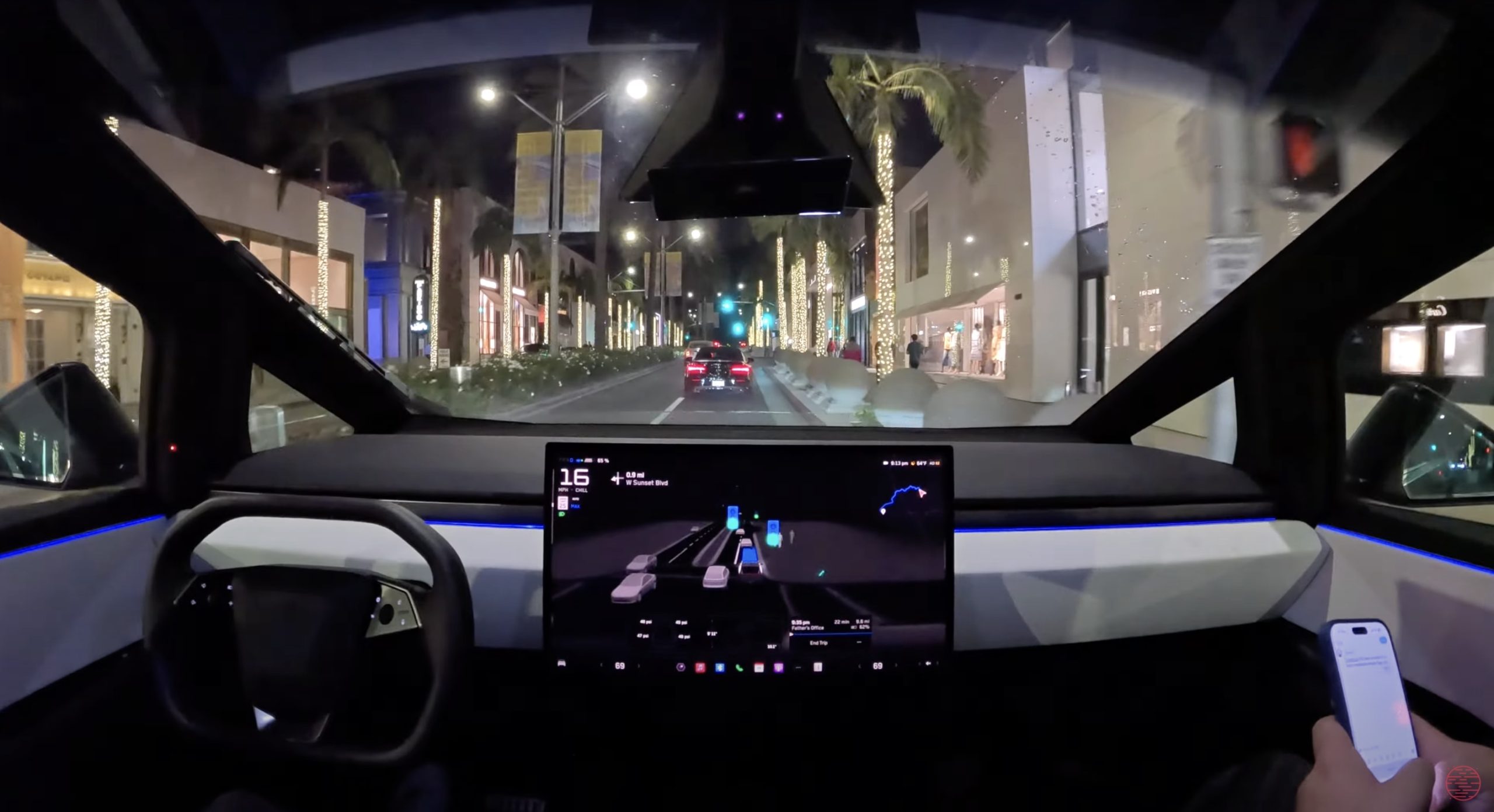
It is no secret that Tesla’s future relies largely on the company’s ability to achieve true autonomous driving through its Full Self-Driving (FSD) program.
However, while FSD is making huge headways in North America, the program has yet to be rolled out in key markets such as Europe and China.
FSD milestones:
- Tesla has been initiating a continued push to roll out improvements to FSD, with recent v13 releases getting positive reviews from users.
- As hinted at by Tesla’s Q4 2024 Update Letter, FSD users have likely passed 3 billion cumulative miles since the program was launched in October 2020.
- Prior to the Q4 2024 earnings call, Tesla posted a video demonstrating Unsupervised FSD in action at the Fremont Factory.
- Elon Musk also reiterated during the recent earnings call that customers who bought FSD with their HW3 vehicles will get an AI4 hardware upgrade for free.
Europe challenges:
- While FSD is already training very well in North America, Elon Musk noted during the Q4 2024 earnings call that there are challenges to rolling out the system in Europe.
- In Europe, Musk noted that tons of regulations and bureaucracy make it difficult to roll out FSD in the region.
- “Europe is a layer cake of regulations of bureaucracy, that really needs to be addressed. This is like America innovates, Europe regulates. So, guys, there’s too many reps in the field. For example, for us, just to release supervised full self-driving in Europe, even though it works really well, we have to go through a mountain of paperwork with the Netherlands, which is our primary regulatory authority.
- “Then the Netherlands presents this to the EU in, I think, May. And there’s like this big EU country committee. We expect it to be approved at that time. There’s nothing we can do to make that happen sooner.
- “In fact, nobody seems to do — but I guess all the countries would have to somehow vote in some way to have it happen sooner than May. Otherwise, it wouldn’t happen sooner than May. So, when is unsupervised FSD a lot in Europe? I’m like May next year, maybe? I don’t know. Sometimes it’s a 12-month cadence, sometimes it’s six-month cadence,” Musk said.
China challenges:
- It’s not just Europe that is proving challenging. As per Musk, even China has some challenges when it comes to the rollout of FSD.
- “Then China, which is a gigantic market, we do have some challenges because they weren’t — they currently don’t allow us to transfer training video outside of China. And then the US government won’t let us do training in China. So, we’re in a bit of a bind there. It’s like a quandary.
- “So, we’re resolving that by literally looking at videos of streets in China that are available on the internet to understand and then feeding that into our video training so that publicly available video of street signs and traffic rules in China can be used for training and then also putting it in a very accurate simulator. And so, it will train using sim for bus lanes in China. Like bus lanes in China are one of our biggest challenges in making FSD work in China. Their bus lanes are very complicated. And there’s like literally like hours of the day that you’re allowed to be there and not be there.
- “And then if you accidently go in at bus lane at the wrong time, you get an automatic ticket instantly. And so, it was kind of a big deal, bus lanes in China. So, we put that into our simulator train on that, the car has to know what time of day it is, read the sign. Anyway, we’ll get this solved,” Musk said.
Don’t hesitate to contact us with news tips. Just send a message to simon@teslarati.com to give us a heads up.


Elon Musk
Elon Musk doubles down on Tesla Cybercab timeline once again
“Cybercab, which has no pedals or steering wheel, starts production in April,” Musk said.

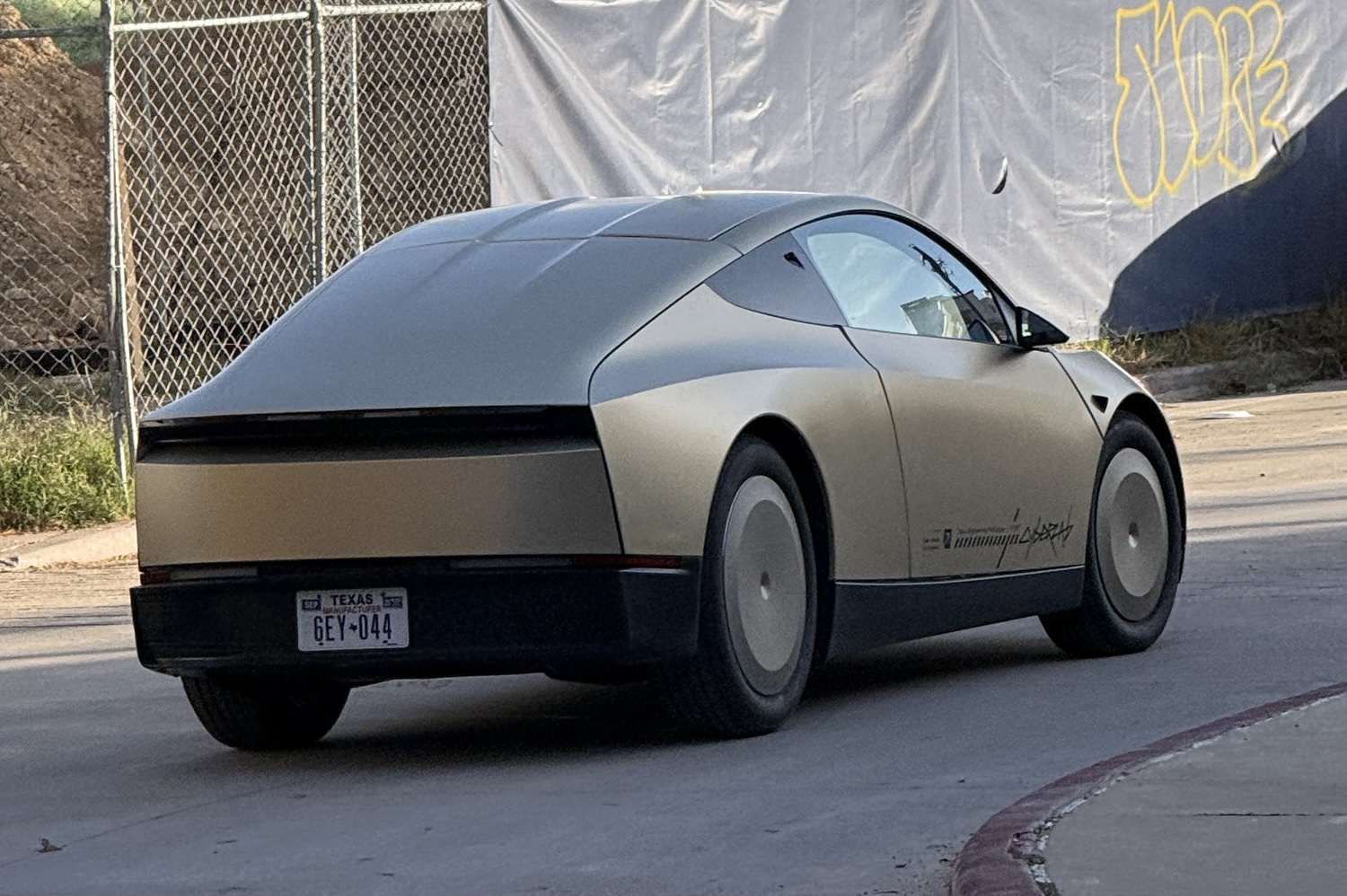
CEO Elon Musk doubled down once again on the timeline of production for the Tesla Cybercab, marking yet another example of the confidence he has in the company’s ability to meet the aggressive timeline for the vehicle.
It is the third time in the past six months that Musk has explicitly stated Cybercab will enter production in April 2026.
On Monday morning, Musk reiterated that Cybercab will enter its initial manufacturing phase in April, and that it would not have any pedals or a steering wheel, two things that have been speculated as potential elements of the vehicle, if needed.
Cybercab, which has no pedals or steering wheel, starts production in April https://t.co/yShxZ2HJqp
— Elon Musk (@elonmusk) February 16, 2026
Musk has been known to be aggressive with timelines, and some products have been teased for years and years before they finally come to fruition.
One of perhaps the biggest complaints about Musk is the fact that Tesla does not normally reach the deadlines that are set: the Roadster, Semi, and Unsupervised Full Self-Driving suite are a few of those that have been given “end of this year” timelines, but have not been fulfilled.
Nevertheless, many are able to look past this as part of the process. New technology takes time to develop, but we’d rather not hear about when, and just the progress itself.
However, the Cybercab is a bit different. Musk has said three times in the past six months that Cybercab will be built in April, and this is something that is sort of out of the ordinary for him.
In December 2025, he said that Tesla was “testing the production system” of the vehicle and that “real production ramp starts in April.
Elon Musk shares incredible detail about Tesla Cybercab efficiency
On January 23, he said that “Cybercab production starts in April.” He did the same on February 16, marking yet another occasion that Musk has his sights set on April for initial production of the vehicle.
Musk has also tempered expectations for the Cybercab’s initial production phase. In January, he noted that Cybercab would be subjected to the S-curve-type production speed:
“…initial production is always very slow and follows an S-curve. The speed of production ramp is inversely proportionate to how many new parts and steps there are. For Cybercab and Optimus, almost everything is new, so the early production rate will be agonizingly slow, but eventually end up being insanely fast.”
Cybercab will be a huge part of Tesla’s autonomous ride-sharing plans moving forward.
Elon Musk
Tesla owners explore potential FSD pricing options as uncertainty looms
We asked Tesla owners what the company should price Full Self-Driving moving forward, as now it’s going to be subscription-based. There were some interesting proposals.
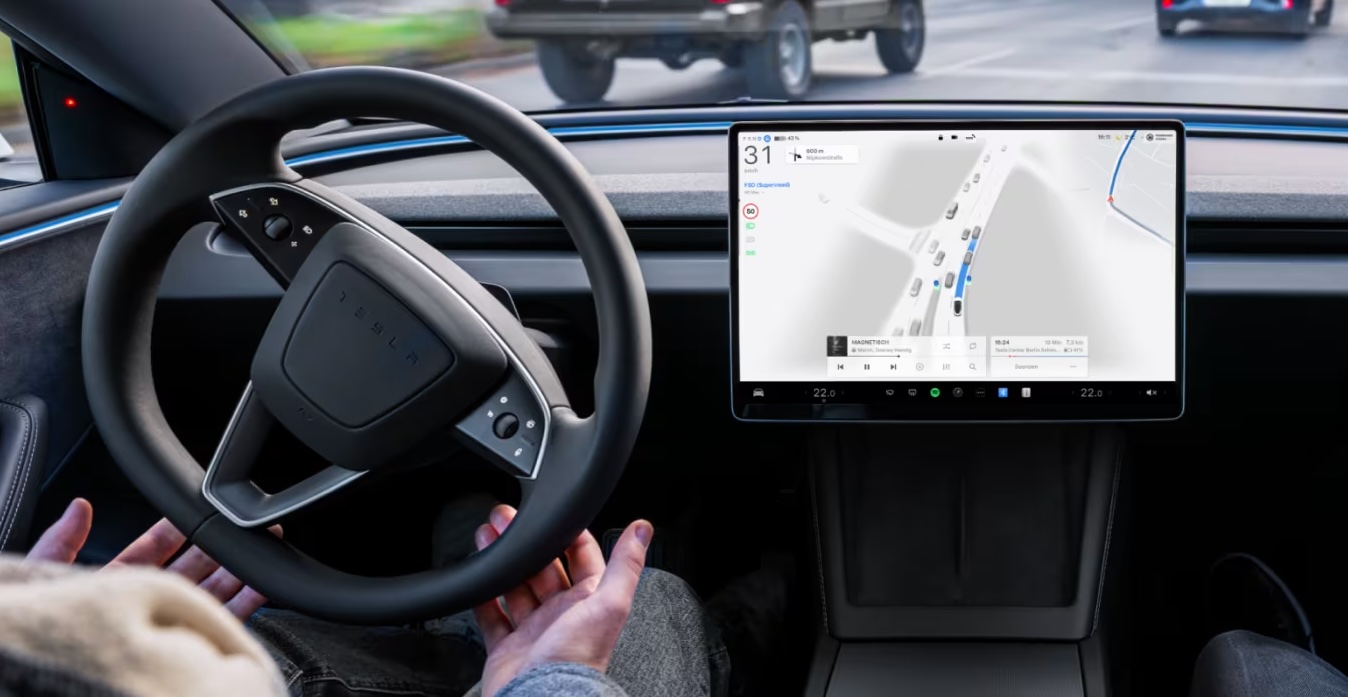
Tesla is starting the process of removing the ability to purchase the Full Self-Driving suite outright, as it pulled the purchase option in the United States over the weekend.
However, there has been some indication by CEO Elon Musk that the price of the subscription will increase as the suite becomes more robust. But Tesla finds itself in an interesting situation with this: the take rate for Full Self-Driving at $99 per month is about 12 percent, and Musk needs a significant increase in this rate to reach a tranche in his new compensation package.
This leaves Tesla and owners in their own respective limbos: Tesla needs to find a price that will incentivize consumers to use FSD, while owners need Tesla to offer something that is attractive price-wise.
We asked Tesla owners what the company should price Full Self-Driving moving forward, as now it’s going to be subscription-based. There were some interesting proposals.
Price Reduction
Although people are willing to pay the $99 per month for the FSD suite, it certainly is too high for some owners. Many suggested that if Tesla would back down the price to $49, or somewhere around that region, many owners would immediately subscribe.
Others suggested $69, which would make a lot of sense considering Musk’s obsession with that number.
Different Pricing for Supervised and Unsupervised
With the release of the Unsupervised version of Full Self-Driving, Tesla has a unique opportunity to offer pricing for different attention level requirements.
$50/mo for supervised.
$300/mo for unsupervised including insurance.— pɦoɿɟ pᴉʌɒp (@CSUDavid) February 15, 2026
Unsupervised Full Self-Driving would be significantly more expensive, but not needed by everyone. Many people indicate they would still like to drive their cars manually from time to time, but others said they’d just simply be more than okay with only having Supervised FSD available in their cars.
Time-Based Pricing
Tesla could price FSD on a duration-based pricing model, including Daily, Weekly, Monthly, and Annual rates, which would incentivize longer durations with better pricing.
Annually, the rate could be $999 per year, while Monthly would stay at $99. However, a Daily pass of FSD would cost somewhere around $10, while a $30 per week cost seems to be ideal.
These all seem to be in line with what consumers might want. However, Tesla’s attitude with FSD is that it is the future of transportation, and with it offering only a Monthly option currently, it does not seem as if it will look as short-term as a Daily pass.
Tiered Pricing
This is perhaps the most popular option, according to what we’ve seen in comments and replies.
This would be a way to allow owners to pick and choose which FSD features they would like most and pay for them. The more features available to you, the more it costs.
For example, if someone only wanted Supervised driving and Autopark, it could be priced at $50 per month. Add in Summon, it could be $75.
This would allow people to pick only the features they would use daily.
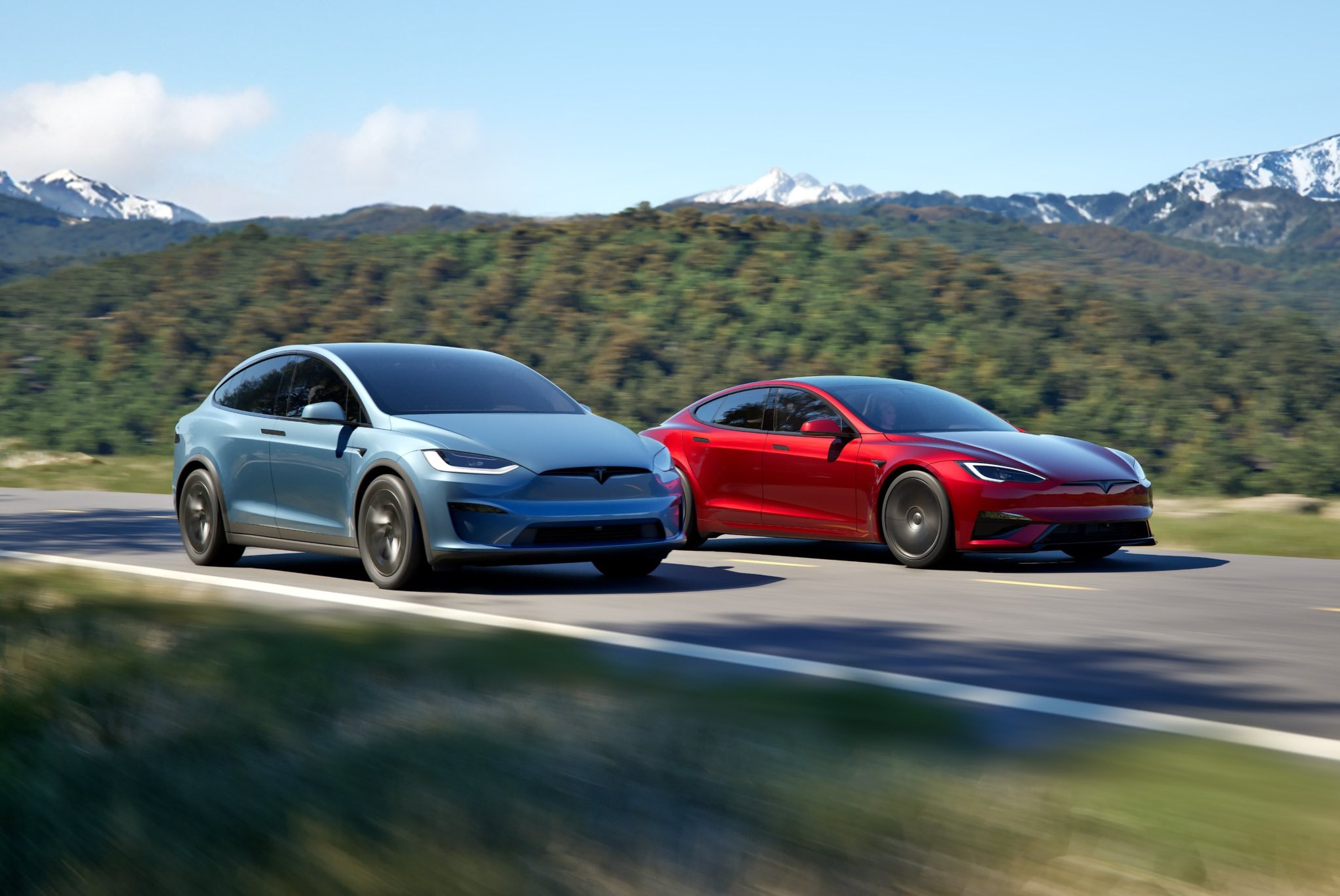
Tesla has left a single loophole to purchase Full Self-Driving outright. On Sunday, the option officially disappeared from the Online Design Studio in the United States, as Tesla transitioned to a Subscription-only purchasing plan for the FSD suite.
However, there is still one way to get the Full Self-Driving suite in an outright manner, which would not require the vehicle owner to pay monthly for the driver assistance program — but you have to buy a Model S or Model X.
Months ago, Tesla launched a special “Luxe Package” for the Model S and Model X, which included Full Self-Driving for the life of the vehicle, as well as free Supercharging at over 75,000 locations, as well as free Premium Connectivity, and a Four-Year Premium Service package, which includes wheel and tire protection, windshiel protection, and recommended maintenance.
🚨 Tesla increased the price of both the Model S and Model X by $10,000, but both vehicles now include the “Luxe Package,” which includes:
-Full Self-Driving
-Four years of included maintenance, tire and wheel repairs, and windshield repairs/replacements
-Free lifetime… pic.twitter.com/LKv7rXruml— TESLARATI (@Teslarati) August 16, 2025
It would also be available through the purchase of a Cyberbeast, the top trim of the Cybertruck lineup.
This small loophole would allow owners to avoid the monthly payment, but there have been some changes in the fine print of the program, as Tesla has added that it will not be transferable to subsequent vehicle owners or to another vehicle.
This goes for the FSD and the Supercharging offers that come with the Luxe Package.
For now, Tesla still has the Full Self-Driving subscription priced at $99 per month. However, that price is expected to increase over the course of some time, especially as its capabilities improve. Tesla seems to be nearing Unsupervised FSD based on Musk’s estimates for the Cybercab program.
There is the potential that Tesla offers both Unsupervised and Supervised FSD for varying prices, but this is not confirmed.
In other countries, Tesla has pushed back the deadline to purchase the suite outright, as in Australia, it has been adjusted to March 31.

Elon Musk doubles down on Tesla Cybercab timeline once again

Tesla owners explore potential FSD pricing options as uncertainty looms


