News
Massachusetts Legislation Would Add Perks For Electric Vehicle Owners
A bill in the Massachusetts legislator would expand access to HOV lanes to all electric car drivers, create designated parking spaces for EVs and allow cars parked illegally to be towed. As written, it applies only to battery electric cars.

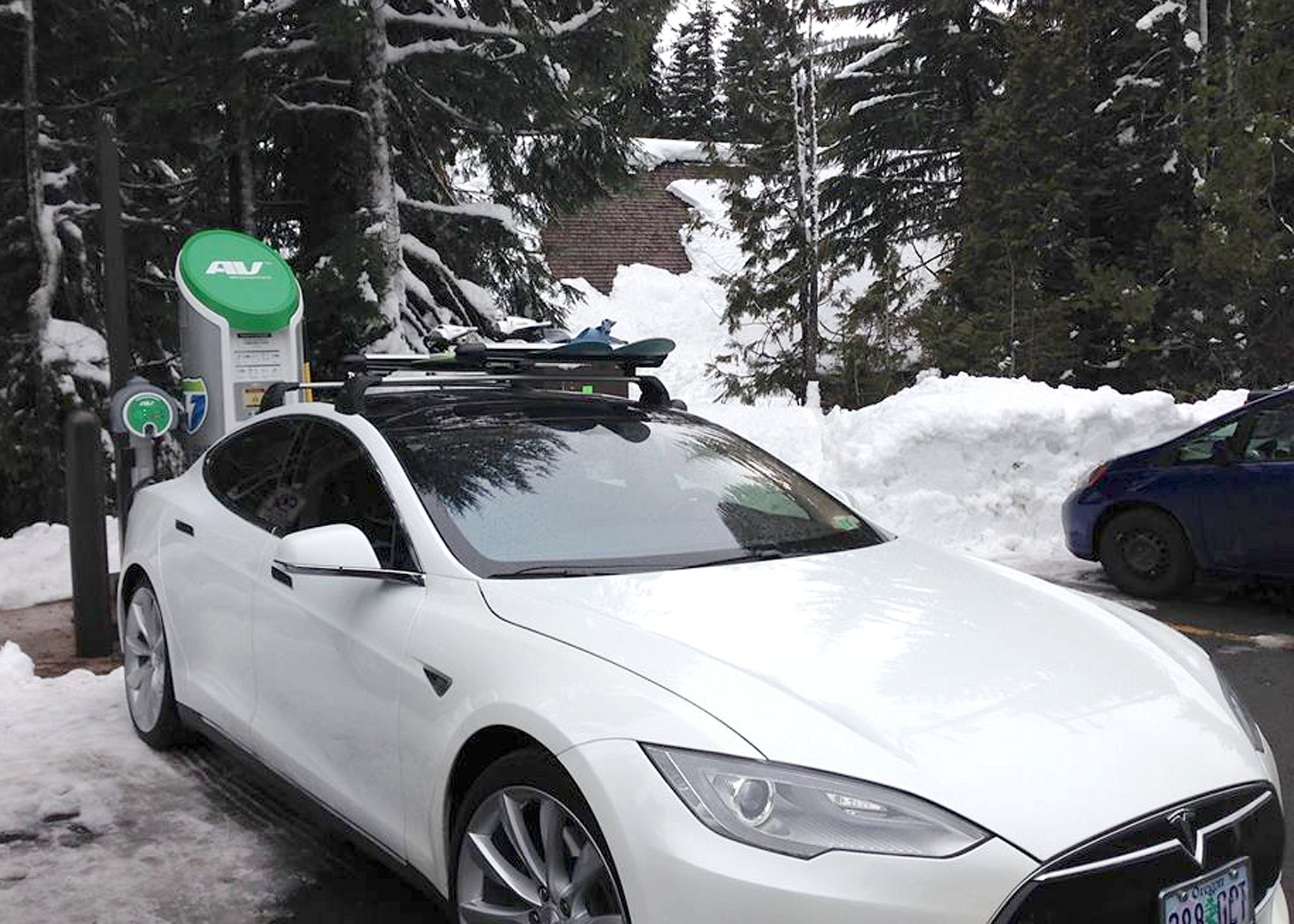
Massachusetts offers a $2,500 rebate for new buyers of electric vehicles which could get even better. The Joint Committee on Transportation is working on a bill that would allow EV drivers to use the highway occupancy vehicles lanes on all state highways. In addition, it would increase access to charging stations in the state, and require information about charging power and compatibility of each station to be posted online.
Rep. Frank Smizik, who chairs the House Committee on Global Warming and Climate Change, tells Boston.com the measure is necessary to curtail carbon emissions in the state. He notes that the transportation sector is responsible for nearly 40% of all greenhouse gas emissions in Massachusetts. Private vehicles are responsible for the majority of those emissions.
“Electric vehicles have made enormous technological advancements over the past decade, and can now compete economically and functionally with traditional motor vehicles,” said Smizik. “Many in the legislature, including myself, recognize this and believe we can consider EVs in our emissions reductions strategy.”
“With decreased gas prices, a 10 percent increase in vehicle miles traveled over the last 20 years, and a carpool rate below the national average, we must address personal vehicle use directly as part of our transportation emissions reduction strategy,” said Rep. Smizik.
Rep. Smizik points out that the current version of the bill would only extend these benefits to battery electric vehicles like Teslas, not to other types of alternative fuel vehicles like plug-in hybrids and fuel cell vehicles. But he said he and other advocates are working to determine which types of vehicles “are most appropriate for this benefit.”
In 2014, Massachusetts, along with 7 other states, agreed to get 3.3 million zero emission vehicles on the road by 2025. The Bay State's share of that commitment is 300,000 vehicles. It has a long way to go to meet that goal. Smizik believes the proposed legislation will help Massachusetts reach its goal by expanding charging infrastructure for EVs and offering “no-cost incentives” like HOV lane access and designated parking spaces. “Massachusetts’ 2025 ZEV goal is an ambitious target which can be met with a concerted effort of the state and industry,” he says.
Photo credit: Oregon Dept. Of Transportation via Flickr/Creative Commons



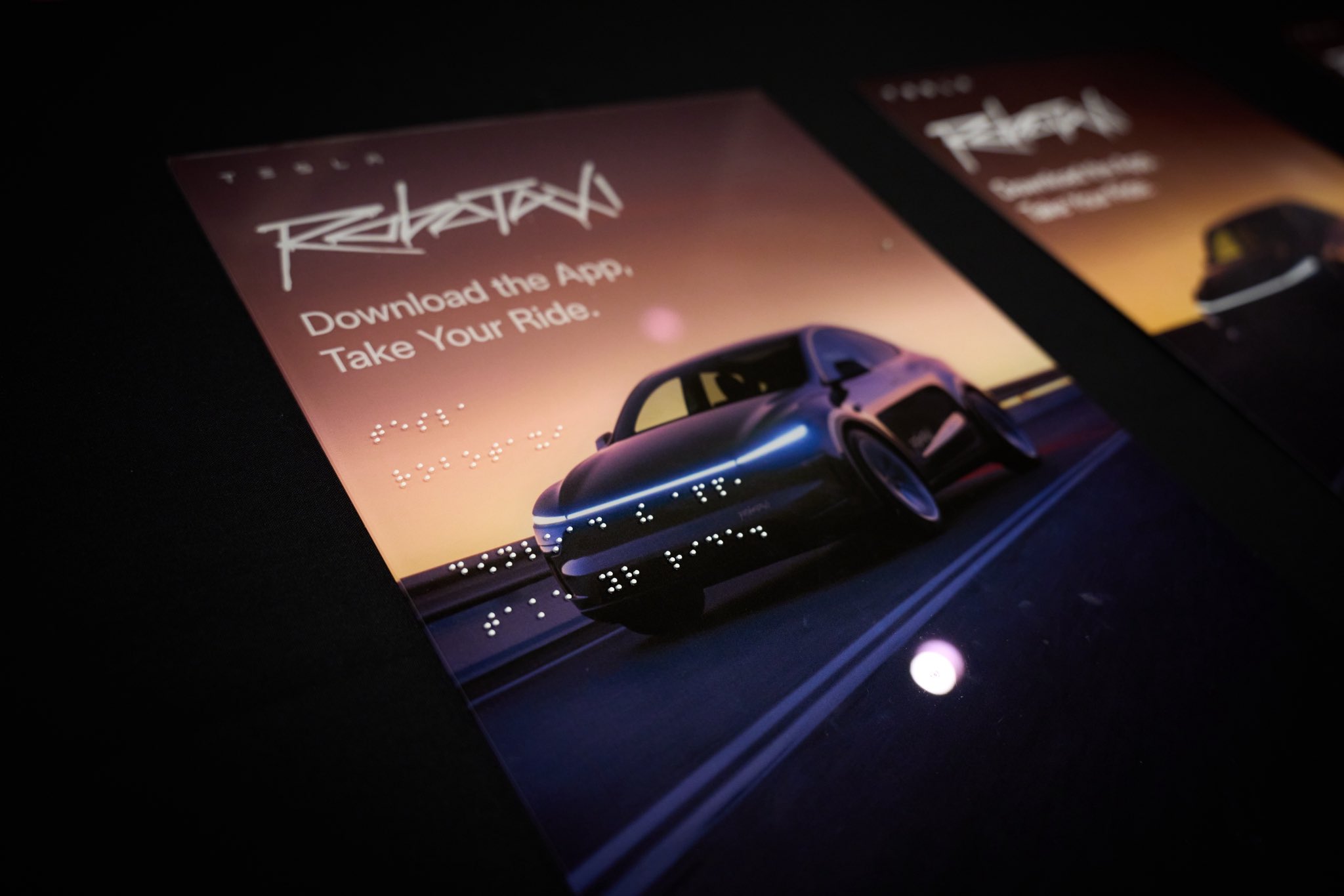
Tesla brought its innovative Cybercab robotaxi to the National Federation of the Blind (NFB) Annual Convention in Austin, Texas, on July 3 at the JW Marriott Austin.
The hands-on demonstration highlighted the vehicle’s thoughtful design for blind and visually impaired users, underscoring Tesla’s commitment to inclusive autonomous mobility. Attendees, many using white canes or accompanied by service dogs, experienced the steering-wheel-free Cybercab firsthand.
Cybercab at the National Federation of the Blind’s Annual Convention in Austin for a hands-on experience of its accessibility features for blind or visually impaired customers⁰⁰For example:⁰– Braille lettering on physical controls
– Space for service animals & assistive… pic.twitter.com/8wrJcDHkw7— Tesla Robotaxi (@robotaxi) July 6, 2026
The showcase emphasized practical features tailored to the needs of the blind community. Braille lettering appears on physical controls, including door releases and emergency buttons, allowing users to navigate interfaces independently through touch. Generous interior space accommodates service animals and assistive devices such as canes, guide dogs, or mobility aids without compromising comfort.
Wheelchair-height seating facilitates easier transfers for users with additional mobility challenges. Photos from the event captured blind attendees approaching the vehicle confidently, service dogs relaxing inside, and hands exploring Braille-equipped handles.
Tesla Robotaxi’s official account detailed these elements, noting the Cybercab’s focus on accessibility, especially noting the Braille lettering and additional space for service animals.
How Tesla Will Transform Mobility for the Blind
Autonomous vehicles like the Cybercab promise revolutionary independence for the roughly 2.2 million visually impaired Americans. Traditional barriers—reliance on sighted drivers, costly paratransit, or limited public transit—often restrict spontaneous travel. Tesla Full Self-Driving aims to eliminate the need for a human operator, enabling on-demand, door-to-door rides via simple app hailing with voice guidance.
Users gain freedom to work, socialize, shop, or attend events anytime without scheduling hassles or safety concerns. This reduces isolation, boosts employment opportunities, and enhances quality of life, turning mobility from a dependency into true personal autonomy.
The NFB demonstration not only gathered valuable feedback but also generated excitement about a future where technology levels the playing field. By prioritizing inclusive design, Tesla advances a vision of transportation that serves everyone, potentially reshaping daily life for blind individuals and setting a standard for the autonomous industry.
As Cybercab deployment scales, these accessibility innovations could mark a significant step toward equitable mobility.
Investor's Corner
Tesla challenges startups to score a gig inside its most advanced European factory
Tesla is challenging startups to bring their best battery tech directly to Gigafactory Berlin.

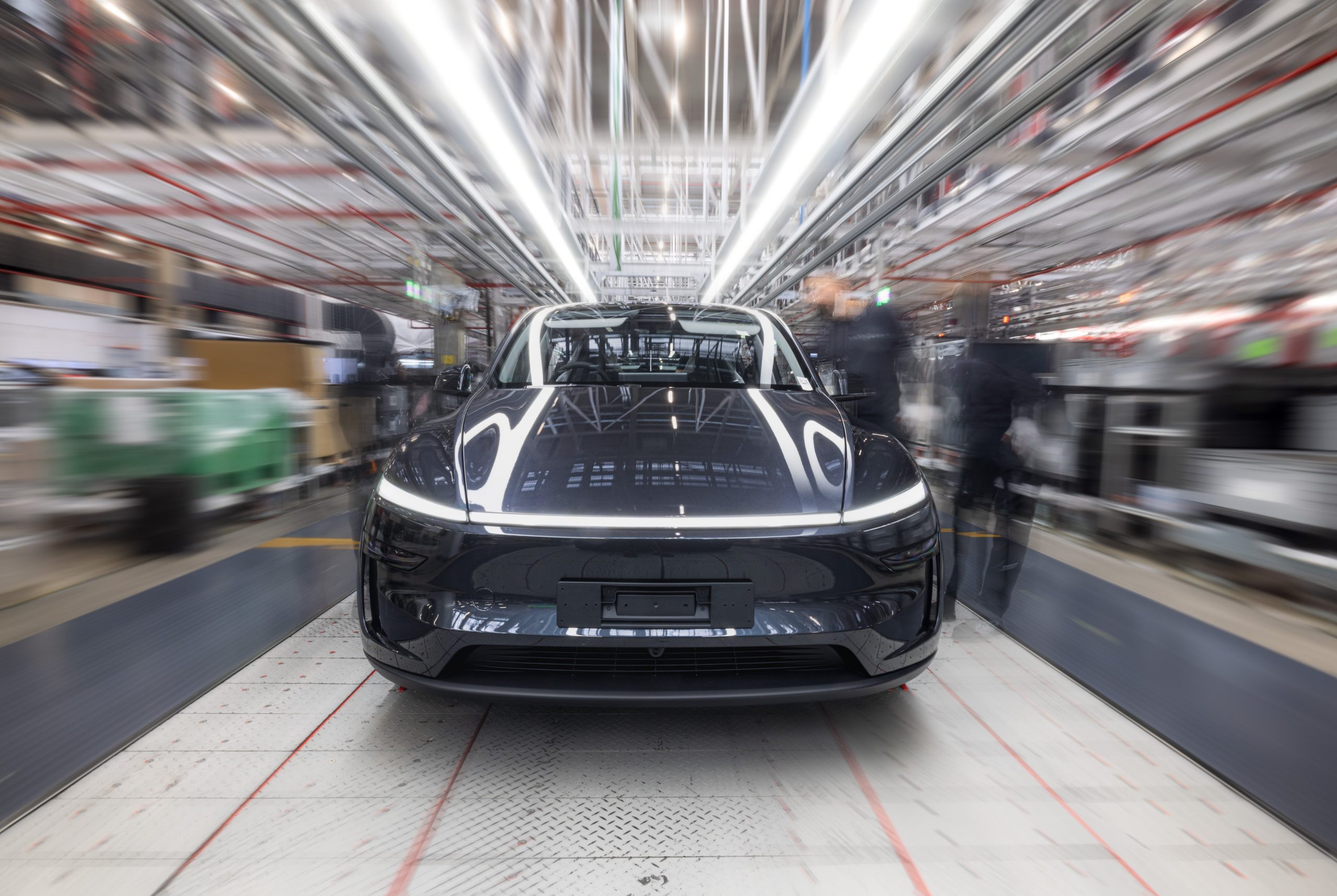
Tesla has issued an open challenge to startups across Europe, inviting them to bring their best battery technology directly to the floor of Gigafactory Berlin. The program, called the JUNI x Tesla Battery Cell Giga Challenge, opened applications this month with a deadline of July 24, 2026, and is targeting startups with solutions that can make battery cell manufacturing faster, cheaper, safer, and more scalable at an industrial level.
The timing of the challenge is directly tied to Tesla’s most aggressive European battery investment yet. On May 12, 2026, Giga Berlin plant manager André Thierig announced a $250 million investment to scale the factory’s annual 4680 cell production capacity from 8 GWh to 18 GWh, more than doubling the previous target set just months earlier in December 2025. Thierig confirmed the expansion on X, saying the investment “will enable 18 GWh of annual 4680 cell production and create more than 1,500 new jobs.” Combined with a previously announced battery investment at the Grunheide site now approaches $1.2 billion.
Today, we announced a $ 250m investment for our Giga Berlin Cell factory. This will enable 18GWh of annual 4680 cell production and create more than 1500 new jobs. Good news during challenging times for the German industry. pic.twitter.com/ou4SWMfWh9
— André Thierig (@AndrThie) May 12, 2026
The challenge is looking specifically for startups with proven solutions across five categories: materials, equipment, operations, automation, and artificial intelligence. Applications are screened directly by Tesla’s cell manufacturing team in Grunheide, and the strongest submissions move through technical discussions, a pitch day in front of Tesla stakeholders, and potentially a paid pilot project with the cell team. Tesla is not looking for ideas at concept stage. The program requires applicants to demonstrate working prototypes, test data, or prior pilots before being considered.
The historical context matters here. Elon Musk first announced plans for what he called the world’s largest battery cell production facility alongside the Giga Berlin car factory back in 2020, targeting up to 250 GWh of annual capacity. Those plans were shelved in 2022 when Tesla shifted its battery investment focus to the United States to take advantage of Inflation Reduction Act incentives. The revival of cell production at Giga Berlin, now backed by over $1 billion in committed capital, represents a return to an ambition that was set aside for three years. As Teslarati has reported, the 4680 format is central to Tesla’s long-term cost reduction strategy across vehicles, energy storage, including the Tesla Semi and Cybercab.
By opening the challenge to outside startups, Tesla is acknowledging that reaching 18 GWh at Grunheide will require technology it does not currently have in-house, and it is willing to pay for the right solutions. For a startup in the battery supply chain, a paid pilot with Tesla’s European cell team is as close to a direct commercial path as the industry offers.
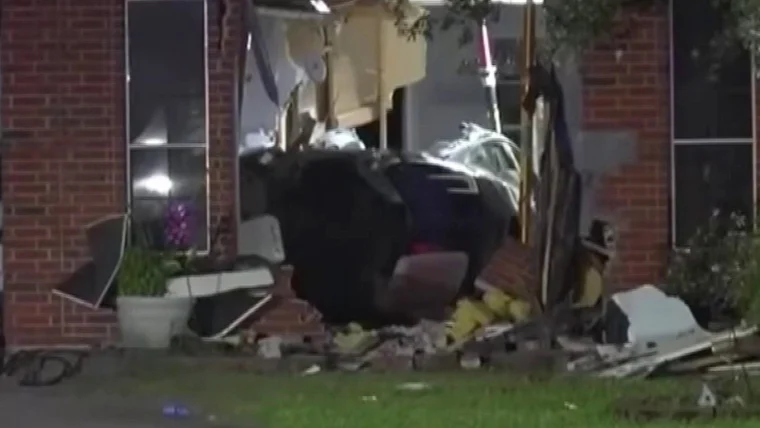
A Texas man has been arrested and charged with manslaughter after his Tesla crashed into a home last month, striking a woman inside and killing her. The driver, Michael Butler, claimed the vehicle was in self-driving mode, but information from Tesla shows that Butler overrode the system.
Butler was arrested on Wednesday and booked at the Harris County, Texas, jail. He remained in custody through Thursday and Friday; he did not enter a plea, and his next court hearing is scheduled for Monday.
Tesla finally clarifies fatal Texas crash, confirms driver manually overrode acceleration
There are a handful of new clues in the case that could clear Tesla of any wrongdoing, especially as the woman who was killed’s family, the Avilas, filed a wrongful death lawsuit against Tesla and Butler, seeking at least $1 million in damages.
Charging documents from the Harris County prosecutor now show that Butler, who was working DoorDash the evening of the accident, had been using Full Self-Driving mode without incident through the duration of multiple deliveries that evening.
In the moments leading up to the crash, while in FSD and approaching a left turn, Butler pressed the accelerator pedal, overriding FSD’s speed control, and continued to push it until it reached 100 percent. This caused rapid acceleration; the brake pedal was never pressed, and there is no data to show that Butler aimed to turn away from the curb or house.
The charging documents state:
“I noted that the brake pedal was never pressed in the final minute before the crash. I also did not see any data to indicate that the driver attempted to turn away from the curb that he eventually struck. Further, I observed that no mechanical error was detected or recorded by the vehicle before BUTLER and the Tesla struck the curb.”
Additionally, a forensic analysis of Butler’s phone showed that he searched Google around the time of the crash with queries questioning why FSD was “too timid,” “not aggressive enough,” and even searched, “FSD is not aggressive enough for city driving.”
The documents outlined this:
“Investigator Veal also informed me that he had received BUTLER’s cell phone from Deputy Amad and that HDAO digital forensics team had completed a data extraction and download of the phone. Multiple Google searches related to Tesla had been made from BUTLER’s phone in the months leading up the crash. I noted multiple searches in May of 2026 indicating an apparent frustration with Tesla’s FSD mode, including the following searches: “Tesla fsd not aggressive enough 2026 model,” “Tesla fsd not [sic) aggressive enough 2026,” “FSD is not aggressive enough for city driving,” and “tesla fsd too timid.”‘
Tesla had claimed just after the crash that its internal data showed Butler had overridden the system’s speed control and pressed the accelerator completely, causing the vehicle to travel at an excessive rate of speed. Eventually, the car slammed into Avila’s house, killing her.
Butler has now been formally charged with Manslaughter, a felony.

Tesla flexes how it will help the blind with Cybercab

Tesla challenges startups to score a gig inside its most advanced European factory


