Elon Musk
SpaceX’s IPO might arrive sooner than you think
Musk has hinted for years that an eventual public offering was inevitable, though he has stressed the need to maintain operational focus. Insiders have told outlets that the CEO is pushing for a significant retail investor allocation, reportedly more than 20 percent of shares, and tighter lock-up periods to limit early selling pressure.

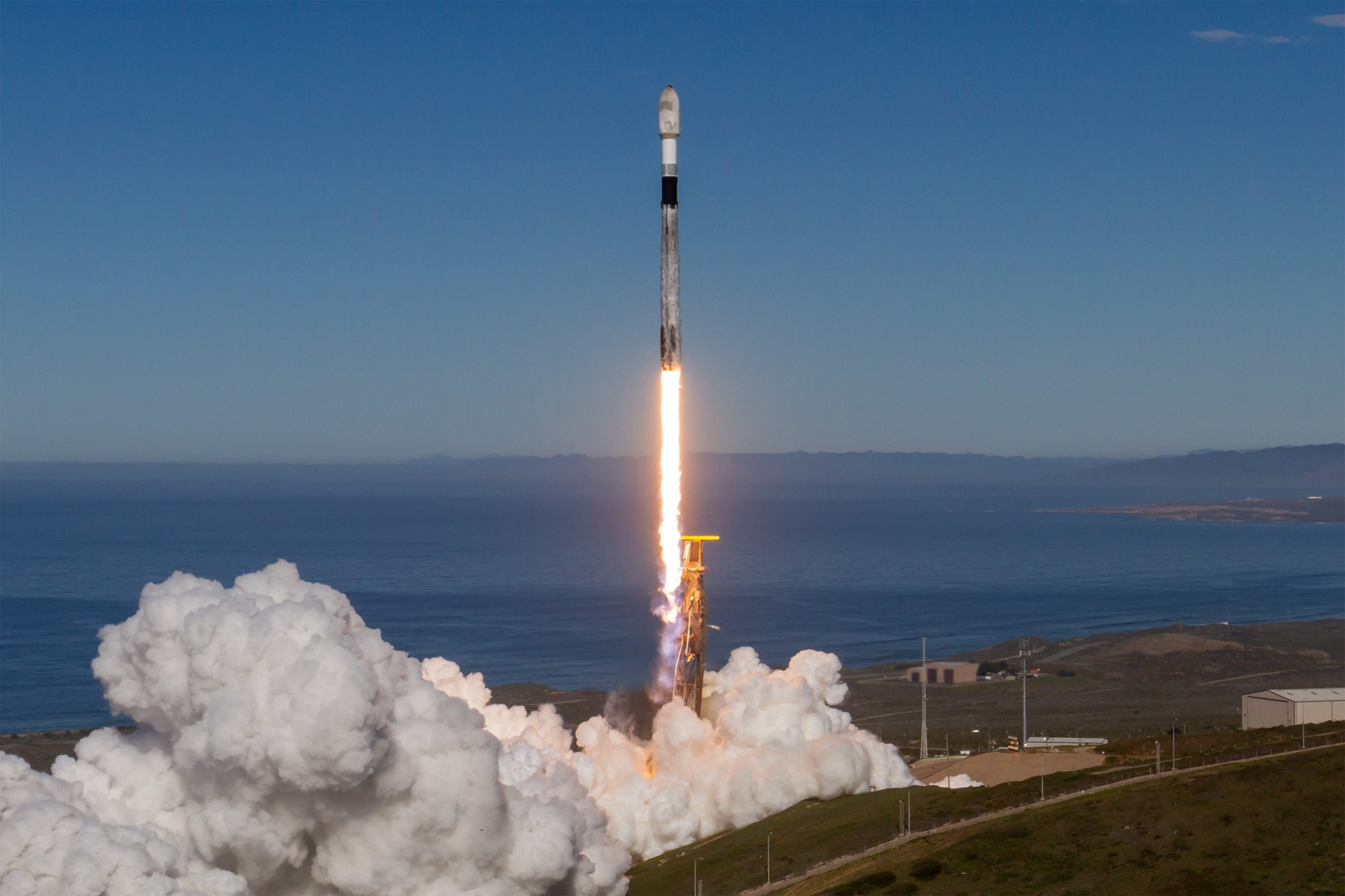
Elon Musk’s SpaceX is on the verge of one of the most anticipated Initial Public Offerings (IPO) in history.
However, a new report from The Information indicates the rocket and satellite giant is aiming to file its IPO prospectus with U.S. regulators as soon as this week, or early next week at the latest.
People familiar with the plans told The Information that advisers involved in the process expect the IPO could raise more than 75 billion dollars, potentially making it the largest stock market debut ever and eclipsing Saudi Aramco’s 29.4 billion dollar offering in 2019.
The filing would mark the formal start of what has long been rumored: SpaceX’s transition from a closely held private powerhouse to a publicly traded company.
The timing aligns with earlier signals.
In late February, Bloomberg reported that SpaceX was targeting a confidential IPO filing in March and a possible public listing in June, with a valuation north of 1.75 trillion dollars. At the time, the company’s private valuation hovered around 1.25 trillion dollars.
SpaceX considering confidential IPO filing this March: report
Starlink, SpaceX’s satellite internet constellation, has been the primary driver of that surge, now serving millions of customers worldwide and generating steady revenue. Recent Starship test flights and a record pace of Falcon launches have further bolstered investor confidence.
Musk has hinted for years that an eventual public offering was inevitable, though he has stressed the need to maintain operational focus. Insiders have told outlets that the CEO is pushing for a significant retail investor allocation, reportedly more than 20 percent of shares, and tighter lock-up periods to limit early selling pressure.
A June listing would give SpaceX immediate access to public capital markets at a moment when demand for space-related stocks remains high. It would also allow early employees and long-time investors to cash out portions of their stakes while giving everyday shareholders a chance to own a piece of the company behind reusable rockets, global broadband, and NASA contracts.
Of course, nothing is certain until the SEC filing appears. Market conditions, regulatory reviews, and Musk’s own schedule could still shift timelines.
Yet the latest word from The Information suggests the window has opened. If the filing lands this week, SpaceX’s roadshow could begin in earnest within weeks, setting the stage for what many analysts already call the IPO of the decade.


Elon Musk
Elon Musk just put a $1 Trillion revenue number on SpaceX
SpaceX surged 19% on its first trading day as Musk projected $1 trillion revenue by 2030.

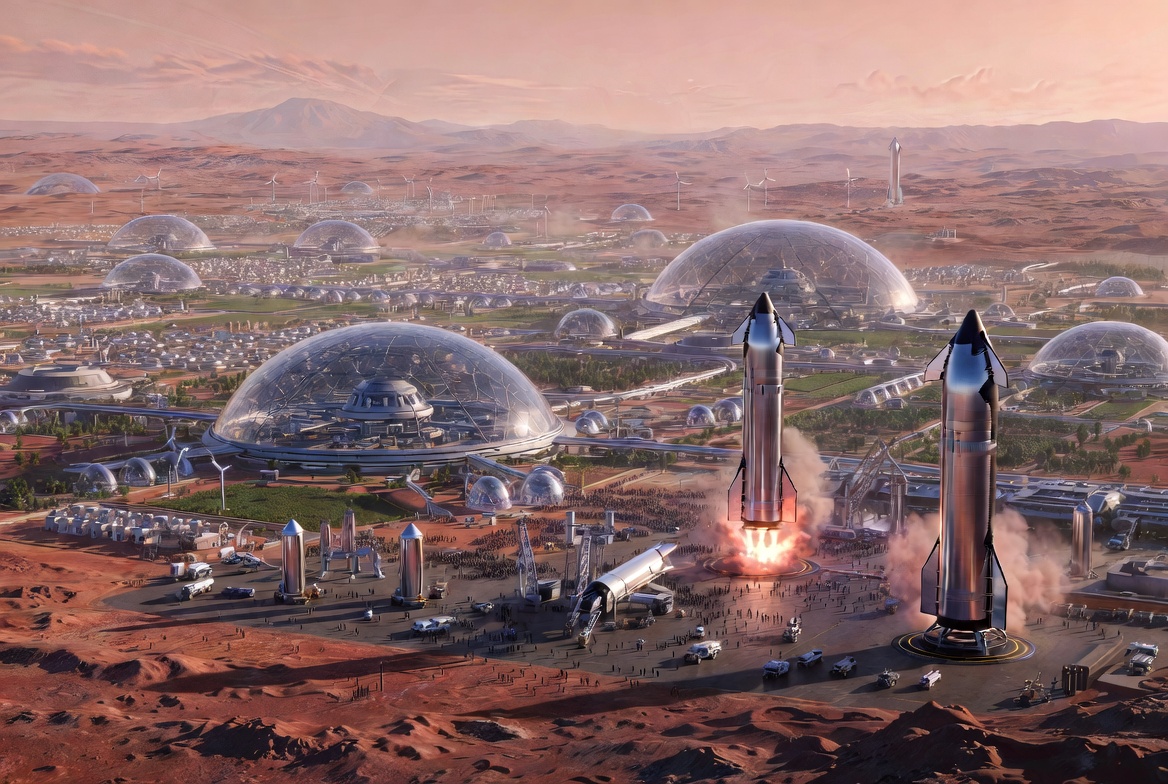
Just days after SpaceX stock pushed its market cap past $2 trillion on its first trading session, closing at $160.95, a 19% gain on the $135 IPO price, Elon Musk posted his own revenue projection on X that went well beyond anything Wall Street modeled. “I think SpaceX might be able to reach approximately $1T revenue in 2030,” Musk wrote, then followed up: “And I would be surprised if revenue is not greater than $1T in 2031.” That forecast sits roughly three times above the most bullish institutional estimate on the table.
Morgan Stanley, one of the lead underwriters, projects SpaceX revenue of $160 billion in 2028, $330 billion in 2030, and $3.4 trillion by 2040, with adjusted EBITDA projected to exceed $2.7 trillion at that point. Reaching those numbers from SpaceX’s $18.7 billion in 2025 revenue requires a compound annual growth rate of roughly 42%, which would outpace even Amazon’s fastest growth era. Morgan Stanley’s model places AI infrastructure as the heaviest revenue driver, projecting $190 billion from SpaceX’s AI business alone by 2030. That figure is anchored to xAI’s Grok platform and the Colossus supercomputer following the earlier merger.
Elon Musk launches TERAFAB: The $25B Tesla-SpaceXAI chip factory that will rewire the AI industry
The government revenue pipeline provides a more predictable foundation under those projections. As we have previously reported, SpaceX holds at least $22 billion in cumulative federal contracts across NASA, the Space Force, the NRO, and the Space Development Agency, with 52 active contracts carrying $11.8 billion in remaining value. The NASA Artemis Human Landing System contract alone is valued at $4.04 billion, covering a second crewed lunar landing demonstration targeted for the Artemis IV mission. SpaceX is also a frontrunner for the Golden Dome missile defense shield, and the FAA has approved up to 44 Starship launches from LC-39A in 2026, setting the stage for Starship to become the backbone of both commercial and government heavy lift. Whether Musk’s $1 trillion number proves visionary or simply optimistic, the infrastructure to get there is already being funded.
Elon Musk
SpaceX (SPCX) IPO is live today at $135: Here’s exactly what you need to know
SpaceX priced its historic IPO at $135 per share today, raising a record $75 billion.
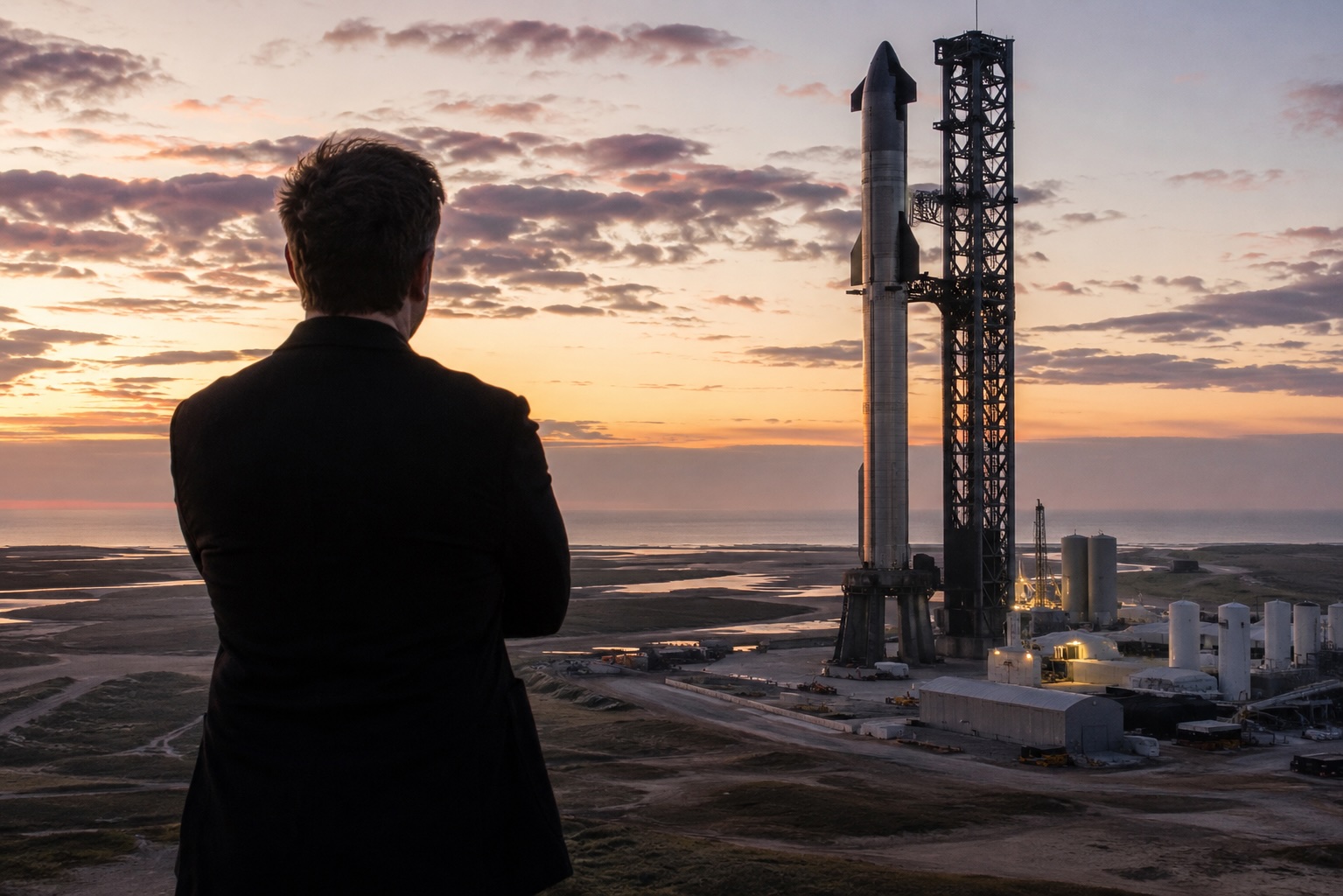
SpaceX officially priced its initial public offering at $135 per share, offering 555,555,555 shares of Class A common stock and raising $75 billion in what is the largest IPO in stock market history. Shares are set to begin trading on the Nasdaq Global Select Market on Friday, June 12, under the ticker symbol SPCX. The previous record holder was Saudi Aramco’s 2019 offering at $29 billion, followed by Alibaba’s $22 billion offering in 2014.
At $135 per share and roughly 555.6 million shares, the implied valuation sits near $1.75 trillion, which would make SpaceX roughly the seventh largest company in the United States, just above Tesla’s current market cap. Regular investors can request shares at the IPO price through Robinhood, Fidelity, Charles Schwab, SoFi, and E*TRADE, though the deal is heavily oversubscribed and most retail allocations will be partial or unfilled. Once trading opens June 12, anyone with a brokerage account can buy SPCX on the open market.
SpaceX’s amended S-1 is sparking a major Tesla merger conversation
The valuation is anchored primarily by Starlink. Starlink crossed 10 million subscribers as of February 2026 and is adding 750,000 to 1.5 million new users per month, with the connectivity segment already posting a $1.19 billion profit last quarter. The offering also bundles in xAI following SpaceX’s all-stock merger earlier this year, adding Grok and the Colossus supercomputer to the investment thesis. As Teslarati reported, Starlink ended 2025 with $10 billion in revenue, a figure analysts project could reach $24 billion by end of 2026.
Wedbush analyst Dan Ives has been vocal in his support. “I think the time is right,” Ives said, adding that the offering expands the Elon Musk ecosystem rather than competing with Tesla. An average 12-month price target of $165 per share represents roughly 22% upside from the IPO price. Not everyone agrees – Motley Fool noted xAI is spending $1 billion per month playing catch-up to OpenAI and Anthropic.
Musk founded SpaceX in 2002 with a single stated purpose. “Elon founded SpaceX with a goal to change humanity, to make us a multi-planet species,” CFO Bret Johnsen said in the company’s retail roadshow video this week. Musk himself has been more direct: “We are building the systems and technologies necessary to provide global connectivity on Earth and beyond, to understand the true nature of the universe, and to extend the light of consciousness to the stars.”
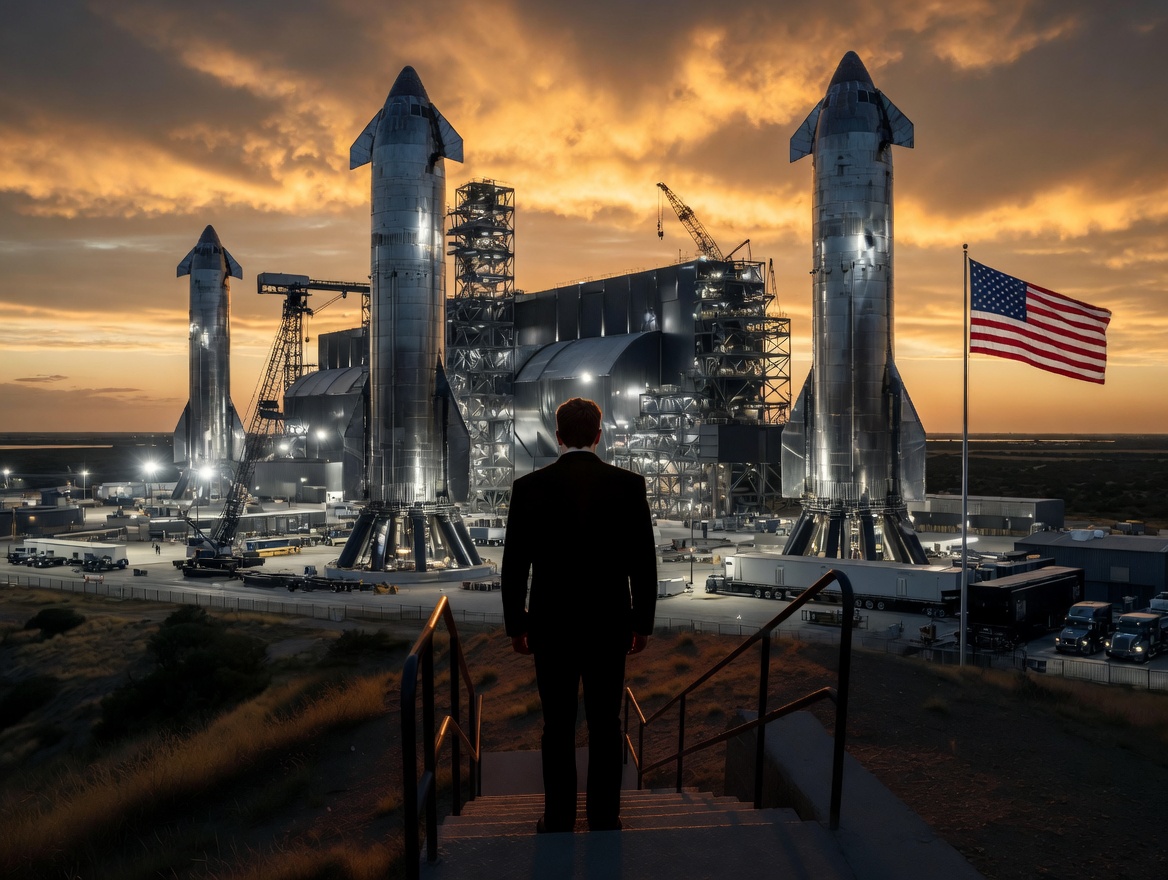
SpaceX CEO Elon Musk recently confronted worries about orbital data centers and launching satellites in mass quantities in space, as some voiced concerns about crowding.
Musk’s SpaceX plans to combat the issue of needing data centers by launching them into space instead of taking up valuable real estate on Earth. It has been a major point of SpaceX’s future, including its looming IPO, which could be the largest ever.
In a recent interview filmed at SpaceX’s Starlink terminal factory in Bastrop, Texas, Elon Musk directly addressed concerns that deploying large numbers of AI satellites for orbital data centers could crowd Earth’s orbit. His message was straightforward and reassuring: space is vast beyond human intuition.
“Space is really big,” Musk said. “It’s not like space is gonna get crowded. Space is enormous. If you actually look at it relative to the Earth, the satellites are so tiny you can’t even see them.” He emphasized that even zooming in makes a satellite appear large, but from a planetary perspective, they are minuscule specks.
Elon on concerns that AI satellites will crowd space:
“Space is really big. It’s not like space is gonna get crowded. Space is enormous. If you actually look at it relative to the earth, the satellites are so tiny you can’t even see them.” https://t.co/Mvr7NpL25Q pic.twitter.com/5Fi629Rii7
— Sawyer Merritt (@SawyerMerritt) June 8, 2026
Musk pointed to SpaceX’s real-world experience operating roughly 10,000 Starlink satellites as evidence that large constellations can be managed safely. “We’ve got a pretty good idea of how to operate just really large constellations and do it safely,” he noted. SpaceX remains the only operator with meaningful experience at this scale, giving the company unique insight into tight orbital packing without compromising safety
The discussion highlighted SpaceX’s plans for “AI1” satellites—essentially orbiting racks of AI compute powered by massive solar arrays and cooled via radiative panels in space’s vacuum.
These satellites leverage proven Starlink V3 technology, making them simpler to design than communications satellites. A first-generation unit targets around 150 kW peak power, with a 70-meter wingspan for solar panels and radiators. Laser links will connect them to each other and the Starlink network, delivering low-latency access (on the order of a few milliseconds from low-Earth orbit).
FCC accepts SpaceX filing for 1 million orbital data center plan
Musk framed orbital data centers as a practical solution to Earth’s constraints on AI growth. Ground-based facilities face power shortages, water demands for cooling, and grid limitations. In space, constant sunlight (no day-night cycle), vacuum radiative cooling, and abundant solar energy offer clear advantages.
Production will ramp up at an expanded “Gigasat” factory in Bastrop, with solar manufacturing already underway and full AI satellite output expected at reasonable volume by the end of 2027. Starship’s rapid, high-volume launch capability, aiming for multiple flights per hour, will make massive deployment feasible.
Critics sometimes raise risks like space debris or Kessler syndrome, but Musk’s response underscores scale: even a million satellites would represent an imperceptible fraction of available orbital volume when viewed against Earth’s size. SpaceX’s automated collision avoidance and deorbiting designs for Starlink further mitigate concerns.
This vision ties into broader ambitions. Musk sees orbital AI compute as a step toward harnessing more of the Sun’s energy, advancing humanity on the Kardashev scale from a Type 0 civilization toward Type 1 and eventually Type 2. By moving power-hungry data centers off-planet, SpaceX aims to unlock orders-of-magnitude more compute while preserving Earth’s resources.
Musk’s comments should ease public anxiety. With proven operational expertise, incremental engineering, and the immensity of space itself, orbital data centers represent not overcrowding, but smart expansion into the final frontier.

Tesla Cybercab specs revealed: range, curb weight, range ratings, and more

Tesla Cybercab snags huge regulatory green light that readies it for public roads


