Elon Musk
SpaceX is preparing to launch Starship V2 one final time
The mission will test reentry dynamics, new landing burn configurations, and heat-shield upgrades.

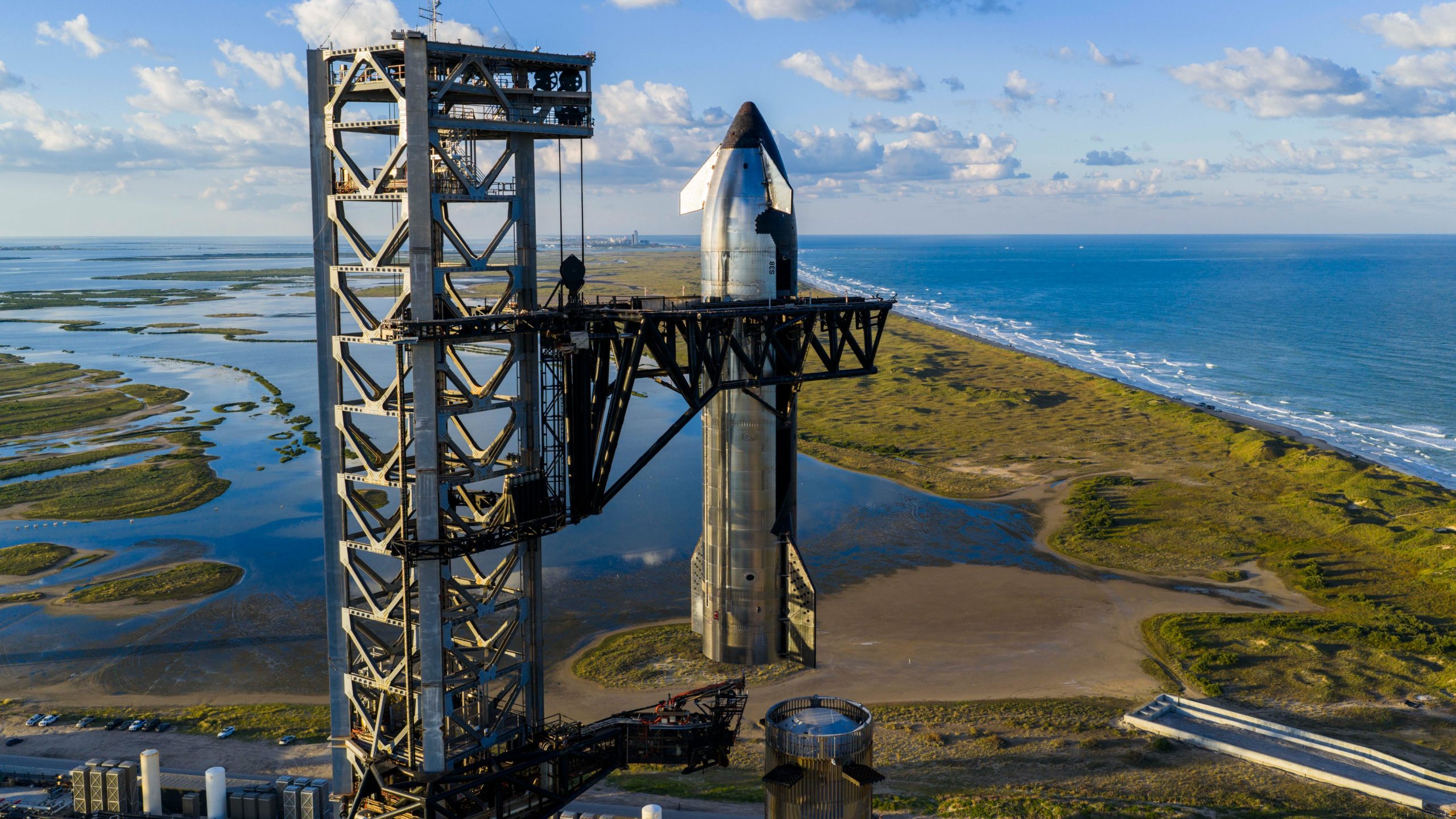
SpaceX is preparing to launch its final Starship V2 rocket on October 13, 2025. The launch closes the curtain on Starship V2 and marks the start of the ambitious spacecraft’s V3 era.
Liftoff for Flight 11 is scheduled for 7:15 p.m. ET from Starbase in South Texas, with a 75-minute launch window. The mission will test reentry dynamics, new landing burn configurations, and heat-shield upgrades ahead of the transition to the next-generation Starship V3.
Starship V3 and beyond
Elon Musk confirmed on X that Starship V3 is already in production and could be “built & tested” and perhaps even flown before the end of 2025. The new version is expected to feature major performance and scale improvements, with Musk stating that Starship V3, provided that things go well, might be capable of reaching Mars, though V4 is more likely to perform a full-scale mission to the red planet.
“Only one more V2 left to launch,” Musk wrote back in August following Starship’s successful Flight 10 mission. In another post, Musk stated that “Starship V3 is a massive upgrade from the current V2 and should be through production and testing by end of year, with heavy flight activity next year.”
Starship V2’s final mission
Flight 11 is designed to push the limits of Starship V2. SpaceX engineers have intentionally removed heat-shield tiles in vulnerable areas to analyze how the vehicle handles atmospheric reentry under stress, as noted in a Space.com report. The test will also refine subsonic guidance algorithms and new landing burn sequences for the Super Heavy booster that would be used for Starship V3.
“Super Heavy will ignite 13 engines at the start of the landing burn and then transition to a new configuration with five engines running for the divert phase. Previously done with three engines, the planned baseline for V3 Super Heavy will use five engines during the section of the burn responsible for fine-tuning the booster’s path, adding additional redundancy for spontaneous engine shutdowns.
“The booster will then transition to its three center engines for the end of the landing burn, entering a full hover while still above the ocean surface, followed by shutdown and dropping into the Gulf of America,” SpaceX wrote in a post on its official website.


Elon Musk
FAA kicks off review of SpaceX’s bid to fly Starship nearly every day
FAA is reviewing SpaceX’s plan for 456 Starship launches a year, up from 25 today.

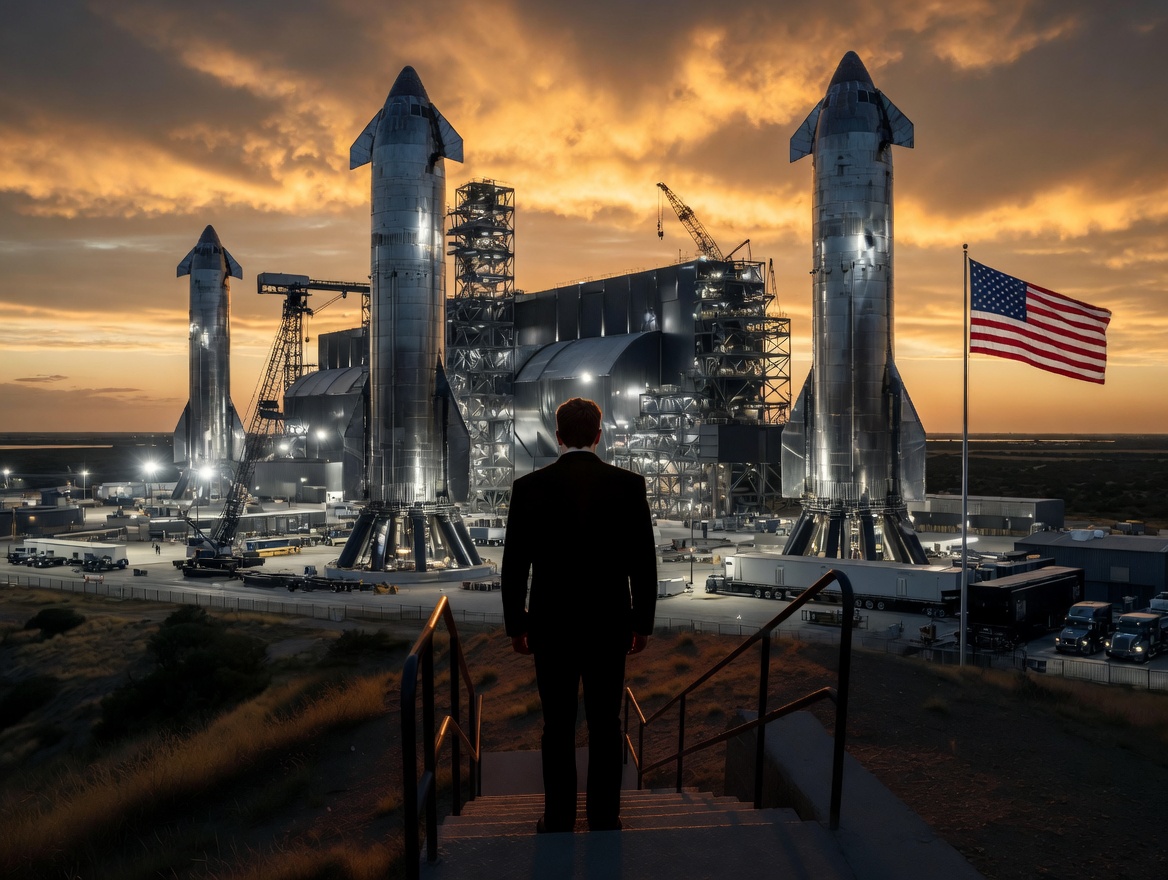
The FAA said Tuesday that it will prepare an environmental impact statement on SpaceX’s proposal to run as many as 456 Starship launches and 912 landings a year from Starbase, Texas. SpaceX is currently authorized for 25 launches and 50 landings annually, which makes the request roughly 18 times the existing ceiling. The notice of intent is set to publish in the Federal Register on Wednesday.
The plan comes in two phases. Phase 1 would allow up to 100 launches and 200 landings a year, on any day and at any hour. Phase 2, which the FAA says could arrive within several years, would raise the limit to the full 456 launches, still at any hour but only on weekdays. The agency noted that 912 landings is the upper limit for the Texas facility no matter where a given mission begins, and that Starship and Super Heavy could come down at the launch site or in the Gulf and open ocean.
A draft statement will be released for public comment at a later date, and the FAA has not said when. According to the Federal Registar, written comments are due November 30 on regulations.gov under docket FAA-2026-12808, with in person scoping meetings on November 17 in Brownsville and November 19 in Port Isabel, plus a virtual session on November 18. The review will weigh air quality, wildlife, coastal resources, water, noise, and aviation, and the FAA said any increase beyond this proposal would need its own separate review.
The numbers look large next to what Starbase has actually done. Starship has flown three times from Texas this year, including Flight 14 on September 28, the first orbital flight, which deployed 26 Starlink V3 satellites. Bloomberg reported that Starbase has never launched more than five times in a calendar year. The current cap of 25 comes from an FAA approval in May 2025. In February, the agency also approved up to 44 Starship launches a year from Launch Complex 39A in Florida, so Phase 1 in Texas alone would more than double that allowance.
Musk has said Starship could eventually fly more than once per hour within less than a decade, per Bloomberg. The nearer term target is Flight 15. Musk said on October 10 that it is hopefully four to six weeks away and will try to catch the ship with the tower, as Teslarati covered. That flight still runs under the existing 25 launch limit, and so would every Starbase launch for as long as the new review takes.
As of mid morning Pacific time on Tuesday, SpaceX had not posted about the filing on its own account.
Elon Musk
SpaceX just combined Grok, Cursor, and X into one mega plan
SpaceXSI merges Grok, Cursor, and X Premium into one plan, raising questions for Tesla owners.
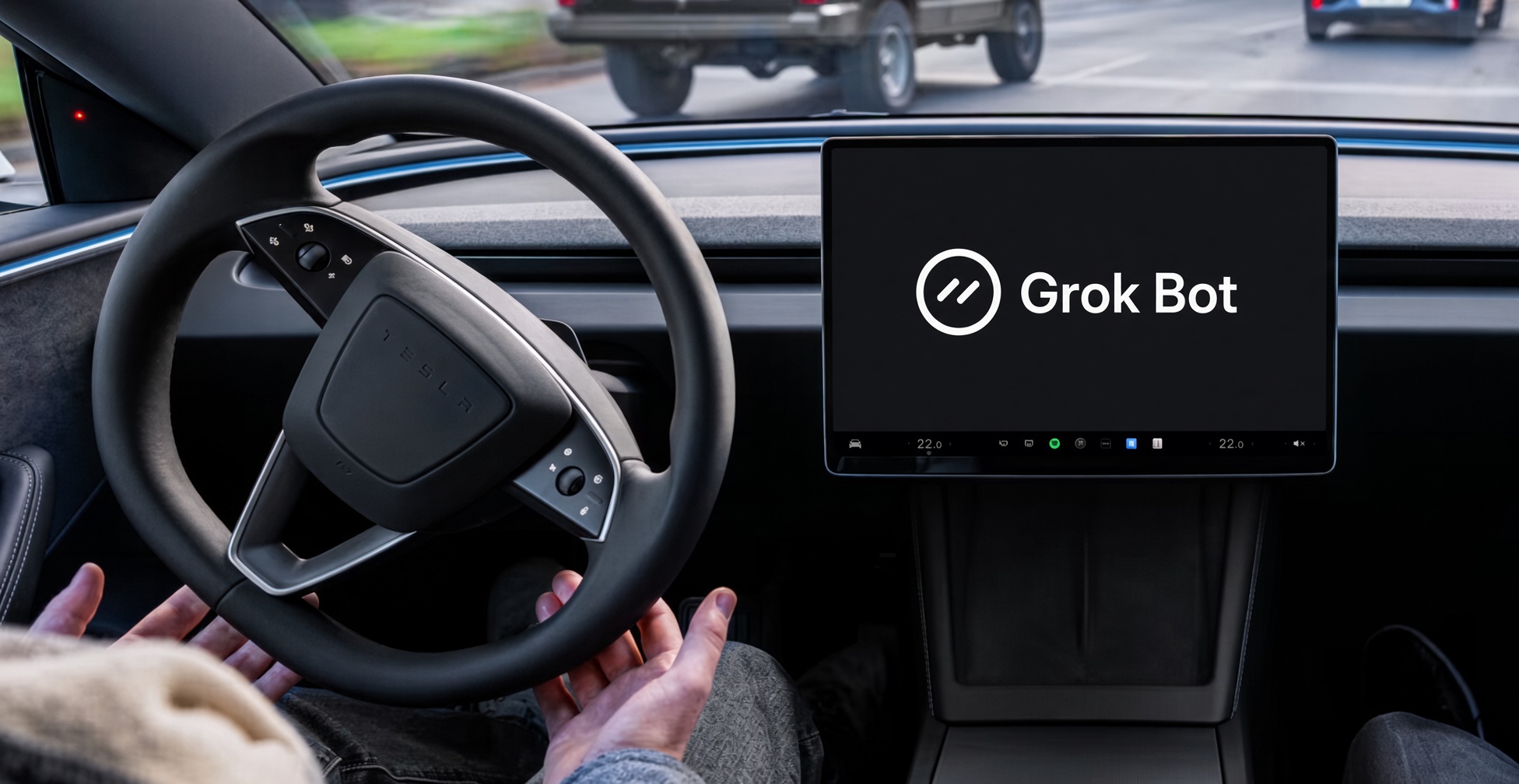
SpaceX Super Intelligence has rolled out The X Subscription, a single plan that combines Grok, Grok Bot, Cursor, and X Premium.
There are five levels, including a free plan that includes daily Grok access and a starter allowance for Cursor’s coding agents. Plus is $8 per month, Premium is $30, Super is $100, and Ultra is $200. Usage scales as you move up, with Premium offering four times the Plus allowance, Super 15 times, and Ultra 50 times. Annual billing brings the prices down a bit further, with Premium at $300 per year.
We’ve unified plans across Grok, Cursor, and X Premium.
Introducing The X Subscription. https://t.co/SvkrVvBa0p
— SpaceX Super Intelligence (@SpaceXSI) October 12, 2026
The $30 Premium tier is where SpaceXSI says it packs the benefits of SuperGrok, Cursor Pro, and X Premium+, which previously added up to $90 per month. Grok Bot, the agent that handles tasks like ordering food or managing a calendar, is included from Premium upward but not on Plus. Paid plans share one weekly usage pool across Grok and Cursor, and each plan includes at least twice the coding usage of the comparable Cursor plan. Third party models in Cursor remain available on Premium and above, but they are billed separately at API list prices.
That last detail matters because of what has happened around Cursor this year. SpaceX exercised its option to buy the company for $60 billion in June, and the deal closed in August. Weeks later, OpenAI said it will cut Cursor’s access to its models on November 12. Bundling Cursor with Grok usage gives SpaceXSI a reason to steer developers toward its own models.
Tesla integrates Grok Bot into its vehicles for the ultimate personal assistant
For Tesla owners, the connection is Grok Bot. Tesla brought it into its vehicles last month, and at that point access inside the car was limited to SuperGrok Heavy subscribers. Grok Bot is now enabled across every Cybercab and the rest of the Model Y Robotaxi fleet. Neither SpaceXSI nor Tesla has said how the new plans change inside the car access for owners, or whether a $30 Premium subscription now covers Grok Bot in a personal Tesla. That is the question owners will want answered first.
The company is also changing its name along the way. The rollout follows the rebrand Musk announced on October 4, when he said SpaceXAI would become SpaceXSI, and the plan page now carries that branding.
The X Subscription is available to new customers starting now, and SpaceXSI says it will reach everyone globally over the next few days. Existing SuperGrok, Cursor, and X Premium subscribers do not have to switch. The option to move will appear gradually in billing settings, with a prorated refund for the unused time on the old plan. Switching is permanent once the accounts are unified, and old plans are closed to new sign ups.
Elon Musk
Elon Musk roasts India’s billionaire Mukesh Ambani as Starlink fight heats up
Elon Musk sarcastically calls Mukesh Ambani ‘Prime Minister’ as the Starlink India standoff escalates again.

Elon Musk escalated his public fight over Starlink’s launch in India on Friday, addressing Reliance chairman Mukesh Ambani as “Prime Minister Ambani” in a sarcastic post on X. “Please accept my humble apologies for not realizing that you are the real boss of India,” Musk wrote, before accusing Ambani of “monopolistic exploitation” and asking whether he would “consider allowing Starlink to compete.” In follow up posts, he said Starlink has proven essential during natural disasters and would help parts of India with no internet access.
The post came two days into a fight that Musk sparked up on Wednesday, when he said Starlink was “being blocked by certain oligarchs in order to maintain their monopolistic chokehold on the Indian people.” He called it “a crime against the people of India” and left the names out, adding only, “You can guess who they are.” Jio and Airtel together hold more than 80% of India’s telecom market. On Thursday, Musk asked whether Ambani is “the real boss of India” and said Starlink has spent five years complying with “every single law and requirement” of the Indian government.
Dear Prime Minister Ambani,
Please accept my humble apologies for not realizing that you are the real boss of India.
Naturally, you would prefer to maintain your monopolistic exploitation of the great people of India, but would you nonetheless consider allowing Starlink to compete?
There are many areas of India, as there are in all countries, with no Internet access, which denies children the opportunity for education and for small businesses the opportunity to sell their goods to a global market. Starlink would change their lives for the better.
Thank you 🙏
— Elon Musk (@elonmusk) October 9, 2026
India’s government has pushed back each time. The Ministry of Communications called the suggestion that its framework is unfair or discriminatory “baseless and misconceived.” Communications Minister Jyotiraditya Scindia said Friday that three companies hold satcom licenses: Starlink, Jio Satellite Communications, and Bharti backed Eutelsat OneWeb. Amazon’s Kuiper, now Amazon Leo, is still going through the process. None can launch until regulators finalize satellite spectrum pricing and the Home Ministry signs off on each company’s security compliance. Scindia said the telecom regulator and the Department of Telecommunications are close to a decision on pricing, The Hindu reported. Bharti chairman Sunil Mittal also said OneWeb is still waiting on approvals.
Starlink received its operator license in 2025 after a three year wait, and the space regulator IN-SPACe granted what industry executives called the last approval needed in July. The holdup since then centers on security, particularly concern that foreign operators could bypass Indian gateways.
Musk and Ambani have been on opposite sides of this before. In late 2024, Ambani argued for auctioning satellite spectrum, which Musk criticized as out of step with the rest of the world, and India chose administrative allocation instead. By March 2025, the two sides had signed a deal to sell Starlink devices in Reliance stores, and Starlink secured its telecom license that June. That partner is now also a competitor. Jio is reportedly weighing a constellation of 1,600 to 1,650 satellites costing an estimated $10 billion to $15 billion, while Akash Ambani has told shareholders Jio plans to lease capacity from global providers to move quickly.

FAA kicks off review of SpaceX’s bid to fly Starship nearly every day

Tesla Roadster livestream: everything Tesla has revealed before Thursday night

SpaceX just combined Grok, Cursor, and X into one mega plan

The Pentagon taps Elon Musk to design the battlefield of the future

SpaceX reveals how its 1 Million AI satellite network will work and prevent space collisions


