Elon Musk
SpaceX’s next project will produce Starships at a level that sounds impossible
1,000 rockets per year is an insane number, especially considering Starship’s sheer size.

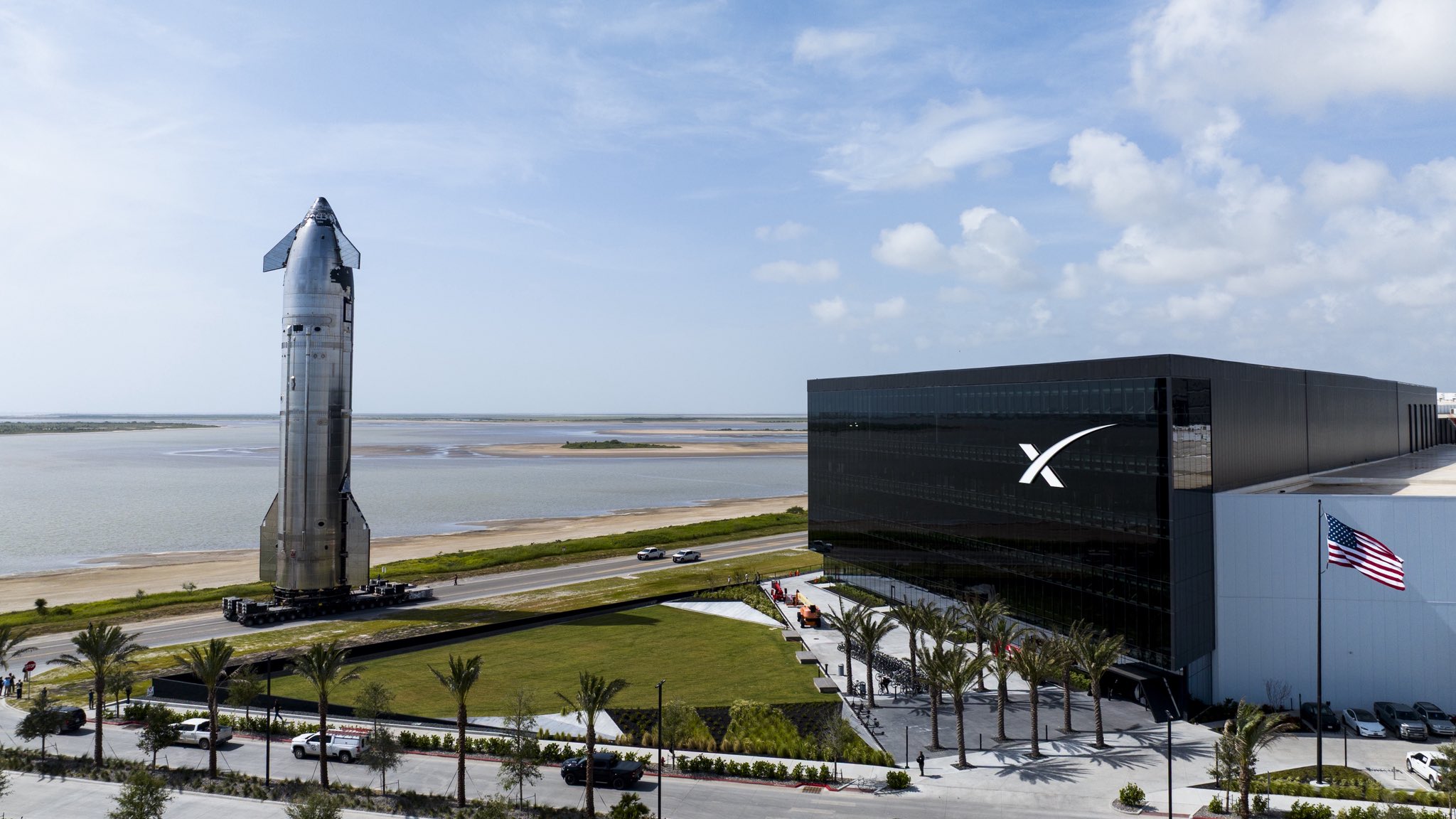
Elon Musk has revealed bold plans for SpaceX’s newest Starbase facility in Texas, predicting it will become a birthplace for “so many spaceships.” The upcoming “Gigabay,” a massive $250 million production hub in Starbase, Texas, is designed to manufacture up to 1,000 Starship rockets per year.
That’s an insane number of rockets for a single facility, especially considering Starship’s sheer size.
One of the world’s largest industrial structures
SpaceX’s Gigabay is expected to stand roughly 380 feet tall and enclose 46.5 million cubic feet of interior space, making it one of the largest industrial structures to date. The facility will feature 24 dedicated work cells for assembling and refurbishing Starship and Super Heavy vehicles, complete with heavy-duty cranes capable of lifting up to 400 U.S. tons, as noted in a Times of India report.
Construction crews have already placed four tower cranes on-site, with completion targeted for December 2026. Once operational, the Gigabay is expected to boost SpaceX’s launch cadence dramatically, as it would be able to build up to 1,000 reusable Starships per year, as noted in a report from the Dallas Express. Musk stated that the Gigabay will be “one of the biggest structures in the world” and hinted that it represents a major leap in Starbase’s evolution from test site to full-scale production hub.
A key step toward Mars and beyond
Starship is SpaceX’s heavy-lift rocket system, and it remains a key part of Elon Musk’s vision of a multiplanetary future. The vehicle can carry 100–150 tonnes to low Earth orbit and up to 250 tonnes in expendable mode. With several successful flights to date, including a perfect 11th test flight, the Starship program continues to refine its reusable launch system ahead of crewed lunar missions under NASA’s Artemis initiative.
Starship is unlike any other spacecraft that has been produced in the past. As per Elon Musk, Starship is a “planet-colonizer” class rocket, as the magnitude of such a task “makes other space transport task trivial.” Considering Starship’s capabilities, it could indeed become the spacecraft that makes a Moon or Mars base feasible.



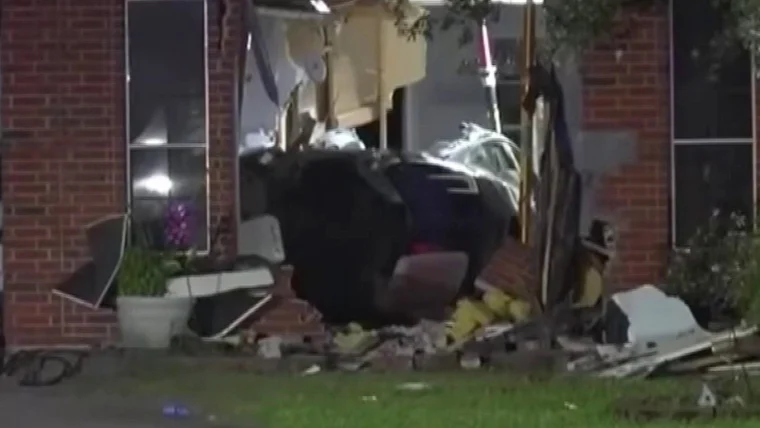
Tesla has finally clarified the situation regarding the viral crash in Texas where a Model 3 slammed into a home.
CEO Elon Musk replied to reports on Monday that stated the crash was due to the company’s Full Self-Driving or Autopilot suite, which seemed unlikely to those who are familiar with it. Video showed the car slamming into a house at an excessive rate of speed, making it highly unlikely the crash was due to the suite’s operation, as it does not travel at those speeds in residential areas.
Musk said:
“This makes no sense. FSD drives slowly through neighborhood streets, and this was a high-speed crash!”
Tesla’s Head of AI, Ashok Elluswamy, added context, revealing that the company’s data shows the driver “manually overrode self-driving by pressing the accelerator all the way to 100%.”
He revealed the speed reached by the car was 73 MPH, and the accelerator was still pressed “even after the crash.”
Yup. In this case, the driver manually overrode self-driving by pressing the accelerator all the way to 100% of the accel pedal in this residential area. They reached a speed of 73 mph during the crash, and had the accelerator pressed even after the crash.
— Ashok Elluswamy (@aelluswamy) June 22, 2026
Authorities are reportedly investigating “whether Tesla’s Autopilot system played a role after a Model 3 left the roadway…slammed through a brick house at high speed and fatally struck Matha Avila as she sat inside,” the New York Post reported.
The National Highway Traffic Safety Administration (NHTSA) is now investigating the crash. Tesla will work with the agency to provide them with whatever information they need in order to clarify the cause of the crash.
Similarly, Tesla had claims of a fatal accident in Harris County, Texas, a few years ago. Early reports indicated that Full Self-Driving was the cause of the crash. After the National Transportation Safety Board (NTSB) worked with Tesla, the agency proved there was “no use of the Autopilot system at any time during this ownership period of the vehicle, including the time frame up to the last transmitted timestamp on April 17, 2021.”
Tesla alleged “driverless” crash in Texas: What is known so far
“Application of the accelerator pedal was found to be as high as 98.8 percent,” the NTSB said in their findings. The highest recorded speed in the five seconds leading up to the impact was 67 miles per hour. The area where the crash occurred is residential, and Texas State laws have default speed limits of 30 MPH in residential streets.
This appears to be a similar situation. However, an investigation will prove what happened for sure.
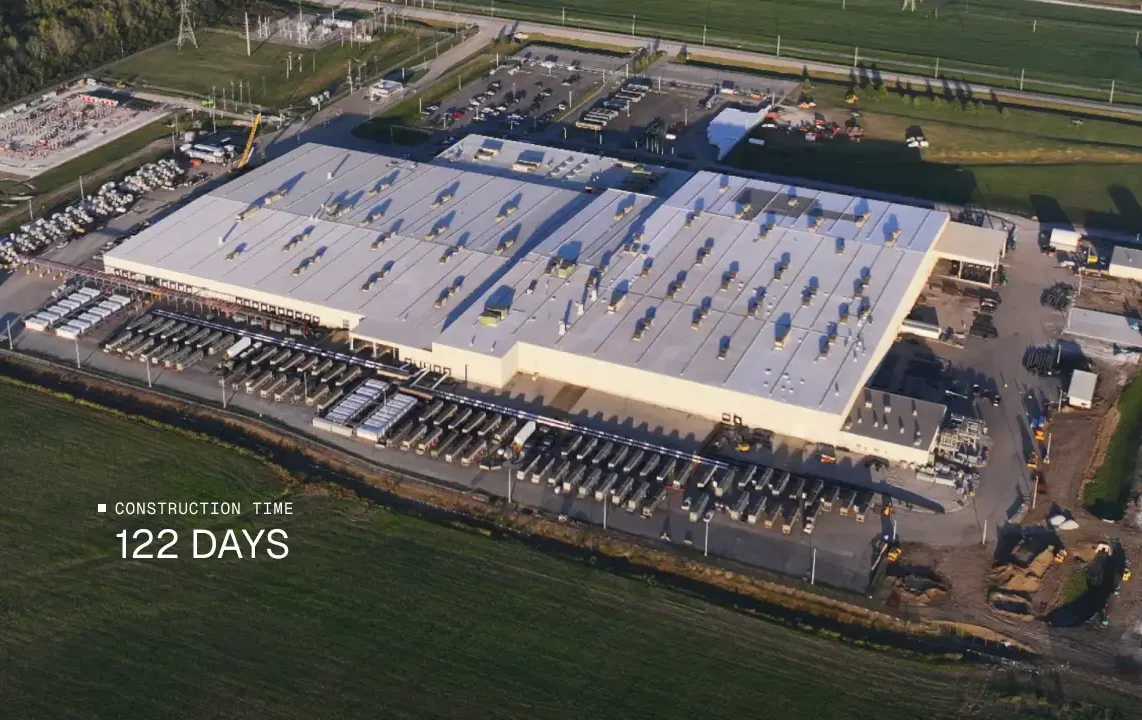
SpaceX confirmed today that it has officially signed its third massive compute deal, providing compute at its Colossus data center in Southaven, Mississippi.
Reflection AI will gain immediate access to NVIDIA GB300 chips at SpaceX’s Colossus 2 data center. In return, Reflection will pay SpaceX $150 million per month starting on July 1, with total payments reaching approximately $6.3 billion if the contract runs through its duration, which is until 2029. Either party can terminate the agreement with 90 days’ notice after the initial three-month period.
CNBC first reported the deal.
🚨 SpaceXAI has agreed to a new compute deal with Reflection AI.
Reflection gets access to NIVIDIA GB300s, and will pay $150M per month to SpaceXAI for the compute. pic.twitter.com/bNPare8U5u
— TESLARATI (@Teslarati) June 22, 2026
This latest partnership highlights SpaceX’s strategy of commercializing its massive Colossus supercomputing infrastructure, originally developed to power Elon Musk’s Grok AI models. The company has rapidly expanded its customer base in the AI sector following its February 2026 merger with xAI, a transaction that valued the combined entity at $1.25 trillion.
SpaceX has previously signed significant compute deals with other major players.
It granted Anthropic exclusive access to the full capacity of its Colossus 1 data center, which exceeds 300 megawatts and includes over 220,000 NVIDIA GPUs. Details from SpaceX’s IPO filings indicate Anthropic will pay $1.25 billion per month through May 2029, potentially generating around $45 billion over the term of the deal.
Additionally, Google agreed to pay SpaceX $920 million per month for compute capacity from October 2026 through June 2029. This 32-month period will provide Google access to roughly 110,000 NVIDIA GPUs, along with supporting processors and memory. Capacity ramps up through September at a reduced fee, with termination options after the first year.
SpaceXA also established arrangements for computing power with Cursor, an AI coding startup. SpaceX acquired them in a $60 billion all-stock deal.
These arrangements position SpaceX’s collective position as an AI infrastructure powerhouse with high-margin revenue potential. The Google deal alone could generate nearly $29.5 billion over its term, while the Reflection contract adds another $6.3 billion.
Combined with the Anthropic arrangement, SpaceX stands to realize tens of billions in revenue from compute leasing in the coming years, which diversifies beyond SpaceX’s traditional rocket launches and Starlink operation.
The deals underscore growing demand for advanced AI training and inference capacity amid chip shortages and surging model development needs. Reflection, valued at $25 billion and focused on “American open intelligence” with government and national security ties, cited recent restrictions on closed models as validation for open-source approaches.
For SpaceX, the partnerships transform capital-intensive data centers into flexible revenue sources while supporting its broader AI ambitions after the company has gone public.
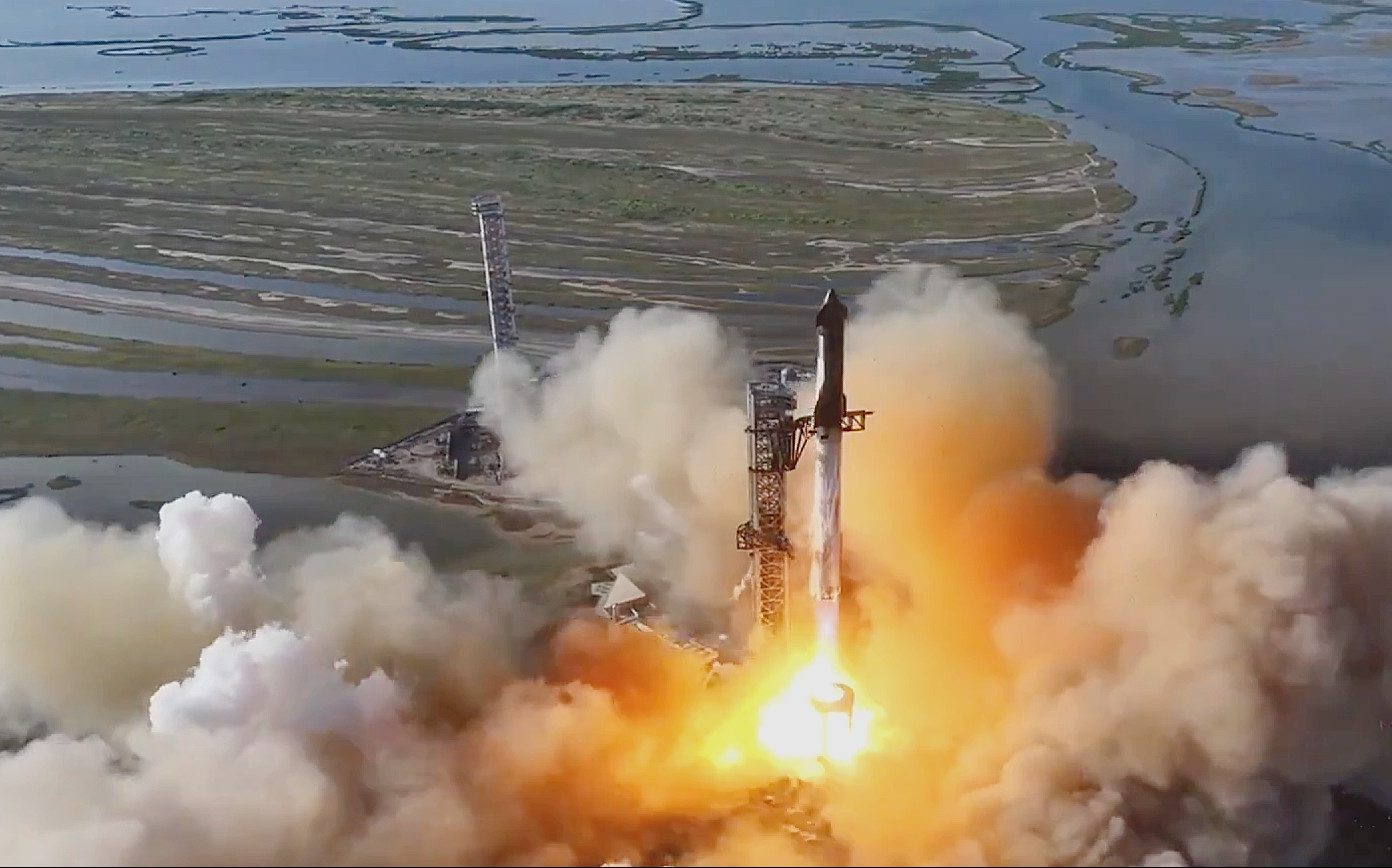
It is safe to say SpaceX won’t be going for electric rockets anytime soon.
In a characteristically blunt reply on X, SpaceX frontman Elon Musk stated, “Unfortunately, electric rockets are impossible,” following reports that MSCI had assigned SpaceX its lowest possible ESG rating of CCC.
The assessment, issued just this past week, coinciding closely with SpaceX’s public market debut, placed the company on par with nations like Russia in sustainability scoring and cited significant risks in environmental, social, and governance areas.
MSCI flagged SpaceX’s exposure to rocket emissions and other operational impacts, alongside governance concerns such as concentrated control by Musk and limited shareholder protections. Musk’s terse comment directly addressed the environmental pillar, underscoring a core physical constraint that ESG frameworks often overlook when evaluating high-thrust industries.
Unfortunately, electric rockets are impossible
— Elon Musk (@elonmusk) June 21, 2026
Electric propulsion systems do exist and are widely used in space. Ion thrusters and Hall-effect thrusters accelerate ionized propellant, typically xenon or krypton, using electric fields, achieving very high specific impulse, often exceeding 3,000 seconds compared to roughly 300–450 seconds for chemical rockets.
This efficiency makes them ideal for satellite station-keeping, orbit raising, and deep-space missions where low thrust over long durations is sufficient. SpaceX’s own Starlink satellites employ electric propulsion for these purposes.
However, launching from Earth’s surface demands something entirely different: enormous thrust delivered rapidly to overcome gravity and atmospheric drag. A typical orbital-class booster must generate thrust far exceeding its weight, often in the millions of Newtons within seconds.
Chemical rockets achieve this through exothermic combustion of dense propellants, producing high-mass-flow, high-velocity exhaust. Electric systems, by contrast, expel very small amounts of mass at extremely high speeds. Generating equivalent thrust would require impractical onboard power levels, massive energy storage or generation systems, and prohibitive added mass, rendering the approach infeasible with current or near-term technology.
Musk has previously expressed a similar sentiment, noting a desire for electric orbital rockets while acknowledging the inescapable requirements of Newton’s third law and energy delivery. The distinction is clear: electric propulsion excels once a vehicle is already in space; it cannot replace the high-thrust chemical phase required to reach orbit from the ground.
The episode illustrates broader critiques of ESG ratings. Proponents argue they incentivize better risk management and long-term sustainability. Detractors, including Musk—who has previously called ESG a “scam”—contend that such metrics can penalize essential activities when no practical alternative exists, potentially discouraging innovation in sectors like space access.
Elon Musk dubs the S&P 500 ESG as “outrageous scam” after Tesla gets booted from index
SpaceX has sought to mitigate launch-related impacts through reusability: Falcon 9 boosters have flown more than 30 times in some cases, dramatically lowering the manufacturing and emissions burden per kilogram delivered to orbit. Starship’s design further emphasizes rapid reusability and methane propellant, which can theoretically be produced via sustainable pathways.
Ultimately, Musk’s remark serves as a reminder that certain engineering realities persist regardless of scoring systems. As humanity expands its presence in space for communications, science, and exploration, balancing genuine environmental progress with technological necessity remains a central challenge.
ESG frameworks may evolve, but the fundamental limits of electric launch propulsion are unlikely to change soon.

Tesla tops American-Made Index for sixth-consecutive year

Tesla finally clarifies fatal Texas crash, confirms driver manually overrode acceleration


