News
SpaceX Starship booster’s ‘hot gas’ thrusters make first public appearance

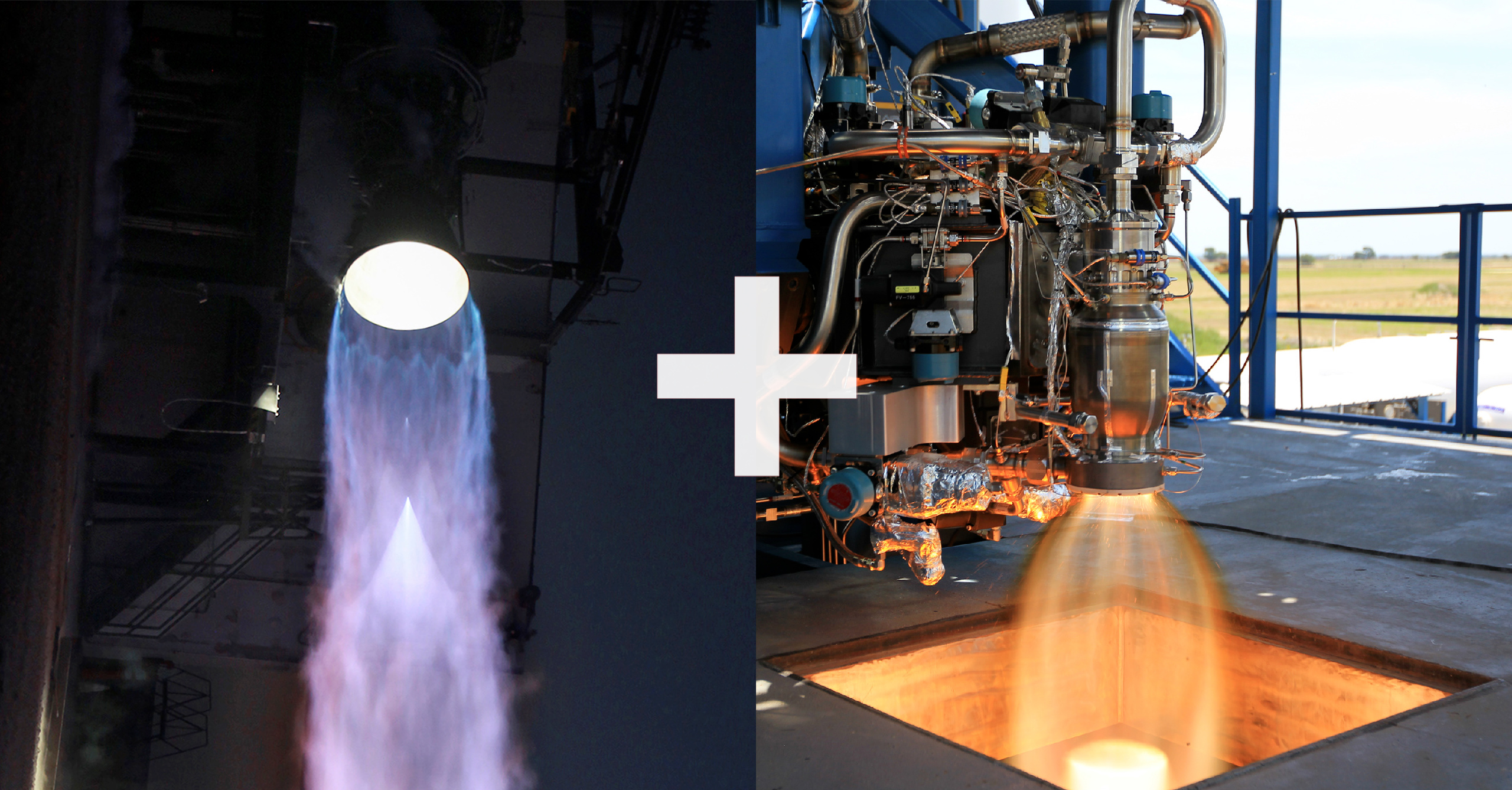
‘Hot gas’ thrusters meant to boost the efficiency of SpaceX’s Starship spacecraft and Super Heavy boosters have been spotted in public for the first time.
On the evening of June 21st, spaceflight photographer Brady Kenniston – on assignment for NASASpaceflight – caught the first glimpses ever of what amounts to the newest rocket engine designed and built by SpaceX. As yet unnamed, SpaceX CEO Elon Musk has consistently referred to the new engine as a “hot gas thruster” for several years, though virtually no concrete details have ever been shared.
The reason behind the lack of major visible progress is simple enough: until Starship is ready for serious orbital testing, hot-gas thrusters just aren’t necessary. Instead, SpaceX has relied on tried and true cold gas thrusters derived – or quite literally taken, in the case of Starhopper – from those used on Falcon 9 and Falcon Heavy boosters to maintain attitude control in space and safely land back on Earth.
For Starhopper and Starships SN5 and SN6, all three of which focused on simple hop tests, those cold-gas thrusters primarily augmented Raptor’s thrust vectoring capabilities by fine-tuning vehicle rotation and attitude. On Starships SN8, SN9, SN10, SN11, and SN15, cold-gas thrusters played a more substantial role in their more complex medium-altitude test flights, flipping each ship horizontal at apogee, helping to maintain stability during skydiver-style freefalls back to Earth, and augmenting three Raptor engines during the final landing flip and landing burn.
By all appearances, the thrusters did their jobs perfectly on all nine test flights. However, those eight suborbital prototypes could all afford to expend large portions of their mass budgets on a plethora of pressure vessels filled with tons of nitrogen gas. More importantly, empty Starships and their Super Heavy boosters are expected to weigh anywhere from 10-50 times more than Falcon 9’s booster and upper stage, and SpaceX’s suborbital prototypes have also required much less performance (delta V) than operational ships and boosters will need.
Cold gas (nitrogen) thrusters are too inefficient and the exponential aspects of rocket engineering too cruel for what works on Falcon to efficiently meet the needs of Starship and Super Heavy. SpaceX’s long-planned solution has been the development of a bipropellant thruster that would borrow from Raptor expertise and use the same methane and oxygen propellant – albeit in their high-pressure gaseous forms. If properly realized, such a thruster could offer around five times the efficiency and thrust of a similarly-sized cold-gas system – a boon for maneuvering and manipulating massive 100-250 ton (~250,000-550,000 lb) ships and boosters in space.
In theory, moving from nitrogen to methalox thrusters also means that Starship could refuel its thrusters using a tiny fraction of the vast supply of liquid methane and oxygen propellant it will already be carrying to the Moon or Mars. Ultimately, though, Musk says that those hot gas attitude control thrusters will debut on the Super Heavy booster assigned to Starship’s first orbital test flight. While SpaceX’s initial July target now appears to be out of the question, all flight and pad hardware could still be ready to launch as early as August or September.
Update: One month after Elon Musk stated that SpaceX was “aiming” to have hot gas thrusters on the first flightworthy Super Heavy booster, the CEO says those thrusters would be “an unnecessary complication for now” and “are being removed to speed up time to” Starship’s first orbital launch.



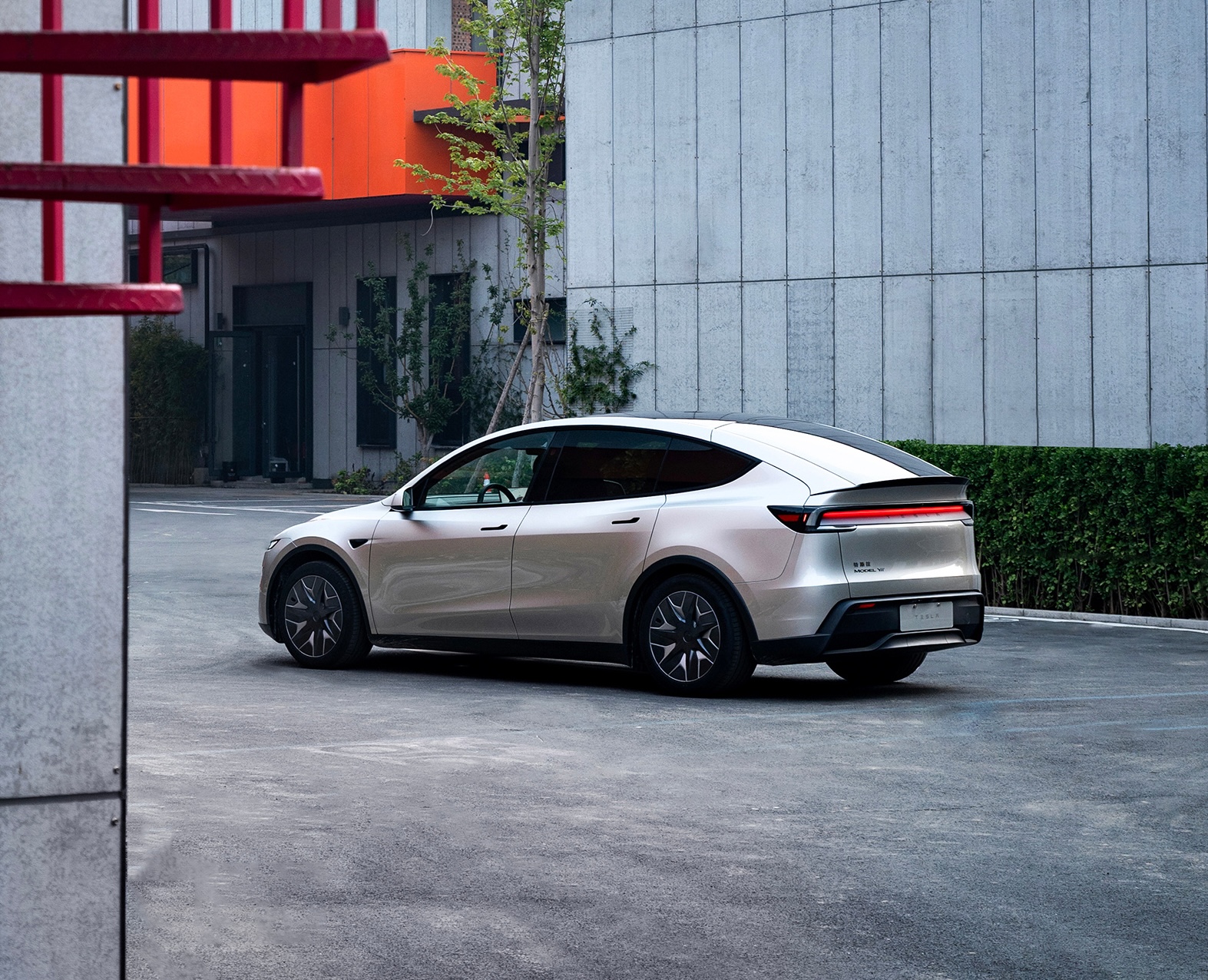
Tesla launched the slightly larger Model Y L in China last year, and it became a hit in no time. The longer wheelbase, larger interior, and slightly more forgiving legroom area in the Model Y L became a sought-after possibility for U.S. buyers, who have been begging the company for a larger SUV.
Now, Tesla needs it more than ever, especially considering the Model X was discontinued alongside its Model S sibling earlier this year. It looks to be more likely than ever, and based on recent reports, it will fall in line with CEO Elon Musk’s prediction that it would arrive in the United States in late 2026.
Recent reports from Forbes and Not a Tesla App both have indicated Tesla plans to bring the Model Y L to the U.S. this year. The reports cite “credible sources,” and an analyst from AutoForecast Solutions named Sam Fiorani stated that the car would enter production later this year.
Fiorani said:
“China, Australia, and India are supplied by the factory in China, which will not supply vehicles to the U.S. Production of the Model Y L is expected to begin in the U.S. in September, which will lead to sales beginning before the end of 2026.”
Production would take place at Gigafactory Texas.
Additionally, a few Model Y L units have been spotted under wraps in the United States, giving more indication that Tesla plans to bring the vehicle to the U.S. When Tesla is close to launching a vehicle in the U.S., it is not uncommon to see these models with the exact car covers that you see below:
Looks like another Tesla Model Y L was spotted in the U.S.! pic.twitter.com/jhsdkcN5Go
— TESLARATI (@Teslarati) June 26, 2026
It makes sense, especially considering Musk hinted the Model Y L would make it to the U.S. in late 2026, but it was up in the air. The CEO said the advent of self-driving might not warrant a larger SUV coming to the U.S. market specifically.
The problem is, consumers do not want to hear that. They love Tesla’s tech, FSD, and other features, but they need more space for growing families. The Model X is gone, and the most anyone can fit in a Tesla right now is seven people in the seven-seat Model Y. That back row is truly only large enough to fit small children comfortably.
Tesla fans have requested a full-size SUV, and the company has made some hints that it could be in the plans.
The Model Y and Model Y L differ noticeably in size, with the Model Y L being a stretched, six-seat variant designed for great interior room. The Standard Model Y measures approximately 4,790mm in length, 1,982 mm in width with the mirrors folded, 1,624mm in height, and 2,890mm in wheel base.
In contrast, the Model Y L extends to be about 4,969–4,976mm long (roughly 179mm or 7 inches longer), stands 1,668mm tall (+44mm), and features a significantly longer 3,040 mm wheelbase (+150mm), while maintaining the same width.
This elongation primarily benefits rear passenger space and enables a 2+2+2 seating layout with captain’s chairs, though it slightly reduces maximum cargo capacity behind the rearmost seats and adds a bit of overall mass and turning radius. The result is a more spacious family hauler that still shares the core footprint and agile character of the original Model Y.
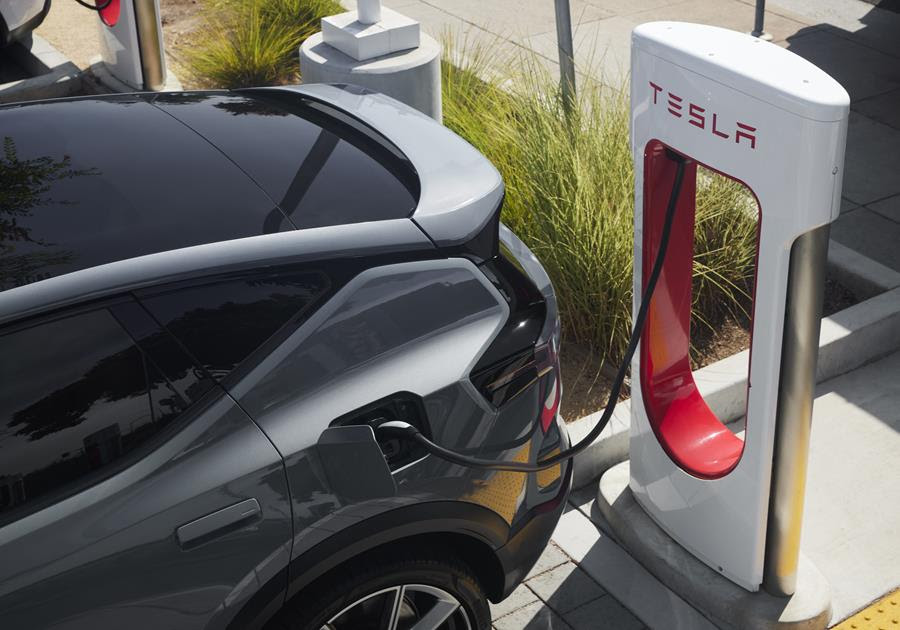
In a major development that will inevitably strengthen Tesla’s dominant position in the American EV market, Polestar has been effectively banned from selling new vehicles in the United States, starting with the 2027 model year.
The U.S. Department of Commerce denied Polestar authorization under the Connected Vehicle Rule, which prohibits vehicles containing certain connected technologies (Cellular, Wi-Fi, Bluetooth, etc.) linked to China or Russia due to national security risks, including potential data collection on American drivers.
🚨 A Tesla competitor goes down
Polestar will no longer sell new vehicles in the United States starting with the 2027 model year.
The U.S. Department of Commerce denied the brand authorization under the Connected Vehicle Rule, which restricts the sale of cars with software and… pic.twitter.com/TrwnQeoiES
— TESLARATI (@Teslarati) June 25, 2026
Polestar, which is majority-owned by China’s Geely Holding, could not obtain the required exemption despite producing some models domestically.
Polestar confirmed it will sell off any remaining inventory of the Polestar 3 and Polestar 4 models, while continuing service and warranty support for existing customers. No new models or major refreshes will reach U.S. buyers, and the company is pivoting its growth strategy to Europe, where it already generates the vast majority of its sales.
The outcome removes a direct premium EV competitor that had positioned itself as a stylish, performance-oriented alternative to Tesla’s lineup. The Polestar 2 challenged the Model 3, while the Polestar 3 and 4 targeted segments overlapping with the Model Y and upcoming Tesla offerings. Polestar’s U.S. sales had already been sluggish amid intense competition and slower demand, representing just 6 percent of its global volume in the first quarter of 2026.
While Polestar was not on Tesla’s level in the U.S., it still places a dent in the evergrowing field of Tesla competitors in the country, where it has long dominated EV sales.
Tesla faces none of these hurdles. As a U.S.-founded and U.S.-headquartered company with major manufacturing in Fremont, Austin, and Nevada, Tesla’s vehicles are built with compliant domestic and allied supply chains. Its Full Self-Driving technology, over-the-air software updates, and vertically integrated ecosystem were developed entirely in-house without foreign ownership entanglements that trigger national security reviews, at least in the U.S.
Of course, it did face a similar threat in China a few years back:
Elon Musk responds to reports of Tesla ban among China’s military over security concerns
The Connected Vehicle Rule, first advanced under the prior administration and upheld under the current one, is part of a broader U.S. effort to protect the domestic auto industry and critical technology from Chinese influence. High tariffs on Chinese-made EVs and related restrictions have already reshaped the market. Tesla benefits directly: it avoids these barriers while continuing to lead in U.S. EV sales volume, Supercharger network expansion, and energy storage integration.
By clearing Polestar from the new-vehicle playing field, the policy reduces competitive pressure in the premium and performance EV segments where Tesla has invested billions. American consumers seeking cutting-edge electric vehicles now have one fewer option tied to foreign adversaries — and one clearer path to the market leader that has driven the EV transition from the start.
For Tesla, this is more than regulatory relief. It is a strategic tailwind that reinforces its position as America’s premier EV innovator at a time when domestic manufacturing and technological independence matter most.
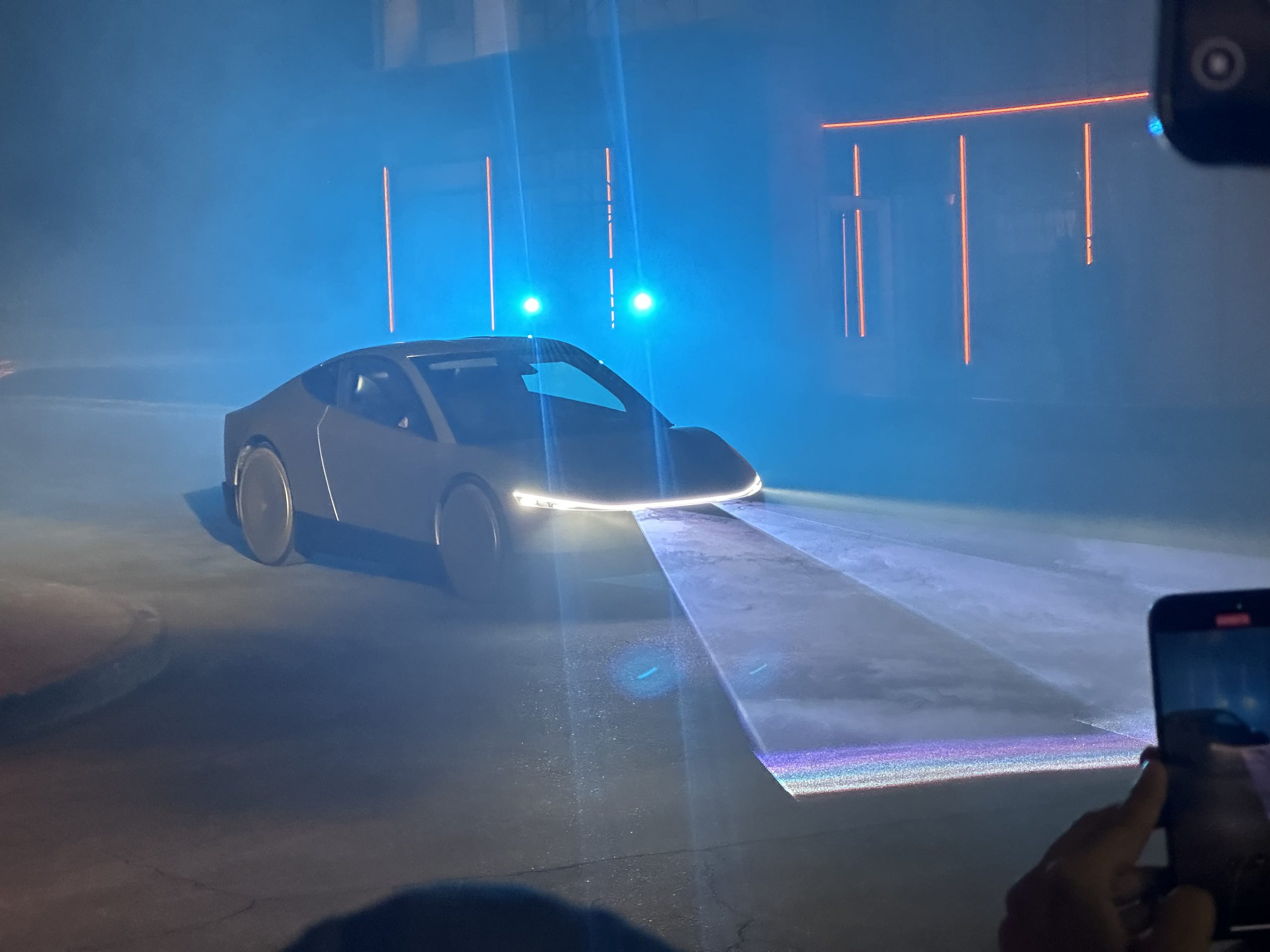
Tesla Cybercab stands to gain from new rules that the Trump Administration is aiming to enforce on autonomous vehicles. On Thursday, NHTSA, under the Trump Administration’s U.S. Department of Transportation, commenced rulemaking on the Federal Motor Vehicle Safety Standards (FMVSS).
This effort aims to eliminate the mandate for manual brake pedals in vehicles that are designed to be driven exclusively by automated driving systems. This would impact the Tesla Cybercab, which the company has stated would operate without a steering wheel or pedals.
Tesla Cybercab launch is imminent after latest sighting at Giga Texas
The Trump Administration is looking to revise FMVSS No. 135, which requires standard braking systems on light-duty vehicles.
Currently, the regulation requires light-duty cars to use traditional manual braking systems that allow operators to slow the vehicle. With the advent of self-driving in the U.S., these regulations need updating, and these are the changes that could come to FMVSS No. 135:
- Removes requirements for hand- or foot-operated brake controls for vehicles designed never to be operated by a human. Existing rules still apply to AVs that retain manual controls.
- All subject vehicles must still meet the same stopping distance performance criteria via alternative testing procedures.
- While this update ensures AVs can physically stop when commanded, NHTSA is separately developing safety performance requirements for AVs in real-world driving scenarios.
- NHTSA will continue to use its broad defect enforcement authority to investigate unsafe ADS behavior and oversee recalls.
As autonomy becomes a greater part of passenger travel, these types of rule adjustments will be more than reasonable. It will give manufacturers the ability to self-certify their vehicles and avoid any red tape that could ultimately delay the deployment of these vehicles.
Administrators are also incredibly excited about the opportunity to play a role in the advancement of self-driving vehicles.
“We are at the cusp of the greatest technological revolution in vehicle technology since the innovation of the Model T,” NHTSA Administrator Jonathan Morrison said. “If we want America to lead the way, we have to reimagine our regulatory framework. That’s why under Secretary Sean Duffy’s AV Framework, NHTSA is tearing down pointless barriers to innovative designs while strengthening the fundamental safety requirements that matter and holding AV developers accountable for safe performance.”
The Cybercab entered mass production at Gigafactory Texas in April. Tesla ultimately plans to push the vehicle into its Robotaxi fleet, potentially when frameworks like these are established.

Tesla looks keen to bring larger Model Y L to the U.S.

One of Tesla’s biggest threats just got banned in the U.S.


