News
Tesla Cybercab tests seem to be ramping up again
Elon Musk has stated that he expects the company to achieve a run rate of 2 million Cybercabs annually.

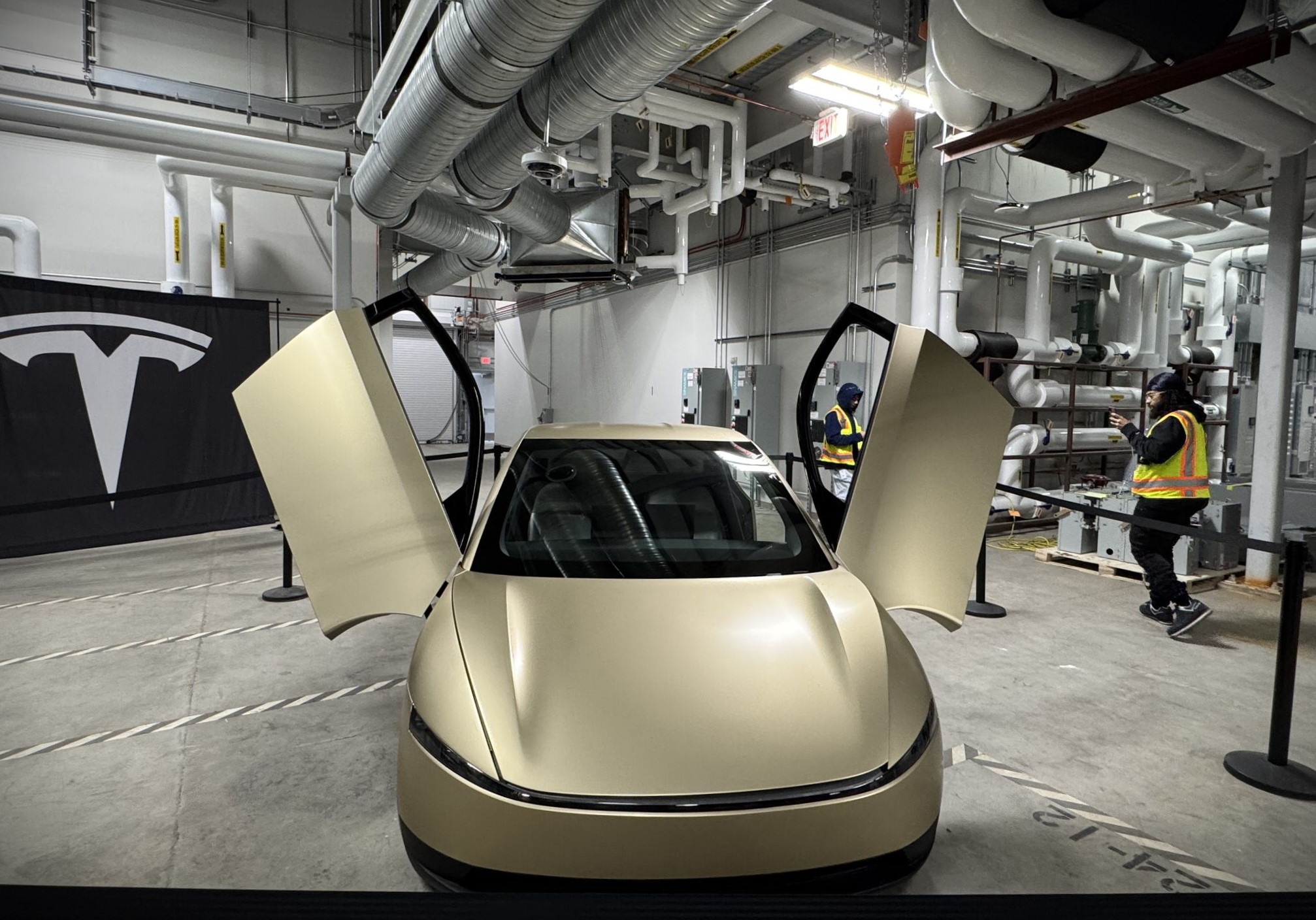
Tesla seems to be ramping the tests of its autonomous two-seater, the Cybercab, once more. This was hinted at in recent drone footage from both the Fremont Factory and Gigafactory Texas.
The fresh sightings of the Cybercab in the Fremont Factory and Giga Texas have renewed conversations about the vehicle potentially being built with manual controls today.
Fresh Cybercab tests
As noted by longtime drone operator Joe Tegtmeyer on social media platform X, he recently spotted a Cybercab driving on Giga Texas’ South River Road to the West side. Interestingly enough, the longtime Giga Texas watcher noted that this was the first Cybercab that he had seen conducting road tests in a while.
Over in the Fremont Factory, another Cybercab was spotted driving around the facility’s testing area. Similar to the Cybercab in the Giga Texas sighting, the vehicle that was spotted in the Fremont Factory seemed to be manually driven, at least based on the way it was being steered. This behavior has incited speculations among Tesla watchers that current Cybercab test units have manual controls, unlike their production version, which would have no steering wheel or pedals.
Cybercab production preparation
The sightings of Cybercabs around the Fremont Factory and Giga Texas bode well for the vehicle’s development and impending production. It does, if any, complement reports that Tesla has been busy setting up production equipment for Giga Texas’ Cybercab production line. At the same time, drone footage around the Giga Texas complex has also revealed that Tesla is stockpiling some Cybercab castings, a likely sign that initial test production of the vehicle might soon begin.
The Cybercab is expected to be Tesla’s highest volume vehicle, with CEO Elon Musk stating that he expects the company to achieve a run rate of 2 million Cybercabs annually. He also mentioned that the Cybercab will be easy to produce thanks to its Unboxed manufacturing process, so much so that its production would resemble a high-speed consumer electronics line instead of an automotive assembly line.



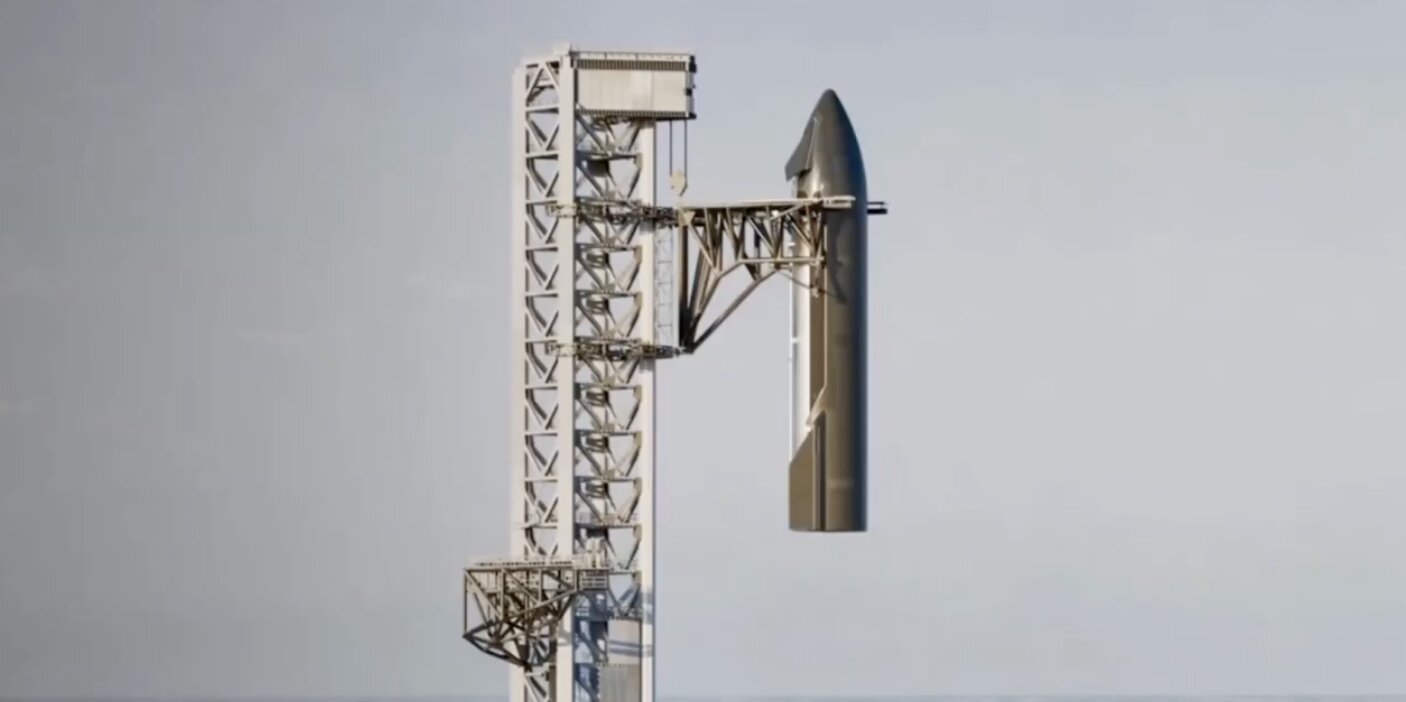
UPDATE: The FAA has granted the license for Starship Flight 15.
Starship Flight 15 License has been granted by the FAA!
Let’s go! https://t.co/DugsgjvYAe
— TESLARATI (@Teslarati) November 13, 2026
SpaceX is set to attempt its 15th test flight of Starship this evening from Starbase, Texas.
SpaceX is targeting Starship Flight 15 for a launch as soon as today, Friday, November 13, pending an FAA Flight License, during a 75-minute window that opens at 4:45 p.m. CT (5:45 p.m. ET) from Orbital Launch Pad 2 at Starbase, Texas. The flight remains pending final regulatory approval.
WATCH Starship Flight 15 here:
https://t.co/C6GnCHyF8p
— TESLARATI (@Teslarati) November 13, 2026
The mission, using Booster 22 and Ship 42, aims to achieve the first full recovery of an orbital launch system. Primary objectives include a tower catch of the Super Heavy booster roughly six and a half minutes after liftoff and the first-ever tower catch of a Starship upper stage after more than 22 hours in space.
SpaceX will perform Starship double catch attempt with Flight 15
Between those catches, Ship 42 is planned to enter a low Earth orbit of about 275 km, complete roughly 14 orbits, and deploy 26 next-generation Starlink V3 satellites (Starlink Group 31-2). Three of those satellites carry cameras to inspect the ship’s heat shield in orbit and help controllers decide whether the vehicle is healthy enough for a return to the tower.
Contingency ocean splashdown options exist if either stage is not cleared for catch.
To watch the attempt, check the link to the broadcast in both X posts in this article. The live webcast is scheduled to begin about 30 minutes before liftoff and is planned to continue through the ship catch the next day, with the possibility of extended onboard views during the orbital coast via Starlink.
Because the schedule is dynamic, check back here or on our social media channels for the latest updates on window timing and regulatory status. A successful dual catch would mark a major milestone toward making Starship a rapidly reusable rocket capable of frequent flights.
WATCH Starship Flight 15 here:
https://t.co/C6GnCHyF8p
— TESLARATI (@Teslarati) November 13, 2026
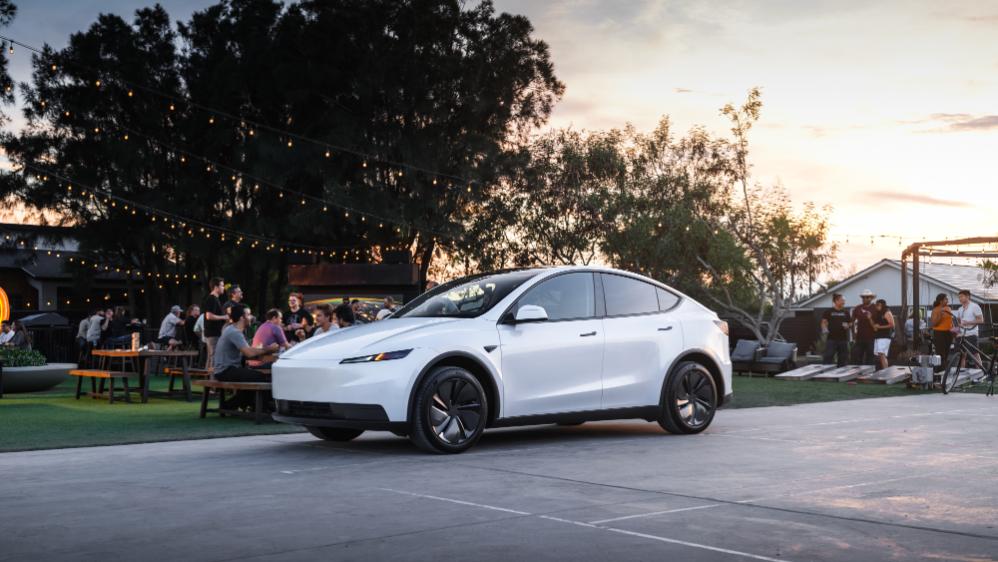
Tesla has trimmed its Model Y offerings as its Standard All-Wheel-Drive configuration has been removed from the online configurator after roughly nine months on sale. The move follows the removal of the Cybertruck, as its trims have also been minimized as that vehicle heads for total discontinuation at the end of Summer 2027.
Launched in February 2026 as a mid-tier dual-motor option between the Rear-Wheel-Drive model and the Premium trims, the Standard All-Wheel-Drive Model Y offered 294 miles of range and a 4.6-second 0-60 mph time in a stripped-down package.
🚨 Tesla has pulled the $41,990 Model Y AWD from its U.S. configurator after nine months on sale.
The cheapest AWD Model Y you can order is now the $49,990 Premium AWD, with Premium deliveries quoted for Jan–Mar 2027.
The $39,990 RWD stays, and AWD units remain in inventory. https://t.co/uROJp2lVpx
— TESLARATI (@Teslarati) November 13, 2026
With it gone, the cheapest new AWD Model Y buyers can configure is now the Premium AWD at $49,990, with estimated deliveries pushed into January–March 2027. The $39,990 rear-wheel-drive Model Y remains available for custom orders, and some AWD units are still listed in inventory.
The move arrives days after Tesla sharply narrowed its Cybertruck lineup. New orders for the Dual Motor AWD and Premium AWD versions have been disabled, leaving only the high-performance Cyberbeast—priced around $109,990 before fees—as the sole configurable option.
Elon Musk has stated that Cybertruck production at Gigafactory Texas will wind down around the middle to late summer of 2027 to free manufacturing space for greater Cybercab output. Tesla has raised prices on remaining trims and is prioritizing higher-margin builds while working through an existing order backlog that exceeds what the line can complete before conversion.
These parallel decisions reflect a broader effort to simplify Tesla’s retail customer lineup. Lower-volume or lower-margin variants are being phased out or deprioritized in favor of core, higher-spec models that generate stronger profitability and clearer production planning.
For the Model Y, this concentrates volume on the remaining RWD and Premium configurations while Premium deliveries already stretch into 2027. For the Cybertruck, it accelerates the transition away from a stainless-steel pickup that underperformed relative to initial volume expectations.
Tesla Model Y Standard Full Review: Is it worth the lower price?
The freed capacity and reduced complexity directly support Cybercab scaling. Tesla began pilot Cybercab production at Giga Texas in early 2026, launched paid autonomous rides in Austin in September, and is preparing for substantial volume growth.
By streamlining the existing vehicle portfolio, the company is reallocating factory space, engineering attention, and supply-chain resources toward its purpose-built Robotaxi, which lacks a steering wheel or pedals and is designed exclusively for unsupervised autonomy.
The result is a leaner retail lineup today and a clearer path to high-volume Cybercab deployment tomorrow.
Elon Musk
SpaceX Starship is going for a catch that could change spaceflight forever
SpaceX will try to catch both Starship stages today, a first for any orbital rocket.

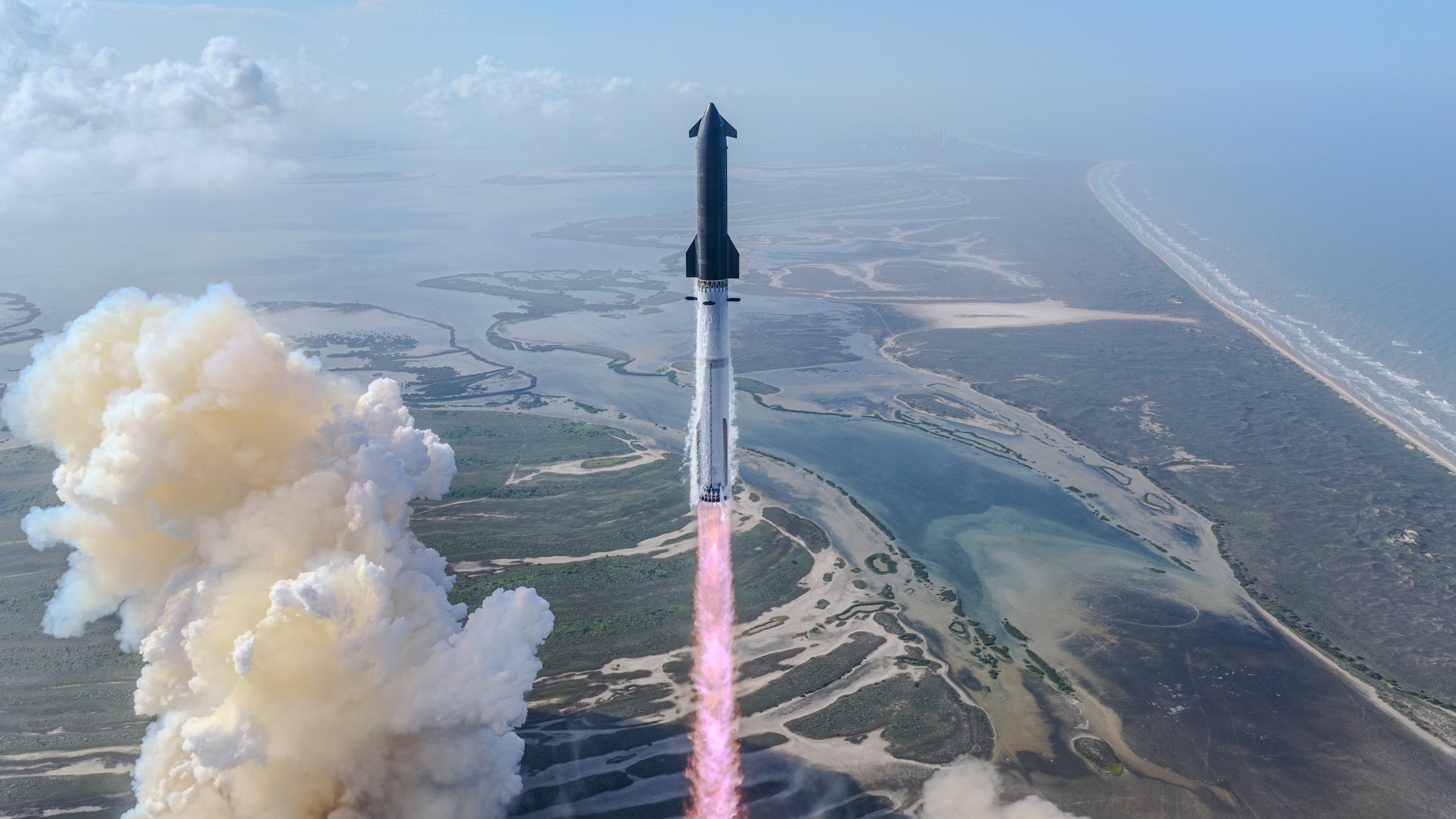
SpaceX is set to launch Starship Flight 15 from Starbase on Friday afternoon, and if both stages make it back to the tower, the mission will go down as the first time an orbital rocket has ever been fully recovered. The 75 minute launch window opens at 4:45 p.m. CT from Pad 2, a day after SpaceX rolled Ship 42 out to the pad and shared photos of the move on X.
The first catch comes quickly. About six and a half minutes after liftoff, Booster 22 is scheduled to fly back to Starbase and settle into the launch tower’s chopstick arms, the first catch attempt for SpaceX’s V3 Super Heavy. SpaceX has caught the booster three times before most recently in March 2025.
Ship 42 moves to the Starbase pad ahead of launch https://t.co/pMUFTHneJQ — SpaceX (@SpaceX) November 13, 2026
The second catch is the one that has never been done. Ship 42 will climb to an orbit about 275 kilometers up, deploy 26 Starlink V3 satellites and complete about 14 orbits. Three of those satellites carry cameras to inspect the ship’s heat shield before it commits to coming home. If its reentry, landing burn and tower approach systems pass their checks, the ship will fire its engines to leave orbit, fall through the atmosphere in its belly flop position, flip vertical and drop into the tower about 22 and a half hours after launch, on Saturday afternoon. SpaceX gave a preview of that maneuver in an animation during its third quarter earnings webcast.
Elon Musk described a successful double catch on that call as “the first time that an orbital launch vehicle has been fully recovered” and a “profound technology milestone,” putting the odds of catching the ship at “more likely than not.” SpaceX has called it a potential “breakthrough moment in making Starship a reliable, rapidly reusable rocket,”
Reuse is where the economics change. Falcon 9 lands its boosters routinely, but its upper stage is thrown away on every flight. Starship is designed so both stages can be refueled and flown again, which is key to cutting launch costs. That matters for Starlink, where each V3 satellite is expected to carry roughly 10 times the download capacity of the V2 Mini satellites flying today, and for Starmind, SpaceX’s planned constellation of AI compute satellites.
It matters for NASA too. Starship is the lunar lander for the Artemis program, and reaching the Moon requires refilling a ship in orbit using several tanker flights. That plan only works if Starships can fly again and again. Musk has said he expects Starship to reach a weekly launch cadence in the first half of 2027.
Investors are paying attention. Morgan Stanley’s Adam Jonas wrote this week that a catch of both stages would likely be “a material positive” for SpaceX stock.
The last Starship flight in September reached orbit for the first time but ended after about three hours with a splashdown in the Pacific, short of its planned 10 hours, after some engines shut down. Since then, Booster 22 has completed a full 33 engine static fire and Ship 42 a six engine firing, as Teslarati previously reported. As of Friday morning, SpaceX was still waiting on the FAA to approve a license change covering the ship’s return over land.

SpaceX Starship Flight 15: How to watch the double catch attempt

Tesla trims Model Y offerings as All-Wheel-Drive gets the axe


