News
Tesla planning to ship dry electrode 4680 battery cells by end of 2024: report

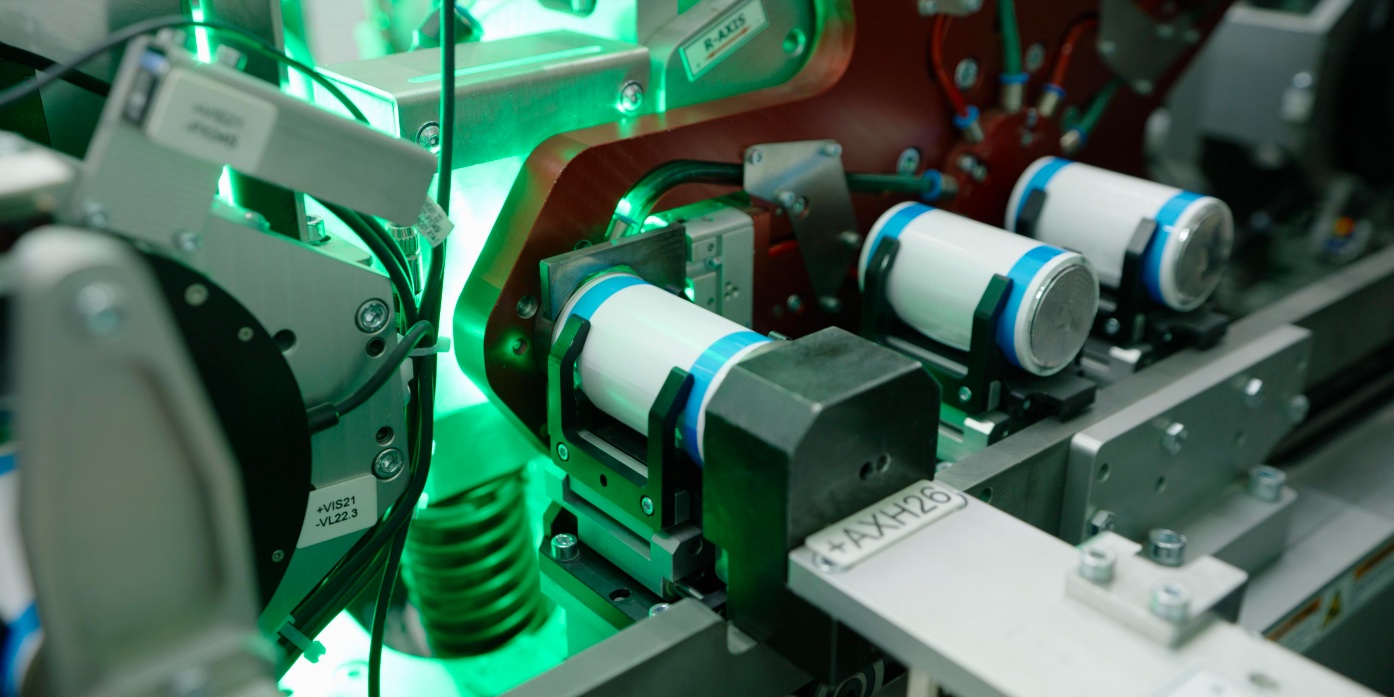
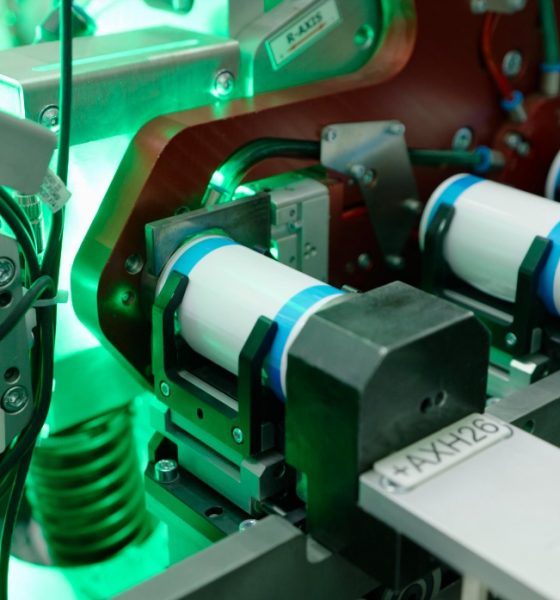
A recent report from China has suggested that Tesla is planning to start the mass production of the complete version of its long-awaited and highly-anticipated 4680 battery, which was initially unveiled in September 2020 during Battery Day. The complete version of the 4680 cells will reportedly be produced using Tesla’s dry electrode process.
Citing people reportedly familiar with the matter, Chinese publication LatePost noted that Tesla is planning to mass produce and install 4680 cells with dry electrodes to consumer vehicles before the end of the year. As per the publication, this upcoming version of the 4680 cell would be the battery’s complete iteration.
LatePost‘s sources claimed that the 4680 cells in the Cybertruck today feature a lower-cost negative electrode and a more costly positive electrode. This is reportedly because the negative electrode in the Cybertruck’s current 4680 cells is produced using Tesla’s dry electrode process, but the batteries’ positive electrode is purchased from suppliers like LG and thus produced using more conventional wet electrode processes.
테슬라, 4680 배터리 "완성형" 개발 마지막 승부수
요약:
1. 테슬라는 올해 말까지 완전 건식 전극 방식의 4680 배터리 양산을 계획하고 있습니다. 이는 4680 배터리의 "완성형" 버전이 될 것입니다.
2. 현재 테슬라의 4680 배터리는 음극만 건식 전극을 사용하고 있으며, 양극는 여전히 전통적인… https://t.co/t4CBOK5jyw pic.twitter.com/Pp6TZjfqNc— Oh Hahm Ma *⃣ (@ohmahahm) July 17, 2024
The dry-process positive electrode is reportedly the most difficult part of the 4680 batteries for now, LatePost noted. The positive electrode is also the component that reportedly has the highest cost share in the batteries themselves for now, exceeding 35% of the cells’ overall cost.
Tesla has reportedly finalized the design of the 4680 cells’ dry-process positive electrode, which is a notable step towards the mass production of the batteries’. One of the publication’s sources, who is reportedly a Tesla insider, noted that mastering dry electrode processes could give Tesla some serious momentum. “Once dry electrodes are developed, they can change Tesla,” LatePost‘s source claimed.
Tesla already uses 4680 cells for the Cybertruck, though the output of the batteries for now is reportedly enough for just about 1,000 units of the all-electric pickup truck per week. The Tesla Cybertruck will reportedly be the recipient of the complete version of the 4680 battery cell as well. Once the output of the 4680 cells are optimized, it would not be surprising if the dry electrode batteries also get rolled out to the company’s other vehicles.
Don’t hesitate to contact us with news tips. Just send a message to simon@teslarati.com to give us a heads up.



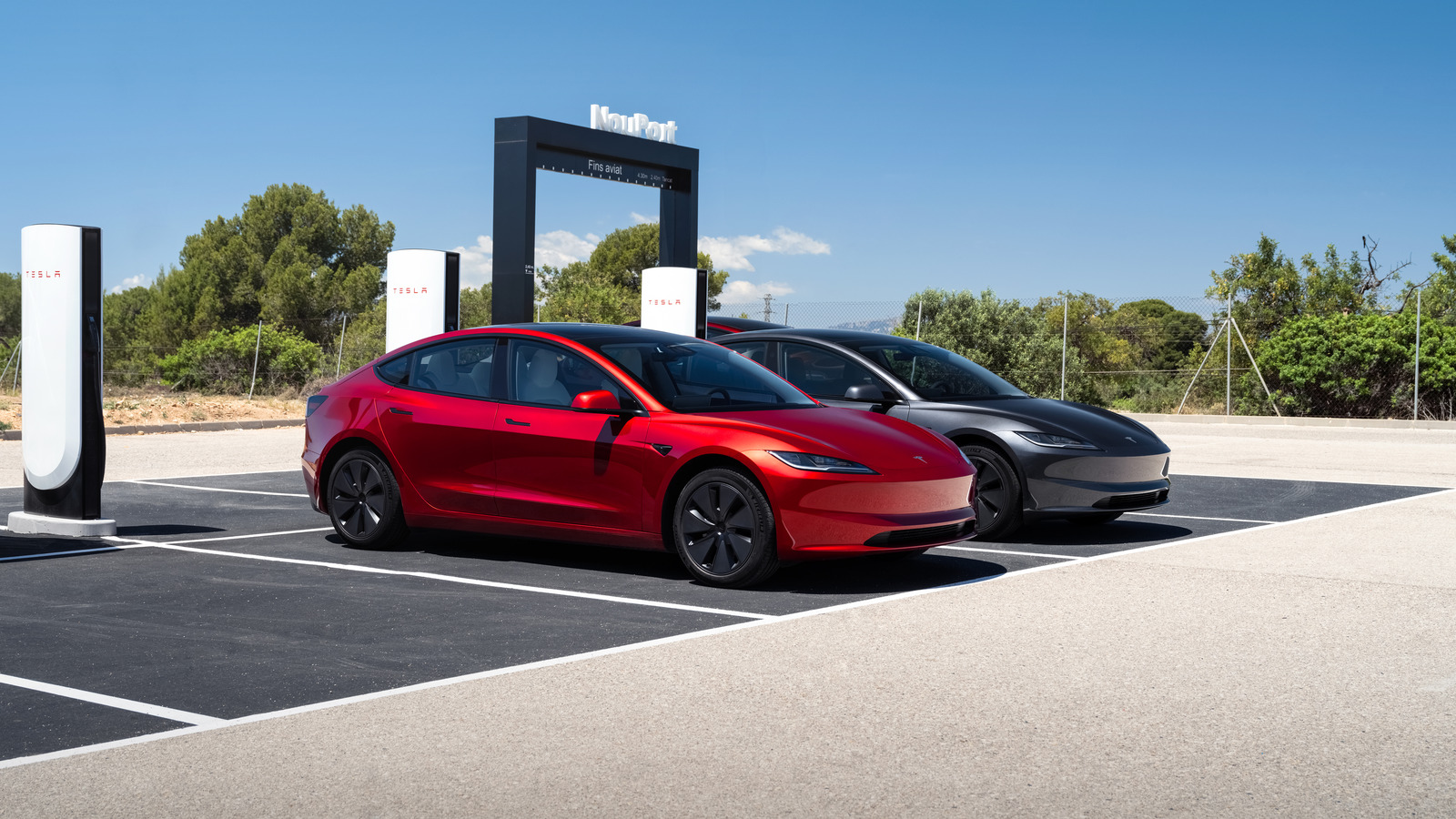
Tesla entered two new markets this week by advancing its presence in Latvia (Europe) and officially launching operations in Uruguay (South America), marking a rapid dual-continent expansion.
These moves underscore the company’s strategy to tap into emerging EV markets with supportive policies, renewable energy grids, and growing demand for sustainable transport.
Latvia: Strengthening the Baltic Footprint
In Latvia, Tesla has built on its earlier registration of Tesla Latvia SIA in late 2025 with recent steps toward full operations, including job postings for a service center and representation in Riga. This aligns with broader Baltic expansion following Lithuania’s model of pop-up stores and service centers.
Coming to Latvia https://t.co/XNkQQJ2O6a pic.twitter.com/yS9kpcNky1
— Tesla Europe, Middle East & Africa (@teslaeurope) July 17, 2026
EV penetration in Latvia stands at around 7 percent for BEVs in new passenger car registrations. 2025 data showed 1,602 BEVs out of about 22,500 total, or 7.1 percent, with combined plug-ins nearing 19 percent. Growth has been steady but below the European average, supported by government subsidies and infrastructure development. Tesla models like the Model 3 lead local EV registrations.
Vehicles for the Latvian market will likely be sourced from Gigafactory Berlin or Gigafactory Shanghai. Charging infrastructure is robust for the region as well, with over 400- 2,000 public points, with Tesla Superchargers in Riga, Jūrmala, and along Via Baltica routes offering up to 250 kW.
Uruguay: Third South American Country
Tesla teased its Uruguay arrival with “Estamos llegando,” or, “We are arriving,” on social media, followed by an official presentation scheduled for mid-July.
Hola Uruguay 🇺🇾
Nuestros Model 3 y Model Y están cada vez mas cerca! pic.twitter.com/FR41fsA7um
— Tesla Latinoamérica (@Tesla_LatAm) June 30, 2026
The company established Tesla Uruguay SAS, homologated Model 3 and Model Y (three versions each), and appointed local leadership. This makes Uruguay Tesla’s third official South American market after Chile and Colombia.
Uruguay boasts one of Latin America’s highest EV penetrations, with battery-electric vehicles exceeding 20 percent market share recently, driven by tax incentives, high fuel prices, and a nearly 95-100 percent renewable electricity grid. Hundreds of Teslas already operate via grey imports, but official sales bring warranties, service, and support.
Vehicles will be imported from Gigafactory Shanghai, enabling competitive pricing for Model 3 and Model Y. Charging plans include Supercharger development alongside existing infrastructure, leveraging the country’s green energy advantage for affordable operation.
Tesla Superchargers follow Model 3 and Model Y to South American country
Tesla’s Dual Continent Expansion
Tesla’s simultaneous push into Latvia and Uruguay demonstrates efficient scaling: prioritizing service and infrastructure first, then direct sales in high-potential niches. In Europe, it fills Baltic gaps; in Latin America, it counters Chinese dominance while leveraging renewables.
This dual move signals Tesla’s ambition to accelerate global EV adoption amid varying regional paces. By addressing local needs, like subsidies in Latvia or incentives and green grids in Uruguay, Tesla not only boosts volumes but advances its mission of sustainable energy.
For investors and consumers, it highlights resilience and opportunity in diverse markets, potentially paving the way for further growth in underserved regions. With strong fundamentals in both, these entries could yield long-term gains as EV transitions mature worldwide.
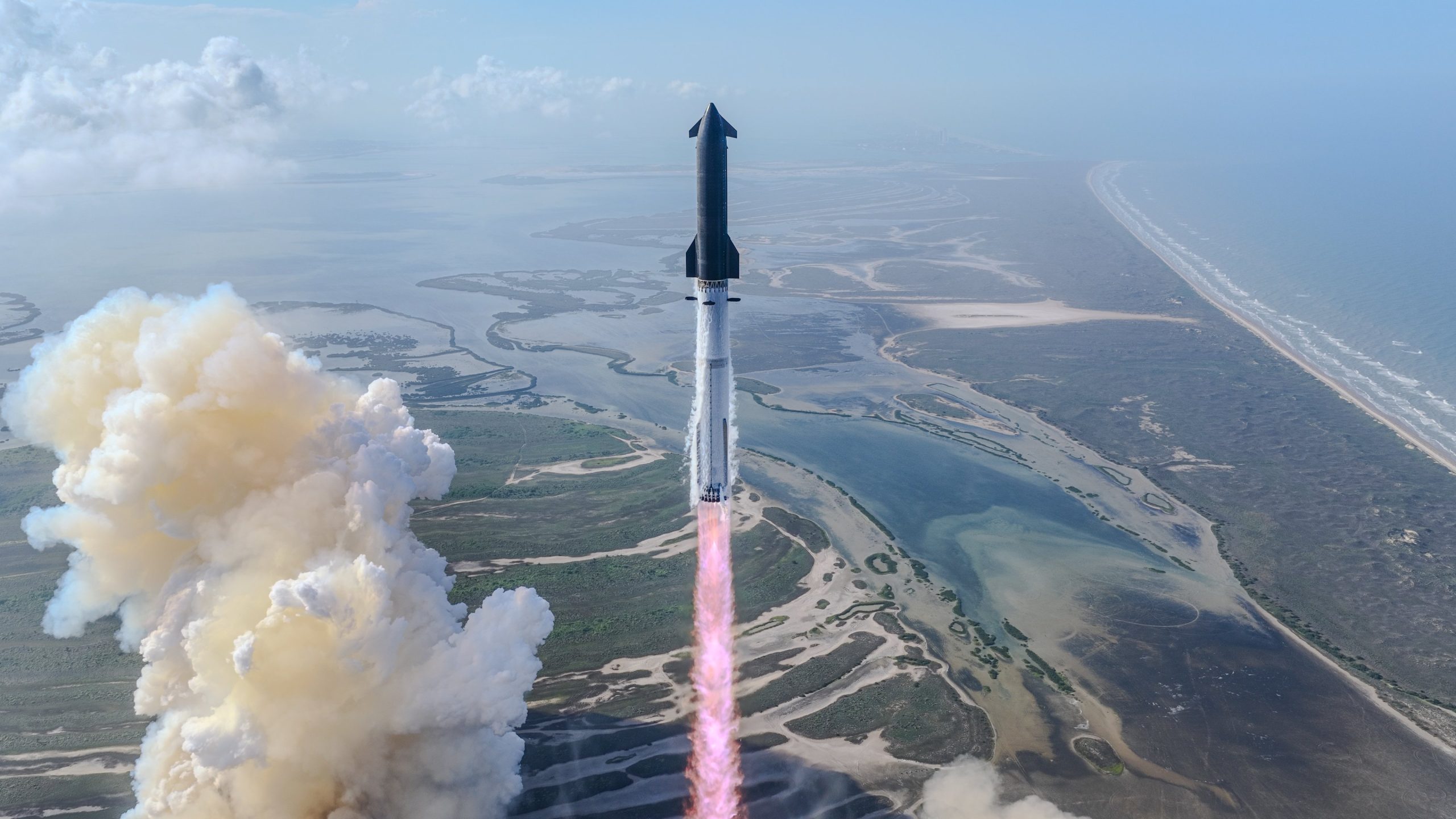
SpaceX has announced a new target date for the thirteenth test flight of Starship: Monday, July 20, with the launch window opening at 6:45 p.m ET/5:45 p.m. CT.
This is the first rescheduling attempt of Starship’s 13th test flight. It was set to launch last night, but SpaceX scrubbed the launch attempt.
🚨 SpaceX is now looking at Monday, July 20th at 6:45 p.m ET/5:45 p.m. CT for the 13th test flight of Starship pic.twitter.com/7s8aMJV5Ge
— TESLARATI (@Teslarati) July 17, 2026
CEO Elon Musk revealed that some of the engines on Starship did not start, which automatically triggers a launch abort. Two of the Raptor engines will be removed and replaced.
To be confident of a good flight, 2 Raptors will be removed & replaced. Most probable launch timing is early next week.
— Elon Musk (@elonmusk) July 17, 2026
SpaceX officially announced the new launch window this morning.
Starship’s 13th test launch comes with a few new objectives, but SpaceX does not plan to attempt a catch of the booster, which it has done several times in the past.
For Starship’s Upper Stage, there are some adjustments to ensure engine reusability that will be assessed during the ascent, and 20 operational Starlink V3 satellites are also set to make their way into space. SpaceX also plans to attempt an in-space relight of a single Raptor engine, which is a critical demonstration for future orbital deorbit, refueling, and deep space maneuvers.
Ultimately, it will splash down in the Indian Ocean.
The continuous tests help SpaceX advance the Starship program toward eventual full reusability, operational Starlink V3 deployment, and future missions, which include NASA’s Artemis program.
Elon Musk
SpaceX Starship Flight 13 aborted at Zero and Musk just told us what broke
Four Raptor engines failed to ignite at T-zero, forcing SpaceX to scrub Starship Flight 13 Thursday.

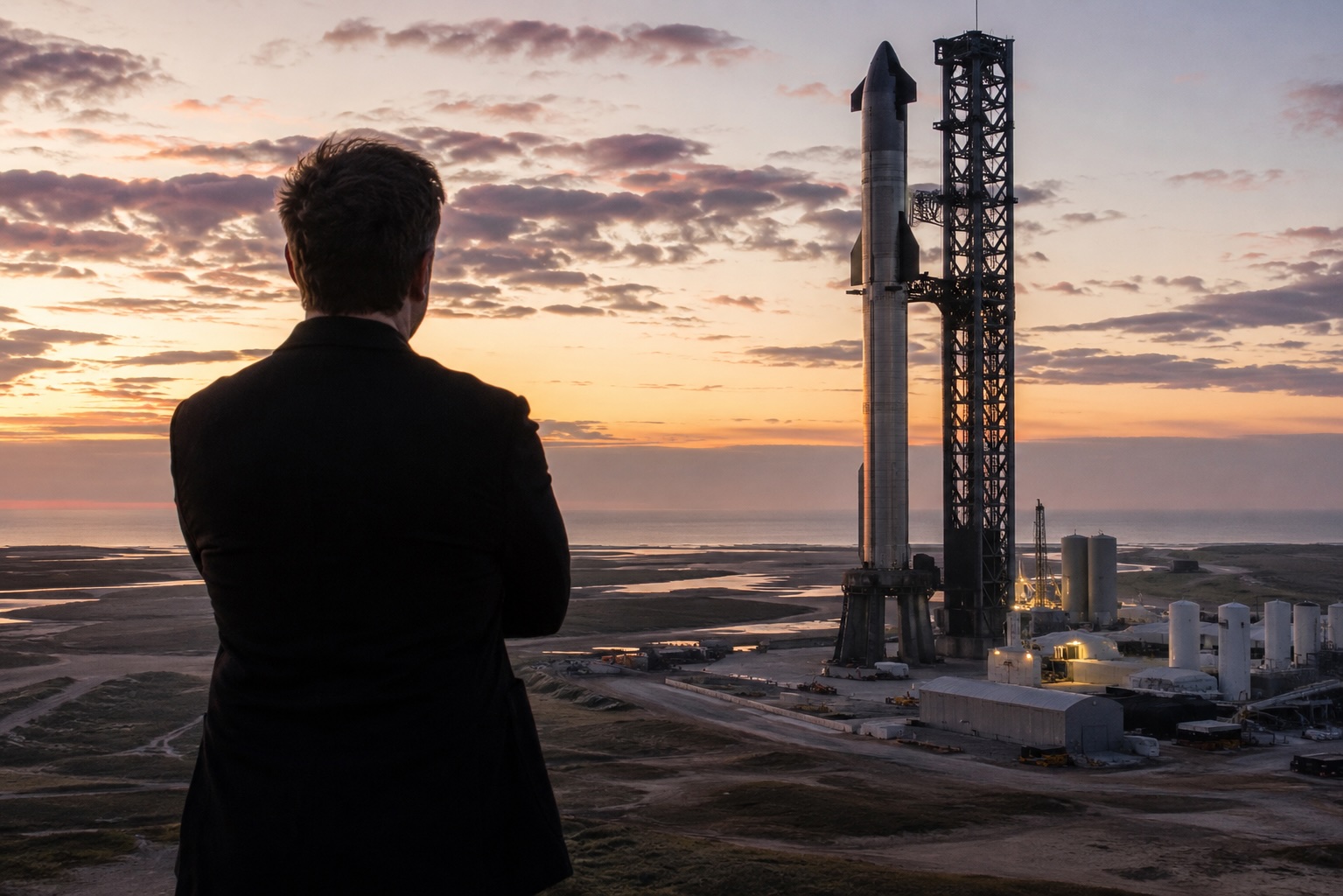
SpaceX scrubbed the Starship Flight 13 launch attempt Thursday evening at the last possible moment, after four of the Super Heavy booster’s 33 Raptor 3 engines failed to ignite during the startup sequence. The 90-minute window had opened at 6:45 p.m. EDT from Starbase in Boca Chica, Texas, and the countdown had proceeded without issue all day, with more than 11.5 million pounds of liquid methane and liquid oxygen being fully loaded into the rocket before the automated abort triggered. SpaceX’s launch directors posted on X, “Standing down from today’s flight test attempt,” and shut down the livestream shortly after.
Musk confirmed the root cause within hours. “Some of the engines didn’t start, triggering an automatic launch abort,” he wrote on X. “To be confident of a good flight, 2 Raptors will be removed and replaced. Most probable launch timing is early next week.” SpaceX engineers began draining propellant tanks immediately and Booster 20 was rolled back to its hangar for inspection.
The timing adds a layer of significance that did not exist during any of the previous 12 Starship flights. This is the first time SpaceX has attempted to launch Starship since the company made its stock market debut in June, listing under ticker SPCX at $135 per share. Public investors are now watching every Starship outcome in real time, and a last-second abort carries more visibility than it would have six months ago.
Flight 13 was designed to be one of the most consequential tests in the program’s history. It was set to carry 20 Starlink V3 satellites, the first operational payload Starship has ever attempted to deploy. Six of those satellites carried external cameras to photograph Starship’s heat shield from the outside during flight, which would act as a self-inspection approach SpaceX has never attempted before. The mission also needed to complete a Raptor engine relight in space, a step SpaceX skipped on Flight 12 in May after losing an engine during ascent. That Flight 12 booster also flipped 90 degrees off course during its boostback burn when five engines failed to reignite.
SpaceX has not announced an official next launch date. Musk’s “early next week” window points to July 21 or 22 at the earliest, pending the engine swap and a return to the pad.

Tesla enters two new markets on two different continents in one week

SpaceX announces new Starship 13 test flight target date


