Tesla Model 3
Tesla owner shares $35k Model 3 Standard Range complete buying guide

If you are wondering if a $35,000 Model 3 exists or if you are asking how to order a Tesla Model 3 Standard Range, then your prayers have been answered. A recent customer who bought Tesla’s cheapest Model 3 has created a quick buying guide for everyone.
YouTuber Car Confections, who bought Tesla’s most affordable car, shared their buying experience, proving to critics that the $35,000 Model 3 does indeed exist. The base price includes white paint, black interior, and Aero Wheels before the destination fee. This does not include the potential savings but it is the price that a buyer would pay when one takes delivery of the vehicle.
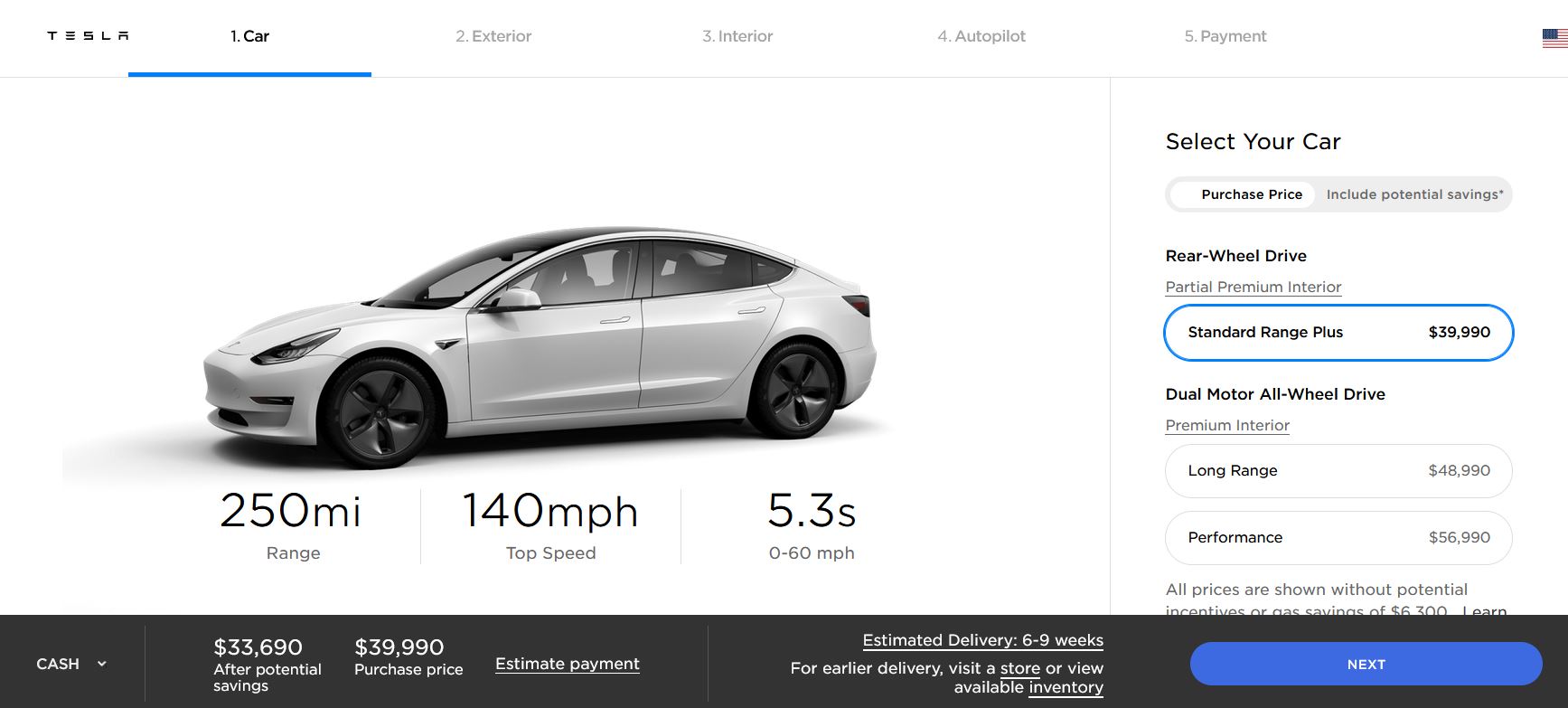
It could be confusing for those who want to buy a Standard Range version of Tesla’s mass-produced electric sedan because that variant of the Model 3 does not show up on the carmaker’s website. When one goes to the Tesla Model 3 Design Studio, one will only see Rear-Wheel Drive Standard Range Plus ($39,990), Dual Motor All-Wheel Drive Long Range ($48,990), and Performance ($56,990).
“I called Tesla on the phone… I was like ‘hey you know what’s up with this $35,000 Tesla. What they told me was that it’s not on the website, it’s a special order,” YouTuber Car Confections said.
Car Confections actually called Tesla to inquire about the Model 3 Standard Range and learned how to properly order the cheapest Model 3 without ending up with a Standard Range Plus.
STEP 1 – Order a Tesla Model 3 Standard Range Plus
Go to the Tesla Model 3 page and configure your Model 3 Standard Range plus to how you want it to be. You will end up with the price of the SR Plus but don’t panic, just go through the whole process and pay the Order Fee of $100.
Remember, do not include the Full Self-Driving Capability option as this feature adds $7,000 to the price tag. The Pearl White paint is already included in the base price but you have to pay an extra $1,000 if you will go with a Solid Black, Midnight Silver Metallic, or a Deep Blue Metallic. A Red Multi-Coat will cost an extra $2,000. For the interior, All Black interior will not cost you a penny but a Black and White interior will set you back another $1,000.
STEP 2 – STOP!
Once you’ve placed your deposit STOP and DO NOT DO ANYTHING. While you can provide information and fill out some paperwork, make sure you DO NOT finalize the Motor Vehicle Agreement.
There will be emails from Tesla that will walk you through the remaining process and the system will confirm your order for a Model 3 Standard Range Plus and prompt you to agree to a $41,000 price. Once you reach this stage, proceed to Step 3.
STEP 3 – Call Tesla to flag your Model 3 order
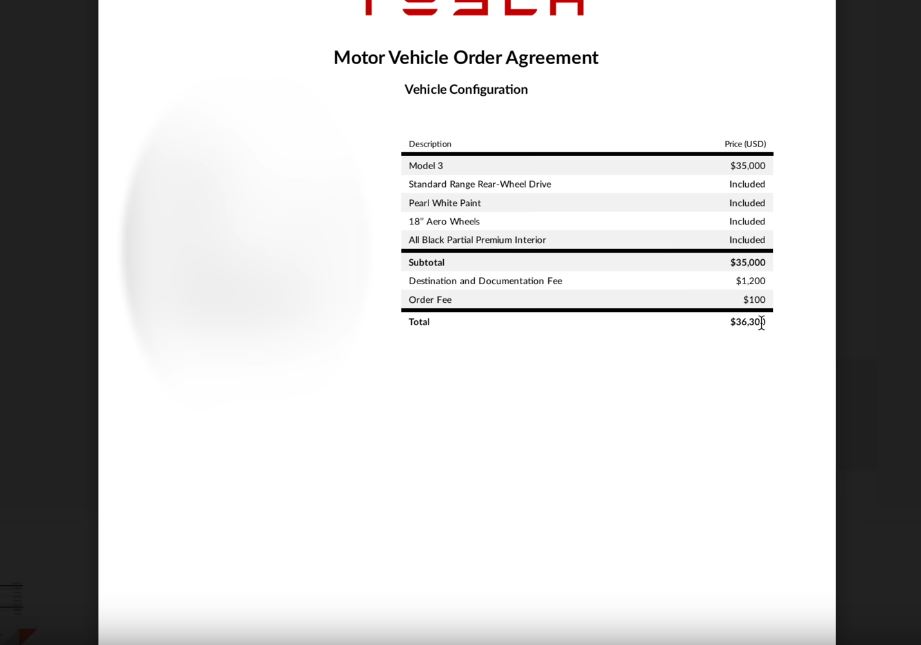
Reach out to a Tesla Store or showroom, provide the Tesla employee your VIN#, and request them to flag your Model 3 order to be a Standard Range model.
Take Note – This process will take several days to complete. DO NOT agree to the final paperwork until you see the price changed to $35,000.
STEP 4 – Review the final paperwork
Just like before any big purchase, review the paperwork and make sure all the details are correct.
STEP 5 – Wait for your Model 3 Standard Range and enjoy Tesla’s best-kept secret.
Just for some context, the Standard Range Model 3 is basically the same as its Standard Range Plus sibling. The primary difference is that its range is limited to 220 miles compared to the 250 miles of the more expensive variant.
The top speed of the Standard Range Model 3 is also limited to 129.9 mph while the Standard Range Plus can go as fast as 139.8 mph. The former is also a blink slower in terms of 0-60 mph sprint at 5.9 seconds while the latter accelerates from zero to 60 mph from a full stop in 5.3 seconds.
Check out Car Confections’ video below on how to buy a Model 3 Standard Range for $35,000:



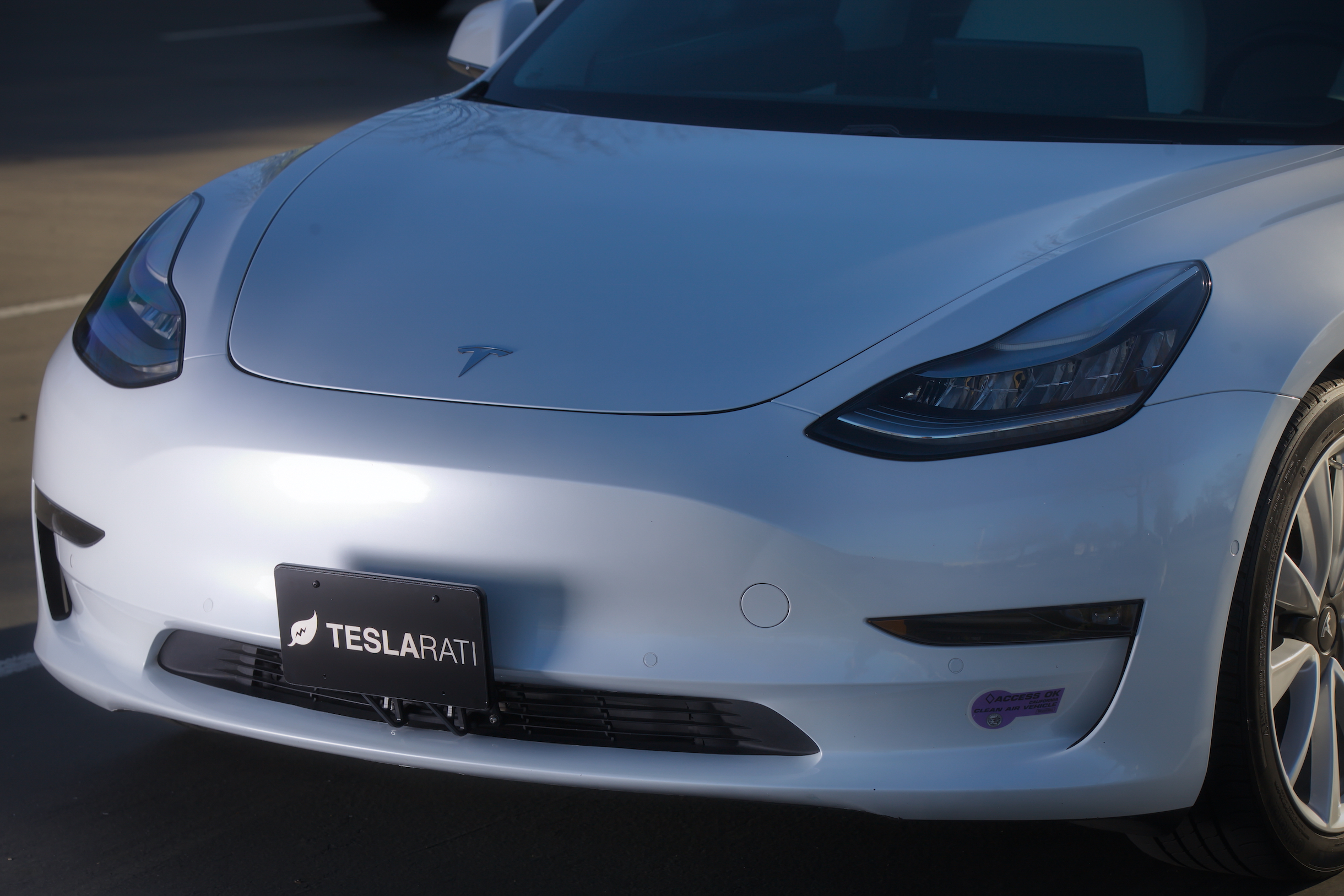
Tesla headlights have caused a recall of over 20,000 of the company’s two most popular vehicles, the Model 3 and Model Y, due to the low-beam bulb exceeding the maximum allowed intensity according to federal standards.
Tesla initiated the recall with the National Highway Traffic Safety Administration (NHTSA) this morning, stating that the low-beam output “exceeds the maximum allowed intensity in the outer upper-right and outer upper-left areas of the 10U and 90U zone, as prescribed in FMVSS No. 108.”
Tesla sourced the impacted headlights from Marelli Automotive Lighting, a Mexico-based company. The recall impacts 2020-2023 Model Y vehicles and 2017-2023 Model 3 vehicles. It is estimated that every VIN in this recall is impacted by the defect.
🚨 Tesla is recalling 20,349 2020-23 Model Y vehicles and 2017-23 Model 3 vehicles due to an excessively bright headlamp low beam.
Currently, there is no remedy plan in place, as it is still being developed. pic.twitter.com/y34cIO2U0B
— TESLARATI (@Teslarati) August 11, 2026
Typically, Tesla would remedy recalls of this nature through an Over-the-Air software update, which has been a major focus of criticism by the company and its supporters because the NHTSA still refers to it as a “recall,” even though it requires no action by the vehicle owner. The fix is shipped over the internet and downloaded to the car.
However, there appears to be a potentially different solution for this problem. Tesla has not developed a remedy for this issue, so it could potentially be on the way. The big issue appears to be the fact that these recalled lamps are out of production, and this is an old body style for both vehicles. The headlights and front-end designs are completely different.
Tesla switched to another supplier when the affected headlight design was discontinued. It plans to begin notifying owners of their remedy options by September 15.
Tesla filed a petition protesting the recall to fix the vehicles’ headlight issue, but the NHTSA denied it. Now, Tesla will come up with a solution to fix it.
Elon Musk
The Boring Company’s newest tunnel vehicle runs on Tesla parts and no one is driving it
The Boring Company’s new tunnel vehicle runs on Tesla Model 3 batteries and drive units.

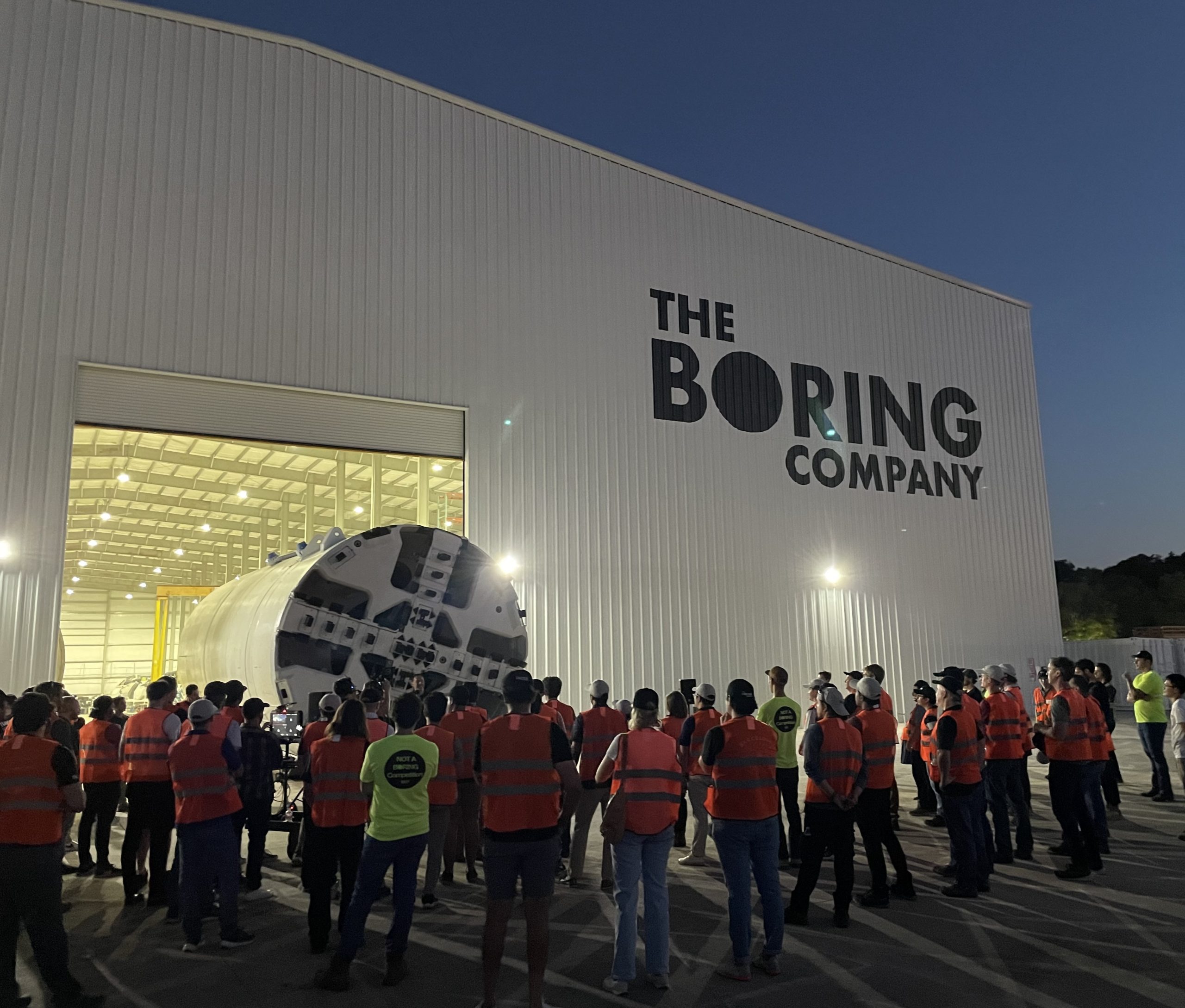
The Boring Company just introduced a new piece of hardware, and it runs on parts pulled straight from a Tesla showroom. Liner Truck 3, unveiled in a post from the tunneling company’s official X account, is an all electric vehicle built around Tesla Model 3 battery packs and drive units, purpose built to move concrete tunnel segments to the boring machine face without a single person underground.
Introducing Liner Truck 3 — our latest fully electric tunnel vehicle.
– Tesla Model 3 battery and drive units
– Transports 22,000+ lb of concrete segments to the boring machine
– 28 miles of range
– 12 mph max operating speed
– Remotely piloted from Global OCC in Texas, with… pic.twitter.com/XB7FgSXnpy— The Boring Company (@boringcompany) August 7, 2026
The job itself is unglamorous but critical. Each precast segment run weighs more than 22,000 pounds, roughly the load of a full cement mixer, and Liner Truck 3 hauls that weight repeatedly between the surface staging area and wherever the Prufrock machine happens to be cutting.
The Boring Company said Liner Truck 3 is piloted remotely out of its Global Operations Control Center in Texas, extending the Zero-People-In-Tunnel approach the company has spent years building toward. An earlier version of a ZPIT liner truck was already tested at the company’s Bastrop, Texas research tunnels, and a factory tour released last month showed an employee flying a fully loaded liner truck with a PlayStation controller. Liner Truck 3 looks like the production version of that same idea, cleaned up and pushed into daily use.
The timing lines up with a company digging in more places than it ever has before. The Boring Company now has multiple Prufrock machines active or arriving in Nashville, where Music City Loop construction has been accelerating since February, and its Vegas Loop network keeps adding tunnel mileage on a near monthly basis. Every one of those projects depends on getting concrete segments to the cutting face fast enough to keep the boring machine from idling, which is exactly the bottleneck Liner Truck 3 is designed to remove.
It also reinforces something Tesla owners have watched happen gradually across Musk’s companies: passenger car hardware finding a second life in heavy equipment. Model 3 drive units already move people through the Vegas Loop, and now the same components are hauling concrete underground in Nashville and wherever The Boring Company digs next. Whether that kind of component reuse extends further into TBC’s equipment lineup, or into other Musk owned industrial hardware, is the next thing worth watching.
Firmware
Tesla unlocks in-car web conferencing to extend Google Meet, Teams and beyond
Tesla’s Summer Update lets owners join Google Meet, Teams, and Discord calls via cabin camera.
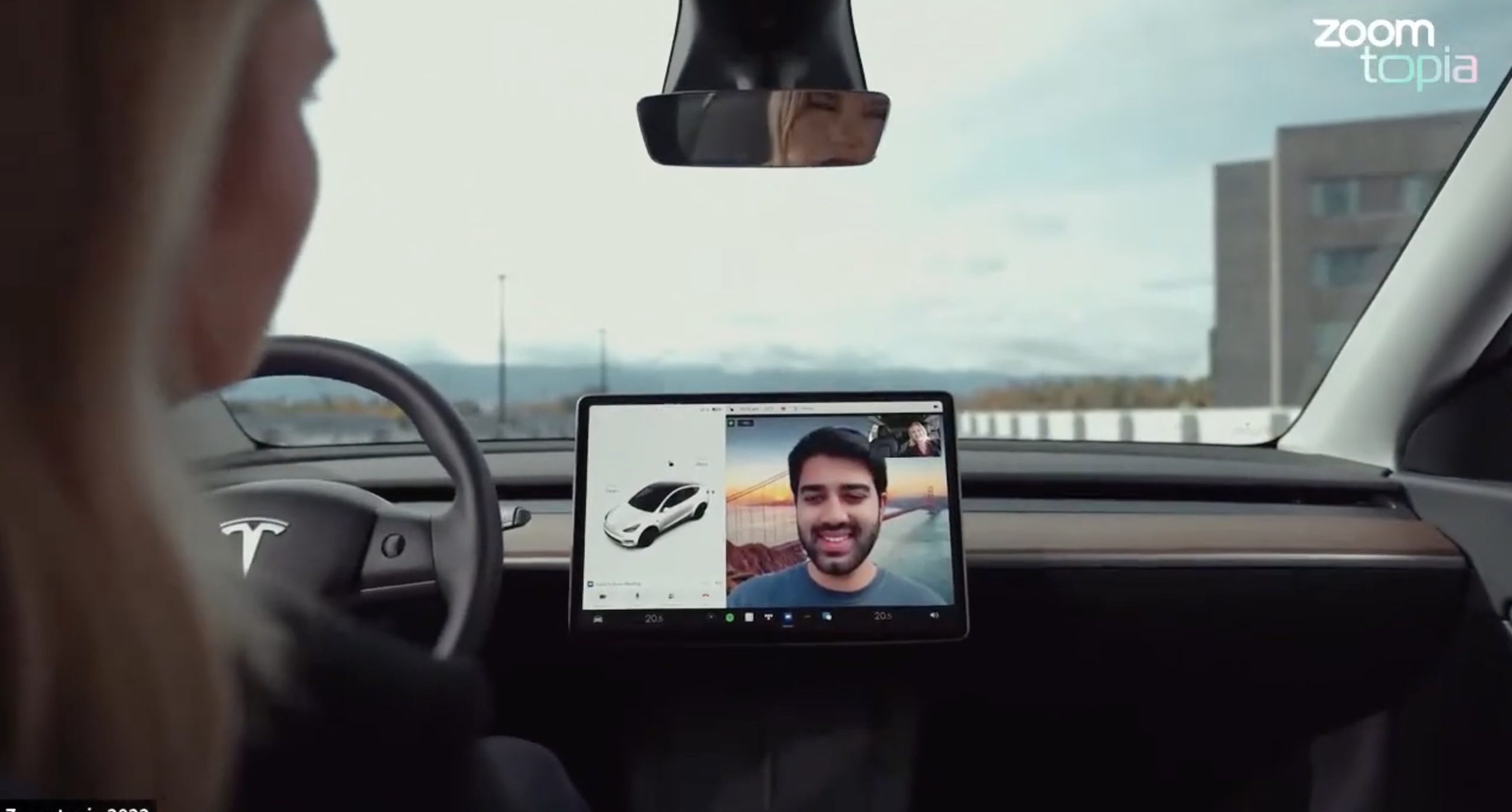
Tesla’s 2026 Summer Update, which just began rolling out to customer vehicles, now links the built-in web browser with the in-cabin camera feed and microphone input, thereby letting owners join video calls on nearly any browser-based service instead of just Zoom.
The change appears in Tesla’s own release notes for software version 2026.26 under “Web Browser,” which states that the vehicle can now use its interior camera and cabin microphone when a website requests access, with permission granted the same way a desktop browser handles it. As NotATeslaApp notes, this feature opens the door to Google Meet, Microsoft Teams, Discord, and other webcam-enabled sites to activate the in-car cabin-facing camera. The feed automatically crops and zooms to center the driver in frame.
Tesla has offered in-car video calling before, but only through a dedicated Zoom app that launched at the end of 2022, a stripped-down browser preloaded with Zoom’s own web client and gated behind Premium Connectivity. Opening the full browser to any camera-requesting site removes that walled garden. Elon Musk first called video conferencing “definitely a future feature” back in 2020, when the pandemic pushed remote meetings into daily life, so this update effectively finishes something Tesla has been promising for six years.
Tesla Summer Update begins rolling out: a look at the new features
The feature keeps the same restrictions that applied to Zoom on Tesla vehicles. It only works while the car is parked; shifting into Drive disables the camera feed, according to the release notes. It is also limited to vehicles running Tesla’s AMD Ryzen infotainment hardware, meaning older Intel-based Model S and Model X units, along with early Model 3 and Model Y builds, don’t get it.
Turning the browser into a general entry point for the in-cabin camera, rather than routing everything through one local app, widens the number of third-party sites that can ask for access, even though Tesla’s permission prompt.
With the Summer update only days into its rollout, be sure to stay with us on TikTok and X to see the latest video demonstrations.

Tesla Robotaxi will be a 24/7 service: here’s when

Tesla Full Self-Driving will now overtake manual driving to avoid disaster


