
News
Tesla Model Y arrives in South Korea

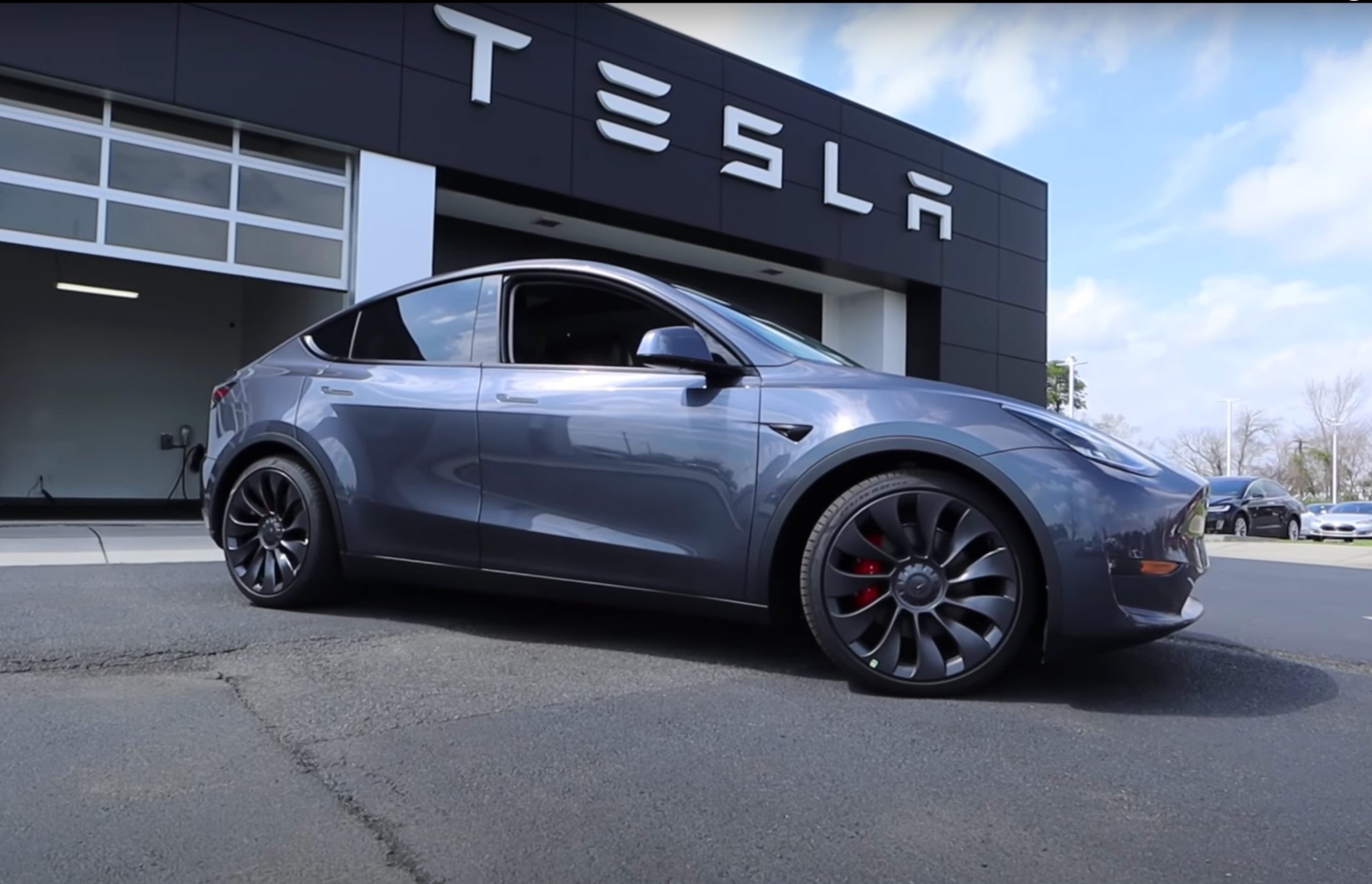
Tesla’s new all-electric crossover, the Model Y, is now available in South Korea. Tesla’s international expansion has been a focus of the automaker ever since the Giga Shanghai production plant began construction several years ago. With Tesla now building the Model Y at the Chinese production plant, South Korean consumers now have access to the highly-popular EV.
After first being delivered to U.S. customers in March 2020, the Model Y secured Tesla’s presence in the crossover SUV market. Known for its versatility as an SUV with sufficient cargo space but a sedan’s performance, crossovers have become some of the most popular cars across the world. The United States was no different, and the Model Y became Tesla’s most popular car in several states, including the company’s home of California.
However, Tesla has been focused on bringing the Model Y to other markets. In Europe, where it is expected to dominate markets when Giga Berlin opens this Summer, the Model Y will compete with Volkswagen, Renault, and Hyundai EVs that are highly successful. In Asia, Tesla’s Model 3 was the highest-selling EV in China in 2020, holding 12% of the market share.
Tesla Model Y test vehicles sent to South Korea ahead of local release
Now, Tesla is aiming toward South Korea for the Model Y.
Tesla Korea released some details regarding the Model Y’s availability in South Korea. The Standard Range RWD Model Y will start at 59.99 million won ($54,191), while two Dual Motor options, a Long-Range and a Performance, start at 69.99 million won ($63,239) and 79.99 million won ($72,274), respectively, the Korea Herald reports.
Tesla said that the five-seat option would be available immediately, with the seven-seat variant making its way to consumers shortly thereafter.
Tesla was highly popular in South Korea in 2020. Data showed that Tesla sold 79.6% of all EVs in the country from January to September, with the Model 3 holding around 31% of the total market share. Government incentives are also of high importance in South Korea and can lower a vehicle’s cost by between eight and ten million Won ($7,000 to $8,771). The programs are structured to encourage the purchase of EVs and also show the government is highly supportive of alternative energy.
Tesla accounts for 3 out of every 4 EVs sold in South Korea this year so far
With the rollout in South Korea, Tesla will also focus on the rollout of its robust Supercharger network. Tesla told Korea Herald that it would establish new Supercharger stations in 27 different cities and add eight Service Centers by the end of 2021. Tesla recently opened a Supercharger production plant just outside of the Giga Shanghai production plant, built to support the wide adoption of EVs across the globe.




Elon Musk
Tesla’s Robotaxi expansion wasn’t a joke, it was a warning to competitors
Tesla might have made a joke with its first Robotaxi service area expansion, but it was truly a serious warning to its competitors.
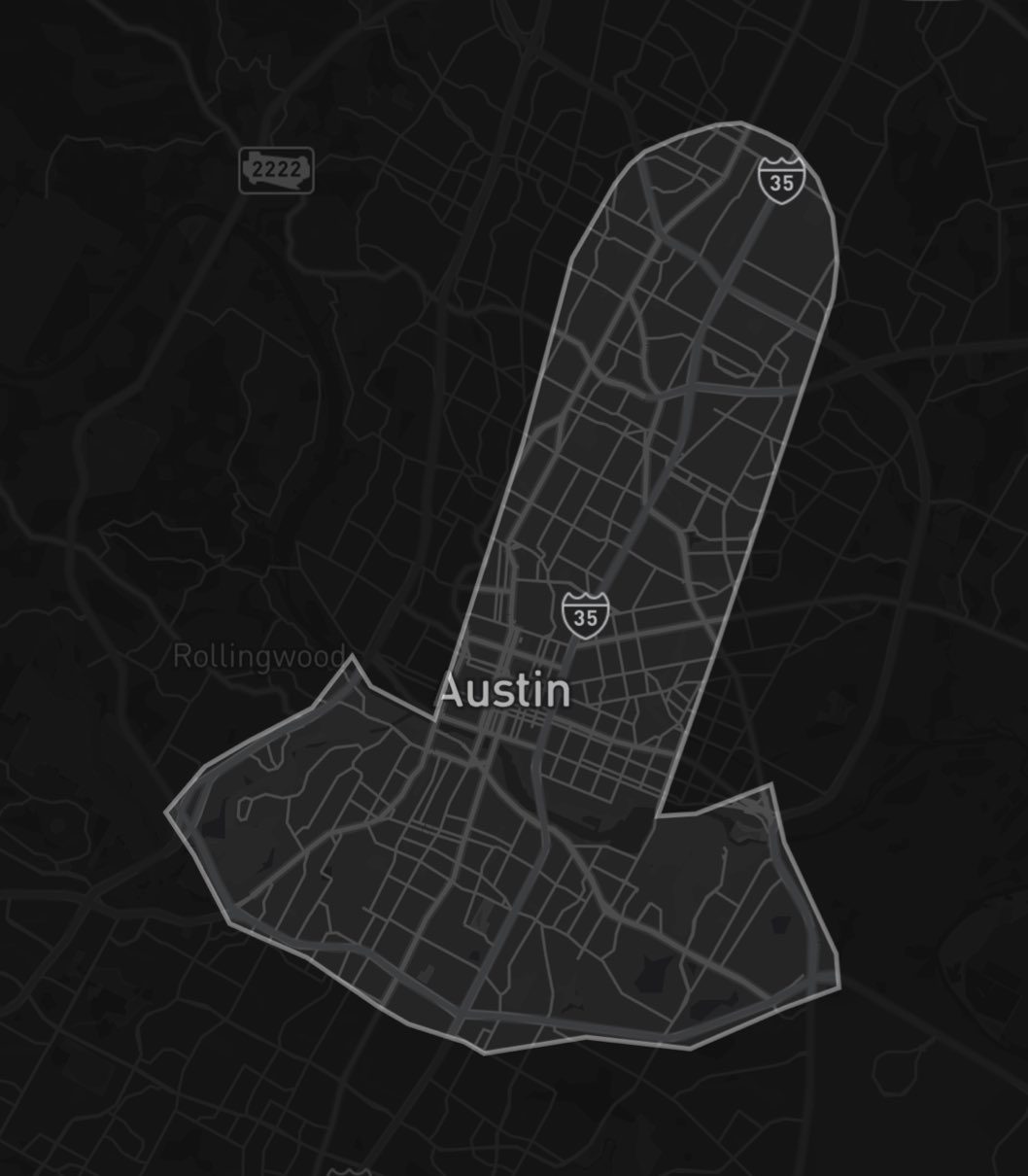
Tesla’s Robotaxi expansion occurred for the first time on Monday, and while the shape of its new service area might be “cocky,” it surely is not a joke. It’s a warning to competitors.
Robotaxi skeptics and Tesla opponents are sitting around throwing hate toward the company’s expansion appearance. Some called it “unserious,” and others say it’s “immature.” The reality is that it has a real meaning that goes much further than the company’s lighthearted and comical attitude toward things.
Proudly unserious
— Tesla (@Tesla) July 14, 2025
For context, Tesla has routinely used the number 69 as a way to price things it sells. 420 is another, an ode to cannabis culture. A few years back, it actually priced its Model S flagship sedan at $69,420. The first rides of the Robotaxi fleet were priced at $4.20. They are now being increased to $6.90.
Some call it childish. Others call it fun. The truth is, nobody is doing it this way.
Tesla updates Robotaxi app with several big changes, including wider service area
But today’s expansion of the Robotaxi service area in Austin is different. Tesla did not expand its shape to different neighborhoods or areas of the City of Austin. It did not expand it by broadening the rectangle that was initially available. Instead, it chose a different strategy, simply because it could:
🚨 Tesla’s new Robotaxi geofence is…
Finish the sentence 🥸 pic.twitter.com/3bjhMqsRm5
— TESLARATI (@Teslarati) July 14, 2025
Tesla could have done anything. It could have expanded in any direction, in any way, but it chose this simply because it has gotten Robotaxi to the point that it can broaden its service area in any direction. It chose this shape because it could.
Other companies might not have the same ability. Of course, many companies probably would not do this even if it could, simply because of the optics. Tesla doesn’t have those concerns; it has been open about its ability to be funny, and yes, immature, at times.
But in reality, it was a stark warning to competitors. “We can go anywhere in Austin, at any time, and we’re confident enough to make a joke about it.”
Tesla’s Robotaxi geofence in Austin grows, and its shape is hard to ignore
As Tesla is already aiming to expand to new states and high-population areas, and with applications filed in Arizona and California, Robotaxi will be in new regions in the coming weeks or months.
For now, it remains in Austin, and Tesla is sending a message to other companies that it is ready to go in any direction. The driverless Robotaxi fleet, bolstered by billions of miles of data, is ready to roam without anyone at the wheel.
News
Tesla Robotaxi has already surpassed Waymo in this key metric
Tesla Robotaxi has already overtaken Waymo in Austin in one key metric, but there’s still more work to do.
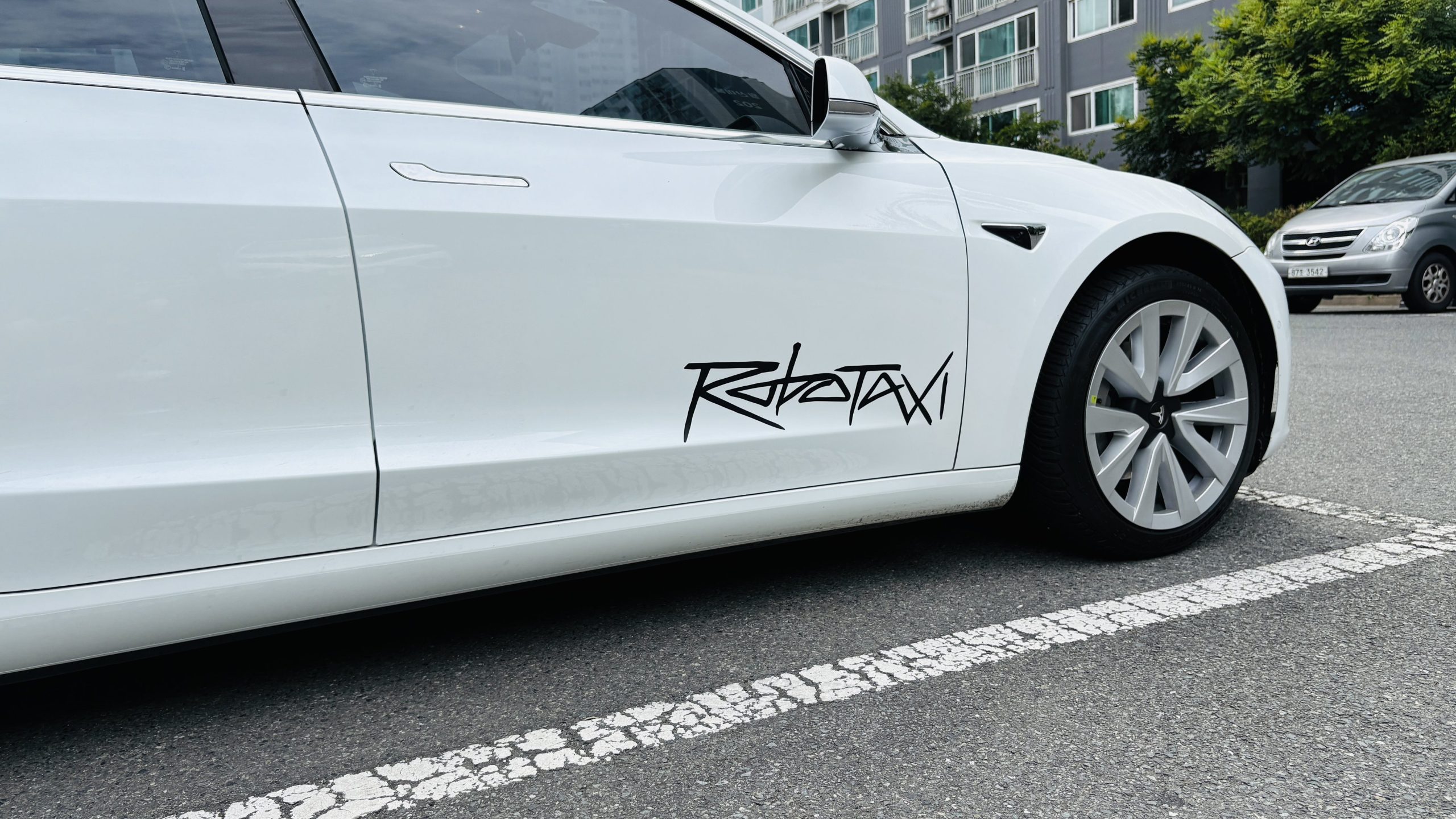
Tesla Robotaxi has already surpassed Waymo in one extremely important key metric: size of service area.
Tesla just expanded its service area in Austin on Monday morning, pushing the boundaries of its Robotaxi fleet in an interesting fashion with new capabilities to the north. Yes, we know what it looks like:
🚨 Tesla’s new Robotaxi geofence is…
Finish the sentence 🥸 pic.twitter.com/3bjhMqsRm5
— TESLARATI (@Teslarati) July 14, 2025
The expansion doubled Tesla Robotaxi’s potential travel locations, which now include the University of Texas at Austin, a school with over 53,000 students.
The doubling of the service area by Tesla has already made its travel area larger than Waymo’s, which launched driverless rides in October 2024. It became available to the public in March 2025.
According to Grok, the AI agent on X, Tesla Robotaxi’s current service area spans 42 square miles, which is five square miles larger than Waymo’s service area of 37 square miles.
Tesla Robotaxi (red) vs. Waymo geofence in Austin.
Much can be said about the shape… but the Robotaxi area is now ~3.9 mi² (10 km²) larger than Waymo’s!! pic.twitter.com/dVfh2ODxJC
— Robin (@xdNiBoR) July 14, 2025
The service area is one of the most important metrics in determining how much progress a self-driving ride-hailing service is making. Safety is the priority of any company operating a ride-hailing network, especially ones that are making it a point to use autonomy to deploy it.
However, these companies are essentially racing for a larger piece of the city or cities they are in. Waymo has expanded to several different regions around the United States, including Arizona and Los Angeles.
Tesla is attempting to do the same in the coming months as it has already filed paperwork in both California and Arizona to deploy its Robotaxi fleet in states across the U.S.
As the platform continues to show more prowess and accuracy in its operation, Tesla will begin to expand to new areas, eventually aiming for a global rollout of its self-driving service.
News
Tesla Megapacks arrive for massive battery replacing coal plant
Tesla Megapacks have started arriving on-site to the Stanwell Battery Project, just as Queensland prepares to wind down the Stanwell coal plant.

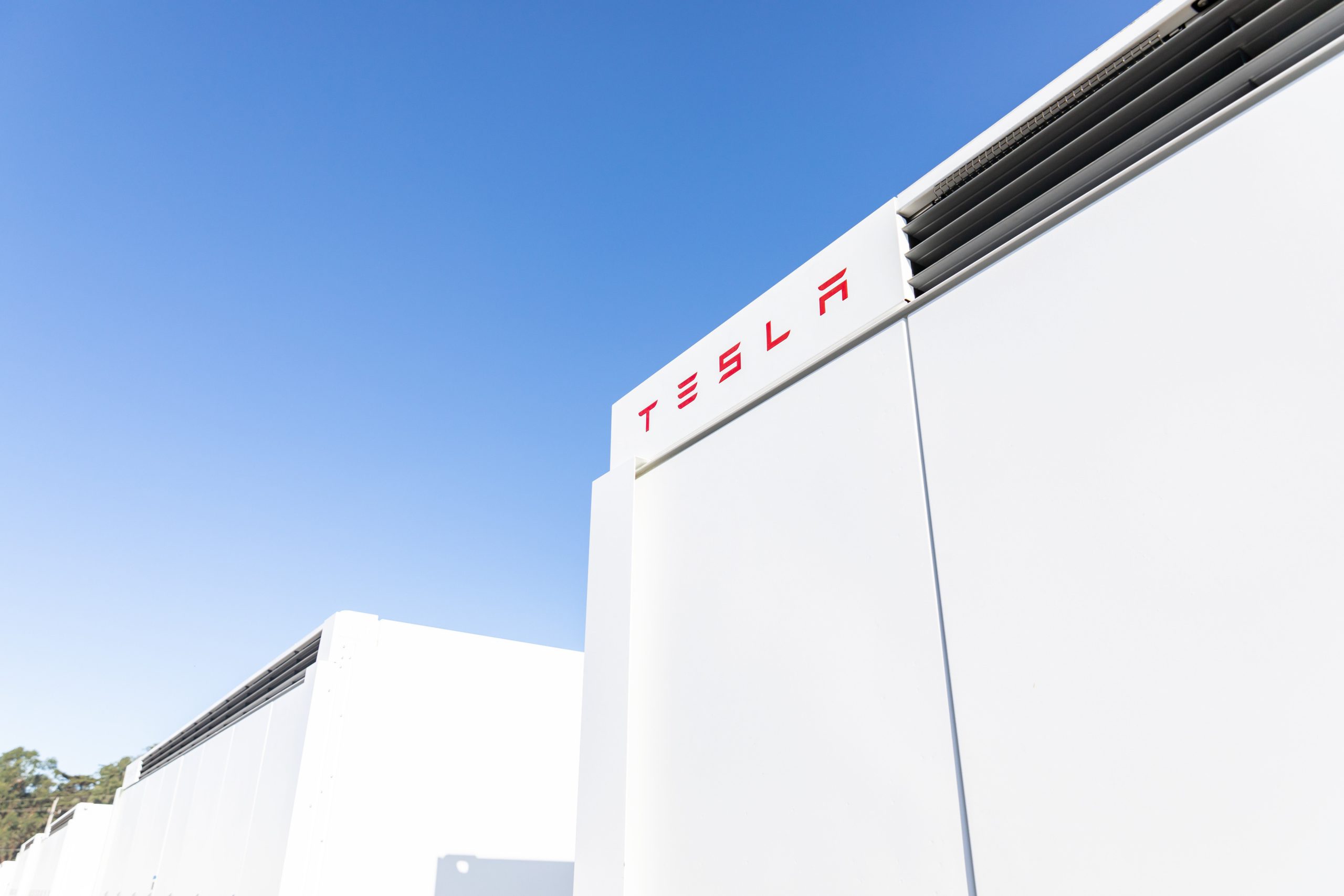
The first of over 300 Tesla Megapacks have arrived to the site of a massive battery energy storage system (BESS) being built in Australia, dubbed the Stanwell Battery Project after a coal plant it’s set to replace.
In a press release last week, the Stanwell Battery Project announced that the first Tesla Megapack 2XL units had arrived to the site, which is located outside of Rockhampton in Queensland, Australia. The project will eventually feature 324 Megapack units, set to arrive in the coming months, in order to support the 300MW/1,200MWh battery project.
“The Stanwell Battery is part of the diversification of our portfolio, to include cleaner and more flexible energy solutions,” said Angie Zahra, Stanwell Central Generation General Manager. “It is just one part of the 800 MW of battery energy storage capacity we have in our pipeline.
“Capable of discharging 300 MW of energy for up to four hours (1,200 MWh), our mega battery will be one of the largest in Queensland.”
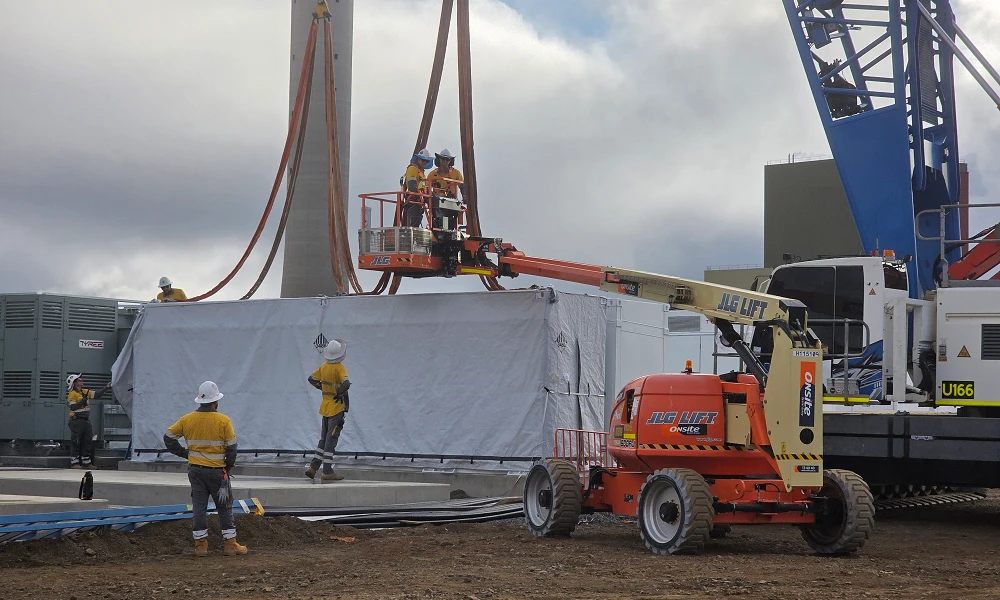
Credit: Stanwell
Did you know Tesla’s Lathrop facility churns out a Megapack every 68 minutes? That’s enough energy to power 3,600 homes for an hour per unit! ⚡️ pic.twitter.com/bG6fpHkB9O
— TESLARATI (@Teslarati) June 11, 2025
READ MORE ON TESLA MEGAPACKS: Tesla Lathrop Megafactory celebrates massive Megapack battery milestone
The state is working with government-owned company Yurika to facilitate construction, and the process is expected to create roughly 80 jobs. The project is expected to come fully online in May 2027, with initial commissioning of the Megapacks aiming for November 2025.
The Stanwell Battery is set to replace the nearby Stanwell coal generation plant, which the government is planning to wind down starting in 2026 as part of efforts to reach an 80 percent renewable energy generation ratio by 2035. Meanwhile, the government is also set to begin winding down the Tarong and Callide coal plants, while several other Megapack projects are being built or coming online. o ya
Tesla currently has two Megapack production facilities, located in Lathrop, California, in the U.S. and another that came online earlier this year in Shanghai, China. The Shanghai Megafactory shipped its first units to Australia in March, while both factories are expected to be capable of producing 10,000 Megapack units per year upon reaching volume production.

Tesla’s Robotaxi expansion wasn’t a joke, it was a warning to competitors

Tesla Robotaxi has already surpassed Waymo in this key metric

Tesla Megapacks arrive for massive battery replacing coal plant


-
 Elon Musk2 weeks ago
Tesla investors will be shocked by Jim Cramer’s latest assessment
-
 News2 days ago
Tesla debuts hands-free Grok AI with update 2025.26: What you need to know
-
 Elon Musk5 days ago
xAI launches Grok 4 with new $300/month SuperGrok Heavy subscription
-
 Elon Musk7 days ago
Elon Musk confirms Grok 4 launch on July 9 with livestream event
-
 News2 weeks ago
Tesla Model 3 ranks as the safest new car in Europe for 2025, per Euro NCAP tests
-
 Elon Musk2 weeks ago
xAI’s Memphis data center receives air permit despite community criticism
-
 News4 days ago
Tesla begins Robotaxi certification push in Arizona: report
-
 Elon Musk2 weeks ago
Tesla scrambles after Musk sidekick exit, CEO takes over sales