Investor's Corner
Tesla Chairwoman Denholm unloads $22M in stock as Musk’s SEC settlement comes to close

The possibility that CEO Elon Musk could reclaim the position as Chairman of the Tesla Board of Directors looms as his September 2018 settlement with the SEC comes to a close. Less than two months before Musk will become eligible to become Tesla’s Chairman once again, its current Chairwoman, Robyn Denholm, has offloaded over $22 million in $TSLA stock.
A Form 4 Filing with the SEC reveals that Denholm, who has assumed her position as Chairwoman of Tesla’s Board since November 2018, sold more than $22 million in shares on August 2nd. The shares were sold at prices that ranged from $700 to $726.12, the filing states.
Company executives are required to file any trades with the SEC due to their status as “insiders.” When other executives, like former Heavy Trucking head Jerome Guillen and Accounting Officer Vaibhav Taneja, sold shares of the company, they were also required to file their moves with the agency.
Interestingly, selling stock as a company executive does not always result in the employee leaving the company altogether. For example, Guillen offloaded over $6 million in shares on May 13th. He subsequently left Tesla on June 3rd. Taneja, however, still remains with the company, despite selling nearly $3 million in stock in mid-July.
However, with Musk’s 2018 settlement coming to a close, the timing of the move by Denholm seems to suggest Musk may be preparing to overtake the position once again, especially considering his tumultuous past with the SEC. It wouldn’t be far-fetched to believe that Musk could reassume the role as Chairman of the Board on the exact date he was eligible to, just as an extra gesture of animosity against the agency that has long been the subject of some of Musk’s frustrations through the years.
Musk’s removal as Chairman was one of four requirements of the SEC settlement. The others being:
- Tesla will appoint a total of two new independent directors to its board;
- Tesla will establish a new committee of independent directors and put in place additional controls and procedures to oversee Musk’s communications;
- Musk and Tesla will each pay a separate $20 million penalty. The $40 million in penalties will be distributed to harmed investors under a court-approved process.
In an interview with 60 Minutes shortly after the SEC settlement, Musk said that he does not respect the agency, but he abided by the settlement because he respects the justice system. Musk has not been silent regarding his displeasure with the SEC, even tweeting a crafty, R-rated insult toward them in July 2020.
SEC, three letter acronym, middle word is Elon’s
— Elon Musk (@elonmusk) July 2, 2020
Whether Denholm steps down from her post after selling a substantial sum of Tesla stock remains to be seen.
Don’t hesitate to contact us with tips! Email us at tips@teslarati.com, or you can email me directly at joey@teslarati.com.


Elon Musk
SpaceX to launch military missile tracking satellites through new Space Force contract
SpaceX wins a $178.5M Space Force contract to launch missile tracking satellites starting in 2027.

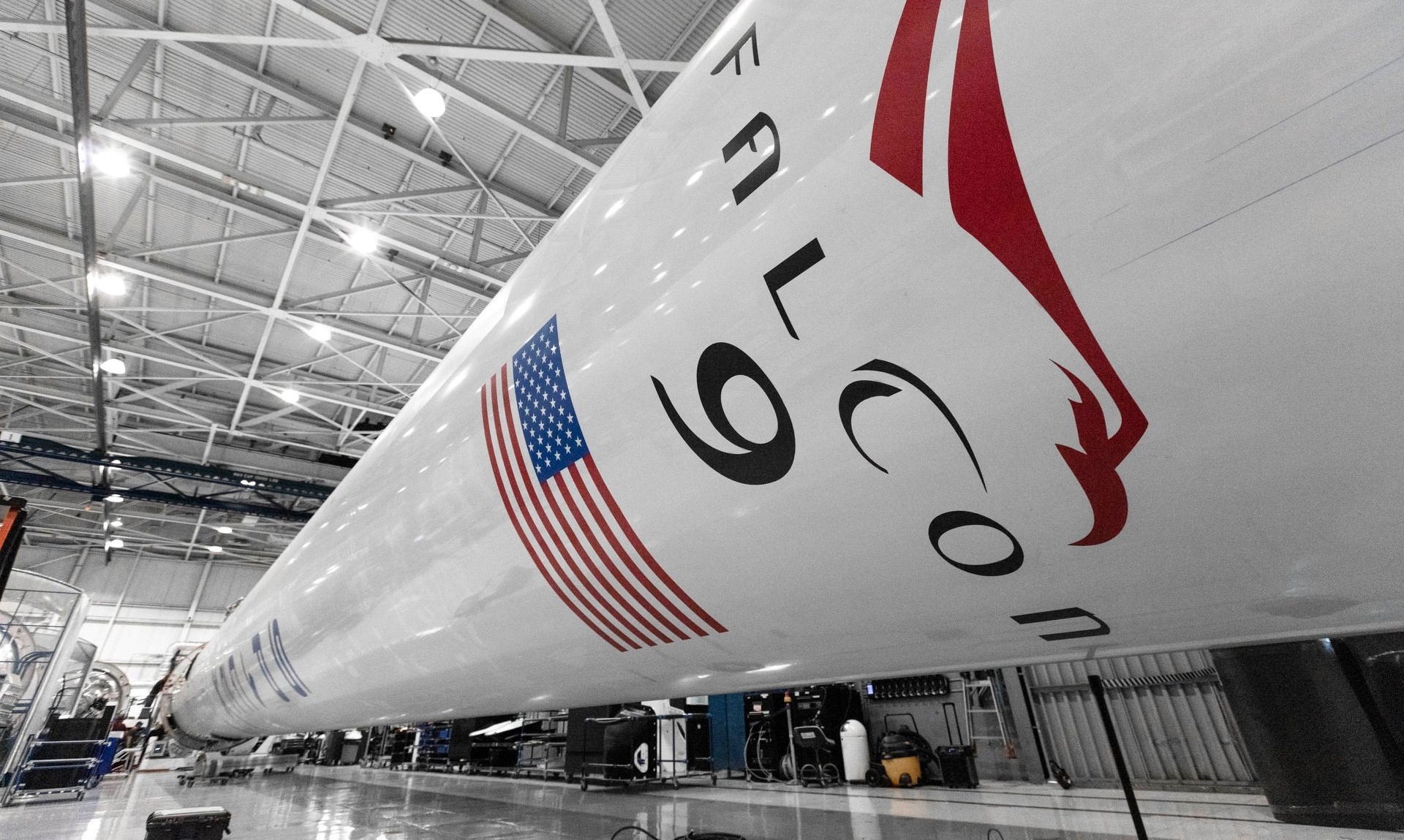
The U.S. Space Force awarded SpaceX a $178.5 million task order on April 1, 2026 to launch missile tracking satellites for the Space Development Agency. The contract, designated SDA-4, covers two Falcon 9 launches beginning in Q3 2027, one from Cape Canaveral Space Force Station in Florida and one from Vandenberg Space Force Base in California. The satellites, built by Sierra Space, are designed to bolster the nation’s ability to detect and track missile threats from orbit.
The award falls under the National Security Space Launch Phase 3 Lane 1 program, which Space Force uses to move payloads to orbit on faster timelines and at more competitive prices. “Our Lane 1 contract affords us the flexibility to deliver satellites for our customers, like SDA, more easily and faster than ever before to all the orbits our satellites need to reach,” said Col. Matt Flahive, SSC’s system program director for Launch Acquisition, in the official press release.
SpaceX is quietly becoming the U.S. Military’s only reliable rocket
The SDA-4 contract is the latest in a long string of national security wins for SpaceX. As Teslarati reported last month, the Space Force recently shifted a GPS III satellite launch from ULA’s Vulcan rocket to SpaceX’s Falcon 9 after a significant Vulcan booster anomaly grounded ULA’s military missions indefinitely. That move made it four consecutive GPS III satellites transferred to SpaceX after contracts were originally awarded to its competitor.
This didn’t come without a fight and dates back years. SpaceX originally had to sue the Air Force in 2014 for the right to compete for national security launches, at a time when United Launch Alliance held a near monopoly on the market. Since then, the company has steadily displaced ULA as the dominant provider, and last year the Space Force confirmed SpaceX would handle approximately 60 percent of all Phase 3 launches through 2032, worth close to $6 billion.
With missile defense satellites now part of its launch manifest alongside GPS, communications, and reconnaissance payloads, SpaceX is giving hungry investors something to chew on before its imminent IPO.
Investor's Corner
Tesla reports Q1 deliveries, missing expectations slightly
The figure, however, fell short of Wall Street’s consensus estimate of 365,645 units, reflecting ongoing headwinds in the global EV market.
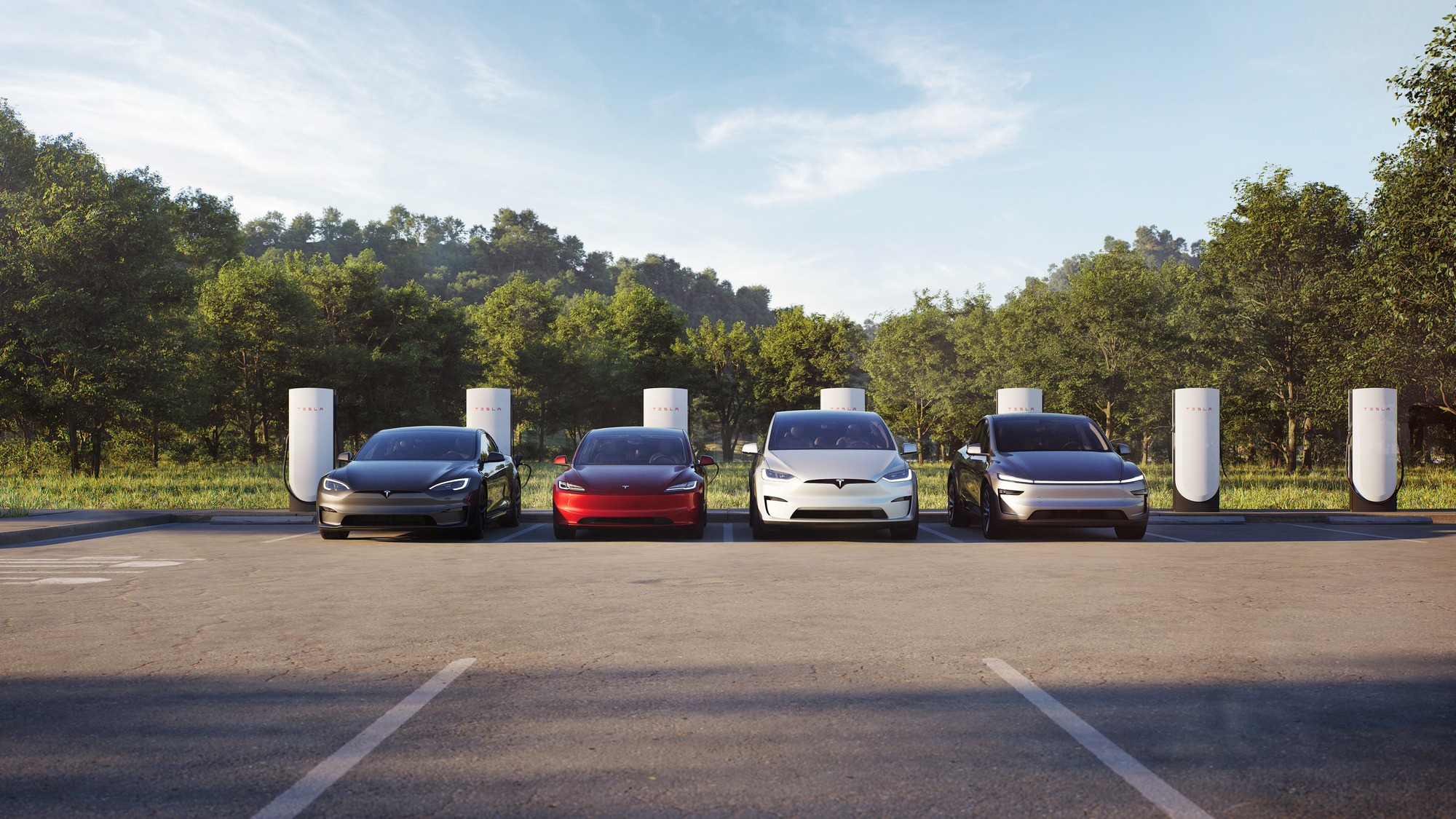
Tesla reported deliveries for the first quarter of 2026 today, missing expectations set by Wall Street analysts slightly as the company aims to have a massive year in terms of sales, along with other projects.
Tesla delivered 358,023 vehicles in the first quarter of 2026, marking a 6.3 percent increase from 336,681 vehicles in Q1 2025.
The figure, however, fell short of Wall Street’s consensus estimate of 365,645 units, reflecting ongoing headwinds in the global EV market. Production reached approximately 362,000 vehicles, with Model 3 and Model Y accounting for the vast majority. The results come as Tesla navigates softening demand, intensifying competition in China and Europe, and the expiration of key U.S. federal tax incentives.
🚨 BREAKING: Tesla delivered 358,023 vehicles in Q1 2026
Tesla also reported record energy deployments of 8.8 GWh
Wall Street had delivery consensus estimates of 365,645 pic.twitter.com/EVNAu5L3UT
— TESLARATI (@Teslarati) April 2, 2026
Energy storage deployments provided a bright spot, hitting a record 8.8 GWh in Q1. This underscores the accelerating momentum in Tesla’s energy segment, which has become a critical growth driver even as automotive volumes stabilize.
Year-over-year, the energy business continues to outpace vehicle sales, with analysts noting strong backlog demand for Megapack systems amid rising grid-scale needs for renewables and AI data centers.
Looking ahead, analysts project full-year 2026 vehicle deliveries in the range of 1.69 million units—a modest 3-5% rise from roughly 1.64 million in 2025.
Growth is expected to accelerate in the second half as production ramps and new incentives emerge in select markets. However, risks remain: persistent high interest rates, price competition from legacy automakers and Chinese EV makers, and potential margin pressure could cap upside.
Tesla has not issued official full-year guidance, but executives have signaled confidence in sequential quarterly improvements driven by cost reductions and refreshed lineups.
By the end of 2026, Tesla plans several major product launches to reignite momentum. The refreshed Model Y, including a new 7-seater variant already rolling out in select markets, is expected to boost family-oriented sales with updated styling, efficiency gains, and interior enhancements.
Autonomous ambitions remain central to Tesla’s mission, and that’s where the vast majority of the attention has been put. Volume production of the Cybercab (Robotaxi) is targeted to begin ramping in 2026, potentially unlocking new revenue streams through unsupervised Full Self-Driving (FSD) deployment.
A next-generation affordable EV platform, possibly under $30,000, is also in advanced planning stages for 2026 or 2027 introduction. On the energy front, the Megapack 3 and larger Megablock systems will drive further deployment scale.
While Q1 highlights transitional challenges in autos, Tesla’s diversified roadmap, spanning refreshed consumer vehicles, commercial trucks, Robotaxis, and explosive energy growth, positions the company for a stronger second half and beyond. Investors will watch Q2 closely for signs of sustained recovery, especially with new vehicles potentially on the horizon.
Elon Musk
Elon Musk debunks latest rumors about SpaceX IPO
Musk has swiftly put to rest circulating reports suggesting that SpaceX would exclude popular retail brokerages Robinhood and SoFi from its highly anticipated initial public offering. In a direct response posted on X on March 31, Musk stated simply, “These reports are false,” addressing widespread speculation fueled by a Reuters article.
Tesla and SpaceX CEO Elon Musk debunked the latest rumors about the space exploration company’s initial public offering (IPO), which has been the subject of a wide array of speculation over the last few weeks.
With SpaceX likely heading to Wall Street to become a publicly-traded stock in the coming months, there is a lot of speculation surrounding how it will happen, whether the company will potentially combine with Tesla, and more.
Tesla and SpaceX to merge in 2027, Wall Street analyst predicts
But the latest rumors have to do with where SpaceX will list the stock.
Musk has swiftly put to rest circulating reports suggesting that SpaceX would exclude popular retail brokerages Robinhood and SoFi from its highly anticipated initial public offering.
In a direct response posted on X on March 31, Musk stated simply, “These reports are false,” addressing widespread speculation fueled by a Reuters article.
These reports are false
— Elon Musk (@elonmusk) March 31, 2026
The Reuters report, published March 30, claimed that Morgan Stanley’s E*Trade was in talks to lead the sale of SpaceX shares to small U.S. investors.
Sources indicated that Robinhood and SoFi, despite pitching for roles, faced potential exclusion from the retail allocation, with Fidelity also competing for a piece of the action. The story quickly spread across financial media, raising concerns among retail investors eager to participate in what could be one of the largest IPOs in history.
SpaceX has a reported valuation nearing $1.75 trillion, and Musk’s plan to allocate up to 30 percent of shares to individual investors — far above the typical 5-10% — had generated massive excitement.
Musk’s concise denial immediately calmed the narrative. The original X post quoting the rumor garnered significant engagement, with users expressing relief that everyday investors would not be sidelined.
This episode reflects Musk’s hands-on approach to SpaceX’s public debut.
Earlier reporting revealed plans for an unusually large retail slice to leverage Musk’s dedicated fan base and stabilize post-IPO trading. SpaceX aims to file potentially as early as this period, building on momentum from its Starship program and Starlink growth.
The IPO could mark a transformative moment, potentially elevating Musk’s status further while democratizing access to a company long reserved for accredited investors and institutions.
The rumor’s quick debunking also revives debates about retail access in high-profile listings. Robinhood gained popularity during the 2021 meme-stock surge but faced criticism for past trading restrictions.
SoFi has positioned itself as a modern financial platform for younger investors. Excluding them could have limited participation from tech-savvy retail traders who form a core part of Musk’s supporter base across Tesla and SpaceX.
While details remain fluid, Musk’s intervention reinforces commitment to broad accessibility. As preparations advance, investors await official filings. For now, the message is clear: rumors of restricted retail access were overstated, keeping the door open for widespread participation in SpaceX’s public chapter.
This development comes amid broader market enthusiasm for space and technology stocks. Musk’s transparency through X continues to shape public perception, distinguishing SpaceX’s path from traditional Wall Street norms. With retail allocation potentially reaching 30 percent, the IPO promises to be both commercially massive and culturally significant.

Elon Musk calls out $2 trillion SpaceX IPO valuation as ‘BS’

Elon Musk reveals date of SpaceX Starship v3’s maiden voyage


