Energy
Tesla’s new low-profile solar panels blend seamlessly into a rooftop

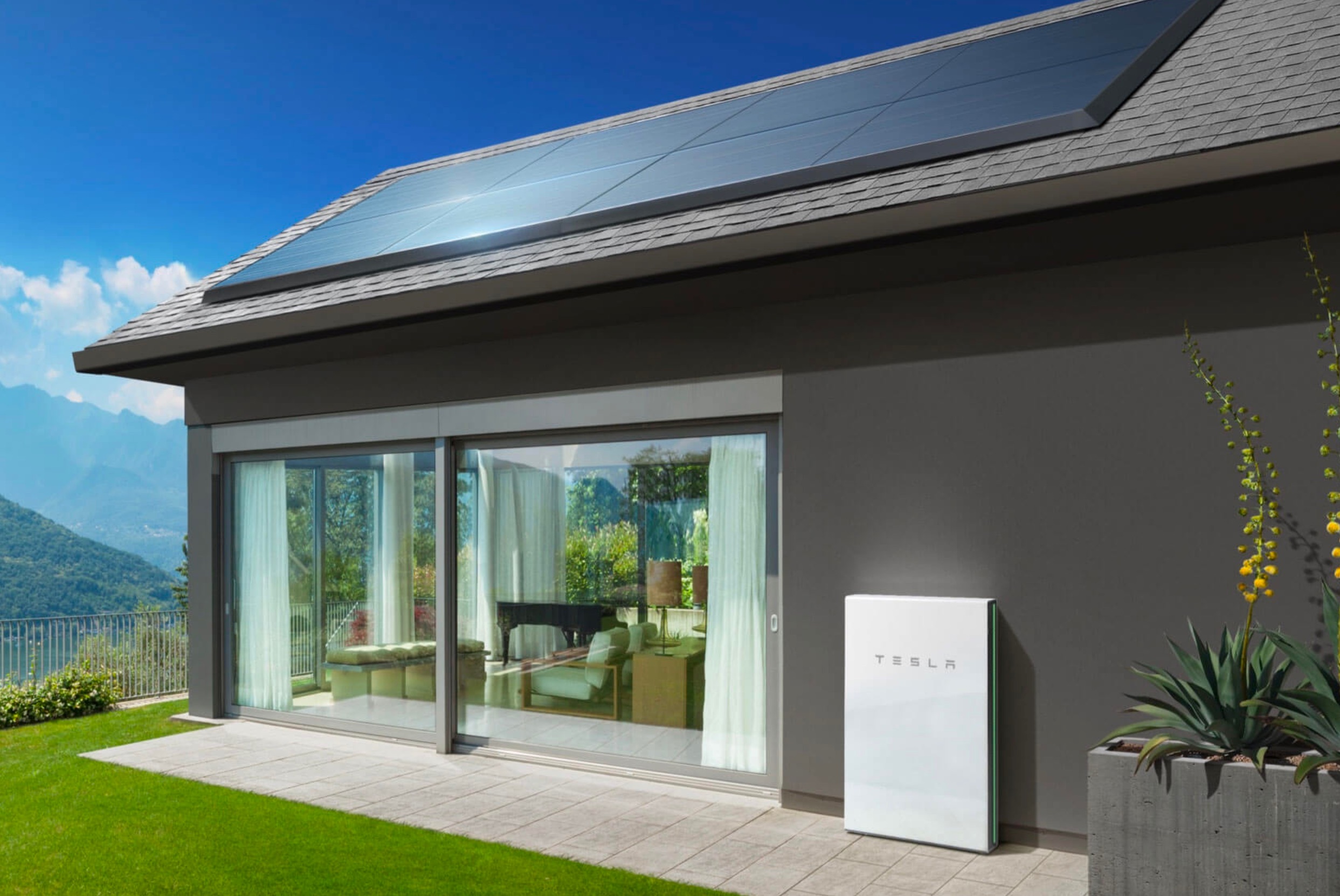
Much of the attention involving Tesla and solar has, until now, largely focused on the company’s upcoming glass solar roof tiles that are integrated with photovoltaic cells. The product is poised to have a massive impact on both the aesthetic appeal and adoption of rooftop solar when it debuts this summer. Tesla CEO Elon Musk has recently stated via Twitter that the company will begin taking Solar Roof orders sometime this month. In the meantime, Tesla is ramping up efforts to market traditional rooftop solar panels to customers who are interested in adopting solar, but don’t necessarily need an entirely new roof.
Tesla has revealed a rooftop solar installation that’s designed with a sleek and low-profile look that’s barely distinguishable from the roof itself. This is accomplished by utilizing panel mounting hardware that is lower profile than traditional panels. According to Tesla’s site, the solar panels come equipped with integrated front skirts that take the edge off of the hard lines most solar systems incorporate.
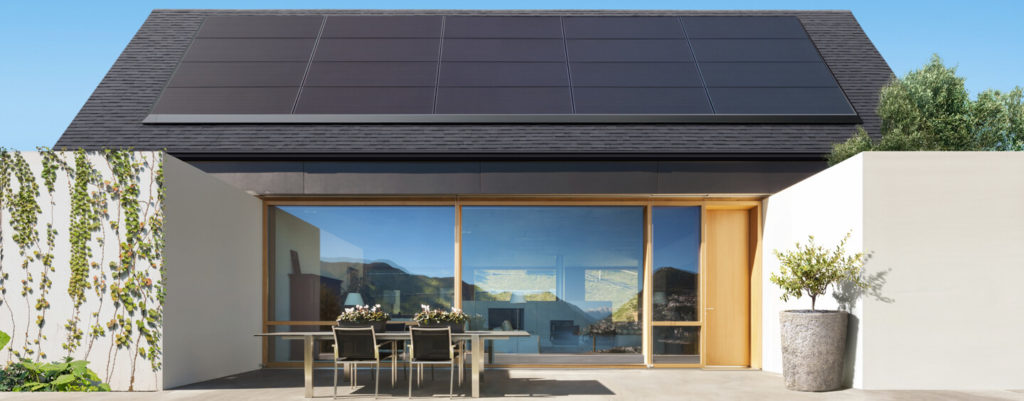
Why will Tesla have two types of solar products for the roof, along with two marketing strategies? The answer is simple. Not everyone needs a new roof, and if you don’t need a new roof, installing traditional solar panels is going to be much cheaper than replacing roof tiles entirely. And if Tesla has any say in the matter, their solar panels also look great while being able to convert sunlight into electricity for use in ones home; for use in transportation through a Model S, Model X or Model 3; and for storage through Tesla’s Powerwall 2 home battery system.


Elon Musk
Google just picked SpaceX for its first step into orbital AI
Google will launch its first Project Suncatcher AI satellite on SpaceX’s Transporter-18 rideshare next week.

Google is about to put its own AI chips into orbit for the first time, and it is paying SpaceX to get them there.
The company said Thursday that the first in-orbit test of Project Suncatcher, its research effort to find out whether space can host large-scale AI computing, will fly next week on SpaceX’s Transporter-18 rideshare mission.
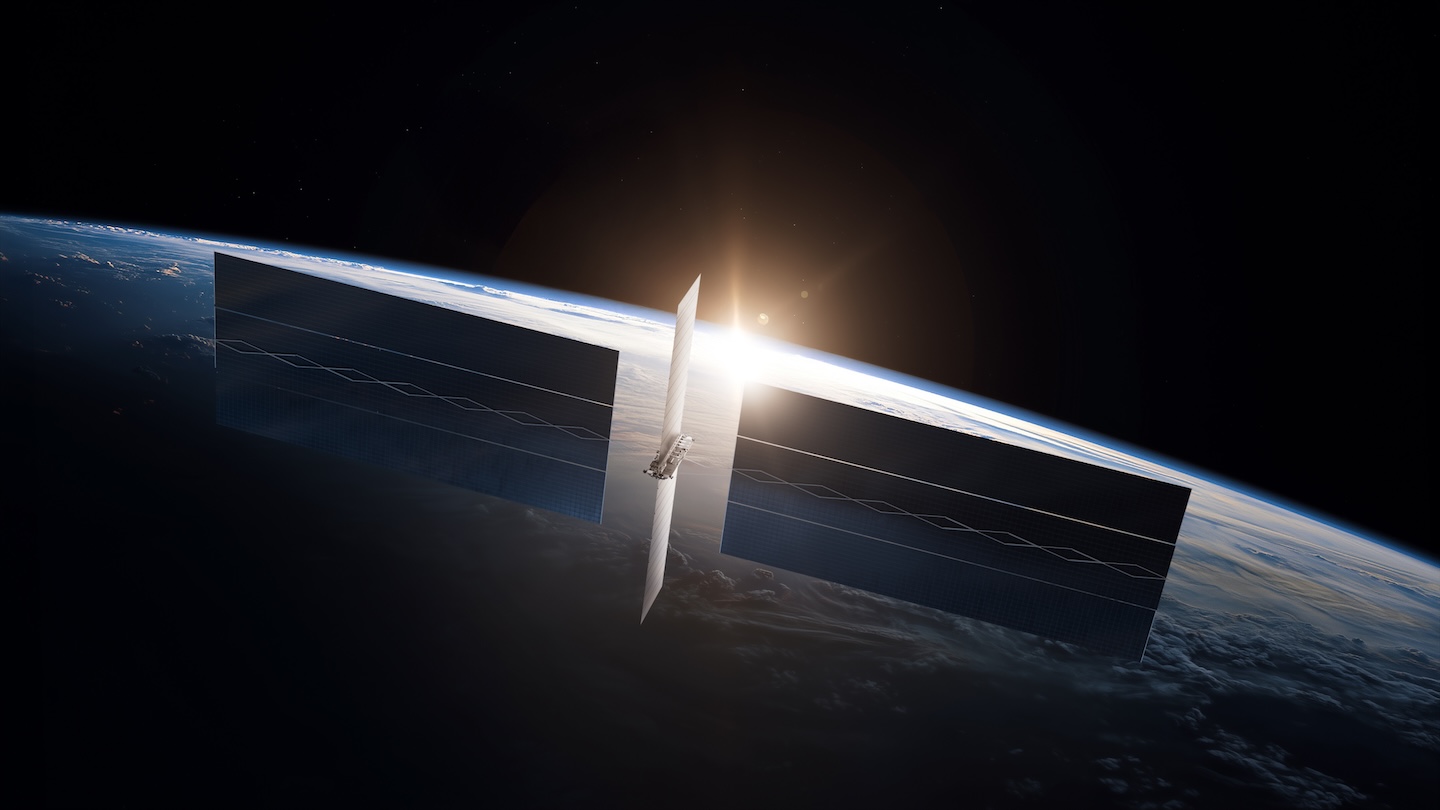
The satellite, called MVP, is about the size of a refrigerator and carries four of Google’s Tensor Processing Units, the same chips Google runs in its ground data centers. Google originally planned to launch two custom satellites in 2027, but chose to move faster by integrating its chips into a satellite.
MVP’s solar panels supply about one kilowatt of power, and Google will run Gemini models on the TPUs only in bursts of roughly 15 minutes before the chips shut down so the radiators can shed heat. In a blog post, Google said its Trillium TPUs survived vibration testing that mimicked sustained launch loads of up to 10g, with individual components seeing 50 to 100g, and handled a radiation dose greater than a five year mission would deliver.
SpaceX and Google mull massive partnership on Musk’s orbital data dream: report
Next week’s flight, slated for October 1, follows a relationship that became public in May, when Teslarati reported that Google was in talks with SpaceX for a launch deal tied to orbital data centers. Google also holds a stake of roughly 6% in SpaceX.
The two companies are chasing the same idea from very different starting points. SpaceX’s own orbital compute program is built around the AI1 satellite, a roughly 70 meter structure derived from Starlink V3 hardware that is designed for 150 kW of peak compute, about 150 times the power MVP will draw. Elon Musk has brushed off concerns about crowding orbit with those satellites, and SpaceX is building its Gigasat factory in Bastrop, Texas, to produce them, targeting an annualized rate of about 1 GW of space compute by the end of 2027.
Musk also posted on X on Thursday that “the amount of compute in space will obviously round up to 100% of all compute.”
Google has been more cautious in public. Its research estimates that launch prices need to fall below about $200 per kilogram before an orbital data center can compete with a ground facility on energy cost, a threshold the company believes could be reached around the mid 2030s. The Suncatcher team has said it expects the effort to remain a project rather than a product for years, which leaves the first real test of its hardware riding on a rocket from the company with the most aggressive timeline in the field.
Energy
Tesla Semi factory is getting a celebration nobody expected
Tesla will inaugurate its Nevada Semi factory September 24, five months after production quietly began ramping.
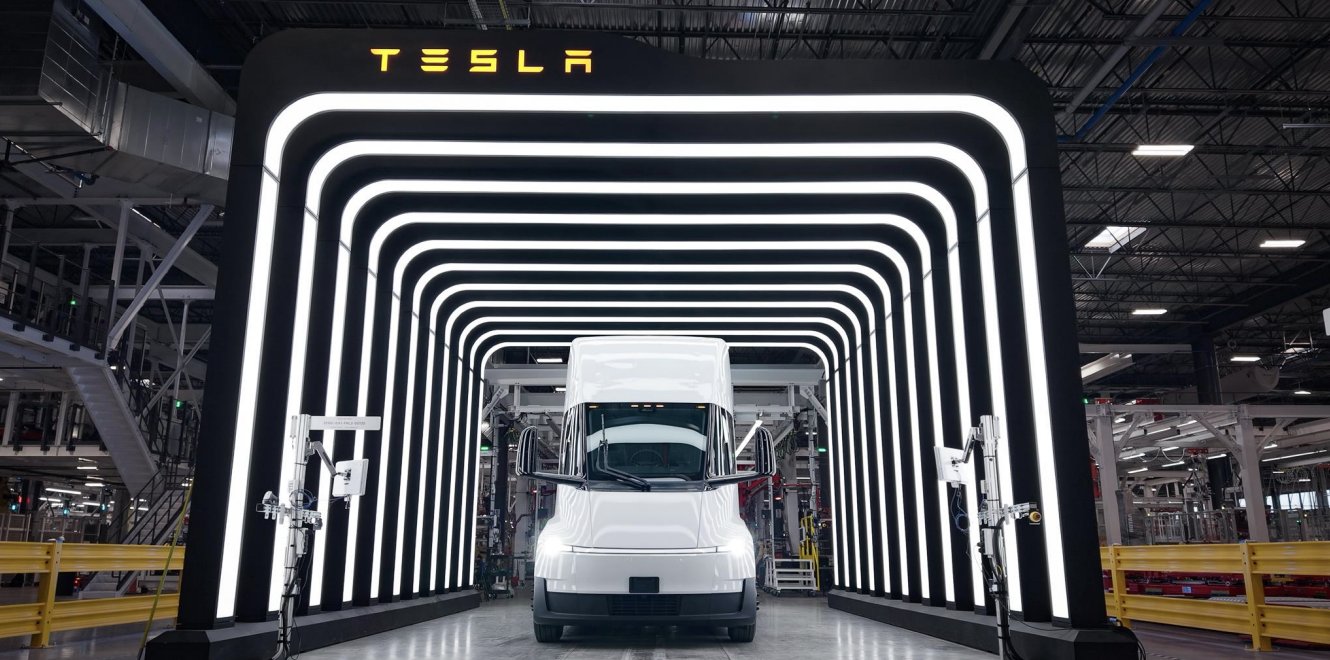
Tesla says it will officially inaugurate its new Semi factory in Nevada next month. The Tesla Semi account posted the announcement on X, sharing a graphic titled “Semi Rollout” with a date of September 24. No further details were given about the format of the event or who would attend.
While Tesla’s dedicated Semi plant in Sparks, adjacent to Gigafactory Nevada, opened back in April, with the first trucks rolling off the high volume line on April 29, the timing for the factory inauguration comes at a surprise. The ribbon cutting event five months into production is a break from how Tesla has usually handled its other factories, where the first truck or car off the line typically served as the milestone moment.
Inauguration of new Semi factory in Nevada next month pic.twitter.com/a8kAlxrOOn
— Tesla Semi (@tesla_semi) August 24, 2026
The 1.7 million square foot factory was built as part of a $3.6 billion expansion Tesla announced in early 2023, and it shares a site with the battery cell lines that feed the Semi’s structural pack, a decision meant to remove the supply bottleneck that delayed the truck for years. The plant is designed for 50,000 trucks a year at full ramp. Semi program director Dan Priestley has said production “is now ramping” rather than claiming it has reached scale.
Nine years passed between the Semi’s 2017 unveiling and this stage of production, with the truck slipping from an original 2019 target through hand built pilot units for PepsiCo and a slow build out of the Nevada plant. An inauguration event now gives Tesla a stage to talk up that ramp and reset expectations for how many trucks it can begin delivering at scale.
The September date also lines up with the Semi’s next milestone. Tesla confirmed the truck is heading to Europe with a full unveiling at the IAA Transportation trade show in Hannover, Germany, running September 15 through 20. Between the Nevada event and the Hannover reveal, Tesla has roughly a week and a half in September to make the case that the Semi is now a truck being built and sold on two continents rather than tested in a handful of fleets.


Tesla Energy has introduced the Powerwall Lease in conjunction with Tesla Electric, making the service available in Texas. This new option delivers whole-home backup power using two Powerwall units for a net monthly cost of $35 after credits, accompanied by a low fixed electricity rate.
Under the lease terms, customers pay a one-time order fee of $100. The base lease payment for the two Powerwalls is approximately $122 per month during the first year, subject to a 3 percent annual escalator thereafter. Enrollment in a qualifying Tesla Electric Backup plan or Virtual Power Plant plan provides an $87 monthly credit.
Powerwall Lease is now available with Tesla Electric in Texas
Whole-home backup for $35/month, with a low fixed electricity rate
– Two Powerwalls, $0 installation
– Storm Watch outage protection
– One app to manage it all pic.twitter.com/oTzqc6K3aF— Tesla Energy (@teslaenergy) August 13, 2026
This credit lowers the effective cost to roughly $35 per month plus applicable tax.
Installation of the standard system carries no additional charge. The package features Storm Watch for outage protection and allows complete management through a single Tesla application. The system supplies continuous whole-home backup capability.
The Powerwall system enables households to maintain electricity during severe storms that disrupt the utility grid. When outages occur, the batteries automatically provide seamless backup power to the home.
Tesla announces 100k Powerwalls are participating in Virtual Power Plants
Tesla Storm Watch monitors weather forecasts and ensures the units are fully charged ahead of anticipated severe weather events so that power remains available throughout the disruption, keeping lights, refrigeration, and other essential systems operating without interruption.
Availability is restricted to select Texas locations where retail electric choice exists. Participants must lease exactly two Powerwall units and maintain continuous enrollment with Tesla Electric. Solar panels cannot be included under this particular lease arrangement.
The monthly credit activates automatically once the system is installed, receives permission to operate, and enrollment is confirmed. To retain the credit, customers are required to stay enrolled in Tesla Electric and fulfill all program conditions.
Nonstandard installations that involve electrical upgrades or special permitting may lead to extra expenses and might impact eligibility for the credit, so be sure to check with either your installer or Tesla to ensure you will still qualify.

Starlink launches Communities Program for passive income through internet sharing

Tesla just made its headlights even better through a software update


