News
Tesla owner faces winter wait as Supercharger station gets blocked en masse

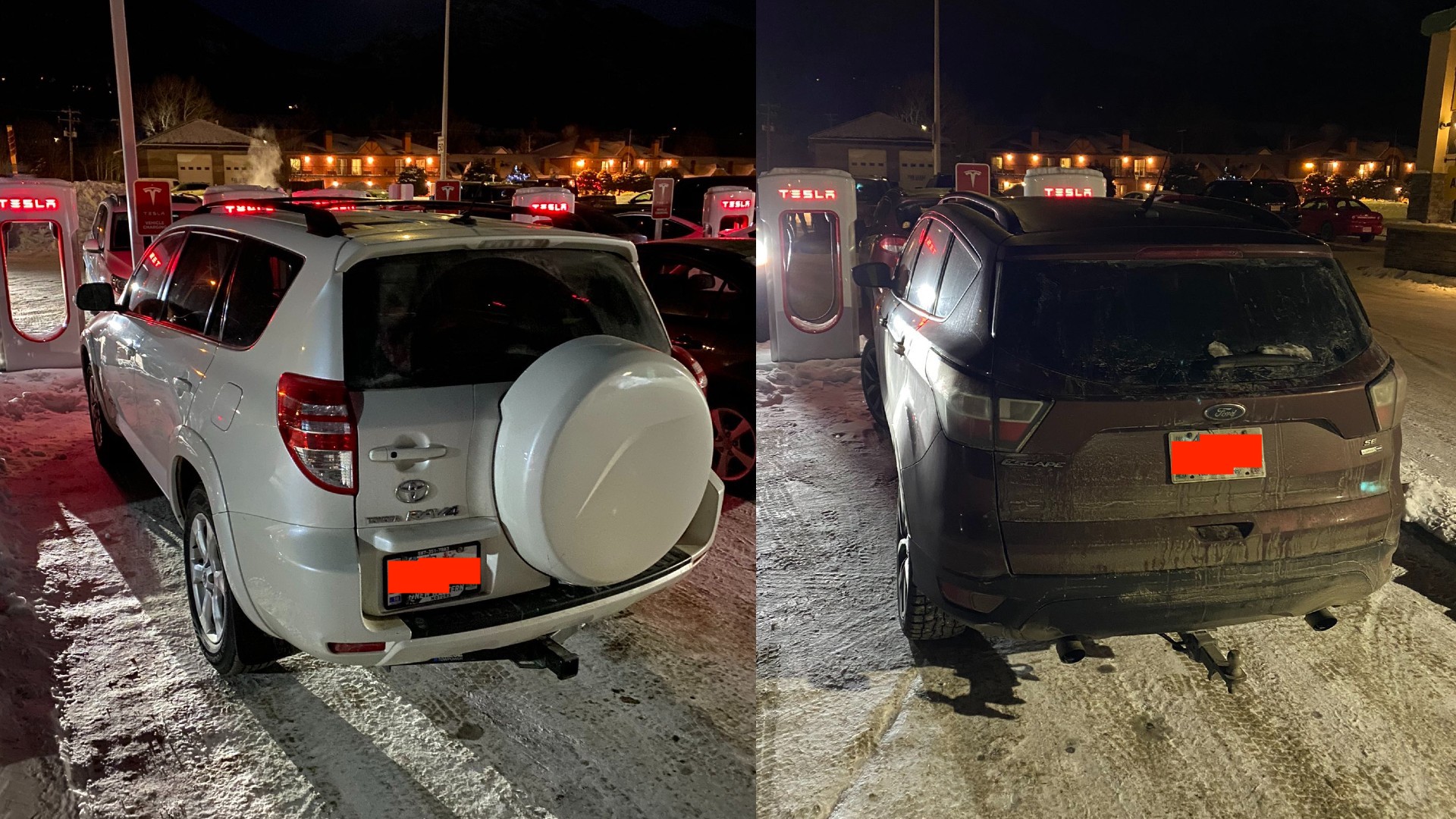
Tesla Model X owner Anshuman Chhabra was in the town of Canmore in Alberta, Canada, when he experienced one of the most inconvenient and annoying things that could happen to an electric car driver. Pulling up into a Tesla Supercharger, the EV owner discovered that most of the charging stations had already been occupied–not by electric cars but by fossil fuel-powered vehicles.
Chhabra shared his experience in a tweet, where he noted that because the entire Supercharger station had been blocked by ICE cars, there was no space left for an electric vehicle to charge. The Model X owner ultimately ended up waiting 30 minutes to access an open slot in the Tesla Supercharger, and that was only because one of the cars blocking a stall moved out.
Parking violations as all charging spots were blocked at the #Tesla supercharger at @TownofCanmore. No spot for Tesla EVs to charge. Had to wait 30 mins before could find a charging spot. Action needed: @RCMPAlberta @DriveTeslaca pic.twitter.com/sSS0JdTK4Y
— Anshuman Chhabra (@anshumanchhabra) February 18, 2021
The practice of blocking electric vehicle charging stations, better known in the EV community as ICE-ing, has been going on for years. While there have been reports of Superchargers being blocked maliciously by anti-EV drivers in the past, a good number of ICE-ing incidents seem to stem from other drivers simply being unaware of the fact that they are not supposed to park at a charging stall.
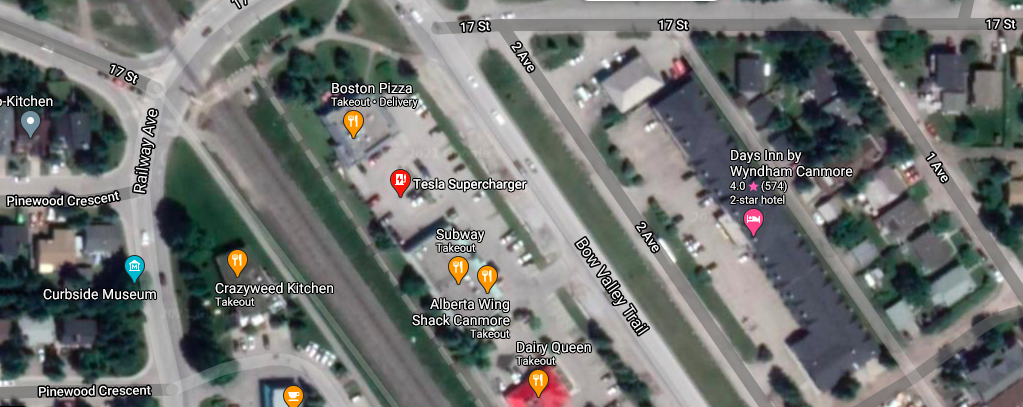
Considering the Canmore Supercharger location visited by the Model X owner, this may very well have been the case. After all, the site is home to a restaurant and other businesses, which means that patrons who cannot access their designated parking slots may find Tesla’s open charging stalls attractive.
This does not excuse the practice of ICE-ing, of course. However, it does highlight the need for electric vehicle makers like Tesla to adopt some systems or contingencies that could help prevent chargers from being blocked. Tesla China is already adopting such a system, using some innovative locks that only allow access to a charging slot once a Tesla is detected. Regulations and rules from the local government help a lot, too, as they would provide a negative incentive for ICE drivers to block electric car charging stations.
Teslarati has reached out to Canmore about the incident and any local programs that may discourage ICE-ing. As per the town, the property owner or manager would have to send in a vehicle removal form if the blocked Supercharger is built on private property. Blocked Superchargers in Town of Canmore property are easier to deal with, as Tesla owners would only need to report the incident to have officers attend to the situation.
With electric cars being more prevalent, it is high time for ICE-ing practices to be heavily discouraged and anti-ICE-ing regulations to be enforced. States like Colorado have already taken significant steps towards this goal with HB19-1298, a bill that imposes penalties to drivers who occupy EV charging spots without any intention of charging their cars. These are small steps, of course, but they emphasize the idea that EVs should not be blocked from accessing public chargers. ICE-ing is the equivalent of someone blocking a gas pump and leaving, after all, and that’s something that will likely not be tolerated by drivers everywhere.
Don’t hesitate to contact us for news tips. Just send a message to tips@teslarati.com to give us a heads up.


News
Tesla Robotaxi appears to be heading to a new U.S. city
Things are expanding for Robotaxi, but the big sign that it is really moving along greatly will be with the expansion to a new city. Tesla has not gone outside of Austin or the Bay Area as of yet, and launching in a new city will be a great indicator of progress.

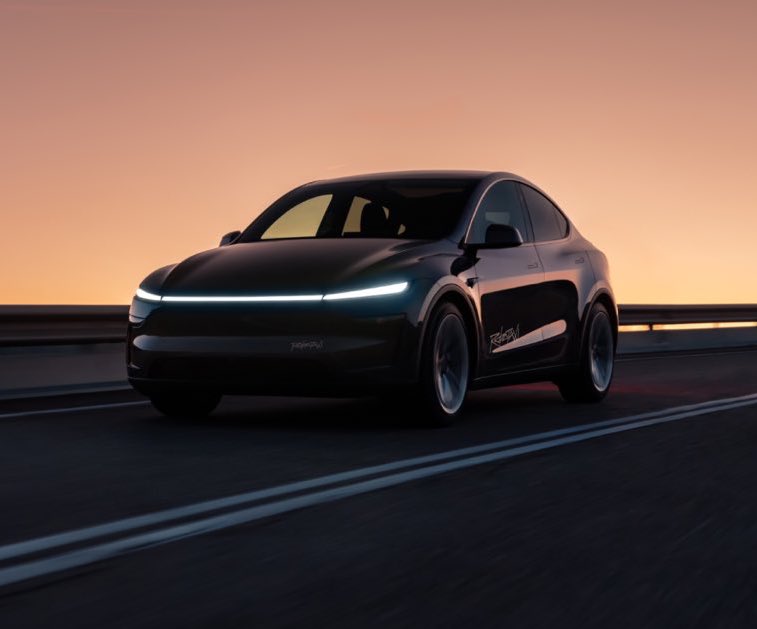
Tesla Robotaxi appears to be heading to a new U.S. city, and although the company has revealed plans to launch in six new metros this year, it has yet to establish a new location outside of Austin and the Bay Area of California, where it has operated since last Summer.
A lot full of Model Y vehicles was spotted in Henderson, a town just north of Las Vegas, but there seems to be more than just this hint indicating that the Sin City will be the next location to offer potentially driverless rides in a Tesla using its Full Self-Driving suite.
These Model Ys are not your typical vehicles, as they are fitted with hardware that is only on Robotaxis: a rear camera washer is the dead giveaway:
🚨 These rear camera washers are only present on Robotaxi vehicles
Maybe Las Vegas is the next city to get the Robotaxi suite 😀 https://t.co/my3da5L4zc pic.twitter.com/jYFQuX1j2E
— TESLARATI (@Teslarati) March 17, 2026
The photos and video of the lot were taken by TheZacher on X, who spotted the Model Y fleet in the Henderson parking lot.
The rear camera washer is the main piece of evidence here that indicates Tesla could be looking to expand Robotaxi to Las Vegas, a major ride-hailing hot spot, as it is one of the biggest tourist attractions in the United States. Ride-sharing is a major industry in Vegas, especially for those who are staying off the Strip.
Tesla has also been extremely transparent that Vegas is on its radar for the Robotaxi fleet, as it revealed last year that it was one of five new U.S. cities that it planned to launch the ride-hailing service in this year.
Tesla confirms Robotaxi is heading to five new cities in the U.S.
The others were Phoenix, Dallas, Houston, and Miami.
Things are expanding for Robotaxi, but the big sign that it is really moving along greatly will be with the expansion to a new city. Tesla has not gone outside of Austin or the Bay Area as of yet, and launching in a new city will be a great indicator of progress.
It will also give Tesla a new benchmark against rival company Waymo, which has operated in Las Vegas for some time.
News
Tesla Roadster gets new unveiling date once again
Musk announced last year that the unveiling, which initially happened back in 2018, would take place on April Fool’s Day. Initial deliveries at the 2018 event were slotted for 2020, but delays in the project, as well as prioritization of other things, continued to push the Roadster back.
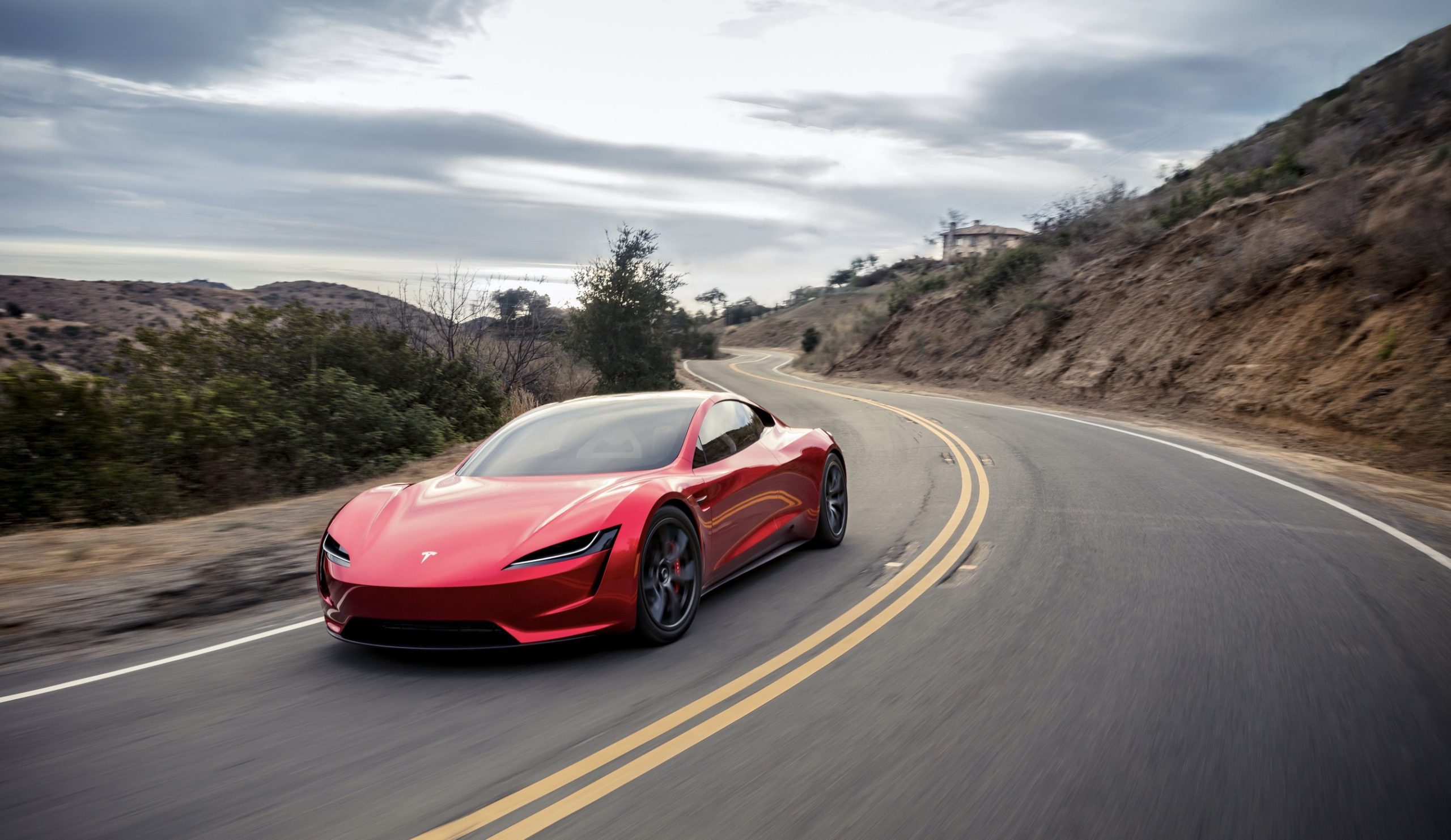
The Tesla Roadster is perhaps the most anticipated vehicle in the company’s history, but those who have been waiting anxiously for it will have to push their timelines back once again.
Tesla CEO Elon Musk has revealed that the company is once again pushing back the unveiling event that was originally planned for April 1. It will now take place “probably in late April.”
True.
New Roadster unveil probably in late April. https://t.co/NShZxpK5cI
— Elon Musk (@elonmusk) March 17, 2026
Musk announced last year that the unveiling, which initially happened back in 2018, would take place on April Fool’s Day. Initial deliveries at the 2018 event were slotted for 2020, but delays in the project, as well as prioritization of other things, continued to push the Roadster back.
There has been so much hype about the Roadster that people are right to be excited about the prospect of its existence.
Musk’s most recent rumblings about the vehicle came last Fall, when he appeared on the Joe Rogan Experience podcast, where he once again hinted the car would be able to hover for a short period.
He said:
“Whether it’s good or bad, it will be unforgettable. My friend Peter Thiel once reflected that the future was supposed to have flying cars, but we don’t have flying cars. I think if Peter wants a flying car, he should be able to buy one…I think it has a shot at being the most memorable product unveiling ever. [It will be unveiled] hopefully before the end of the year. You know, we need to make sure that it works. This is some crazy technology in this car. Let’s just put it this way: if you took all the James Bond cars and combined them, it’s crazier than that.”
Additionally, he said the vehicle would not be something that would prioritize safety. Musk said that “If safety is your number one goal, do not buy the Roadster.” It’s made for speed and excitement, not for grocery-getting.
Elon Musk just said some crazy stuff about the Tesla Roadster
As the April 1 unveiling event that was originally planned was nearing without any communication to fans, media, or anyone who would potentially be in attendance, it seemed to be pretty obvious that Tesla was not ready to pull the trigger on the event quite yet.
There could be some last-minute things to finalize, or it could be something else. One thing is for certain, though: we are not super surprised that things were moved back.
Tesla has definitely been putting some things in motion for the Roadster. A few months back, Tesla started to ramp up hiring for the Roadster, and earlier in March, it submitted a patent application for a new seat design.
Elon Musk
Tesla named by U.S. Gov. in $4.3B battery deal for American-made cells
What began as an open secret in the energy industry was confirmed by the U.S. Department of the Interior on Monday: Tesla is the buyer behind LG Energy Solution’s blockbuster $4.3 billion battery supply agreement.

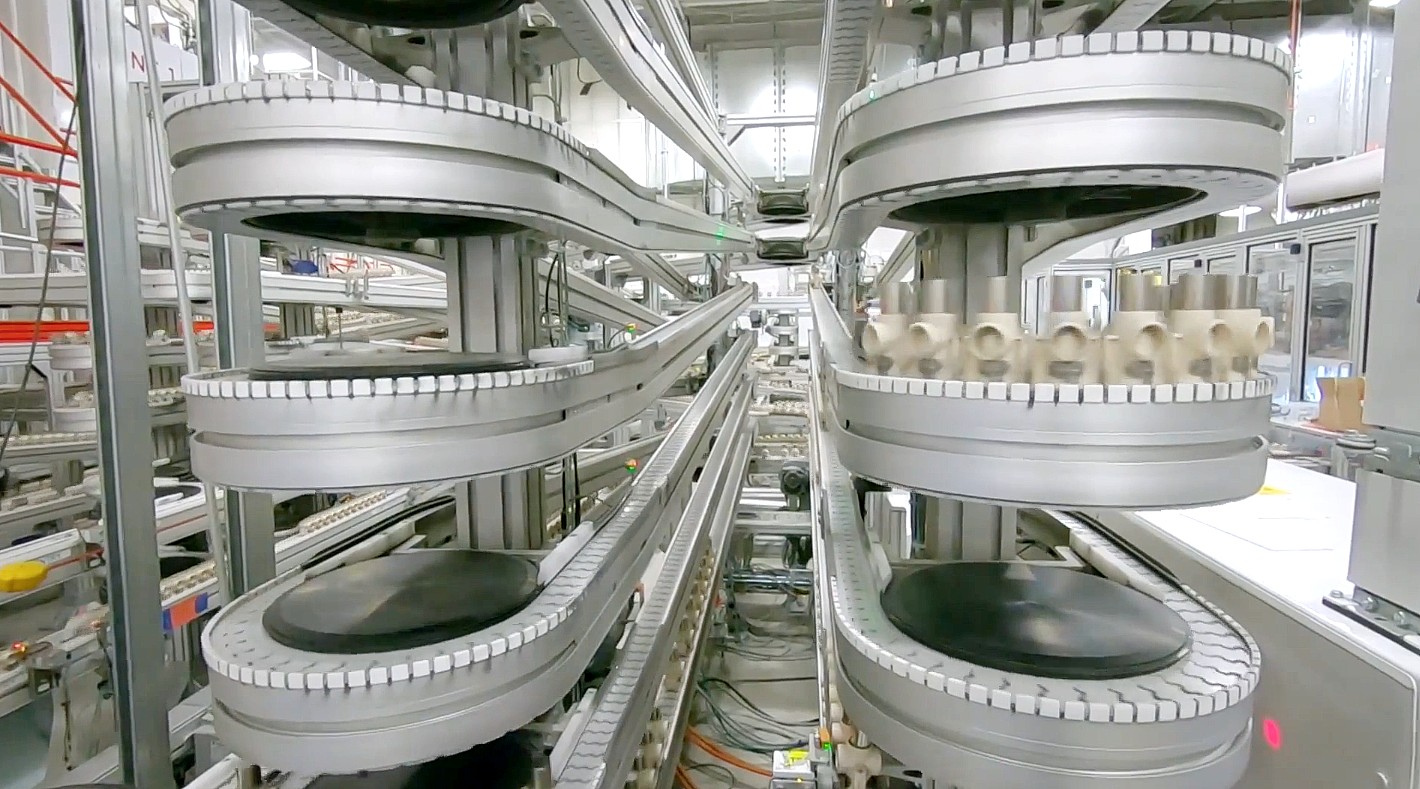
What began as an open secret in the energy industry is becoming more real after the U.S. Department of the Interior named Tesla as the stakeholder in the LG Energy Solution’s blockbuster $4.3 billion battery supply agreement.
Tesla and LG Energy Solution are expanding their partnership to build a LFP prismatic battery cell manufacturing facility in Lansing, Michigan, launching production in 2027. The announcement, made as part of the Indo-Pacific Energy Security Summit results, ends months of speculation.
“American-made cells will power Tesla’s Megapack 3 energy storage systems produced in Houston, creating a robust domestic battery supply chain.”, notes a press release on the U.S. Department of the Interior website.
Tesla has long utilized China’s Contemporary Amperex Technology Co. (CATL), the world’s largest LFP battery maker, as one of its primary suppliers. That relationship made financial sense for years, considering that Chinese LFP cells were cheap, abundant, and reliable. But with escalated tariffs on Chinese imports and an increasingly growing Tesla Energy business that’s particularly reliant on LFP cells for products including its Megapack battery storage units designed for utilities and large-scale commercial projects.
The announcement of a deepened partnership between LG Energy Solution and Tesla has strategic logic for both parties. For Tesla, it secures a tariff-compliant, domestically produced battery supply for its fast-growing energy division. LGES, now producing LFP batteries in Michigan, becomes the only major supplier currently scaling U.S. production, outpacing rivals like Samsung SDI and SK On. LG Energy Solution’s Lansing plant, formerly known as Ultium Cells 3, was previously operated as a joint venture with General Motors. LGES acquired GM’s stake in May 2025 and now fully owns the site, with a production capacity of 50 GWh per year. LG Energy said the contract includes options to extend the supply period by up to seven years and boost volumes based on further consultations.
For the broader industry, the ripple effects are significant. This deal signals that domestic battery manufacturing can be financially viable and not just aspirational. Utilities, energy developers, and rival automakers will take note as American-made LFP supply becomes a competitive reality rather than a distant promise.
For consumers, the benefits will take time but are real. A more resilient, U.S.-based supply chain means fewer price shocks from trade disputes, more stable Megapack availability for the grid storage projects that reduce electricity costs, and long-term downward pressure on energy storage prices as domestic production scales.
Deliveries are set to begin in 2027 and run through mid-2030, and as grid storage demand accelerates, reliable, US-made battery supply is no longer a future ambition. It is becoming a core requirement of the country’s energy strategy.

Tesla Robotaxi appears to be heading to a new U.S. city

Tesla Roadster gets new unveiling date once again


