News
Tesla targets gas car owners with this crazy new promotion
Tesla is now offering 2,000 free Supercharging miles to any gas car owner who chooses to trade their car in on a Tesla. The promotion requires a gas or hybrid electric vehicle to be turned in for any of the vehicles in Tesla’s lineup.

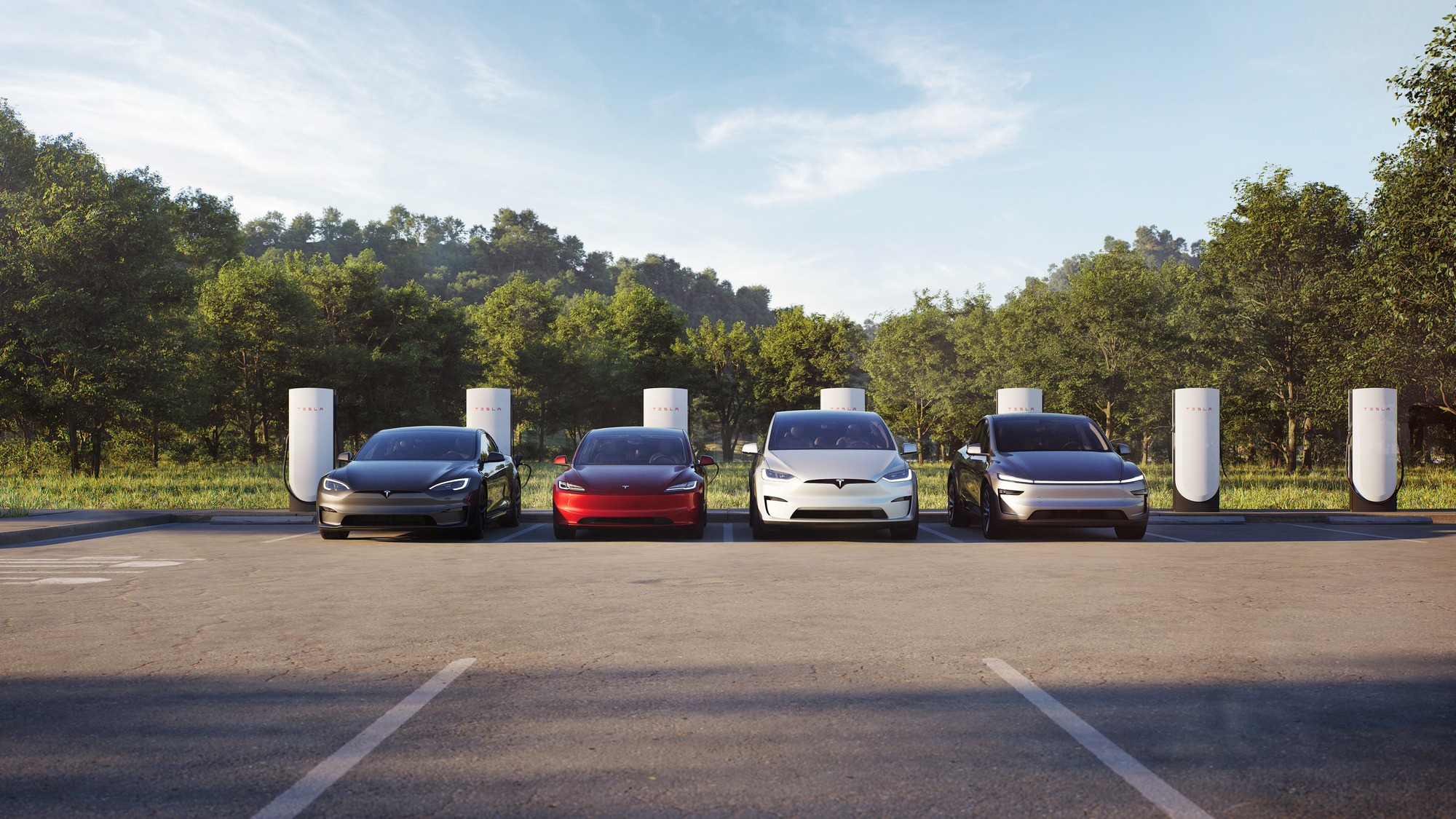
Tesla is targeting gas car owners with a crazy new promotion launched on October 31, its latest move to boost sales amidst the loss of the $7,500 electric vehicle tax credit, which went away on September 30.
Tesla is now offering 2,000 free Supercharging miles to any gas car owner who chooses to trade their car in on a Tesla. The promotion requires a gas or hybrid electric vehicle to be turned in for any of the vehicles in Tesla’s lineup.
If you do that, you get 2,000 free miles of Supercharging, which can be utilized at any of the chargers on the Tesla network within the next two years:
🚨 New Tesla Incentive Just Dropped!
Trade in your gas/hybrid vehicle & get
FREE Supercharging ⚡️• Must trade in a gas or hybrid vehicle
• 2,000 miles of Supercharging, valid for 2 yearsWould you trade in your gas car for 2,000 free miles? pic.twitter.com/8uEQySr1py
— DennisCW | wen my L (@DennisCW_) October 31, 2025
Supercharging is rarely a Tesla owner’s primary source of charging, but for some owners, it is critical to their ownership experience.
While many homeowners or apartment dwellers are able to utilize charging infrastructure they either installed themselves or were provided by their property management company, others are totally reliant on the wide variety of charging options that are available today.
🚨🚨 Owning an EV without home charging can be CHEAP with Tesla Superchargers!
Watch til the end to see how much I spent to charge my @Tesla Model Y@TeslaCharging @MdeZegher pic.twitter.com/jRIWkdJvY6
— TESLARATI (@Teslarati) October 31, 2025
Tesla’s Supercharging Network has expanded rapidly over the past few years, mostly in preparation for the company to open it to other EV manufacturers, most of which have adopted the company’s North American Charging Standard (NACS) in the United States.
Its latest quarterly earnings Shareholder Deck revealed a 16 percent increase in stations in Q3 compared to the same timeframe in 2024. Meanwhile, connectors have increased by 18 percent in the same timeframe. There are over 73,800 connectors in the Tesla Supercharger Network globally.
The move could be looked at as a way to incentivize people to switch to electric vehicles, and it is something we have seen Tesla experiment with over the past month.
It has played with leasing terms, and we will likely see more incentive offers, like this Supercharging one or even Full Self-Driving trials for those who choose to make the switch over the next two months.
Tesla routinely offers some tasty deals in Q4 as it aims to round out the year with a strong delivery and production report for investors. Q4 is statistically Tesla’s strongest three-month period in any given year. However, Q3 was Tesla’s strongest performance in terms of vehicle deliveries in company history, as it narrowly missed the elusive 500,000 mark for a quarter.


Elon Musk
Brazil Supreme Court orders Elon Musk and X investigation closed
The decision was issued by Supreme Court Justice Alexandre de Moraes following a recommendation from Brazil’s Prosecutor-General Paulo Gonet.

Brazil’s Supreme Federal Court has ordered the closure of an investigation involving Elon Musk and social media platform X. The inquiry had been pending for about two years and examined whether the platform was used to coordinate attacks against members of the judiciary.
The decision was issued by Supreme Court Justice Alexandre de Moraes following a recommendation from Brazil’s Prosecutor-General Paulo Gonet.
According to a report from Agencia Brasil, the investigation conducted by the Federal Police did not find evidence that X deliberately attempted to attack the judiciary or circumvent court orders.
Prosecutor-General Paulo Gonet concluded that the irregularities identified during the probe did not indicate fraudulent intent.
Justice Moraes accepted the prosecutor’s recommendation and ruled that the investigation should be closed. Under the ruling, the case will remain closed unless new evidence emerges.
The inquiry stemmed from concerns that content on X may have enabled online attacks against Supreme Court justices or violated rulings requiring the suspension of certain accounts under investigation.
Justice Moraes had previously taken several enforcement actions related to the platform during the broader dispute involving social media regulation in Brazil.
These included ordering a nationwide block of the platform, freezing Starlink accounts, and imposing fines on X totaling about $5.2 million. Authorities also froze financial assets linked to X and SpaceX through Starlink to collect unpaid penalties and seized roughly $3.3 million from the companies’ accounts.
Moraes also imposed daily fines of up to R$5 million, about $920,000, for alleged evasion of the X ban and established penalties of R$50,000 per day for VPN users who attempted to bypass the restriction.
Brazil remains an important market for X, with roughly 17 million users, making it one of the platform’s larger user bases globally.
The country is also a major market for Starlink, SpaceX’s satellite internet service, which has surpassed one million subscribers in Brazil.
Elon Musk
FCC chair criticizes Amazon over opposition to SpaceX satellite plan
Carr made the remarks in a post on social media platform X.
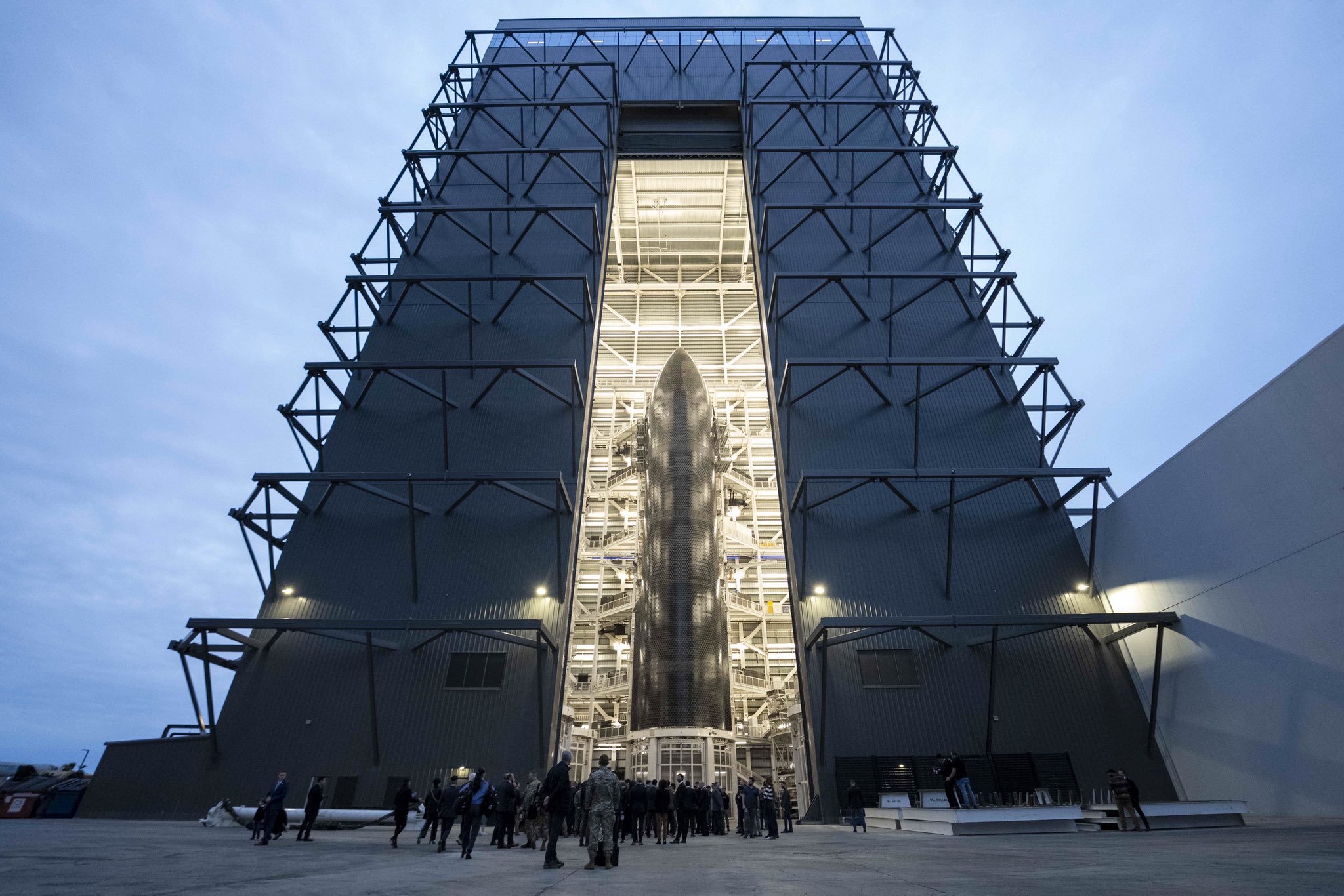
U.S. Federal Communications Commission (FCC) Chairman Brendan Carr criticized Amazon after the company opposed SpaceX’s proposal to launch a large satellite constellation that could function as an orbital data center network.
Carr made the remarks in a post on social media platform X.
Amazon recently urged the FCC to reject SpaceX’s application to deploy a constellation of up to 1 million low Earth orbit satellites that could serve as artificial intelligence data centers in space.
The company described the proposal as a “lofty ambition rather than a real plan,” arguing that SpaceX had not provided sufficient details about how the system would operate.
Carr responded by pointing to Amazon’s own satellite deployment progress.
“Amazon should focus on the fact that it will fall roughly 1,000 satellites short of meeting its upcoming deployment milestone, rather than spending their time and resources filing petitions against companies that are putting thousands of satellites in orbit,” Carr wrote on X.
Amazon has declined to comment on the statement.
Amazon has been working to deploy its Project Kuiper satellite network, which is intended to compete with SpaceX’s Starlink service. The company has invested more than $10 billion in the program and has launched more than 200 satellites since April of last year.
Amazon has also asked the FCC for a 24-month extension, until July 2028, to meet a requirement to deploy roughly 1,600 satellites by July 2026, as noted in a CNBC report.
SpaceX’s Starlink network currently has nearly 10,000 satellites in orbit and serves roughly 10 million customers. The FCC has also authorized SpaceX to deploy 7,500 additional satellites as the company continues expanding its global satellite internet network.
Energy
Tesla Energy gains UK license to sell electricity to homes and businesses
The license was granted to Tesla Energy Ventures Ltd. by UK energy regulator Ofgem after a seven-month review process.
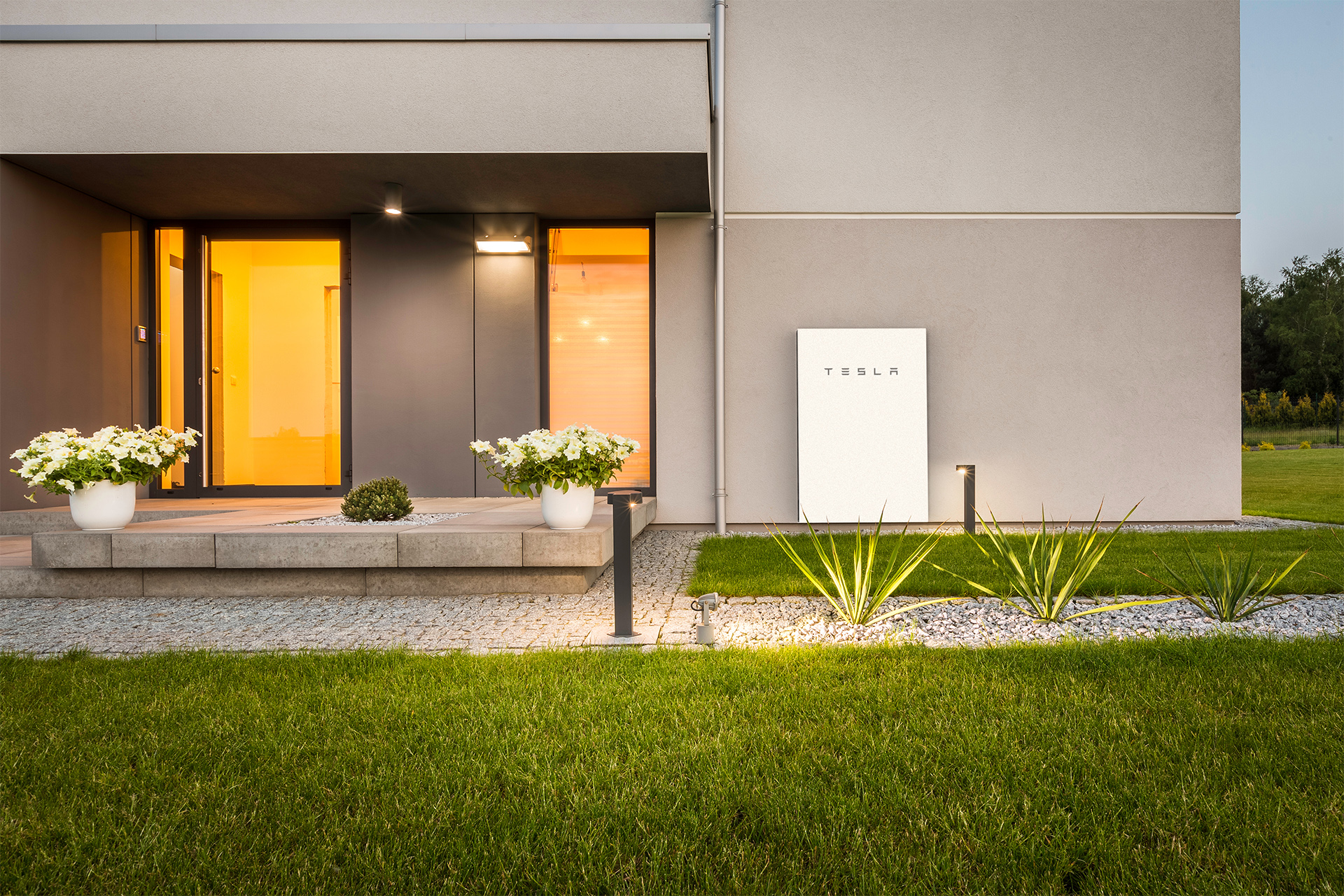
Tesla Energy has received a license to supply electricity in the United Kingdom, opening the door for the company to serve homes and businesses in the country.
The license was granted to Tesla Energy Ventures Ltd. by UK energy regulator Ofgem after a seven-month review process.
According to Ofgem, the license took effect at 6 p.m. local time on Wednesday and applies to Great Britain.
The approval allows Tesla’s energy business to sell electricity directly to customers in the region, as noted in a Bloomberg News report.
Tesla has already expanded similar services in the United States. In Texas, the company offers electricity plans that allow Tesla owners to charge their vehicles at a lower cost while also feeding excess electricity back into the grid.
Tesla already has a sizable presence in the UK market. According to price comparison website U-switch, there are more than 250,000 Tesla electric vehicles in the country and thousands of Tesla home energy storage systems.
Ofgem also noted that Tesla Motors Ltd., a separate entity incorporated in England and Wales, received an electricity generation license in June 2020.
The new UK license arrives as Tesla continues expanding its global energy business.
Last year, Tesla Energy retained the top position in the global battery energy storage system (BESS) integrator market for the second consecutive year. According to Wood Mackenzie’s latest rankings, Tesla held about 15% of global market share in 2024.
The company also maintained a dominant position in North America, where it captured roughly 39% market share in the region.
At the same time, competition in the energy storage sector is increasing. Chinese companies such as Sungrow have been expanding their presence globally, particularly in Europe.

Brazil Supreme Court orders Elon Musk and X investigation closed

FCC chair criticizes Amazon over opposition to SpaceX satellite plan


