News
Tesla Robotaxi heads to a new major Texas city for the first time
The expansion of Tesla’s Robotaxi platform has been a major focus for the company as it attempts to gain regulatory permission to operate in new states. Recently, it gained approval for testing in both Arizona and Nevada.

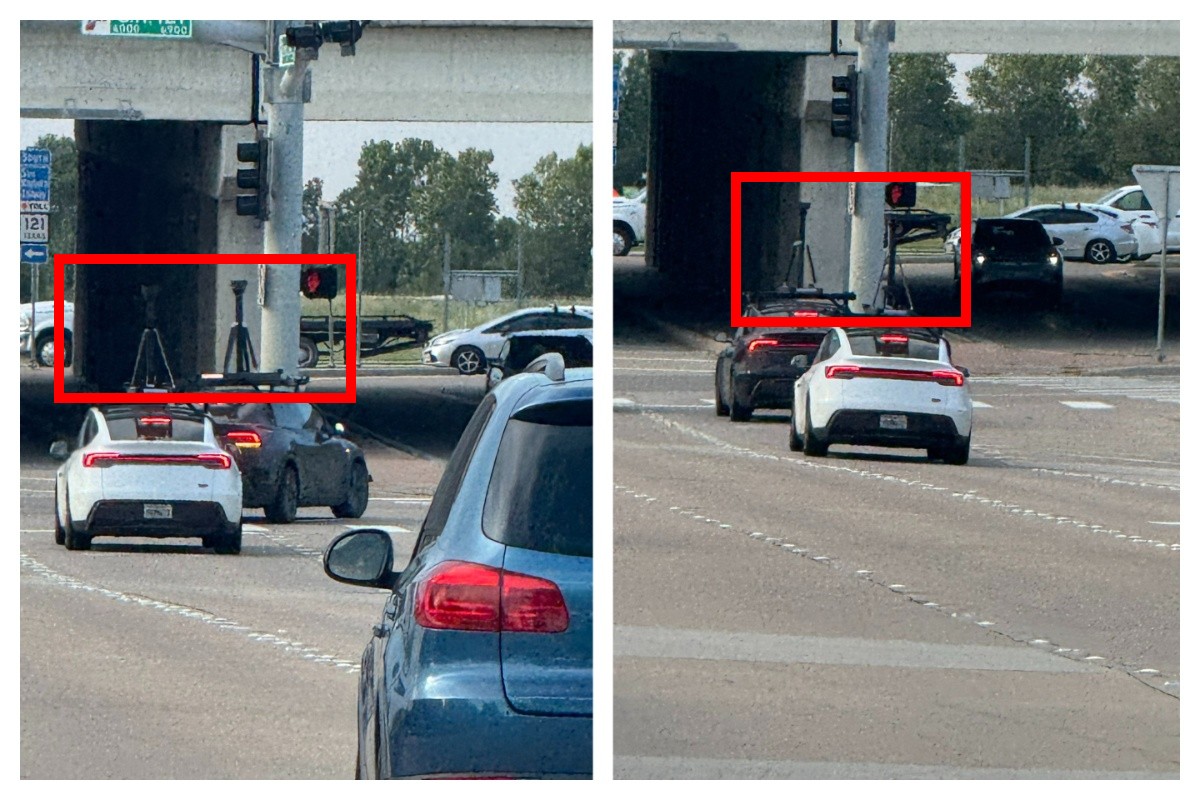
Tesla is testing its Robotaxi in one major Texas city for the first time, as it appears the company will attempt to expand outside of Austin in a move that shows expansion remains a key focus.
Tesla ground-truth validation vehicles equipped with LiDAR rigs were spotted in Plano, Texas, a smaller city located northeast of downtown Dallas, the state’s third-most populous city.
🚨 Tesla is doing ground validation for Robotaxi expansion in Plano, TX.
Plano is just northeast of downtown Dallas https://t.co/T2xF8yXH74
— TESLARATI (@Teslarati) September 24, 2025
Typically, this is a telltale sign that Tesla is preparing for Robotaxi operations in a new area. The company has utilized LiDAR-equipped ground-truth vehicles to essentially cross its Ts in regions that are unfamiliar to the company’s Robotaxi operations.
It also used them in the past with newer versions of Full Self-Driving before they were released to the public.
The expansion of Tesla’s Robotaxi platform has been a major focus for the company as it attempts to gain regulatory permission to operate in new states. Recently, it gained approval for testing in both Arizona and Nevada.
Many believe the ride-hailing service will soon be available in Florida as well.
However, this expansion would be the first where Tesla expands to a new city in a state where it is already operating. Texas was its first Robotaxi-active state, as it launched the service in Austin back on June 22.
It also expanded to California shortly after launching in Texas, as it introduced a large service area in the Bay Area. However, Tesla is doing things a little differently in California, as it is keeping its “Safety Monitors” in the driver’s seat for the duration of operation there.
Elon Musk says Tesla will take Safety Drivers out of Robotaxi: here’s when
In Texas, the driver’s seat is only occupied by a Safety Monitor when the route requires highway travel. This has been a point of criticism by Tesla Robotaxi skeptics, but it is a smart move in the name of safety, and will only be temporary.
It is simply a way to keep occupants safe and ensure the self-driving initiatives of not only Tesla, but also those of many other companies, continue to operate.
The appearance of a potential Robotaxi rig near Dallas could open the floodgates for more cities to gain access to the ride-hailing suite. There is still San Antonio and Houston, as well as some other smaller cities in Texas, for Tesla to access for its Robotaxi suite moving forward.


News
Tesla Robotaxi app update now tells riders if Cybercab is the better choice
Tesla’s Robotaxi app now shows ETAs, wait times and availability for Cybercab and Model Y.

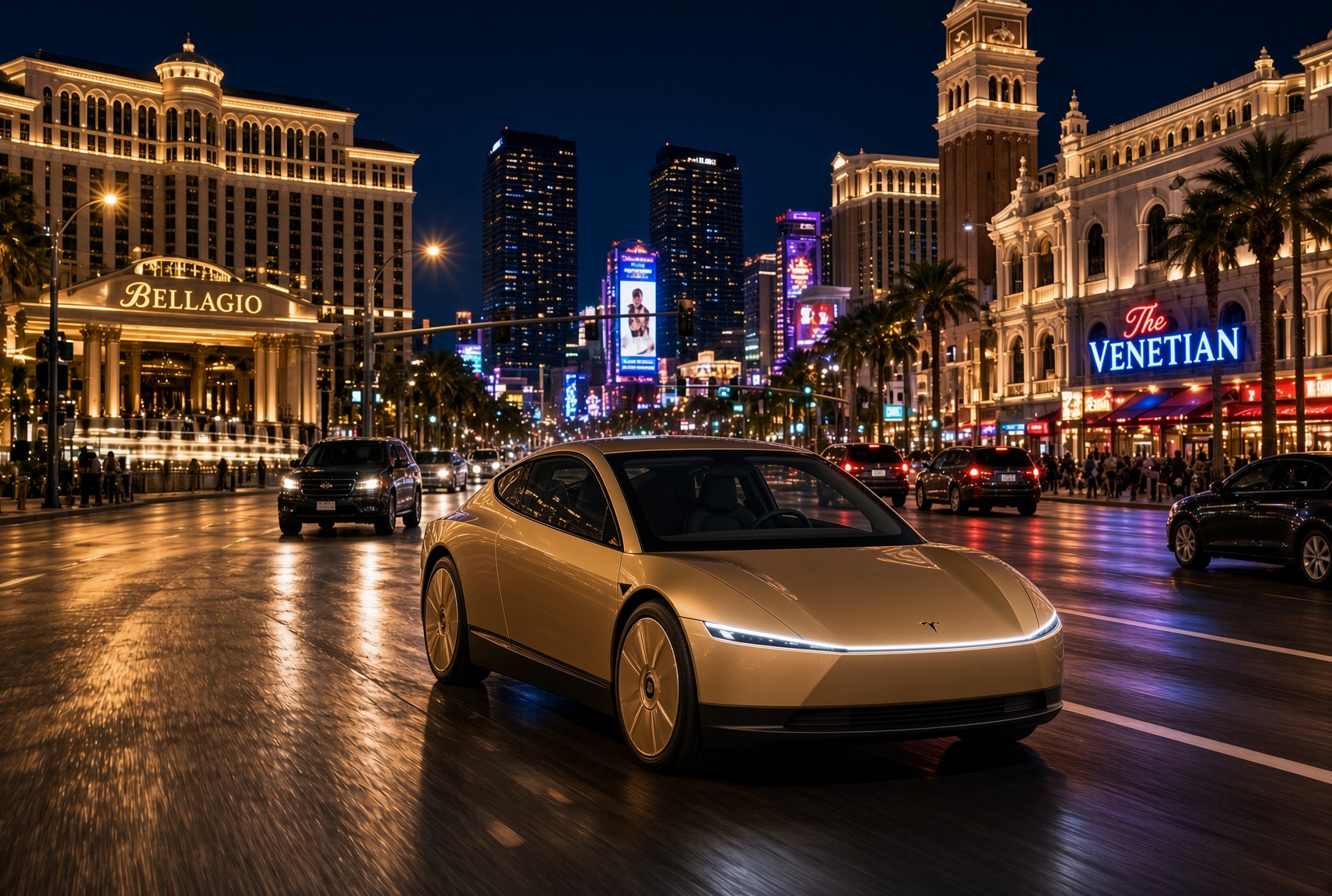
Tesla has rolled out a new vehicle selection screen in its Robotaxi app, and it puts the numbers riders care about most in front of them before they book.
Version 26.11.0 of the app shows the estimated arrival time, the expected wait and current availability for each vehicle option on a single screen, according to a video shared by @gheeunit on X on November 7. Riders deciding between a Cybercab and a Model Y Robotaxi can now compare those figures side by side instead of picking a car first and learning how long it will take afterward.
Tesla first gave riders that choice on September 3, the day paid Cybercab rides began in Austin. The original version of the screen listed the Cybercab, which seats two, next to the Model Y, which seats four. A later build, 26.8.2, added a seating capacity indicator so groups knew which car would fit them. What it did not show was whether choosing the Cybercab meant standing on the curb a few extra minutes.
Newest version of @robotaxi app has a new vehicle selector UI for choosing between Cybercab and Model Y and shows you the fare for both simultaneously! https://t.co/7qoDQ0vACX — mantequilla 🧈 (@gheeunit) November 7, 2026
That question matters more now than it did two months ago. Tesla had 45 Cybercabs on the Texas DMV roster when rides started. By late October the state listed 573, alongside 631 Model Ys, and community trackers logged a record 1,576 Cybercab sightings across Austin on Halloween alone. With two large fleets sharing one service area, the closest car and the quickest pickup are not always the same vehicle.
Inline availability also changes what happens when demand spikes. If no Cybercab is free nearby, the rider sees that on the selection screen rather than after trying to book one.
For now the comparison is mostly an Austin feature. Riders in Dallas, Houston, Fort Worth and the Florida markets are still matched with Model Y vehicles, though Tesla said on its third quarter earnings call that Cybercab rides would launch in Dallas this month.
The update follows a steady run of smaller changes to the rider experience. Late last month Tesla brought a quiet mode that blacks out the cabin screen to Model Y Robotaxis after first testing it in the Cybercab, and it has stretched Austin service to run from 6 a.m. to 2 a.m.
The Cybercab side of that selection screen is about to get much busier. Elon Musk said this week that Tesla will wind down Cybertruck production at Gigafactory Texas around the middle of 2027 to make room for more Cybercab output, and Tesla has said it is aiming to get Cybercabs to customers by the end of this year.
Tesla has not published official release notes for version 26.11.0.
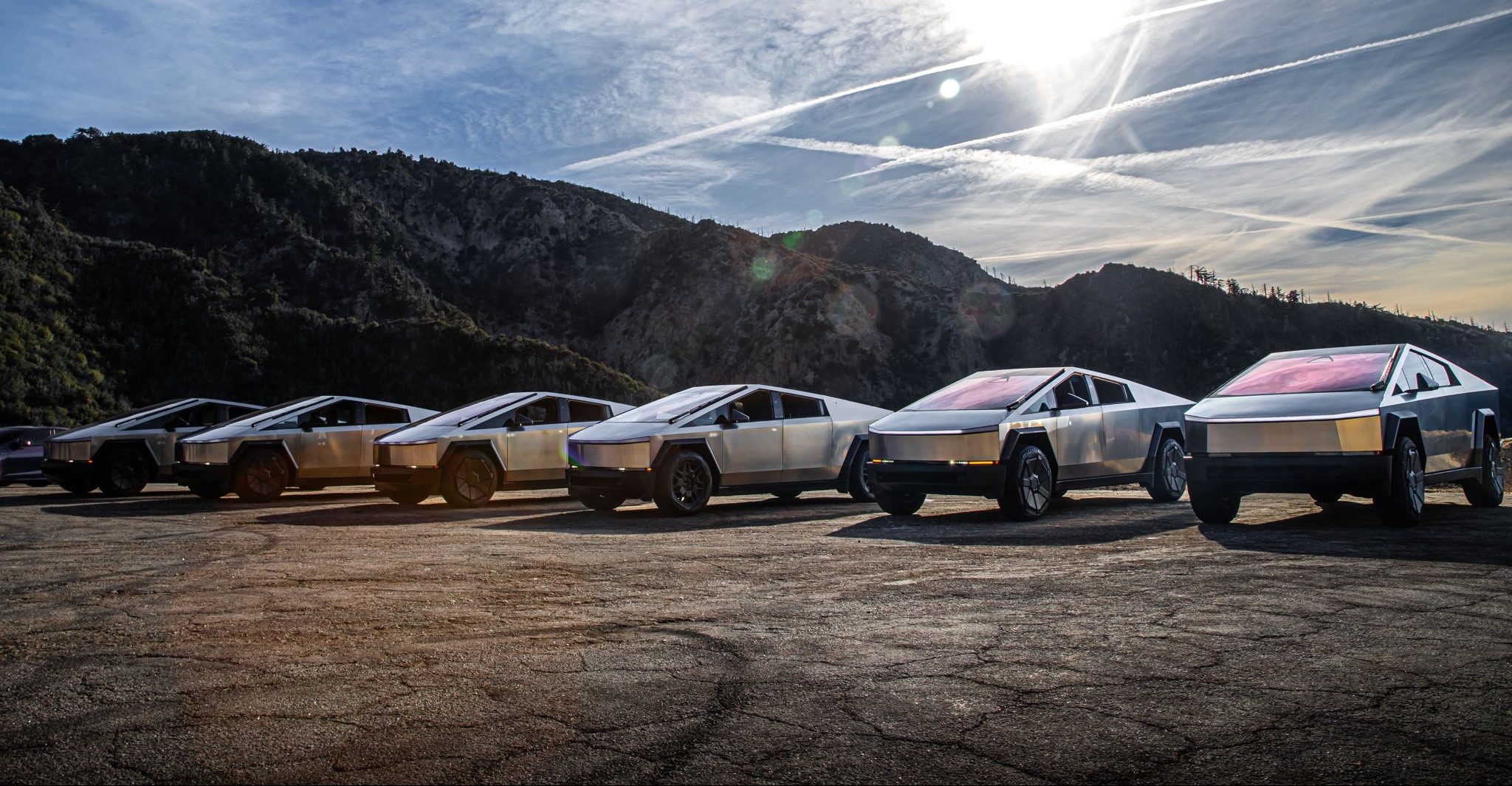
Tesla is ending Cybertruck production sometime in mid-2027, according to CEO Elon Musk.
Musk made the announcement on X last night, which came as a shock to many. He said that the Cybertruck will end production “to make room for increased Cybercab production” at Gigafactory Texas.
It is a huge blow to the fans of Tesla who have come to love the Cybertruck and identify with it as a symbol of their fandom. It has been the best-selling electric pickup, but it has had an underwhelming sales performance in terms of what was expected. This is mostly due to Tesla not meeting the prices it planned to offer the Cybertruck, as its unveiling and actual release were four years apart.
Tesla will be winding down production of the Cybertruck at Gigafactory Texas around the middle of next year to make room for increased Cybercab production
— Elon Musk (@elonmusk) November 6, 2026
Overall, the responses were mixed. Some fans understood the move toward Cybercab production, especially as Tesla is truly pushing the autonomous future through its Robotaxi platform. However, others did not understand it.
“Damn, how many Cybercabs do you guys need?” one response read. Another said it was “Sad but understandable.”Even analyst Gary Black had responded to the news, stating he hoped Tesla planned to replace it with a traditional pickup design.
It doesn’t seem like that will be the case.
Tesla is so hell-bent on delivering autonomy and eventually providing a driverless service that owning a car seems like an arbitrary idea, according to their thesis. Instead, Cybercabs will be available to pick you up and drop you off on demand, safely, without any human help.
As a result, Tesla has thinned its lineup considerably, and one can only ask where the vehicle lineup goes from here. Eventually, it seems like Cybercab could be the only vehicle that Tesla will sell.
Elon Musk
SpaceX’s next Starship flight set to make history on Friday the 13th
SpaceX is targeting Friday, November 13 for Starship Flight 15 and its first ship catch.
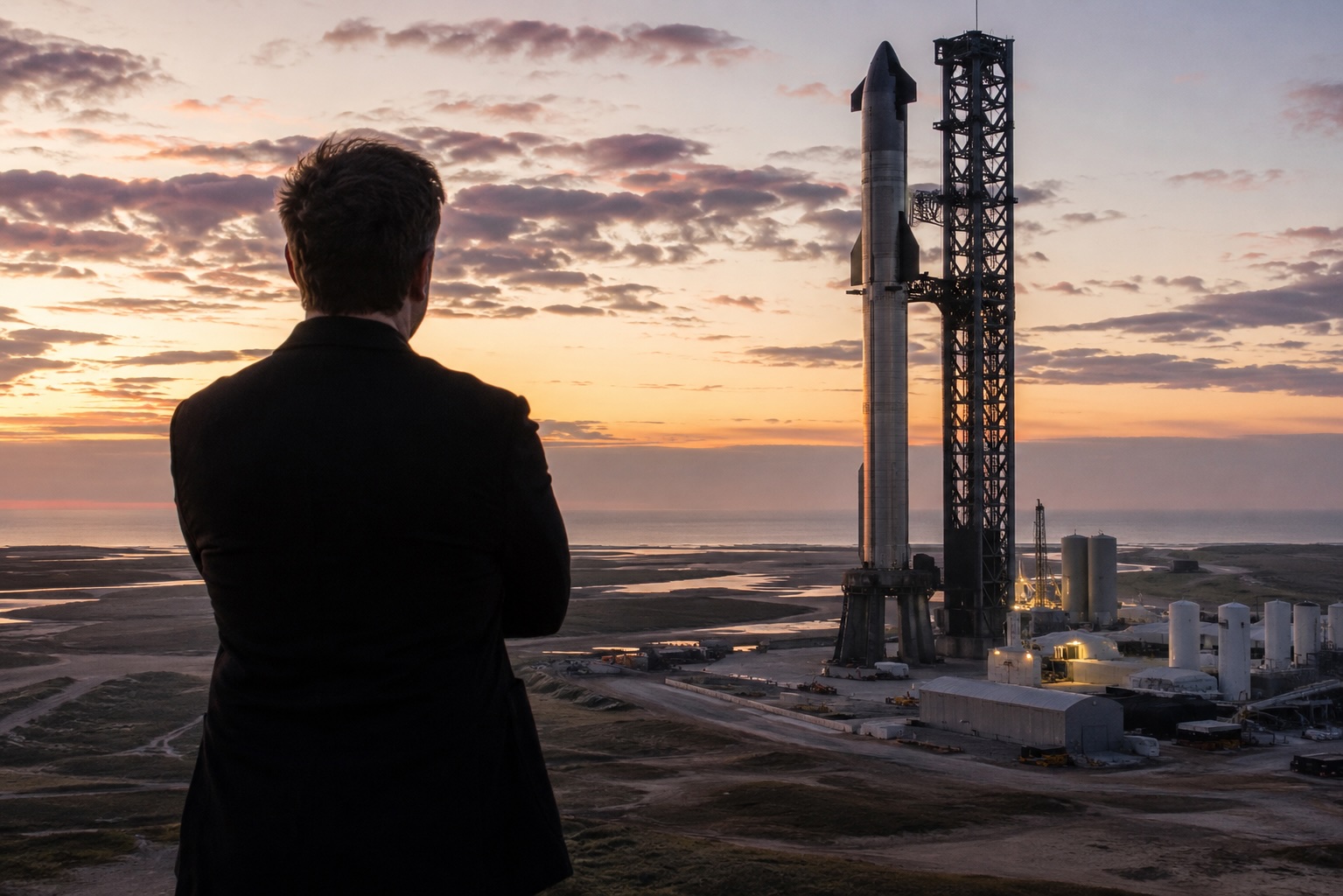
SpaceX is targeting Friday, November 13 for Starship Flight 15, the mission the company plans to use for its first attempt at catching the ship itself with the launch tower.
SpaceX Vice President of Launch Kiko Dontchev shared the date on stage at the UP.Summit on Thursday, according to Ars Technica’s Eric Berger, who was in attendance. It is the first launch target to come directly from a SpaceX executive. Until now, the public schedule had relied on FAA air traffic planning slides, which listed Flight 15 for no earlier than November 8 and later November 12. SpaceX has not posted an official mission page yet, and no launch time has been shared.
The date lands inside the window Elon Musk sketched out last month. Speaking at Giga Texas on October 10, Musk said the flight would “probably launch a little bit before Thanksgiving,” as Teslarati reported. On SpaceX’s third quarter earnings call ten days later, he confirmed that Flight 15 would try to catch both the Super Heavy booster and the ship, and put the odds of a successful ship catch at “more likely than not.” SpaceX also aired an animation of the maneuver during that webcast, showing the ship swinging vertical over Starbase before dropping into the tower’s chopsticks.
The hardware is ready. Booster 22 fired all 33 of its Raptor engines for a full duration static fire at Pad 2 on October 25. Ship 42 followed with a single engine burn simulating a deorbit maneuver on October 26 and a 60 second firing of all six engines the next day, according to NASASpaceflight. Ship 42 had already rehearsed the catch in September, when the Pad 2 arms lifted it into position and crews connected the quick disconnect arm while the vehicle hung from the tower.
The remaining hurdle is regulatory. The FAA’s Starship page does not yet list a Flight 15 license. SpaceX President Gwynne Shotwell said in October that, after “significant constructive engagement with the FAA,” she expects the license to cover a return to the launch site and a tower catch for both stages. Bringing the ship home means a reentry path that heads toward land, rather than ending over open ocean as every Starship flight so far has.
SpaceX has caught Super Heavy three times, on Flights 5, 7 and 8, but the ship comes back from orbital velocity and has never been caught. Flight 14 on September 28 was the first Starship to reach orbit, deploying 26 Starlink V3 satellites before splashing down despite an early engine shutdown that Musk blamed on engine computer software.
Musk has called a successful ship catch “the first time that there’s been full recovery of an orbital class rocket,” and he has already named the step after it: a Flight 16 where both the booster and the ship fly again. NASASpaceflight reports that Ship 43, the next vehicle in line, is set for static fire testing in December.

Tesla Robotaxi app update now tells riders if Cybercab is the better choice

Tesla is ending Cybertruck production


