News
SpaceX Falcon 9 rocket shown off in unprecedented detail ahead of next US Air Force launch

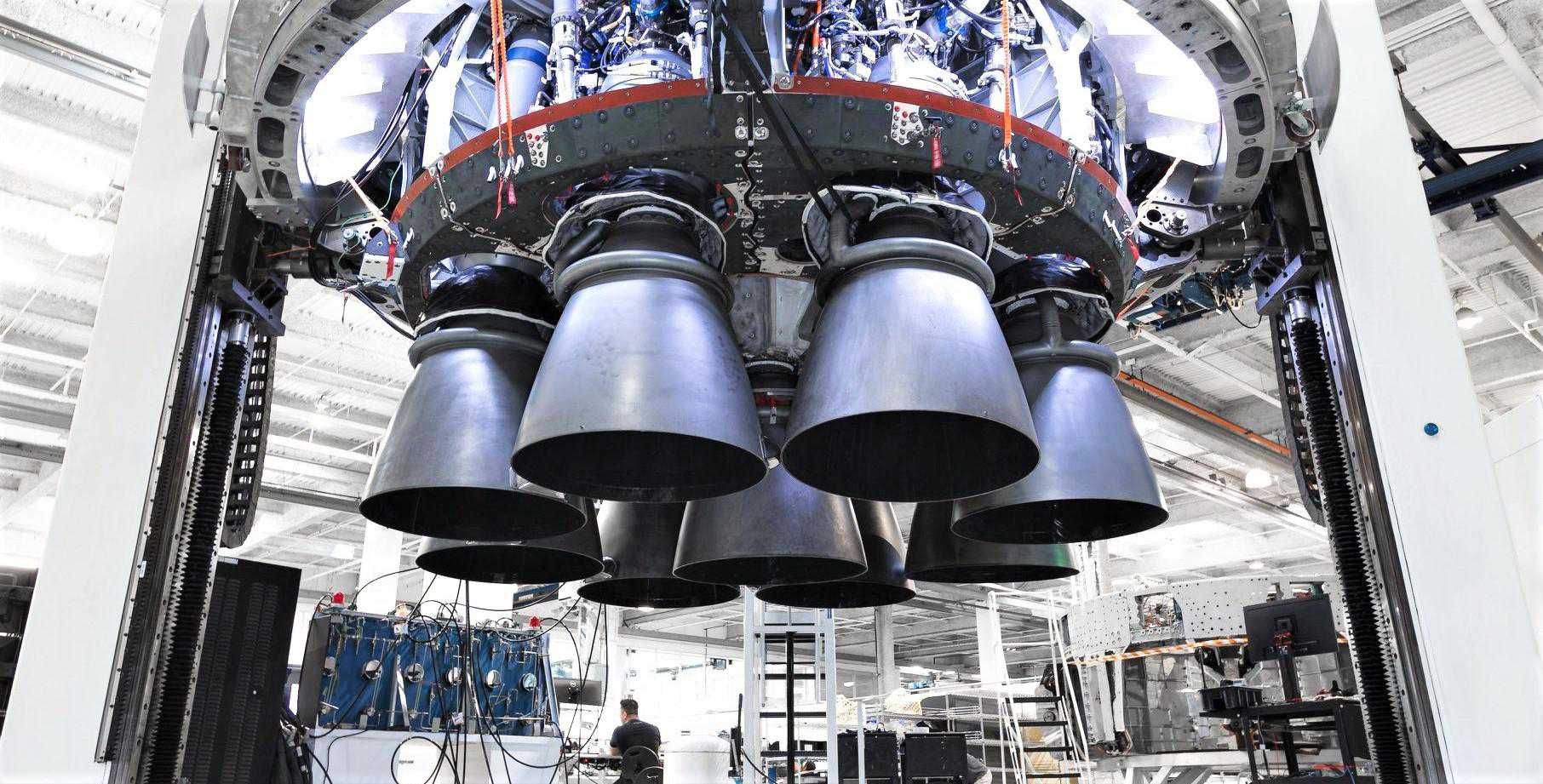
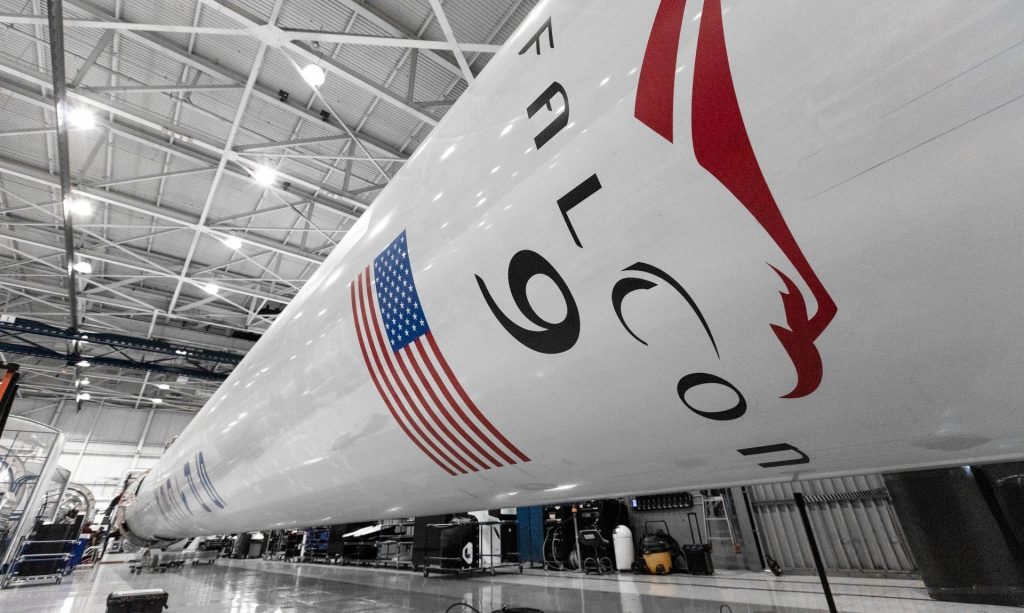
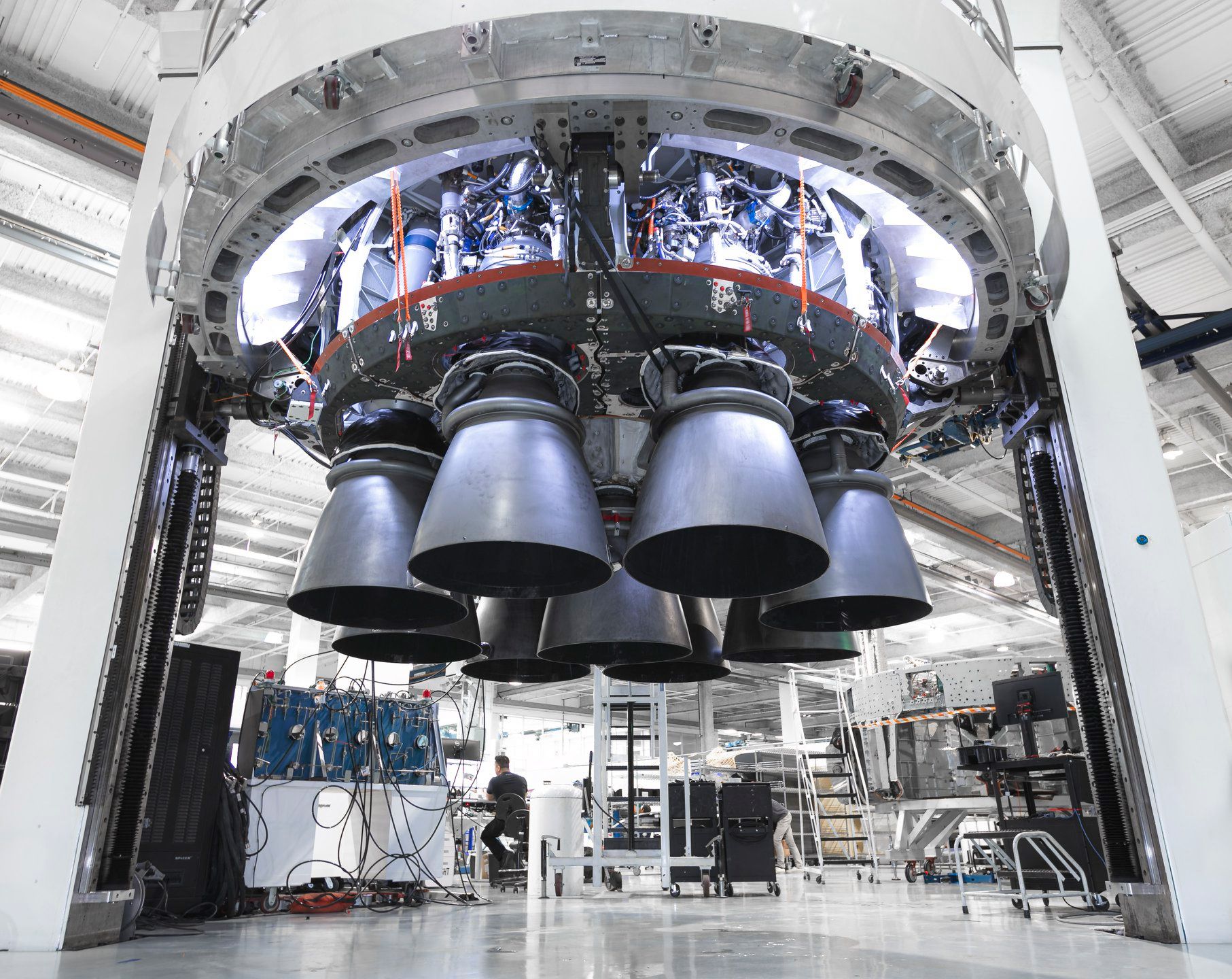
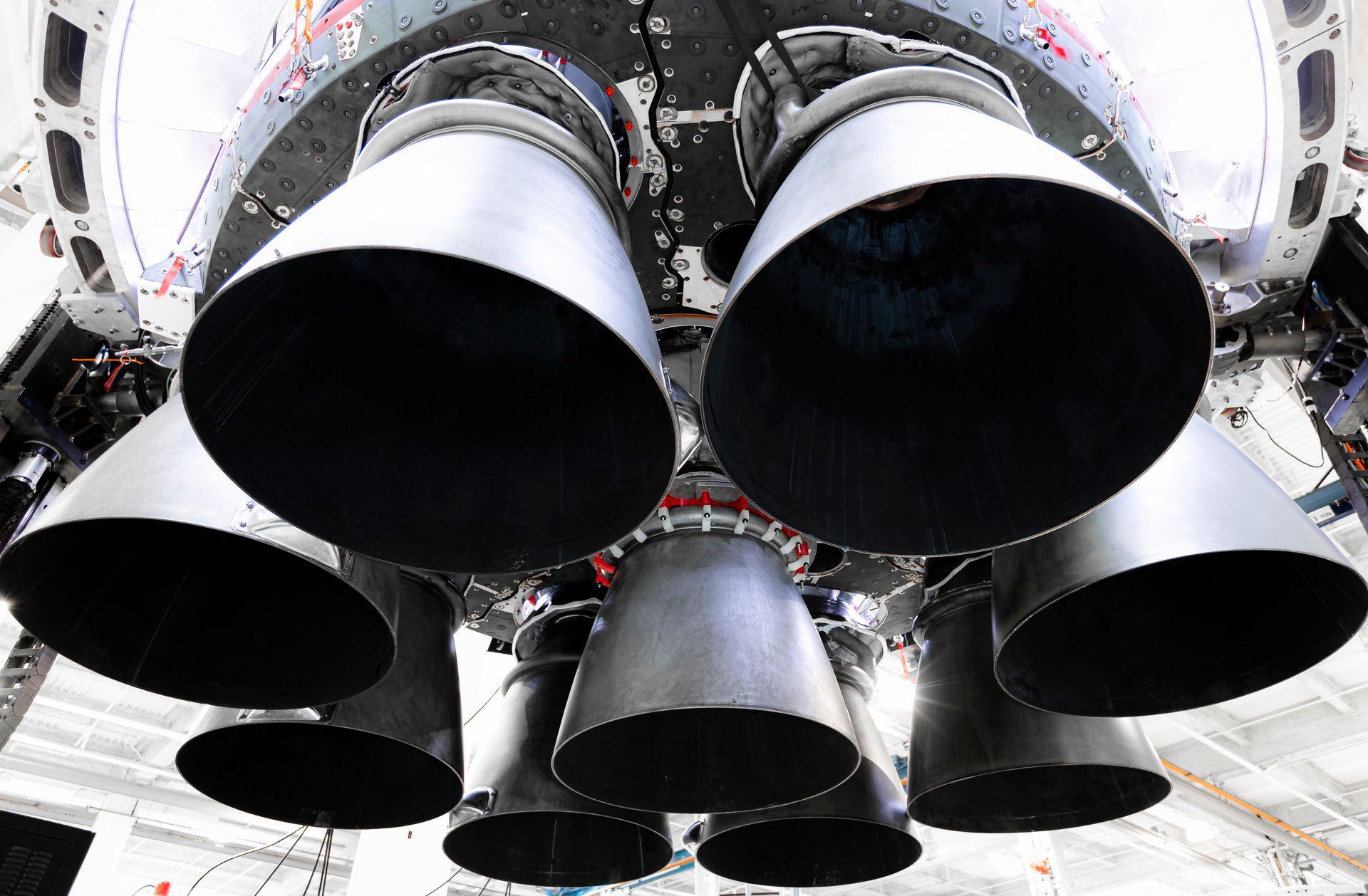
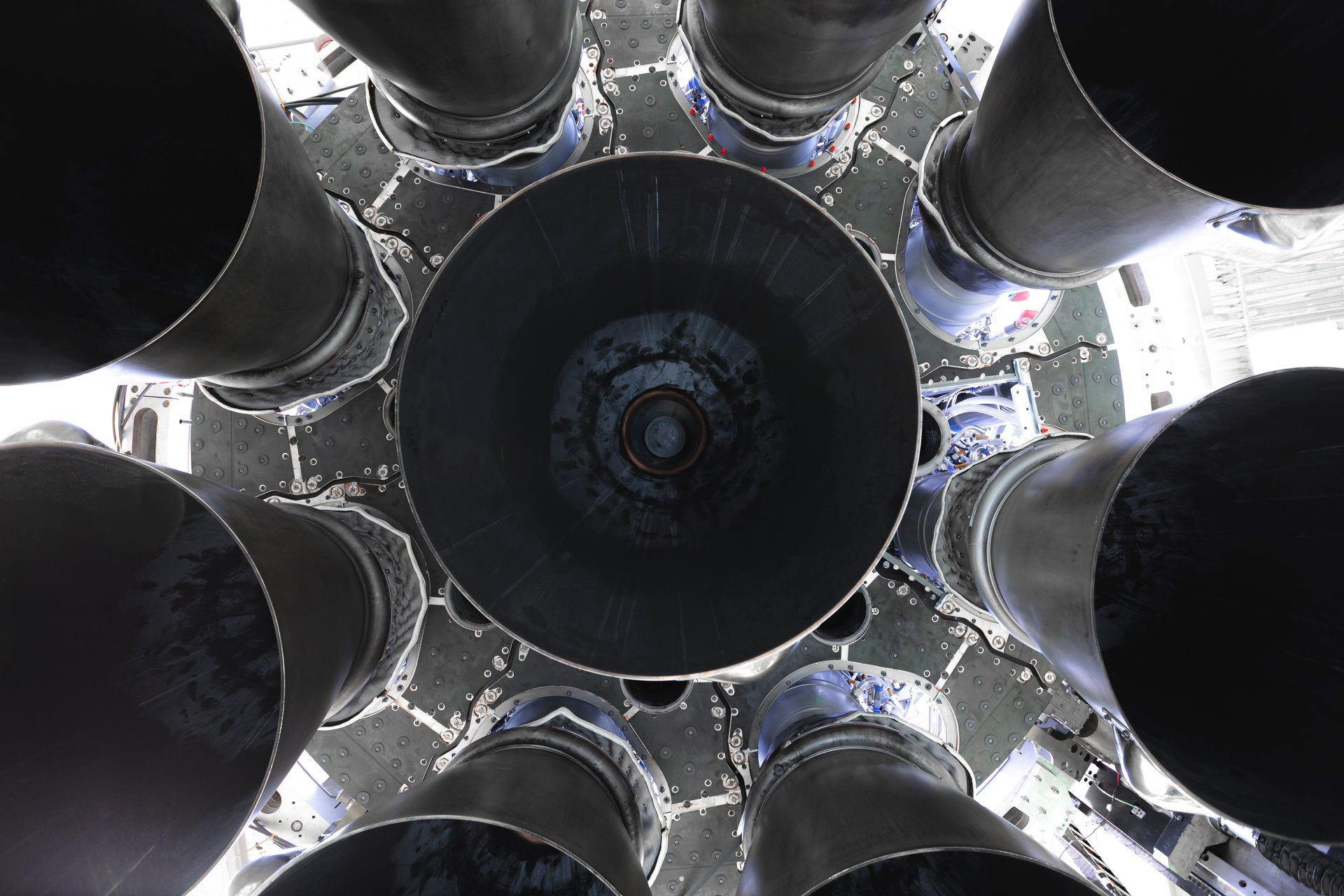
The United States Air Force (USAF) has published a number of spectacular photos shared by SpaceX, revealing some unprecedentedly detailed views of a Falcon 9 rocket in various stages of manufacturing.
Likely taken in and around SpaceX’s massive Hawthorne, California rocket factory and headquarters and McGregor, Texas test facilities in recent weeks, these new photos show the work being done behind the scenes to prepare a brand new Falcon 9 rocket for SpaceX’s next US Air Force launch. Over the last few years, the extremely competitive Falcon 9 rocket has secured SpaceX up to five launch contracts for the USAF’s next-generation GPS III satellite constellation.
Made up of three explicit contracts and two contract options to be exercised (or discarded) later on, SpaceX completed the first of those contracts in December 2018, successfully launching GPS III SV01 – the first of 32 planned satellites. As evidenced by the name, GPS III is the latest iteration of US Global Positioning System satellites and should offer better security, a greater resistance to jamming and interference, and improved navigational accuracy. Unfortunately, it could be several years to half a decade or more before civilian users begin to see the benefits from GPS III, but chances are good that SpaceX will come to launch a vast majority of the upgraded satellites.
According to the post that accompanied the photos published by the Space and Missile Systems Center (SMC), SpaceX’s second USAF GPS III mission – this time carrying Space Vehicle 03 (SV03) – is scheduled to launch no earlier than (NET) the end of Q1 2020. Preparations are reportedly well underway for the critical launch: SMC says that SpaceX has already delivered the mission’s new Falcon 9 Block 5 booster from its Hawthorne factory to McGregor, Texas, where technicians are now preparing the reusable rocket for a routine static fire test before shipping it east to Florida.
Additionally, the GPS III SV03 mission’s Falcon 9 payload fairing is apparently already at SpaceX’s Cape Canaveral Air Force Station facilities, likely waiting for Air Force to ship the large satellite to Florida. If identical to SpaceX’s first GPS III launch, the GPS III SV03 spacecraft will weigh approximately 3800 kg (8400 lb) and will be launched to an elliptical orbit measuring some 1000 km by 20,200 km (620 mi x 12,500 mi).
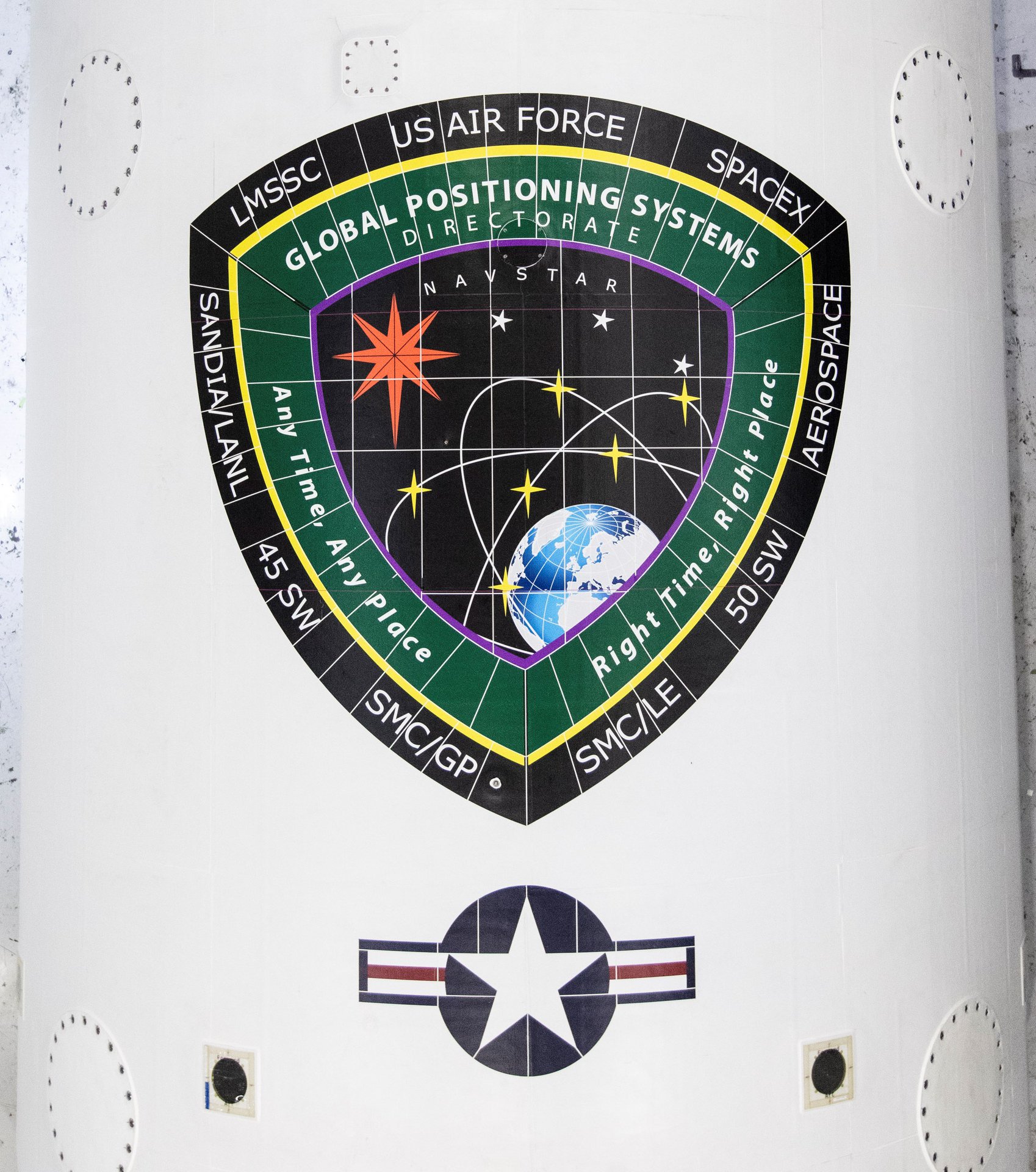
Astute observers will notice that both the GPS III satellite mass and the orbit it’s heading to are significantly lower than an array of prior missions that have launched heavier satellites much higher and still recovered the Falcon 9 booster along the way. SpaceX’s first GPS III launch was particularly exceptional because it marked the first and only time that a new Falcon 9 Block 5 rocket was intentionally expended without any attempt to land the booster.
In fact, Falcon 9 booster B1054 didn’t even have a semblance of landing legs or grid fins installed, a testament to the certainty of its premature demise. Thankfully, whatever the dubiously technical reasons that led to B1054’s demise, it appears that SpaceX may actually be allowed to recover the Falcon 9 booster (likely B1060 or B1061) assigned to launch GPS III SV03. Although nothing has actually been said along those lines, the Falcon 9 booster pictured in the middle photo below – implied to be the Air Force’s next GPS launch vehicle – clearly has some of the basic hardware needed for landing legs.
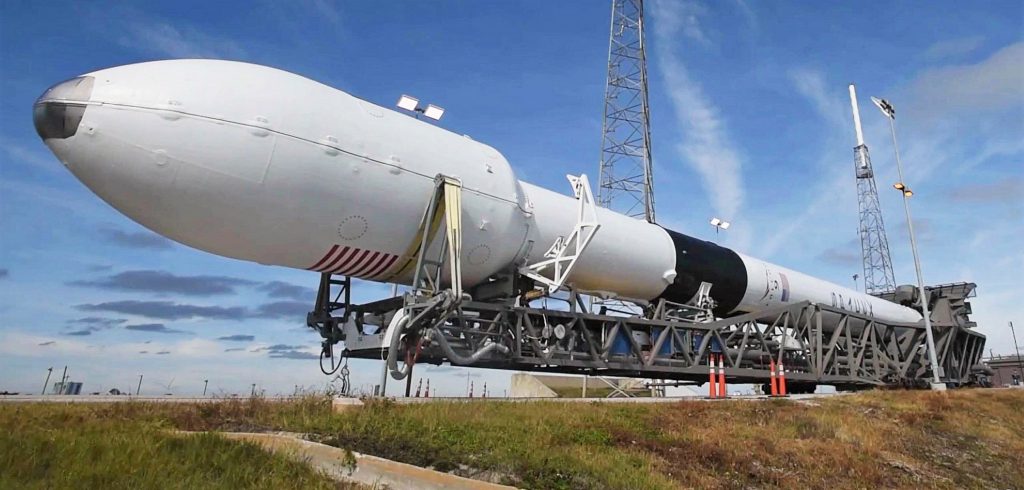
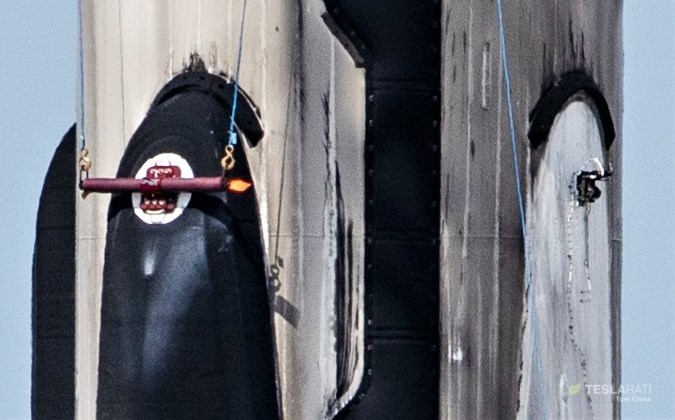
As such, there is at least a small excuse to preserve hope that SpaceX’s next Falcon 9 GPS III launch will feature a booster landing, thus preventing a premature and extremely wasteful demise after just a single launch. Even if the US Air Force never actually qualifies flight-proven commercial rockets to launch its payloads, the recovered booster should be able to support anywhere from several to 90+ additional launches before SpaceX actually needs to retire or expend the booster.
Check out Teslarati’s Marketplace! We offer Tesla accessories, including for the Tesla Cybertruck and Tesla Model 3.



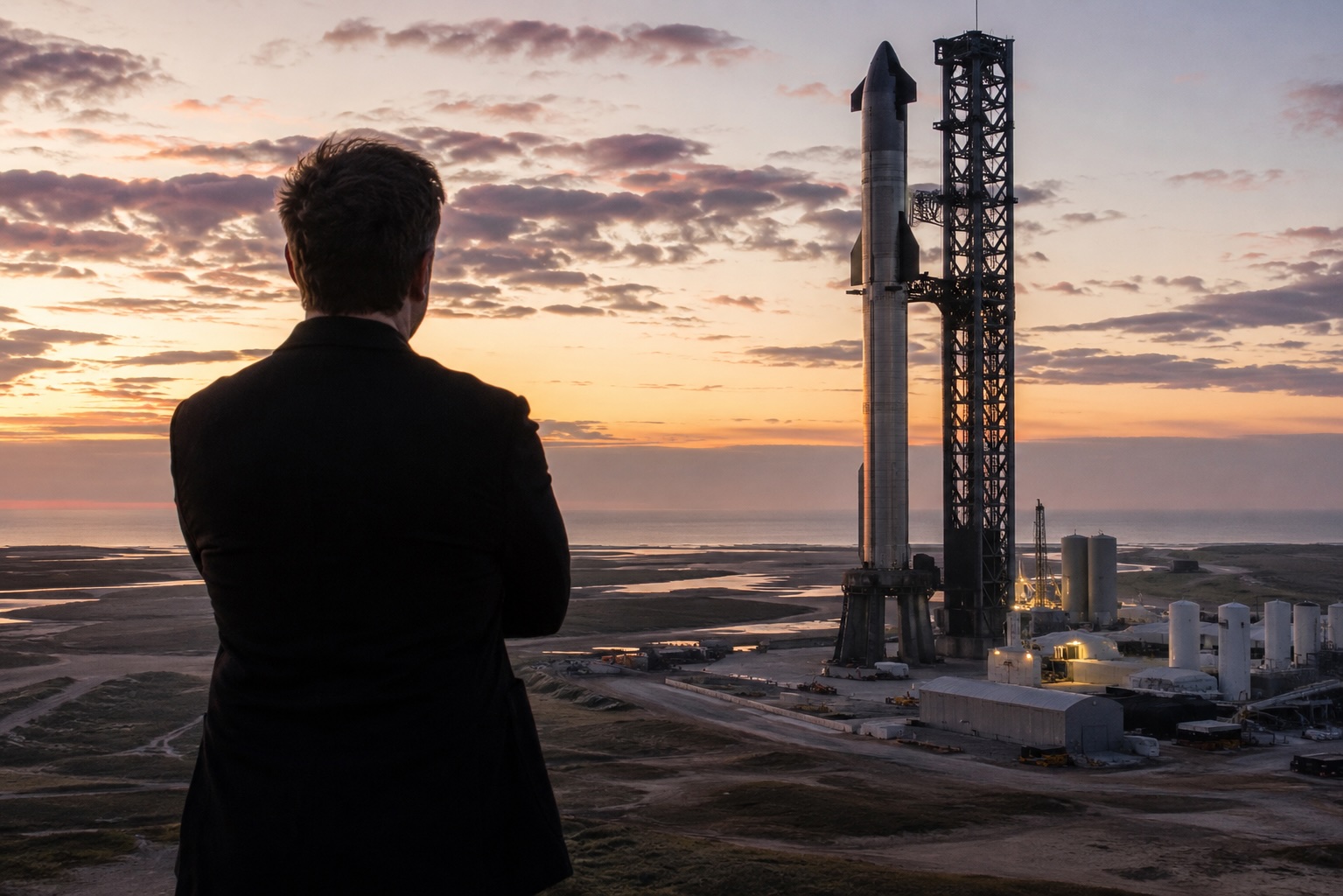
Elon Musk said he is planning to give “every one of his SpaceX shares to every kid in America” in 2027, stating that “this will be the first of many.”
SpaceX went public earlier this year, and its stock price has been relatively stable since leveling off shortly after its IPO. Based on its current price, it’s a gift of just over $10 billion to children across the United States.
It appears to be closely related to President Donald Trump’s bank accounts for children, which were set up earlier this year as Trump Accounts.
Just hours earlier, Anthropic had announced the establishment of its Anthropic Public Benefit Fund, “a new wholly-owned entity dedicated entirely to public benefit.” Musk responded by stating he recommended “giving the shares directly to the public,” and that he would be doing it that way.
Just a little bit later, Musk said children across the U.S. would be getting a share from him:
Next year, I will give one of my SpaceX shares to every kid in America.
This will be the first of many.
— Elon Musk (@elonmusk) October 19, 2026
There are roughly 70 million children, meaning someone under the age of 18, in the United States, according to the Federal Interagency Forum on Child and Family Statistics. Musk’s ownership of SpaceX stock shows he has around 849 million Class A shares of SpaceX stock, according to filings with the SEC.
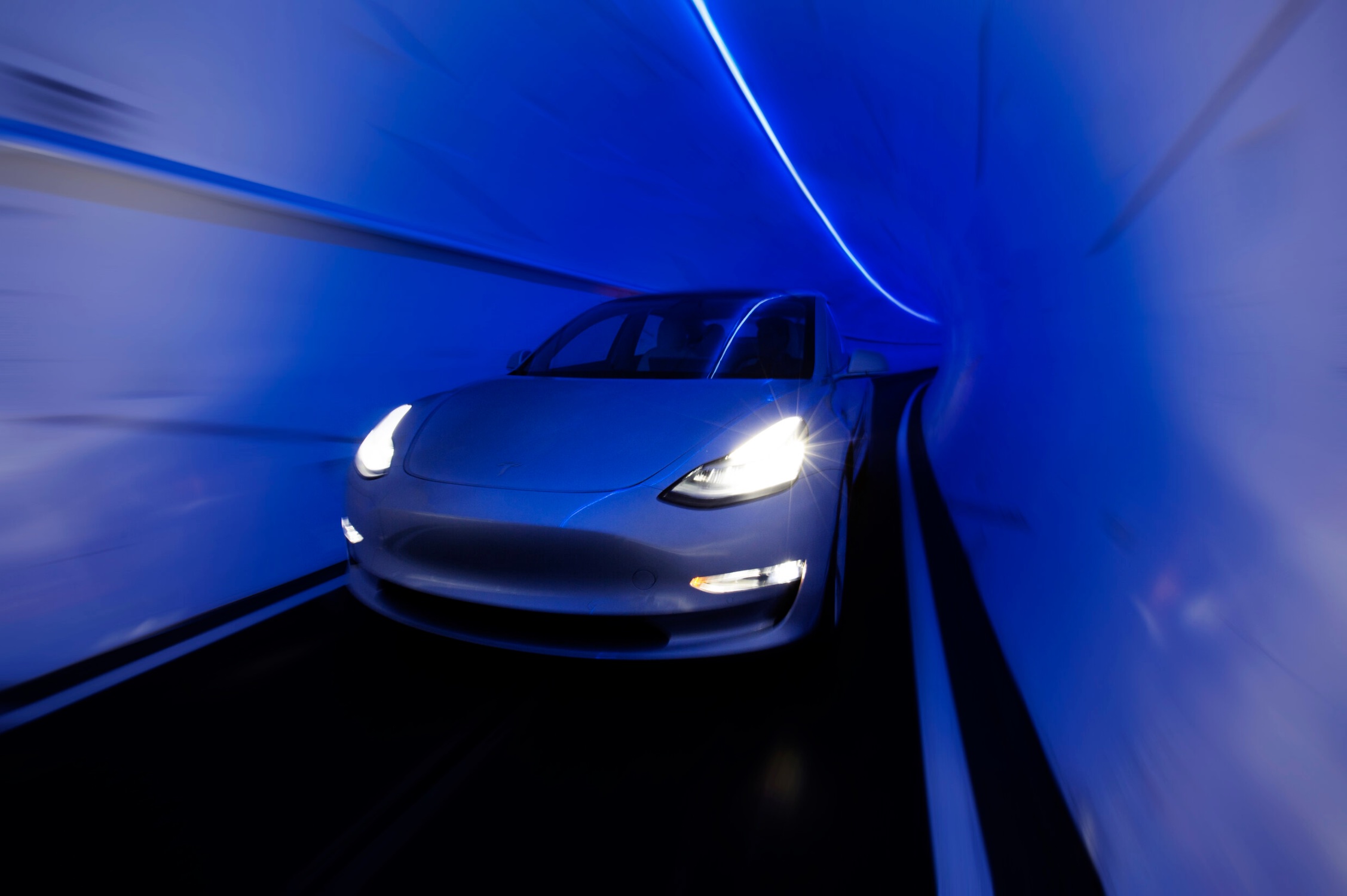
Elon Musk revealed in a post on X that “Permits were impossible to get,” explaining the fate of The Boring Company’s most ambitious East Coast proposal.
The comment responded to a query about what became of his July 20, 2017 announcement that he had “just received verbal govt approval” for an underground Hyperloop connecting New York City, Philadelphia, Baltimore, and Washington, D.C., capable of carrying passengers from the Big Apple to the Nation’s Capital in just 29 minutes.
The Boring Company receives verbal ‘approval’ to build NY to DC Hyperloop tunnel
The 2017 post, which envisioned city-center stations and multiple elevators in each city, sparked immediate scrutiny. Local and state officials in New York, Philadelphia, Baltimore, and D.C. said they had no knowledge of any approval. A White House spokesperson confirmed only “promising conversations” about the transformative infrastructure.
Musk clarified shortly after that there was “still a lot of work” to do for formal approvals.
@cybrtrkguy Permits were impossible to get
— Elon Musk (@elonmusk) October 19, 2026
Limited progress followed, as Maryland Governor Larry Hogan’s administration issued a conditional utility permit and supported work near Fort Meade. In 2018, Washington, D.C., granted a preliminary permit for site preparation and excavation on a vacant lot at 53 New York Ave. NE in the NoMa neighborhood, which The Boring Company said could become a station.
A draft environmental assessment for a D.C.-Baltimore segment was released in 2019. Yet, by April 2021, the company had removed the project from its website, and the Federal Highway Administration reported receiving no indication of further interest. Communication with Maryland officials had ceased.
The full corridor would have required coordination among the District of Columbia, Maryland, Pennsylvania, New York, the Federal Highway Administration, the Army Corps of Engineers, the National Park Service, and other agencies.
Environmental reviews under the National Environmental Policy Act, utility clearances, and approvals for novel infrastructure added to the overall complexity of the project and its approval.
Speculation on the permitting barriers centers around a few factors, but a multi-state, multi-level route involving unproven high-speed vacuum-tube technology inherently triggers exhaustive safety, environmental, and engineering reviews that can stretch for years, even for conventional projects.
There are also other elements, of course, like officials who may face political exposure if a privately funded, untested system encountered anything such as cost overruns, delays, or safety issues. On the outset of this project, there were limited things such as engineering plans or demonstrated technology maturity, which also added to the potential skepticism.
The East Coast vision for Boring Co., once framed as a privately funded revolution that could reshape Northeast travel, quietly ended without construction of the promised network. Musk’s recent statement frames the outcome as a regulatory impasse, unfortunate but not unexpected.
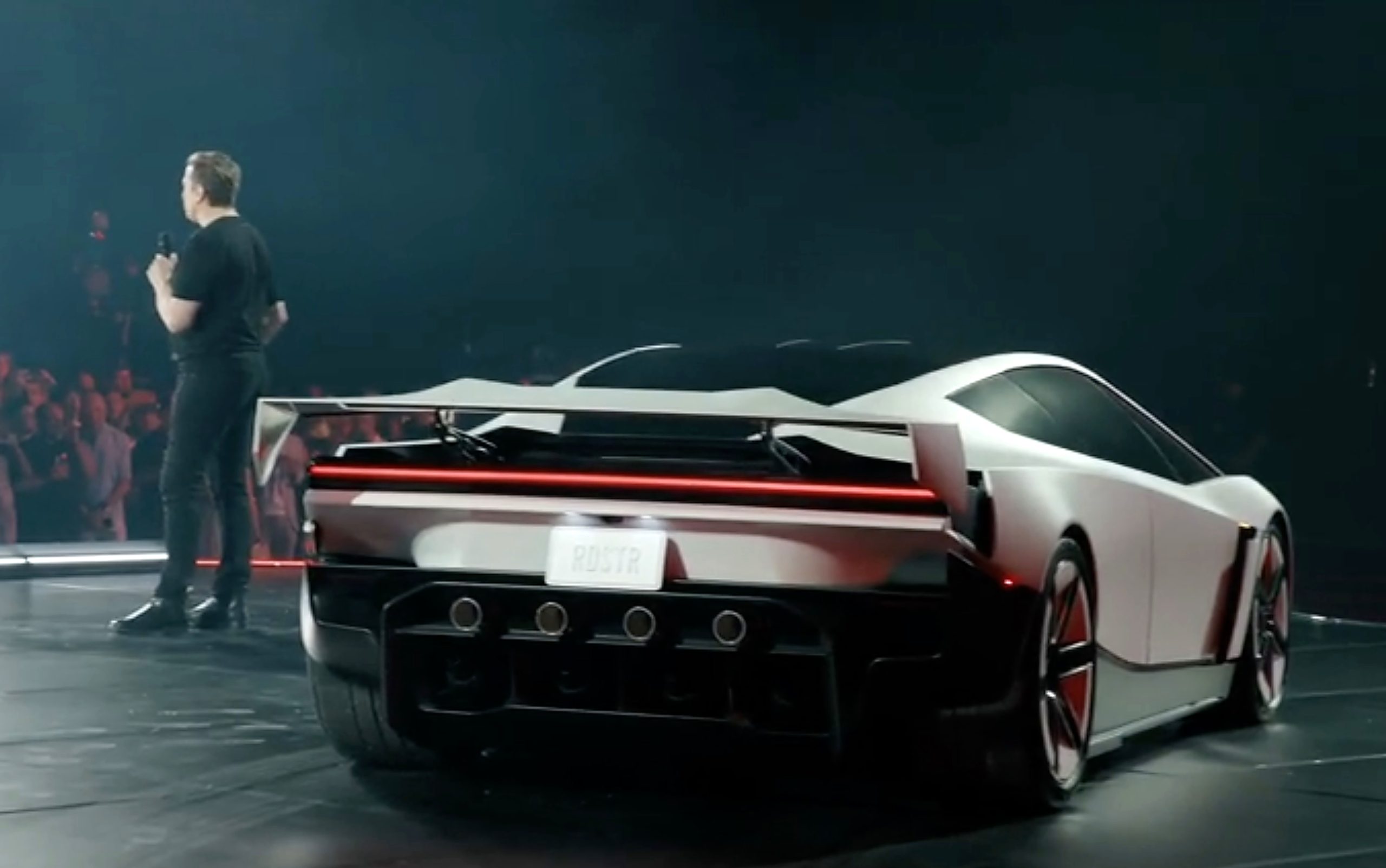
Tesla CEO Elon Musk took to his social media platform X on Sunday to remind everyone that the Roadster’s true meaning is not about company growth or adding dollars to shareholders’ pockets. Sometimes, you just do things because you can.
Following the Roadster’s epic unveiling event last Thursday, skeptics and critics of the company or the project itself came out to say that the vehicle is a pointless project because it is not geared toward growing the company, delivering supreme margins for profitability, nor does it contribute to the big picture of Artificial/Super Intelligence.
But that’s just the thing: Roadster is not meant to be some shareholder dream; it’s meant to be a vehicle that people buy just because it is something awesome, unique, and the first of its kind.
Tesla Roadster: Three configs, one can fly, 0-60 in 0.8 seconds
Musk had to remind those who are skeptical about the Roadster’s importance to the company mission that while it is not a major contributor to Tesla’s long-term goals, it is something that is being built just because it can be:
“Optimus and Cybercab will be the vast majority of Tesla’s value. The only things that will scale to incredible size (K2 and beyond) economically are super intelligence, robots, solar power, and mass to space. And, of course, if you have the first two, the rest will follow. But Roadster is super cool, so we’re doing it anyway.”
Musk has said on many occasions that Optimus would be the project that would make up the vast majority of Tesla’s value in the coming years.
Robotics will be a major focus of Tesla over the coming years, especially as Musk believes Optimus will enable work to be optional for humans and will enable what he calls “High Universal Income.”
Optimus and Cybercab will be the vast majority of Tesla’s value.
The only things that will scale to incredible size (K2 and beyond) economically are super intelligence, robots, solar power and mass to space.
And, of course, if you have the first two, the rest will follow.
But Roadster is super cool, so we’re doing it anyway.
— Elon Musk (@elonmusk) October 18, 2026
Cybercab will be a passive income opportunity for owners, Musk and Tesla have said for a very long time, as a fleet of self-driving vehicles will operate within a ride-hailing Robotaxi service that won’t require a human driver to be present.
Tesla investors are more than enthusiastic about the company’s future projects, at least from a general consensus perspective. However, it is important to note that the Roadster is a fun and cool project that pushes the boundaries of what people thought was possible for an automobile.
What we saw last week was the first true example of a flying car, and despite the backlash about how it might not contribute to Tesla’s grand ambitions, it’s okay to have fun sometimes, too.

Elon Musk will give ‘every kid in America’ a SpaceX share in 2027

Elon Musk reveals why Boring Co’s biggest East Coast project never happened

Tesla CEO Elon Musk reminds everyone about Roadster’s true meaning

SpaceX reveals how its 1 Million AI satellite network will work and prevent space collisions
Tesla Roadster: Three configs, one can fly, 0-60 in 0.8 seconds


