Space
NASA’s Curiosity rover discovers interesting Martian organics

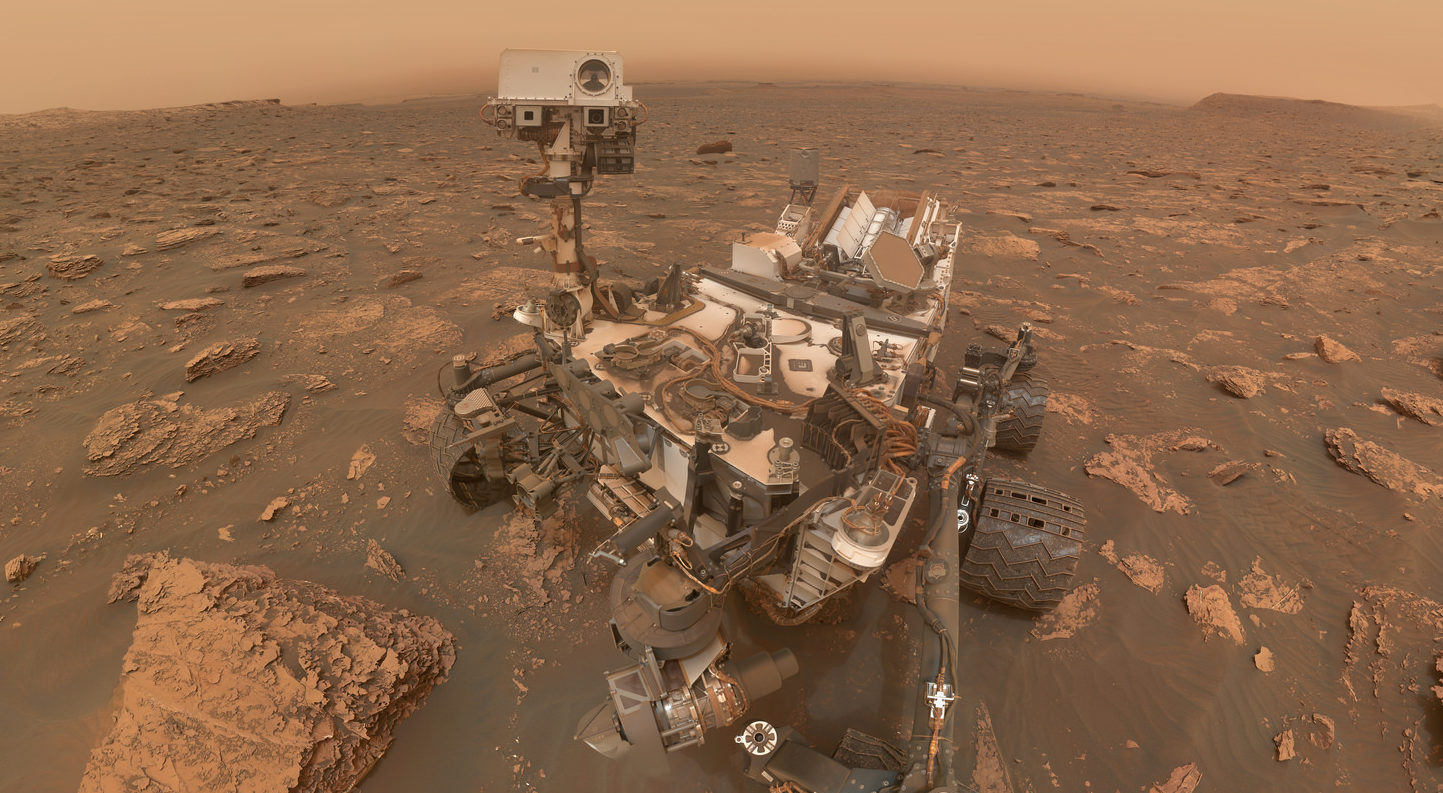
NASA’s Curiosity rover touched down on the red planet, tasked with one major goal: to assess the habitability of Mars.
The rover landed in Gale Crater in 2012. The 96-mile-wide (154 km) crater was once the site of an ancient lake. Curiosity has returned evidence that not was this once a freshwater oasis, but it could have contained microbial life.
The roaming science lab has shown that dried up mud in the region contains organic molecules. Now this doesn’t mean that Curiosity found life. But it does mean that these molecules could have a biological origin. Or maybe not.
The mud samples were collected by the rover back in 2018 and scientists have been busy analyzing them. Scientists at Washington State University believe they have identified a group of interesting molecules, called thiophenes.
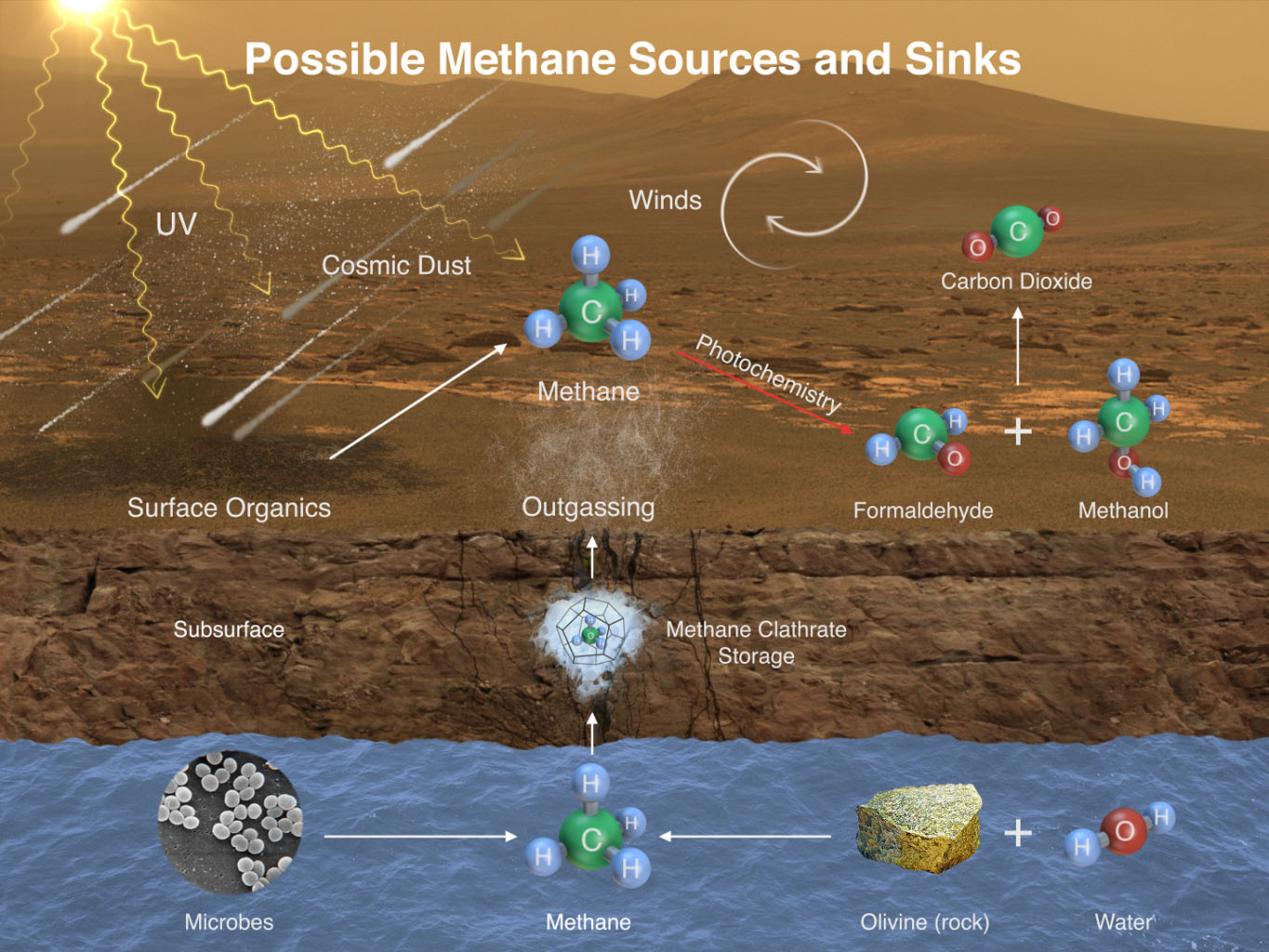
Thiophenes are particularly interesting because while they form through physical processes unrelated to living organisms, their ingredients could in fact have a biological origin. The molecules are composed of hydrocarbons and sulfur; when temperatures are greater than 248 °Fahrenheit (120 °C), they react through a process called thermochemical sulphate reduction (TSR).
On Earth thiopenes are found in incredibly interesting areas: crude oil deposits (which are made from dead organisms) and in coal (made from compressed, dead plants).
So how do they form on Mars? This is the question researchers have tried to answer.
“We identified several biological pathways for thiophenes that seem more likely than chemical ones, but we still need proof,” said astrobiologist Dirk Schulze-Makuch of Washington State University.
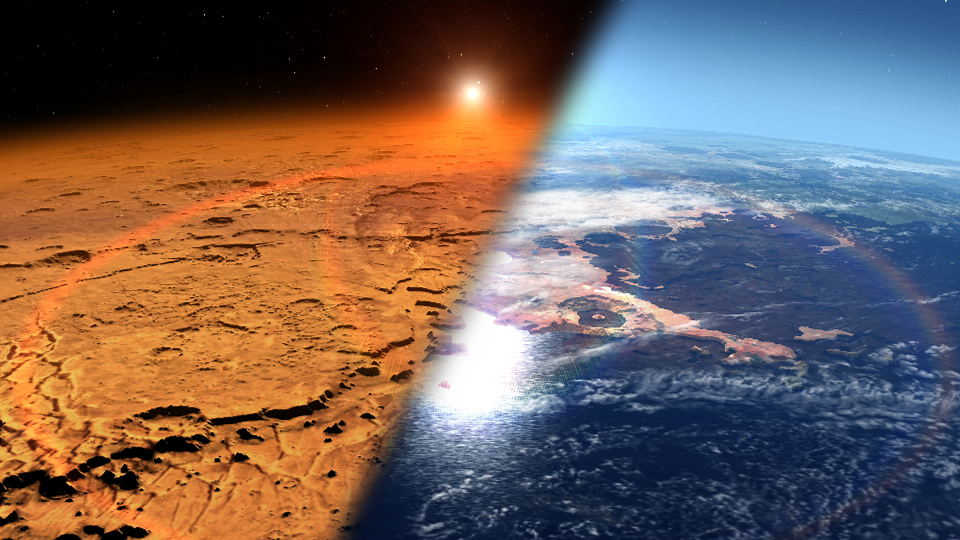
It’s entirely possible that sometime in Mars’ past, when the planet was warmer and wetter, that bacteria and other life forms could have thrived in its surface. They may have even left their mark in the mud. As such, it’s easy to assume these molecules are biological but we can’t just assume. We need hard evidence.
According to Schulze-Makuch, the presence of thiophenes has a number of explanations, not all of which are biological. For instance, the thiophenes could have been delivered by meteorites bombarding the planet, or they could form from geological processes like volcanism. Mars is seismically active and hosts a number of volcanoes, so this could be a likely explanation.
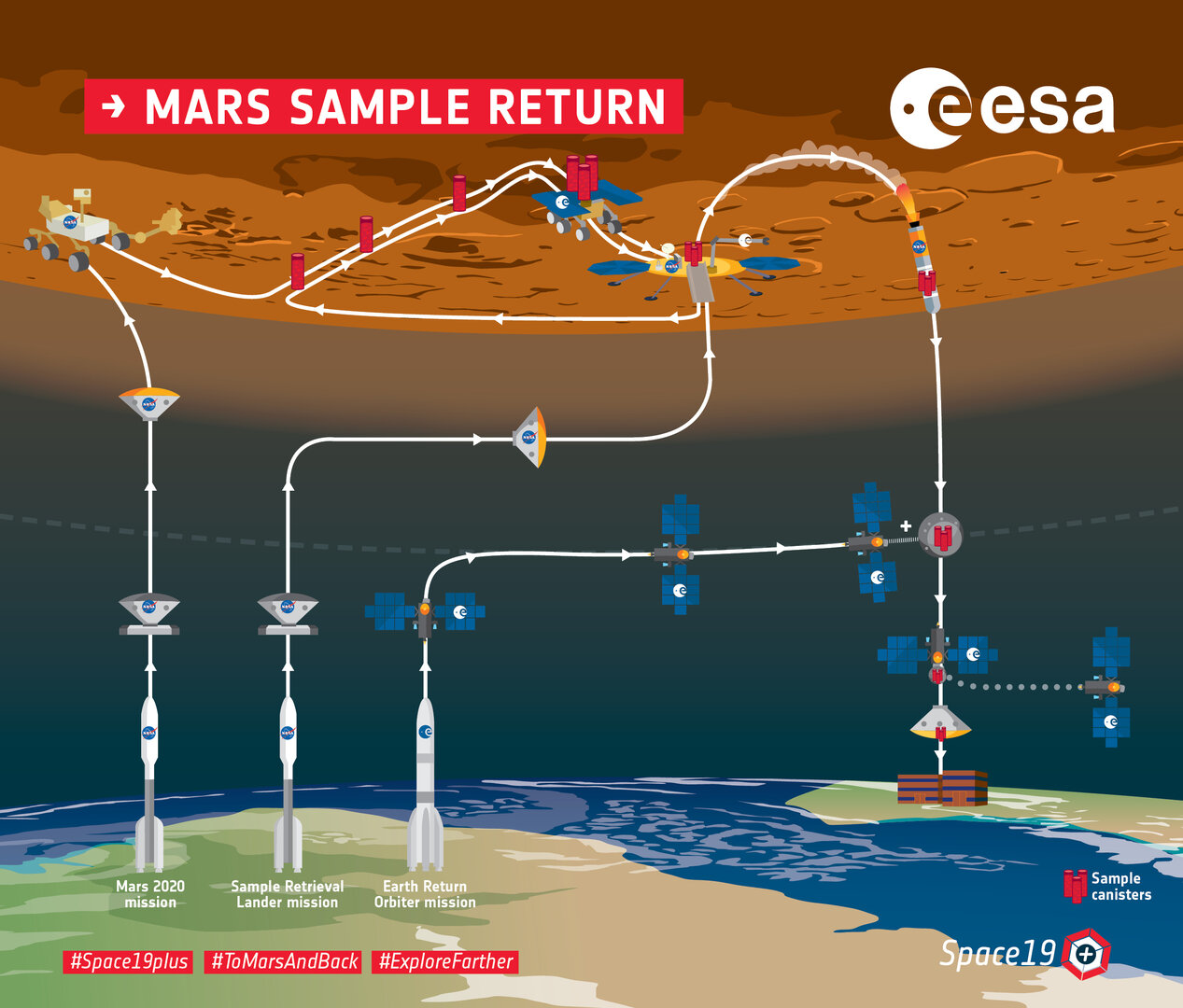
Here’s where the next-generation Mars rovers come into play. Both NASA and the European Space Agency are sending rovers to Mars this summer, in search of life. These two rovers are equipped with specialized instruments (that Curiosity lacks) that will be able to better analyze samples on the Martian surface.
But Schulze-Makuch thinks it will take sending people to Mars before we will find any definitive proof of life.
“I think the proof will really require that we actually send people there, and an astronaut looks through a microscope and sees a moving microbe,” he said.


Elon Musk
SpaceX just got the green light Starship has waited years for
The FAA has cleared Starship Flight 14, setting up SpaceX’s first orbital attempt on Monday.

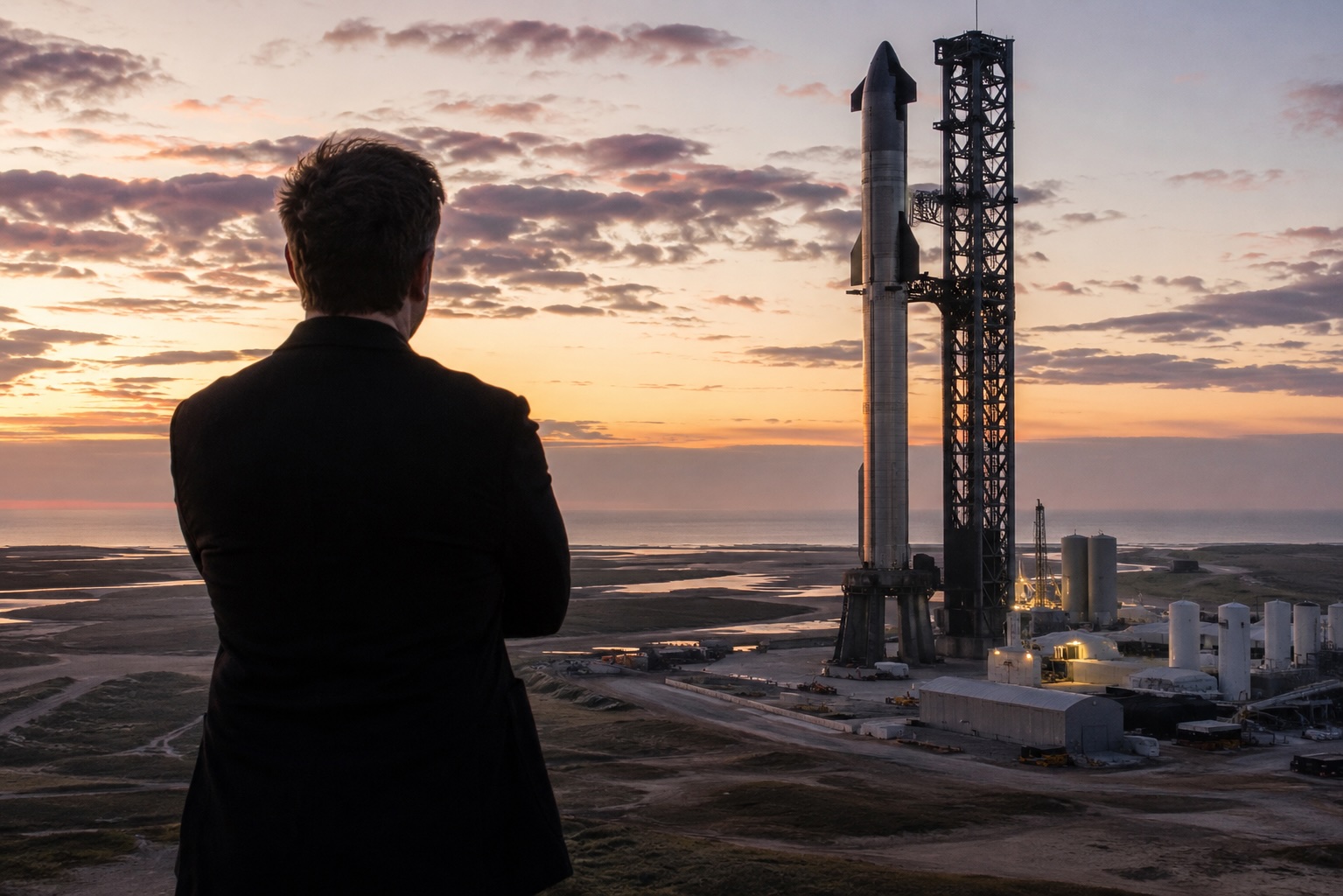
SpaceX has cleared the last regulatory hurdle standing between Starship and its first trip to orbit. The Federal Aviation Administration issued the launch license for Starship Flight 14 late Saturday, keeping the mission on track for liftoff Monday, September 28, from Pad 2 at Starbase, Texas.
The 75 minute launch window opens at 7:15 a.m. Central, and Boca Chica Beach closures are also scheduled for September 29 and 30 as backup dates. This will be Starship’s first revenue generating mission.
The license was the missing piece after SpaceX completed a full wet dress rehearsal with Booster 21 and Ship 41 on September 24. At the time, the company said the flight remained on track pending regulatory approval. Because Flight 14 flies an orbital profile, the FAA had to sign off on a modified license that met its safety, payload and financial responsibility requirements.
Observers combing through the new FAA paperwork also noticed that lightning no longer appears among Starship’s listed launch hazards. If that holds, it matters more for where Starship is headed than for Monday’s attempt. Florida and Louisiana, home to LC-39A and the planned Starbase Louisiana site, see some of the most frequent lightning in the United States.
SpaceX tells the FCC that Starship Flight 14 is going to orbit
Flight 14 is the mission SpaceX has been building toward for months. Ship 41 will carry 26 Starlink V3 satellites, the first operational V3 units to be deployed, and attempt roughly six orbits at about 275 kilometers over a flight lasting just under 10 hours. SpaceX says the ship will only perform its orbital insertion burn after flight controllers confirm enough hardware redundancy remains for the deorbit burn at the end of the mission. Ship 41 is targeting a splashdown in the Pacific west of Chile, while Super Heavy will return to the Gulf of Mexico.
The date carries some symbolism as well. A Monday launch would come 10 years and one day after Elon Musk first presented the Interplanetary Transport System, the design that became Starship, at the International Astronautical Congress in Guadalajara, Mexico.
SpaceX has not announced what comes next, but air traffic planning slides reported this week, list Flight 15 no earlier than October 19 and a first Starship launch from LC-39A in Florida no earlier than October 30. Both dates depend on how Monday goes.
News
SpaceX completes another secret Pentagon launch, adding to suspected Starshield buildout
SpaceX launched the classified USSF-385 mission from Vandenberg, landing its booster on a tenth flight.

SpaceX launched another classified mission for the U.S. Space Force from California early Saturday morning, and the Falcon 9 booster that carried it landed on a drone ship in the Pacific for the tenth time. The USSF-385 mission lifted off from Space Launch Complex 4E at Vandenberg Space Force Base at 7:00 a.m. PT.
Booster B1100 touched down on Of Course I Still Love You roughly eight and a half minutes after liftoff. It was the booster’s tenth flight and tenth successful landing, following the NROL-95 national security mission and eight Starlink launches. Its previous flight, a Starlink Group 15 mission on August 22, came just 35 days earlier. SpaceX ended its livestream shortly after the landing, which is standard for classified payloads, and neither the company nor the Space Force has said what the rocket carried.
Watch Falcon 9 launch the USSF-385 mission from pad 4E in California https://t.co/CAdbx85Ydy
— SpaceX (@SpaceX) September 26, 2026
USSF-385 is the fourth Space Force launch from the same Vandenberg pad in roughly six weeks, following USSF-366 on August 15, USSF-153 on September 10, and USSF-259 on September 17. When SpaceX flew USSF-366 in August, independent trackers noted that the rocket’s stage drop zones matched SpaceX’s Starlink Group 15 missions, pointing to Starshield, the government version of the Starlink satellite bus. The Space Force later cataloged 23 satellites after both USSF-366 and USSF-153, while USSF-259 placed 17 satellites into a different orbital plane, per KeepTrack. Launch databases describe USSF-385 the same way, though the payload remains officially unidentified.
The cadence lines up with the contracts, because in July, the Space Force awarded SpaceX $1.6 billion in task orders for 18 Falcon 9 missions from Vandenberg through the end of 2027. SpaceX also holds contracts to build pieces of that same network, which pushed its Pentagon contract total for 2026 past $8 billion.
Saturday’s flight was also the sixth and final Falcon 9 launch from Vandenberg in September, according to Spaceflight Now, while only one Falcon 9 flew from the East Coast this month as SpaceX shifts its Florida infrastructure toward Starship. Launch trackers list it as SpaceX’s 112th mission of 2026 and the 108th Falcon 9 flight of the year, with SLC-4E turned around about six and a half days after its previous launch.
The West Coast pad will not stay quiet for long, considering SpaceX has another Starlink mission scheduled from SLC-4E on September 30. Meanwhile, in Texas, the company is two days away from Starship Flight 14, which is targeting Monday at 7:15 a.m. CT for the vehicle’s first attempt to reach orbit.
News
NASA taps SpaceX for more astronaut missions as Boeing Starliner remains grounded
NASA just gave SpaceX a $946 million contract for three more astronaut missions through 2030.
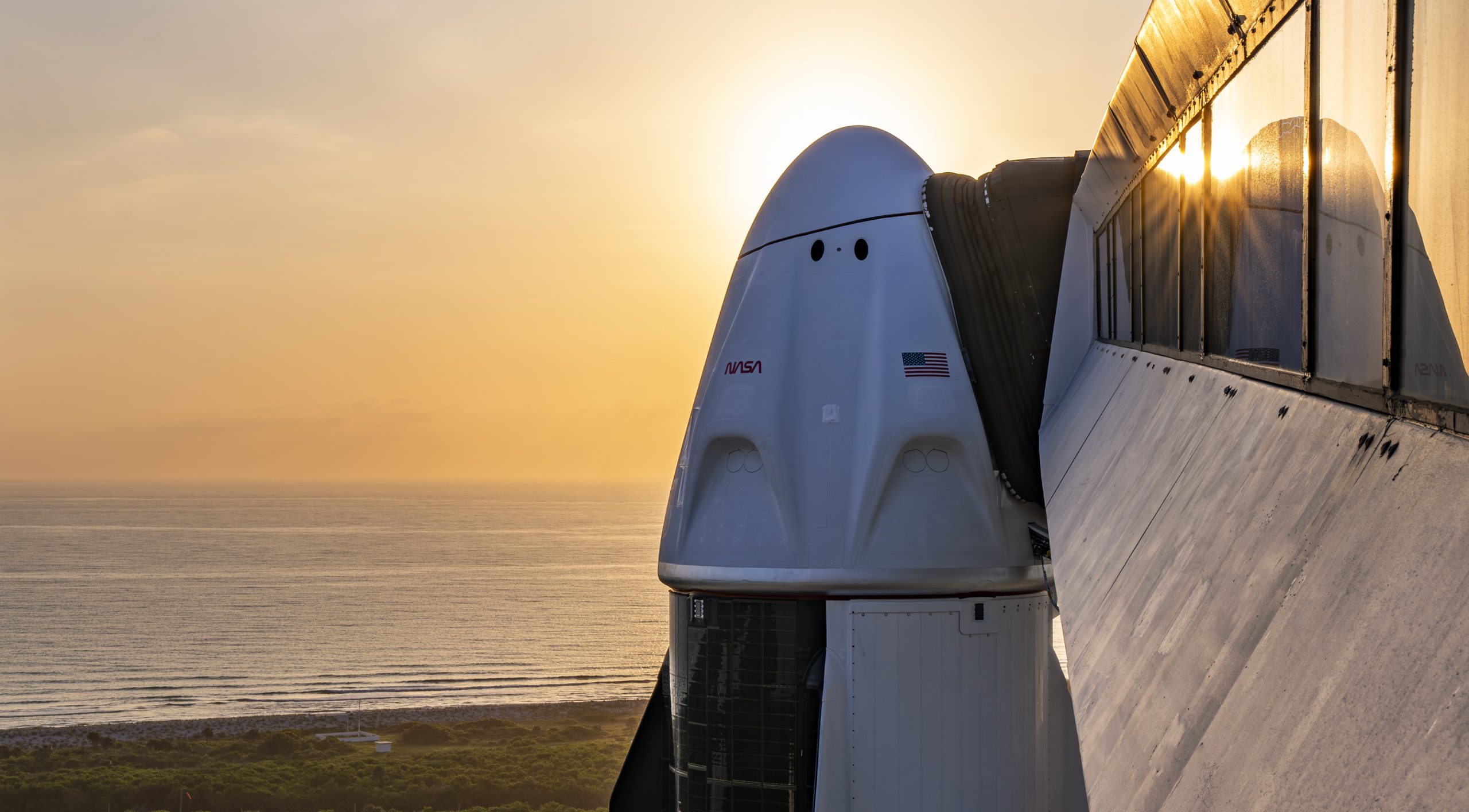
NASA has awarded SpaceX a $946 million contract modification covering three more astronaut missions to the International Space Station, according to an announcement the agency published Friday. The award adds Crew-15, Crew-16, and Crew-17 to SpaceX’s existing Commercial Crew Transportation Capability contract, bringing the agreement’s total value to $5.92 billion across 17 flights.
SpaceX confirmed the award on X, writing that it was excited for Falcon 9 and Dragon to launch NASA’s Crew-15, 16, and 17 missions to the Space Station from Florida. The new missions cover ground, launch, in orbit, and return operations, along with cargo transport and a lifeboat capability while docked at the station, and the period of performance runs through 2030.
We’re excited for Falcon 9 and Dragon to launch @NASA’s Crew-15, 16, and 17 missions to the @Space_Station from Florida https://t.co/Qm16vVK9F3 pic.twitter.com/drg3s7GtuM
— SpaceX (@SpaceX) September 18, 2026
The award follows a notice of intent NASA issued in May, when the agency first signaled it would purchase up to six additional post certification missions from SpaceX. Teslarati covered that filing at the time, noting NASA cited technical issues and schedule delays encountered by Boeing as a driving factor. Friday’s contract modification locks in three of those six missions, with the remaining three left open for NASA to award later, potentially to Boeing if Starliner clears certification.
Boeing’s CST-100 Starliner has still not flown an operational crew rotation mission for NASA. The spacecraft’s most recent crewed test flight in 2024 ended without the astronauts returning aboard Starliner, and the company has spent the time since working through thruster problems. SpaceX President Gwynne Shotwell said this week that SpaceX is not retiring Crew Dragon today, for sure, while stopping short of committing to fly it past 2030.
Crew-12 is currently docked at the space station, and NASA has said Crew-13 is targeting a launch in the coming weeks. The newly awarded Crew-15 through Crew-17 missions extend SpaceX’s role as NASA’s primary way of getting astronauts to and from orbit well into the back half of the decade, regardless of what happens with Starliner or Starship in the meantime.

Elon Musk’s AI Grok Bot can now handle banking while your Tesla FSD handles the road

SpaceX just got the green light Starship has waited years for


