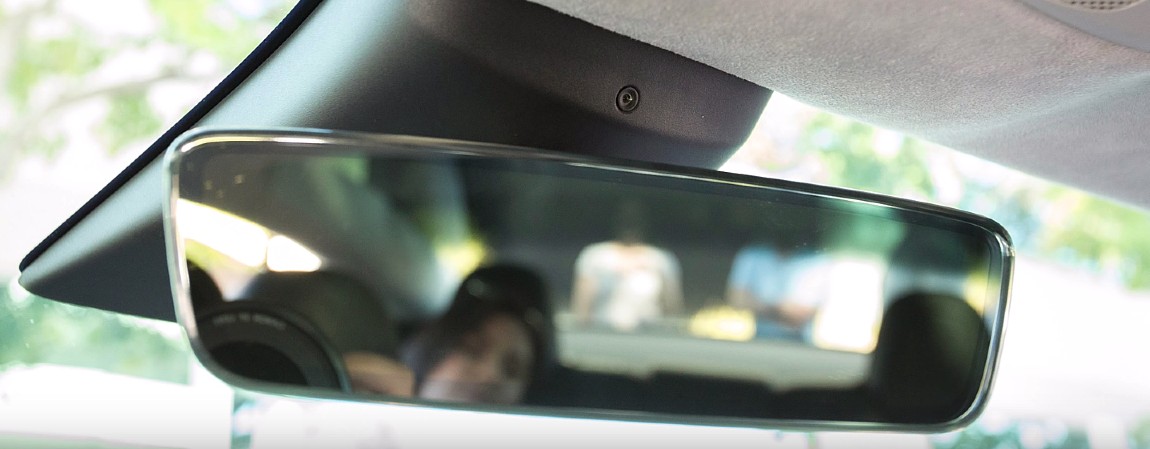
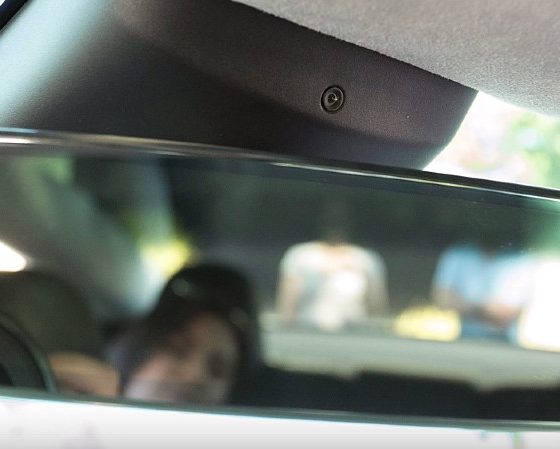

Tesla’s new 2020.24.5 software update unleashed a flurry of new features to Tesla owners. However, one of the most interesting newly-added features is the company’s intended use of the camera located above the rearview mirror, which could capture images and record videos before an accident or safety event. The data will then be shared with Tesla engineers, who would use it to create safer vehicles in the future.
Tesla rolled out the software update on June 18 and included improvements to Driving Visualization, Backup Camera, Dashcam Viewer, and Walk-Away Door Lock systems. However, the Cabin Camera feature, which is new to the company’s fleet, intends to create a safer vehicle in the future by studying how different types of collisions impact humans.
Next software update allows you to activate data sharing of your cabin vehicle camera to help Tesla engineers build new safety features : pic.twitter.com/hgF80etBsA
— TESLA saves lives (@Teslasaveslives) June 18, 2020
The release notes state:
“Help Tesla continue to develop safer vehicles by sharing camera data from your vehicle. This update will allow you to enable the built-in cabin camera above the rearview mirror. If enabled, Tesla will automatically capture images and a short video clip just prior to a collision or safety event to help engineers develop safety features and enhancements in the future. As usual, you can adjust your data sharing preferences by tapping Controls > Safety & Security > DATA SHARING > Allow Camera Analytics.
Note: Cabin camera images and video clips will not be associated with your VIN to protect your privacy.”
Tesla’s vehicles are already among the safest cars on the road. As evidenced by multiple five-star crash safety ratings from numerous agencies across the world, Tesla’s cars are engineered to protect the passengers in the event of an accident. However, the company has not used these ratings as an indication that its vehicles are incapable of improving.
The Model Y teardown from Sandy Munro indicated that the company had improved several sections of the vehicle compared to its predecessor, the Model 3. After including a rear crush plate to protect against rear-end collisions and new firewall improvements, it was clear Tesla was looking to improve upon its already impressive safety standards.
Tesla’s Cabin Camera has been a focus of many owners and enthusiasts. It remained dormant until January when CEO Elon Musk confirmed that the camera could be used to record intruders as a part of the company’s Sentry Mode feature. Now, it is receiving more functionalities, and more will likely be added in the near future.
The addition of the Cabin Camera’s safety monitoring system proves Tesla is never content with how safe its vehicles are. The company is continuously seeking improvements and additional features that increase the safety of its cars. Data that will be transmitted to engineers via the Cabin Camera feature will surely give insight into where the company can improve, leading to Tesla becoming the undisputed manufacturer of the world’s safest cars, bar none.


Elon Musk
Elon Musk spotlights the Starlink rescue that got through where no cell tower could
Elon Musk spotlighted how Starlink helped rescuers reach five people stranded in Kazakhstan’s snowy mountains.

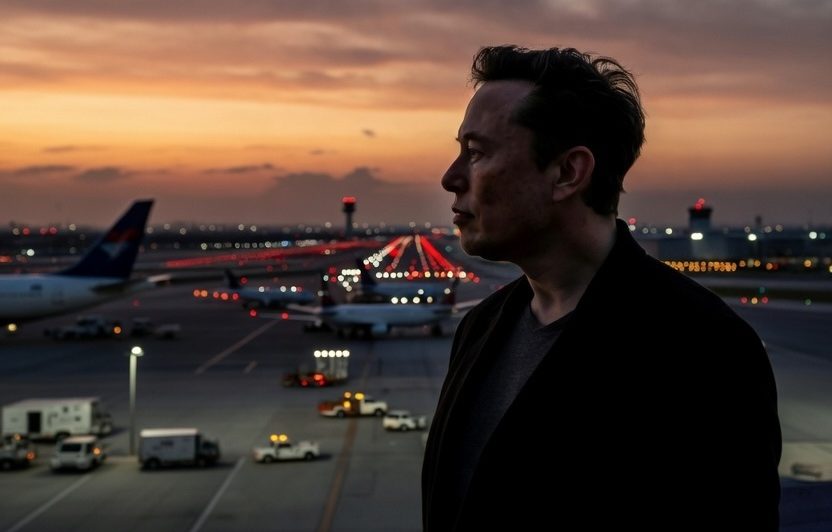
Elon Musk put a spotlight on a mountain rescue in eastern Kazakhstan on Sunday, writing “Starlink saves lives” in response to a post describing how SpaceX’s satellite internet helped five stranded people reach emergency crews.
The post from DogeDesigner, which had been viewed more than 500,000 times by Sunday afternoon, said the group’s SUV broke down about 15 kilometers from the village of Kystau Kurchum in an area with no usable mobile network. Starlink carried their call for help and kept them in contact with rescuers, who used the connection to locate them.
The rescue itself took place in October. Local outlet YK.kz reported on October 22 that Kazakhstan’s Ministry of Emergency Situations responded to the breakdown in the Kurchum district of East Kazakhstan region and noted that the group stayed in touch through Starlink. Rescuers covered roughly 100 kilometers in a Trekol, a low pressure tire vehicle built for snow and marshland, then escorted the disabled SUV back to Kystau Kurchum. Nobody needed medical attention.
Starlink saves lives
— Elon Musk (@elonmusk) November 8, 2026
Conditions in the region were rough at the time. Kazakh broadcaster Channel 7 identified the five as hunters caught in a snow trap and said satellite communication allowed rescuers to pinpoint where they were. A spokesperson for the East Kazakhstan emergency department said a storm warning was in effect and urged residents not to leave populated areas unless necessary. The same weather stranded seven utility workers repairing power lines in the nearby Kuygan rural district, according to Tengrinews.
Kazakhstan has been one of Starlink’s more notable markets in Central Asia. Teslarati reported in 2024 that Starlink was serving 1,731 of the country’s 1,879 schools, with the country’s Education Minister saying it had set a new standard for internet service in schools.
Rescue stories like this one have followed Starlink for years, usually in places where ground networks fail or never existed in the first place. Then Florida CFO Jimmy Patronis called Starlink a “game changer” for search and rescue crews during Hurricane Milton, and SpaceX and T-Mobile switched on Starlink Direct to Cell in North Carolina to push emergency alerts to phones after Hurricane Helene.
The next target is dead zones for people who do not carry a dish at all. SpaceX is building out Starlink Mobile and earlier this week selected Qualcomm to supply core infrastructure for a planned terrestrial 5G network in the United States, which it intends to pair with its next generation satellite constellation.
Sunday’s post is at least the third time Musk has written “Starlink saves lives” on X this week, following identical posts on November 5 and November 7.
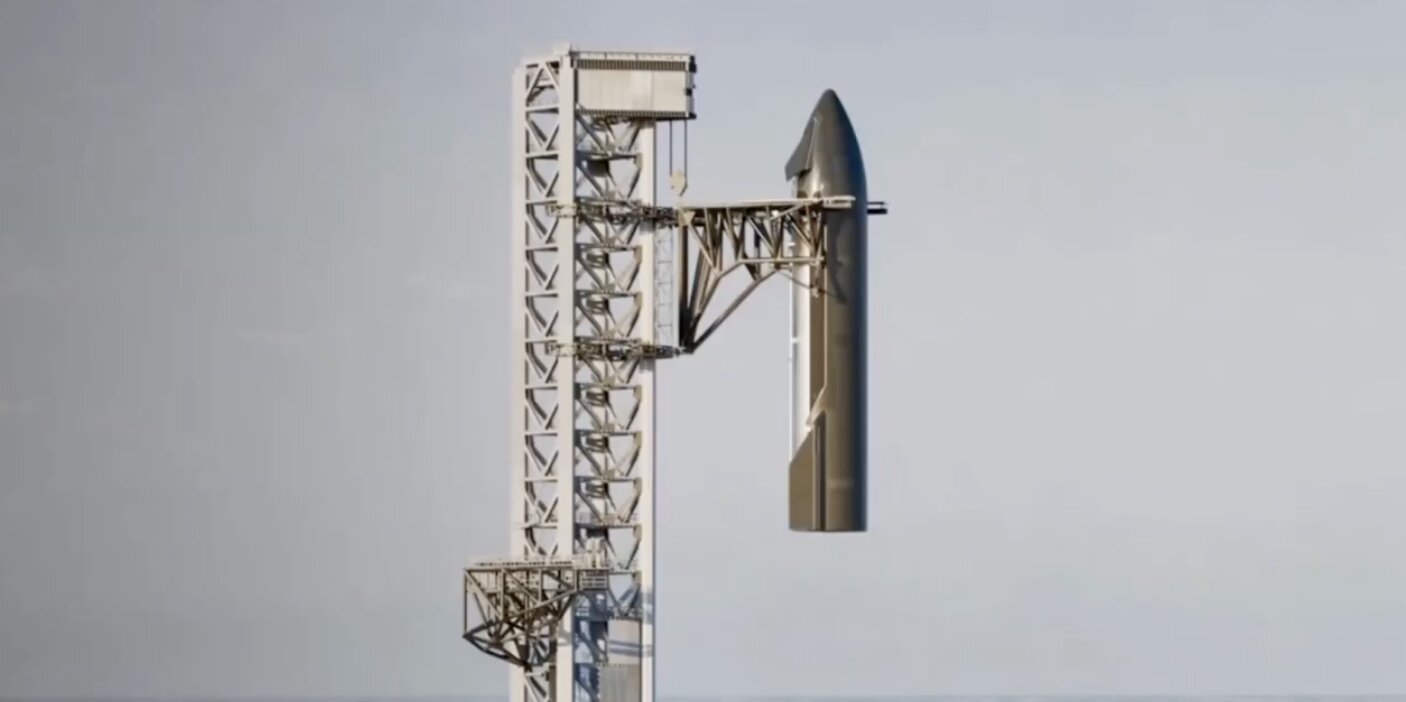
SpaceX plans to attempt what will be a defining moment in rocket reusability on Starship Flight 15.
As Elon Musk announced in a recent X post, SpaceX will attempt to catch both the Super Heavy Booster and the Starship upper stage during the upcoming orbital flight. If successful, it will mark the first time that all parts of an orbital rocket return to Earth intact, a breakthrough Musk has called essential to making life multiplanetary.
SpaceX will attempt to catch both the Super Heavy booster and Starship on the upcoming flight.
If both are successful, it will mark the first time that all parts of an orbital rocket return to Earth intact.
This is the critical breakthrough needed to make life multiplanetary.
— Elon Musk (@elonmusk) November 6, 2026
Previous flights have demonstrated the tower-catch technique with Super Heavy. SpaceX has successfully caught V1 boosters three times (on Flights 5, 7, and 8), with some even reflown. The Ship upper stage has never been caught.
Returning from orbital velocity after deploying payload makes it a significantly harder challenge due to higher energy, heat loads, and the need for precise belly-flop reentry, a flip maneuver, and a final landing burn to settle between the Mechazilla tower’s chopstick arms.
Flight 15, using Booster 22 and Ship 42 (both Block 3 vehicles), is targeted for no earlier than Friday, November 13, 2026, from Orbital Launch Pad 2 at Starbase, Texas. The 75-minute window opens at 4:45 p.m. CT, pending regulatory approval. After hot staging and separation, the booster is planned to return for a catch roughly 6 minutes and 35 seconds after liftoff.
The Ship will insert into a roughly 275 km orbit, deploy 26 advanced Starlink V3 satellites, complete about 14 orbits over more than 22 hours, and—if systems check out—perform a deorbit burn, reentry, flip, and landing burn for a tower catch at approximately T+22 hours 32 minutes.
SpaceX confirms Starship 15 launch window with massive ambitions
A simulation shown during SpaceX’s October earnings call depicted the Ship descending in a belly-flop attitude, flipping upright with a short engine burn, and being captured by the arms:
From simulation to reality
SpaceX is just ONE WEEK away from attempting its most ambitious Starship catch yet https://t.co/nHrxSX6DSz
— X Freeze (@XFreeze) November 6, 2026
Contingency splashdown zones exist in the Gulf of Mexico (booster) and Pacific (Ship) if a catch is not viable. SpaceX has stressed rigorous health checks before committing the Ship to a return-to-launch-site trajectory.
Musk has described the odds of success on this first dual-catch attempt as “more likely than not,” noting a steady stream of additional flights is already scheduled if needed. Full recovery would enable rapid inspection, refurbishment, and reflight—slashing costs and supporting the high launch cadence required for Starlink expansion, lunar missions, and eventual Mars settlement.
As Musk put it, this is “the critical breakthrough needed to make life multiplanetary.”
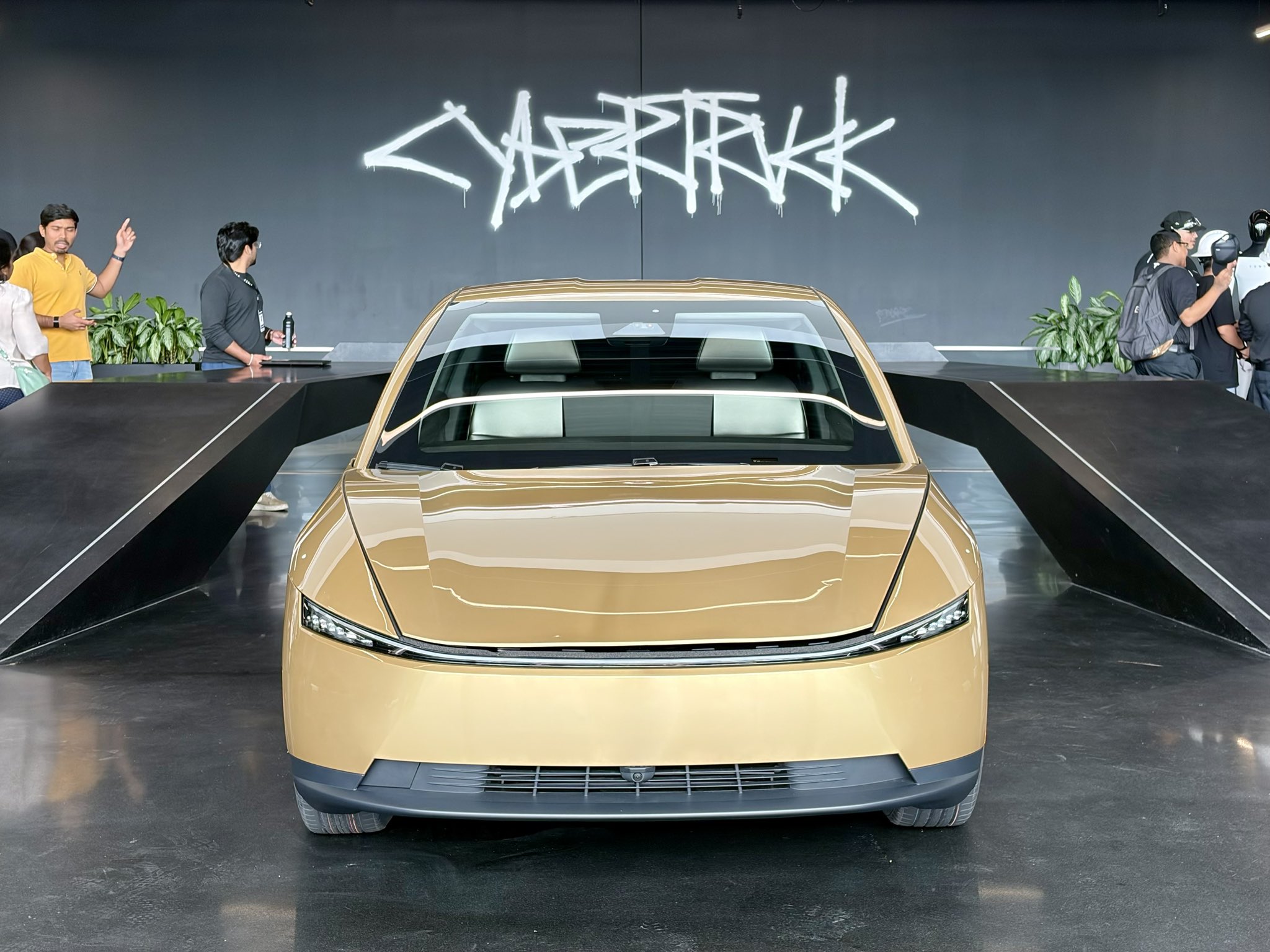
Tesla Cybercab is going to get some pretty substantial updates, including improvements to efficiency and a new color.
CEO Elon Musk said in a post on X on Saturday that Tesla would be working to refine the Cybercab even more, following the announcement during the week that the company would eliminate the Cybertruck lines within Giga Texas for more Cybercab manufacturing capacity.
“There are efficiency improvements coming that will allow for a 40kWh Cybercab pack,” Musk posted on X. “We will make this in liquid silver, so the colors are not too monotonous.”
There are efficiency improvements coming that will allow for a 40kWh Cybercab pack. We will make this in liquid silver, so the colors are not too monotonous.
The biggest thing most people fail to understand is that there are a very limited number of smart, dedicated people! They can only do so many things.
If we have to maintain a complex production line, supply chain and allocate engineering for Cybertruck, we can’t use those people or factory space and machinery for scaling Cybercab, which is the vehicle that will PROFOUNDLY transform the world of terrestrial transport!
— Elon Musk (@elonmusk) November 7, 2026
A new, more efficient model of the Cybercab will be engineered, which will only help Tesla’s profitability and margins, and it also boosts the argument for why the Cybertruck should be discontinued, at least from a business perspective.
The current Cybercab that operates in the Robotaxi platform in Austin, Texas, has a 48 kWh pack, and it sounds like Musk believes Tesla is on its way to introducing a version that has fewer cells but can manage the same workload thanks to engineering efficiencies.
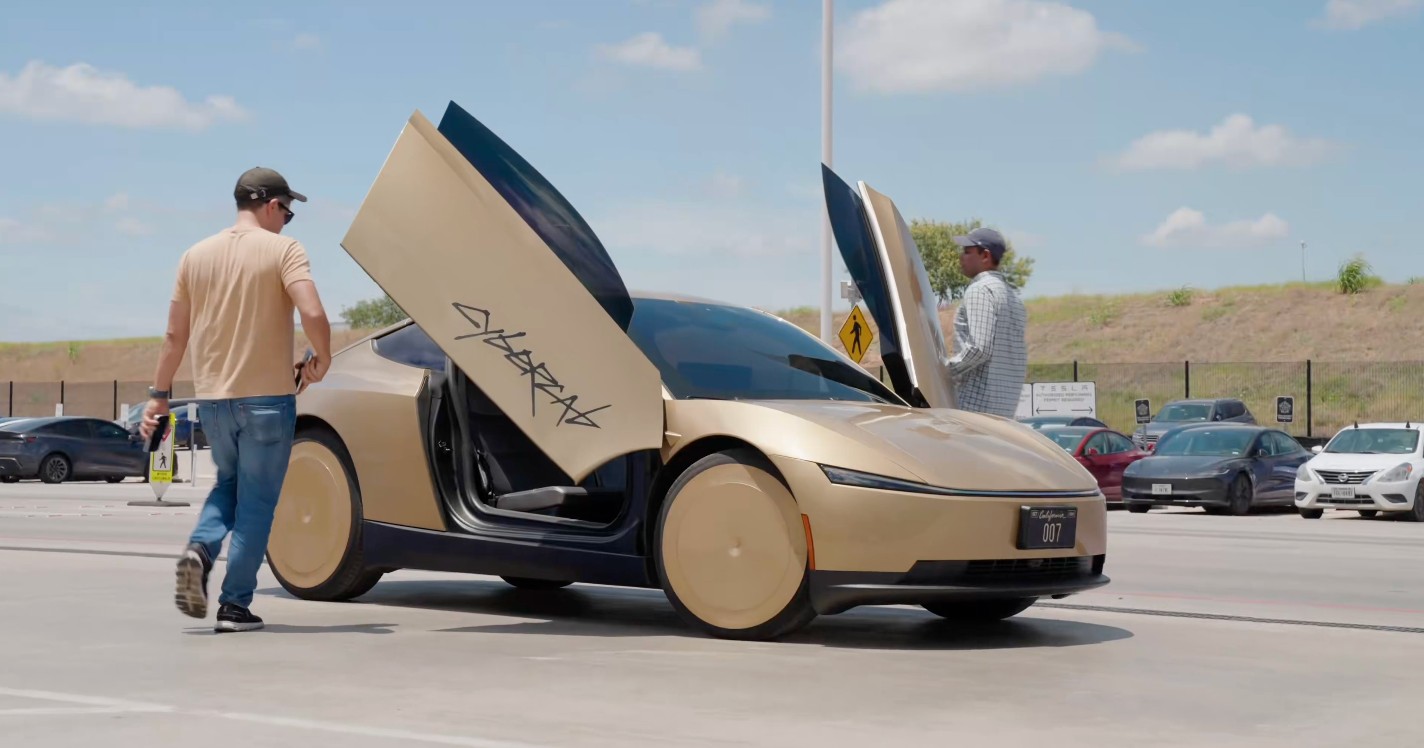
Credit: Tesla
Musk also doubled down on the decision to prioritize Cybercab production over Cybertruck, which is a decision that has been extremely polarizing within the community, and many fans have made it abundantly clear that they are not particularly pleased with the plans.
“If we have to maintain a complex production line, supply chain, and allocate engineering for Cybertruck, we can’t use those people or factory space and machinery for scaling Cybercab, which is the vehicle that will PROFOUNDLY transform the world of terrestrial transport,” Musk said.
A good look at Tesla’s new Liquid Silver Cybercab, planned with a 40 kWh battery pack following new improvements
😍 https://t.co/IUYsUcCBMs
— TESLARATI (@Teslarati) November 8, 2026
Cybercab is obviously Tesla’s path forward in an automotive sense. It seems that Tesla is less concerned about catering to the passenger vehicle market and is more prone to focus on transforming passenger transportation in a way that prioritizes autonomy. However, this requires some sacrifice on Tesla’s end, and the Cybertruck is unfortunately a victim of this.
Cybercab holds an extremely crucial part of Tesla’s future. With the company already revolutionizing passenger transportation once, this is the next phase, and Cybercab is the path forward.

Elon Musk spotlights the Starlink rescue that got through where no cell tower could

SpaceX will perform Starship double catch attempt with Flight 15


