News
Tesla Model Y third-row seats first impressions shared by EV owner

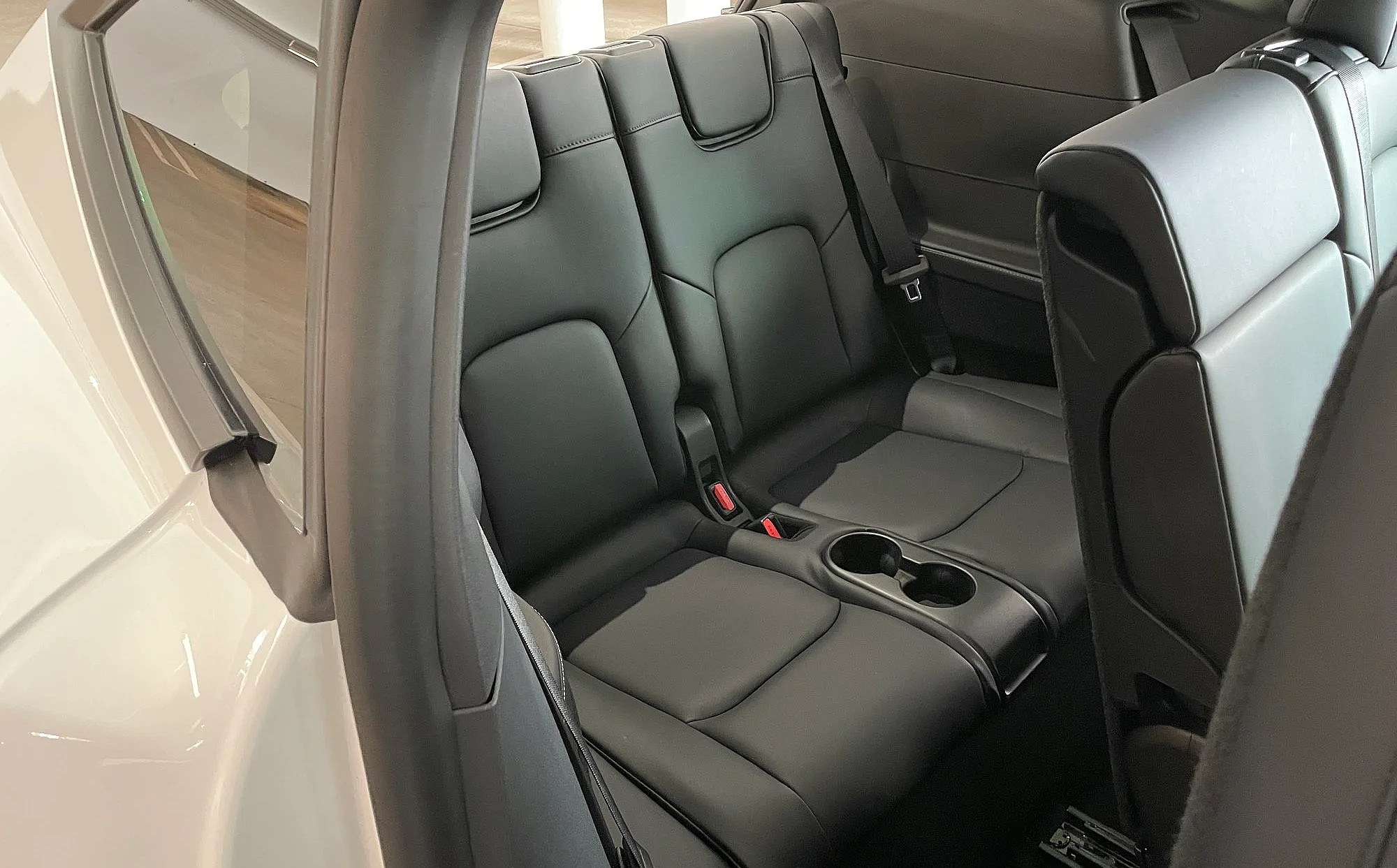
The seven-seat Tesla Model Y has been released, and while sightings of the vehicle in the wild are yet to be reported, it appears that the electric car maker has started displaying the option in some of its stores. Fortunately, some EV owners have taken it upon themselves to share their first impressions of the Model Y’s third-row seats after seeing it in person.
EV advocate and Tesla Motors Club member GOFORIT5 recently visited the electric car maker’s Fashion Island Store in Newport Beach, where a seven-seater Model Y was on display. A sales representative from the outlet reportedly noted that since the location was a flagship store, the Fashion Island location was fortunate enough to receive a seven-seater Model Y.
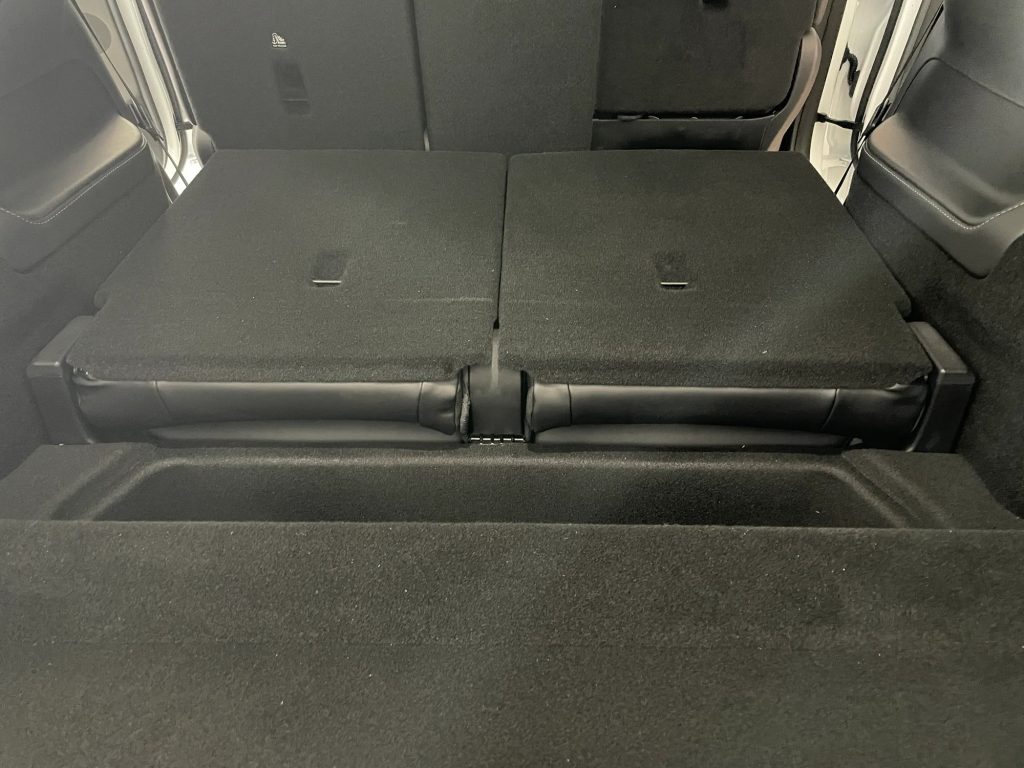
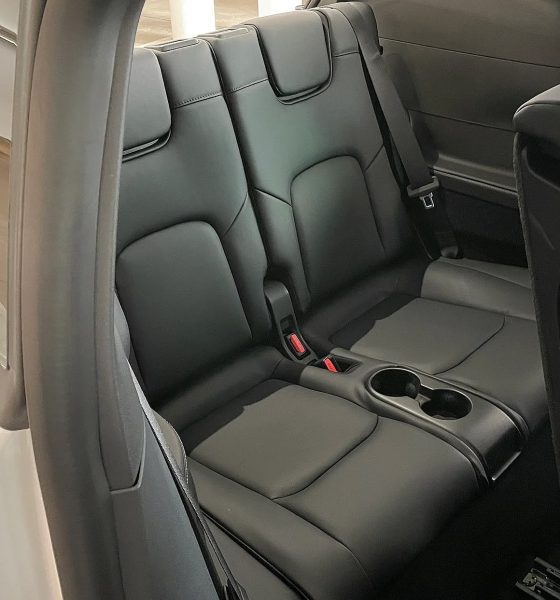
The TMC member, who is about 5”7, noted that his head was nearly touching the glass roof of the Model Y’s third-row seats when he tried them out. This all but confirms speculations that the Model Y’s seven-seat option would be most useful for families with small children. That being said, the TMC member also observed that the third-row seats of the Model Y do not have any LATCH attachments, which means that children who still require child seats are best seated on the second row instead.
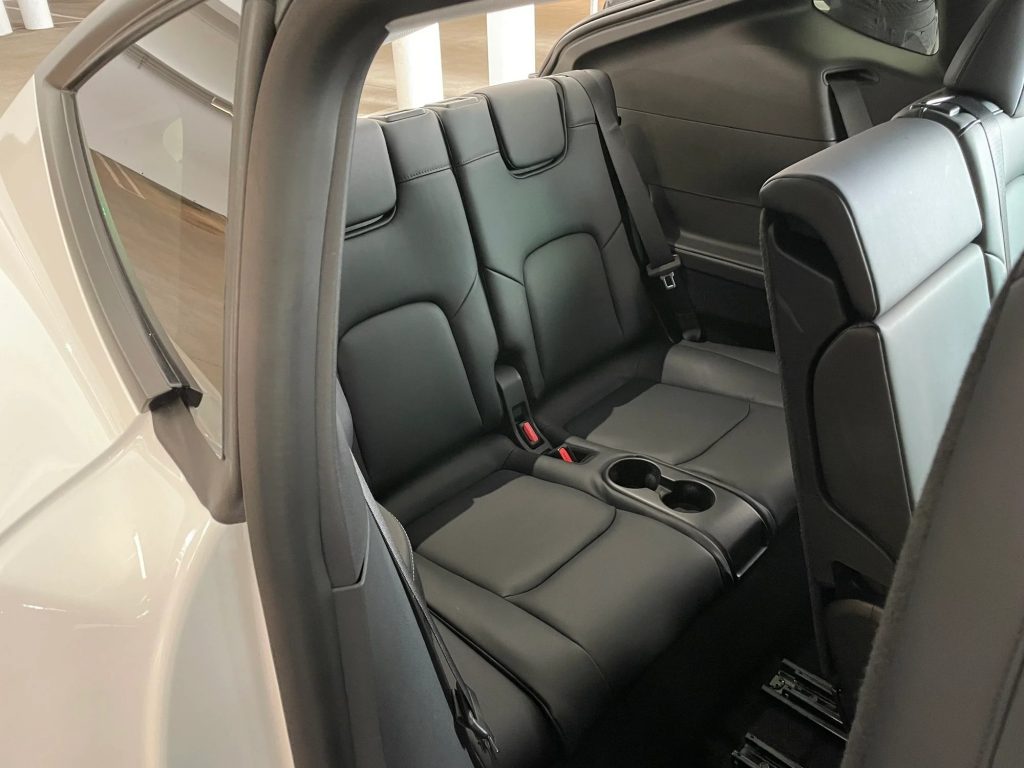
Legroom-wise, the third-row seats of the Model Y are pretty cramped, though they get more spacious when the second-row seats are pushed forward. Unfortunately, this results in the Model Y’s second-row passengers losing a significant amount of legroom. Overall, the all-electric crossover, much like other seven-seaters in the market, has the capability to transport seven people, but this does not mean to say that everyone would be very comfortable space-wise. Such a feat would be better suited for the more premium Model X.
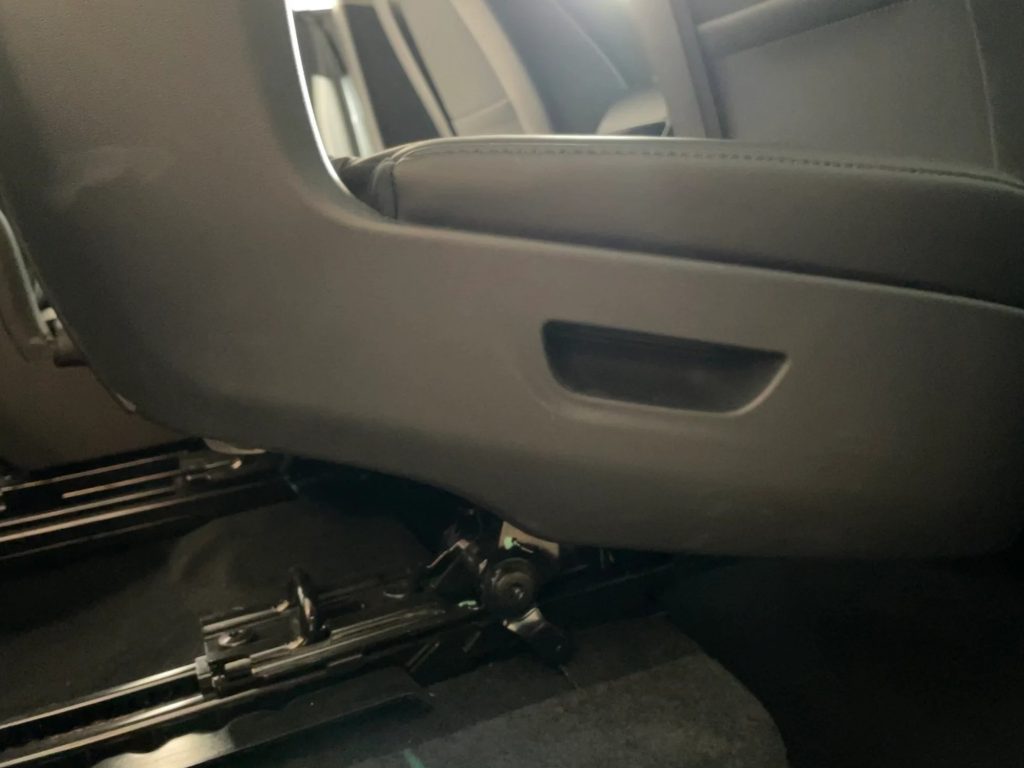
The EV advocate added that the third-row seats of the Model Y do not have climate control vents. Climate control for the third row is possible through the first and second-row vents. With this in mind, it would be best for Model Y owners who are driving with seven passengers to ensure that their vehicle is pre-heated or cooled before a trip. The company also advises drivers to turn off the vehicle’s recirculate air option when transporting seven passengers, improving airflow to the third row.
The Model Y’s seven-seater option is only available for the Model Y Long Range Dual Motor AWD and the Standard Range variant. The Model Y Performance is only available as a five-seater, at least for now. The seven-seat configuration is currently available as a $3,000 option for the all-electric crossover.
The TMC member’s full insights on the Model Y’s third row seats could be accessed here.
Don’t hesitate to contact us for news tips. Just send a message to tips@teslarati.com to give us a heads up.




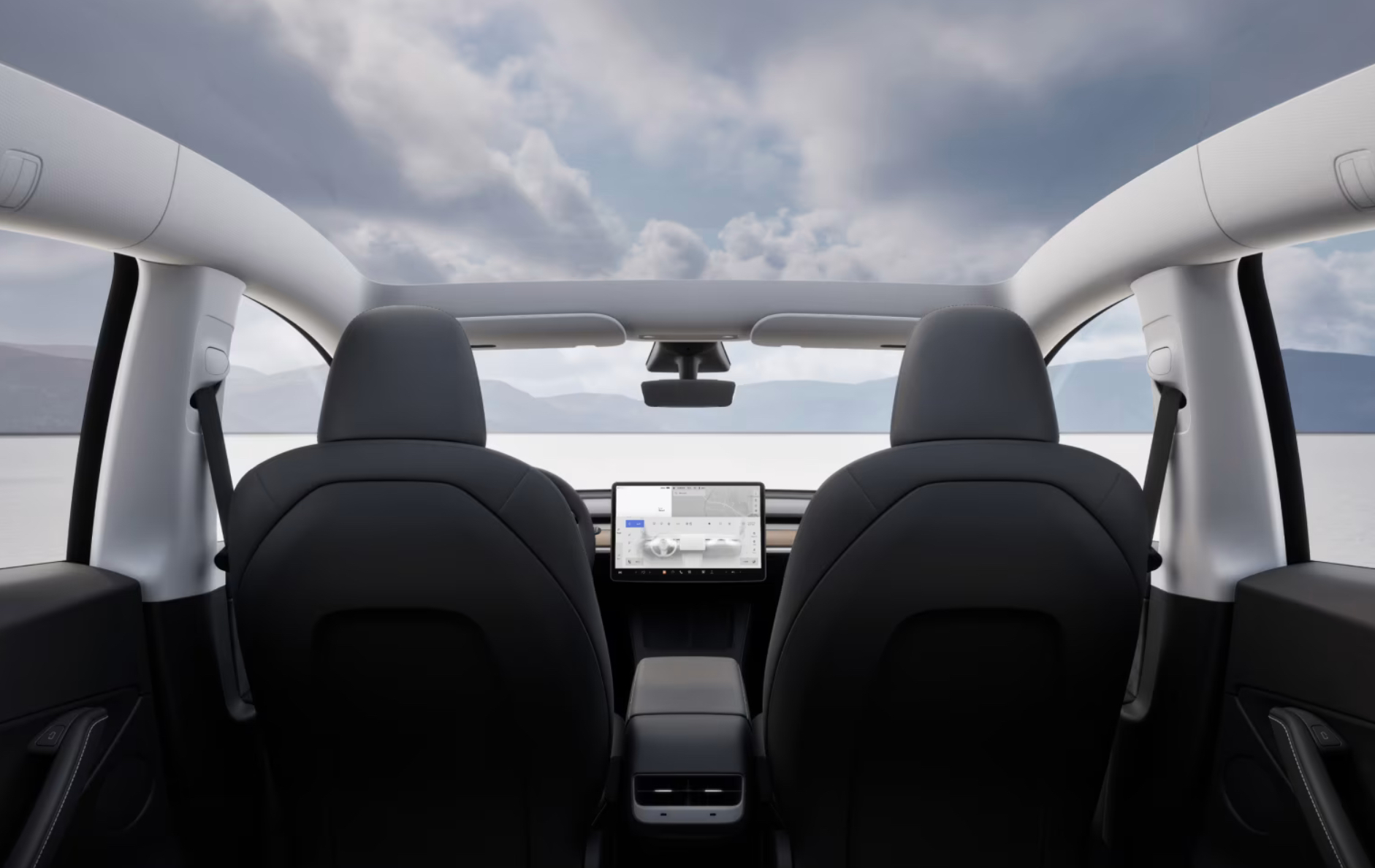
Tesla has started to deploy the 2026 Summer Update to owners across its fleet, and among the biggest changes are improvements to Navigation, a new startup animation for the Model 3 and Model Y, Caraoke scoring, and new capabilities for Grok.
As the update has started making its way to some cars, we can now see a few of the features operating in real-time. We will show you what some of the new features look like in this article, along with some additional details on what changed.
Not all of the new features in the 2026 Summer Update have quite made an appearance, but some of them have, so we’ll show those here:
New Animation Screen for 3/Y
Tesla is rolling out a new startup animation for Tesla Model 3 and Model Y owners. This is present in Launch Edition and Performance Model 3 and Model Y, but other trim levels do not have anything like this.
The new animation screen on Model 3/Y with the 2026 Summer Update
Apparently color will also be customizable: pic.twitter.com/wSdwggtG3S
— TESLARATI (@Teslarati) July 27, 2026
Owners can adjust the color associated with the startup animation to suit their preferences. It is a surprise that more automakers do not focus on this animation for their vehicles; it can be a great first impression piece and make the car immediately feel more luxurious.
Tesla has included this on more premium trims, but it is nice to see it on the Model 3 and Model Y.
Grok Improvements
Grok can now adjust more things in the car outside of the Navigation system. Now, drivers can adjust anything from climate to driving settings by simply speaking to the AI assistant in the car:
@Tesla‘s AI assistant (Grok) with its new vehicle commands in action.
Set the climate, your destination and vehicle settings all in one go! pic.twitter.com/0bBTqaAk6G
— Not a Tesla App (@NotATeslaApp) July 28, 2026
You don’t even have to push a button, either. Instead, you can just say “Hey, Grok,” if you have it enabled. That feature rolled out with the 2026 Spring Update just a few months back.
This is a great feature, especially pertinent for the Robotaxi platform, as there will be no buttons inside the Cybercab when it eventually starts giving rides to the public. It also broadens Grok’s capabilities, which were relatively limited in terms of vehicle setting adjustments beforehand.
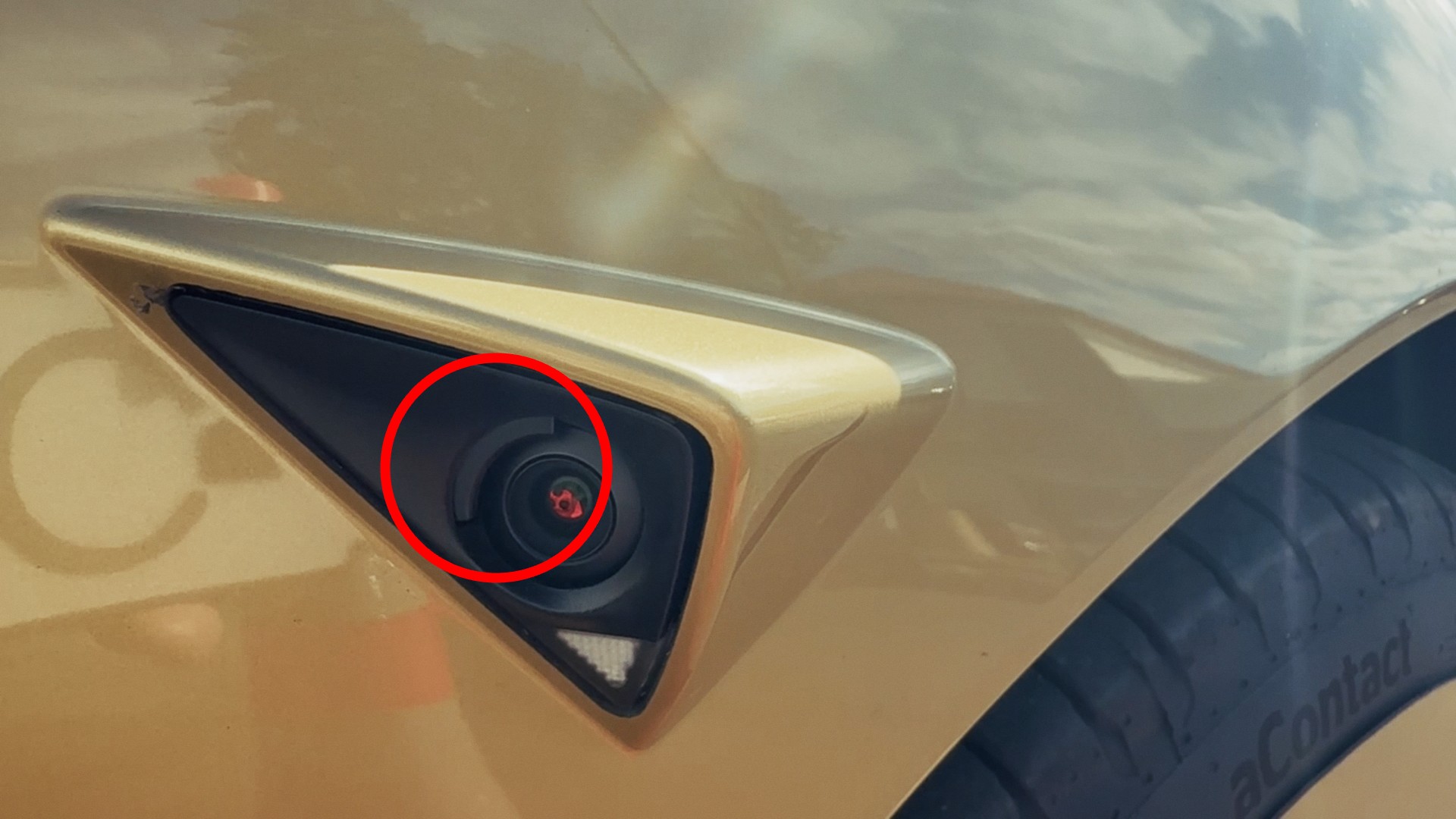
Tesla briefly offered one Robotaxi part in its Parts Catalog for your personal car, only to remove it just a short time after it was first noticed.
Tesla’s Robotaxi camera washer apparatus was briefly available for purchase on the company’s Online Parts Catalog. The camera washer was first noticed on Model Y Robotaxi vehicles about six months ago in Austin.
🚨 Tesla looks to have installed Camera Washers on the side repeater cameras on Robotaxis in Austin
pic.twitter.com/xemRtDtlRR— TESLARATI (@Teslarati) January 23, 2026
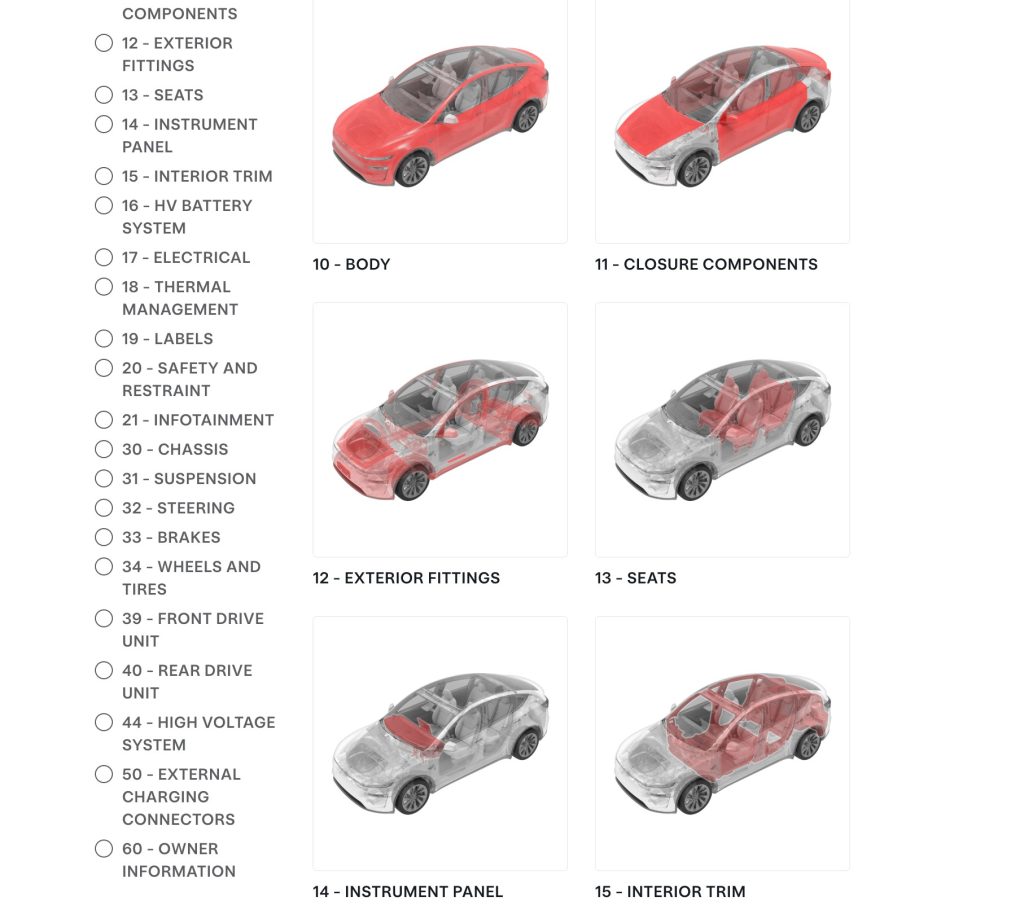
First noticed by Not a Tesla App, the Camera Washer entries appeared for the new “Juniper” Model Y under a category called “Halo,” which has also now disappeared. Interestingly, Halo probably is related to Tesla’s internal “Project Halo,” which was a project that aimed to retrofit customer-owned Model Ys into functional Robotaxis.
This hardware addition would likely be required for the vehicle to operate as a Robotaxi, as the Camera Washer seems to be a non-negotiable part of the vision-based system Tesla utilizes for self-driving efforts.
However, this part has since been removed and is no longer visible on the EPC.
Now the true question lingers: Why would Tesla add this Camera Washer to the Model Y parts catalog? Is it planning to make it available for owners to utilize on their own cars for personal use, or will it become a prerequisite for Robotaxi operation in customer-owned cars?
While discussing the upgrade options for Hardware 3 vehicles during the Q1 Earnings Call, Tesla CEO Elon Musk had said that the company could establish small, satellite shops that would upgrade cameras and self-driving computers. Perhaps this same strategy could be utilized for vehicles that want to be included in Robotaxi but do not have the correct hardware.
AI4 is currently represented as capable of unsupervised self-driving, and the same was said about HW3 at one point, only for Tesla to admit last quarter that it would, unfortunately, not be possible. Perhaps AI4 vehicles might need this camera washer as a prerequisite, just as HW3 cars will need that camera and computer upgrade.
This could be the first hint of that’s where we are headed.
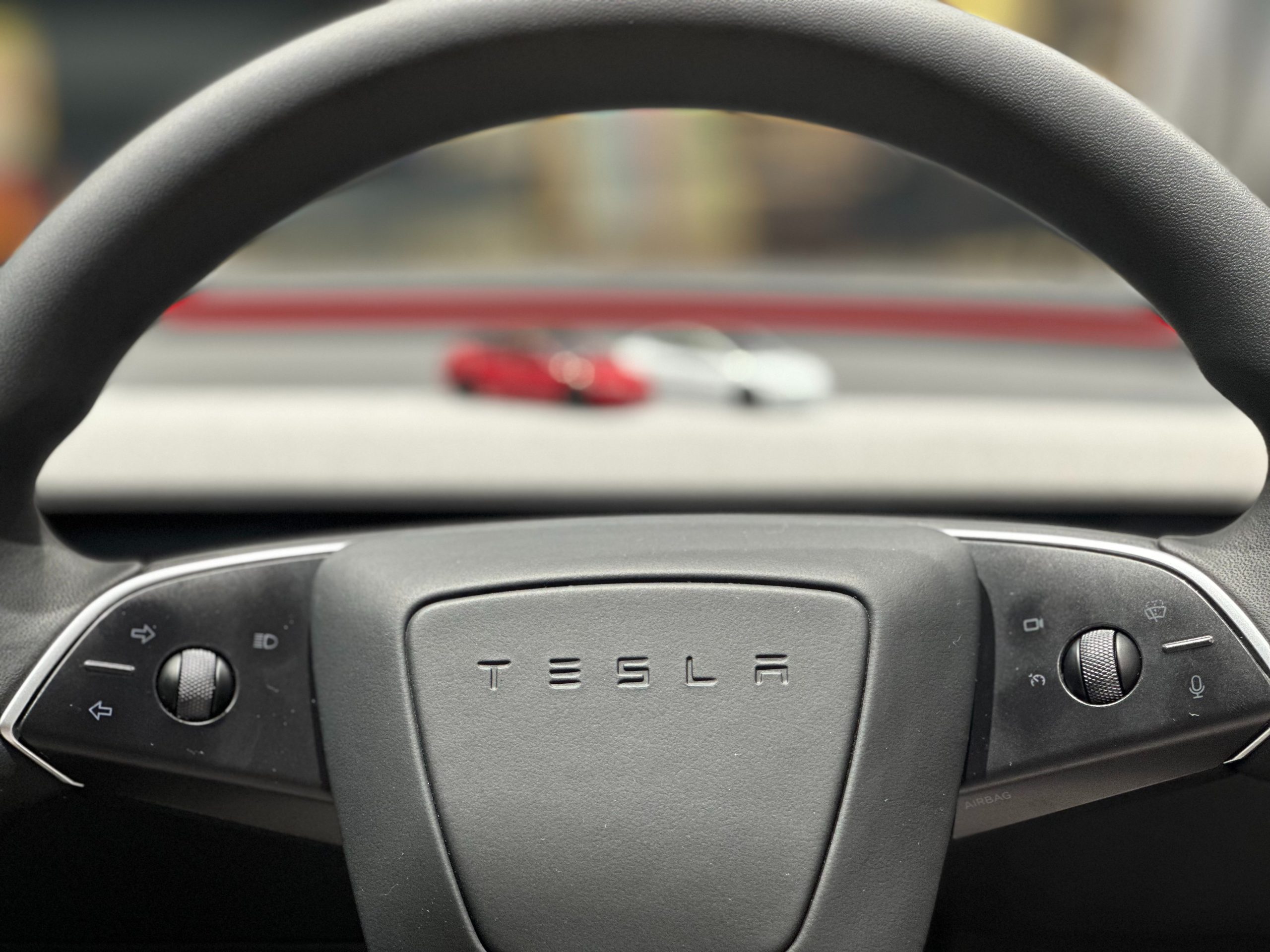
Tesla has started rolling out a broader change to the ride experience for its Robotaxi fleet by silencing turn signals, but the change is certainly polarizing.
Tesla has generally made it clear that its purpose-built ride-hailing platform, Robotaxi, will cater to the rider in nearly every way possible. This includes having climate preferences, music, and other personal settings loaded up in the car as the rider enters.
But Tesla is taking it a step further by muting turn signal chimes altogether, a change that appears to be a way to make the ride more peaceful:
Tesla has finally turned off the blinker/turn signal noises in their Model Y Robotaxis.
This is a small update, but will definitely be noticeable for riders. It didn’t really make much sense to leave the turn signal sound on when it’s Unsupervised. pic.twitter.com/ITwx60PAMO
— Sawyer Merritt (@SawyerMerritt) July 27, 2026
However, there are a handful of people who are not thrilled about this change. Turn signals are a conditioned part of the human mind for those who ride in a car regularly.
Taking a turn without one feels strange and odd, and not hearing it click while activated could set off some alarms for riders, who might use the noise as confirmation that other drivers know of their intention to turn.
I kind of like it being on, threw me off when riding with Zoox who has had it disabled
— Dan Burkland (@DBurkland) July 27, 2026
Turn signal noises are still audible in customer cars, so if you use FSD in your personal vehicle, you will still hear the turn signal.
The move is certainly one that is unique, but not one that separates it from other ride-sharing services. In a normal car, the clicking sound confirms to the driver that the blinker is active. In a fully driverless Robotaxi, that feedback serves no purpose for passengers, other than peace of mind.

Tesla Summer Update begins rolling out: a look at the new features

Tesla briefly offered this Robotaxi part for your personal car


