News
SpaceX rolls Inspiration4 Falcon 9 rocket to the pad for historic launch

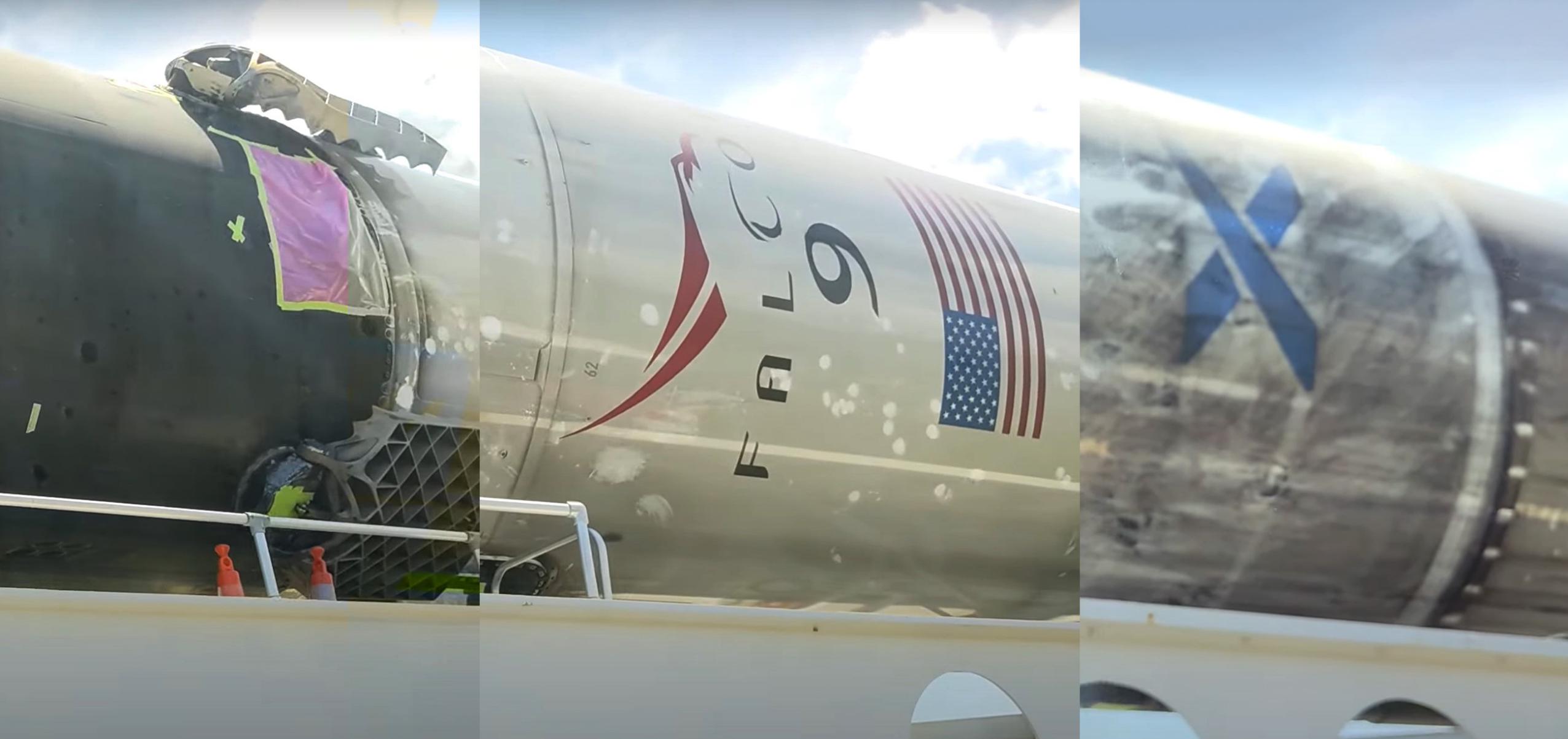
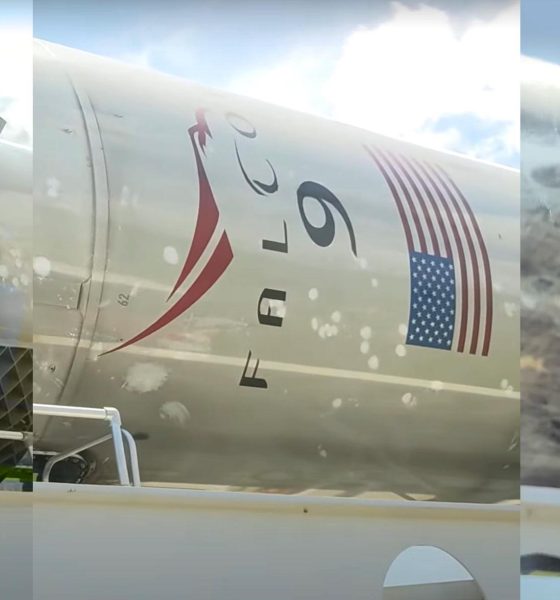
SpaceX has rolled the Falcon 9 rocket that will launch the historic Inspiration4 private astronaut mission to its NASA Kennedy Space Center (KSC) launch facilities.
Part of a vistor’s center bus tour of the NASA center, Reddit and YouTube user whiterice98 caught the SpaceX rocket in motion as it was transported from a brand new processing facility to historic Launch Complex 39A (LC-39A) – better known as Pad 39A. The same site that supported the inaugural launch of Saturn V and the Space Shuttle and every single crewed mission to the Moon, Pad 39A’s next mission doesn’t carry quite the same gravity but will still be a milestone in the history of spaceflight.
Scheduled to launch no earlier than 8pm EDT on September 14th (00:00 UTC 15 Sept), Inspiration4 will be the first mission in history to send a crew of solely private astronauts into orbit. While only possible thanks to the patronage and resources of billionaire and mission commander Jared Isaacman, the hope is that Inspiration4 will mark the start of a new age of spaceflight – one where virtually anyone can feasibly dream of reaching orbit and experiencing Earth from hundreds of miles above.
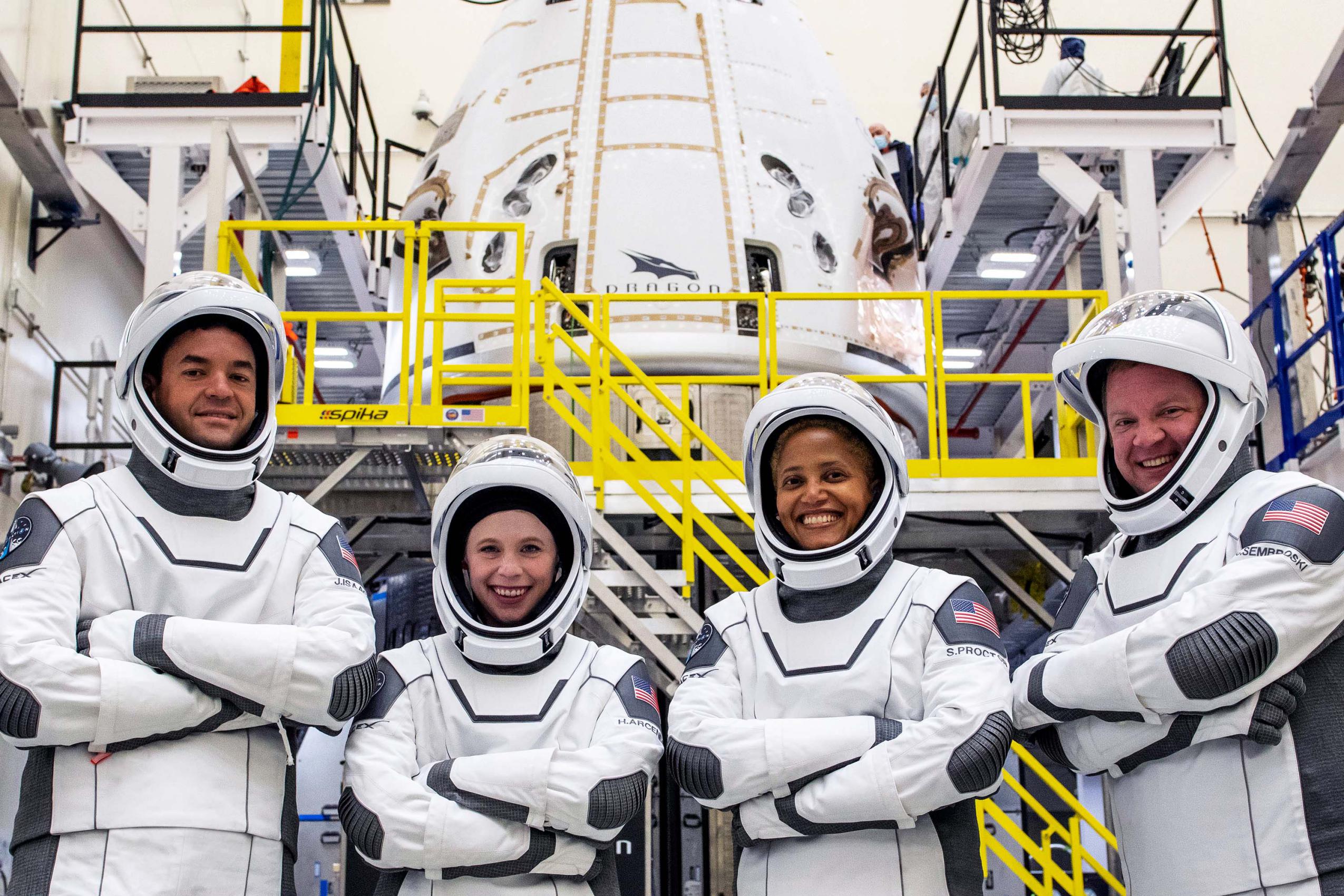
Along for the ride with Isaacman will be Ph.D. geologist and science communicator Sian Proctor, engineer Christopher Sembroski (standing in for a friend), and physician’s assistant and childhood cancer survivor Hayley Arceneaux. Isaacman is a long-time private pilot with substantial flight experience but none of the four have any prior experience with spaceflight and will have a few months of training at most when they lift off together later this month. While Isaacman’s success as a businessman and founder is the sole enabler behind Inspiration4, it’s likely that none of the three passengers he chose would have ever had the resources or wherewithal to reach orbit (or even a minute or two of “space” with Virgin Galactic or Blue Origin) on their own.
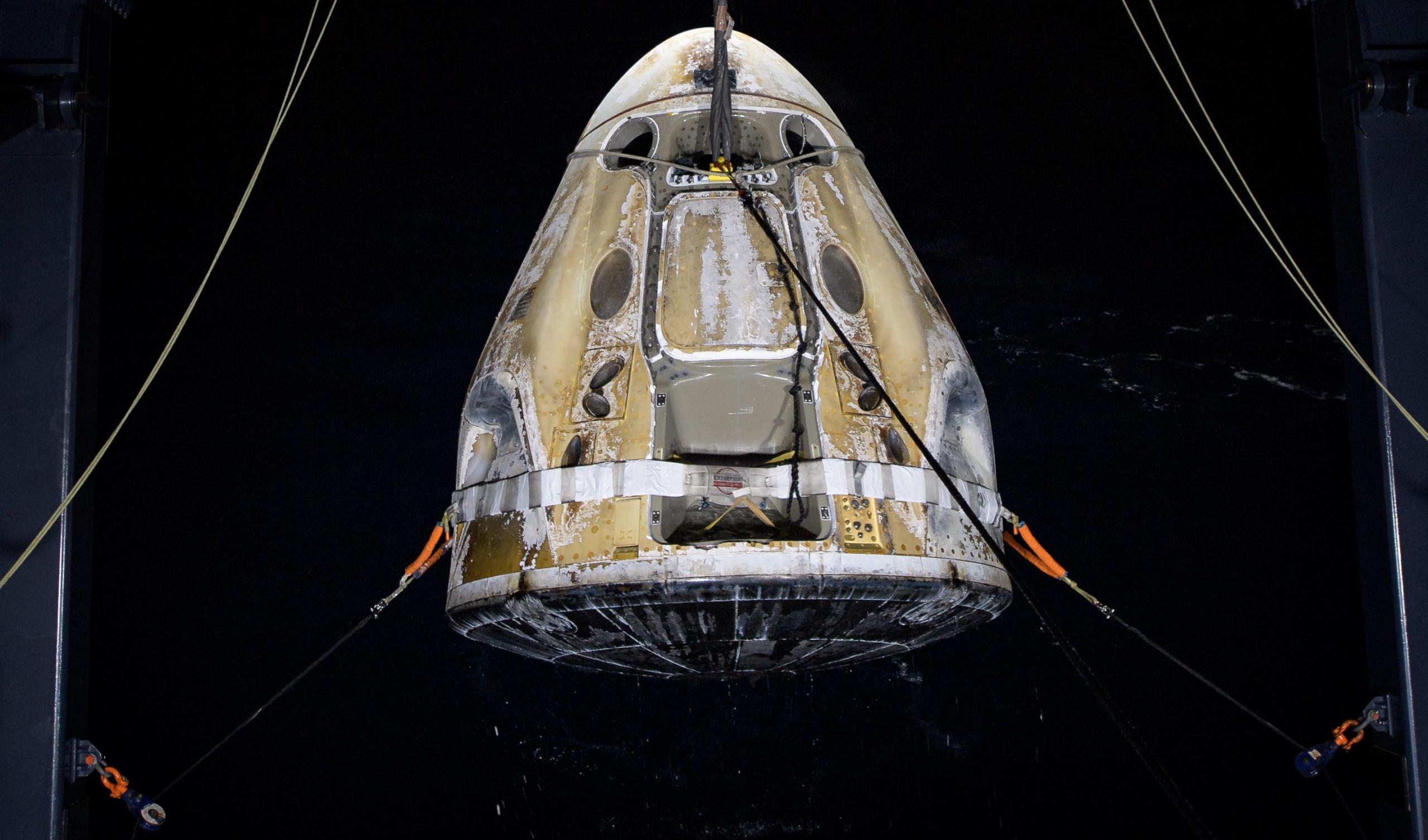
Save for teacher Christina McAuliffe’s doomed 1986 mission aboard the Space Shuttle, one that never reached space or orbit, Inspiration4 will arguably be unique and inspiring for that alone. Set to fly on a twice-flown Falcon 9 booster and in a once-flown Crew Dragon capsule, SpaceX’s first fully private astronaut launch will also be reaping the fruits of the company’s decade-long pursuit of reusability.
Unlike the Shuttle, which was largely designed by politicians and committees and engineered retroactively, SpaceX has always been working on rocket and spacecraft reusability with the intention of actually making the practice more efficient and affordable than the expendable alternative. Over the course of the program’s history, Shuttle ultimately proved to be a dramatic downgrade from the highly successful Saturn V rocket NASA killed to fund it while still being less reliable, about as expensive, and several times deadlier.
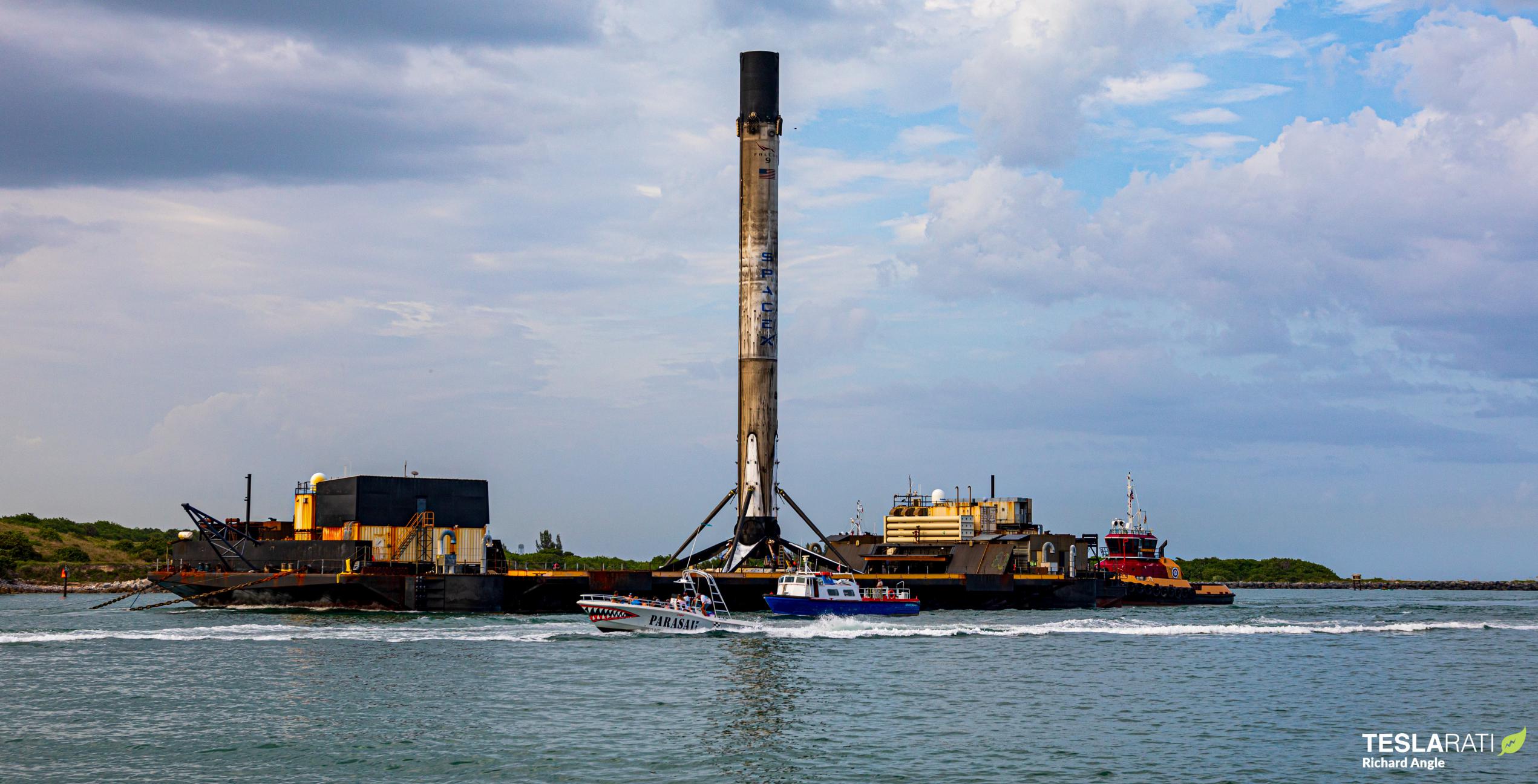
With a little luck and far more skill, expertise, and hindsight, Inspiration4 will hopefully prove that Falcon 9 and Crew Dragon are what the Space Shuttle never could be – the key to orbit for professional and civilian astronauts alike.



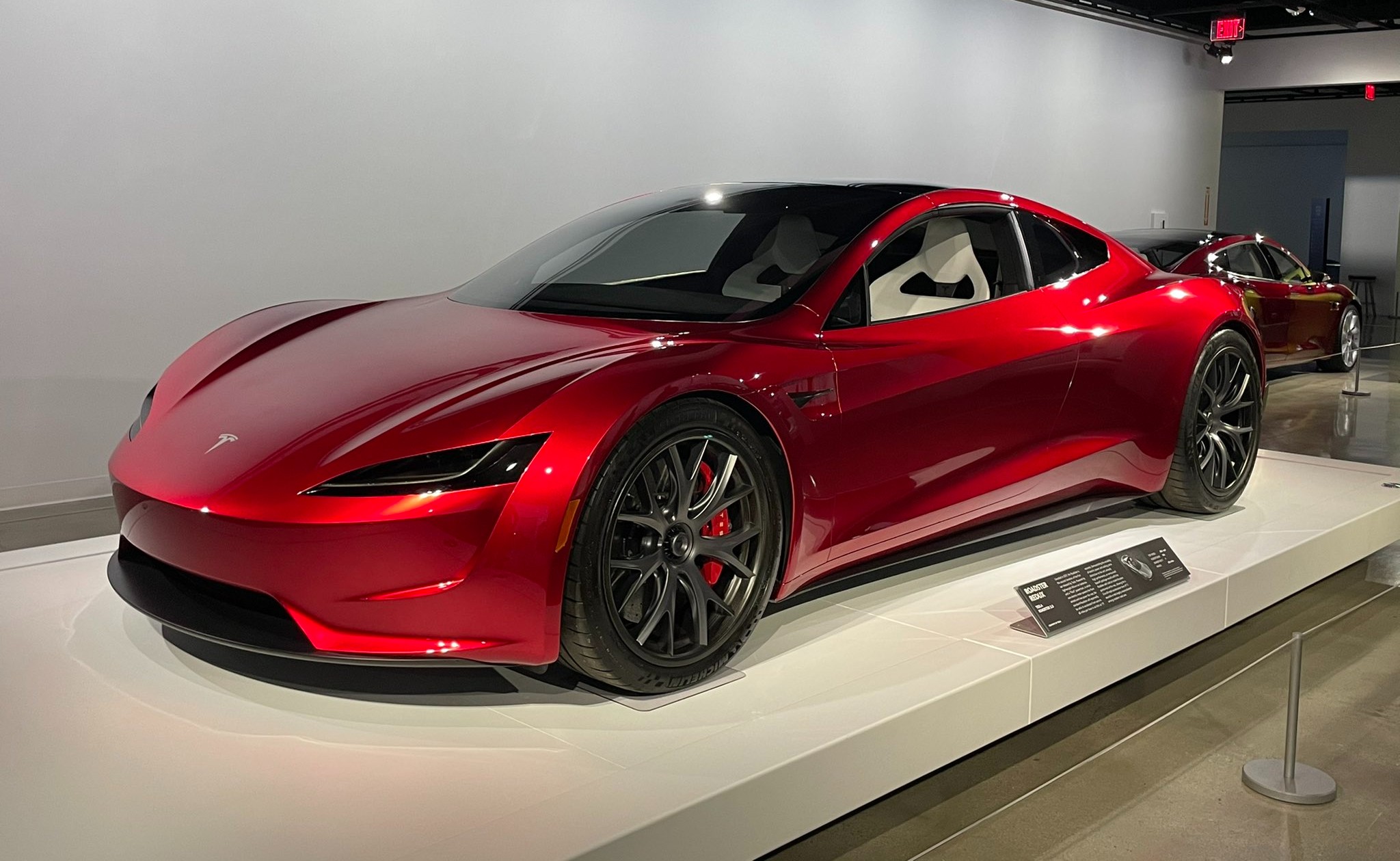
The Federal Aviation Administration (FAA) has established a Temporary Flight Restriction over SpaceX’s McGregor, Texas, rocket development and test facility, a move widely viewed as preparation for Tesla’s October 1 Roadster reveal. The restriction took effect September 18 and runs through October 2.
NOTAM FDC 6/3825 covers a 1.5-nautical-mile radius around the site near Waco and extends from the surface to 10,000 feet above ground level. The FAA cited hazards under 14 CFR 91.137(a)(3) and barred aircraft and drones from the zone. Tesla’s invitation to reservation holders already placed the event in Waco, about 20 minutes from McGregor, making the timing and location more than coincidental.
A TFR has appeared around SpaceX’s McGregor Testing Site up to 10,000ft and runs through until the 2nd of October 👀 pic.twitter.com/rcZ4p4JkLm
— Niall Anderson (@INiallAnderson) September 18, 2026
What stands out is the altitude. Typical recent TFRs at McGregor for engine static fires and component tests have used far lower ceilings, often around 2,000 feet. Raising the limit to 10,000 feet is unusually high even compared with some Starbase restrictions and signals operations that go beyond a standard ground-level engine test.
That extra airspace has fueled speculation about the long-promised SpaceX Package for the Roadster. Elon Musk has described cold-gas thrusters that could deliver sub-one-second 0-60 times and, more dramatically, brief lift-off. Reports earlier this year indicated Tesla planned a remote-controlled demonstration at McGregor in which the car would leave the ground with no one inside; spectators kept hundreds of yards away because of the noise.
The 10,000-foot envelope would give operators a large safety buffer even if the vehicle only hovers a short distance.
Tesla has not confirmed a flight demo. The company has only used the phrase “Go for launch” and posted a teaser image of the car on what looks like a launch pad. The TFR itself mentions only hazards. Still, closing airspace this high and this close to the reveal date strongly suggests the event will include more than a static display.
Whether the Roadster actually hovers on October 1 remains to be seen. What is certain is that the FAA has cleared a large vertical slice of Texas sky for whatever Tesla and SpaceX intend to show. Reservation holders heading to Waco will be among the first to find out if the car can do more than drive.
Elon Musk
Elon Musk drops a surprise update on Boring Company’s next big dig
Musk says Boring Company could shrink the Austin to San Antonio drive to just minutes.

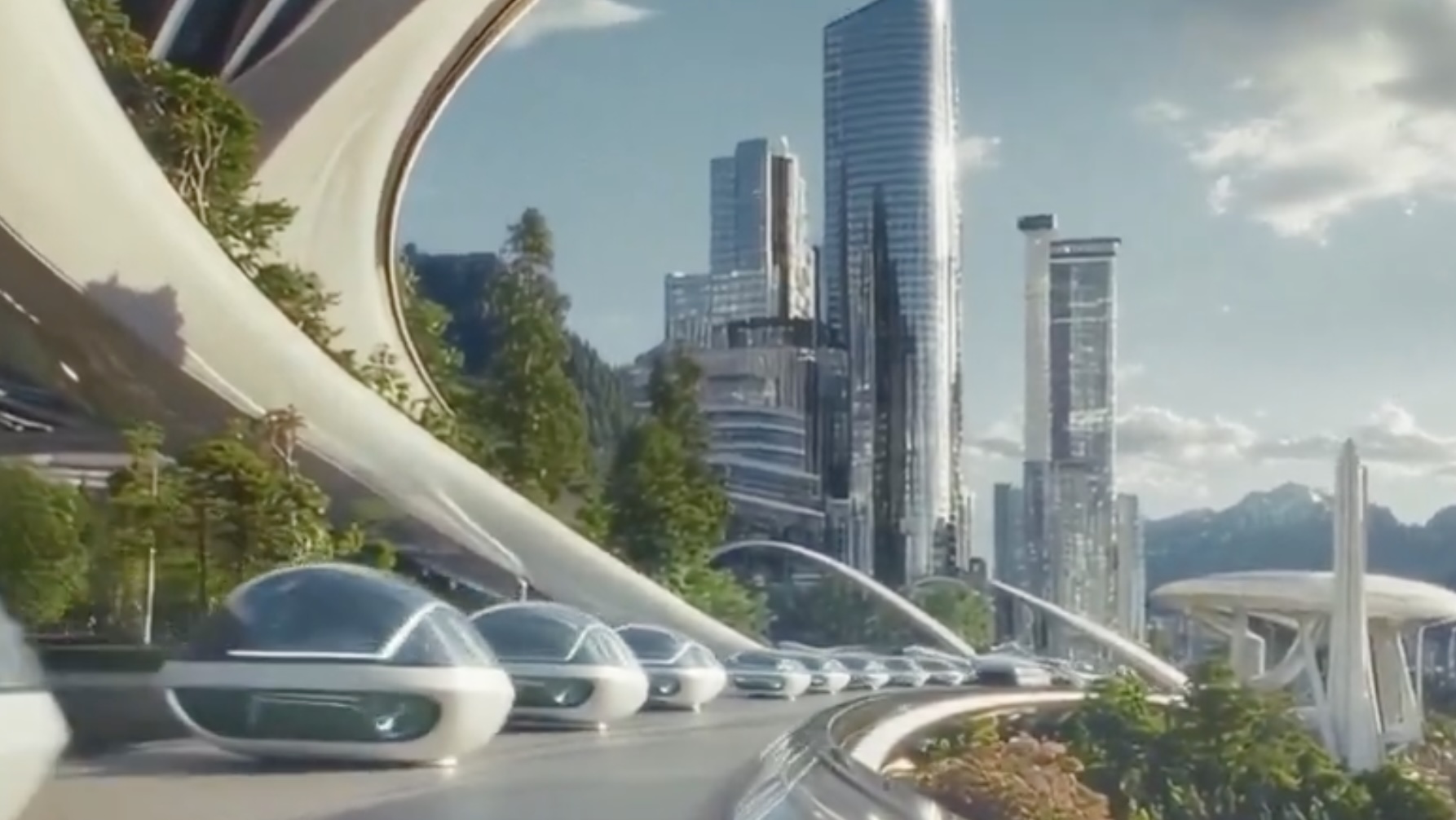
Elon Musk says The Boring Company is working on what he called “a simple, precursor Hyperloop” tunnel connecting Austin and San Antonio, targeting speeds above 200 mph and cutting a drive that can take up to two and a half hours down to a consistent under 30 minutes. Musk posted the idea on X Sunday, in a reply to a repost of an AI generated video imagining a science fiction future with human colonies on other worlds, which he shared with the line “This is the future we shall bring into being.”
This is the future we shall bring into being pic.twitter.com/8aD0w8MDVc
— Elon Musk (@elonmusk) September 20, 2026
The Boring Company’s own account picked up the idea in the same thread, adding a detail about how the trip would actually work: “Because Loop/Hyperloop is express (i.e. no intermediate stops), one could travel from an Austin parking lot to a favorite San Antonio restaurant in about 30 minutes. As long as they both have Loop stations.” That framing ties the proposed intercity link to the same station model the company already runs in Las Vegas, where riders enter the tunnel network through small, garage style stops rather than one central terminal.
This is not the company’s first run at the Austin to San Antonio corridor. Boring Company floated tunnels between the two cities as far back as 2021, and later competed for a separate San Antonio Loop project tied to the airport before that specific bid stalled. Pitches for tunnels in Chicago, Los Angeles, and a New York to Washington corridor have followed a similar pattern of big announcement without a shovel in the ground.
What is different this time is the balance sheet, especially since The Boring Company closed a 3 billion dollar funding round led by investors in the United Arab Emirates earlier this month at a valuation near 23 billion dollars, giving the tunneling company more capital to chase speculative projects than it had during its earlier Texas pitches. The company is also mid-build on two other intercity systems it has actually broken ground on, inc;luding a Nashville tunnel linking downtown to the airport, where a second boring machine finished commissioning in June, and its Las Vegas network, where the station count keeps climbing on paper faster than tunnels get dug.
That gap between announcement and execution is the reason to treat Sunday’s post as an opening bid rather than a project. A tunnel spanning roughly 80 miles between two metro areas, running at speeds Boring Company has not demonstrated over any real distance, would dwarf anything the company has built. For now, the Austin to San Antonio Hyperloop exists as a caption under an AI generated space video.
Elon Musk
Tesla eyes supply partners for Optimus mass production
Tesla certified three Chinese suppliers for Optimus mass production, signaling its robot timeline is accelerating.
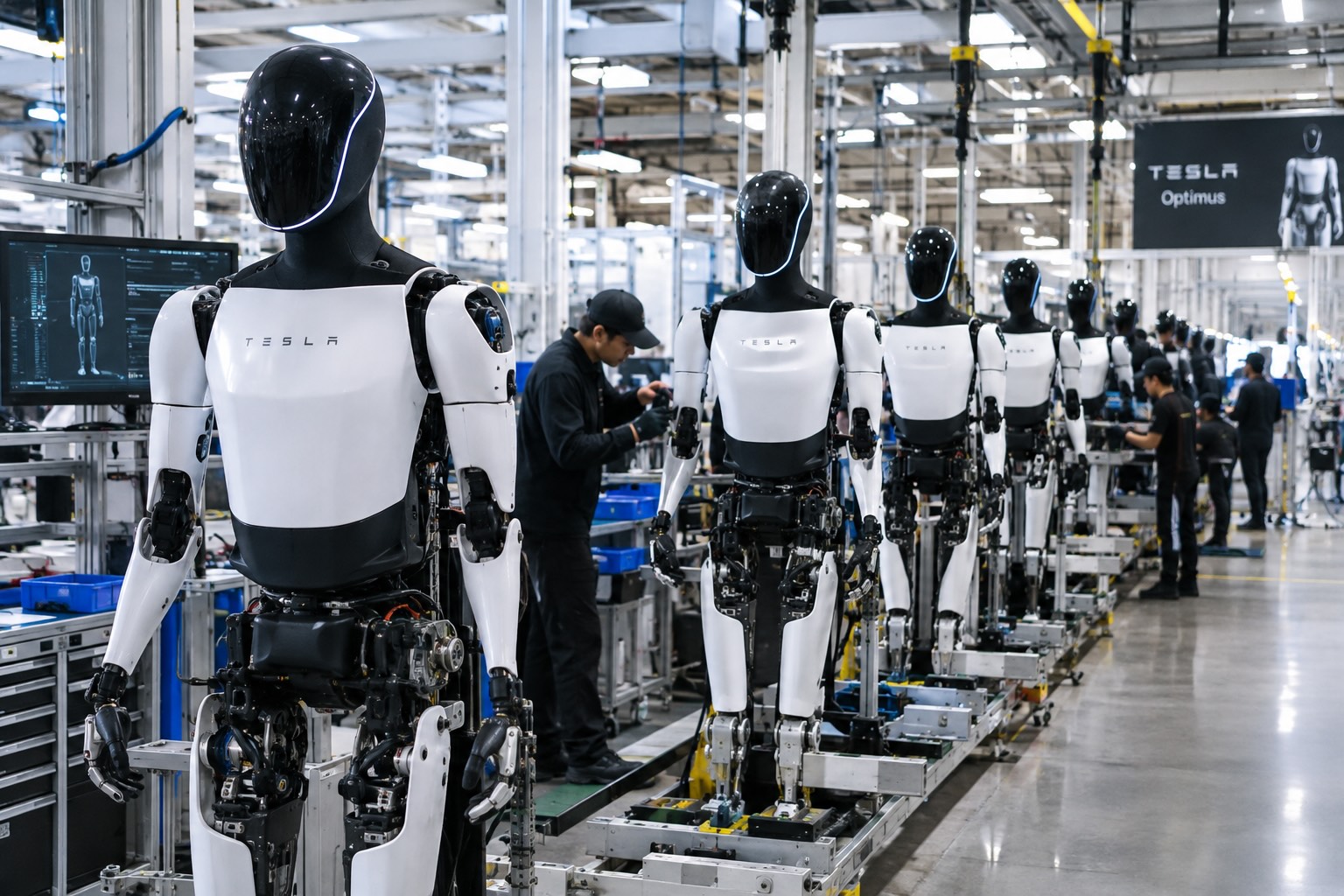
Tesla’s robotics team traveled to Ningbo, in China’s Zhejiang province, on September 16 and spent the following day auditing component suppliers for Optimus, according to a Bloomberg report cited by RobotAIGeek. The visit moved three manufacturers from provisional status to certified mass production partners: Tuopu Group, which handles actuators and chassis components, Ningbo Joyson Electronic, a sensor supplier, and Zhejiang Sanhua Intelligent Controls, which builds thermal management systems. All three already supply parts to Tesla’s electric vehicles, and the audit reportedly came with fresh orders that supply chain reports put at an initial batch of roughly 5,000 units.
Tuopu, Joyson, and Sanhua built their manufacturing base serving the automotive industry, where tolerances and volume requirements are already close to what a mass produced humanoid robot demands. Sanhua in particular has history here. Teslarati reported last October that the company had received a roughly $685 million order for linear actuators tied to Optimus, a volume industry watchers estimated could cover around 180,000 robots once production ramped.
Supply chain reports tied to this week’s audit put Tesla’s near term production goal at about 1,000 Optimus units a week by late September, rising to 2,000 to 2,500 units a week by the end of the year. That pace would put real weight behind the timeline Tesla has been building toward since May, when it wound down Model S and Model X production at Fremont to convert that floor space into a dedicated Optimus line targeting one million units annually. JPMorgan analysts who toured the factory in August confirmed the conversion took roughly four months, a pace Musk has called unprecedented for a facility that size.
New drone video shows Tesla’s Optimus Factory reaching a turning point
Fremont is only the first phase. A second, larger Optimus plant is rising at Gigafactory Texas, where drone footage shared by Joe Tegtmeyer last week showed the structural steel nearing completion on the north end of the building. Tesla has said that facility is meant to eventually support production of up to 10 million units a year, though volume output there is not expected before 2027.
Commercial sales of Optimus are still targeted for the second half of 2027, but production is expected to start well before then. JPMorgan analyst Rajat Gupta has said Tesla’s “Optimus Academy” program, which uses early units to collect real world training data inside Tesla’s own facilities, is expected to be running later this year. Bloomberg Intelligence analyst Ian Ma described the Ningbo audits as “a positive commercialization signal for China’s humanoid supply chain,” noting that sentiment could improve further if the visit leads to confirmed supplier nominations and larger orders. The Solactive China Humanoid Robotics Index rose about 1.4% on the news, though it remains down roughly 30% for the year.

Tesla Roadster event requires restricted airspace, and the FAA obliges

Elon Musk drops a surprise update on Boring Company’s next big dig


