News
10,000 Toyota drivers sign petition urging company to commit to EVs: ‘Put our future before your profits’

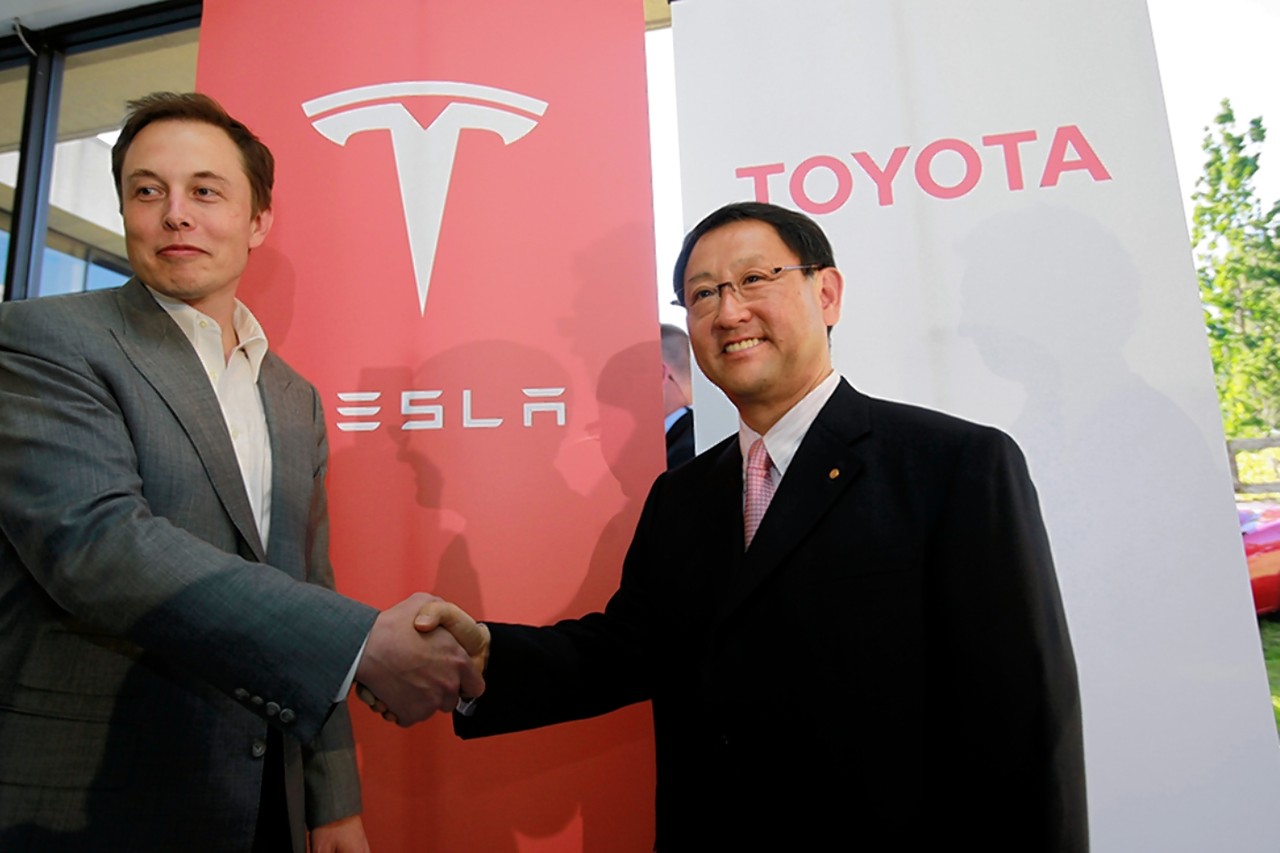
Over 10,000 Toyota drivers have signed a petition with over 110,000 signatures urging the Japanese car maker to embrace electrification efforts and stop “lobbying to prevent electric vehicle mandates and clean air laws.”
10,500 of the 110,000 signatures come from current Toyota customers who are displeased with the company’s lack of commitment to developing sustainable powertrains. Toyota, which pushed against mandates for zero-emissions guidelines by 2035 in the past, committed to a 100 CO2 reduction in Europe by 2035. However, InfluenceMap analysts have stated Toyota is working harder than any other automotive company to stagnate progress on electric vehicles. It plans for only 14 percent of its total production to be electrified by the end of the decade. Toyota would miss its commitments to the Paris Agreement.
In November, InfluenceMap listed Toyota as the third-most negative and influential company against climate policies, following only ExxonMobil and Chevron. A month later, Toyota announced its plans to transition a minimum of 50 percent of its vehicles in Western Europe to zero-emissions by 2030:
“Moving beyond 2030, we expect to see further ZEV demand acceleration, and Toyota will be ready to achieve 100% CO2 reduction in all new vehicles by 2035 in Western Europe, assuming that sufficient electric charging and hydrogen refueling infrastructures are in place by then, together with the renewable energy capacity increases that will be required.” – Matt Harrison, President & CEO Toyota Motor Europe.
It is not up for much debate whether Toyota was committed to EVs a year ago because their plans simply did not include a dedicated lineup of sustainable vehicles. Instead, Toyota focused on hydrogen fuel cell powertrains.
Despite Toyota making changes to its EV plans and even unveiling the new bZ4X in mid-April, owners are still not wholly convinced of the company’s commitments and are urging the automaker to take a more serious tone when it comes to electrified options.
Toyota officially launches the bZ4X, its first full EV in nearly a decade
On a petition titled “Toyota is Fueling the Climate Crisis,” 110,044 people have signed as a recognition of their discontent with the company’s EV commitments. InfluenceMap’s latest review still has Toyota as the top carmaker lobbying against ambitious climate and clean air laws.
“Laggard automakers, such as Toyota (D) and Nissan (D+), which are forecast to have the lowest percentage of zero-emissions fleet-wide vehicle production in 2029 (14% and 22% respectively), also have the most negative climate policy engagement,” the report said.
Amongst the signees, comments regarding the company’s relatively lackluster plans have catalyzed a number of owners to consider axing the company altogether if it doesn’t make a more solidified commitment to sustainability. “We own a Prius and a Corolla and are loyal Toyota customers, however, we are disappointed and upset that Toyota is not supporting a zero-emissions target in the EU,” one person who signed the petition said. “Please put our future before your profits and support the EU emissions goals. Otherwise, many loyal customers like us will stop buying Toyotas and move to other brands that are more environmentally responsible.”
“I drive a Prius, and I am telling you to stop lobbying against extending our use of fossil fuels…You must realize you are ruining the future of our children. I will sell your car if you persist in this idiocy,” another comment said.
Toyota continues to put out EV production projections, which are lofty and, as the world’s largest car manufacturer, seem to be considerable. However, Toyota still maintains the fastest way to reduce CO2 emissions is through hybrid vehicles and not rapid electrification. Toyota has massive plans to expand to around 70 electrified models by 2025, but only 15 of these will be fully electric.
Seven of the fifteen will feature the bZ brand moniker. “his diverse portfolio of electrified products will help propel Toyota toward its goal of carbon neutrality by 2050,” the company said in April. “Globally, Toyota has put more than 20 million electrified models on the road – with a CO2 emissions reduction effect equivalent to the CO2 emissions reduction of over 5.5 million BEVs. Over the next nine years, Toyota will invest $70+ billion in electrified vehicles as a whole with the target to launch 3.5 million BEVs globally in 2030.”
I’d love to hear from you! If you have any comments, concerns, or questions, please email me at joey@teslarati.com. You can also reach me on Twitter @KlenderJoey, or if you have news tips, you can email us at tips@teslarati.com.


Elon Musk
SpaceX’s next Starship launch is about to attempt its biggest leap yet
SpaceX targets September 22 for Starship Flight 14, its first attempt to reach real orbit.

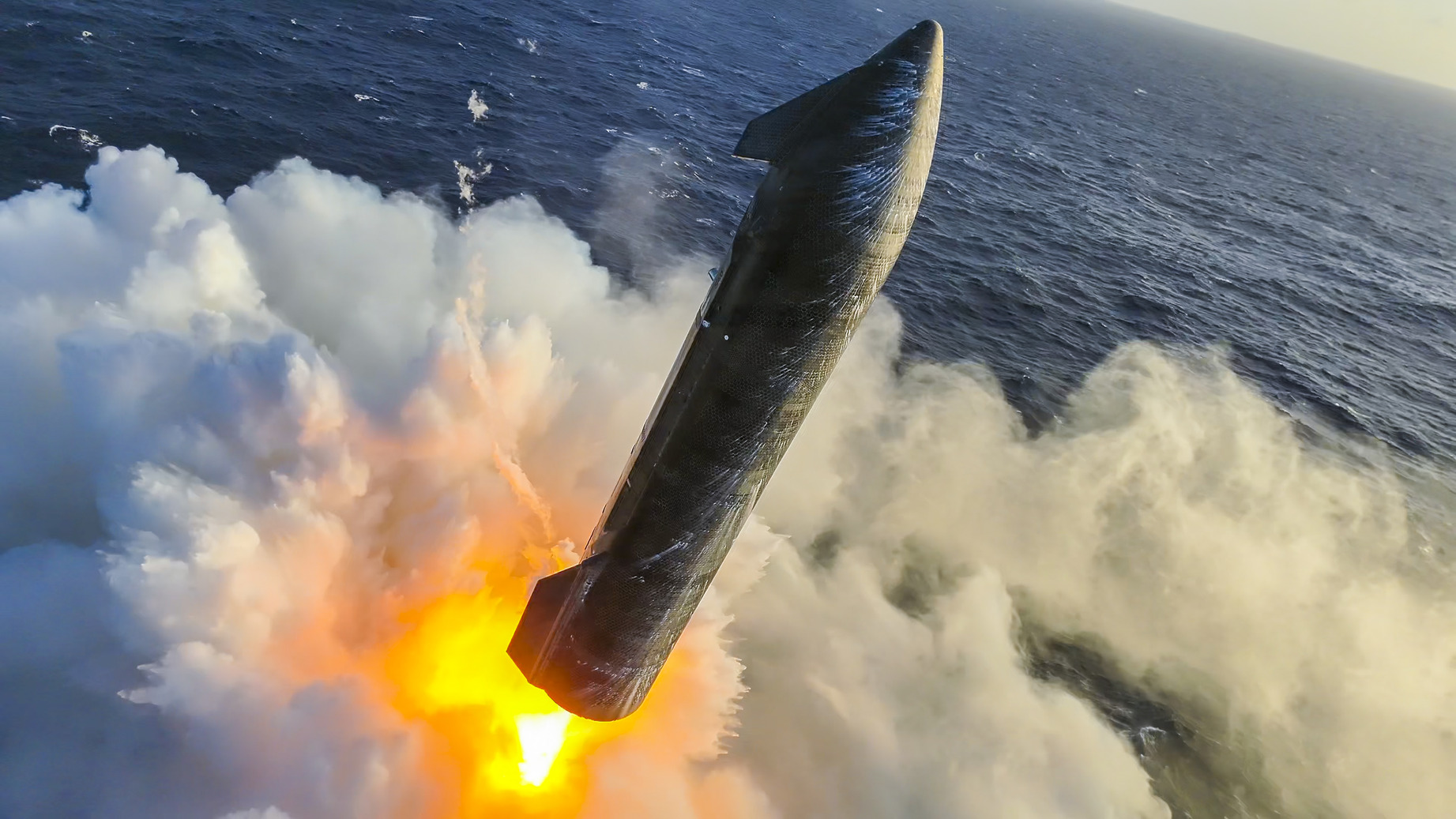
SpaceX has set September 22 as the target date for Starship’s 14th test flight, and this one carries a different goal than any of the 13 that came before it. Every previous Starship mission has intentionally flown a suborbital arc, reentering the atmosphere within the same hour it launched. Flight 14 is designed to send the craft into a genuine orbit around Earth for the first time.
The launch window opens at 7:15 a.m. Central time at Starbase in South Texas and runs for 75 minutes, pending regulatory approval, according to SpaceX’s mission description published Tuesday. If the flight goes as planned, Starship will circle the planet roughly six times at an altitude near 275 kilometers over about ten hours before a deorbit burn sends it toward a splashdown in the Pacific Ocean west of Chile, a departure from the Indian Ocean recoveries used on the last several flights.
The mission also marks the first attempt to put a working batch of Starlink V3 satellites into actual service. Flight 13 carried 20 of the new satellites in July, but because that mission never left a suborbital trajectory, the payload reentered along with the ship instead of separating into orbit.
SpaceX tells the FCC that Starship Flight 14 is going to orbit
Each V3 satellite is rated for roughly one terabit per second of downlink capacity, so a successful deployment on Flight 14 would be SpaceX’s largest single jump in network bandwidth since Starlink began flying on Falcon 9.
Flight 13 still did the heavier lifting on the technical side. That July mission flew a deliberately more stressful reentry profile to test Starship’s heat shield, and the ship survived its softest splashdown yet, intact enough for drone inspections shortly after landing. Elon Musk said the flight delivered “all the heat shield data we needed and then some,” a result Teslarati covered in detail when he later said SpaceX had solved the vehicle’s biggest reusability challenge. Flight 14 is where SpaceX starts spending that confidence on an actual orbital insertion rather than another controlled fall back to Earth.
One thing Flight 14 will not attempt is a tower catch of the ship. Musk floated the idea right after Flight 13, but walked the timeline back in August, saying a catch attempt was more likely “in a few months.” The Super Heavy booster will still aim for its own recovery, targeting an offshore landing point in the Gulf of America, the same approach used on recent flights.
September 22 is SpaceX’s own target, not a locked date. Starship’s schedule has slipped before over hardware readiness and FAA sign off, and the company has said as much in its own mission notes. But the plan itself represents the clearest marker yet that Starship is moving from a suborbital test program into something meant to carry paying payloads and, eventually, people.
Elon Musk
Elon Musk gives his most telling Tesla-SpaceX merger conversation yet
Elon Musk hinted a Tesla-SpaceX merger could be coming, and Wall Street is taking notice.
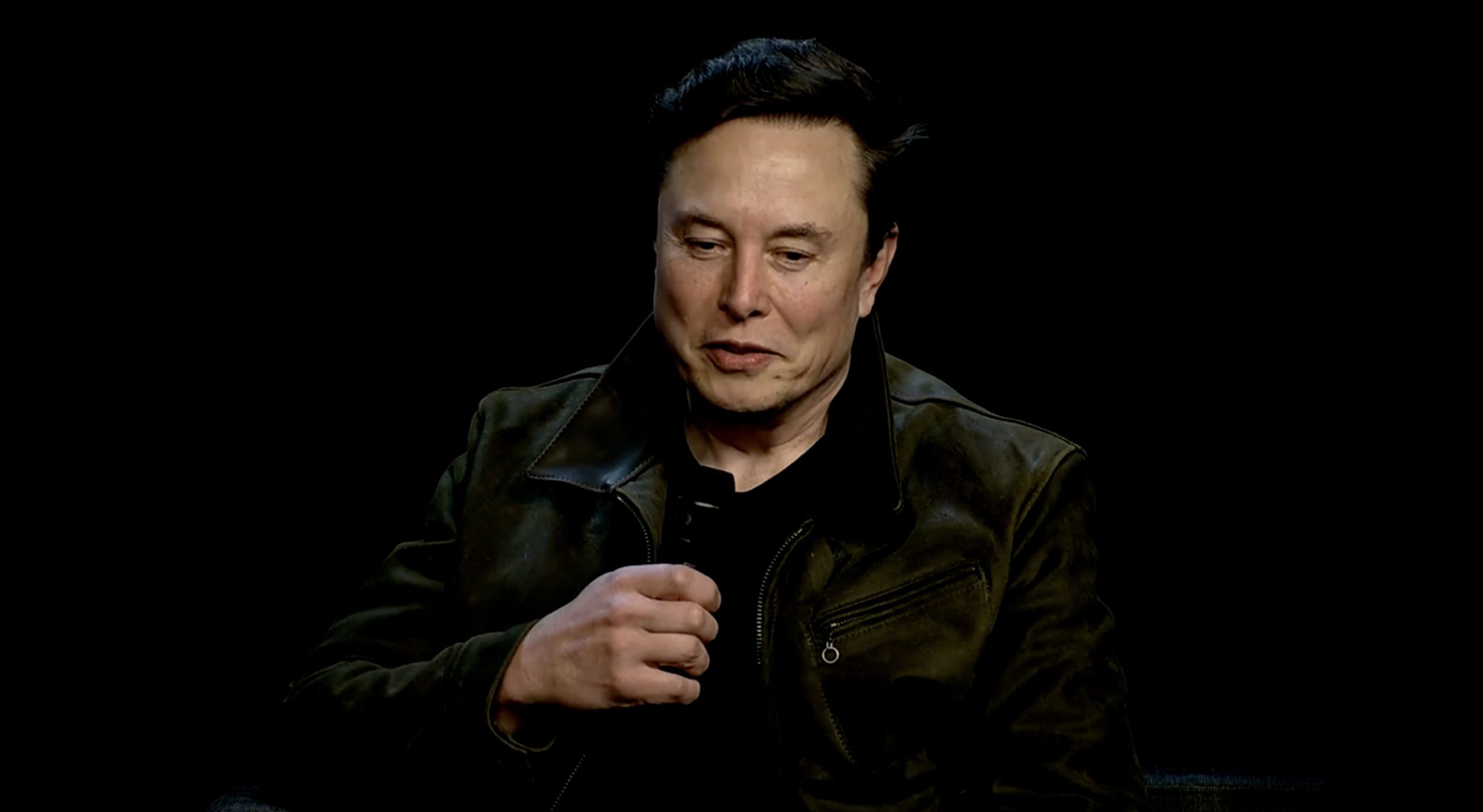
Elon Musk gave his clearest signal yet that Tesla and SpaceX could eventually combine, telling the All-In Summit in Los Angeles that the two companies’ deepening collaboration makes the question worth asking. Sawyer Merritt first surfaced the highlight on X Tuesday.
Asked directly why Tesla and SpaceX remain separate given how closely they already work together, Musk told hosts at the summit: “Great question there. With all this collaboration, on so many levels, who can imagine what action one might take when there’s so much close collaboration in so many areas.” SpaceX President Gwynne Shotwell, who joined Musk on stage, added that SpaceX personnel have already moved into xAI to fill leadership and engineering gaps, saying the businesses are integrating “faster than I thought,” though “not fully integrated yet,”
The comments landed on top of merger speculation that has been building on Wall Street for months. JPMorgan has called a tie-up “strategically coherent on paper,” pointing to overlapping ambitions in AI, robotics, energy, transportation and space. Jefferies went further, estimating Musk could retain roughly 55.3 percent voting control in a deal structured without a premium, a scenario that would still leave room for Tesla shareholders to come out ahead. On Kalshi, traders now put the odds of a merger before 2028 at 66 percent.
Tesla’s stake in SpaceX, still under one percent, traces back to its earlier investment in xAI, which converted to SpaceX equity after SpaceX absorbed the AI company. The two are also jointly building Terafab, a chip facility in Austin meant to serve both Tesla’s AI computing needs and SpaceX’s satellite ambitions. Wedbush analyst Dan Ives has stood by a 2027 merger timeline for months, and Cathie Wood’s ARK Invest recently floated a similar case, an idea Musk pushed back on directly at the time.
Another Tesla SpaceX merger prediction by ARK Invest has Elon Musk talking
The timing adds another layer. Tesla has scheduled an October 1 unveiling for its next generation Roadster at a venue near SpaceX’s McGregor, Texas test site, using the phrase “Go for launch” in its promotional material. Both stocks dipped roughly 2 percent Monday before recovering slightly in premarket trading Tuesday, with SpaceX shares up about 0.4 percent and Tesla essentially flat.
Musk stopped short of confirming anything is in motion. But unlike his past denials of a corporate restructuring, this response didn’t rule one out, and it came with Shotwell sitting next to him describing an integration that’s already underway.
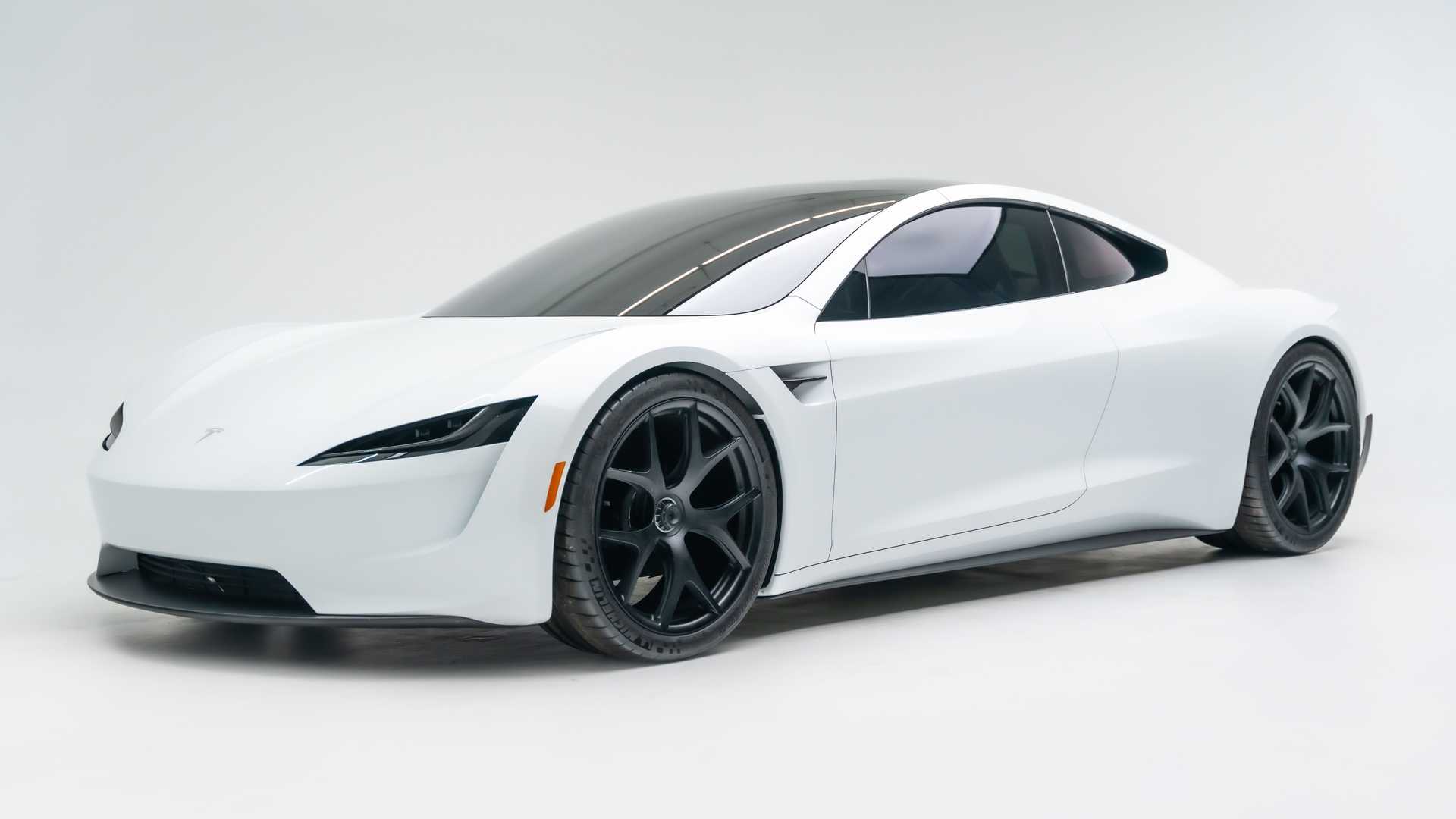
The Tesla Roadster unveiling is getting hyped up by the company’s CEO Elon Musk, who has been a big reason the product has such high expectations due to delayed timelines and a constant need to make it even more insane than before.
Tesla announced on September 12 that it would officially unveil the Roadster in Waco, Texas, on October 1, ending years of patience for fans and reservation holders who have waited for the all-electric supercar to enter production since 2017.
Musk has said that this event will be well worth the wait on several occasions, and last year on the Joe Rogan Experience, he said that there should be a closing chapter to supercars- the end of cars that aren’t focused on safety.
He said:
“Whether it’s good or bad, it will be unforgettable. My friend Peter Thiel once reflected that the future was supposed to have flying cars, but we don’t have flying cars. I think if Peter wants a flying car, he should be able to buy one. I think it has a shot at being the most memorable product unveil ever. This is some crazy technology in this car. Let’s just put it this way: if you took all the James Bond cars and combined them, it’s crazier than that.”
Musk’s teases have continued, and now that the event is roughly two weeks away, it seems like Roadster is finally going to show up and blow some minds:
It’s out of this world
— Elon Musk (@elonmusk) September 13, 2026
Excitement guaranteed
— Elon Musk (@elonmusk) September 13, 2026
Tesla has definitely dragged out the development of the Roadster, but there is a good reason for it.
Tesla has been working on many other projects, most notably self-driving efforts to increase passenger safety, and those simply took priority over the Roadster, a low-volume, high-performance sports car that has a lightning-fast acceleration rate of 0-60 MPH in just 1.1 seconds, could potentially fly, and contributes very little to the company’s mission.
However, many people have the Roadster on pre-order through the referral program or with their own money, and it is time that Tesla delivers on that.

SpaceX’s next Starship launch is about to attempt its biggest leap yet

Elon Musk gives his most telling Tesla-SpaceX merger conversation yet


