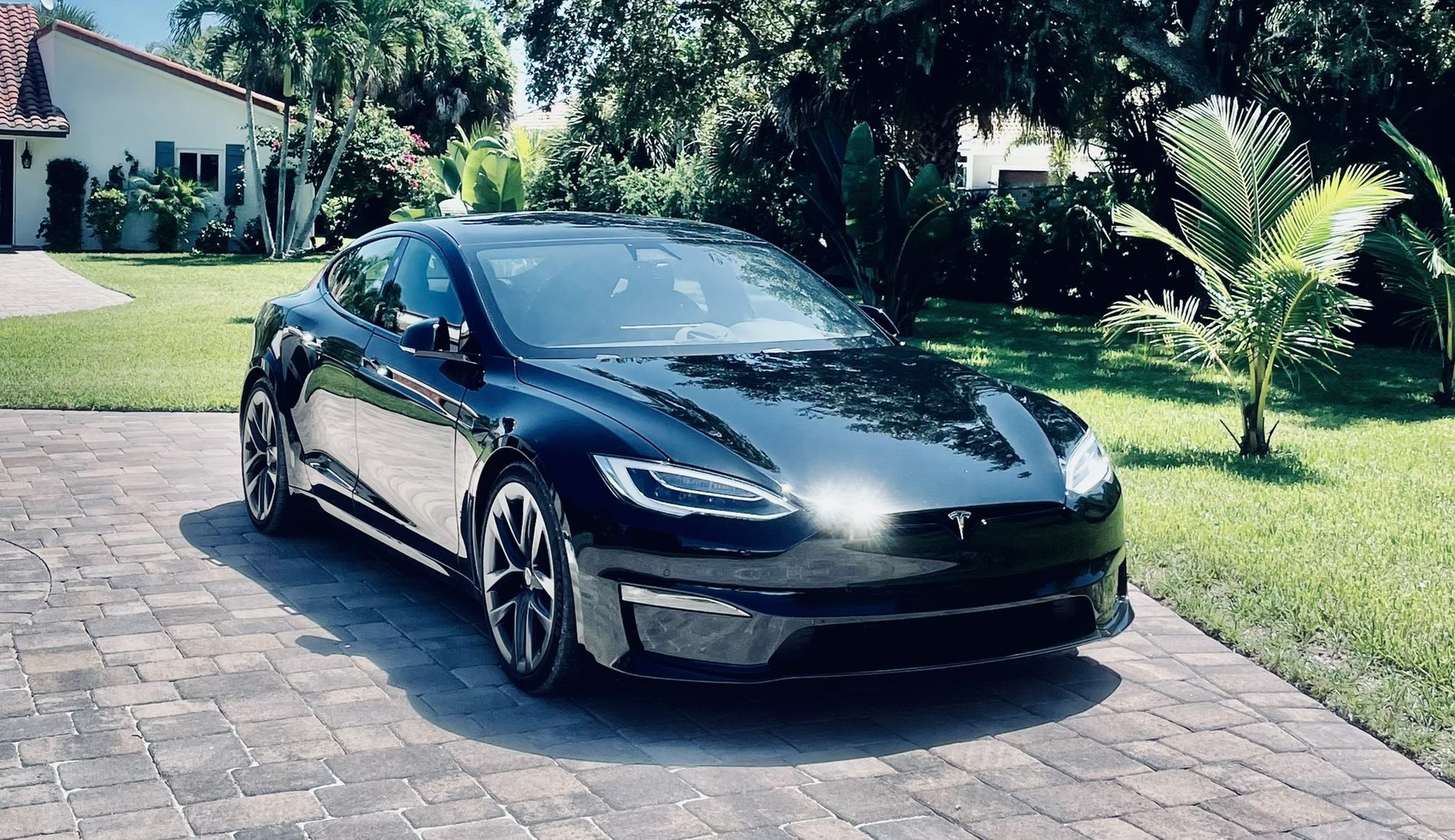

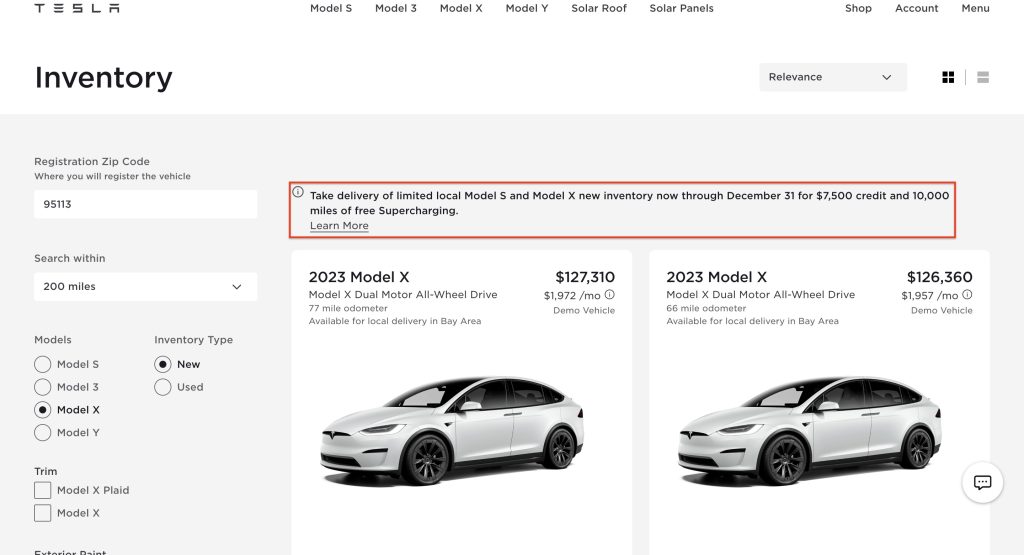
It appears that Tesla’s year-end sale for its premium all-electric vehicles in the United States is not over yet. As could be seen on the electric vehicle maker’s official website, it’s not just new Model 3 and Model Y inventory units that are being given discounts. Now, Model S and Model X inventory units come with perks as well provided that the vehicles are delivered before the end of the year.
While the new incentives for the Model S and Model X are only available for pretty much the last couple of days of the year, they are substantial nonetheless. As per Tesla’s website, new inventory Model S and Model X vehicles ordered today and delivered by December 31, 2022 would receive a $7,500 discount and free 10,000 miles of Supercharging. This is a pretty compelling combination, as it brings down the price of the two flagship sedans by a notable degree.
Part of the reasons behind this strategy may be the upcoming effects of the Biden administration’s Inflation Reduction Act (IRA), which is expected to provide a $7,500 federal tax credit for qualified electric vehicles. Interestingly enough, the Model S and Model X are not eligible for the IRA’s incentives, at least according to a list of qualified vehicles from the Internal Revenue Service (IRS). As per the IRS’ list, only variants of the Model 3 and Model Y are eligible to receive incentives from the IRA.
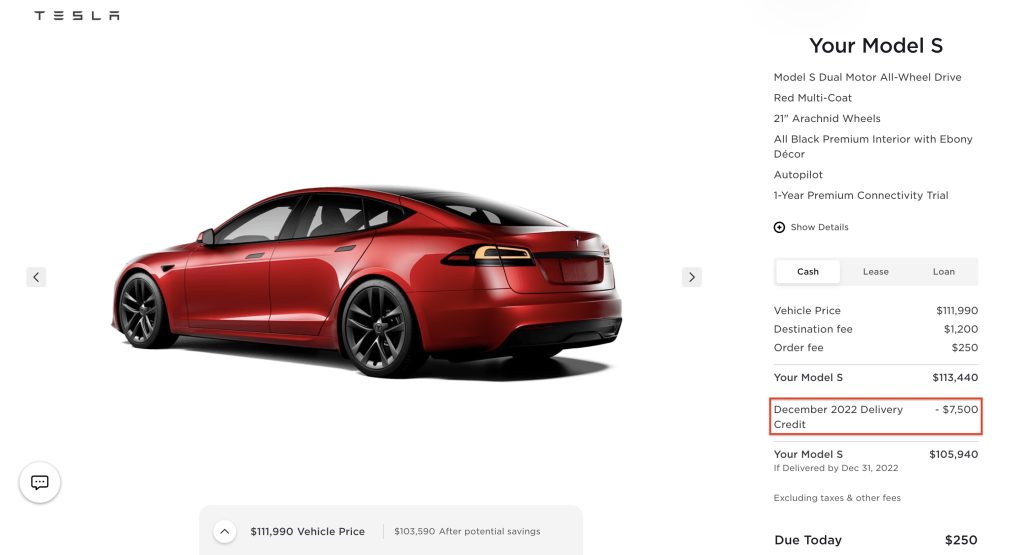
With this in mind, it would appear that Tesla’s last-minute discounts and incentives for the flagship Model S and Model X are mostly a way for the company to ensure that it delivers as many vehicles as possible before the end of the year. Whether this provides a substantial contribution to Tesla’s overall delivery figures for Q4 2022 remains to be seen. That being said, Tesla discounts are rare to begin with, so the reduced prices of the new Model S and Model X inventory units should be attractive to a good number of premium EV buyers.
Earlier this year, Elon Musk stated that Tesla would aim to produce more than 1.5 million vehicles in 2022. Based on the company’s production of 929,910 cars in the first three quarters of the year, it must manufacture over 570,000 additional vehicles to reach this goal. It is unlikely that Tesla will meet Elon Musk’s estimate, but the company’s Q4 results are still expected to be impressive nonetheless.
Don’t hesitate to contact us with news tips. Just send a message to simon@teslarati.com to give us a heads up.



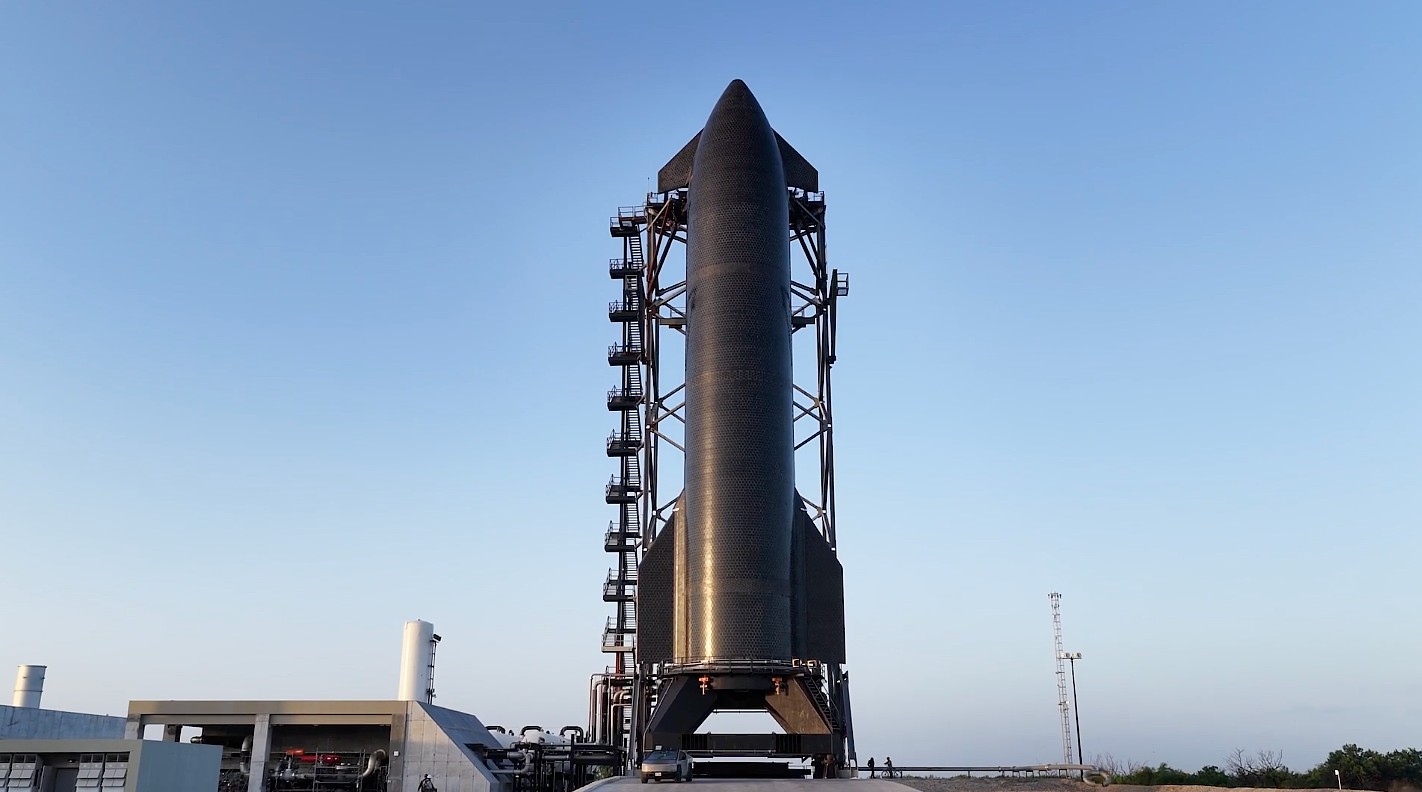
In a striking revelation that underscores the lucrative crossover between Big Tech and space exploration, Alphabet Inc., Google’s parent company, disclosed a massive $94.1 billion equity stake in SpaceX following the rocket company’s blockbuster initial public offering earlier this year.
The disclosure came in Alphabet’s quarterly filing, marking the first time the long-held private investment has been publicly valued at market prices. Google was an early backer, investing alongside Fidelity in 2015 with roughly $500-900 million at a time when SpaceX was valued around $12 billion.
That bet has delivered extraordinary returns, roughly a hundredfold, transforming a strategic play on satellite internet and launch capabilities into one of Alphabet’s largest assets.
Google, $GOOGL, has said they hold $94 billion in SpaceX, $SPCX, shares after IPO.
— unusual_whales (@unusual_whales) July 23, 2026
Of the total holding, approximately $80 billion remains subject to short-term post-IPO lockup restrictions, preventing near-term sales. An additional $14.1 billion faces longer-term restrictions, extending into the third quarter of 2027. This structure limits immediate liquidity but protects against market volatility as SpaceX transitions into public trading.
The SpaceX position contributed significantly to gains in Alphabet’s broader investment portfolio, which also includes a major stake in AI leader Anthropic. Combined, these holdings helped drive nearly $100 billion in investment gains during the second quarter, providing a substantial boost to net income amid ongoing AI spending pressures.
Analysts view the disclosure as validation of Alphabet’s venture strategy beyond its core search and cloud businesses. The investment aligns with deeper ties, including reported multi-billion-dollar deals for AI computing capacity on SpaceX infrastructure. As SpaceX advances Starship flights, Starlink expansion, and ambitious Mars goals under Elon Musk, Google’s stake positions it to benefit from the commercialization of space.
For Alphabet, the windfall highlights how patient, forward-looking bets in transformative sectors can yield outsized rewards. While lockups temper short-term impact, the holding cements SpaceX as a cornerstone of Alphabet’s diversified portfolio in an era where aerospace, AI, and connectivity increasingly intersect. Investors will watch closely as restrictions lift and SpaceX’s public performance unfolds.
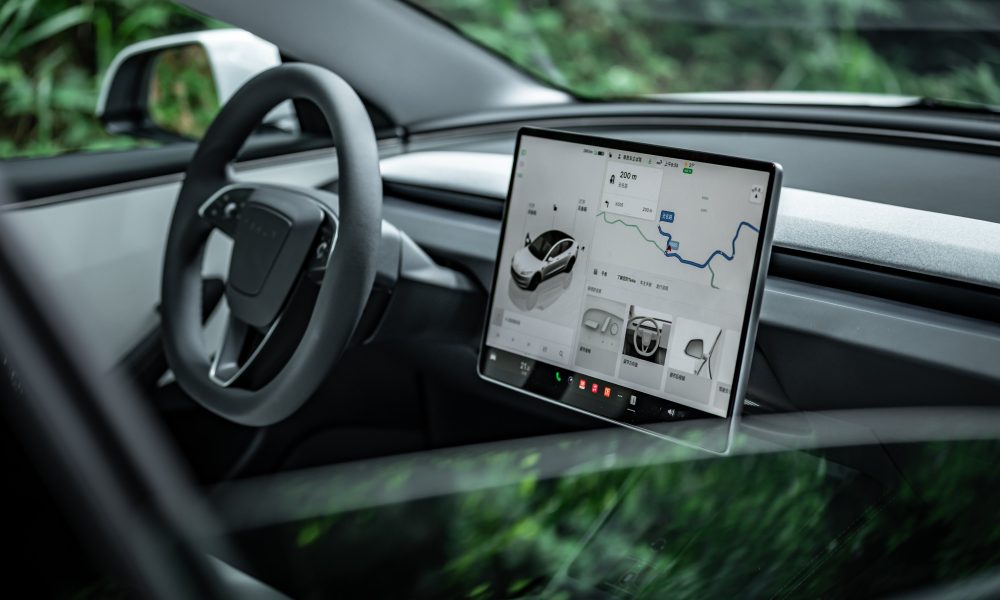
In early 2026, Tesla made a bold strategic pivot: it largely eliminated the option to purchase Full Self-Driving (FSD) software outright and shifted to a subscription-only model. The change, effective around mid-February, ended the one-time fee that had previously ranged as high as $15,000 and later dropped to $8,000. Instead, customers would access FSD (Supervised) for $99 per month in the U.S.
At the time, skeptics questioned whether locking customers into recurring payments would hurt adoption or alienate buyers who preferred ownership of the feature. Tesla bet that a lower barrier to entry, seamless integration at purchase, and the ability to cancel at any time would drive higher uptake.
The results from Q2 2026 speak for themselves: the decision has been a resounding success, delivering the largest quarterly growth in FSD subscriptions in the company’s history.
Tesla FSD subscriptions went up 56% in Q2 2026 to 1.48 million, an increase of 200,000 from Q1 2026.
Tesla added more FSD subscribers in Q2 than in any quarter in its history. pic.twitter.com/jTciTD2JqW
— Sawyer Merritt (@SawyerMerritt) July 22, 2026
According to Tesla’s Q2 shareholder update, active FSD subscriptions reached 1.48 million globally by the end of June 2026. That represents a 56 percent increase year-over-year and a 15.6 percent jump from the prior quarter. Tesla added roughly 200,000 new subscriptions in the period alone—the biggest single-quarter gain on record.
North America led the charge, with more than 55 percent of new vehicle deliveries including an FSD subscription at the time of purchase, a record attach rate for the region.
Tesla explicitly noted that “more customers [are] opting for subscription at the time of vehicle purchase,” crediting the model shift and prominent placement of the option in the ordering process. Subscriptions now contribute meaningfully to ancillary revenue, helping offset pressure elsewhere in the business.
The financial upside is substantial: At $99 per month, 1.48 million active subscriptions generate approximately $146.5 million in monthly recurring revenue. Over a full year, that equates to roughly $1.76 billion in annualized recurring revenue (ARR) from FSD subscriptions alone, assuming steady retention and no major pricing changes.
These figures represent pure, high-margin software revenue. Unlike vehicle sales, which carry production costs, warranty obligations, and supply-chain risks, FSD subscriptions flow largely to the bottom line once the software is developed and deployed over-the-air.
Tesla does not break out exact FSD subscription revenue in its filings (it sits within “Services and Other”), but the category grew 50 percent year-over-year in Q2, with executives highlighting subscriptions as a key driver.
The subscription model offers several structural advantages. It lowers the upfront cost of a new Tesla, potentially broadening the buyer pool and supporting vehicle demand, especially important amid fluctuating EV market conditions. It creates a predictable revenue stream that compounds as the fleet grows and more owners try (and stick with) the software.
Legacy one-time purchasers still exist, but new growth is overwhelmingly subscription-based following the February cutoff.
Early data also suggests improving retention and satisfaction, as well. Tesla has rolled out iterative FSD updates, including v14 features, and expanded availability to additional markets. Recent regulatory approvals in parts of Europe have further boosted interest, with owners in newly enabled countries eager to activate the software they had been waiting for.
FSD is still supervised; regulatory hurdles for true unsupervised autonomy persist in many regions, including the United States, and competition in advanced driver-assistance systems is intensifying. Yet the Q2 numbers validate Tesla’s bet: by removing the large upfront commitment and making FSD accessible via subscription, the company has accelerated adoption faster than many anticipated.
What began as a controversial switch-up has become a clear win. With nearly 1.5 million subscribers, record attach rates, and nearly $1.8 billion in potential annual recurring revenue already in view, Tesla’s FSD business is transitioning from a promised future to a tangible, fast-growing profit engine.
If the momentum continues, and especially if unsupervised capabilities unlock robotaxi opportunities, the subscription flywheel could become one of the most valuable assets in Tesla’s portfolio.
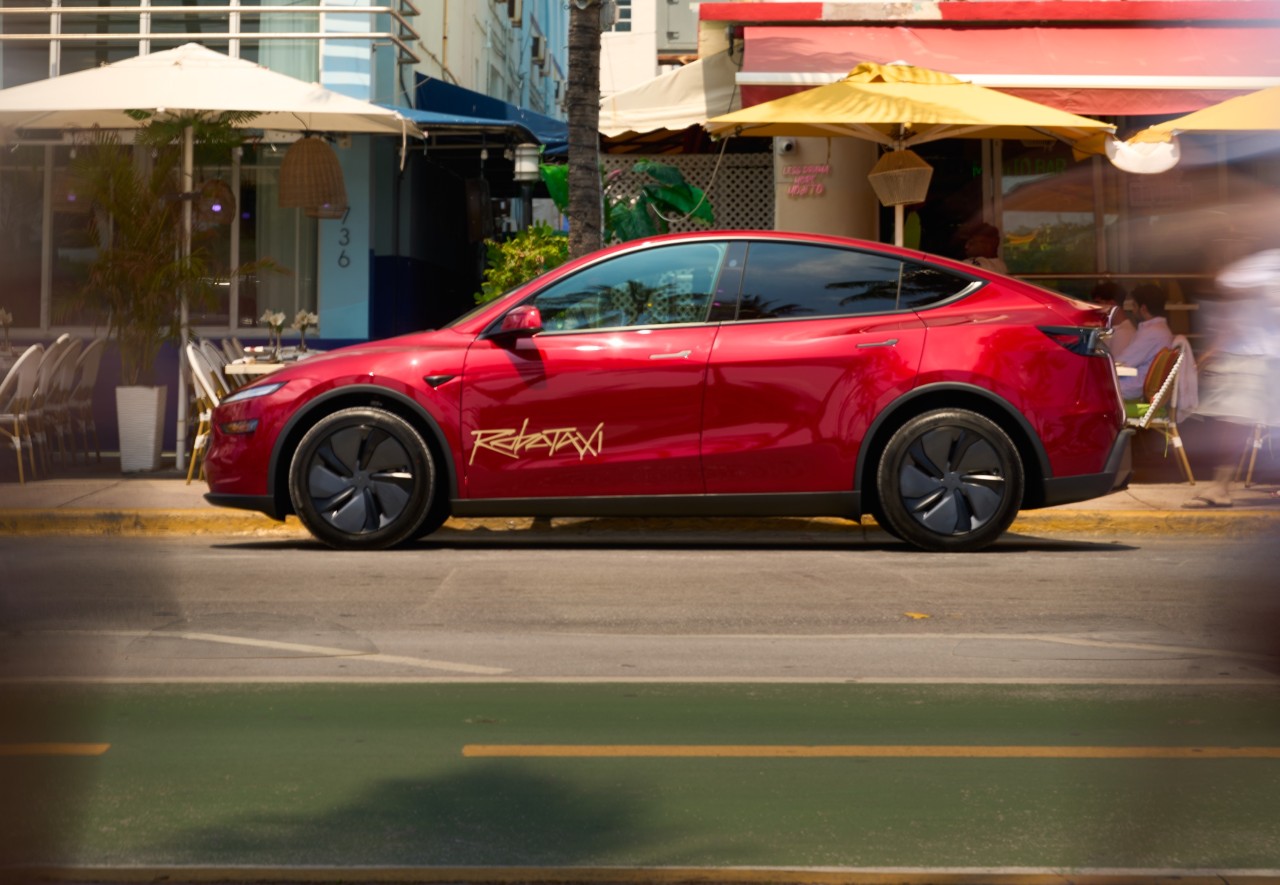
Tesla Robotaxi is among its biggest projects currently, but many have been quick to point out the fact that the company has definitely been slow to expand its fleet.
However, there is definitely a method to that madness. CEO Elon Musk answered several concerns during last night’s quarterly earnings call that some might have about that slow rollout of the Robotaxi suite, maintaining the company’s narrative on prioritizing safety and wanting to avoid injuries to anyone, including animals.
Musk said:
“With Robotaxi, our goals are very ambitious for Robotaxi, but we do need to be cautious about causing any accidents or causing any harm to anyone. Although there are, I think, 30,000 to 40,000 automotive deaths per year in the U.S. alone, most of those do not generate any press or maybe, you never really read about almost any of those. If we injure even one person, it’ll be worldwide headline news, and regulators will immediately clamp down on our activities.
We don’t want to injure anyone. We’re going as fast as humanly possible in scaling Robotaxi, but while trying to ensure that we do not harm anyone at all, and ideally do not even run over a pet. That’s really the constraint is we want to grow as fast as possible with Robotaxi without harm to anyone.”
Tesla has maintained an exemplary safety record with its Robotaxi suite, according to internal data. VP of AI, Ashok Elluswamy, said that the Robotaxi suite has driven more than 380,000 miles unsupervised without any incidents.
0 notable incidents across over 380,000 miles traveled by Robotaxi
— Tesla (@Tesla) July 22, 2026
Analyst Colin Langan of Bank of America also pushed Tesla executives for answers regarding the company’s decision to add cities across several states with dozens of vehicles “as opposed to hundreds.”
Elluswamy said there’s a bigger advantage to do it the way Tesla has been because it ensures that its software stack “is a very general one:”
“The reason we have been expanding across different cities instead of just doubling down on a single city, is that we want to make sure that our stack is a very general one. It is a general one. We just want to both prove to ourselves and to other folks that it is working across a lot of different cities without too much effort per city. That’s what we see internally.”
In the past, we have written about Tesla’s decision to be incredibly conservative with its Robotaxi rollout, especially with the incredibly small fleet size compared to competitors. However, there really is not a price anyone can put on safety for those utilizing the platform or pedestrians, so what Tesla is doing is justified.
A year into the Robotaxi program being active, Tesla has made major strides, but many investors and fans would like to see the fleet expand as quickly as the program has to other cities and states.

Google’s massive stake in SpaceX will shock you

Tesla’s switch-up on selling Full Self-Driving has paid off big time


