News
SpaceX resumes launches after Thanksgiving break

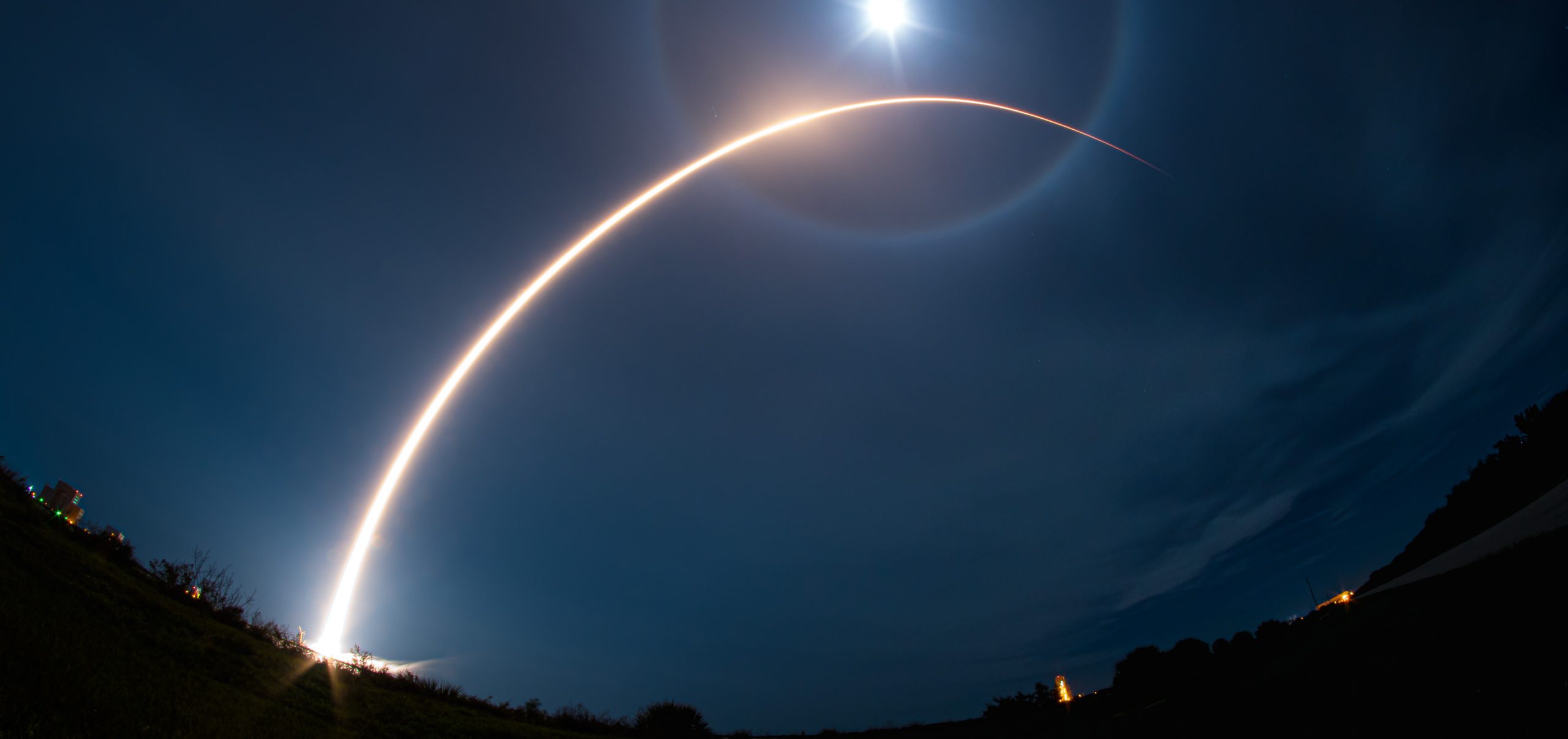
After a seemingly rare five-day break for Thanksgiving, SpaceX jumped right back into it with a launch of 23 Starlink satellites to low Earth orbit from Space Launch Complex 40 at Cape Canaveral Space Force Station in Florida.
Launching at 11:20 pm ET (04:20 UTC), the Falcon 9 launched to the Southeast and inserted into a 43-degree orbital inclination. This is Group 6-30, and over the next couple of months, the satellites will undergo checkouts and raise their orbits as they become fully operational.
Liftoff! pic.twitter.com/HTFsESYl6B
— SpaceX (@SpaceX) November 28, 2023
The 23 Starlink satellites were deployed just over an hour after launch. These 23 satellites are the V2 mini variant that uses argon Hall thrusters for better maneuvering in orbit and the ability to handle four times more bandwidth than the previous V1.5 Starlink.
Previously SpaceX was only launching 22 at a time from Florida, but recently they have been able to add one more as they fine-tune the performance of the Falcon 9. The V2 mini Starlink variant weighs in at 800 kg ( 1,800 lbs), whereas the V1.5 satellites weigh just ~306 kg (675 lbs).
This was the 87th orbital mission and the 83rd of the year for the Falcon 9. SpaceX could still hit 100 launches this year as long as no unexpected delays occur, but it will be very close.
This was the 17th flight for this Falcon 9, Booster 1062, which had previously launched 9 Starlink missions, 8 astronauts on the Inspiration 4 and Axiom 1 missions, 2 communications satellites, 2 GPS III satellites, and the OneWeb internet satellite constellation that carried 40 satellites to orbit.
Falcon 9’s first stage has landed on the Just Read the Instructions droneship pic.twitter.com/MPTdwUzOIr
— SpaceX (@SpaceX) November 28, 2023
B1062 successfully landed on the droneship Just Read the Instructions just over eight and half minutes after liftoff, and fairing recovery vessel Bob will attempt to retrieve the fairing halves a bit further downrange before returning to Port Canaveral and eventual refurbishment.
Next up for SpaceX will be a Falcon 9 launch from California no earlier than December 1st with a reconnaissance satellite for South Korea. This launch will feature a return to the landing site following its mid-morning launch.
Questions or comments? Shoot me an email at rangle@teslarati.com, or Tweet me @RDAnglePhoto.


Elon Musk
X changed how everyone gets paid, and this lawsuit shows why
X sued a Bitcoin account network over fake payouts as its creator pay model shifts

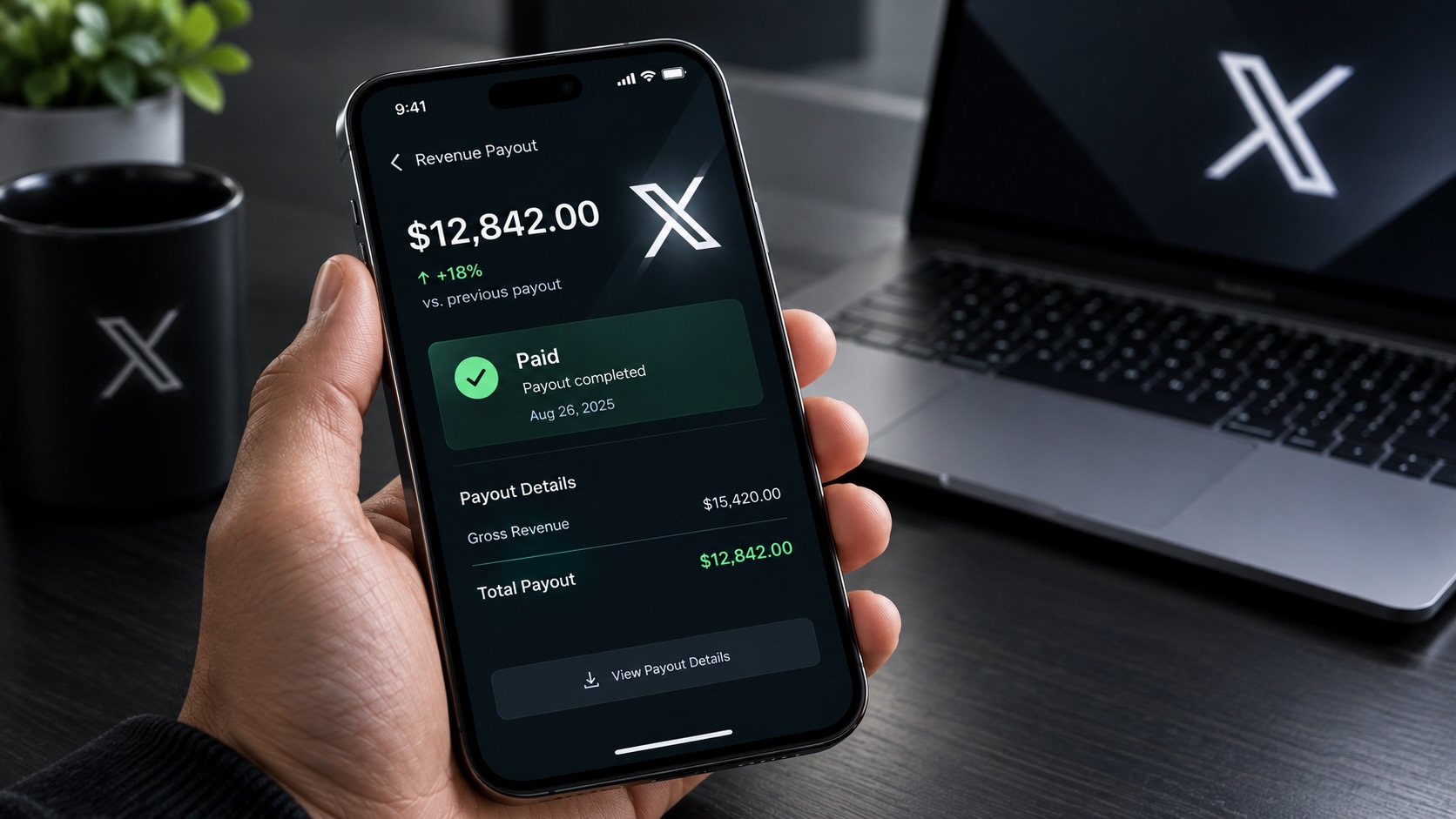
Elon Musk’s X has taken a Bitcoin-focused engagement ring to court, and the case doubles as a receipt for how differently the platform pays creators today. The company filed suit in the High Court of England and Wales against Vivek Kumar Sen and Zamyang Sherpa, alleging the pair ran six accounts, including @Vivek4real_, @Bitcoin_Teddy and @TrendingBitcoin, as one coordinated operation to fake the kind of engagement that used to translate directly into money.
According to the filing, first reported by Gizmodo, the accounts posted near identical “BREAKING” crypto headlines seconds apart, in one case 11 seconds, then had three more handles like, reply to and repost the material to manufacture what X called “a false appearance of genuine, human communication and interaction.” X says the scheme pulled in at least £207,384, about $278,000, and pegs its own investigation and remediation costs at another £75,000. The accounts were suspended August 18. X general counsel James Burnham announced the case on X last weekend, writing that the company “will act forcefully to protect our platform and the earnings of genuine creators.” Musk’s own reaction, posted shortly after, was three words: “Don’t mess with 𝕏.”
Don’t mess with 𝕏 https://t.co/HSmd5hL6aQ
— Elon Musk (@elonmusk) September 21, 2026
The timing lines up with a a recent update to how X pays its creators. The program these accounts allegedly gamed, Creator Revenue Sharing, launched in mid 2023 and paid out based on how much a post got engaged with. Originality was never part of the formula, which is exactly how the platform ended up flooded with recycled clips, copy pasted “BREAKING” posts and replies engineered purely to farm reactions from paying subscribers.
X tried patching the model more than once, including an April cut to aggregator payouts and a March regional weighting change that Musk personally paused hours after it was announced. X retired Creator Revenue Sharing for good on September 7 and opened its replacement, Original Content Rewards, the next day.
Today, we’re launching Original Content Rewards.
The reality is that Revenue Sharing had reached a point where its incentives were misaligned. Creators should be focused on bringing net new content to the platform instead of maximizing payouts. We could have kept adding more… pic.twitter.com/VJIxqlPrjm
— Allegra Jacchia (@allegrajacchia) August 7, 2026
The new math is stricter. Payouts now come only from qualified impressions, meaning unique Home Timeline views from Premium subscribers where at least half the post is visible, and replies no longer count toward eligibility at all. Copied posts, reuploaded media and reposts without meaningful changes are explicitly excluded. Allegra Jacchia, senior product manager for Creators at SpaceXAI, which now runs X’s product and AI work following xAI’s acquisition of the platform, put it bluntly, saying the goal is to reward creators who bring original ideas and perspective, “not those who have become best at gaming the system.”
Read that way, the lawsuit isn’t really about six crypto accounts. It’s X putting a dollar figure on what the old incentive structure cost, then suing to collect it right as the new one goes live. For live updates on how the case and the new rewards program shake out, follow @Teslarati on X.

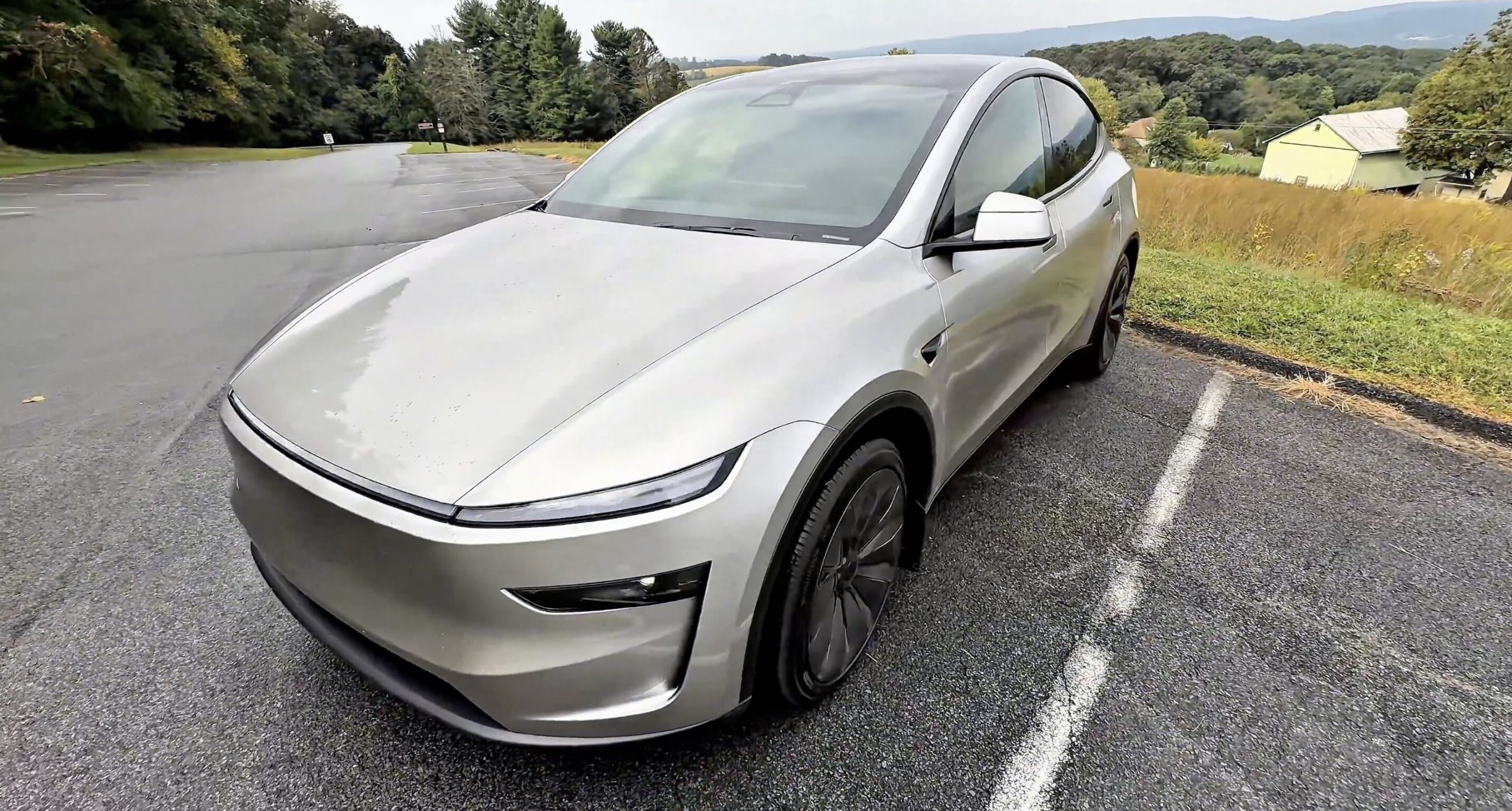
Last week, Tesla sent me the Model Y L for five days to test, assess, and enjoy for journalistic purposes. It’s always a treat when I get any media vehicle, and I’ve had the pleasure of working with Tesla and Ford for hands-on reviews of their products.
This one was exceptionally exciting for a few reasons: first, because it is the car I own, but bigger, so I was really excited to see if that extra space was worth it; and second, because my Fiancée (we’re down to just 18 days ’til she’s officially my wife!!!) and I plan to fill a car up with kids in the near future, so it was really nice to have a trial with a car that would potentially be in our driveway in a few years.
I did a full 10-minute video review of the Model Y L, which I will post at the bottom of this more condensed written version. If you prefer to watch a review, go ahead and skip to the bottom for that.
For those who prefer the writing, I’ll break down the big things about the Model Y L that I noticed, focusing on the big addition/difference that this car has from the Model Y: the third row. Tesla also added small-but-mighty changes to the Y L that I really wish were on my Model Y Premium, so I’ll be sure to mention those as well.
What Makes It Different from the Model Y?
Credit: TESLARATI
The first thing to note is that the interior of this vehicle, from the front row, is generally the same. It truly does feel like you’re in the same exact car with a slightly different seating layout. Of course, Tesla interiors do feel this way, at least with the Model 3 and Model Y, but there are no drastic differences between the Model Y L and the Model Y from the front row.
This should be expected, so definitely do not go into it thinking you’ll know you’re in a different car. It is a very similar experience to the Model Y.
Tesla Model Y L: new features that make it better than the standard Model Y
The true differences come from the back two rows. The only true difference from the front is the addition of a new Dynamics Feature that falls under the “Ride & Handling Priority” menu, which now allows you to adjust the suspension damping to prioritize a comfortable ride for everyone or one that is noticeably better from the rear two rows. In terms of ride comfort, the front rows definitely feel the impact of this; it is a noticeable difference and much stiffer in the driver’s seat with this setting turned to prioritize the rear occupants.
What changes from an engineering standpoint between these two settings @elonmusk @larsmoravy?
There is a very noticeable difference in comfort from the driver’s seat between these two settings https://t.co/62bdZJOr26 pic.twitter.com/KFP12jleHj
— TESLARATI (@Teslarati) September 14, 2026
There are also a series of small improvements, like the rear taillight is now up toward the spoiler, which must be a strategy for making the rear glass actually useful in the Y L compared to the regular Y.
Pretty crazy how much different the rear windshield is compared to the Model Y
Not even close in size https://t.co/62bdZJOr26 pic.twitter.com/IjNbWwMBcS
— TESLARATI (@Teslarati) September 14, 2026
Some other small changes are the addition of small magnets for the sub-trunk lid, which is a great addition and something I’d like to do in my Model Y; it sounds to me as if the Model Y L liftgate motor is less whiny than the one in my Model Y; and all three rows of climate are controllable from the front touchscreen.
I talk about them in a short video here:
🚨 Five things you might not know about the new Tesla Model Y L! pic.twitter.com/I42VTQoS5R
— TESLARATI (@Teslarati) September 14, 2026
Second and Third-Row Legroom
The major feature of the Model Y L is the third row, and Tesla did a great job of making it spacious enough for more than just your nine-year-old nephew. It actually does have a suitable amount of legroom for adults, but it is dependent on how tall the people are in the first- and second-row seats in front of you.
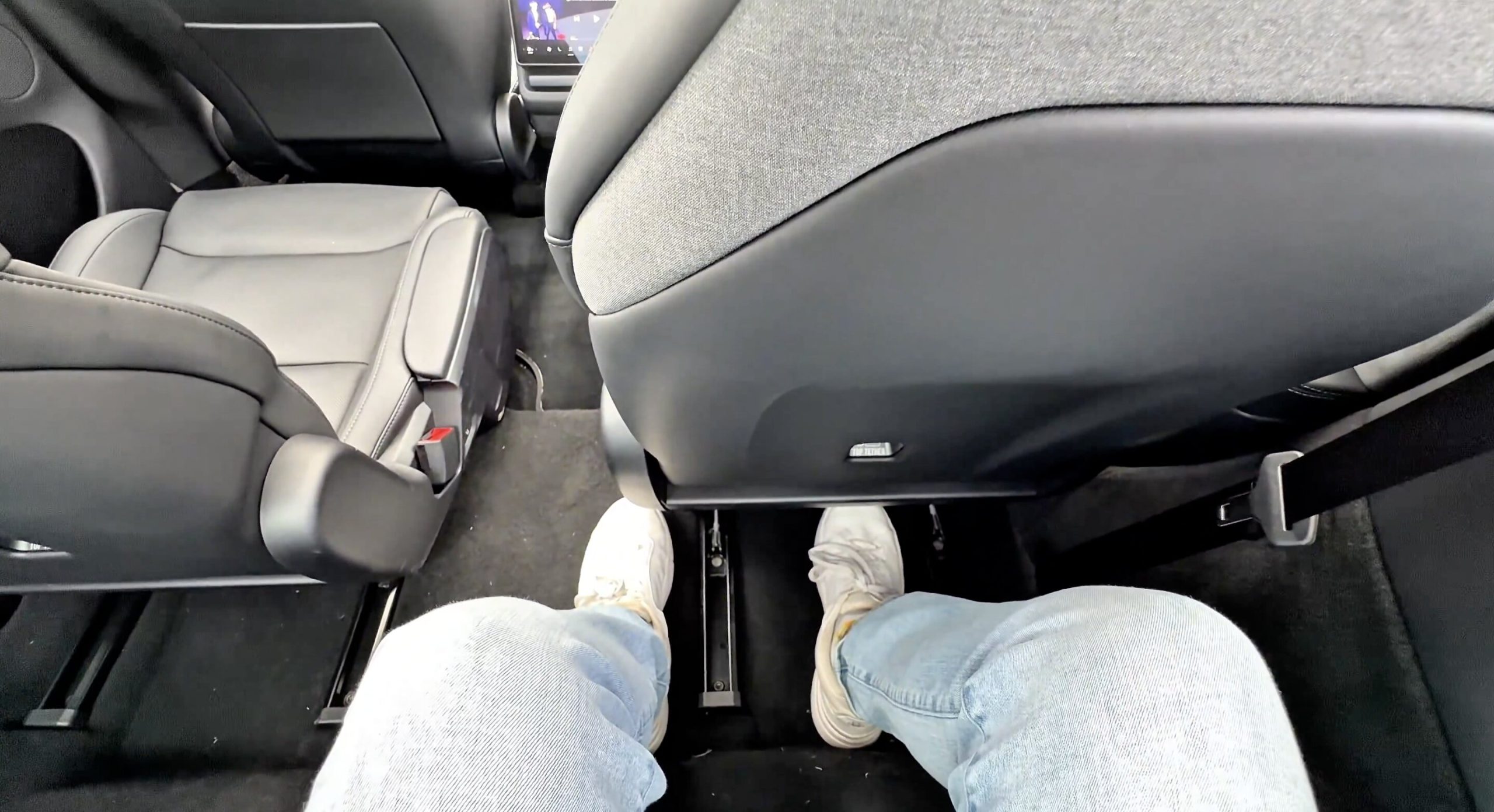
This is where I caught some slack from those who have also sat in the Model Y L and believe there is enough room for anyone of any height. I certainly believe that those who are not complainers could sit back there for a multiple-hour drive and not complain. I would enjoy sitting in the back row because I think it is comfortable; the vents for air are perfectly positioned on the C pillars for maximum comfort, and I found that there was enough room back there for me. I’m 5′ 8″, so I’m definitely not tall. However, I found that I had more than enough legroom:
Credit: TESLARATI
The picture above is where my Fiancèe could sit comfortably in the second row in front of me, and she is 5′ 1″. There is a lot of give and take with these seats, and I believe most groups could make it work. She was comfortable in the second-row seat in front in this position, and as you can see, I have plenty of room. She could easily come back a few inches, and I’d still be comfortable.
This is where I think people would truly benefit from seeing what the space in this car looks like for themselves. To me, I found it more than suitable for a group of friends to go out in and for everyone to be comfortable. There might be some strategy to it if you have some taller friends, but it’s definitely doable.
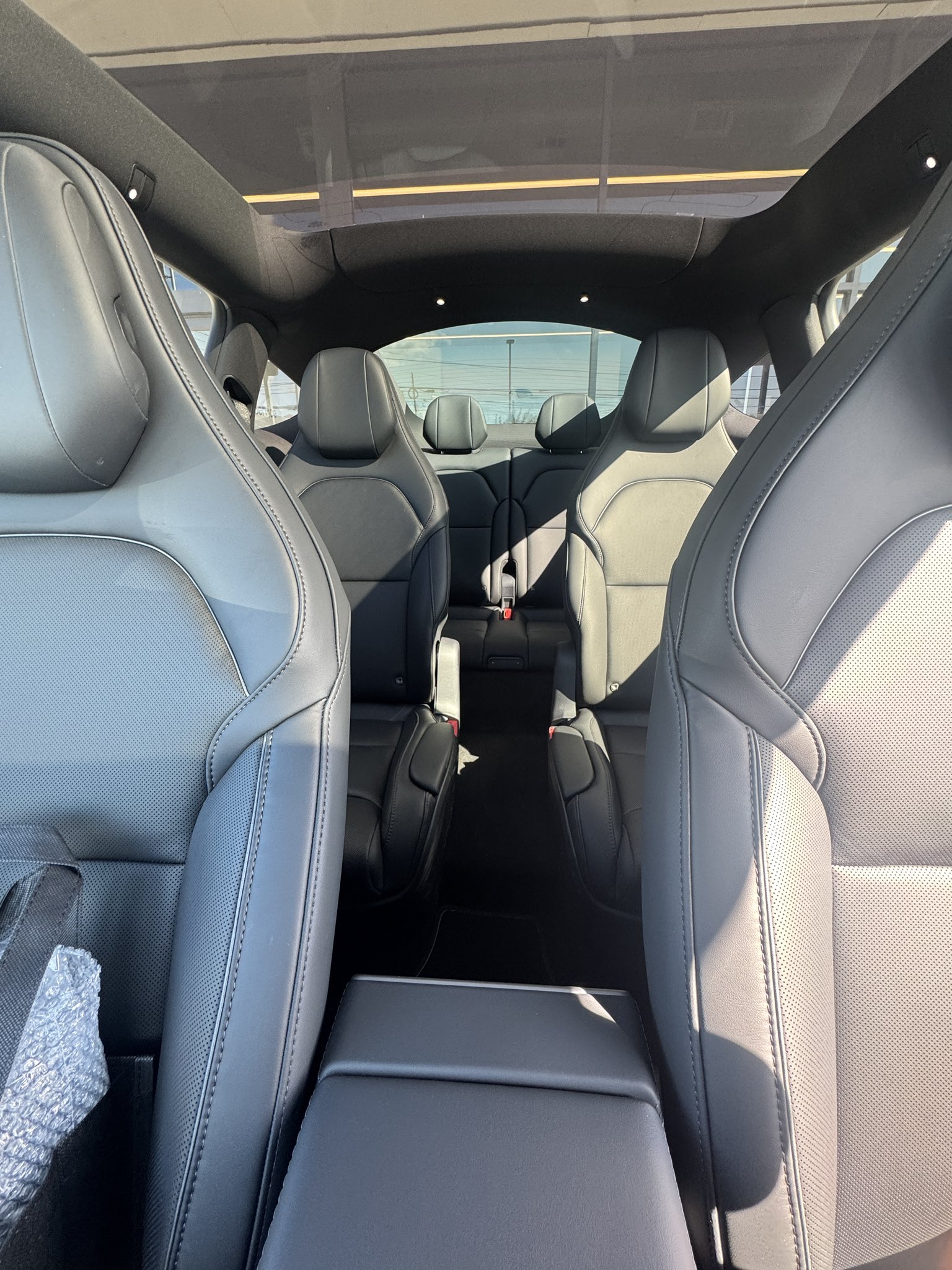
Overall, the space in the Y L in the back two rows is great: the second-row Captain’s Chairs have mechanical armrests that go down automatically when you exit the car, and come back up on their own when you return. The second row also has ventilated seats; you’ll only have the heat option in the third row.
Credit: TESLARATI
Overall Thoughts
It was really a great five days with the Model Y L, and I do believe that this is a great car for families. I do not believe it is the perfect one. It is really an excellent option for those who can make do with what is truly a compact crossover stretched out to make way for a third row. However, I think that more families simply want something large, like Tahoe or Expedition large, and the Model Y L does not necessarily answer that call.
I think it is more than reasonable for a family of six to have this car and make it work. It is safe, it has Full Self-Driving, which I believe will be a non-negotiable for me moving forward in car buying; and it is relatively affordable, with the Launch Edition coming in at a price of $61,990 before options. Not going to a gas station for the past year has really been a lifesaver for me, especially with home charging saving us so much money.
Tesla will need to have an answer for the families that want something like a Cyber SUV or simply something that qualifies as a full-size SUV. I just truly do not think that every family will see this as enough space, and I think that’s understandable. If someone were to want to take an overnight trip with their four kids, I don’t know if it would be the easiest cargo situation because without that third row folded down, that trunk space is confined to just 14.8 cubic feet. I couldn’t take four kids and a wife to Ocean City for a week with using only the trunk space. We’d likely have to get creative, and I think that’s what many families want to avoid.
For comparison’s sake, a Tahoe offers 25.5 cubic feet of trunk space, which is still tight, but much more manageable and forgiving.
With all that being said, the Model Y L is still a great option and I’d be willing to see past the cargo issues because of FSD and the safety of Tesla vehicles overall. For our full review, check out the video below:
Elon Musk
Why automakers keep turning down Elon Musk’s Tesla Full Self-Driving offer
Elon Musk confirms no automaker has ever accepted Tesla’s offer to license Full Self-Driving software.
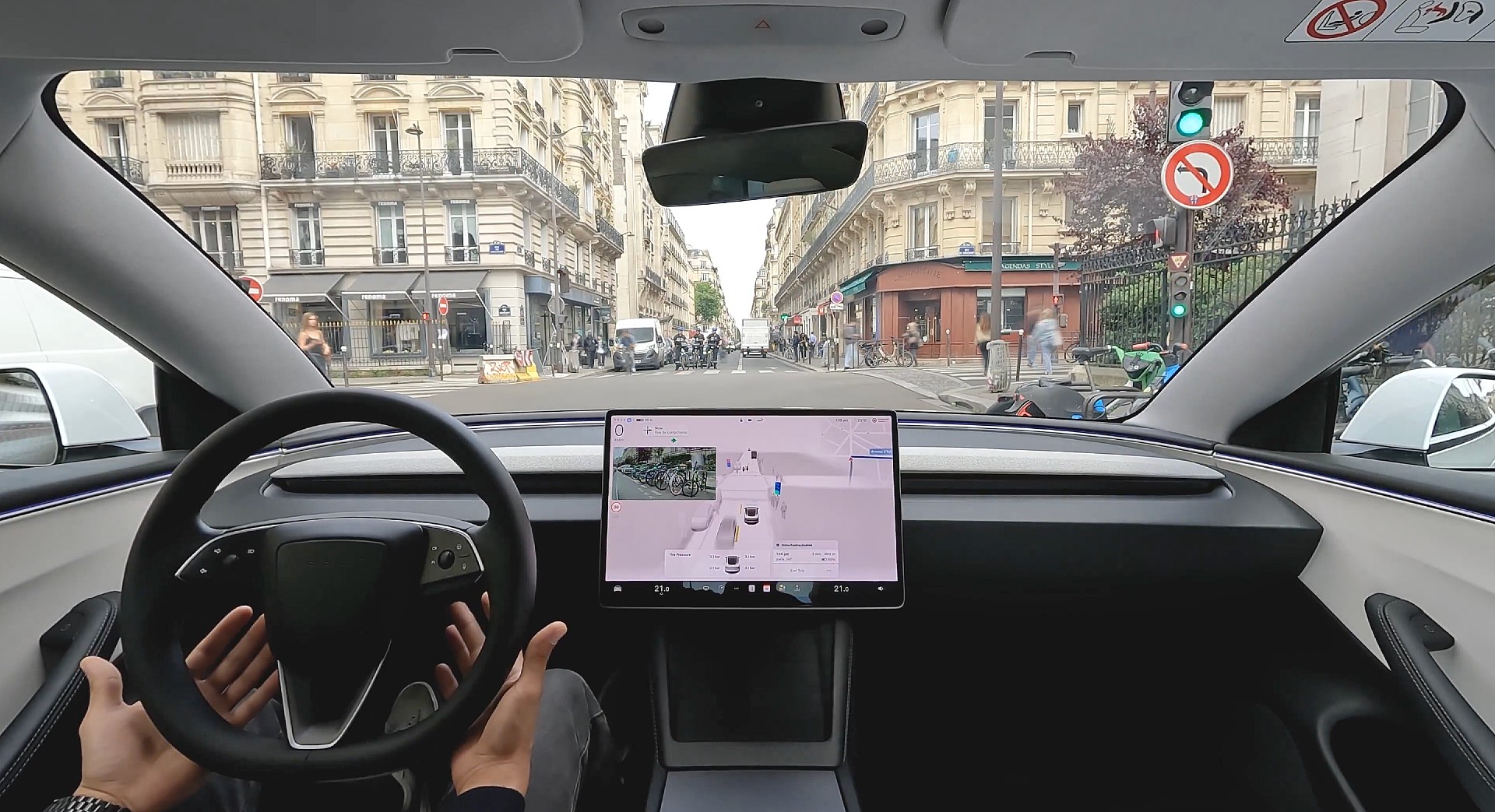
Elon Musk gave a brief answer on X Monday that confirmed that Tesla’s standing offer to license Full Self-Driving to other automakers still has zero takers. Sawyer Merritt wrote that “Tesla has for years openly invited other automakers to license FSD. None of them have accepted,” responding to a prediction from Boom Supersonic founder Blake Scholl that Tesla would eventually open FSD the way it opened its Supercharger network to rival brands. Musk’s reply to Merritt was one word: “Exactly.”
It is not the first time Musk has made this point. He said something similar in November, when he called legacy automakers reluctance to adopt FSD “crazy,” and Tesla has floated the offer publicly since at least 2021. Scholl’s prediction touches on something real. Once NACS became the de facto charging standard, adoption from Ford, GM, Rivian and others followed within about a year. FSD licensing was supposed to work the same way once Tesla built enough of a lead that switching made sense for everyone.
Tesla has for years openly invited other automakers to license FSD. None of them have accepted. https://t.co/kgz4idpoUM
— Sawyer Merritt (@SawyerMerritt) September 22, 2026
The case for licensing now is stronger than it was two years ago. Waymo and Zoox are logging hundreds of thousands of unsupervised autonomous miles, along with Tesla’s own Robotaxi fleet. Every automaker still selling driver assist systems that lag FSD has given the robotaxi conversation to Tesla, Waymo and Zoox by default. Licensing FSD would let a GM or a Ford compete on the same field without spending a decade and billions of dollars building a stack from scratch, the same argument Tesla made when it opened the Supercharger network to bring more EVs onto its chargers.
But FSD is not a connector standard. As one reply to Musk’s post pointed out, licensing FSD is not a software license the way NACS was a plug spec. It requires adopting Tesla’s eight camera layout and its onboard compute architecture, meaning a licensee’s cars would effectively become Tesla hardware wearing someone else’s badge. That is the visible obstacle. The less visible one is data. A licensed FSD stack would report back the same telemetry Tesla collects from its own fleet, giving Tesla a continuous read on how a competitor’s cars are actually driven, where they struggle, and how often drivers intervene. For an automaker trying to build its own autonomy program, or simply trying to keep its build quality and safety record private, handing Tesla that visibility could be a bigger cost than the hardware bill. It is the reason the Supercharger comparison only goes so far. Opening a charging plug cost Tesla very little. Opening FSD would cost a rival something it cannot get back.

X changed how everyone gets paid, and this lawsuit shows why

Did Tesla make the perfect car for families? Tesla Model Y L Full Review


