

Tesla has launched two new Cybertruck accessories on its website, adding to its larger lineup of outdoor and cargo-hauling gear for the electric pickup.
The Tesla web store added the Cybertruck tailgate shield and the Cybertruck jumpseat to its web store this week, both of which are tailgate accessories. The tailgate shield is a pad used to cover either side of the tailgate when transporting items, such as bikes, while the jumpseat is a foldable, portable seat that can be fastened to the tailgate shield—whether in-use or in storage.
The tailgate shield appears to be primarily useful for those transporting bikes or other goods that may need to be stored over the top and outside of the tailgate, though it also features tons of internal space to fasten objects to. It also comes with a combination lock carabiner.
Tesla says that users can fit up to three jumpseats along the tailgate of the Cybertruck, offering a comfortable place to sit when camping or otherwise hanging outdoors. At the time of writing, the Tesla store already appears to be out of stock of the jumpseat, though the tailgate shield is still available.
You can see the Cybertruck tailgate shield on Tesla’s website here, along with the now-sold-out jumpseat here. Tesla has priced the tailgate shield at $300, while the jumpseats were debuted at $100.
Tesla Cybertruck Tailgate Shield

Credit: Tesla

Credit: Tesla

Credit: Tesla

Credit: Tesla
Tesla Cybertruck Jumpseat

Credit: Tesla

Credit: Tesla

Credit: Tesla

Credit: Tesla
Other Tesla Cybertruck Outdoor/Cargo Products
Tesla has also shared a number of other Cybertruck accessories, many of which are either geared toward the outdoors, hauling, or other interior and exterior add-ons. Some of those launched immediately after the November delivery event include the Cybertent, the tailgate ramp, and the OMFG broken glass decal, along with a range of floor matts, storage trays, and more.
You can see Tesla’s full list of Cybertruck accessories here on its web store, including other items like the vault cargo dividers and cargo bins, molle panels, an air compressor and tire kit, and still more.
Tesla Cybertruck fan shares pop-top camper shell Cybertent alternative
What are your thoughts? Let me know at zach@teslarati.com, find me on X at @zacharyvisconti, or send us tips at tips@teslarati.com.


Elon Musk
Elon Musk’s Grok Bot is picking up the phone now, and the first calls are wild
Elon Musk wants Grok Bot users making phone calls, and one Comcast call saved $500.

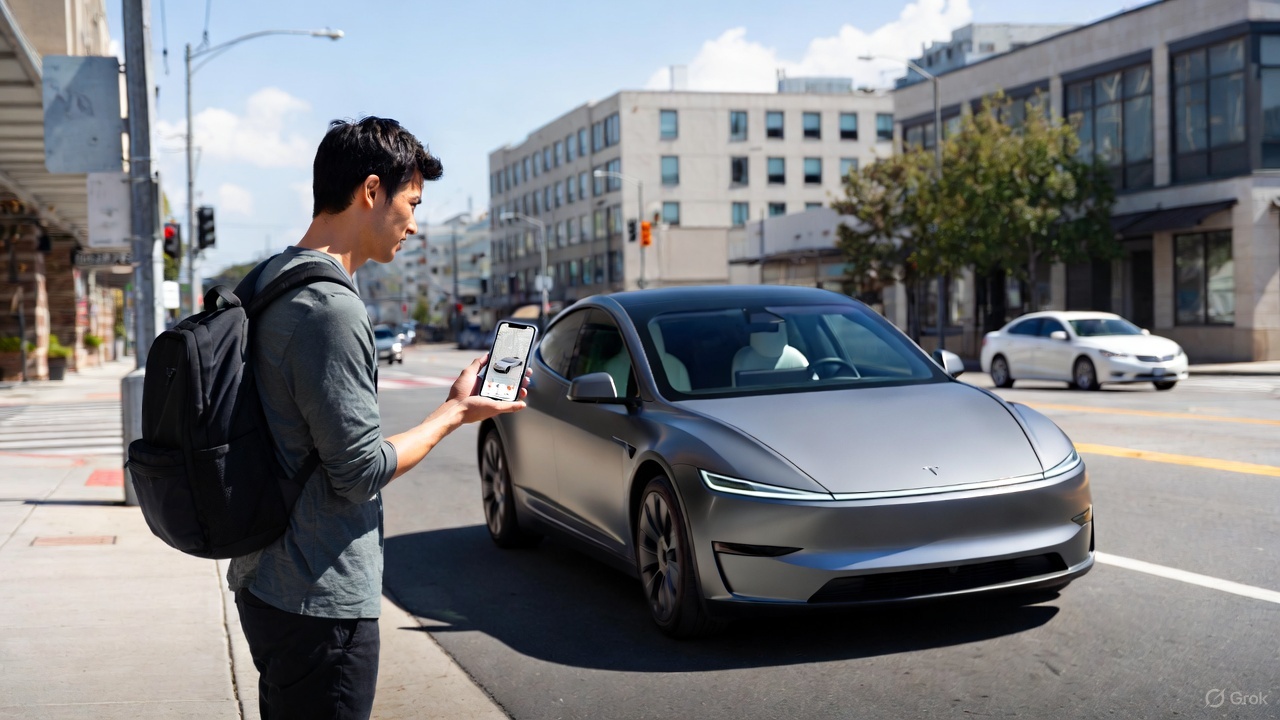
Elon Musk is pushing Grok Bot users toward a feature that, until this week, few of them could actually use. “Try asking Grok @Bot to make calls!” Musk wrote on X Tuesday afternoon, quoting a demo from Sawyer Merritt that included audio from a live call.
Musk first announced calling on October 25, writing that the agent could “call someone or a business for you, make a request on your behalf, take notes on the response and send you a note summarizing the conversation.” There were no release notes at the time, and the feature only appeared in preview builds. That changed on Tuesday, when creator Peter Yang said all Grok Bot users should now be able to call US businesses. Musk reposted his demo.
Try asking Grok @Bot to make calls! — Elon Musk (@elonmusk) November 3, 2026
Yang’s call shows how far the feature goes. In his video, his bot dialed Comcast, worked through the phone menu, deflected small talk about the weather by saying it does not “have eyes on the sky,” turned down three upsells and used a cheaper fiber offer from competitor Sonic as leverage. His bill dropped from $84 to $45 per month on a faster plan, a savings of nearly $500 a year. The call ran about 25 minutes, and the bot paused to get Yang’s approval before accepting the final terms.
Merritt described what the user sees: a live transcript runs during the call, and when the business asks for something the bot does not know, an answer box pops up in the chat. The user types a reply and Grok relays it to the person on the line. Other users posted results Tuesday, including a $100 gift card recovered from Verizon Fios after a 51 minute call and a same day pediatric appointment, which Musk also shared. Not every call worked. One user said a rep refused to cancel a subscription once it was clear an AI was on the phone.
Grok @Bot can now call someone or a business for you, make a request on your behalf, take notes on the response and send you a note summarizing the conversation! — Elon Musk (@elonmusk) October 25, 2026
The Grok Bot terms require every call to identify itself as a virtual assistant calling on the user’s behalf and warn that calls may be recorded. Marketing, mass calling and impersonation are prohibited, and calling currently works only with US numbers.
The timing stands out. Days ago, users began hitting their weekly limits early, and Musk said the cost of serving Grok Bot was “unsustainably high relative to revenue,” as Teslarati reported. A call that spends most of its 25 or 50 minutes on hold is the kind of long running task that eats into usage, and SpaceXSI has not said how calls count against the weekly pool. Grok Bot is included from the $30 Premium tier of The X Subscription upward.
For Tesla owners, the agent has been in their cars since September 22 and is enabled across every Cybercab and Model Y Robotaxi. Musk has already pitched it for phone chores like scrubbing your number from spam call lists. Neither Tesla nor SpaceXSI has confirmed whether a bot can place one of these calls on request from inside the vehicle.

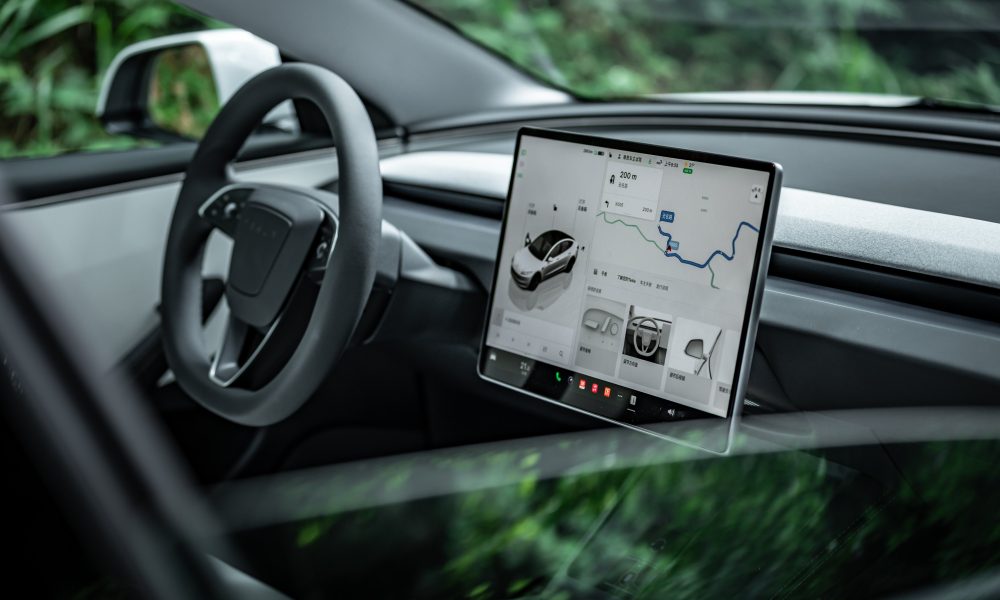
Tesla Full Self-Driving, which is now referred to in Europe as “Tesla Assisted Driving” (TAD), is getting hit with a handful of new changes at the hands of the Netherlands’ vehicle authority, the RDW (Rijksdienst voor het Wegverkeer).
On 3 November, the RDW announced that it has assessed and approved a set of changes to Tesla’s FSD Supervised driver-assistance system. The updates introduce the official European name TAD and impose stricter controls on the system’s speed behaviour.
The new name will appear on the in-car display, in the owner’s manual, and in all other driver-facing information. The change applies to Tesla models equipped with Tesla Assisted Driving and hardware version 4.0 (HW4) or later.
Importantly, the RDW stressed that the name change does not alter the system’s fundamental operation: it remains a supervised driver-assistance feature that supports the driver in performing driving tasks. The driver stays fully responsible for controlling the vehicle at all times.
Beyond the rebranding, the most significant functional adjustments concern speed settings. Drivers will still be able to set a speed margin, a percentage by which the system may exceed the applicable speed limit when necessary for safety or traffic flow. However, the maximum allowable margin has been reduced from +50% to a maximum of +10%.
In addition, every time the vehicle is started, the speed-margin setting will default to 0% deviation, and other speed-related functions will be disabled by default. These changes will be delivered through an over-the-air (OTA) software update from Tesla.
Tesla requested the RDW’s review of these “minor changes.” After evaluating how the modifications were implemented and how the system behaves, the authority found no adverse or unintended effects on the system’s operation or the vehicle’s driving behaviour. Consequently, the existing type approval remains valid under the same conditions and for the same use; no amendment or extension of the approval is required.
The RDW has informed the nine EU member states that have already accepted its type approval—Belgium, Denmark, Estonia, Croatia, Latvia, Lithuania, Slovenia, Slovakia and Czechia—about the updates. Broader EU-wide approval is still under discussion within the European Technical Committee on Motor Vehicles (TCMV). Those proceedings remain confidential, and the RDW has declined to comment on them.
The approved changes align with earlier discussions involving German authorities, which had advocated both for clearer naming to avoid misleading drivers and for a tighter speed offset.
By formally incorporating these adjustments while leaving the core type approval intact, the RDW has cleared the way for Tesla to roll out the updated TAD software via OTA to eligible vehicles in the Netherlands and the other countries that recognise the Dutch approval. The system continues to function strictly as supervised driver assistance, with the human driver remaining the responsible party.
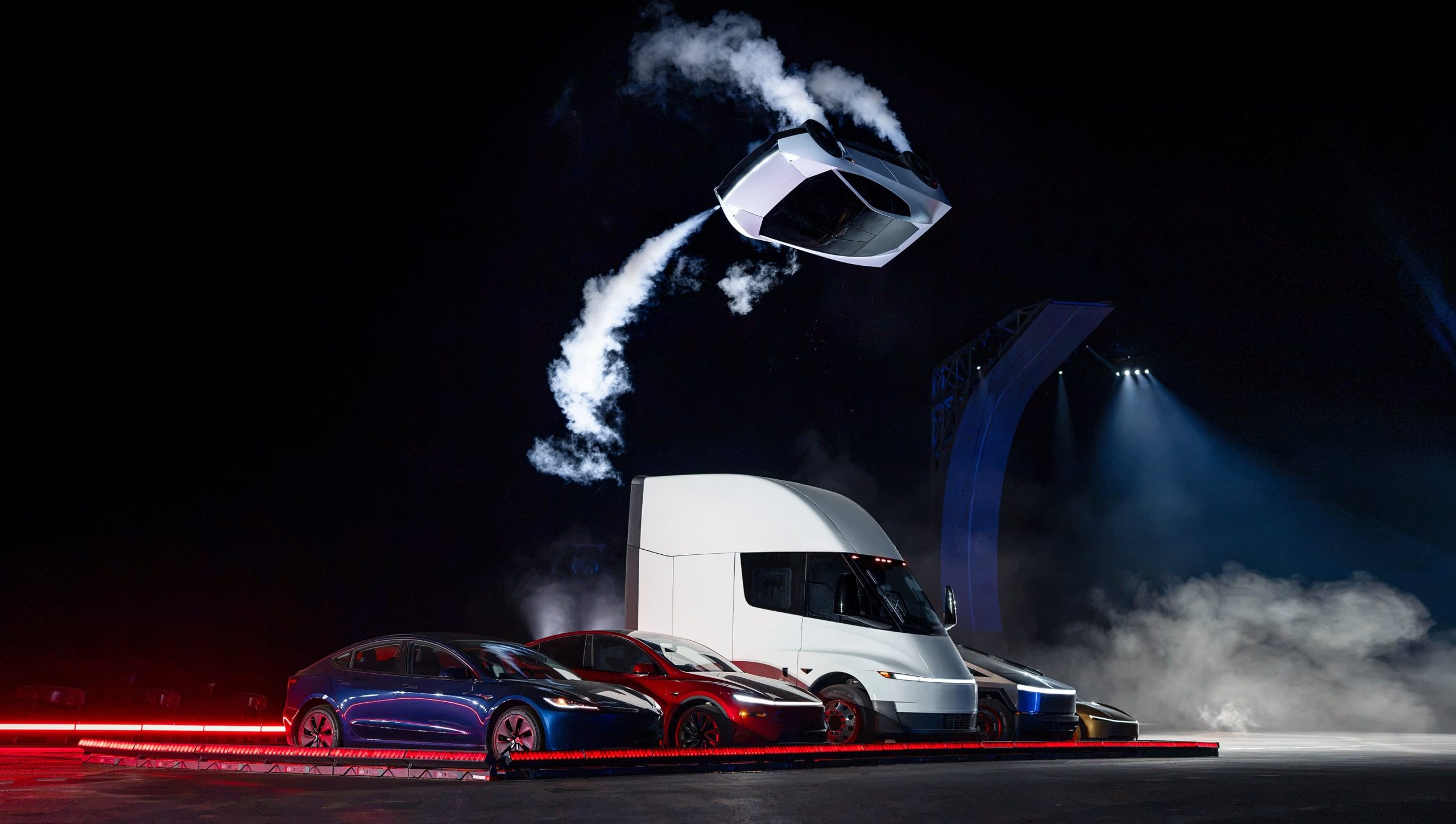
Tesla has released a fresh point-of-view video capturing the next-generation Roadster’s headline stunt from its October 15 unveiling, giving fans a visceral look at the car as it jumps and rotates over its siblings within the company’s vehicle lineup.
Tesla posted the video on X today with the caption “POV you’re a flying car,” and the roughly 30-second clip reveals never-before-seen angles directly attached to the Roadster. It’s really unbelievable:
The sequence reveals the uncrewed prototype firing its cold-gas thrusters, lifting off the ground, and barrel-rolling fully inverted while sailing over a staged lineup that includes a Model 3, Model Y, Cybercab, Cybertruck, and Tesla Semi.
Here’s an image of it that Tesla shared right after the unveiling event for a better perspective of what you’re looking at:
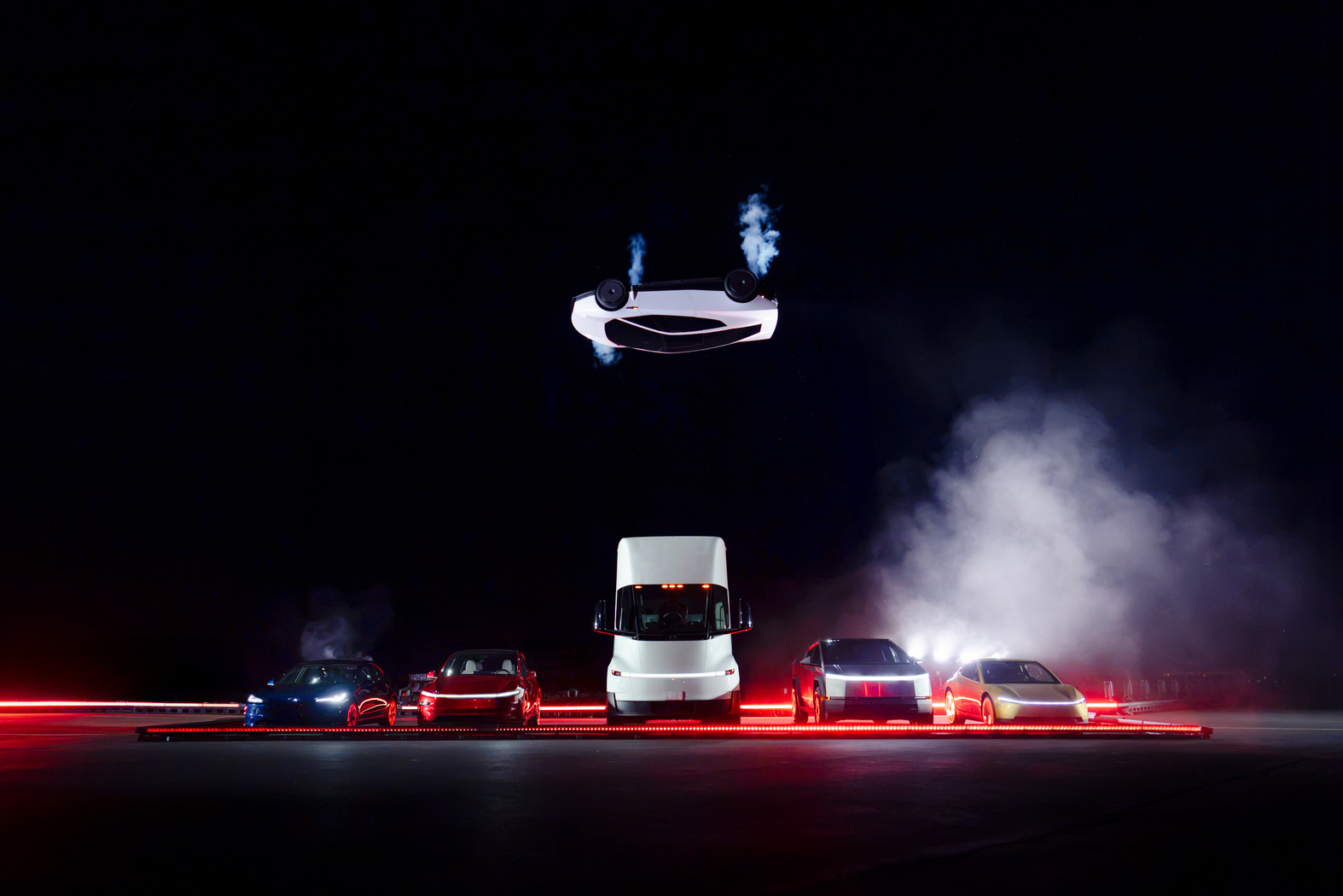
Credit: Tesla
There are also some other cool takeaways from the video, including the shift to the inverted-ramp demonstration. The Roadster uses its underbody suction-fan system to climb, then lock itself upside down on the ramp.
This generates multiple Gs of downforce, which then translates into the Roadster releasing these systems to enable a mid-air roll. The car then settles on its wheels gently as thruster vapor provides a perfect cushion.
All of the runs at SpaceX’s McGregor, Texas, test site, which is where the unveiling took place, were autonomous. Elon Musk stated this was a safety measure.
Tesla shows what Roadster drivers will see on screen before thruster activation
Tesla’s vehicle-engineering chief Lars Moravy dubbed the mid-air roll the “kickflip,” prompting Musk to quip that Tony Hawk would be proud and that the car could clear even more of the fleet. The thrusters, which use high-pressure compressed air and fast electric actuators, provide the precise, short-duration force needed for both the launch and the controlled rotation; the same hardware is intended for production versions of the higher-end Thrust and Rocket trims.
The second-generation Roadster, first teased in 2017, has been delayed repeatedly. Musk has indicated production is targeted for 2028.
While the company has yet to publish full pricing or independent performance verification, the combination of extreme acceleration, ground-effect suction, and limited flight capability has already positioned the car as one of the most theatrical EV reveals in years.
Musk has also said Tesla plans a dedicated Texas test track so future owners can experience the maneuvers themselves, far from public roads. The new POV clip simply lets everyone else feel a fraction of that experience from the car’s own cameras.

Elon Musk’s Grok Bot is picking up the phone now, and the first calls are wild

Tesla Full Self-Driving gets hit with some adjustments in Europe


