News
Tesla Robotaxi vs. New York Taxi: Why the Yellow Cab has a lot to lose
Tesla Robotaxi could spell the beginning of the end of the New York City yellow cab.

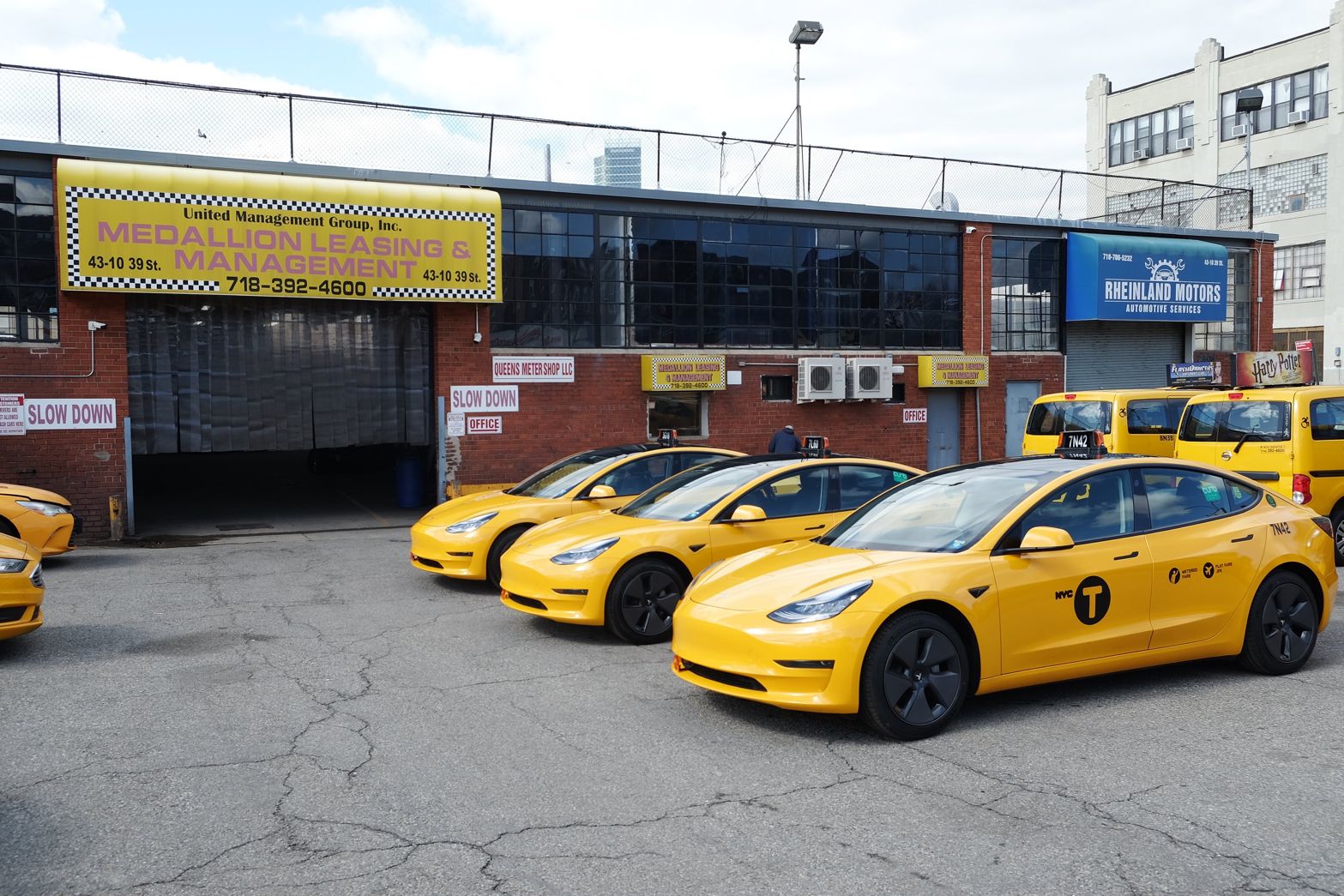
Tesla appears to be on its way into the Big Apple, and a traditional Yellow Cab in New York City might be a thing of the past in the near future.
As Tesla continues to put an immense focus on the rollout of its Robotaxi platform, it is evident that driverless ride-hailing modes of transportation could truly be the way that many choose to get around. This is especially prevalent in cities like New York, where many people do not own cars. Instead, they choose to walk to hail a cab.
Tesla Robotaxi is headed to New York City, but one thing is in its way
But the limited number of medallions available for taxi drivers in New York City, as well as several other points of emphasis, seem to show the future is here and yellow cabs might soon be a thing of the past.
Instead of working tirelessly to pay off the debt from medallions, entrepreneurs could soon just buy a Tesla and have it work autonomously in New York City. Tesla executives have mentioned figures as high as $50,000 per year in terms of passive income from Robotaxi operation.
That is just the tip of the iceberg, and Robotaxi presents not only one but at least five distinct advantages over the traditional cab platform. With Tesla starting to seek employees to operate Robotaxi rides in New York, according to recent job postings, New York City cabs should prepare for the disruption Tesla could potentially cause.
Lower Operational Costs and Cheaper Fares
Uber and Lyft have already undercut the costs of New York City taxis, but Robotaxi is starting to undercut even those ride-sharing programs in Austin, Texas.
In terms of how much cheaper Robotaxi will be than cabs, it is an exponential measurement over time. Robotaxi will not require salaries, benefits, or tips, and the cost of Robotaxi could end up being just a fraction of what the same ride would cost in a cab.
This feeds right back into medallion expenses and union wages: even buying a Tesla in the next few years that has the capability to operate as a Robotaxi will be a fraction of what medallions cost, which is sometimes $200,000.
Availability and Scalability
Cabs are available at all hours of the day, but at certain times, they are less available.
Robotaxis can technically operate without breaks, other than charging. Tesla has an immense focus on scaling its Robotaxi platform anyway, and once it is available for the public to use in their personal cars, Model Ys and Cybercabs could be roaming the streets of the five boroughs with more reliability and lower wait times than traditional cabs could ever offer.
This is an issue that is even more relevant in smaller cities or less congested portions of New York.
Safer and More Efficient Rides
Tesla’s Full Self-Driving technology has reported recent safety figures that are ten times less likely to be involved in an accident than a human. Tesla releases a Safety Report for each quarter that proves its safety against human drivers.
As Full Self-Driving continues to advance, it will get better. Riders who want a stable and safe ride could seek Robotaxi instead of going with a human driver. This is something that we’ll likely see more of in the future as sentiment on autonomous driving grows.
Trust in autonomous vehicles has increased substantially over the past ten years. In 2015, surveys showed that trust in autonomous vehicles was low, with only 23 percent of Americans showing that they’d ride in a driverless car.
In 2021, another study performed that asked the same question showed 57 percent of adults would try an autonomous car for their travel.
Seamless App Integration and User Experience
Taxis are not always the most entertaining to ride in, and sometimes they are even more difficult to get a ride in. Robotaxi has already shown to be an incredibly user-friendly experience, with riders being able to choose what temperature the cabin is and what music they want to listen to in the cabin.
The addition of a rear screen also allows riders to choose from a selection of games or YouTube videos in the car.
One thing going for @robotaxi: the rear screen is seriously really good. Very responsive screen and well designed UI. Your music app is synced from your Tesla account and you can easily control music, watch videos, etc.
Blows away Waymo’s entertainment options, weird Google… pic.twitter.com/fep2yIGzWq
— Ethan McKanna (@ethanmckanna) July 19, 2025
Hailing a vehicle was basically resolved with the use of Uber and Lyft. Robotaxi is just as good, if not better, from an app standpoint, especially as the in-car climate is able to be adjusted from the Robotaxi app.
Music from one Robotaxi will continue to play in your next one, too. It’s a small luxury, but it’s a feature that is an improvement over a traditional taxi.
The Push for Sustainability by New York City
New York is pushing for a city-owned fleet of all-electric vehicles by 2027.
Its green initiatives, including the Green Rides Initiative, have pushed the city’s rideshare trips to be conducted by either zero-emission or wheelchair accessible vehicles by 2030.
Tesla Model 3 taxis drive NY’s resolution for more all-electric yellow cabs
The focus by consumers to use green or zero-emission vehicles could also steer right into the direction of Tesla Robotaxi, as none of the vehicles in the Robotaxi fleet will be anything but all-electric Teslas.
Carbon neutrality is a goal of the City and its residents. Moving forward, we could see these programs start to put immense pressure on the yellow cab, which could eventually be a thing of the past.


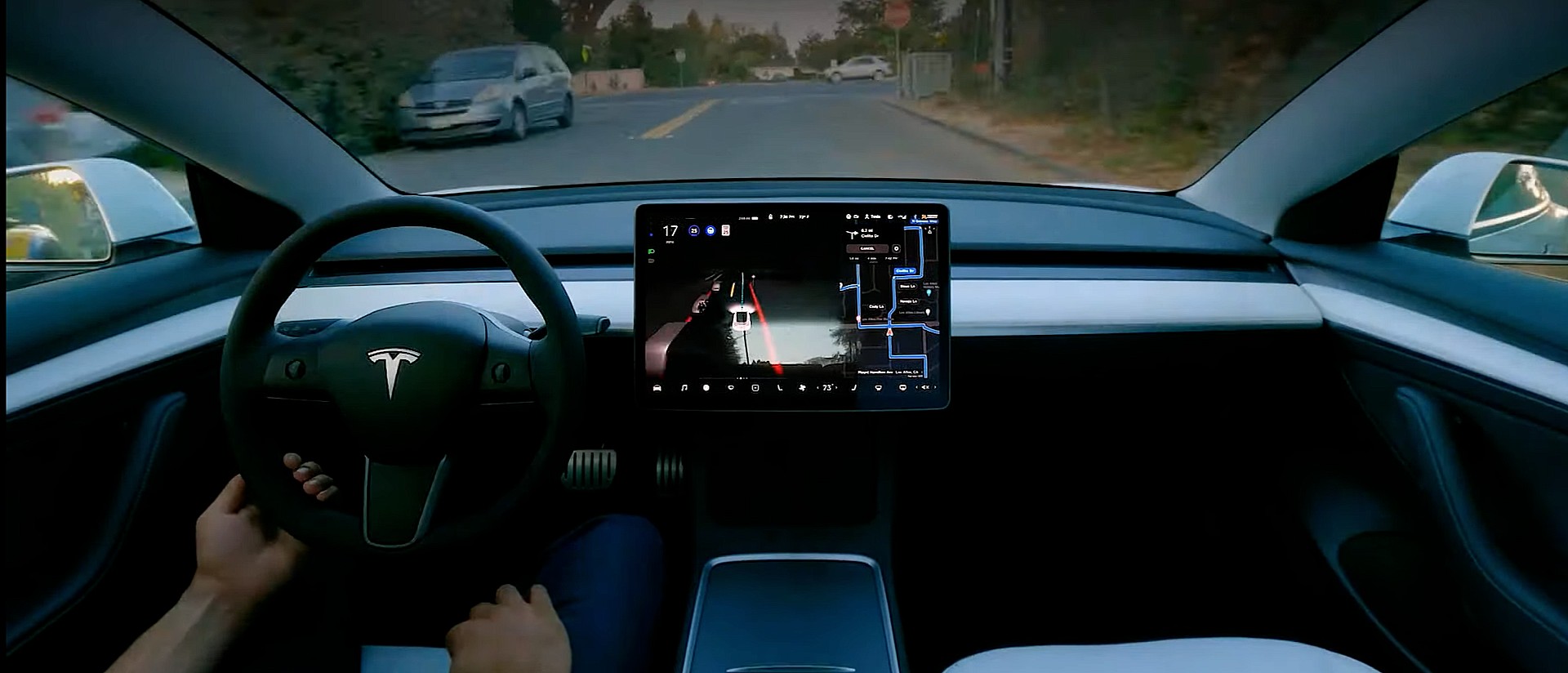
Tesla Full Self-Driving (Supervised) showed a record attach rate at delivery for new vehicles in the third quarter of 2026.
75 percent of new vehicle deliveries in North America included a subscription to FSD software, up from 55 percent in the prior quarter, a 20-percentage-point sequential gain in the company’s most mature market.
Tesla Q3 2026 Earnings results: in-line revenues, slight beat on EPS
Tesla shed light on the Q3 Shareholder Deck that 75 percent of new deliveries came with an FSD subscription:
“FSD (Supervised)⁴ attach rate continued to grow, reaching over 75% of new vehicle deliveries in North America – our most mature market – a nearly twenty percentage point sequential increase. We believe that FSD is driving demand in markets where it is available, and we continue to work with regulators to get it approved in other markets. “
The higher attach rate accompanied strong growth in the overall FSD consumer base, as active subscriptions rose to 1.75 million, a 67 percent year-over-year increase. For the first time, more than half of paid customers are on the monthly subscription, which is priced at $99 per month in the U.S.
People are buying FSD with a car attached, not the other way around
— Elon Musk (@elonmusk) October 21, 2026
The transition to subscriptions has accelerated since Tesla discontinued the one-time purchase option in most markets earlier this year. The recurring model improves revenue visibility and margins compared with large upfront payments. With three-quarters of North American deliveries now including FSD, the software is now an evidently large contributor to Tesla’s economics and ancillary revenue.
Geographic expansion remains important for further gains. FSD is now available in nine countries in the EU, and more than 100,000 customers have driven over 160 million kilometers. Tesla is pursuing broader EU-wide approval, with a related vote expected in December. Similar progress in additional markets could support higher attach rates beyond North America.
These results came as Tesla had a strong quarterly delivery performance of 486,532 vehicles in the quarter, which came with its largest passenger-vehicle backlog in four years. Battery supply continued to limit volume, but the company has pointed to FSD as a clear difference-maker that is helping sustain demand. As supervised capabilities improve, the attach rate will likely continue to improve.
At face value, it is a key measure of how Tesla is converting sales into autonomy progress.
Update: 10/22 10:51a – Para 1 consumers changed to “customers” for accuracy.
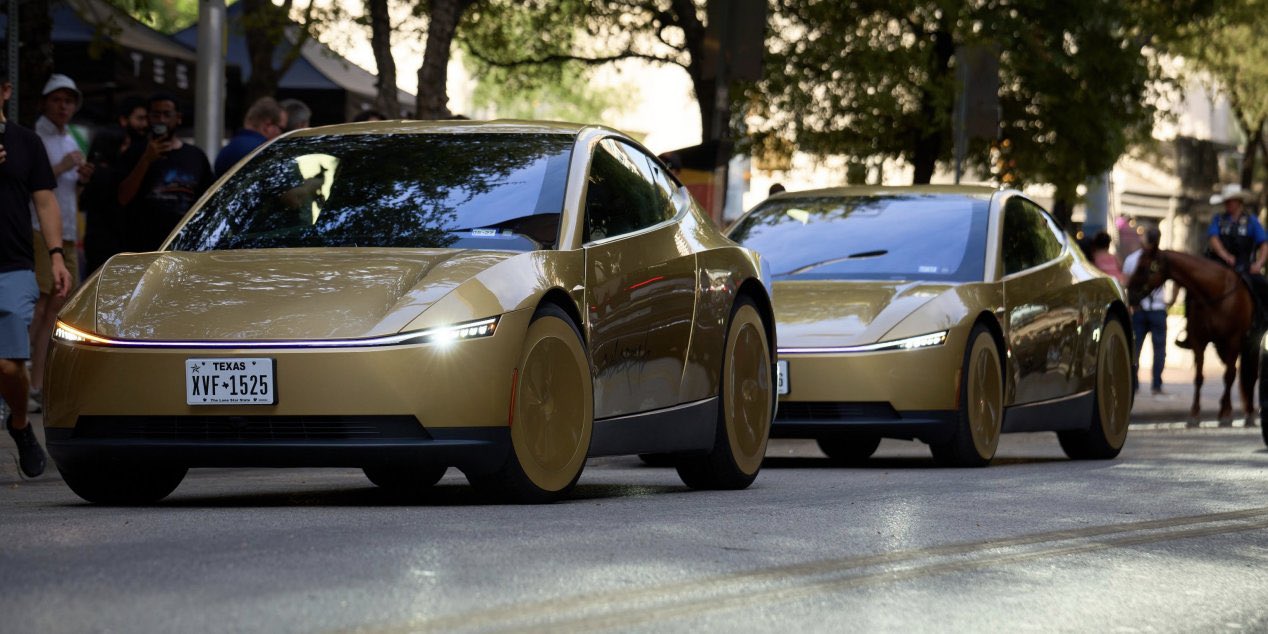
Tesla Cybercab units finally got a definitive date for when they will be able to be purchased by customers, ending speculation regarding whether the fully autonomous vehicle would be available in the near term.
During Tesla’s third-quarter 2026 earnings call on October 21, Vice President of Engineering Lars Moravy said the company is aiming to begin delivering its purpose-built Cybercab robotaxi to customers before year-end.
🚨 In short, Cybercabs are slated to go to customers by end of the year. All units are going into Robotaxi fleet currently, per @larsmoravy
Cybercab will be “transport-as-a-service,” but vast majority of Cybercab will be “Tesla-owned,” @elonmusk says https://t.co/R8Qu8QWdmp
— TESLARATI (@Teslarati) October 21, 2026
“We’re trying to get Cybercabs to customers by the end of this year, 2026,” Moravy said. He added that production is underway on the line at Gigafactory Texas, but “all of those are currently going to our own internal Robotaxi fleet.”
Moravy explained that as operations scale, Tesla will “mainly deliver fully designed autonomous vehicles to our customers,” with the Cybercab as the first such vehicle. Initial customer deliveries will start small while the company gains experience with delivery logistics, ownership models, fleet management, and operating autonomous vehicles outside its direct control.
CEO Elon Musk reinforced the limited nature of private sales, describing the Cybercab primarily as a “transport-as-a-service” offering rather than a personal ownership vehicle like the Model 3, Model Y, or upcoming Roadster. “The vast majority of the Cybercab stuff will be Tesla-owned and transport-as-a-service,” Musk said.
The Cybercab is a two-seater vehicle developed by Tesla without a steering wheel or pedals. It relies completely on Tesla’s Full Self-Driving suite and has been in production since February. Early units have been put in Tesla’s Robotaxi service as of early September, when the company launched rides to the public. Tesla previously indicated it would aim to sell Cybercabs for about $30,000.
Unsupervised Full Self-Driving is expected to ship to consumer cars during Q2 2027, Ashok Elluswamy, Tesla’s Head of AI, indicated during the call. Early buyers or fleet operators may receive vehicles whose autonomous operation remains geographically restricted due to lagging regulatory agencies. There are some hurdles that remain ahead of Cybercab deliveries.
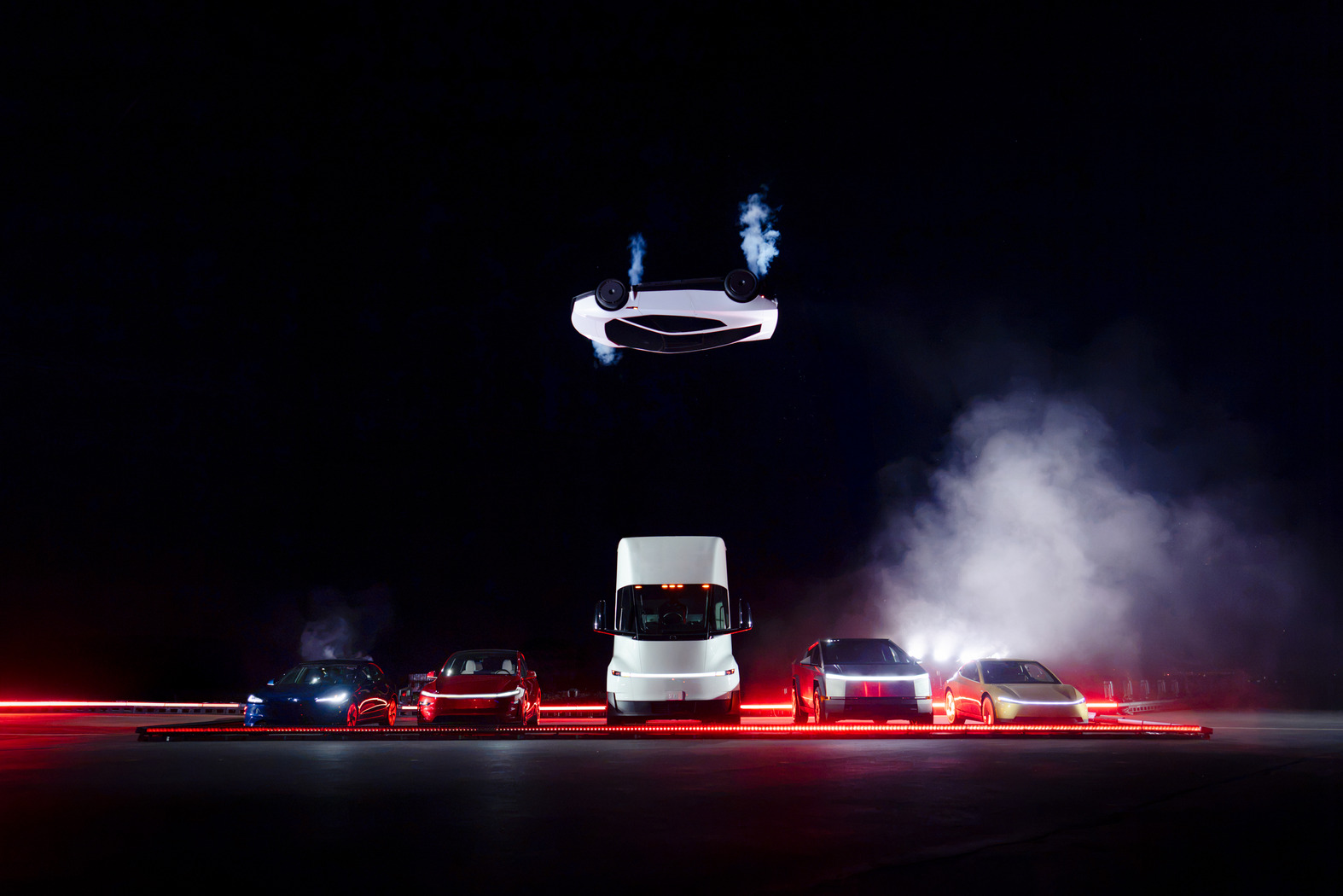
Tesla (NASDAQ: TSLA) reported its earnings for the third quarter of 2026, marking a reasonable performance on the various financial metrics. Tesla still plans to hold a call that will field investor questions at 5:30 p.m. ET, 4:30 p.m. CT.
Here’s where Earnings came in:
- Total Revenues: $28.046 reported vs. $28.34B expected
- Non-GAAP EPS: $0.48 reported vs. $0.45 expected
- Operating Margin: 2.6 % reported vs. 2.5% expected
- Operating Income: $718M reported vs. $721M expected
- Free Cash Flow: $1.531B reported vs. ~-$4.51B expected
Tesla $TSLA Earnings Results:
Revenues: $28.046B
Non-GAAP EPS: $0.48
Operating Margin: 2.6%
Operating Income: $718M
FCF: $1.531B— TESLARATI (@Teslarati) October 21, 2026
Major Takeaways
Full Self-Driving (Supervised)
“FSD (Supervised)⁴ attach rate continued to grow, reaching over 75% of new vehicle deliveries in North America – our most mature market – a nearly twenty percentage point sequential increase. We believe that FSD is driving demand in markets where it is available, and we continue to work with regulators to get it approved in other markets.”
Tesla Semi
“We began volume production of Tesla Semi, our Class 8 heavy-duty truck. The top variant can go 500 miles at full 82,000 lbs gross combination weight while achieving an efficiency of 1.7 kWh/mile. That efficiency allows the Tesla Semi to use a third of the energy used by a comparable diesel truck to haul the same payload. In a transportation market where energy is one of the largest components of total cost per mile, this will provide a meaningful advantage to Tesla Semi operators.”
SI Compute
“We plan to reach 400 MW of SI training compute by the end of the year, supporting the development of both vehicle and humanoid robot autonomy software. Additionally, we continued construction for the Austin Fab, where we plan to start commissioning equipment in 2027.”
Robotaxi
“We began deployment of Cybercab into our Robotaxi fleet in Austin. We reached nearly two million cumulative unsupervised miles for our Robotaxi service as of the end of the quarter. Operating hours in Austin are now 6am to midnight, and we expect to reduce wait times via increased fleet supply and improvement of Robotaxi orchestration algorithms. Grok is available in Cybercab with access to Grok Bot and Connectors, which allows users to manage their inbox, calendars, files, chats and tasks – all hands free via voice command – making Cybercab a mode of transport, a productivity space and, with our entertainment options, a second living room.”
Interested in ordering a Tesla? Use my referral code for three free months of Full Self-Driving (Supervised) here.

Tesla buyers are buying for Full Self-Driving and not for the car, data shows

Tesla Cybercab gets a for sale date at last


