News
Tesla Model Y leads South Korea’s EV growth in 2025
Data from the Korea Automobile and Mobility Industry Association showed that the Tesla Model Y emerged as one of the segment’s single biggest growth drivers.

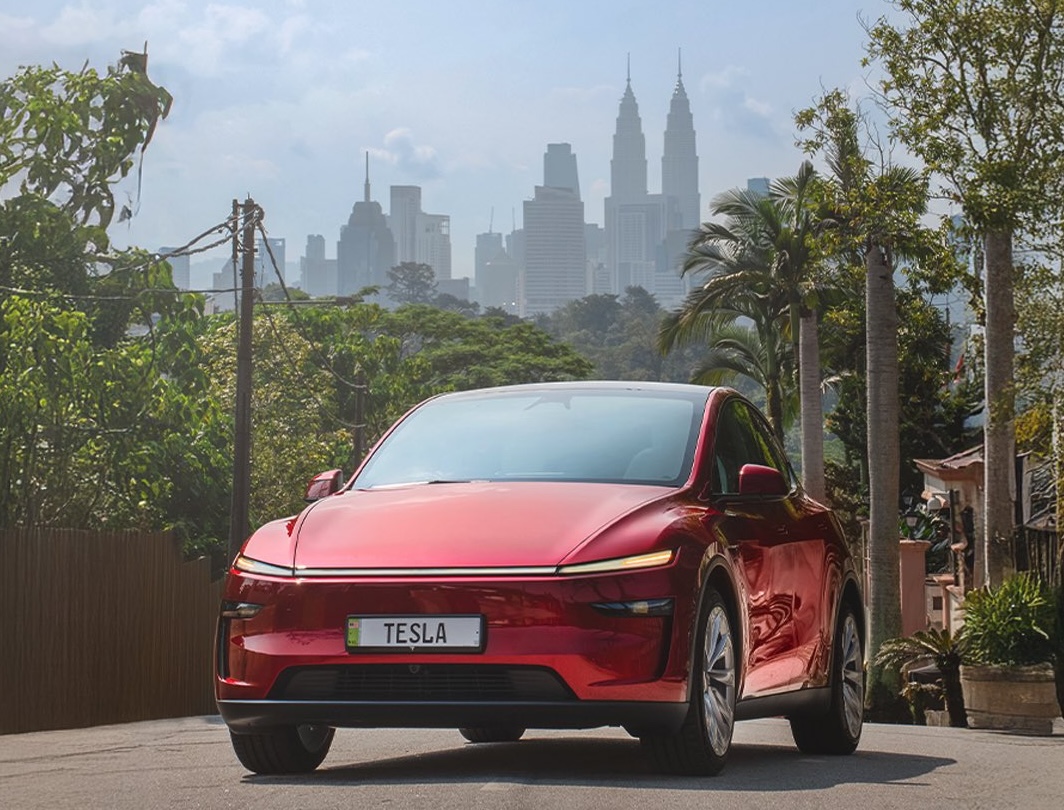
South Korea’s electric vehicle market saw a notable rise in 2025, with registrations rising more than 50% and EV penetration surpassing 10% for the first time.
Data from the Korea Automobile and Mobility Industry Association showed that the Tesla Model Y, which is imported from Gigafactory Shanghai, emerged as one of the segment’s single biggest growth drivers, as noted in a report from IT Home News.
As per the Korea Automobile and Mobility Industry Association’s (KAMA) 2025 Korea Domestic Electric Vehicle Market Settlement report, South Korea registered 220,177 new electric vehicles in 2025, a 50.1% year-over-year increase. EV penetration also reached 13.1% in the country, entering double digits for the first time.
The Tesla Model Y played a central role in the market’s growth. The Model Y alone sold 50,397 units during the year, capturing 26.6% of South Korea’s pure electric passenger vehicle market. Sales of the Giga Shanghai-built Model Y increased 169.2% compared with 2024, driven largely by strong demand for the all-electric crossover’s revamped version.
Manufacturer performance reflected a tightly contested market. Kia led with 60,609 EV sales, followed closely by Tesla at 59,893 units and Hyundai at 55,461 units. Together, the three brands accounted for nearly 80% of the country’s total EV sales, forming what KAMA described as a three-way competitive market.
Imported EVs gained ground in South Korea in 2025, reaching a market share of 42.8%, while the share of domestically produced EVs declined from 75% in 2022 to 57.2% last year. Sales of China-made EVs more than doubled year over year to 74,728 units, supported in no small part by Tesla and its Model Y.
Elon Musk, for his part, has praised South Korean customers and their embrace of the electric vehicler maker. In a reply on X to a user who noted that South Koreans are fond of FSD, Musk stated that, “Koreans are often a step ahead in appreciating new technology.”



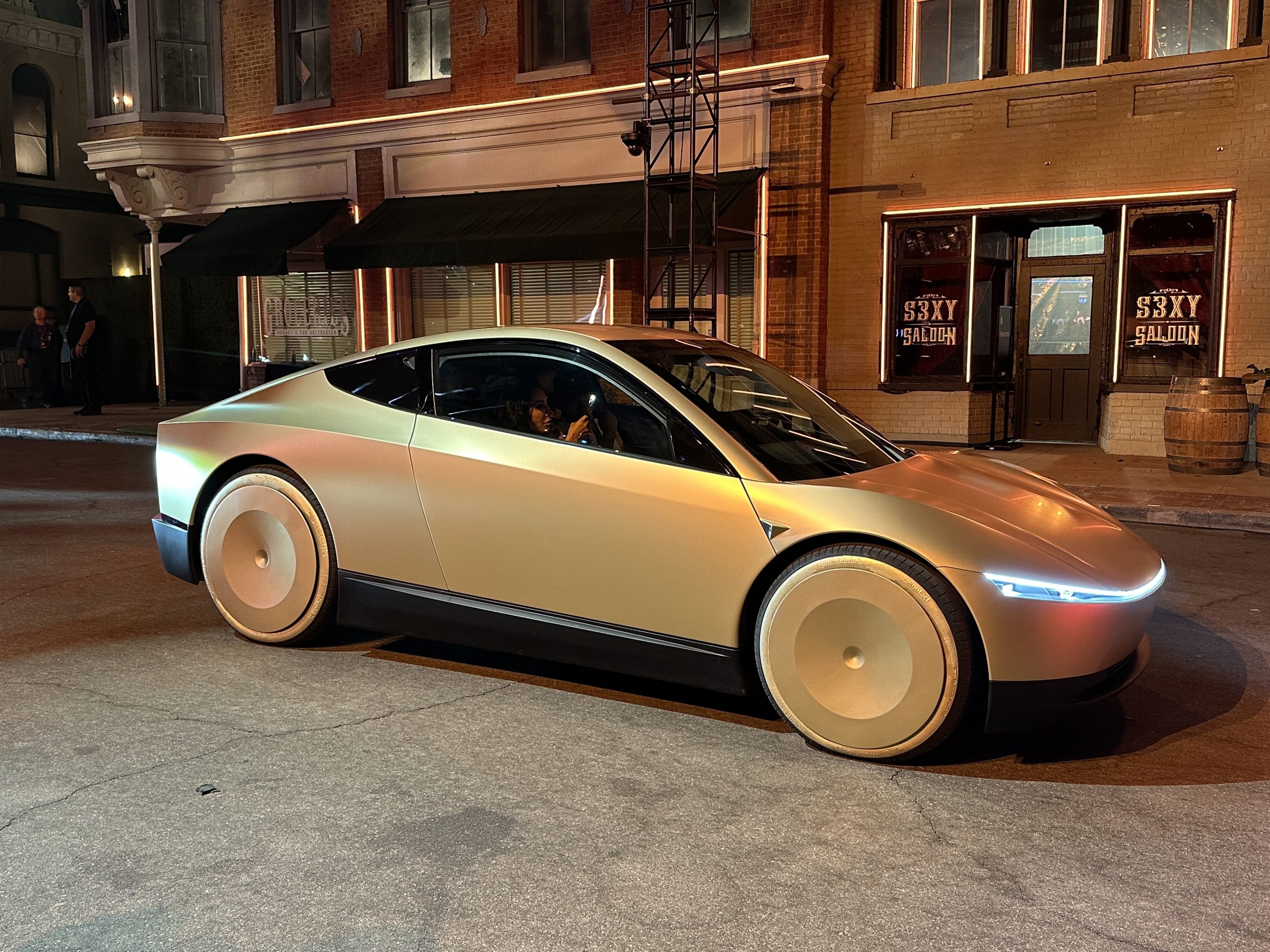
Tesla launched the all-electric, steering wheel-less, and pedal-less Cybercab last night at a quiet and small event in downtown Austin, Texas.
The launch, which marked the beginning of unsupervised ride-hailing for Tesla’s Robotaxi platform with Cybercab, has already caught the attention of the National Highway Traffic Safety Administration (NHTSA) who has more questions.
NHTSA opened an Audit Query (AQ) into the Cybercab’s Federal Motor Vehicle Safety Standards (FMVSS) certification that Tesla gave the vehicle. Manufacturers self-certify vehicles much of the time to avoid excessive regulatory delays.
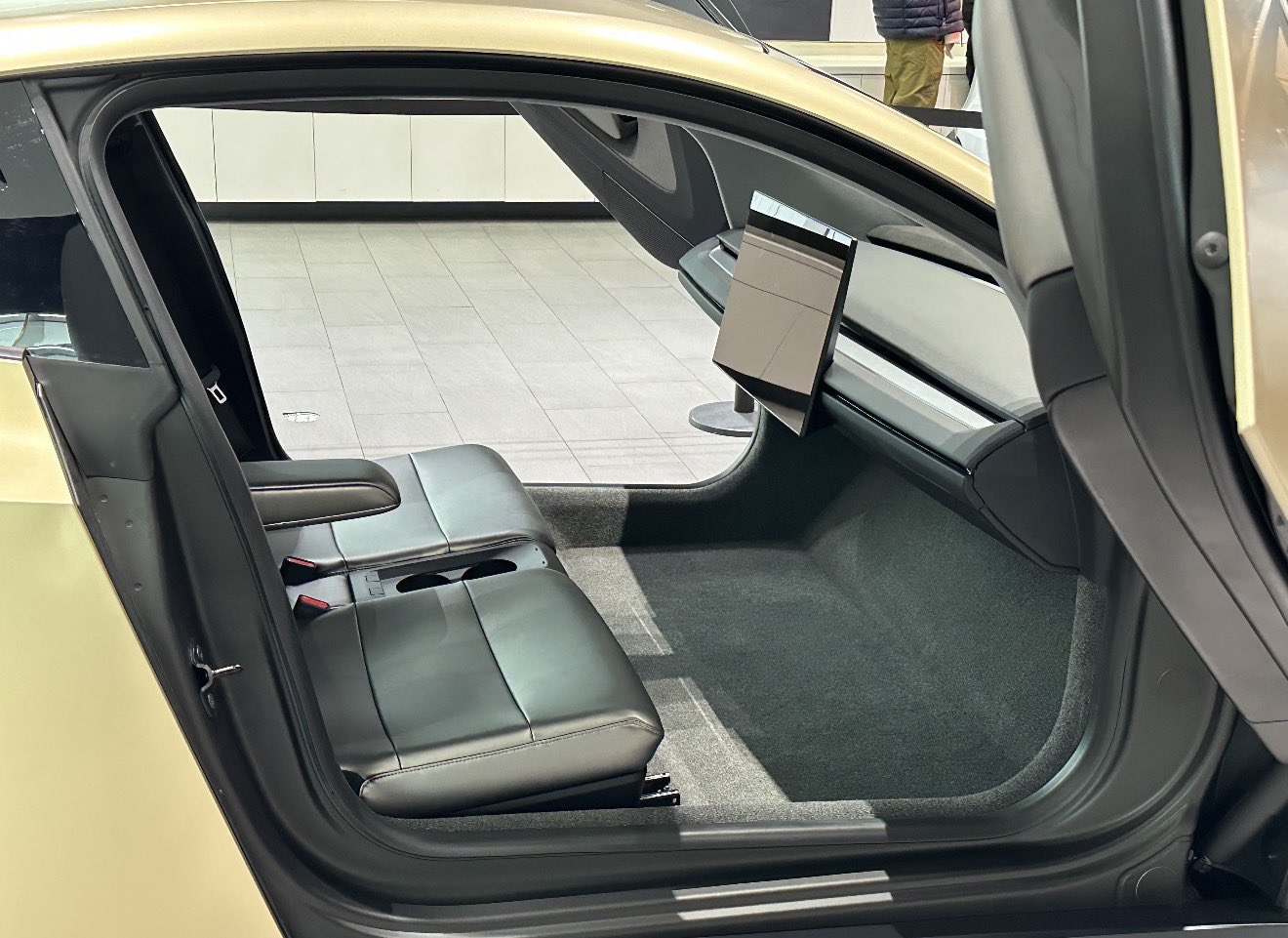
Tesla Cybercab interior, note the lack of steering wheel and pedals. (Credit: @niccruzpatane/X< /a>)
However, the agency needs more information; it said in a summary:
“On September 3, 2026, Tesla began commercial deployment with a small number of its Cybercab vehicles in Austin, Texas. Tesla notified the Agency that it certified those Cybercab vehicles as compliant with all applicable Federal Motor Vehicle Safety Standards (FMVSS). Tesla also notified the Agency that it plans to gradually expand commercial deployment of the Cybercab to include additional vehicles and locations.”
It also went on to state that the Cybercab lacks traditional automotive controls, which is a groundbreaking move. The process is entirely new to the NHTSA, which gives the agency some leverage to put Tesla’s launch under a microscope:
“The vehicles lack permanently attached, conventional manual controls, such as a brake pedal, gas pedal, steering wheel, and mirrors. NHTSA is opening this AQ to examine the process and technical data on which Tesla relied when certifying the Cybercab and related issues. Among other things, NHTSA will consider the extent to which Tesla’s certification depended on determinations that certain FMVSS are inapplicable to the Cybercab.”
Tesla has added 45 Cybercab units to its fleet of Robotaxi-enabled cars in Austin, according to public documents the company submitted to the State of Texas over the past week. Enabling this level of self-driving is something Tesla has worked toward for many years, and now that it is finally here, it seems more than reasonable that regulatory agencies will have some questions.
Many outlets might try to frame this as a negative, but it is truly an agency looking to gain more information about groundbreaking tech that Tesla has been developing for years.
In an effort to keep riders, pedestrians, and property safe, any and all data accumulated from these first days, weeks, and months of rides will likely be shared with the NHTSA to enable broader rollout strategies across the United States and more in the future.
Featured
Tesla Cybercab is coming to Asia this month as US service officially begins
Tesla Asia says Cybercab will be on display in Hong Kong, Tokyo, Beijing and Shanghai this month.

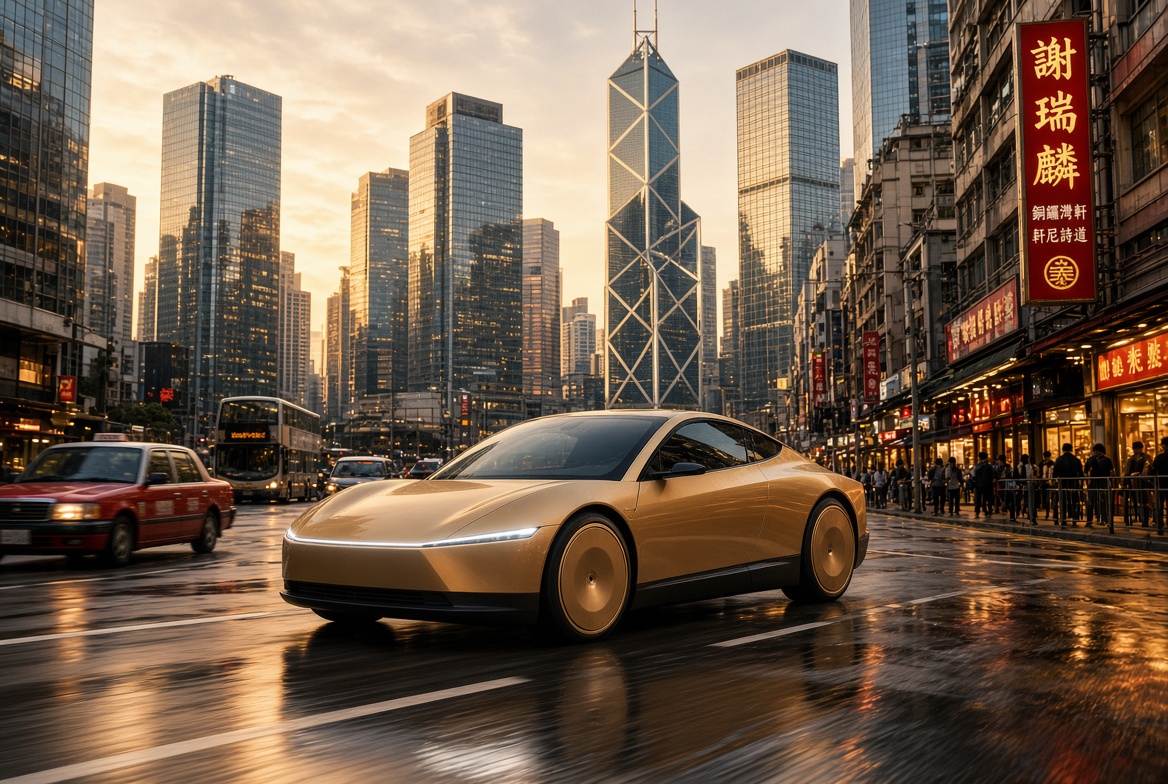
Tesla’s Cybercab is heading to Asia. The official Tesla Asia account posted on X Thursday, inviting Cybercab fans to “Come experience the future of autonomy in Hong Kong, Tokyo, Beijing & Shanghai.” The post went up within hours of Tesla’s own Cybercab milestone in Texas, where the company said Thursday it had begun offering rides in across Austin.
Exact dates and venues for the Asia tour haven’t been released yet, though Tesla Hong Kong replied to the announcement with “Cybercab will be on display in Hong Kong soon,” while Tesla Japan’s response pointed fans to a sign up page for updates. Neither post mentions test rides or a service area, and nothing so far suggests Tesla is launching Robotaxi operations in any of the four cities. Based on how Tesla has run past Cybercab tours, in Europe in late 2024 and at US shopping centers that same December, the Asia stops are almost certainly static displays at Tesla stores or public venues as a means to stimulate buzz for its future driverless ride-hailing service in the big cities.
Cybercab will be on display in Asia this month!
Come experience the future of autonomy in Hong Kong, Tokyo, Beijing & Shanghai. pic.twitter.com/wGmmEastfX— Tesla Asia (@Tesla_Asia) September 4, 2026
The timing lines up with Tesla’s only prior Cybercab appearance in the region, a booth at the China International Import Expo in Shanghai last November, which Teslarati covered at the time. At that event, Tesla’s regional general manager for Shanghai framed the car as evidence of the company’s broader mission, a message Tesla has since formalized in its Master Plan Part IV, which states that “autonomous vehicles have the capacity to dramatically improve the affordability, availability and safety of transportation while reducing pollution, particularly in our increasingly dense global cities.” The same document is where Tesla lays out its “sustainable abundance” framing for Cybercab and Optimus alike, describing the two as the hardware behind an AI driven push to cut the cost of transportation and labor at scale.
Whether Cybercab actually operates as a robotaxi anywhere in Asia remains an open question, considering China has already pushed an autonomous ride-hailing market that’s run on homegrown players like Baidu’s Apollo Go and Pony AI. For now, the four city tour reads as a marketing push timed to Austin’s momentum.
Lifestyle
Tesla Cybertruck targets job site crews with new Tailgate Utility Track and Bed Gear Box accessory
Tesla launched a $350 tailgate track and a $985 lockable Bed Gear Box for Cybertruck.
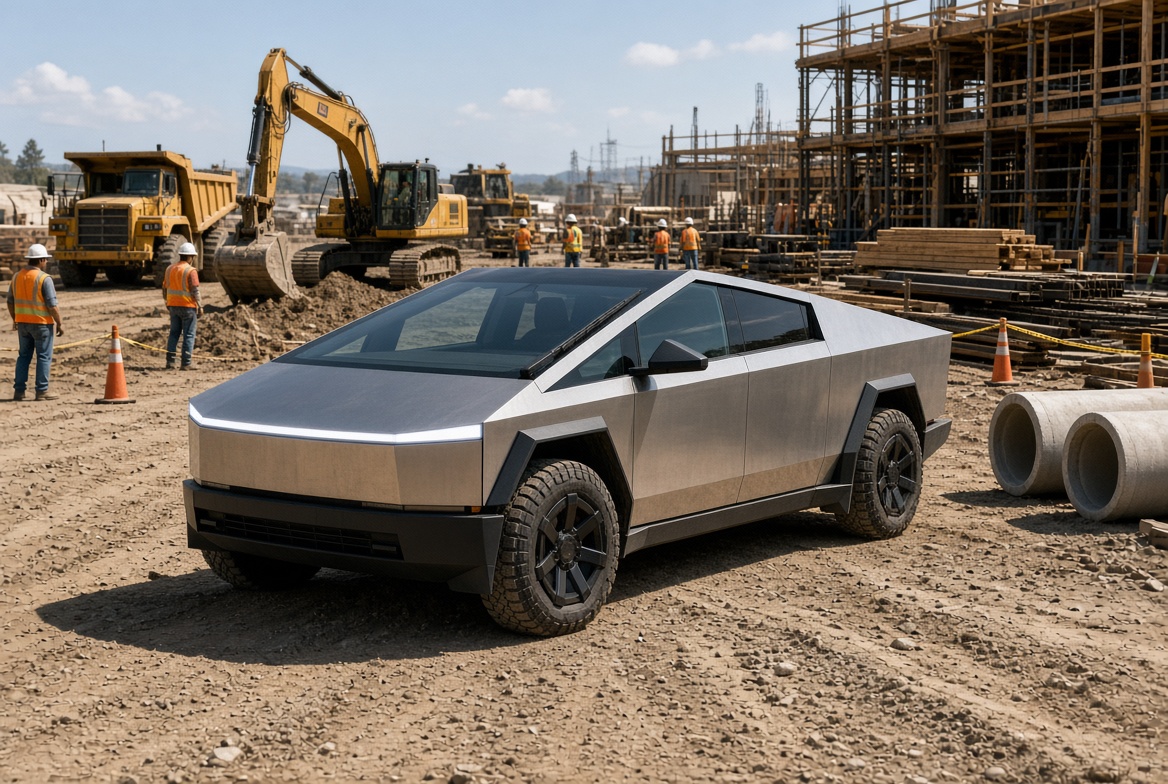
Tesla’s Cybertruck team added two more items to the Tesla Shop, targeting job site crews and owners who use the truck bed for actual work rather than just showing it off. The official Cybertruck X account posted the Tailgate Utility Track and the Bed Gear Box within minutes of each other, part of a five item batch that also included a reflective jacket, a spray paint hat and an updated reflective tee.
The Tailgate Utility Track runs $350 and turns the folded down tailgate into another mounting surface. It’s a single aluminum track with a T-slot for sliding accessories and two L-track attachment points, plus two load stops included in the box. The pitch is straightforward: strap down oversized cargo, like lumber or a cooler, that hangs off the back of the bed without it sliding out mid-drive. It bolts onto the existing tailgate and works on every Cybertruck trim.
Tailgate Utility Trackhttps://t.co/PCAYXlFBvS pic.twitter.com/sCV2NVxf1W
— Cybertruck (@cybertruck) September 3, 2026
The Bed Gear Box costs $985 and is a different kind of accessory. It’s a lockable aluminum storage box, 55.78 inches long, 19.8 inches wide and 7.79 inches tall, that mounts to the bed’s L-track rails and comes with two internal bins for smaller items. According to Tesla, at just over 57 pounds empty, it’s meant to stay in place rather than come in and out with each trip, giving owners a factory-fit alternative to loose totes for tools, recovery gear or emergency supplies. Tesla’s listing notes that Long Range and Dual Motor AWD Cybertrucks need the L-Tracks accessory installed separately before the Gear Box will mount, since L-tracks come standard only on certain configurations.
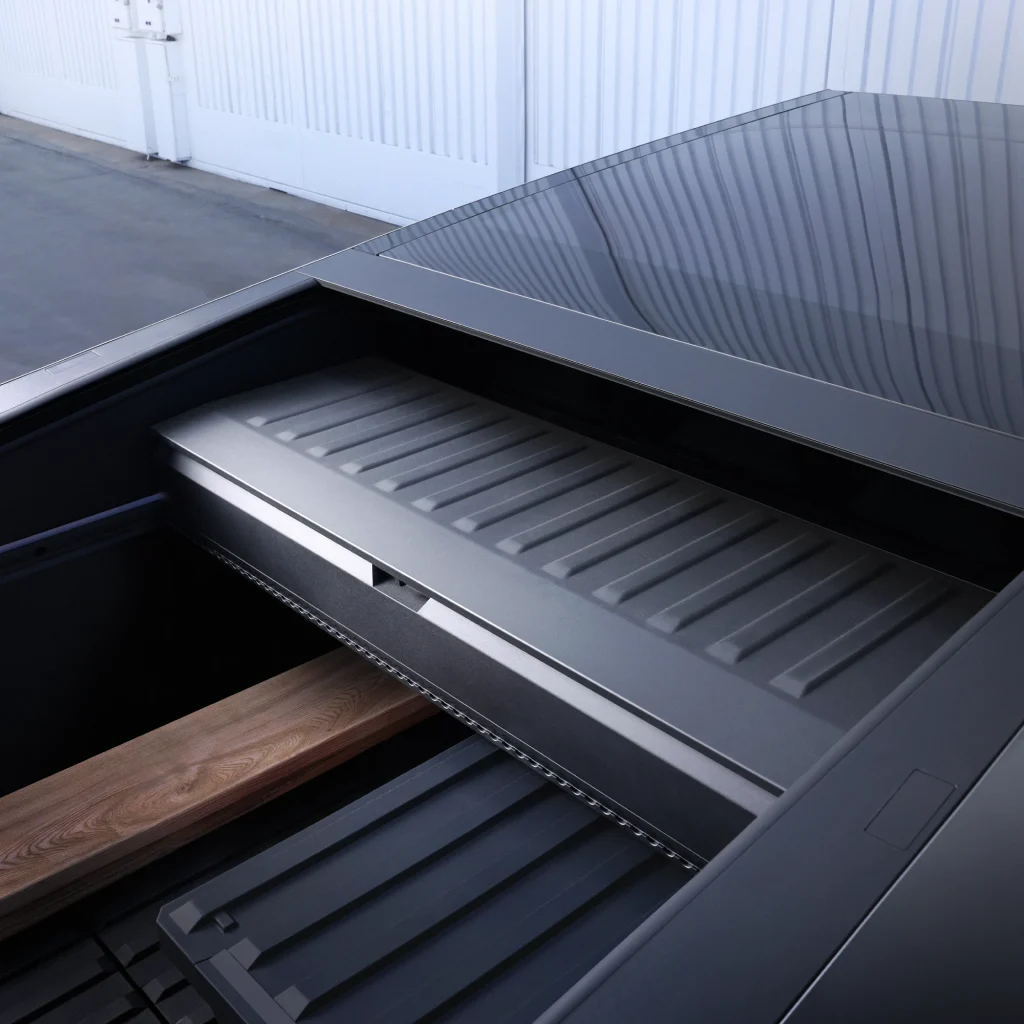
Tesla Cybertruck bed gear box accessory
Both accessories lean on the idea Tesla has been building toward since Elon Musk first described the Cybertruck’s third-party attachment strategy at the 2023 shareholder meeting, when he said the truck would ship with mounting points so outside companies, and Tesla itself, could keep adding gear without redesigning the bed. That’s the same L-track backbone underneath the tailgate shield and jumpseats Tesla launched last year, and the off-road armor package that arrived through the same X account in 2025.
Owners looking to round out the rest of the L-track ecosystem, cargo dividers, MOLLE panels, bed racks and similar gear, can find a wider range of options through our Cybertruck accessories collection.

Tesla Cybercab launch catches NHTSA’s attention who wants to know more

Tesla Cybercab is coming to Asia this month as US service officially begins


