News
Tesla ships out update that brings massive change to two big features
“This change only updates the name of certain features and text in your vehicle,” the company wrote in Release Notes for the update, “and does not change the way your features behave.”

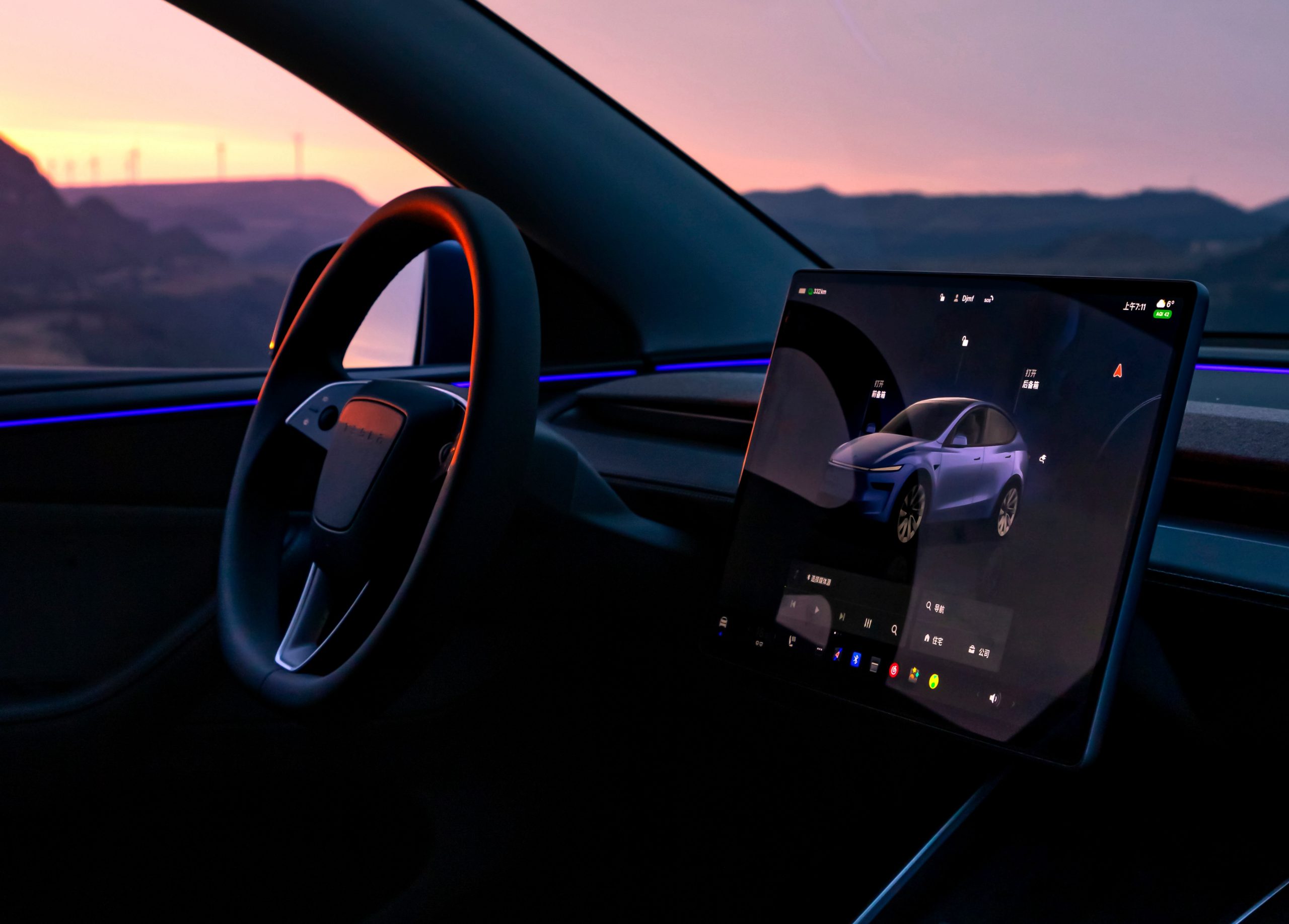
Tesla has shipped out an update for its vehicles that was caused specifically by a California lawsuit that threatened the company’s ability to sell cars because of how it named its driver assistance suite.
Tesla shipped out Software Update 2026.2.9 starting last week; we received it already, and it only brings a few minor changes, mostly related to how things are referenced.
“This change only updates the name of certain features and text in your vehicle,” the company wrote in Release Notes for the update, “and does not change the way your features behave.”
The following changes came to Tesla vehicles in the update:
- Navigate on Autopilot has now been renamed to Navigate on Autosteer
- FSD Computer has been renamed to AI Computer
Tesla faced a 30-day sales suspension in California after the state’s Department of Motor Vehicles stated the company had to come into compliance regarding the marketing of its automated driving features.
The agency confirmed on February 18 that it had taken a “corrective action” to resolve the issue. That corrective action was renaming certain parts of its ADAS.
Tesla discontinued its standalone Autopilot offering in January and ramped up the marketing of Full Self-Driving Supervised. Tesla had said on X that the issue with naming “was a ‘consumer protection’ order about the use of the term ‘Autopilot’ in a case where not one single customer came forward to say there’s a problem.”
This was a “consumer protection” order about the use of the term “Autopilot” in a case where not one single customer came forward to say there’s a problem.
Sales in California will continue uninterrupted.
— Tesla North America (@tesla_na) December 17, 2025
It is now compliant with the wishes of the California DMV, and we’re all dealing with it now.
This was the first primary dispute over the terminology of Full Self-Driving, but it has undergone some scrutiny at the federal level, as some government officials have claimed the suite has “deceptive” names. Previous Transportation Secretary Pete Buttigieg was one of those federal-level employees who had an issue with the names “Autopilot” and “Full Self-Driving.”
Tesla sued the California DMV over the ruling last week.


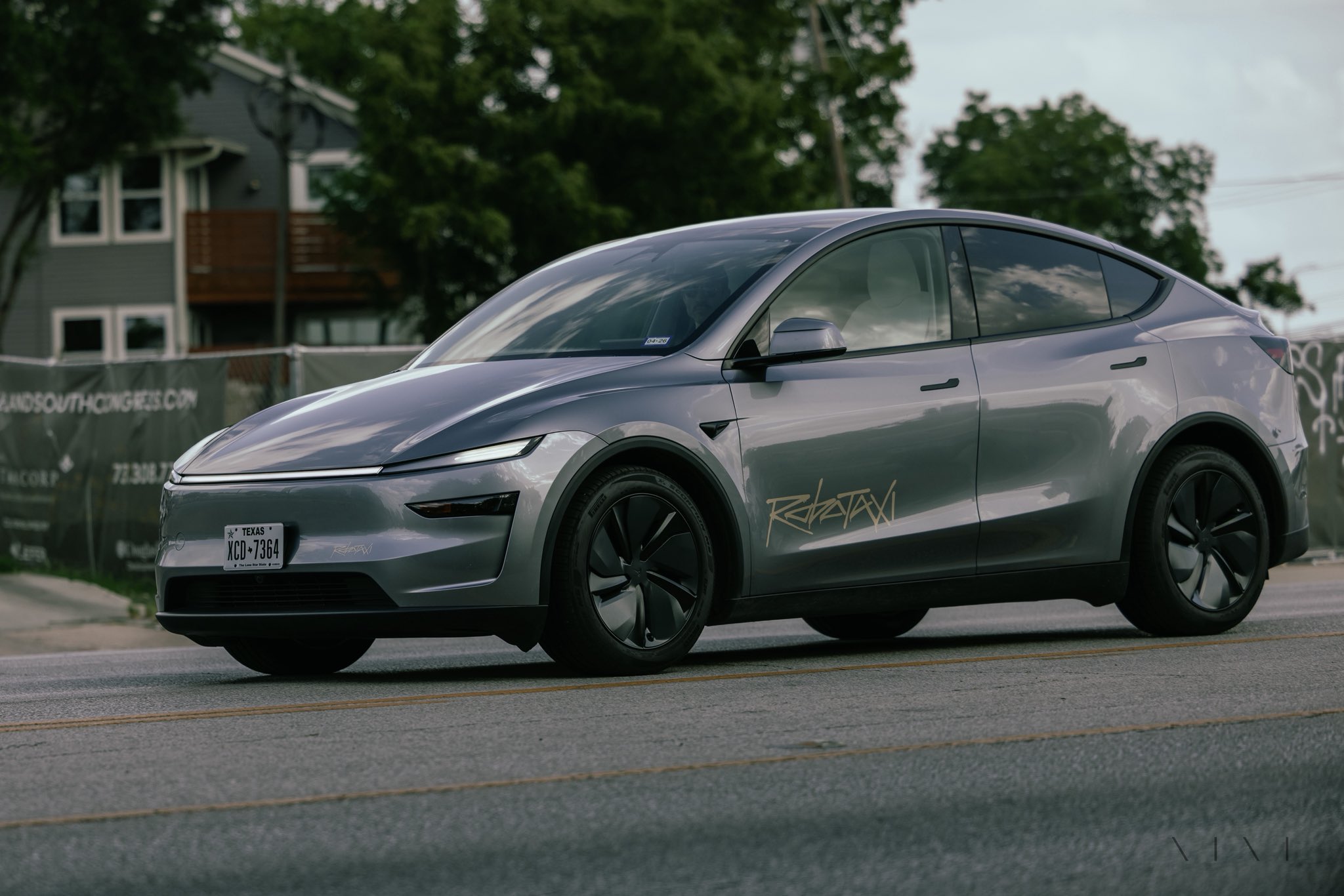
Elon Musk says that Tesla could test adding customer-owned vehicles to the Robotaxi platform as soon as December.
In a reply on X to an Austin-based Uber driver who uses a Model Y with Full Self-Driving and keeps only 49-63% of fares after the platform’s cut, Musk wrote:
“Coming soon. If things well, may start trials next month. Much better to manage a fleet of cars than have to drive just one car by yourself!”
@apostlejohn @WorldlyReviewer Coming soon. If things well, may start trials next month.
Much better to manage a fleet of cars than have to drive just one car by yourself!
— Elon Musk (@elonmusk) November 16, 2026
The exchange highlights the appeal of passive income from an autonomous vehicle versus actively driving for rideshare platforms.
This potential December start is technically earlier than prior company guidance, but it also aligns with the currently-projected first delivery of the Tesla Cybercab, a vehicle that has no manual controls.
Nevertheless, Tesla planned to bring customer vehicles into the fleet later on. During Tesla’s Q3 earnings call, AI leadership had pointed to roughly the second quarter of 2027 for customer vehicles joining the network. Musk’s comment suggests an accelerated pilot, most likely beginning in Austin, where Tesla’s Robotaxi service has operated longest and where new features typically roll out first.
December is also the target month for the first customer deliveries of the Cybercab. In mid-November, Tesla began inviting select buyers to purchase the purpose-built, two-seat vehicle for personal use at $29,990 plus a required $299 monthly Autonomy Subscription, with estimated deliveries in Austin.
Tesla Cybercab goes on sale for $29,990, slated for December deliveries
Those initial private Cybercabs are restricted to personal use within existing Robotaxi zones and do not automatically include commercial network participation; the large majority of Cybercabs are expected to remain Tesla-owned fleet vehicles.
The coincidence of the two December milestones underscores Tesla’s parallel paths. Customer Model Ys already on the road with FSD hardware could rapidly enlarge the vehicle pool for unsupervised trials, while the Cybercab, which is void of a steering wheel or pedals and equipped with only dedicated Robotaxi hardware, arrives as a purpose-built platform.
Hardware differences, such as additional cameras or cleaning systems on company Robotaxis, may constrain which Model Ys are eligible at the outset. Regulatory approvals, insurance arrangements, and software readiness will also determine whether the “if things go well” condition is met.
For owners, successful trials would fulfill a vision Musk first sketched in Tesla’s 2016 Master Plan: vehicles that earn money while their owners sleep or work.
Combined with the arrival of privately owned Cybercabs in the same month, December could mark the transition from Tesla-controlled Robotaxi operations to a broader ecosystem in which both company fleets and customer vehicles contribute to the company’s autonomous ride-hailing platform, which continues expanding.
Elon Musk
FAA turned down free Starlink offer before nationwide ground stop, Elon Musk says
Elon Musk says the FAA declined free Starlink terminals before last week’s nationwide ground stop.

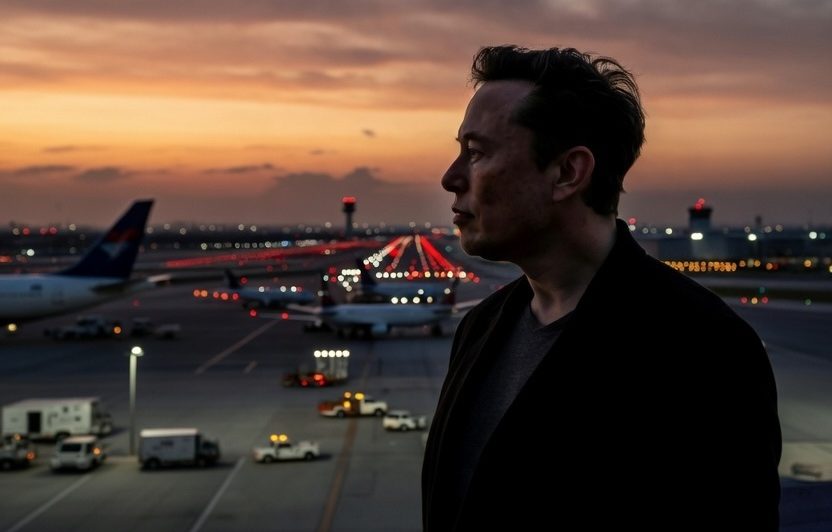
Elon Musk says the Federal Aviation Administration could have had Starlink backing up its air traffic communications for free, and he is pointing to last week’s nationwide ground stop as proof it was needed. “As I was saying … Free Starlinks for FAA were offered to Sec Duffy, but he said they were not needed. As it turns out, they were,” Musk wrote on X Monday.
Musk was quoting his own post from February 2025, when he wrote that “the ancient system that is rapidly declining in capability was made L3Harris,” while a newer replacement system from Verizon was “not yet operational.” The Department of Transportation has not responded publicly to Musk’s account of the offer.
The outage behind the post began at about 3:30 p.m. ET on Friday, November 13. According to the FAA’s own account, its legacy equipment became unstable when data began flooding its FAA Telecommunications Infrastructure network at a rate of 1,000 connection attempts every four to five seconds. The agency traced the flood to two locations, a radar site in Amarillo, Texas, and a radio communications site in El Dorado, Arkansas, where L3Harris had been installing a new router.
Instability spread across 17 of the FAA’s 22 Air Route Traffic Control Centers. The agency grounded departures nationwide while about 3,500 aircraft already in the air landed safely, and lifted the stop at 8:15 p.m. ET. Operators canceled roughly 12,462 flights that day, though the FAA notes not all of those were directly caused by the ground stop. L3Harris blocked the two sites to stabilize the network, and the FAA disabled the same router function on about 60 similar units. Officials found no sign of a cyberattack.
Transportation Secretary Sean Duffy has blamed prior administrations and dated systems, and has called on Congress to fund a $50 billion overhaul of the system.
Musk’s history with the FAA network goes back to early 2025, when he was leading the Department of Government Efficiency. He claimed on X that the system was failing and putting air travelers at risk, initially blaming Verizon before correcting himself to name L3Harris. The FAA confirmed at the time it was testing Starlink terminals, one at its Atlantic City, New Jersey facility and two at “non-safety critical sites” in Alaska. SpaceX said it was providing the kits at no cost and had no intent to take over any existing FAA contract.
Duffy described Starlink then as “part of a solution” rather than a replacement. By July 2025, the FAA told lawmakers it was not considering replacing its L3Harris and Verizon telecommunications contracts with Starlink.
Whether Starlink would have prevented Friday’s disruption is not clear. The FAA described a fault inside its terrestrial network rather than a loss of connectivity, and Musk did not explain how satellite links would have been used. His post does put SpaceX back in the conversation as Washington debates how to pay for the next air traffic control system. SpaceX already supplies Starlink to commercial airlines for inflight connectivity, and United’s rollout required FAA certification for each aircraft type.
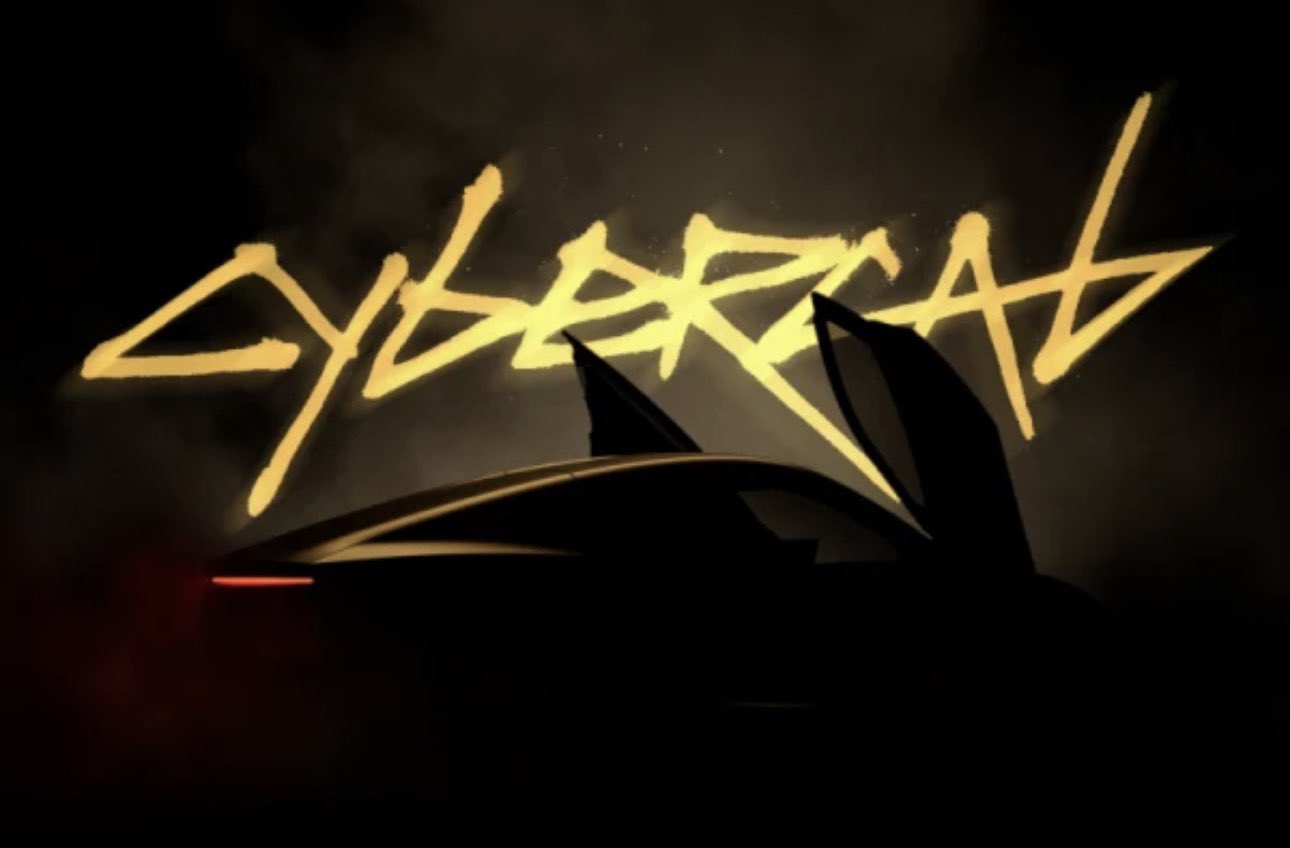
It is no secret Tesla is prioritizing Cybercab production as it plans to launch a fleet of fully autonomous vehicles without steering wheels or pedals across the world. Today, it made a €3 billion bet to do so in Europe.
Tesla announced on November 16, that it will invest €3 billion (approximately $3.3 billion) to expand its Gigafactory in Grünheide near Berlin, its only vehicle manufacturing site in Europe.
🚨 BIG NEWS: Tesla will invest €3 billion (~$3.3B) to expand Giga Berlin.
A new production building could eventually build up to 1 million Cybercabs a year. Construction targeted for H1 2027, production in 2029. Permit filing comes later this year. https://t.co/hsM8kNaJRR
— TESLARATI (@Teslarati) November 16, 2026
The investment will fund a major new production building—roughly twice the size of the existing main hall—and supporting infrastructure, including an additional wastewater treatment plant. The new facility is designed to produce up to one million Cybercabs annually once fully scaled, alongside continued Model Y output.
Tesla plans to file the building permit application before the end of 2026, according to Tagesspiegel, drawing on a broader expansion application submitted in 2023 that targets one million vehicles per year overall. Construction is scheduled to begin in the first half of 2027, with Cybercab production starting in 2029.
The company is already recruiting several hundred workers for construction and production planning. The site currently employs about 12,600 people after recent hiring of roughly 2,000, and it is ramping Model Y production toward 7,500 vehicles per week (around 375,000 annually).
This vehicle expansion comes just days after plant manager André Thierig indicated at the Automobilwoche Congress on November 11 that full battery cell production at Grünheide is on track for mid-2027.
The factory already produces electrodes, which are currently shipped to Texas for cell assembly and returned; the goal is to complete 4680-format cells on site using Tesla’s dry-electrode process, targeting up to 18 GWh annually.
The cumulative investment in the cell operation approaches €1 billion and is expected to create more than 1,500 jobs. Once operational, Giga Berlin would become the first plant in Europe to produce everything from battery cells to finished vehicles under one roof, raising the European content of its Model Ys to roughly 90 percent.
For Tesla’s German operations, the twin moves deepen vertical integration and reduce dependence on transatlantic and Chinese supply chains.
They also contrast sharply with the broader German automotive industry, which faces high costs, weak demand, and job cuts; Brandenburg officials have welcomed the investment as a significant economic boost that creates hundreds of new positions and strengthens the region as a manufacturing hub.
Tesla’s expansion advances its strategic pivot toward autonomy and robotaxis. The Cybercab is intended to become a high-volume product; adding major European capacity diversifies production beyond the United States and supports Elon Musk’s vision of autonomous vehicles comprising the majority of Tesla’s future output.
Combined with localized 4680 cell production, the plans position Giga Berlin as a more self-sufficient, technologically advanced European base, enhancing competitiveness as regulatory and market conditions favor higher local content.

Tesla may test customer-owned Robotaxis as early as next month, Musk says

FAA turned down free Starlink offer before nationwide ground stop, Elon Musk says


