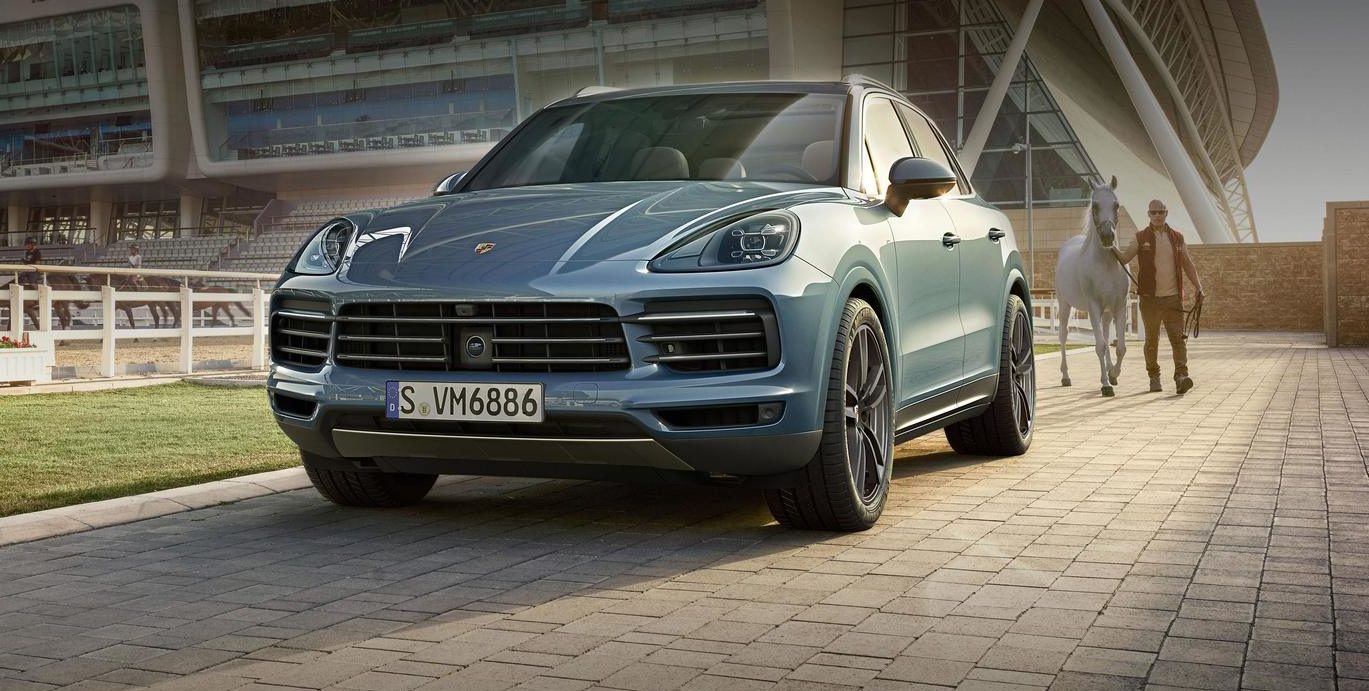
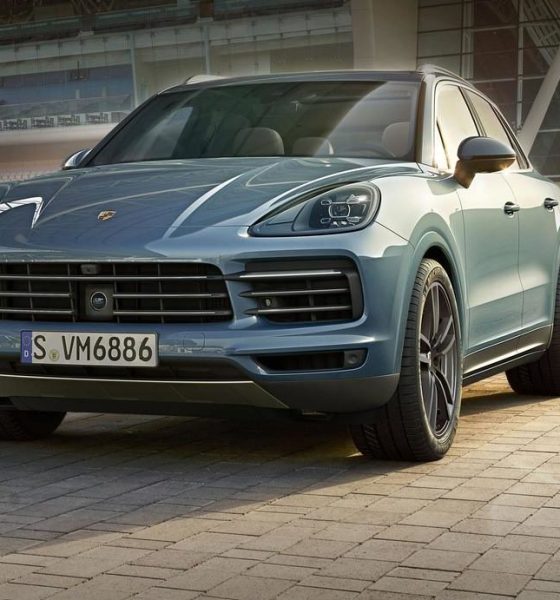

With companies like Tesla opening the path for other carmakers to make the jump towards full electrification, several noteworthy electric vehicles from the auto industry’s prominent players are expected to be released in the next few years. Among these is a vehicle that Porsche is working on — an all-electric SUV aimed at competing with the likes of the Tesla Model X and Jaguar I-PACE.
Porsche already has electric cars in its pipeline. This year, the company expects to release the Taycan, a premium high-performance sedan that will compete in the same market as the Tesla Model S. The Taycan would not be Porsche’s only electric car for long, though, as CEO Olliver Blume noted that the company had already greenlighted the production of the Mission E Cross Turismo. The Cross Turismo is based on the Taycan, though the vehicle is configured with higher ground clearance and wheels that can handle unpaved roads.
As noted by UK-based WhatCar though, Porsche is also looking to release another all-electric SUV around 2022. Just like the Taycan, the yet-to-be-named vehicle is expected to be equipped with two electric motors that produce at least 400 bhp. Other details of the vehicle are still scarce at this point, though speculations point to the SUV having a real-world range of at least 250 miles per charge.
The Porsche Mission E Cross Turismo and the Taycan. (Photo: Porsche)
While not as robust as the range of competitors like the Tesla Model X, Porsche’s upcoming electric SUV would likely be capable of ultra-fast charging, which would enable the vehicle to charge its batteries very quickly. This would also be a notable edge against competitors like the Jaguar I-PACE, which does not have support from a network of Superchargers like Tesla’s, or Porsche’s upcoming 350 KW stations.
The upcoming SUV is currently speculated to be an electric powered successor to the Porsche Macan. As such, the vehicle would definitely be larger than the Taycan and the Mission E Cross Turismo, both of which are based on the same platform. Thanks to the vehicle’s all-electric construction and design, though, the upcoming SUV is expected to offer space and storage similar to the larger Porsche Cayenne, despite being more similar in size to the smaller Macan.

What is rather interesting is that the vehicle would most likely be the start of yet another line of electric cars from the veteran carmaker. Similar to how the Taycan could be the basis of more EVs, the upcoming electric SUV would likely be the start of a whole new family of vehicles as well.
Porsche is arguably the most serious among the industry’s legacy automakers when it comes to the adoption of electric mobility. In an announcement last year, for one, the German company announced that it is discontinuing its entire diesel lineup. Instead, the company is pushing for full electrification, with Porsche stating that by 2025, half its offerings would either be hybrids or all-electric cars. In a statement to CNN Money, Blume explained that while Porsche is not in any way “demonizing” diesel, the company has decided to forego the fuel nonetheless.
“(Diesel) is, and will remain, an important propulsion technology. We as a sports car manufacturer, however, for whom diesel has always played a secondary role, have come to the conclusion that we would like our future to be diesel-free,” the Porsche CEO said.



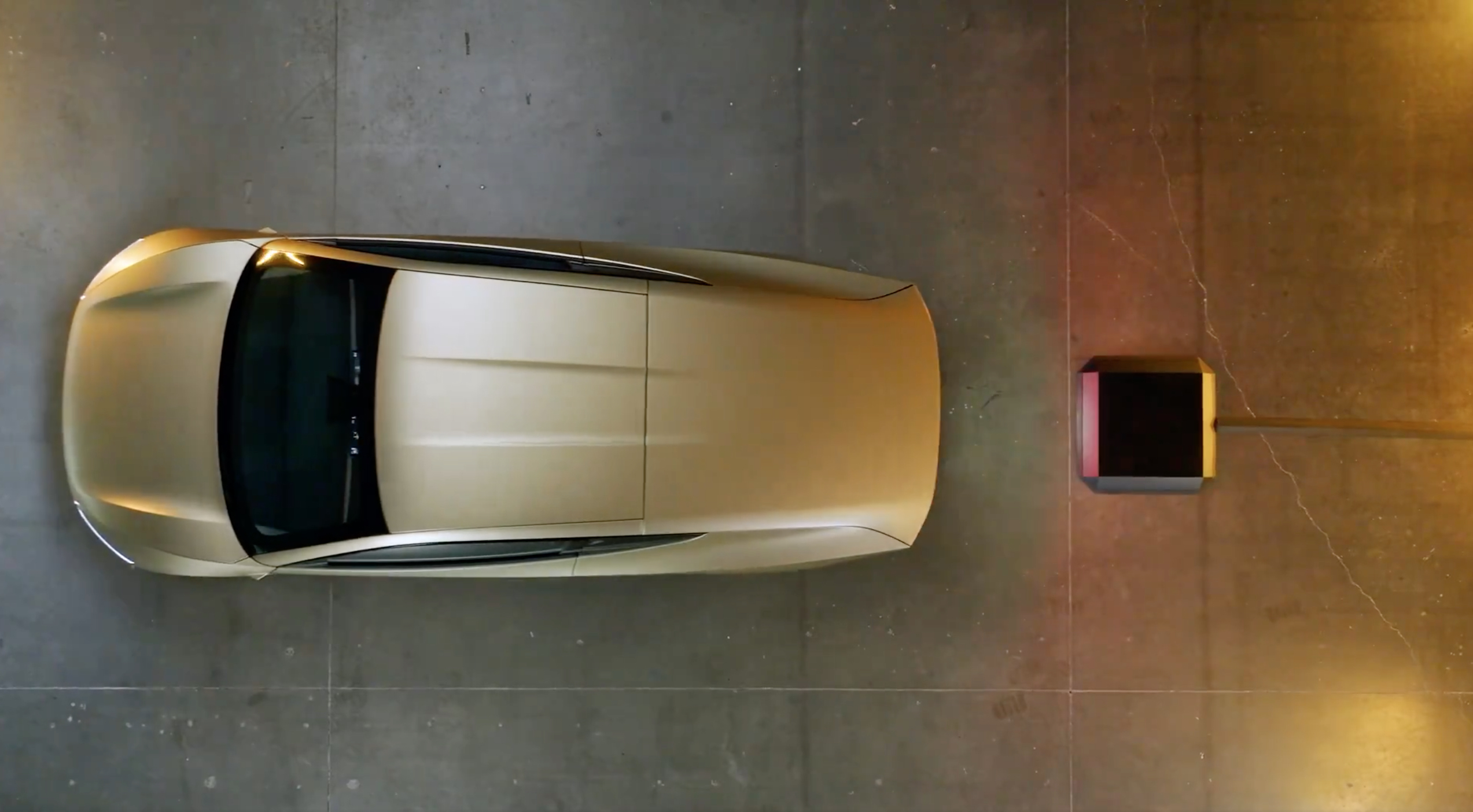
Tesla has moved its Wireless Charging efforts for its electric vehicles forward, as it had a new patent published today, one that it submitted back in March.
The patent describes a system for detecting foreign objects on the wireless charging pad under varying temperatures, aiming to mitigate any undesired results that could come from something being on top of the charging pad.
🚨 Tesla has a new patent application published today, which was submitted back in March, for a Wireless Charging Pad:
“The present disclosure relates to methods and systems that can reliably detect foreign objects on a wireless charging pad under varying temperatures. In some… pic.twitter.com/LIeLfZAuDJ
— TESLARATI (@Teslarati) October 1, 2026
The abstract of the patent states:
“The present disclosure relates to methods and systems that can reliably detect foreign objects on a wireless charging pad under varying temperatures. In some examples, an object detector can utilize a set of inductive coils included in resonant tanks, and excite the resonant tanks using signals in a range of frequencies including or near a nominal resonant frequency of the resonant tanks. The object detector can detect a metal object based on resistance of a coil increasing and inductance of the coil decreasing. By analyzing the shifts and/or distributions in resonant frequencies and output magnitudes (e.g., output voltage peaks), the object detector can distinguish between changes of frequencies and magnitudes caused by temperature and those caused by foreign objects to accurately detect the foreign objects.”
The object detection system will utilize a set of inductive coils included in resonant tanks, and “excite the resonant tank using signals in a range of frequencies including or near a nominal resonant frequency of the tanks.” Metal can be detected by an increase in the coil’s resistance and a decrease in the coil’s inductance.
By analyzing shifts or disruptions in resonant frequencies and output magnitudes, the system can detect foreign objects. These types of safeguards need to be implemented through the normal operation of the charging pads.
Tesla says its Cybercab wireless charging efficiency is ‘well above 90%’
Tesla plans to utilize wireless charging with Cybercab and Robotaxi-enabled units to help streamline the fully autonomous experience from A to Z. The last thing the company wants to do is have any sort of small obstruction preventing the rider from experiencing Robotaxi as intended.
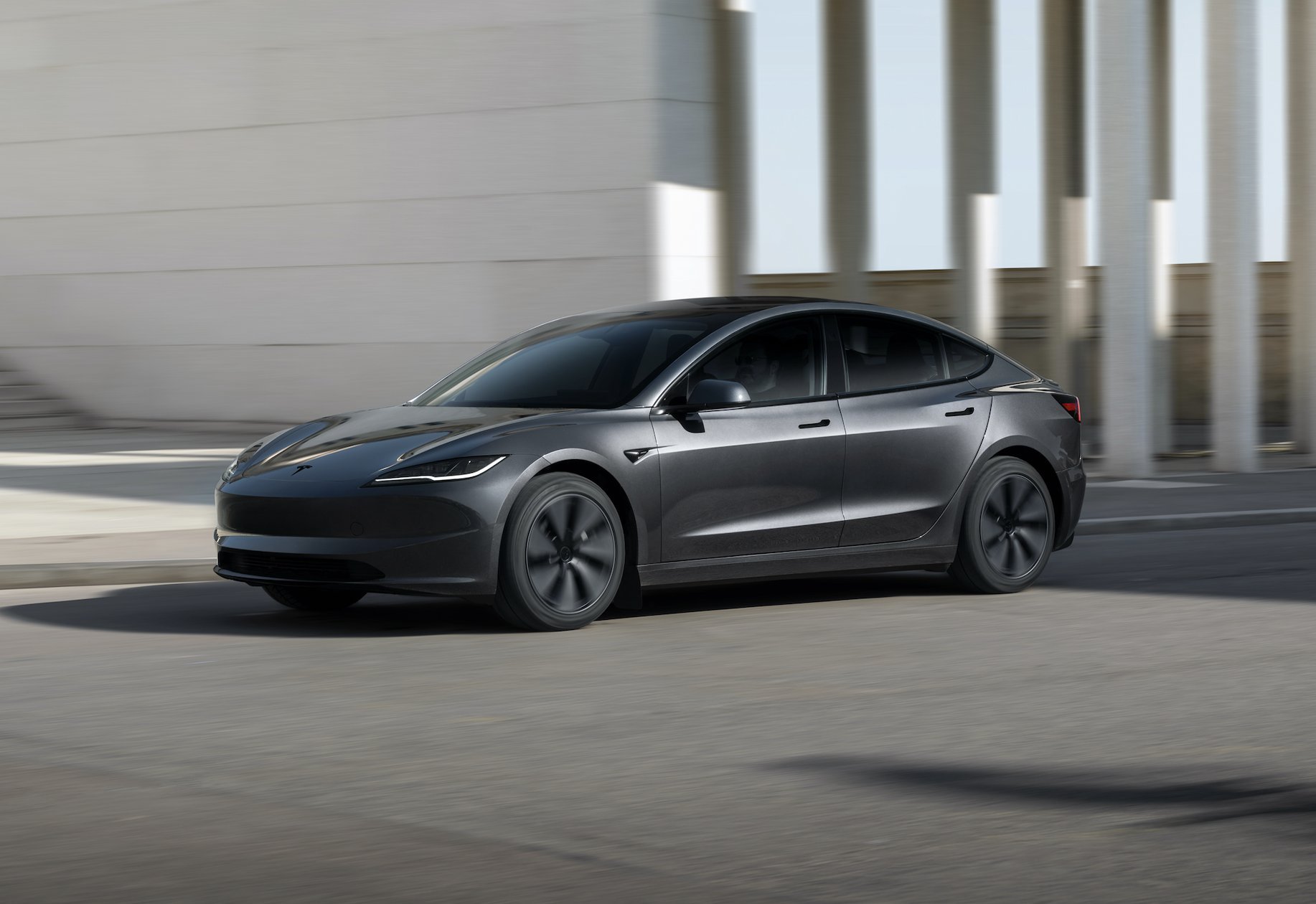
Tesla has launched its newest iteration of the Model 3 in China with a slew of new features, including the highly requested V2L (vehicle-to-load) feature and a new interior option.
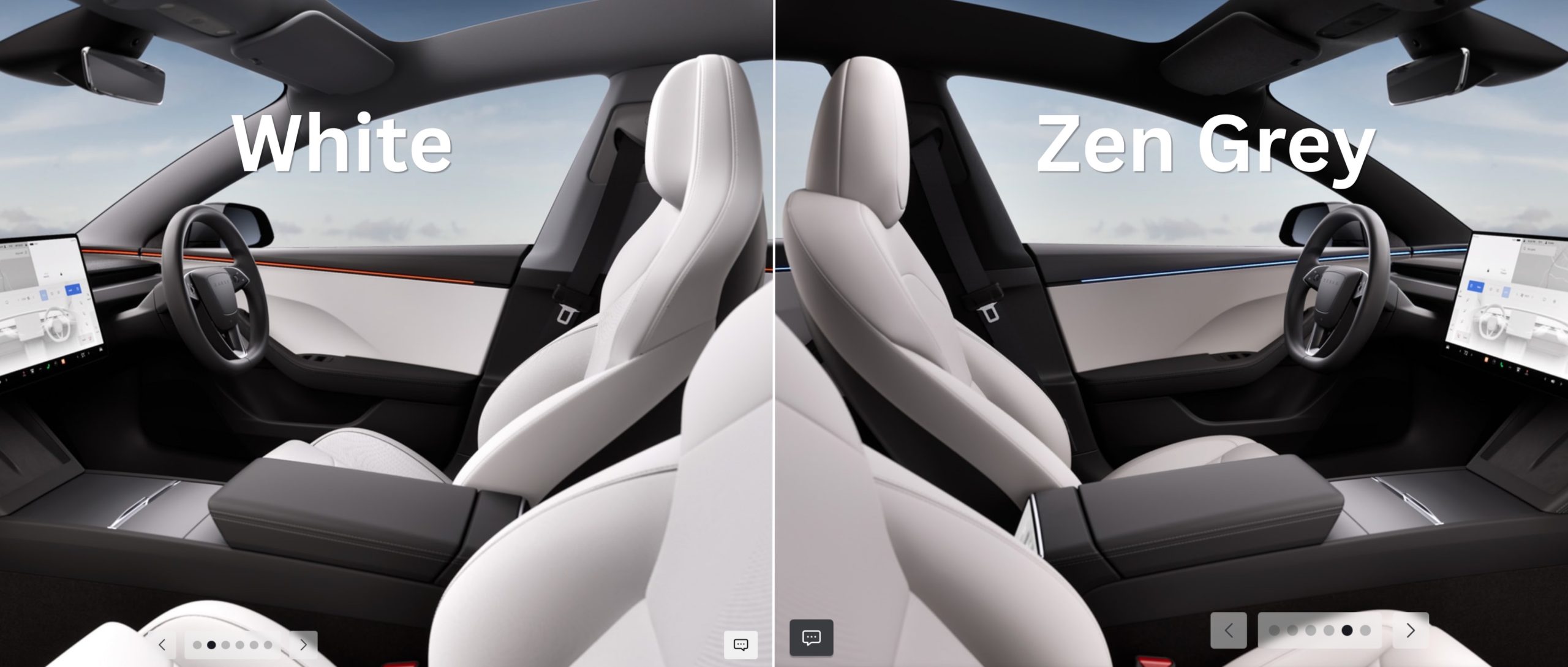
The Model 3 now has a 16″ front touchscreen with improved resolution, a black headliner, V2L capabilities, Zen Grey interior in the Premium and Performance trims, as the White option has officially been discontinued, and 19″ Dark Nova Wheels, which are standard on the Model 3 Premium only.
🚨 Tesla has launched the Model 3 in China with a variety of new features and specs:
✅ 16” front touchscreen
✅ Black Headliner
✅ V2L Capability
✅ Zen Grey interior (Premium & Performance only)
✅ 19” Dark Nova wheels (Model 3 Premium only)
✅ Zen Grey Interior option… pic.twitter.com/ltTAEIYi2Z— TESLARATI (@Teslarati) October 1, 2026
The touchscreen in the U.S. version of the Model 3 is just 15.4″, so the newly upgraded screen is .6″ larger. Additionally, the Black Headliner, now standard on Model Y vehicles in the U.S., is coming to China.
Additionally, Tesla’s decision to end the white interior option has also made its way to the Asian market, as Zen Grey is the lighter color consumers can now go with. It is slightly different from the previously offered White option:
These options are available in China, Australia, and New Zealand as well, as Giga Shanghai serves those markets, bringing its mass-market vehicles to those countries in the South Pacific.
The Model 3 trims are now priced at:
- Rear-Wheel-Drive – 235,500 yuan (~$35,000)
- Long Range Rear-Wheel-Drive – 259,500 yuan ($38,700)
- Long Range All-Wheel-Drive – 285,500 yuan (~$42,600)
- Performance – 339,500 yuan (~$50,600)
These features have yet to make their way to the U.S., which might upset some buyers, but it is probably a good sign that Tesla will bring these changes to U.S. trims sometime next year. Potentially, these could come even sooner, as they could be used to stimulate demand for the year-end sales push.
Nevertheless, when things start at Giga Shanghai, they usually end up in the U.S. market. Tesla has also already started to install things like the Black Headliner and larger touchscreen in certain U.S.-built vehicles, so these things will be easy to implement across other vehicles in the lineup.
Elon Musk
The Pentagon taps Elon Musk to design the battlefield of the future
Hegseth named Elon Musk to help lead Project Meridian, a Pentagon study of future warfare.

Elon Musk has a new role in the Trump administration. Defense Secretary Pete Hegseth announced on war.gov Wednesday that Musk will help lead Project Meridian, a new Pentagon study meant to identify the weapons and technologies the U.S. military will need to fight wars decades from now.
Hegseth unveiled the project during his State of the Force address at Marine Corps Base Quantico in Virginia. Musk will direct the effort alongside Anduril founder Palmer Luckey and former House Speaker Newt Gingrich, working under Pentagon Chief Technology Officer Emil Michael. All three men were in attendance, and Hegseth said their first meeting would take place directly after the speech inside a secure compartmented facility, according to The Hill.
Hegseth said the group “will be focused on discovering, developing, and fielding the weapons and systems that our children and our grandchildren will need in their lifetimes, without any creative limitations or restrictions, on any future battlefield, from under the Earth to beyond the Moon.” He added that Meridian is not meant to produce new strategy or policy documents.
SpaceX to become America’s Military data backbone for missiles, drones, and warfighters
A memo released after the announcement gives Michael until January 28, 2027, to deliver findings, a window of 120 days. It names artificial intelligence, autonomy, directed energy, robotics and biotechnology as the fields expected to change how wars are fought. The results will come as a public report with a classified annex. The memo says the study will run through a partner organization it does not name, and it does not mention Musk directly. His role comes from Hegseth’s speech and a Pentagon press release.’
Musk had not commented publicly on the appointment as of Wednesday evening. This will be Musk’s first official advisory role in the administration since he left DOGE last year.
The mandate overlaps heavily with Musk’s companies. SpaceX is one of the Pentagon’s largest contractors, with 2026 defense awards topping $8 billion, much of it tied to launches and a suspected Starshield buildout out of Vandenberg. The Pentagon’s release says Meridian will examine domains “from subterranean depths to the cislunar frontier,” which maps onto The Boring Company’s tunneling and Starship’s lunar plans. Tesla’s work on autonomy and Optimus falls within the fields the memo lists.
Meridian was one of six initiatives Hegseth announced Wednesday. Another is a new Autonomous Warfare Command, which the department wants operating as a four-star combatant command by October 1, 2027.
The news lands a day before SpaceX is scheduled to fly a classified National Reconnaissance Office payload on Falcon Heavy, one of three launches the company has planned for Thursday.

Tesla moves forward on Wireless Charging for vehicles

Tesla launches improved Model 3 in China with V2L, new interior option


