Energy
Elon Musk reacquires X.com from PayPal; umbrella site for Tesla, SpaceX and beyond?

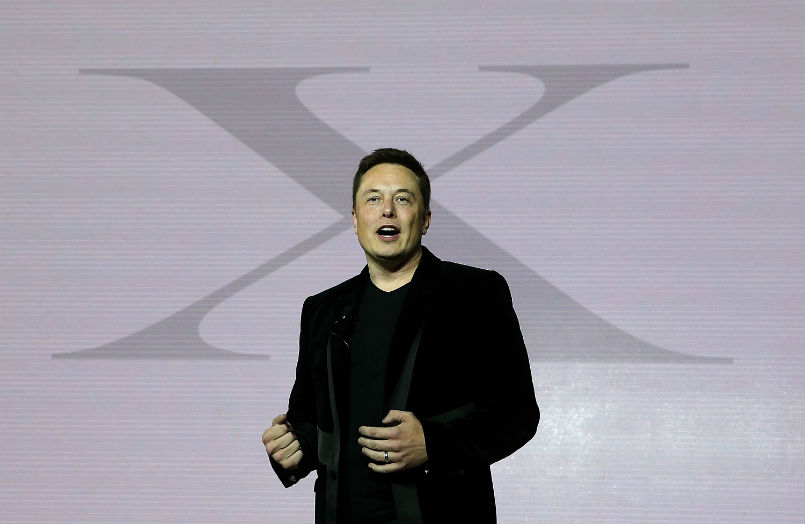
Elon Musk has regained the rights to X.com, according to a Tweet sent last night by the serial tech entrepreneur who founded X in 1999 and later renamed to PayPal in 2001.
Thanks PayPal for allowing me to buy back https://t.co/bOUOejO16Y! No plans right now, but it has great sentimental value to me.
— Elon Musk (@elonmusk) July 11, 2017
Musk previously owned the domain name in 1999 when it was a online banking services company that he founded. The domain was later acquired by PayPal, and has remained as such until last week, July 5, when ownership of X.com transferred.
Blogger Elliot Silver noted that the Whois information on who owned the domain went private on July 5, leading people to believe that PayPal sold the domain name, a speculation that Musk has now confirmed is true.
According to Silver, Director of Corporate Communications at PayPal, confirmed that the company sold the domain name. “We are delighted to sell the domain x.com back to its previous owner, Elon Musk,” Amanda told Silver in an email.
While the exact pricing of the X.com has not been revealed, Musk had to have spent a pretty penny on it since single letter domain names are valuable. Silver points out that a comparable sale, Z.com, sold for nearly $6.8 million in 2014.
Musk has not revealed what he has planned for his latest acquisition, but a Tweet from the CEO himself indicates that it could be used as a one-stop destination for all of his companies.
That's probably the best use
— Elon Musk (@elonmusk) July 11, 2017
Holding Tesla, Tesla Energy, SpaceX, The Boring Company, OpenAI and Neuralink in one spot would be a good way for the companies to be managed under a centralized resource, and makes more sense than dropping at least seven figures for the sake of nostalgia.


Energy
Tesla Model 3 and Model Y can now do what only Cybertruck could
Tesla Model 3 and Model Y can power your home with Powerwall 3 during outages.

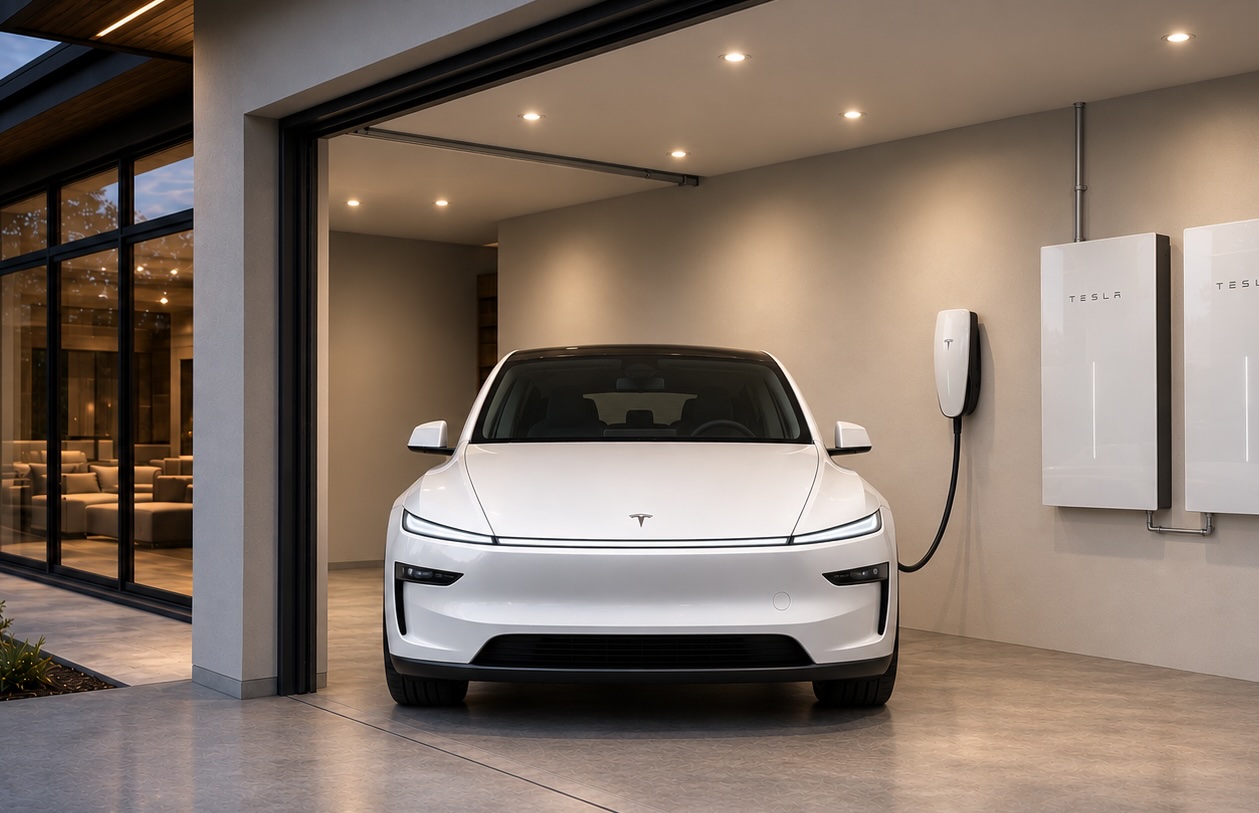
Tesla has turned its two top sellers into backup batteries for the house.
Tesla Energy announced on Tuesday that Powershare Home Backup is now available for new Model 3 and Model Y vehicles paired with a Powerwall 3, saying the car can “extend your home backup by over 2 days.” Minutes later, Tesla’s main account quoted the post with a broader pitch: “With Powerwall 3, every Tesla can now serve as your home’s backup battery.”
Until this week, the Cybertruck was the only Tesla that could send power back into a home, and that capability only began working alongside Powerwall 3 last month, after years of ambitious targets.
Tesla’s updated Powershare page says every Model 3 and Model Y ordered in the U.S. or Puerto Rico on or after October 1, 2026 can use the feature. Some, but not all, earlier cars also qualify. Owners can check on the touchscreen under Software, then Additional Vehicle Information, where a capable car shows “Powershare Support: Enabled.” As Electrek reported, bidirectional power on the two cars runs through an inverter Tesla calls PCS2 Lite, and the company has not said when that part entered production on each trim.
The home side is simpler. A house that already has a Powerwall 3 and either a Wall Connector 3 or Universal Wall Connector needs no additional equipment, and Tesla says compatibility is enabled through a software update. When the grid drops, the Powerwall and the car work together, with up to 11.52 kW of continuous power available. Tesla’s “over two days” estimate assumes a home using 30 kWh per day and a car starting at a 90 percent charge. Standard trims are rated for up to two days, while the Cybertruck adds more than three.
There are limits. Powerwall 2 and Powerwall+ support is listed as “coming soon.” Model S and Model X are not included, and Grid Support, the program that lets Cybertruck owners in Texas send power back to the grid during demand spikes for bill credits, is not available for Model 3 or Model Y.
The rollout also lines up with something Elon Musk said more than three years ago. At Tesla’s March 2023 Investor Day, Musk said, “I don’t think very many people are going to want to use bidirectional charging, unless you have a Powerwall.” Tesla has now shipped the feature for its volume cars with exactly that requirement attached.
The Powerwall pairing was the hard part on Cybertruck. Tesla told owners in December 2025 that Powershare with Powerwall had been pushed to mid 2026, and lead engineer Wes Morrill explained that two devices capable of forming a home’s grid have to negotiate which one leads during an outage, across multiple generations of hardware. With that work done for the truck, Tesla was able to extend it to the Model 3 and Model Y within a month.
Ford and GM have offered home backup from their EVs for several years, but both require a separate inverter and backup hardware. Tesla’s version leans on equipment many Powerwall 3 owners already have on the wall. Powershare for the two cars also ships as part of software update 2026.38.3, the same release that began delivering Halloween Mode on Tuesday.
Elon Musk
Google just picked SpaceX for its first step into orbital AI
Google will launch its first Project Suncatcher AI satellite on SpaceX’s Transporter-18 rideshare next week.
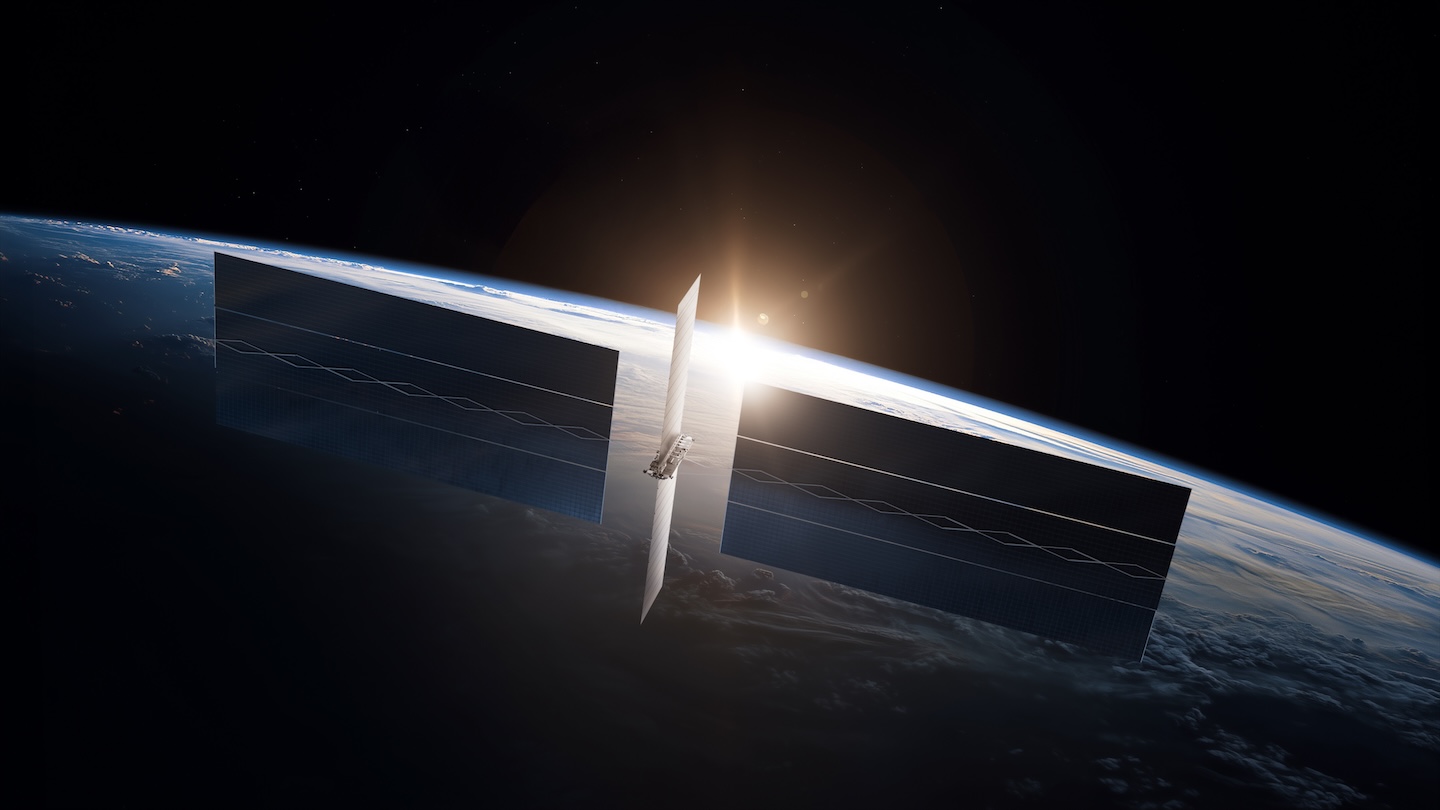
Google is about to put its own AI chips into orbit for the first time, and it is paying SpaceX to get them there.
The company said Thursday that the first in-orbit test of Project Suncatcher, its research effort to find out whether space can host large-scale AI computing, will fly next week on SpaceX’s Transporter-18 rideshare mission.
The satellite, called MVP, is about the size of a refrigerator and carries four of Google’s Tensor Processing Units, the same chips Google runs in its ground data centers. Google originally planned to launch two custom satellites in 2027, but chose to move faster by integrating its chips into a satellite.
MVP’s solar panels supply about one kilowatt of power, and Google will run Gemini models on the TPUs only in bursts of roughly 15 minutes before the chips shut down so the radiators can shed heat. In a blog post, Google said its Trillium TPUs survived vibration testing that mimicked sustained launch loads of up to 10g, with individual components seeing 50 to 100g, and handled a radiation dose greater than a five year mission would deliver.
SpaceX and Google mull massive partnership on Musk’s orbital data dream: report
Next week’s flight, slated for October 1, follows a relationship that became public in May, when Teslarati reported that Google was in talks with SpaceX for a launch deal tied to orbital data centers. Google also holds a stake of roughly 6% in SpaceX.
The two companies are chasing the same idea from very different starting points. SpaceX’s own orbital compute program is built around the AI1 satellite, a roughly 70 meter structure derived from Starlink V3 hardware that is designed for 150 kW of peak compute, about 150 times the power MVP will draw. Elon Musk has brushed off concerns about crowding orbit with those satellites, and SpaceX is building its Gigasat factory in Bastrop, Texas, to produce them, targeting an annualized rate of about 1 GW of space compute by the end of 2027.
Musk also posted on X on Thursday that “the amount of compute in space will obviously round up to 100% of all compute.”
Google has been more cautious in public. Its research estimates that launch prices need to fall below about $200 per kilogram before an orbital data center can compete with a ground facility on energy cost, a threshold the company believes could be reached around the mid 2030s. The Suncatcher team has said it expects the effort to remain a project rather than a product for years, which leaves the first real test of its hardware riding on a rocket from the company with the most aggressive timeline in the field.
Energy
Tesla Semi factory is getting a celebration nobody expected
Tesla will inaugurate its Nevada Semi factory September 24, five months after production quietly began ramping.
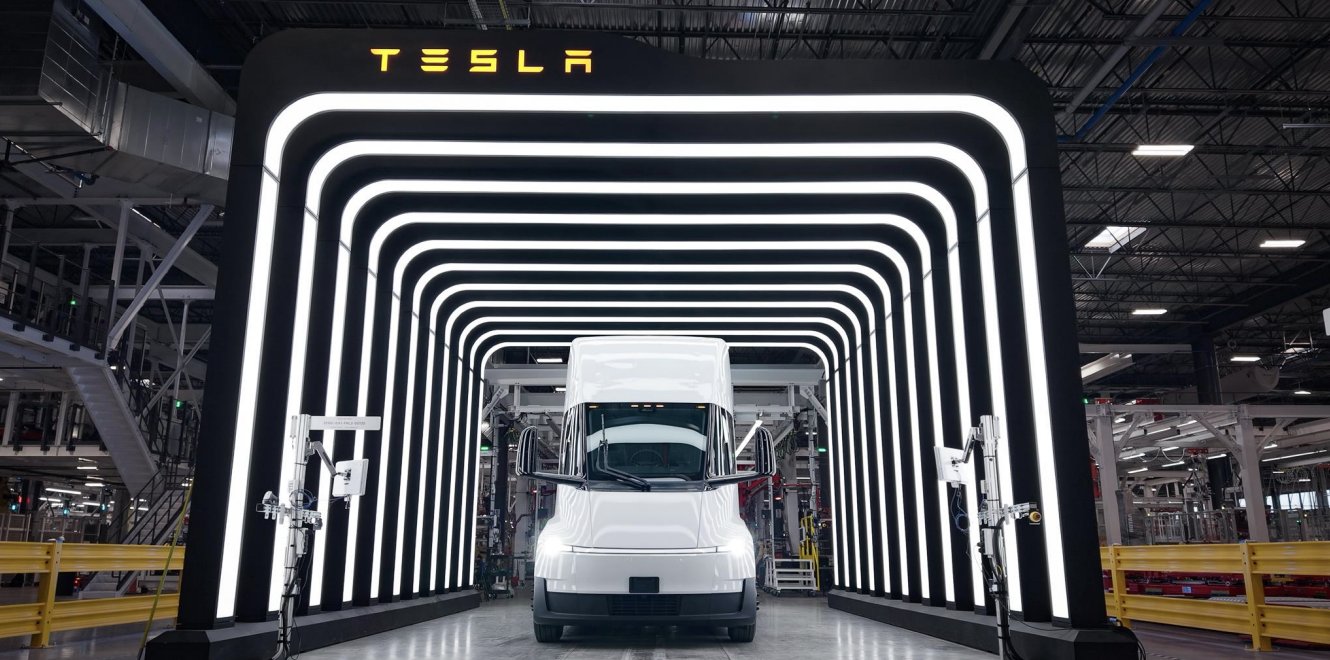
Tesla says it will officially inaugurate its new Semi factory in Nevada next month. The Tesla Semi account posted the announcement on X, sharing a graphic titled “Semi Rollout” with a date of September 24. No further details were given about the format of the event or who would attend.
While Tesla’s dedicated Semi plant in Sparks, adjacent to Gigafactory Nevada, opened back in April, with the first trucks rolling off the high volume line on April 29, the timing for the factory inauguration comes at a surprise. The ribbon cutting event five months into production is a break from how Tesla has usually handled its other factories, where the first truck or car off the line typically served as the milestone moment.
Inauguration of new Semi factory in Nevada next month pic.twitter.com/a8kAlxrOOn
— Tesla Semi (@tesla_semi) August 24, 2026
The 1.7 million square foot factory was built as part of a $3.6 billion expansion Tesla announced in early 2023, and it shares a site with the battery cell lines that feed the Semi’s structural pack, a decision meant to remove the supply bottleneck that delayed the truck for years. The plant is designed for 50,000 trucks a year at full ramp. Semi program director Dan Priestley has said production “is now ramping” rather than claiming it has reached scale.
Nine years passed between the Semi’s 2017 unveiling and this stage of production, with the truck slipping from an original 2019 target through hand built pilot units for PepsiCo and a slow build out of the Nevada plant. An inauguration event now gives Tesla a stage to talk up that ramp and reset expectations for how many trucks it can begin delivering at scale.
The September date also lines up with the Semi’s next milestone. Tesla confirmed the truck is heading to Europe with a full unveiling at the IAA Transportation trade show in Hannover, Germany, running September 15 through 20. Between the Nevada event and the Hannover reveal, Tesla has roughly a week and a half in September to make the case that the Semi is now a truck being built and sold on two continents rather than tested in a handful of fleets.

Tesla Model 3 and Model Y can now do what only Cybertruck could

Tesla ships ‘spooky’ Halloween Mode with creepy and fun features


