News
SpaceX fires up Falcon 9 rockets hours apart for back to back launches

SpaceX has fired up two separate Falcon 9 rockets at two separate Florida launch pads in less than 16 hours ahead of back to back launches for Starlink and the US military.
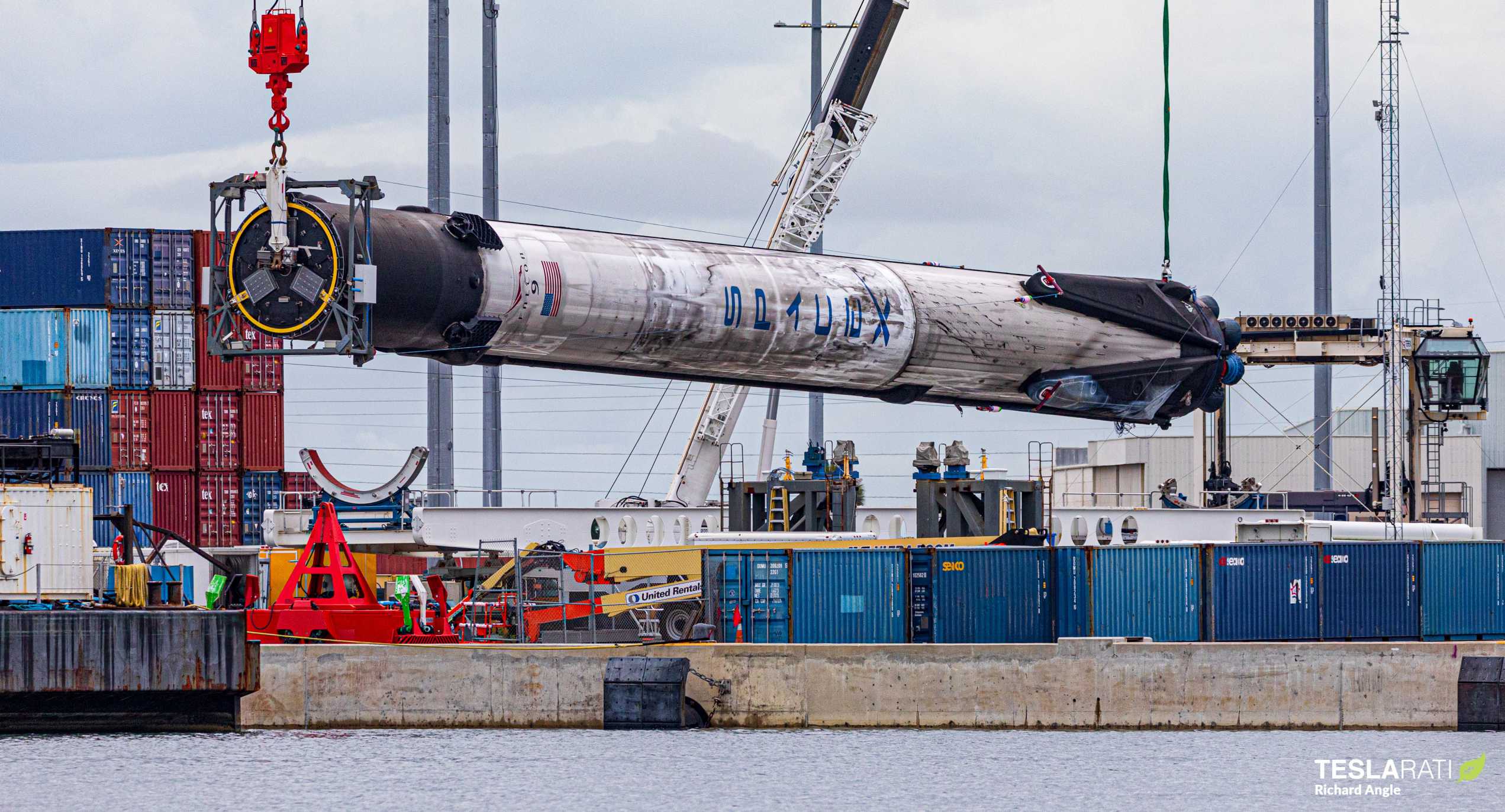
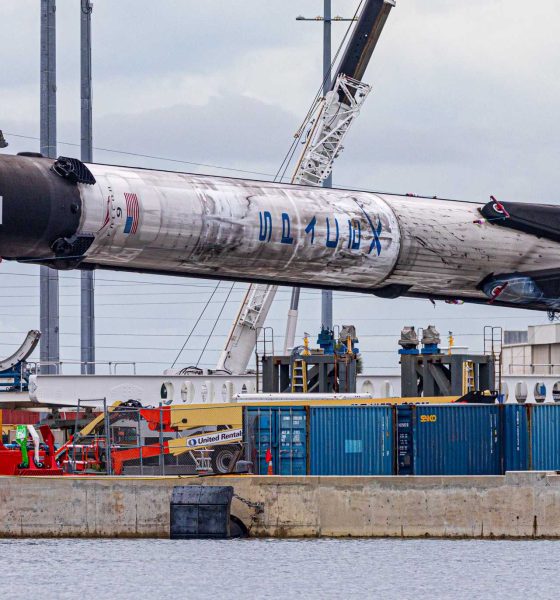
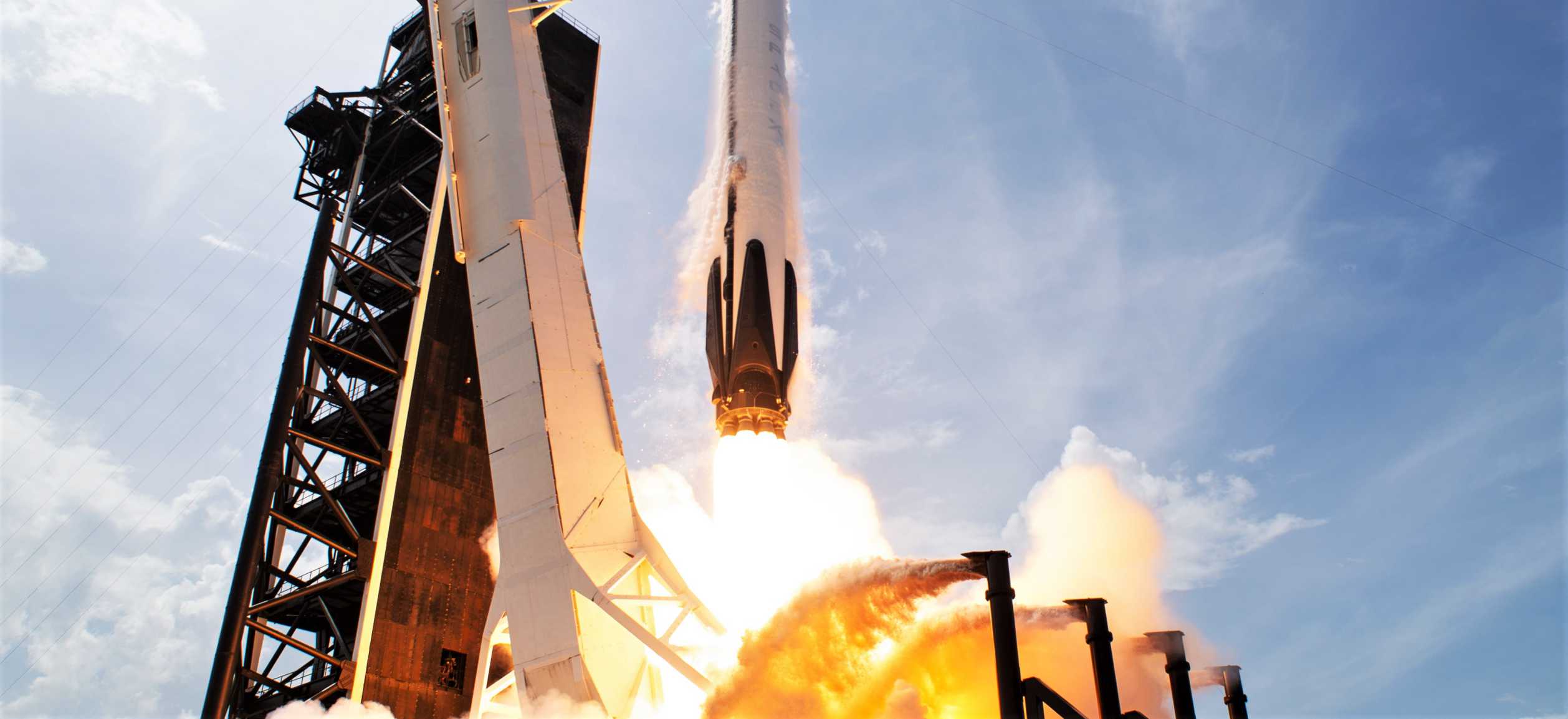
Around 6:30 pm local on June 24th, SpaceX successfully static fired Falcon 9 B1051 as one of the last steps before the booster’s fifth launch, making it the third SpaceX rocket to reach that five-flight milestone in just three months. B1051.4 just narrowly missed SpaceX’s booster turnaround record, falling just a few days short of the current 62-day record after some minor delays. Originally scheduled to launch as early as June 22nd, the ninth batch of Starlink v1.0 satellites (Starlink V1 L9 or Starlink-9) is now scheduled to launch no earlier than (NET) 4:18 pm EDT (20:18 UTC) on Friday, June 26th.
A little over fifteen hours after B1051’s – apparently – successful static fire (there was no SpaceX tweet confirmation for the first time ever) at Kennedy Space Center Launch Complex 39A (Pad 39A), new Falcon 9 booster B1060 performed its own ignition test at SpaceX’s separate Cape Canaveral Air Force Station (CCAFS) LC-40 pad. SpaceX confirmed that that static fire was successful, putting the new Falcon 9 rocket on track to launch the US military’s third upgraded GPS satellite (GPS III SV03) no earlier than (NET) 3:56 pm EDT (19:56 UTC) on Tuesday, June 30th.
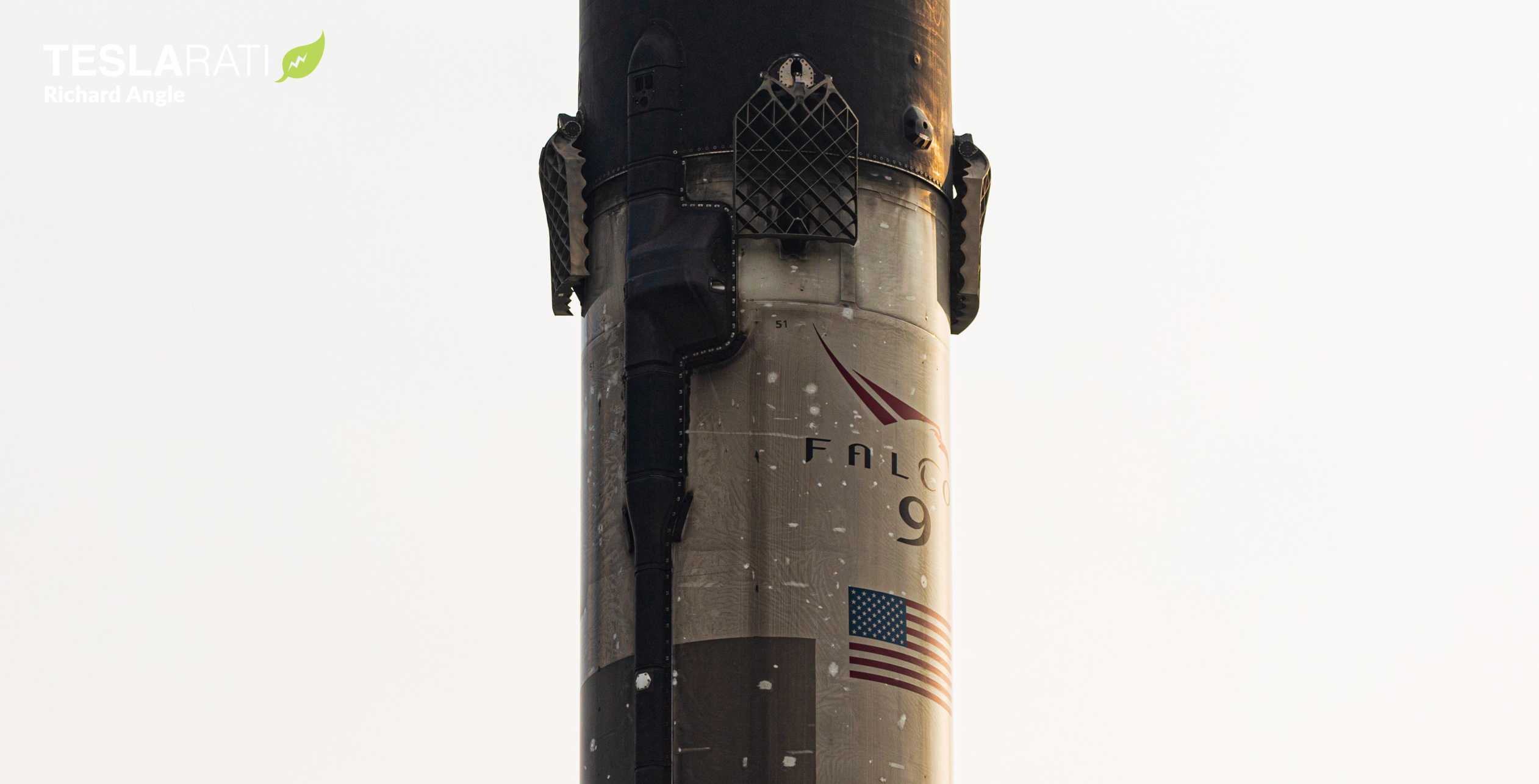
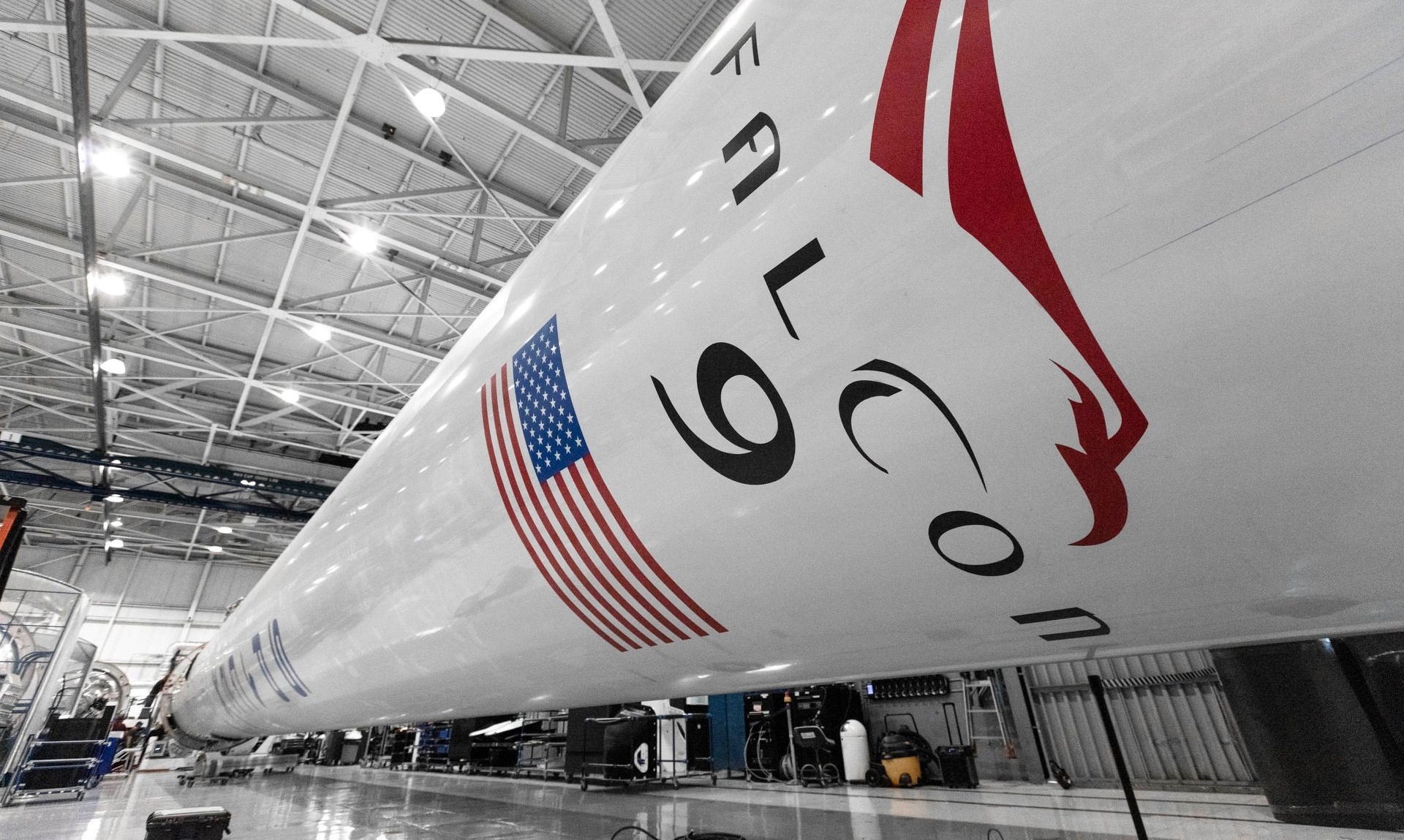
If SpaceX manages to complete both the Starlink-9 and GPS III SV03 missions on schedule, June 2020 will be the company’s first four-launch month ever. Even if the latter US military mission is delayed to July 3rd or 4th, SpaceX will still have technically completed four launches in a month’s worth of days (30-31). Normally, the odds of the second in a pair of back-to-back launches being delayed would be quite high, given that any delay to the first mission would inherently roll over onto the follow-up. For SpaceX, that likelihood is more than doubled because of the need for drone ship availability for booster recovery.
However, SpaceX debuted a second East Coast drone ship – Just Read The Instructions (JRTI) on June 3rd, complimenting drone ship Of Course I Still Love You (OCISLY) to double the company’s sea recovery capacity on the East Coast. Formerly stationed at Port of Los Angeles to support SpaceX launches out of California, the West Coast manifest rapidly dried up and made drone ship JRTI’s move East all but inevitable.
On top of having a second drone ship available for booster recoveries just days or even hours apart, SpaceX also recently began pushing the limits of its East Coast launch capacity by performing launches just days apart from its two separate Florida pads. While the occasional back-to-back launch from LC-40 and Pad 39A isn’t unprecedented, SpaceX appears to be intent on sustaining launches from each pad every 10-20 days, give or take. As such, SpaceX’s Starlink-9 and GPS III SV03 missions will launch from separate pads and land on separate drone ships.
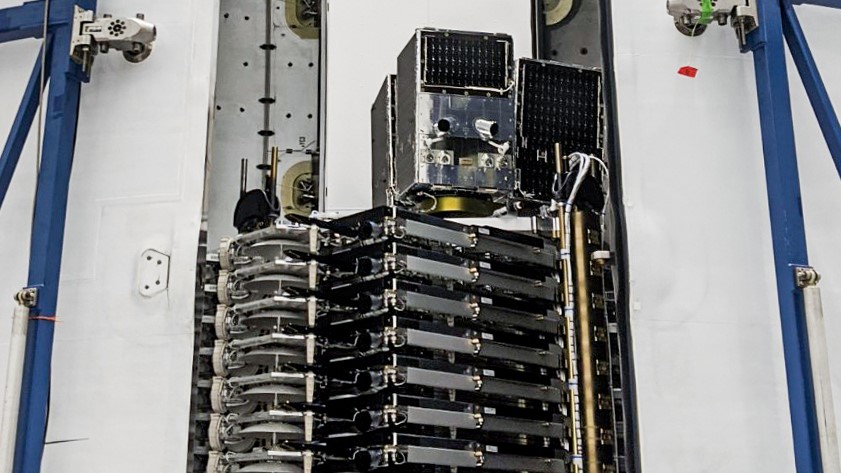
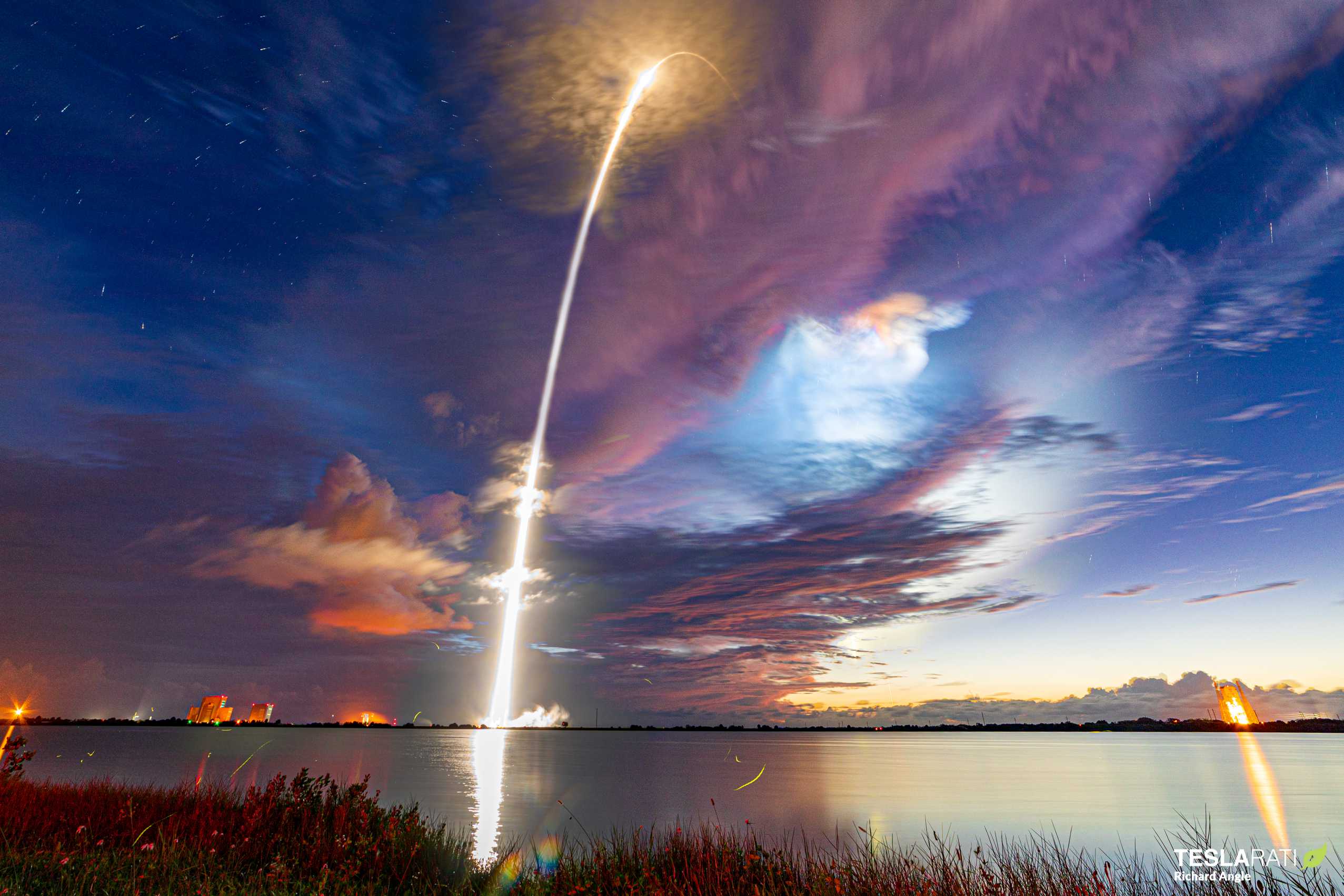
Cadence ambitions aside, Starlink-9 and GPS III SV03 are also significant missions for their own reasons. Up first, Starlink-9 will hopefully follow on the heels of SpaceX’s successful June 13th Starlink-8 launch to become the second Starlink rideshare mission, sending two BlackSky imaging satellites into orbit along with 57 Starlink v1.0 satellites. The fact that booster B1051 has nearly broken SpaceX’s rocket reuse turnaround record also suggests that the company is already confident in the flightworthiness of Falcon 9 boosters heading into their fifth launches.
Meanwhile, GPS III SV03 is special because – unlike SpaceX’s first GPS III SV01 launch in December 2018 – the US Air (Space) Force will allow Falcon 9 booster B1060 to attempt a drone ship landing. On SpaceX’s first GPS III launch, the USAF more or less arbitrarily limited Falcon 9’s available performance to leave extreme safety margins in the apparent event of one or more booster engines failing during launch. As a result, Falcon 9 B1054 became the first highly-reusable Block 5 booster to intentionally launch just once. For B1060, the booster will thankfully have a shot at recovery and a long and productive life of 5-10+ more launches. A successful landing could also give the US military its first shot at certifying and reusing a Falcon 9 booster on an operational military satellite launch.
Check out Teslarati’s Marketplace! We offer Tesla accessories, including for the Tesla Cybertruck and Tesla Model 3.



Elon Musk
County vote hands Elon Musk’s Vegas tunnel network a huge new target
Clark County approved 19 more Vegas Loop stations, pushing Boring Company’s entitled total to 123.

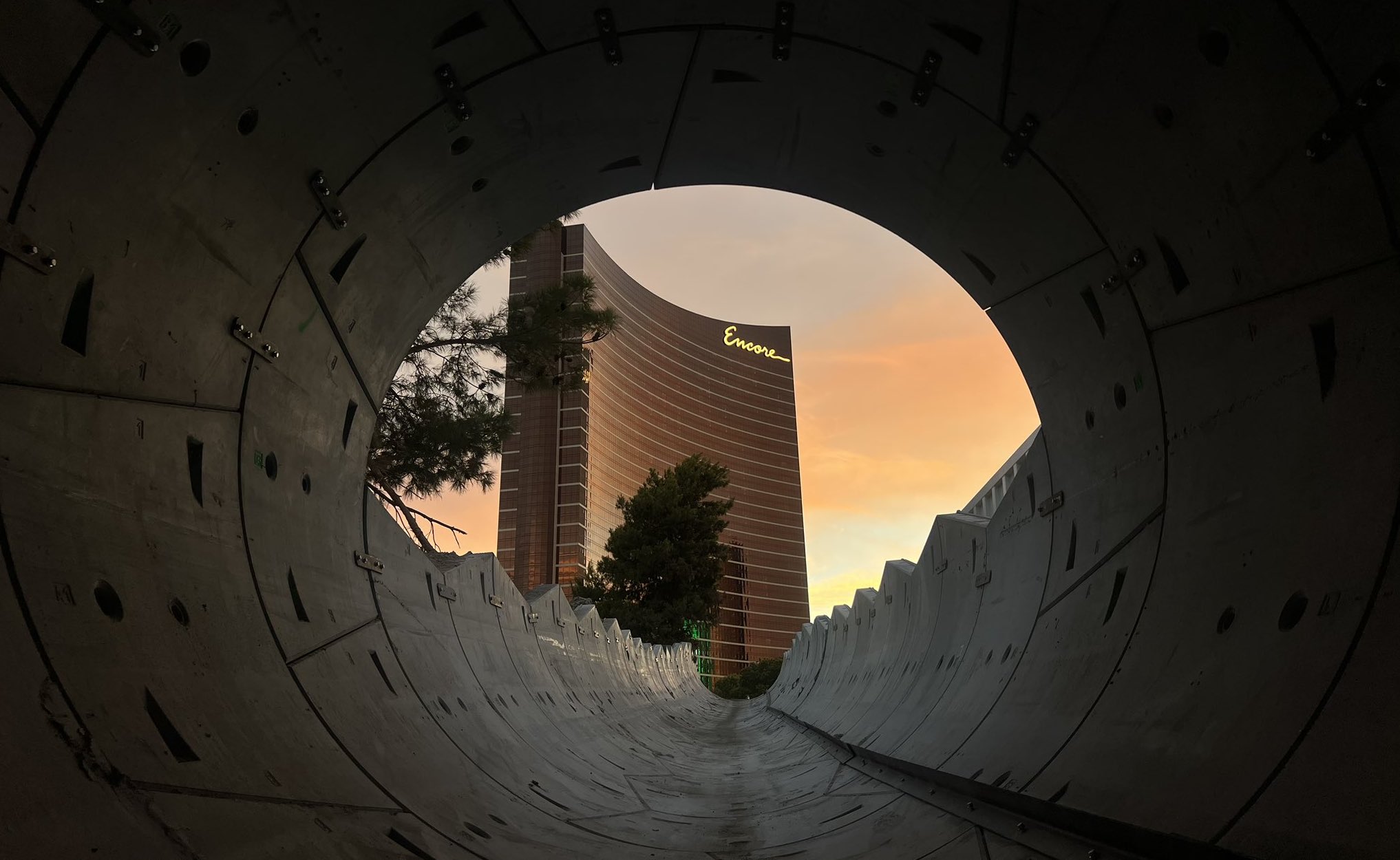
The Boring Company just got permission to nearly double how far Vegas Loop can reach. Clark County commissioners approved 19 additional stations for the underground transit system, bringing the total entitled to 123, the company said in a post on X thanking the county for the vote. Elon Musk’s tunneling company also flagged the direction it sees the project heading long term. “Because Loop is point-to-point with no intermediate stops, in the limit, one could have a Loop station in every driveway,” the company wrote.
That framing captures how far the ambitions have moved. The Vegas Loop opened its first stretch of tunnel in 2021 and has grown its footprint through a string of county approvals since. In 2023, commissioners signed off on 18 additional stations, part of a plan that later doubled the system’s target to 69 stations across 65 miles. By the end of that year the company was describing a build out closer to 93 planned stations. Last year the long term design called for 104 stations across 68 miles of tunnel. The new approval pushes that number to 123, another jump in a project that keeps outgrowing its own blueprints.
The Boring Company gets approval for more stations in Las Vegas

TESLARATI Premium Membership
$19.99 USD
Station count on paper is still well ahead of what riders can actually use. As Teslarati reported earlier this month, the network has about 11 open stations and has carried more than 4 million passengers since it began running, with newer stops at Fontainebleau and Sahara among the latest additions to the Strip corridor. A tunnel connection to Harry Reid International Airport remains under construction and has already slipped past its original first quarter target. The company is also racing to finish a Westgate to Paradise Road segment that Las Vegas Convention and Visitors Authority CEO Steve Hill has said it hopes to have running in time for November’s Formula 1 race.
The gap between entitled stations and operating ones is where the real story sits. Regulatory approval gives Boring Company the legal runway to keep tunneling toward new resorts, residential pockets and eventually the airport, but building each connection still comes down to boring machines, fire safety sign offs and construction timelines that have slipped before. The company’s Prufrock series machines set an internal record in March with a 2.28 mile tunnel near Westgate, evidence that construction has been picking up even as the list of approved destinations grows faster than the tunnels themselves.
Musk’s driveway comment reads as aspirational rather than a near term plan, but it fits how Boring Company has talked about Vegas Loop from the start: treat every approval as a floor, not a ceiling, and keep pushing county officials for room to dig.

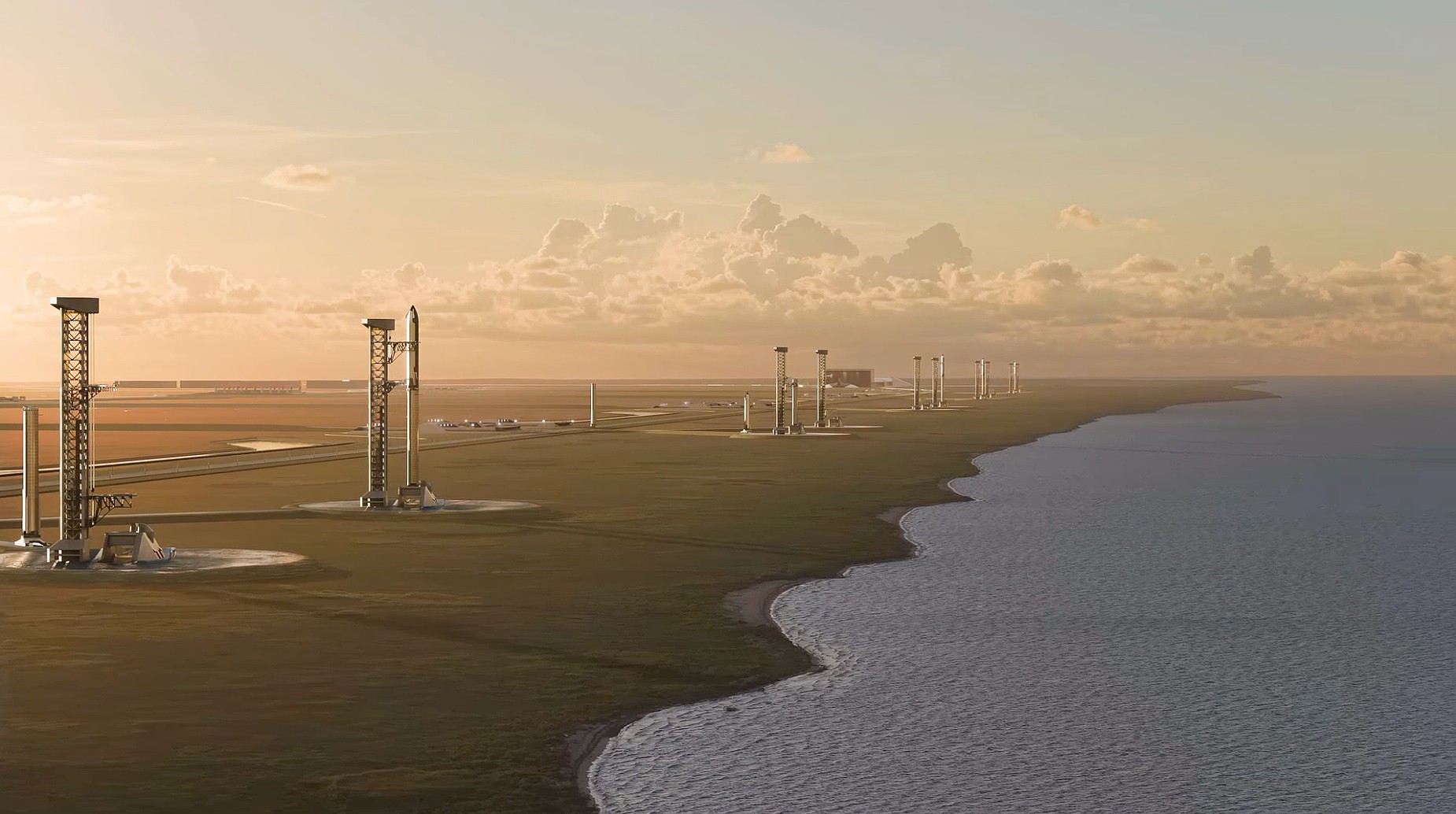
SpaceX announced today that it would expand its launch capabilities into a new U.S. state: Louisiana.
Today, SpaceX, in conjunction with the Louisiana Economic Development Office, said that it will establish a new launch facility, which it will call Starbase, Louisiana. It will be located near Vermilion Parish, supporting thousands of launches each year, at least eventually.
CEO Elon Musk commented by stating, “Starbase Louisiana will ultimately have over a dozen launch towers, enabling more than 30 Starship flights per day and making it the biggest launch site on Earth!”

Starbase Louisiana will ultimately have over a dozen launch towers, enabling more than 30 Starship flights per day and making it the biggest launch site on Earth!
SpaceX makes sci-fi real. https://t.co/C7Ht0U12ba
— Elon Musk (@elonmusk) August 25, 2026
The expansion is SpaceX’s latest move to push its launch cadence to be more frequent than ever. SpaceX said that Starbase, Louisiana, will be built to “support thousands of Starship flights a year,” with the first coming in 2029.
SpaceX announced the new facility in partnership with the Louisiana Economic Development Office as it will bring a major influx of jobs and investments into the area. Currently, it will produce more than 3,000 new jobs in Louisiana, and SpaceX plans to invest at least $100 billion into the entire facility, ensuring that many jobs are created as a result.
Environmental Responsibility
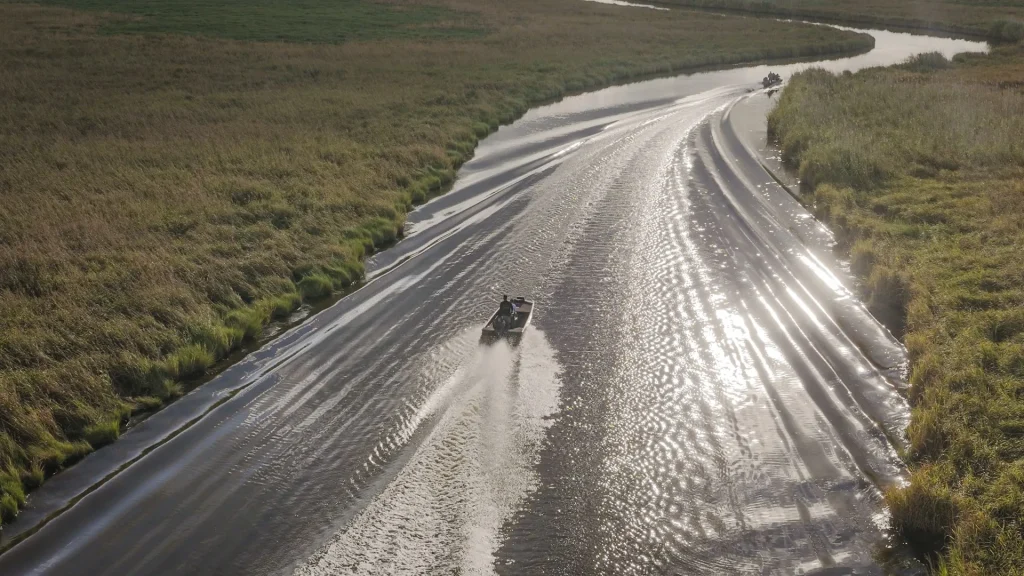
SpaceX acknowledges the impact launches could have on marshlands, local wildlife, and water sources. Here’s how the company plans to help with the issues in Vermilion Parish:
- Restoring the Shoreline: “In Vermilion Parish, the shoreline is eroding between 3.3 and 23 feet per year. We’re partnering with state and federal agencies to expand Louisiana’s Coastal Master Plan and Coastal Wetlands Planning, Protection and Restoration Act projects, including Gulf shoreline protection breakwaters designed to reduce wave energy and slow loss along the Gulf edge.”
- Rebuilding the Marshlands: “In working with the state, we’re planning thousands of acres of marsh creation using beneficial-use placement of dredged material and offshore sediment sources. Restoration will also include interior marsh bank stabilization and rebuilding marsh in remnant canals. These projects can reconnect fragmented wetlands, restore natural buffers against storms, and return habitat that has been lost to erosion and historic canalization.”
- Preserving Coastal Wildlife: “Pecan Island and nearby wetlands are high-value habitat for migratory waterfowl, shorebirds, wading birds, and other coastal wildlife. SpaceX is not developing the full footprint of the land and will preserve wetlands and wildlife habitat. At existing launch sites, waterfowl and other birds continue to use nearby habitat during operations. Working with wildlife agencies, landowners, and conservation groups, SpaceX will support monitoring and management so this habitat stays productive and hunting, fishing, birding, and other recreational activities that are part of this coast’s culture can continue.”
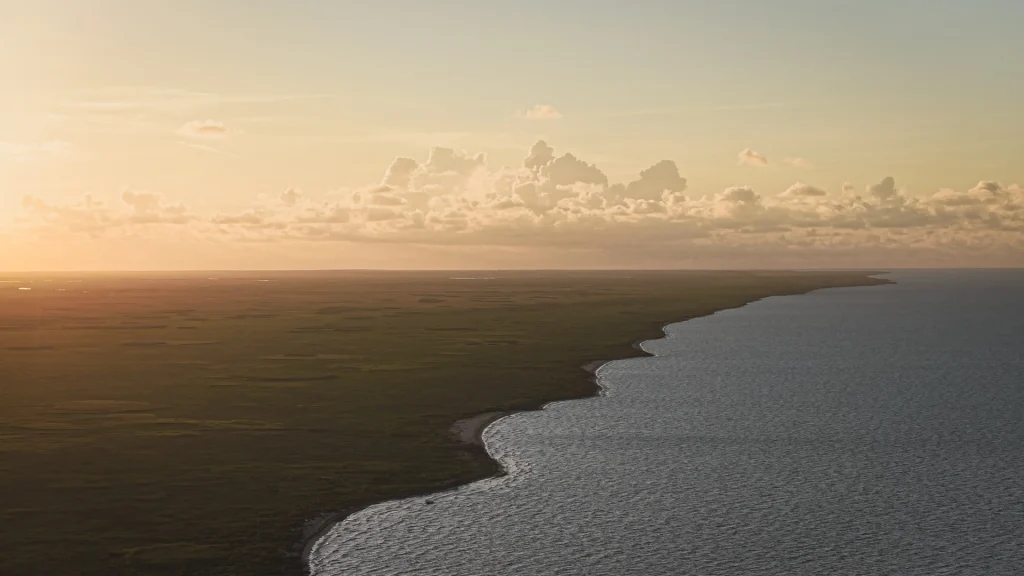
SpaceX shares rose about 2.5 percent on the news.
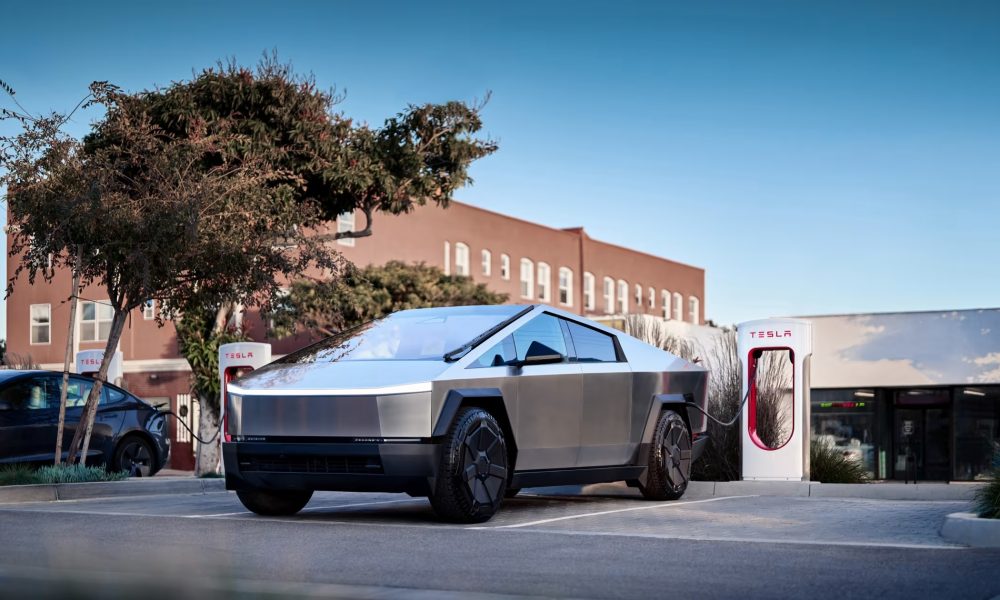
Tesla Cybertruck trims saw a big price change, at least on two of the three available to consumers, as demand for the all-electric pickup appears to be increasing.
Tesla bumped up its Base All-Wheel-Drive trim level up to $74,990 from $69,990 and the Premium All-Wheel-Drive configuration from $79,990 to $84,990. The Cyberbeast price remains unchanged at $99,990.
🚨 Cybertruck prices went up as Tesla bumped them 7%
– Tesla Cybertruck AWD is now $74,990
– Tesla Cybertruck Premium AWD now $84,990
– Tesla Cyberbeast now $99,990 https://t.co/MYJbaw56GL— TESLARATI (@Teslarati) August 25, 2026

Despite questions of demand for the truck, Tesla is bumping its two least expensive trims up $5,000 to signal that there are plenty of buyers. Although SpaceX has been buying Tesla Cybertruck units to utilize as company vehicles, it is no secret that the Cybertruck is among the most sought-after Tesla models out there.
The issue has always been pricing, at least for the most part. When Tesla initially launched the Cybertruck AWD at $59,990 a few months back, the company stated that price would remain intact for just ten days due to the influx of orders it received.
Cybertruck Sales: Is It the Product or Pricing?
Depending on who you ask, you will likely hear one of two explanations for relatively low Cybertruck sales: either the product itself or the pricing.
Yes, this is the best-selling all-electric pickup on the market. However, there are people who simply hate the look of it, which I understand, but do not agree with. Look is totally subjective, and I love the look of the Cybertruck.
Some people will not buy the Cybertruck because of the look, but I am under the impression that sales would be much better if this truck were priced lower; something that might not be possible considering Tesla’s need to make money on its products. When it was unveiled in 2019, its most expensive trim level was $69,990. Now, the cheapest trim level is more expensive than that.
I would be in a Cybertruck if it were more affordable. I LOVE my Model Y, but Cybertruck is the best vehicle Tesla makes, and it’s not particularly close. Even in the base model, the steer-by-wire, the space, storage, and performance make it more desirable than the Model Y to me. I cannot be the only Tesla owner without a Cybertruck who feels this way.
If you’re interested in buying a Tesla vehicle, use my referral link.

County vote hands Elon Musk’s Vegas tunnel network a huge new target

SpaceX announces new Starbase for ‘thousands of Starship launches annually’


