News
SpaceX is helping save sea turtles in Boca Chica amid TX’s harsh cold, blackouts

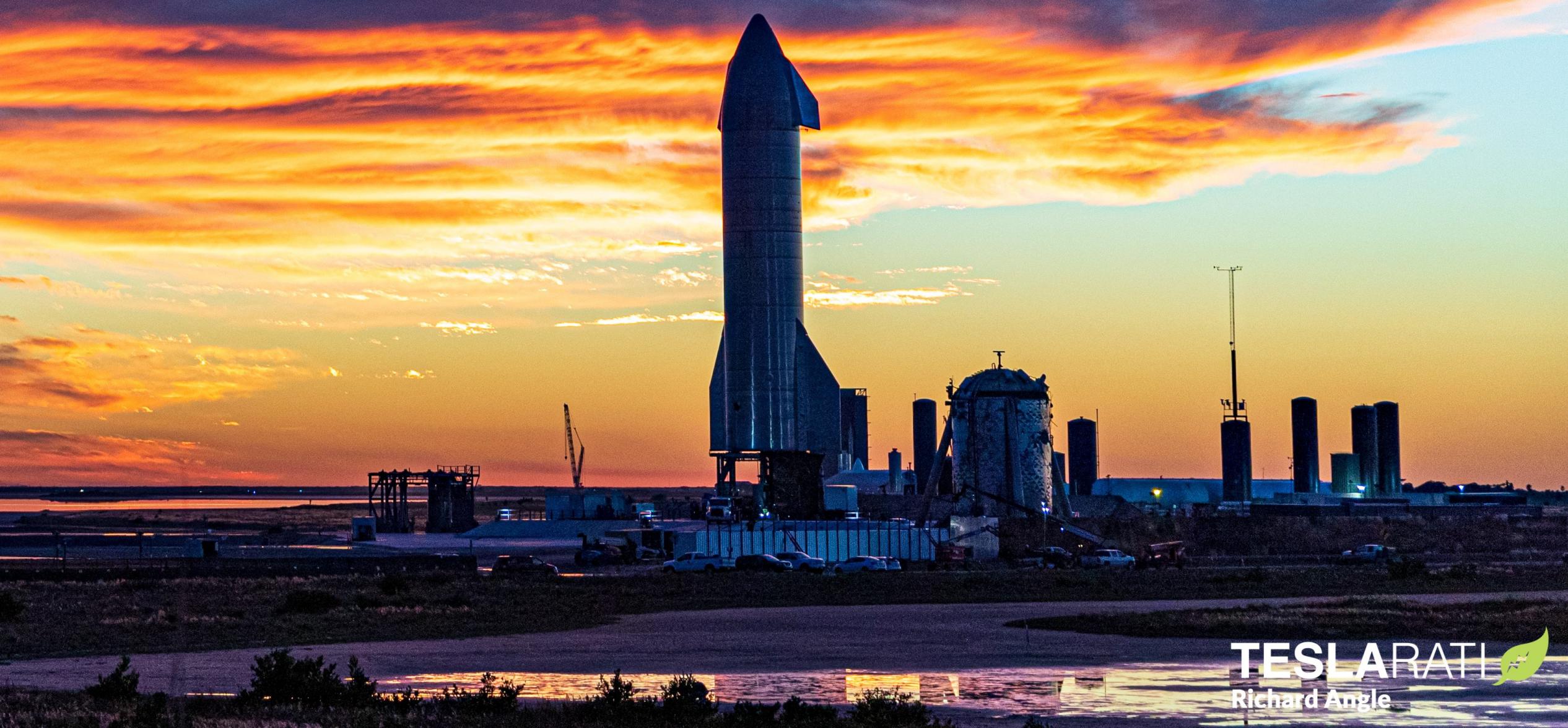
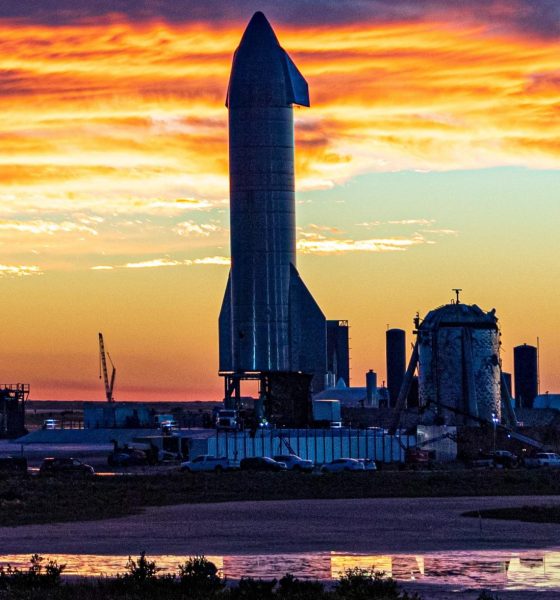
It appears that SpaceX is not only looking to bring humanity to Mars; Elon Musk’s private space firm is also intent on keeping the wildlife near its Boca Chica site as safe as possible. This was recently highlighted by Elon Musk when he responded to an update about the situation of numerous sea turtles in Boca Chica.
Texas is currently being hit by frigid weather and blackouts, a dangerous combination for animals like sea turtles, which have a tendency to get cold-stunned. When sea turtles get cold-stunned, they essentially get paralyzed, preventing them from lifting their heads out of the water to breathe. It is then up to organizations such as Sea Turtle, Inc. to ensure that the endangered animals are retrieved from the beach and kept safe.
Unfortunately, Sea Turtle’s Boca Chica facility has been hit with Texas’ power outages, and it happened at a time when there are hundreds, if not thousands, of sea turtles that were in dire need of shelter. This situation was eventually brought to Elon Musk’s attention on Twitter, and it prompted a quick response from the CEO. According to Musk, the SpaceX team is going to help in the sea turtle rescue efforts.
What is quite remarkable is that SpaceX’s employees in Boca Chica are actually trained to handle cold-stunned sea turtles. This was something mentioned by Wendy Knight, executive director of Sea Turtle Inc. in a statement to ValleyCentral News. “SpaceX has now trained its employees to react during cold-stunned events,” she said in a previous statement.
SpaceX Boca team is helping save the turtles
— Elon Musk (@elonmusk) February 16, 2021
Elaborating further, Knight added that SpaceX actually allows them to use its drone equipment and ATVs to patrol for turtle activity before and after every launch. SpaceX was also in constant communication with Sea Turtle Inc. before and during the Boca Chica site’s construction. Gilberto Salinas, the former executive vice president of the Brownsville economic development council, shared some insights about the planning involved in the buildout of SpaceX’s Starship facility.
“We knew that the project was going to have to go public but essentially it was going to have to go through a public hearing, two separate federal public hearings. It would be required to have special lighting that they would have to use at night that way whenever the baby sea turtles would hatch, they wouldn’t get disoriented and think that the SpaceX—or operation’s lights is the moon,” he said.
Elon Musk did not specify exactly what type of help SpaceX’s employees will provide to the ongoing sea turtle rescue efforts, though considering their training, it seems safe to assume that the private space firm’s workers would be aiding in retrieving the animals and transporting them to facilities like Sea Turtle Inc. Hopefully, Elon Musk’s other company, Tesla, could also step in and provide some aid, perhaps in the form of battery storage units like the Powerwall, which could help Sea Turtle Inc. keep its lights on despite the power outages in the area.
Don’t hesitate to contact us for news tips. Just send a message to tips@teslarati.com to give us a heads up.


Lifestyle
Tesla hit by Iranian missile debris in Israel
A Tesla in Israel absorbed a direct hit from missile debris, and the glassroof held.

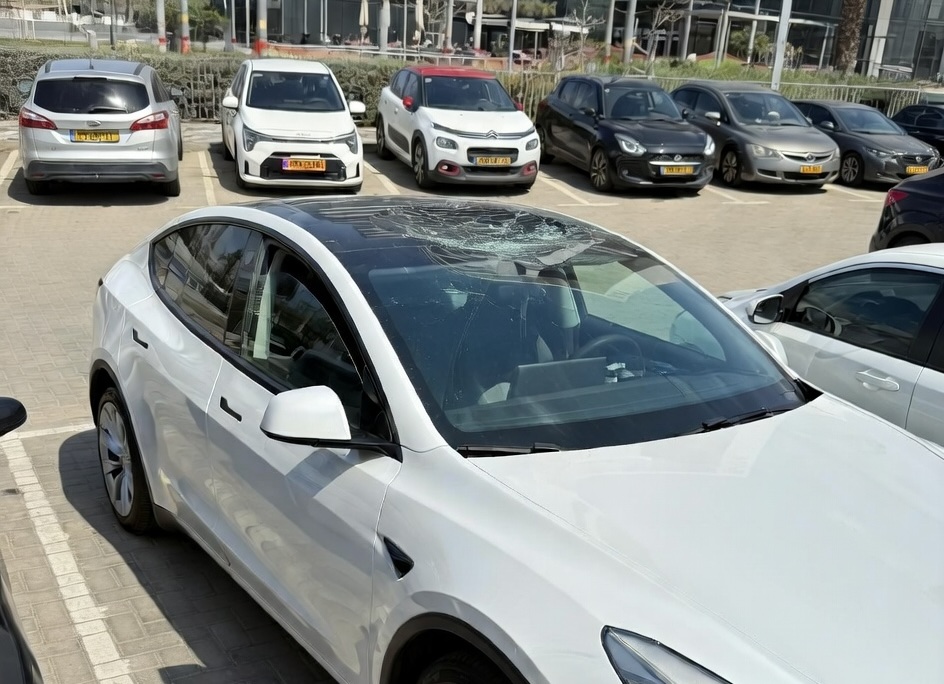
On March 30, 2026, Lara Shusterman was in Netanya, Israel when Iranian ballistic missiles triggered air raid sirens across the city. While she remained in safety, her 2024 Tesla Model Y did not escape untouched. A heavy piece of missile debris struck the car’s massive glass roof, leaving a deep crater but without shattering. In a Facebook post to the Tesla Israel community the following morning, Shusterman described what happened: “The glass did not shatter into dangerous shards. She stopped the damage and pushed the metal part to the ground.” She closed by thanking Elon Musk and the Tesla team for building what she called “security and a sense of trust even in extreme situations.”
Netanya is a coastal city in central Israel, roughly 18 miles north of Tel Aviv and has been among the areas most frequently struck during Iran’s ongoing missile campaign, following coordinated U.S. and Israeli strikes on Iranian military infrastructure. Falling shrapnel from intercepted missiles is a common occurrence.
-

- Tesla Model Y glass roof shattered from a piece of falling Iranian missile debris
-

- A piece of Iranian missile debris that struck Lara Shusterman’s Tesla Model Y in Netanya, Israel on March 30, 2026, after being intercepted by Israeli air defenses.
-

- Tesla Model Y glass roof shattered from a piece of falling Iranian missile debris
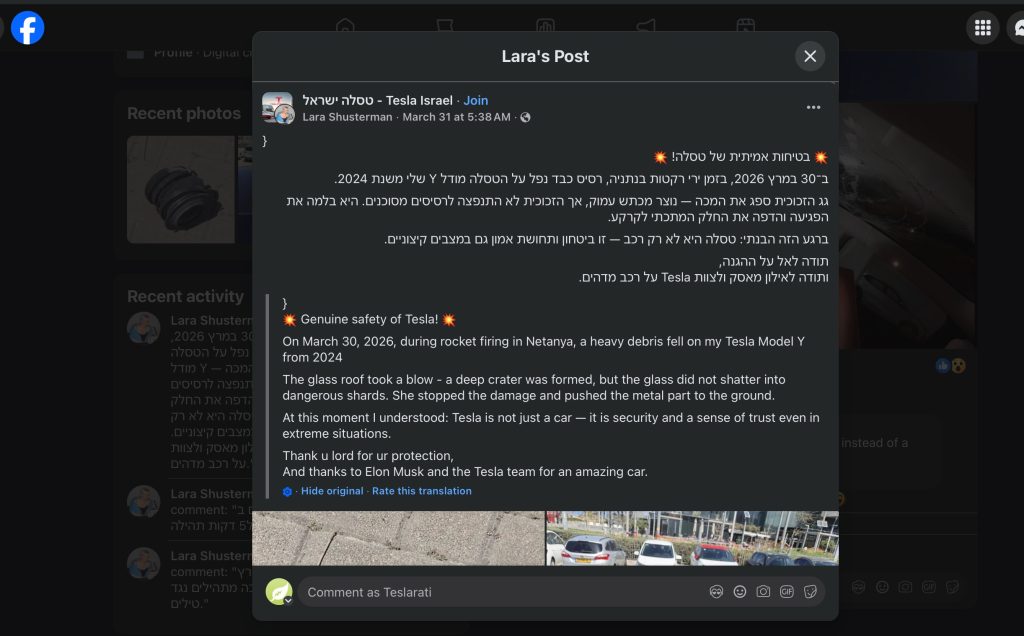
Source: Tesla Israel Facebook Group
The incident is a testament to Tesla’s structural engineering. Tesla’s glass roof is designed to support over four times the vehicle’s own weight. That strength has shown up in real-world accidents too. In 2021, a Model Y in California was struck by a falling tree during a storm, with the glass roof holding firm and the cabin remaining intact. In another widely reported incident, a Tesla Model Y plunged 250 feet off the cliff at Devil’s Slide in California in January 2023, with all four occupants, including two young children, surviving.
Disturbing details about Tesla’s 250-foot cliff drop emerge amid initial investigation
Tesla officially launched sales in Israel in early 2021 and captured over 60 percent of Israel’s EV market in the first year. The brand’s foothold in Israel remains significant. Tens of thousands of Teslas are now on Israeli roads, making incidents like Shusterman’s easy to corroborate. On the same week her Model Y took the hit, the U.S. Space Force awarded SpaceX a $178.5 million contract to launch missile tracking satellites, a separate but fitting reminder of how intertwined the Musk ecosystem has become with the realities of modern conflict.
Elon Musk
Elon Musk calls out $2 trillion SpaceX IPO valuation as ‘BS’
In a swift rebuke on X, Elon Musk dismissed reports claiming SpaceX had confidentially filed for an initial public offering targeting a valuation above $2 trillion, labeling the information as unreliable.

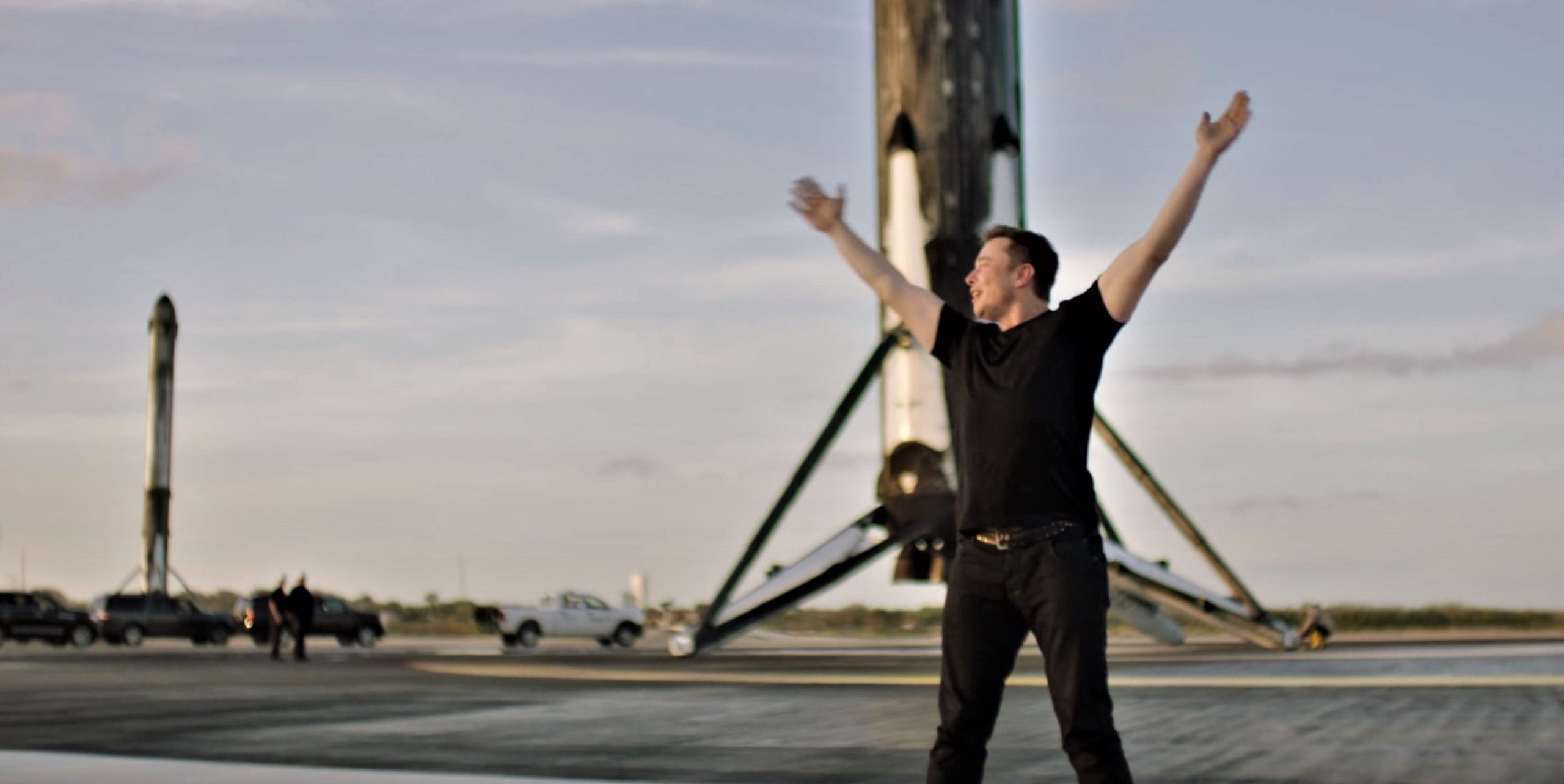
Elon Musk is quick to call out any false information regarding him or his companies on his social media platform, known as X.
A recent report that claimed SpaceX was aiming to go public with an IPO in the coming weeks at a massive valuation of $2 trillion was called out by Musk, who referred to it as “BS.”
In a swift rebuke on X, Elon Musk dismissed reports claiming SpaceX had confidentially filed for an initial public offering targeting a valuation above $2 trillion, labeling the information as unreliable.
The exchange highlights ongoing media speculation about the rocket company’s future and Musk’s frustration with what he views as inaccurate financial reporting. The report came from Bloomberg.
Don’t believe everything you read.
Bloomberg publishes bs.
— Elon Musk (@elonmusk) April 3, 2026
The controversy erupted on April 2, 2026, when influencer Mario Nawfal amplified claims from Bloomberg.
The outlet posted that SpaceX had boosted its IPO target valuation above $2 trillion, describing it as potentially one of the largest public offerings in history. Musk challenged the story.
It echoes past instances where Musk has corrected valuation rumors about his companies, emphasizing that speculation often outpaces reality.
Background context adds nuance.
Earlier reports indicated SpaceX had filed confidential IPO paperwork with the U.S. Securities and Exchange Commission, potentially positioning it for a record-breaking debut that could eclipse Saudi Aramco’s 2019 listing.
Initial estimates pegged a possible valuation north of $1.75 trillion, building on a post-merger figure around $1.25 trillion after SpaceX absorbed xAI. A subsequent Bloomberg update claimed advisers were floating figures above $2 trillion to investors, with the offering potentially raising up to $75 billion.
SpaceX remains a private powerhouse. Its achievements include thousands of Starlink satellites providing global broadband, routine Falcon 9 rocket reusability, and a mission to slash launch costs, along with ambitions for Starship to enable Mars colonization.
The company also benefits from government contracts with NASA and the Department of Defense. A public listing could democratize access for retail investors while subjecting SpaceX to greater scrutiny and quarterly reporting pressures.
Critics of the reports point to the confidential nature of filings, which limits verifiable details. Musk has previously downplayed inflated valuations, once calling an $800 billion figure for SpaceX “too high.”
Supporters argue that hype around mega-IPOs, especially amid the ongoing AI fervor, fuels premature narratives that distract from core technical milestones, such as full Starship reusability and Starlink constellation expansion.
The incident reflects broader tensions in tech finance. Anonymous sourcing in valuation stories can drive market chatter and betting activity, yet it risks misinformation.
Bloomberg defended its reporting through multiple articles citing “people familiar with the matter,” but Musk’s blunt dismissal resonated widely on X, with users piling on to question media reliability.
Whether SpaceX ultimately goes public remains uncertain. Musk has teased an IPO tied to Starlink maturity, but priorities center on engineering breakthroughs over Wall Street timelines. For now, the $2 trillion figure joins a list of rumored milestones that Musk insists should be taken with skepticism.
Elon Musk
Elon Musk reveals date of SpaceX Starship v3’s maiden voyage
The announcement arrives after Flight 11 on October 13 of last year, which concluded a busy 2025 testing campaign. Since then, SpaceX has focused on ground testing, including cryoproofing of Ship 39 and preparations for Booster 19, the first V3 Super Heavy.
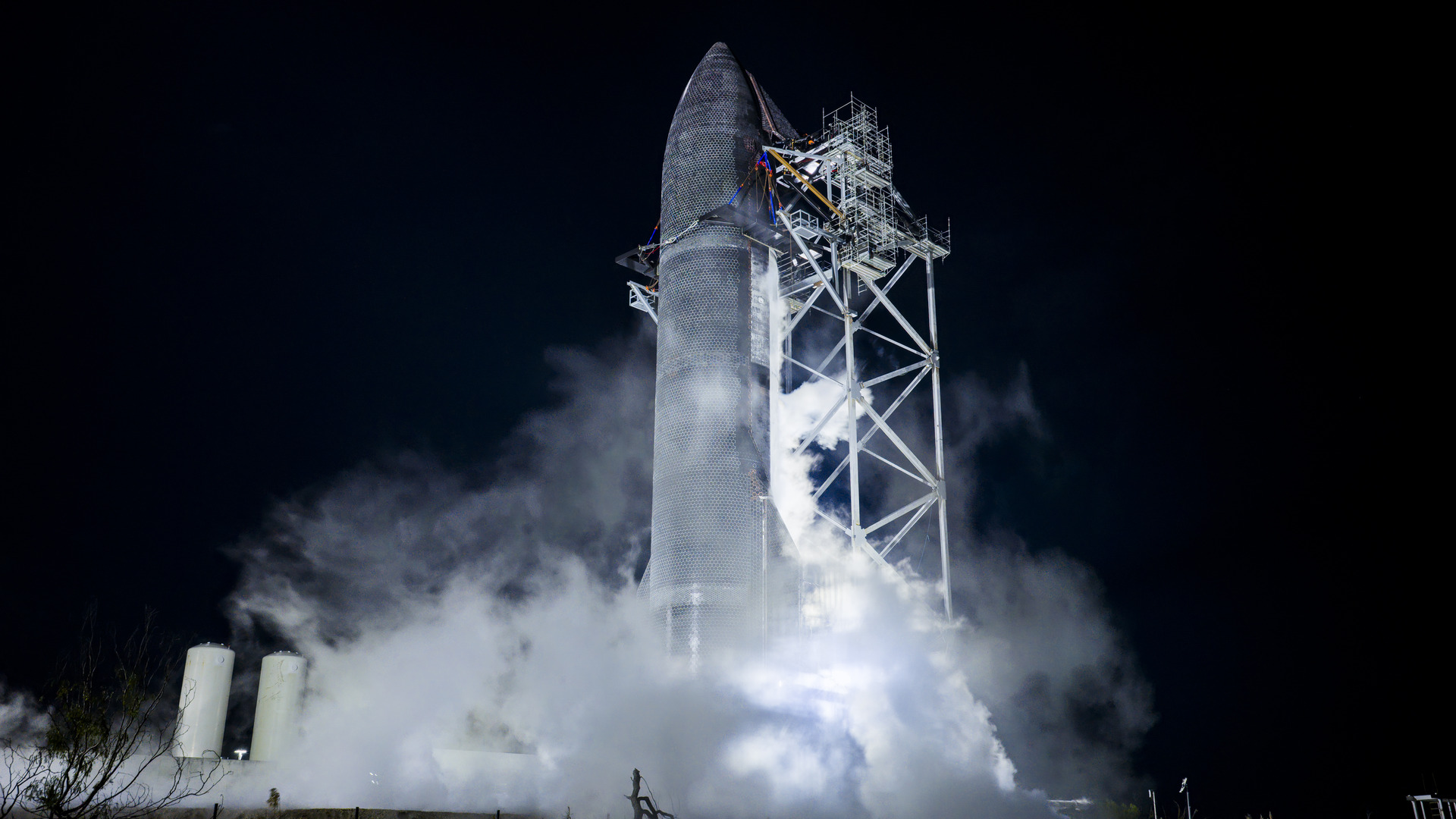
SpaceX CEO Elon Musk has revealed the timeline for the next Starship launch. It will be the first launch using SpaceX’s revamped design for Starship, as its v3 rocket will take its maiden voyage sooner than many might expect.
Musk announced on April 3 on X that the next Starship flight test, and the first flight of the upgraded v3 ship and booster, is 4 to 6 weeks away. The update signals the end of a nearly six-month hiatus since the program’s last launch.
Elon says the first V3 Starship launch will occur in 4-6 weeks
It will be the first Starship launch since Flight 11 on October 13, 2025 https://t.co/QnnYPTdbUu
— TESLARATI (@Teslarati) April 3, 2026
The upcoming mission, designated as Starship’s 12 integrated flight test (IFT-12), marks a significant milestone. It will be the debut of the v3 configuration, featuring a taller Super Heavy Booster and Starship upper stage. The changes SpaceX has made with the v3 rocket and booster are an increased propellant capacity and the more powerful Raptor 3 engines.
Earlier predictions from Musk in March had pointed to an April timeframe, but the latest timeline now targets a launch window in early to mid-May 2026.
The V3 iteration represents a substantial evolution from previous Starship prototypes. Engineers have optimized the design for improved manufacturability, higher thrust, and greater efficiency. Raptor 3 engines deliver significantly more power while reducing weight and production costs compared to earlier variants.
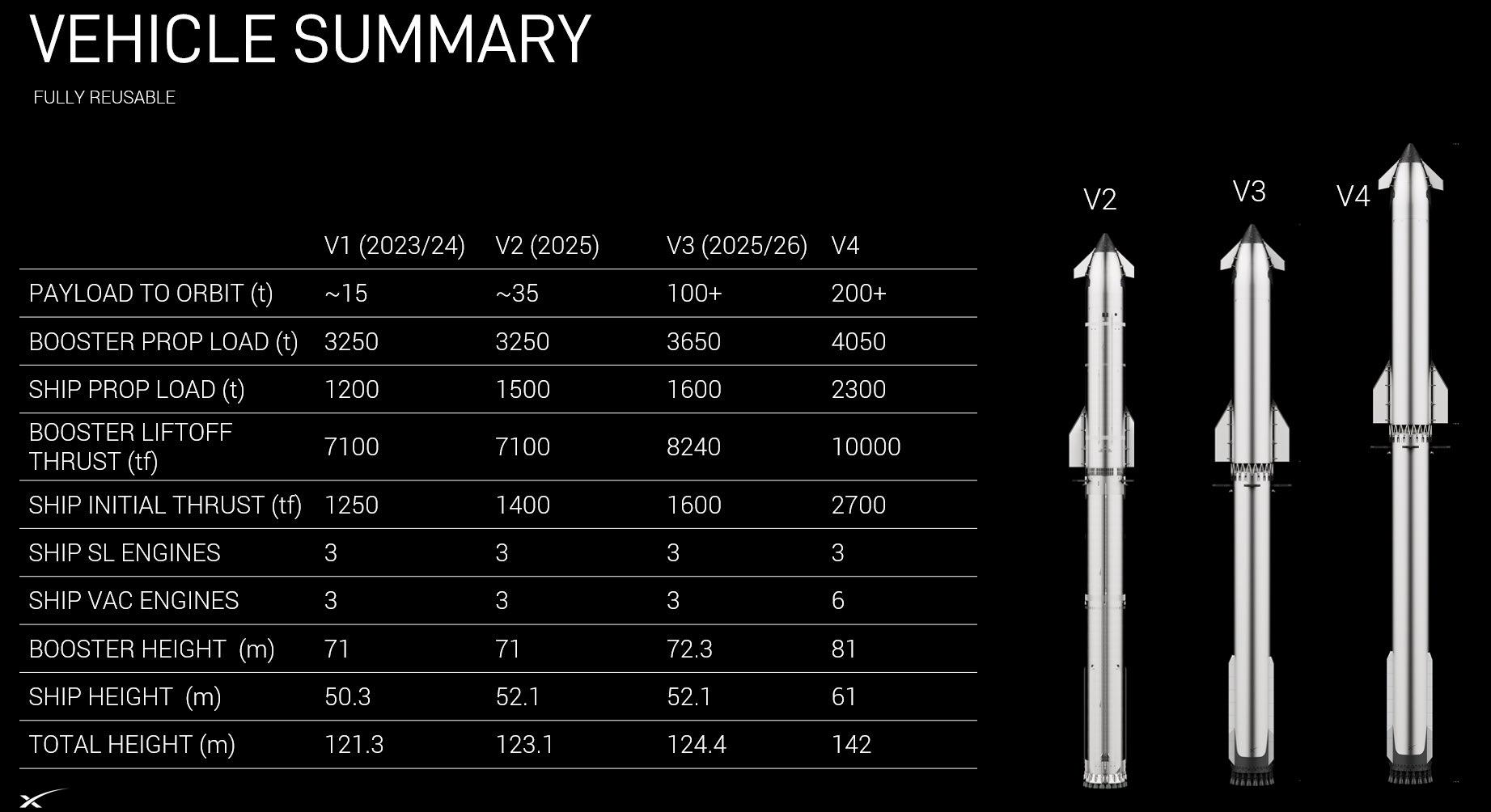
With these enhancements, SpaceX aims to boost payload capacity toward 200 metric tons to low Earth orbit in a fully reusable configuration — a dramatic leap from the roughly 35-ton target of prior versions. Such capabilities are critical for ambitious goals, including NASA’s Artemis lunar missions and eventual crewed flights to Mars.
The announcement arrives after Flight 11 on October 13 of last year, which concluded a busy 2025 testing campaign. Since then, SpaceX has focused on ground testing, including cryoproofing of Ship 39 and preparations for Booster 19, the first V3 Super Heavy.
Recent activities have involved static fires, activation of the new Pad 2 at Starbase in Boca Chica, Texas, and integration of Raptor 3 engines.
A prior incident with an early V3 booster on the test stand in late 2025 contributed to the delay, necessitating additional assembly and qualification work.
Musk’s timeline updates have become a hallmark of the Starship program, often described with characteristic optimism.
SpaceX’s Starship V3 is almost ready and it will change space travel forever
While past targets have occasionally shifted by weeks, the rapid iteration pace remains impressive. However, don’t be surprised if this timeline shifts again, as Musk has been overly optimistic in the past with not only launches, but products under his other companies, too.
SpaceX continues to refine launch infrastructure, including new propellant loading systems and tower mechanisms designed to support higher cadence operations. A successful V3 flight could pave the way for more frequent tests, tower catches of both booster and ship, and progression toward operational reusability.
The v3 debut is viewed as a transition point for Starship, moving beyond experimental flights toward a system capable of supporting large-scale deployment of Starlink satellites, lunar landers, and interplanetary transport.
Success on IFT-12 would demonstrate not only the new hardware’s performance but also SpaceX’s ability to recover from setbacks and maintain momentum.
As the 4-to-6-week countdown begins, anticipation builds at Starbase. Teams are finalizing vehicle stacking, conducting final pre-flight checks, and preparing for regulatory approvals. The world will be watching to see if Starship V3 can deliver on its promise of transforming humanity’s access to space.

Tesla hit by Iranian missile debris in Israel

Elon Musk calls out $2 trillion SpaceX IPO valuation as ‘BS’


