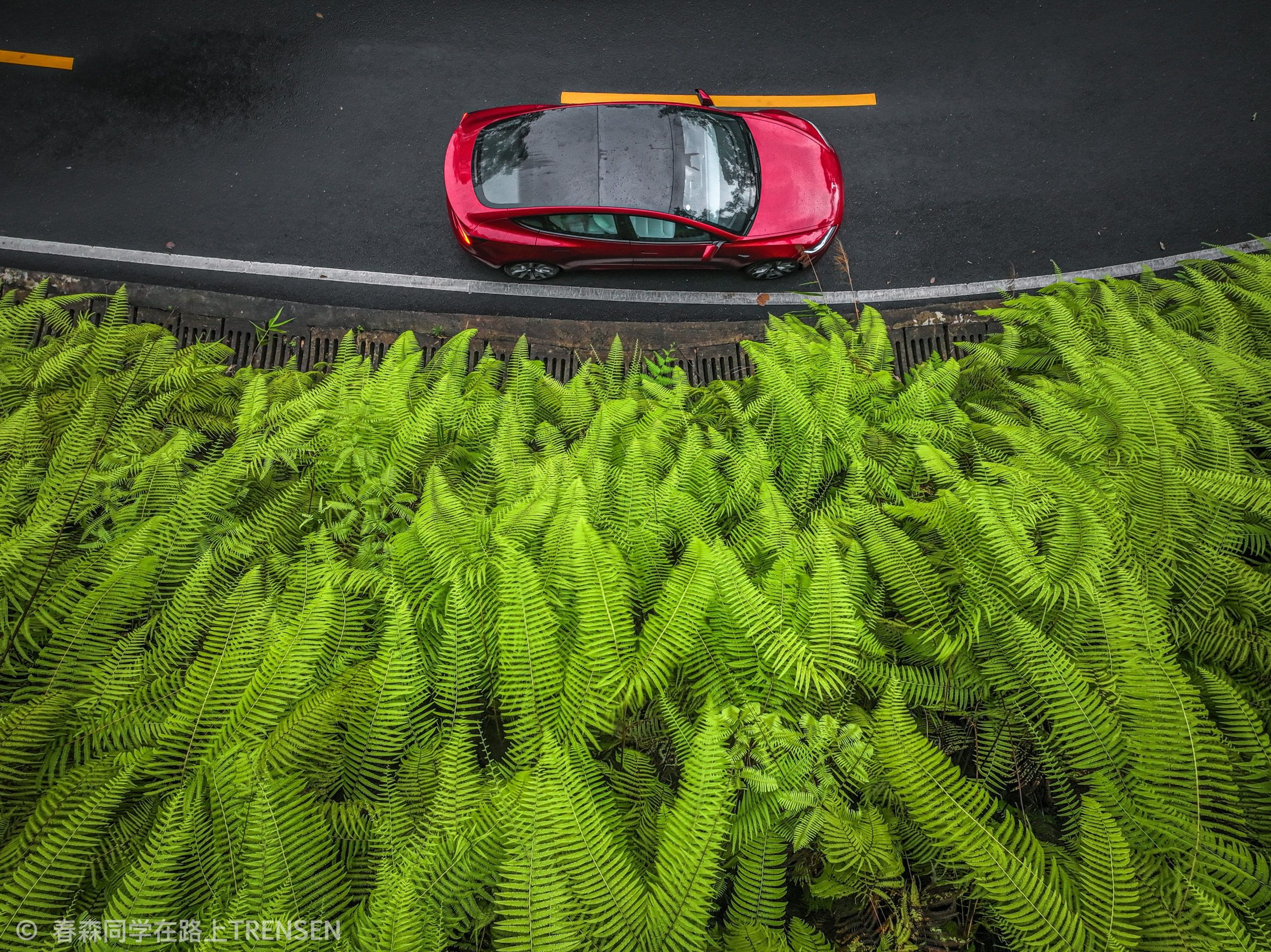


Tesla China saw 10,500 new vehicle registrations during the week of July 15-21, 2024. This represents a 7.89% decrease from the 11,400 registrations that the company saw in the week ending July 14.
Tesla China does not report its weekly sales figures, but a general idea of the electric vehicle maker’s performance in the domestic automotive market can be inferred through new vehicle registration data. Fortunately, these registrations are tracked and reported by industry watchers, as well as automakers like Li Auto.
Tesla China saw 6,500 new vehicle registrations in the week of July 1-7 and 11,400 insurance registrations in the week of July 8-14, 2024. With the 10,500 new vehicles that were registered in the week ending July 21, Tesla China has seen 28,400 registrations this month so far. For comparison, Tesla China saw 20,900 new vehicle registrations in the same period last year.
source: pic.twitter.com/efzMD59jKz— Tsla Chan (@Tslachan) July 23, 2024
Industry watchers have estimated that so far, Tesla China’s new vehicle registrations are 115.2% up quarter-over-quarter and down just 2.8% year-over-year. This bodes well for Tesla China, especially since CEO Elon Musk has noted that he still expects 2024’s sales to exceed that of 2023’s. Tesla delivered a total of 1,808,581 vehicles in full year 2023.
Considering Musk’s sales target for 2024, Tesla China would have to be extremely busy in the third and fourth quarters. In the first and second quarters of 2024, Tesla was able to deliver a total of 830,776 vehicles worldwide. If Tesla wishes to exceed its record 2023 sales, the company would have to deliver over 978,000 vehicles in Q3 and Q4 2024.
In China, 10.5k Tesla insurance registrations were reported for the week of July 15 to 21. ??
The quarter is +115.2% QoQ and +26.5% vs. 23Q4 the best quarter after 3 weeks. YTD is at -2.8% YoY. Seconnd highest week of the quarter. pic.twitter.com/E5CfaeF6Lm— Roland Pircher (@piloly) July 23, 2024
Tesla China is expected to play a huge role in Tesla’s efforts to beat its record 2023 vehicle deliveries. Giga Shanghai currently serves as the company’s global vehicle export hub, and it is only one of two factories capable of producing the reengineered Tesla Model 3 sedan. With this in mind, it would not be surprising if Tesla China proves extremely busy this third quarter.
Don’t hesitate to contact us with news tips. Just send a message to simon@teslarati.com to give us a heads up.


Elon Musk
SpaceX secures win as US labor board drops oversight case
The NLRB confirmed that it no longer has jurisdiction over SpaceX.
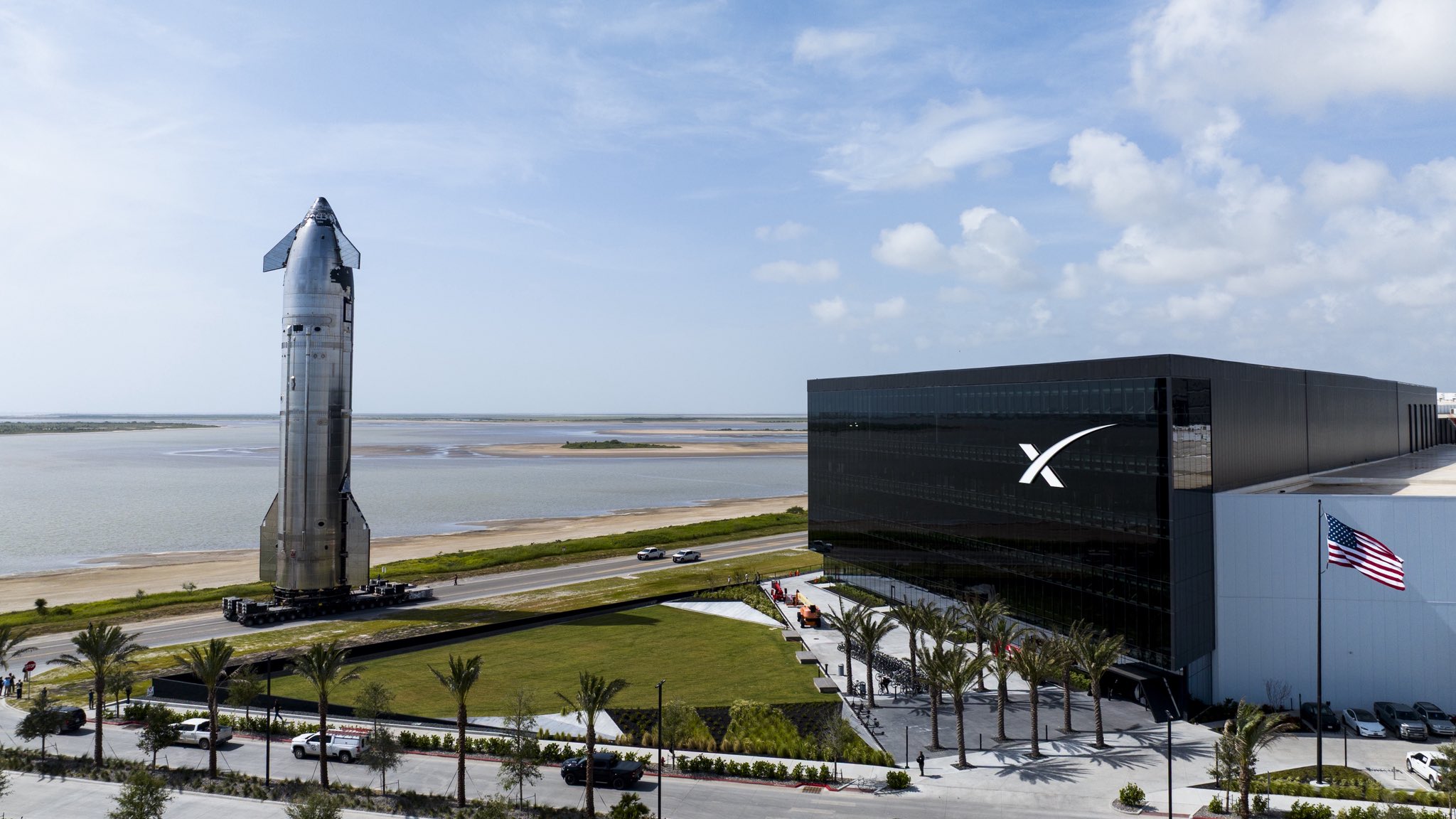
SpaceX scored a legal victory after the National Labor Relations Board (NLRB) decided to dismiss a case which accused the company of terminating engineers who were involved in an open letter against founder Elon Musk.
The NLRB confirmed that it no longer has jurisdiction over SpaceX. The update was initially shared by Bloomberg News, which cited a letter about the matter it reportedly reviewed.
In a letter to the former employees’ lawyers, the labor board stated that the affected employees were under the jurisdiction of the National Mediation Board (NMB), not the NLRB. As a result, the labor board stated that it was dismissing the case.
As per Danielle Pierce, a regional director of the agency, “the National Labor Relations Board lacks jurisdiction over the Employer and, therefore, I am dismissing your charge.”
The NMB typically oversees airlines and railroads. The NLRB, on the other hand, covers most private-sector employers, as well as manufacturers such as Boeing.
The former SpaceX engineers have argued that the private space company did not belong under the NMB’s jurisdiction because SpaceX only offers services to “hand-picked customers.”
In an opinion, however, the NMB stated that SpaceX was under its jurisdiction because “space transport includes air travel” to get to outer space. The mediation board also noted that anyone can contact SpaceX to secure its services.
SpaceX had previously challenged the NLRB’s authority in court, arguing that the agency’s structure was unconstitutional. Jennifer Abruzzo, the NLRB general counsel under former United States President Joe Biden, rejected SpaceX’s claims. Following Abruzzo’s termination under the Trump administration, however, SpaceX asked the labor board to reconsider its arguments.
SpaceX is not the only company that has challenged the constitutionality of the NLRB. Since SpaceX filed its legal challenge against the agency in 2024, other high-profile companies have followed suit. These include Amazon, which has filed similar cases that are now pending.
News
Tesla accuses IG Metall member of secretly recording Giga Berlin meeting
The union has denied the electric vehicle maker’s allegations.
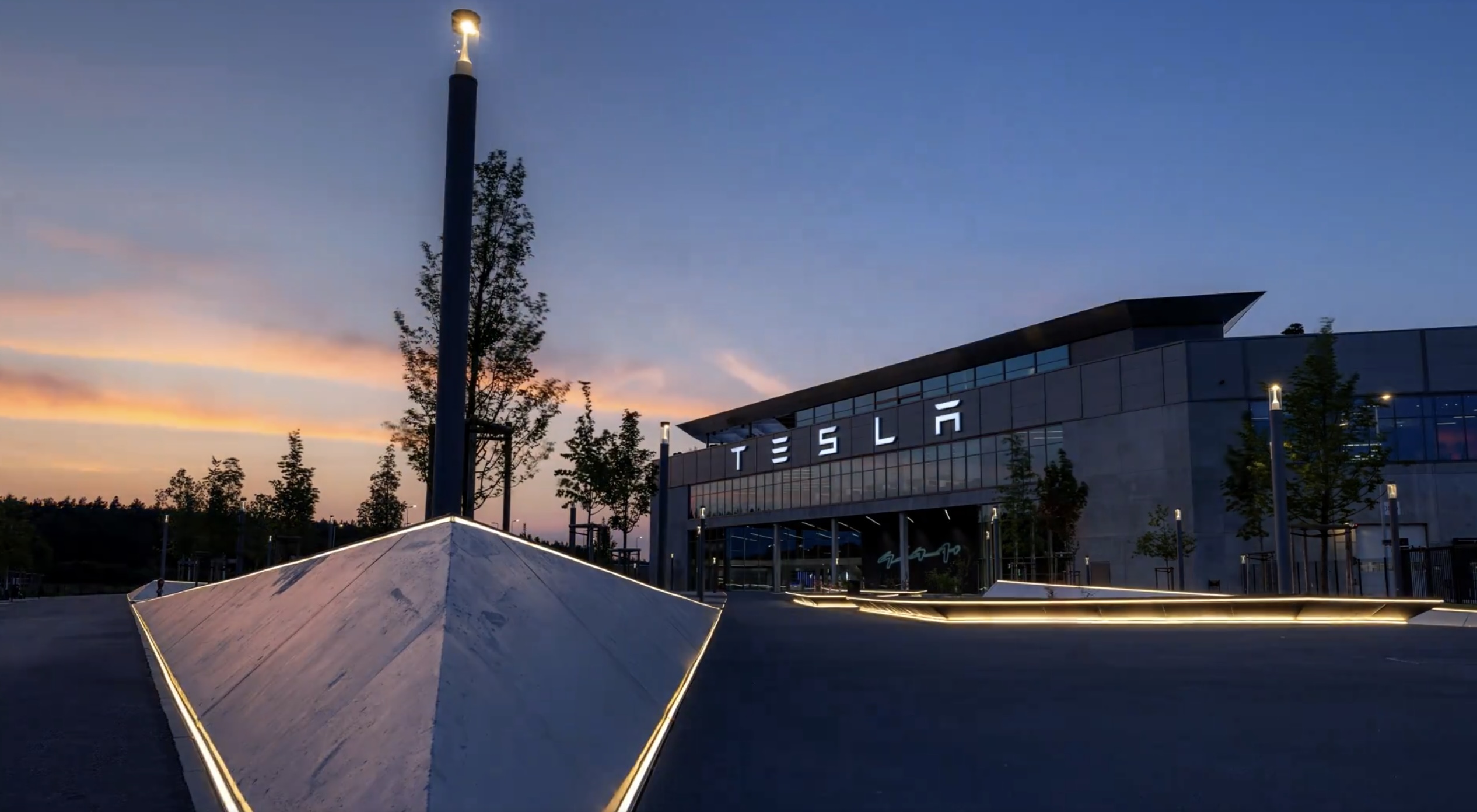
Police seized the computer of an IG Metall member at Tesla Giga Berlin on Tuesday amid allegations that a works council meeting was secretly recorded.
The union has denied the electric vehicle maker’s allegations.
In a post on X, Gigafactory Berlin plant manager André Thierig stated that an external union representative from IG Metall attended a works council meeting and allegedly recorded the session. Thierig described the event as “truly beyond words.”
“What has happened today at Giga Berlin is truly beyond words! An external union representative from IG Metall attended a works council meeting. For unknown reasons he recorded the internal meeting and was caught in action! We obviously called police and filed a criminal complaint!” Thierig wrote in his post on X.
Police later confirmed to local news outlet rbb24 that officers did seize a computer belonging to an IG Metall member at the Giga Berlin site on Tuesday afternoon. Tesla stated that employees had contacted authorities after discovering the alleged recording.
IG Metall denied Tesla’s accusations, arguing that its representative did not record the meeting. The union alleged that Tesla’s claim was simply a tactic ahead of upcoming works council elections.
The next works council election at Giga Berlin is scheduled for March 2 to 4, 2026. The facility’s management had confirmed the dates to local news outlets. The official announcement marks the start of the election process and campaign period.
Approximately 11,000 employees are eligible to participate in the vote.
The previous works council election at the plant took place in 2024, and it was triggered by a notable increase in workforce size. Under German labor law, regular works council elections must be held every four years between March 1 and May 31.
Elon Musk
Elon Musk’s xAI plants flag in Bellevue AI hotspot
The lease places xAI’s new office in one of the region’s fastest-growing tech hubs.
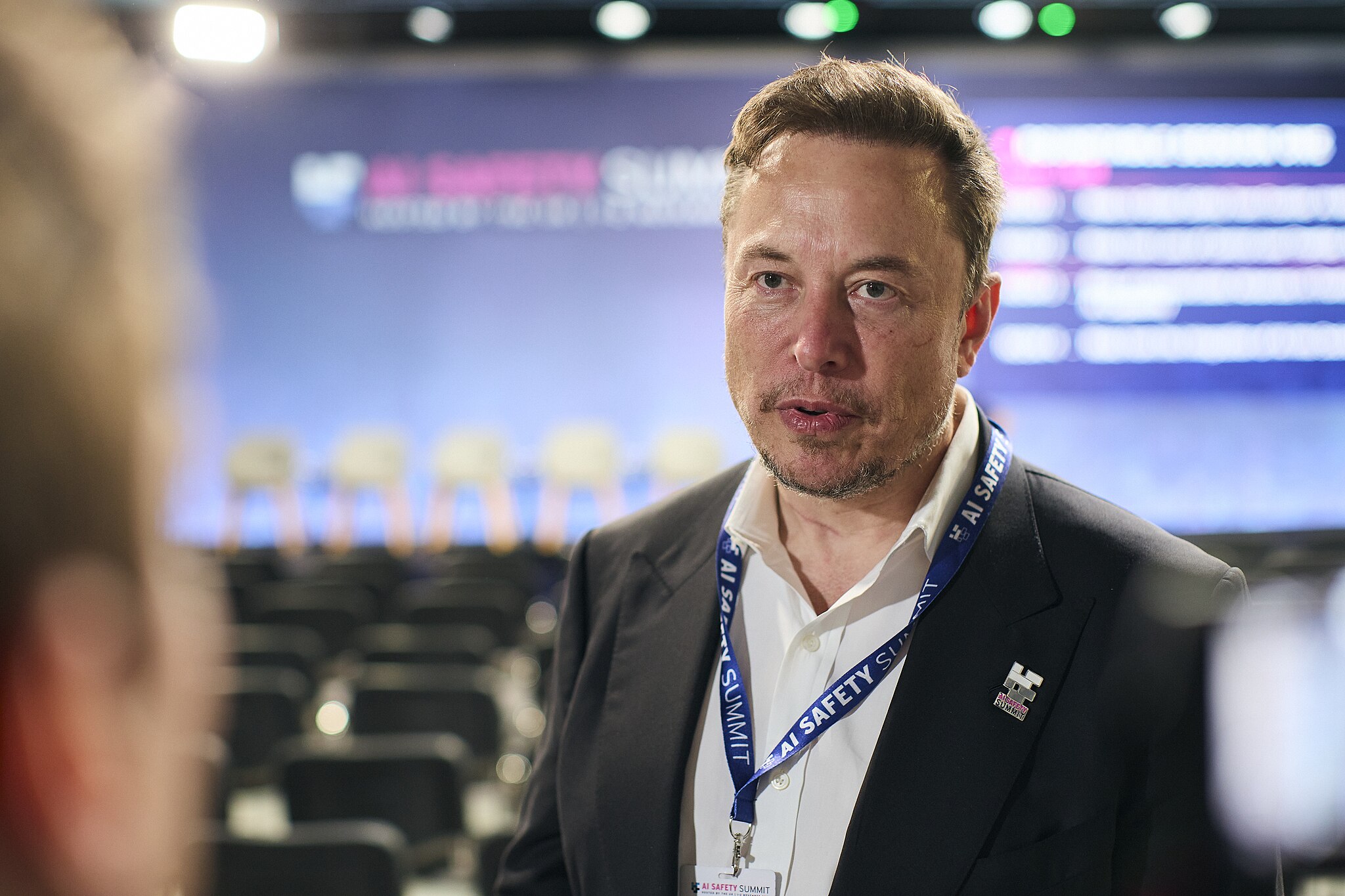
Elon Musk’s artificial intelligence company xAI has leased a full floor at Lincoln Square South in downtown Bellevue, WA, as per city permit filings.
The lease places xAI’s new office in one of the region’s fastest-growing tech hubs.
Public records indicate that xAI leased roughly 24,800 square feet in Lincoln Square South. The location was previously occupied by video game company Epic Games. Lincoln Square South is part of the Bellevue Collection, which is owned by Kemper Development Co.
The lease was first referenced in January by commercial real estate firm Broderick Group, which noted that an unnamed tenant had secured the space, as stated in a report from the Puget Sound Business Journal. Later filings identified xAI as the occupant for the space.
xAI has not publicly commented on the lease.
xAI hinted at plans to open an office in the Seattle area back in September, when the startup posted job openings with salaries ranging from $180,000 to $440,000. At the time, the company had narrowed its location search to cities on the Eastside but had not finalized a lease.
xAI’s Bellevue expansion comes as Musk continues consolidating his businesses. Last week, SpaceX acquired xAI in a deal that valued the artificial intelligence startup at $250 billion. SpaceX itself is now valued at roughly $1.25 trillion and is expected to pursue an initial public offering (IPO) later this year.
Musk already has a significant presence in the region through SpaceX, which employs about 2,000 workers locally. That initiative, however, is focused largely on Starlink satellite development.
Bellevue has increasingly become a center for artificial intelligence companies. OpenAI has expanded its local office footprint to nearly 300,000 square feet. Data infrastructure firms such as Crusoe and CoreWeave have also established offices downtown.

SpaceX secures win as US labor board drops oversight case

Tesla accuses IG Metall member of secretly recording Giga Berlin meeting


