News
Watch Tesla’s FSD tackle water cup challenge, dirt roads in China
How does Tesla’s Full Self-Driving face off against competitors in China when it comes to smoothness and scalability?

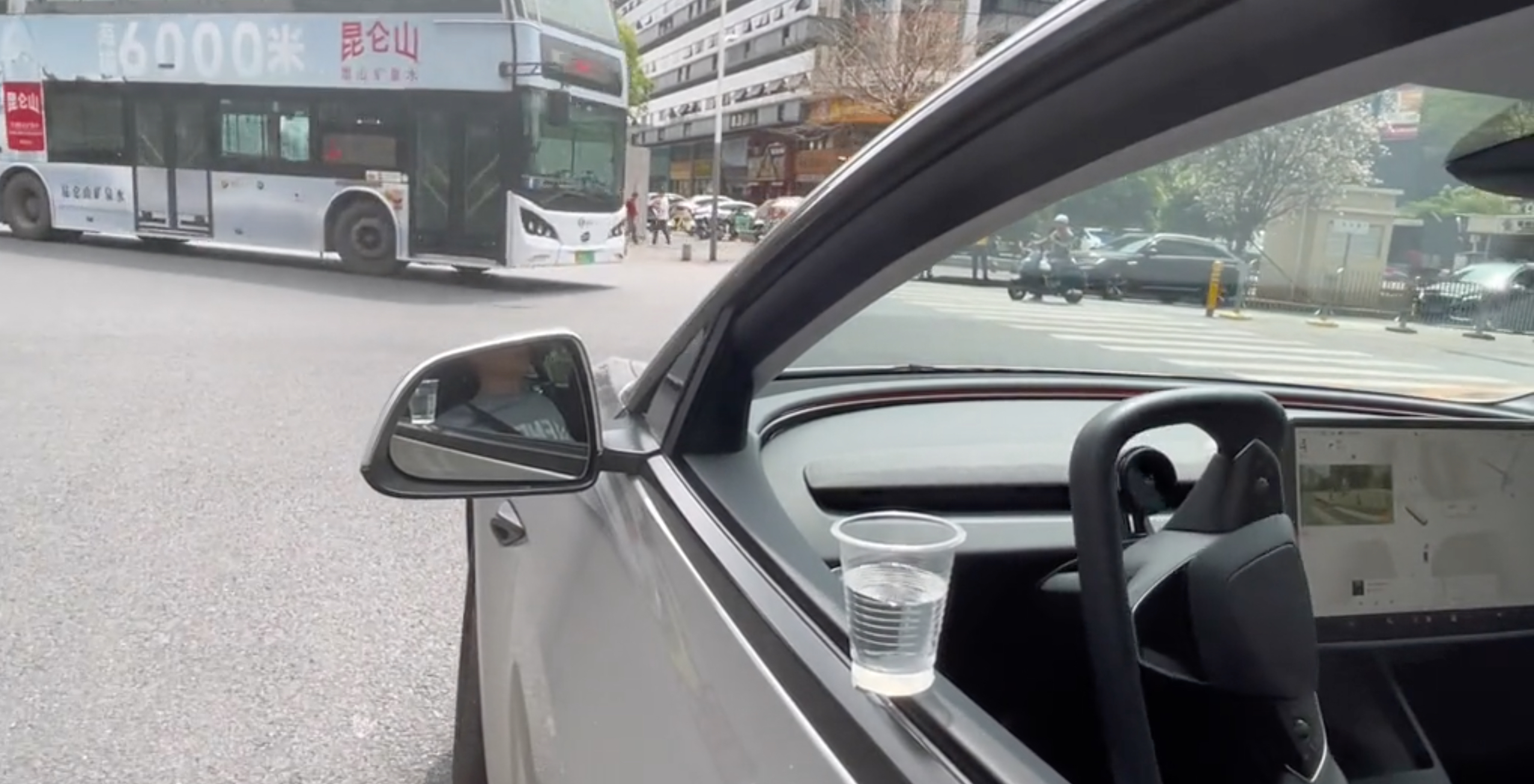
Tesla’s Full Self-Driving (FSD) started going out for testing in China last month, representing the first market outside of North America to get the software. Amidst competition in the automated driving space from a number of other Chinese companies, Tesla’s FSD seems to be impressing in early reviews, with recent reviews highlighting both the software’s smoothness and its ability to adapt and perform well on non-traditional roads.
In a Saturday video originally posted by user 王船船 on Douyin, the Chinese version of TikTok, a driver utilizes the Supervised FSD system while performing what’s called the “water challenge,” in which a cup of water is balanced on the driver’s side window ledge to see if driving is smooth enough to avoid spilling.
The drive spans a little more than four minutes, and the system manages to make it through without the water spilling in any substantial quantities. The driver mostly remains on city streets, but you can see a handful of quick, unexpected stops, turns, and other maneuvers that one might expect to make the cup tip completely.
The video was also reposted on X by Tesla’s main account, with the company highlighting the system’s “maximum smoothness” as demonstrated in the video. Tesla VP of AI Ashok Elluswamy also reposted the video, saying in a separate follow-up post that “FSD’s been prepared for this one.”
Maximum smoothness https://t.co/p4aM3StgRk
— Tesla (@Tesla) March 15, 2025
Although Tesla’s FSD system didn’t have access to real-world driving data from the company’s vehicles at the time of its launch in China, Elon Musk recently explained that the company used publicly available video from the internet to help pre-train FSD for Chinese streets and traffic laws.
In addition to helping with city streets, Tesla has explained in the past that its camera- and video-based FSD neural network training makes the system easily scalable to multiple countries, fringe traffic cases, and even less traditional roads.
As another example of this in China, FSD testers also took to some dirt roads last week, showing just how well the software seems to handle some seemingly-deep and super-narrow back roads. You can see excerpts from this video below, or check out the full 25-minute version from user AE68 on Douyin.
Tesla FSD testers in China do seem to be built different. That’s some REALLY rural roads!
— TESLARATI (@Teslarati) March 14, 2025
READ MORE ON TESLA CHINA: Cheaper Tesla Model Y may launch in China
Tesla’s FSD in China amidst local competition
Tesla officially launched a localized data privacy version of FSD Supervised in China last month, The launch came amidst a headstart from multiple competitors in the autonomous driving space, including from Chinese automakers Baidu, Huawei, and still others.
The Avatr 11 electric vehicle (EV), a jointly created project from Changan New Energy, CATL, and Huawei, was recently seen being tested by Out of Spec’s Kyle Conner. The system uses Huawei’s latest automated driving system technology, Qiankun ADS 3.2, which Conner recently said was “the best driver assistance he’s ever experienced” in a recent review on his trip to China.
You can see this video and an additional video from Conner and Out of Spec discussing the emerging autonomous vehicle industry in China below. It’s also worth noting that both of these were released just a few weeks before Tesla’s first version of FSD launched in the country.
The Best FSD System In China! 1 Hour Drive Using Huawei Qiankun ADS 3.2 Installed In Avatr 11 (2/1/25)
The EV Industry Isn’t Ready For China’s FSD Breakthrough (2/2/25)
Elon Musk clarifies the holdup with Tesla Full Self-Driving launch in Europe


News
Tesla arsonist who burned Cybertruck sees end of FAFO journey
The man has now reached the “Find Out” stage.

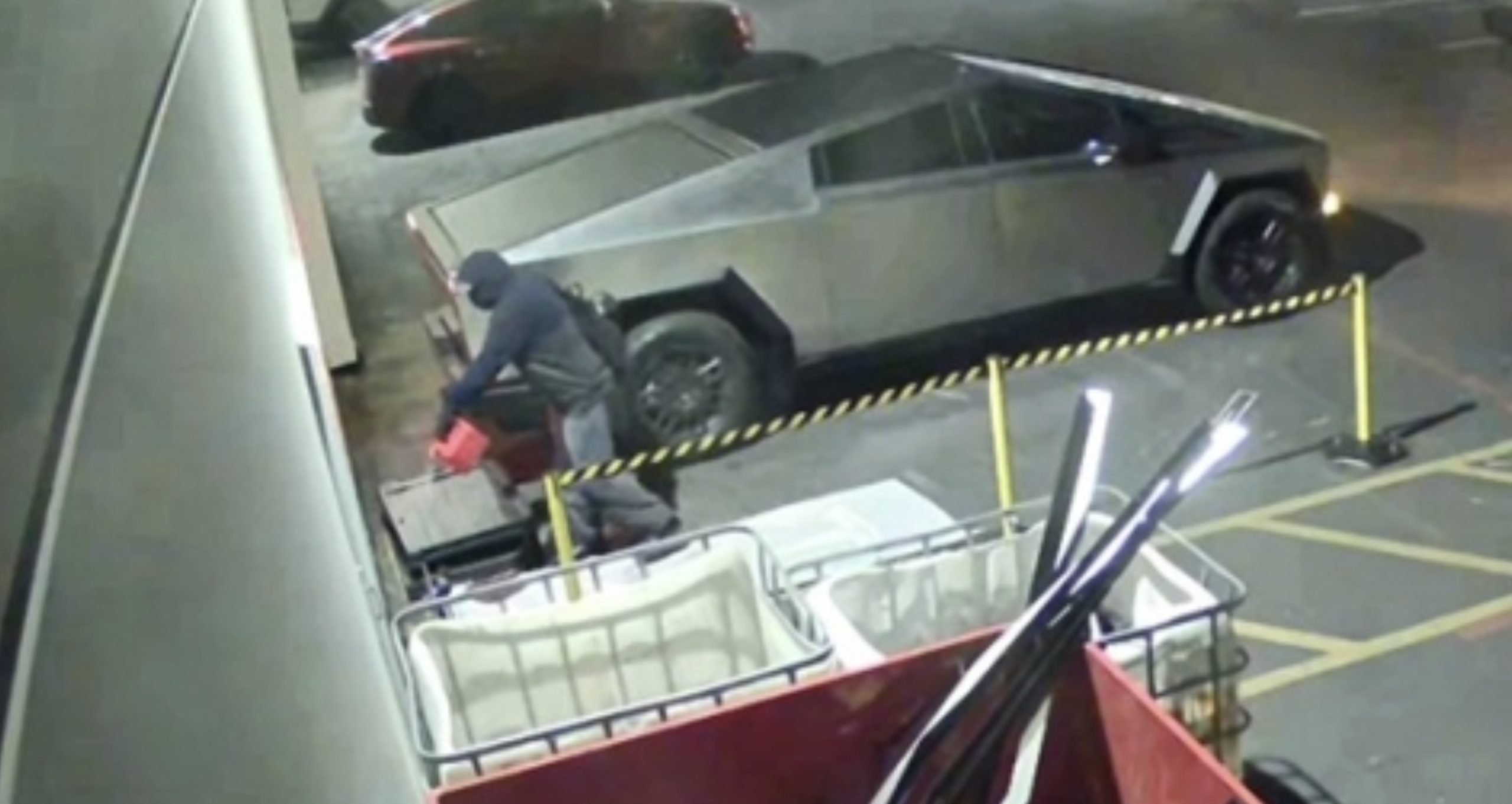
A Mesa, Arizona man has been sentenced to five years in federal prison for setting fire to a Tesla location and vehicle in a politically motivated arson attack, federal prosecutors have stated.
The April 2025 incident destroyed a Tesla Cybertruck, endangered first responders, and triggered mandatory sentencing under federal arson laws.
A five-year sentence
U.S. District Judge Diane J. Humetewa sentenced Ian William Moses, 35, of Mesa, Arizona, to 5 years in prison followed by 3 years of supervised release for maliciously damaging property and vehicles by means of fire. Moses pleaded guilty in October to all five counts brought by a federal grand jury. Restitution will be determined at a hearing scheduled for April 13, 2026.
As per court records, surveillance footage showed Moses arriving at a Tesla store in Mesa shortly before 2 a.m. on April 28, 2025, carrying a gasoline can and backpack. Investigators stated that he placed fire starter logs near the building, poured gasoline on the structure and three vehicles, and ignited the fire. The blaze destroyed a Tesla Cybertruck. Moses fled the scene on a bicycle and was arrested by Mesa police about a quarter mile away, roughly an hour later.
Authorities said Moses was still wearing the same clothing seen on camera at the time of his arrest and was carrying a hand-drawn map marking the dealership’s location. Moses also painted the word “Theif” on the walls of the Tesla location, prompting jokes from social media users and Tesla community members.
The “Finding Out” stage
U.S. Attorney Timothy Courchaine noted that Moses’ sentence reflects the gravity of his crime. He also highlighted that arson is never acceptable.
“Arson can never be an acceptable part of American politics. Mr. Moses’ actions endangered the public and first responders and could have easily turned deadly. This five-year sentence reflects the gravity of these crimes and makes clear that politically fueled attacks on Arizona’s communities and businesses will be met with full accountability.”
Maricopa County Attorney Rachel Mitchell echoed the same sentiments, stating that regardless of Moses’ sentiments towards Elon Musk, his actions are not defensible.
“This sentence sends a clear message: violence and intimidation have no place in our community. Setting fire to a business in retaliation for political or personal grievances is not protest, it is a crime. Our community deserves to feel safe, and this sentence underscores that Maricopa County will not tolerate political violence in any form.”
News
Tesla says its Texas lithium refinery is now operational and unlike anything in North America
Elon Musk separately described the site as both the most advanced and the largest lithium refinery in the United States.
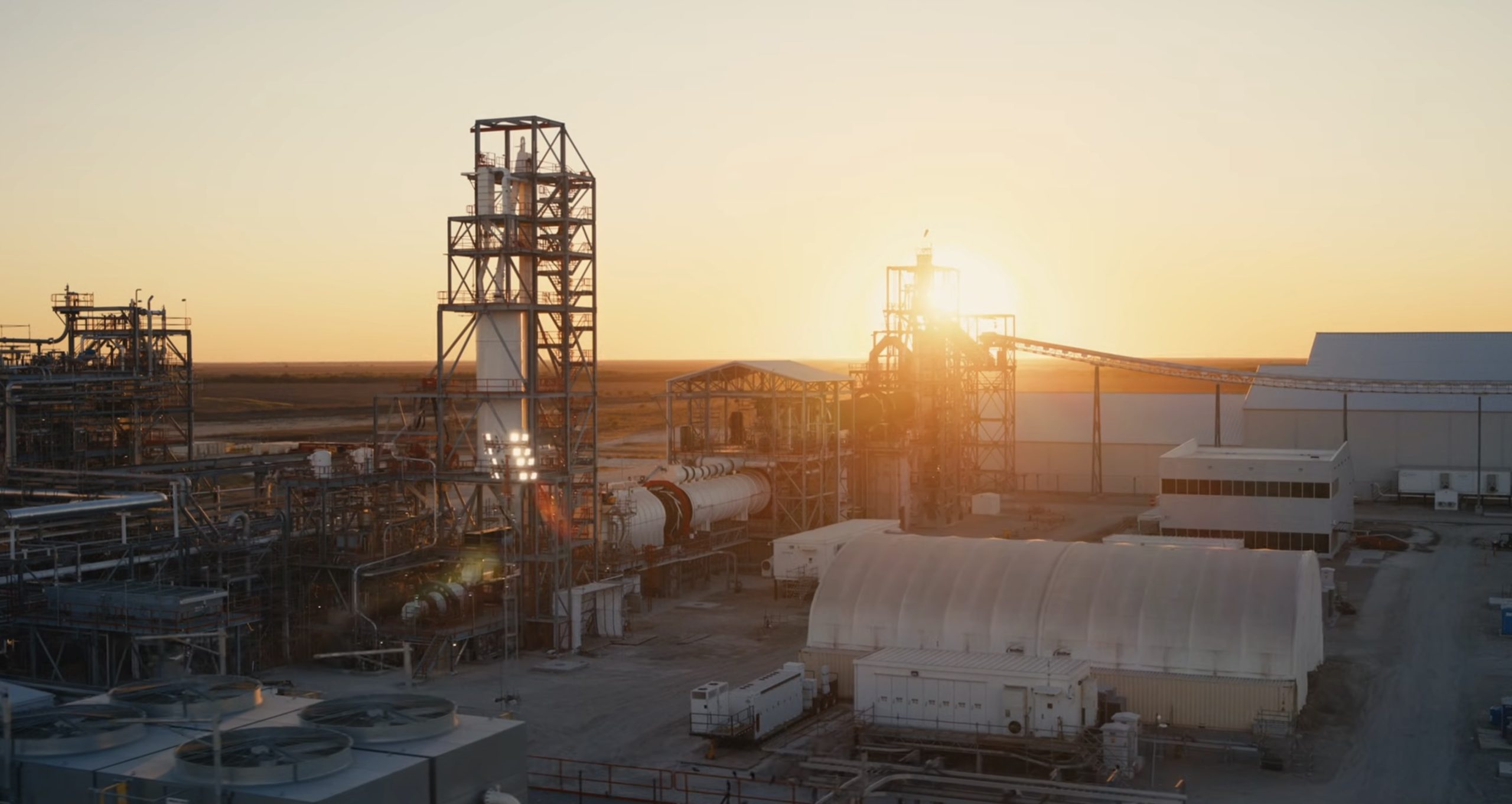
Tesla has confirmed that its Texas lithium refinery is now operational, marking a major milestone for the company’s U.S. battery supply chain. In a newly released video, Tesla staff detailed how the facility converts raw spodumene ore directly into battery-grade lithium hydroxide, making it the first refinery of its kind in North America.
Elon Musk separately described the site as both the most advanced and the largest lithium refinery in the United States.
A first-of-its-kind lithium refining process
In the video, Tesla staff at the Texas lithium refinery near Corpus Christi explained that the facility processes spodumene, a lithium-rich hard-rock ore, directly into battery-grade lithium hydroxide on site. The approach bypasses intermediate refining steps commonly used elsewhere in the industry.
According to the staff, spodumene is processed through kilns and cooling systems before undergoing alkaline leaching, purification, and crystallization. The resulting lithium hydroxide is suitable for use in batteries for energy storage and electric vehicles. Tesla employees noted that the process is simpler and less expensive than traditional refining methods.
Staff at the facility added that the process eliminates hazardous byproducts typically associated with lithium refining. “Our process is more sustainable than traditional methods and eliminates hazardous byproducts, and instead produces a co-product named anhydrite, used in concrete mixes,” an employee noted.
Musk calls the facility the largest lithium refinery in America
The refinery’s development timeline has been very impressive. The project moved from breaking ground in 2023 to integrated plant startup in 2025 by running feasibility studies, design, and construction in parallel. This compressed schedule enabled the fastest time-to-market for a refinery using this type of technology. This 2026, the facility has become operational.
Elon Musk echoed the significance of the project in posts on X, stating that “the largest Lithium refinery in America is now operational.” In a separate comment, Musk described the site as “the most advanced lithium refinery in the world” and emphasized that the facility is “very clean.”
By bringing large-scale lithium hydroxide production online in Texas, Tesla is positioning itself to reduce reliance on foreign refining capacity while supporting its growth in battery and vehicle production. The refinery also complements Tesla’s nascent domestic battery manufacturing efforts, which could very well be a difference maker in the market.
News
Tesla Optimus V3 gets early third-party feedback, and it’s eye-opening
Jason Calacanis’ remarks, which were shared during a discussion at CES 2026, offered one of the first third-party impressions of the yet-to-be-unveiled robot
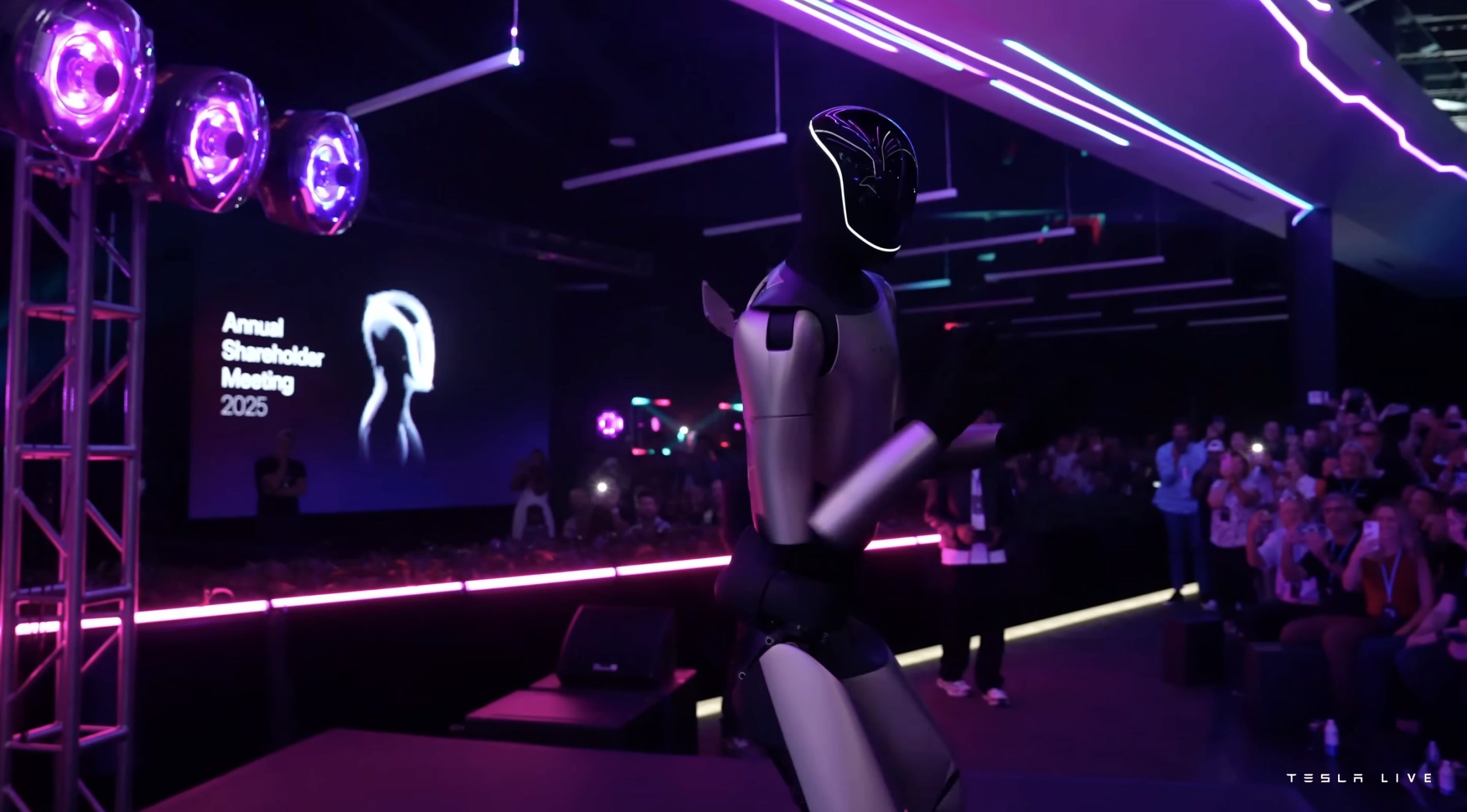
Angel investor and entrepreneur Jason Calacanis shared some insights after he got an early look at Tesla’s upcoming Optimus V3. His remarks, which were shared during a discussion at CES 2026, offered one of the first third-party impressions of the yet-to-be-unveiled robot.
Calacanis’ comments were shared publicly on X, and they were quite noteworthy.
The angel investor stated that he visited Tesla’s Optimus lab on a Sunday morning and observed that the place was buzzing with energy. The investor then shared a rare, shocking insight. As per Calacanis, Optimus V3 will be so revolutionary that people will probably not even remember that Tesla used to make cars in the future.
“I don’t want to name drop, but two Sundays ago, I went to Tesla with Elon and I went and visited the Optimus lab. There were a large number of people working on a Sunday at 10 a.m. and I saw Optimus 3. I can tell you now, nobody will remember that Tesla ever made a car,” he noted.
The angel investor also reiterated the primary advantage of Optimus, and how it could effectively change the world.
“They will only remember the Optimus and that he is going to make a billion of those, and it is going to be the most transformative technology product ever made in the history of humanity, because what LLMs are gonna enable those products to do is understand the world and then do things in the world that we don’t want to do. I believe there will be a 1:1 ratio of humans to Optimus, and I think he’s already won,” he said.
While Calacanis’ comments were clearly opinion-driven, they stood out as among the first from a non-Tesla employee about Optimus V3. Considering his reaction to the humanoid robot, perhaps Elon Musk’s predictions for Optimus V3 might not be too far-fetched at all.
Tesla has been careful with its public messaging around Optimus V3’s development stage. Musk has previously stated on X that Optimus V3 has not yet been revealed publicly, clarifying that images and videos of the robot online still show Optimus V2 and V2.5, not the next-generation unit. As for Calacanis’ recent comments, however, Musk responded with a simple “Probably true” in a post on X.

Tesla arsonist who burned Cybertruck sees end of FAFO journey

Tesla says its Texas lithium refinery is now operational and unlike anything in North America


