News
Tesla hits FSD hackers with surprise move
In recent weeks, the company has begun remotely disabling FSD capabilities on affected vehicles, and in some instances, permanently revoking access even for owners who paid thousands of dollars for the feature.

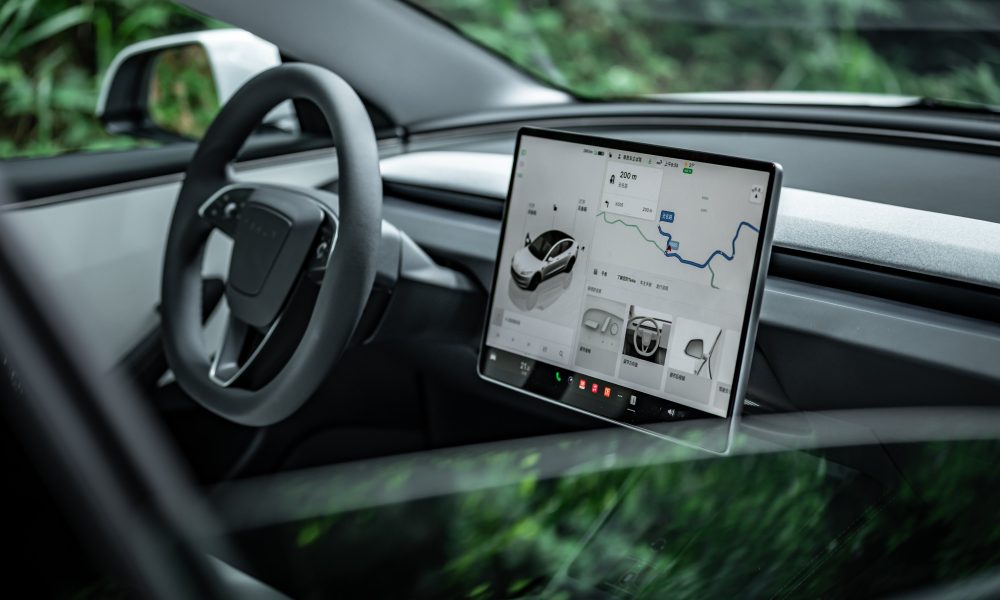
Tesla is cracking down on hackers who have figured out a way to utilize third-party programs to activate Full Self-Driving (FSD) in their vehicles — despite the suite not being approved for use in their country.
Tesla has launched a sweeping enforcement campaign against owners using third-party hardware hacks to activate FSD software in countries where the advanced driver-assistance system remains unregulated or unapproved.
In recent weeks, the company has begun remotely disabling FSD capabilities on affected vehicles, and in some instances, permanently revoking access even for owners who paid thousands of dollars for the feature.
Tesla has started remotely disabling Full Self-Driving on cars fitted with third-party CAN bus hacks in countries where the software is not yet approved.
This crackdown began after the hacks started spreading widely last month. 👇 pic.twitter.com/wL8VqZuTlK
— PiunikaWeb – helpful, and breaking tech news (@PiunikaWeb) April 9, 2026
Reports of the crackdown have surfaced across Europe, China, Japan, South Korea, and the UK, marking a significant escalation in Tesla’s efforts to enforce regional software restrictions.
FSD is Tesla’s flagship supervised autonomy package, which is available in several countries across the world. Currently limited by regulatory hurdles, it has not received full approval in most markets outside of the United States due to various things, such as safety standards, data privacy, and local traffic laws.
However, the company is working to expand its availability globally. Nevertheless, Tesla has installed the necessary hardware on vehicles globally, but locks the features based on geographic location.
Some owners have taken accessing FSD into their own hands, using jailbreak or bypass devices.
These “jailbreak” tools, typically €500 USB-style modules that plug into the vehicle’s Controller Area Network (CAN) bus, intercept signals to spoof approvals and unlock FSD, including advanced navigation, Autopark, and Summon features.
Hackers in Poland, Ukraine, and elsewhere have distributed the devices, with some claiming they work on HW3 and HW4 vehicles and can be unplugged to restore stock settings. In China alone, over 100,000 owners reportedly installed such modifications.
Tesla’s response has been swift and uncompromising. Recently, the company began sending in-car notifications and emails warning owners that unauthorized modifications violate terms of service, compromise vehicle safety systems, and expose cars to cybersecurity risks.
The email communication read:
“Your vehicle has detected an unauthorized third-party device. As a precaution, some driver assistance functions have been disabled for safety reasons. A software update will be available soon. Once you install the update, some features may be enabled again.”
Vehicles detected using the hacks have had FSD capabilities remotely disabled without refund. In some cases, owners report permanent bans, even if they had legitimately purchased the software package.
Tesla’s hardline stance underscores its commitment to regulatory compliance and safety.
Tesla has long argued that unsupervised FSD requires rigorous validation, and premature activation could endanger drivers and bystanders.
The crackdown sends a clear-cut message to those who are bypassing the FSD safeguards, but there are greater implications for Tesla if something were to go wrong. This is an understandable way to protect the company’s reputation for its FSD suite.


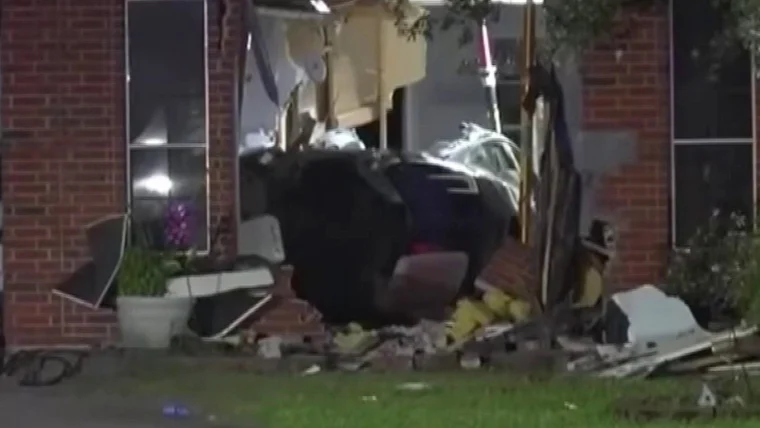
A Texas man has been arrested and charged with manslaughter after his Tesla crashed into a home last month, striking a woman inside and killing her. The driver, Michael Butler, claimed the vehicle was in self-driving mode, but information from Tesla shows that Butler overrode the system.
Butler was arrested on Wednesday and booked at the Harris County, Texas, jail. He remained in custody through Thursday and Friday; he did not enter a plea, and his next court hearing is scheduled for Monday.
Tesla finally clarifies fatal Texas crash, confirms driver manually overrode acceleration
There are a handful of new clues in the case that could clear Tesla of any wrongdoing, especially as the woman who was killed’s family, the Avilas, filed a wrongful death lawsuit against Tesla and Butler, seeking at least $1 million in damages.
Charging documents from the Harris County prosecutor now show that Butler, who was working DoorDash the evening of the accident, had been using Full Self-Driving mode without incident through the duration of multiple deliveries that evening.
In the moments leading up to the crash, while in FSD and approaching a left turn, Butler pressed the accelerator pedal, overriding FSD’s speed control, and continued to push it until it reached 100 percent. This caused rapid acceleration; the brake pedal was never pressed, and there is no data to show that Butler aimed to turn away from the curb or house.
The charging documents state:
“I noted that the brake pedal was never pressed in the final minute before the crash. I also did not see any data to indicate that the driver attempted to turn away from the curb that he eventually struck. Further, I observed that no mechanical error was detected or recorded by the vehicle before BUTLER and the Tesla struck the curb.”
Additionally, a forensic analysis of Butler’s phone showed that he searched Google around the time of the crash with queries questioning why FSD was “too timid,” “not aggressive enough,” and even searched, “FSD is not aggressive enough for city driving.”
The documents outlined this:
“Investigator Veal also informed me that he had received BUTLER’s cell phone from Deputy Amad and that HDAO digital forensics team had completed a data extraction and download of the phone. Multiple Google searches related to Tesla had been made from BUTLER’s phone in the months leading up the crash. I noted multiple searches in May of 2026 indicating an apparent frustration with Tesla’s FSD mode, including the following searches: “Tesla fsd not aggressive enough 2026 model,” “Tesla fsd not [sic) aggressive enough 2026,” “FSD is not aggressive enough for city driving,” and “tesla fsd too timid.”‘
Tesla had claimed just after the crash that its internal data showed Butler had overridden the system’s speed control and pressed the accelerator completely, causing the vehicle to travel at an excessive rate of speed. Eventually, the car slammed into Avila’s house, killing her.
Butler has now been formally charged with Manslaughter, a felony.
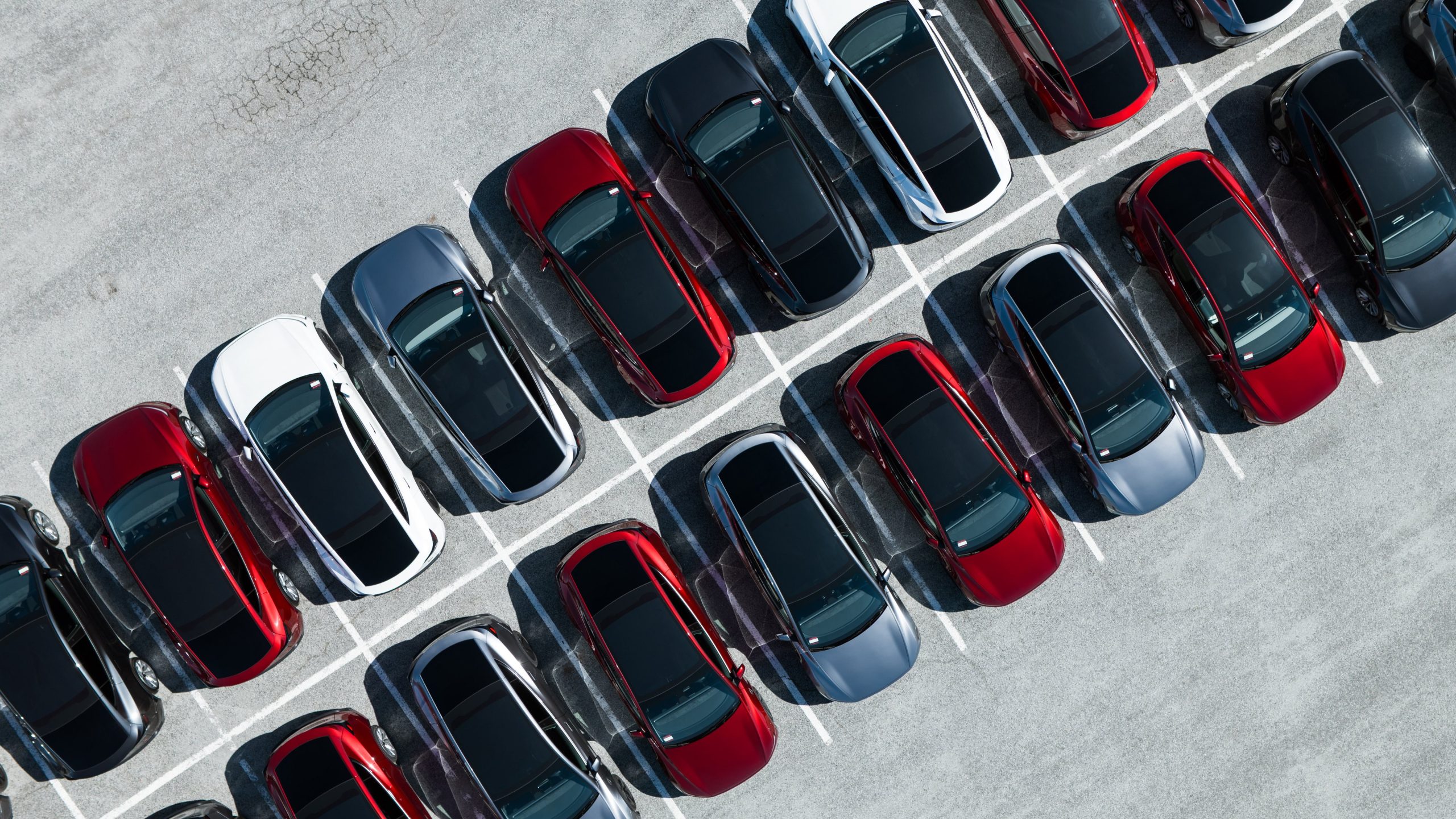
Tesla shocked with its quarterly delivery report yesterday by reporting it delivered 480,126 vehicles in the second quarter of 2026, a 25 percent year-over-year jump that crushed Wall Street estimates of roughly 400,000–408,000 units. Production reached 451,758, with Model 3 and Model Y accounting for the vast majority.
The result ended two years of annual delivery declines and drew down inventory, signaling demand that outpaced earlier production.
Tesla bears had long warned that the expiration of the U.S. federal EV tax credit would hammer demand. Without the $7,500 incentive, they argued, American buyers would balk at higher effective prices, leading to a sharp slowdown.
Will Tesla thrive without the EV tax credit? Five reasons why they might
That narrative has not played out as predicted. While U.S. EV sales faced broader headwinds, Tesla’s global numbers held firm, underscoring the company’s ability to offset domestic pressure through other levers.
There are several plausible factors that explain Tesla’s strength during this quarter. Let’s take a look at them:
Rising Gas Prices
Rising gas prices provided a powerful tailwind, especially in the U.S.
Geopolitical tensions tied to the Iran conflict pushed fuel costs higher earlier in the year, amplifying the lifetime savings of electric vehicles. Even as oil prices later moderated, the psychological and financial impact lingered, encouraging fleet operators and private buyers to accelerate EV purchases. European sales rebounded sharply, helping drive the quarter’s outperformance.
Full Self-Driving Adoption
Advances in Full Self-Driving (FSD) supervised software also appear to have boosted appeal. Tesla expanded FSD availability in select European markets and continued refining the system.
No complaints from me because I finally got to enjoy this drive on FSD; I usually like to manually drive down this mountain https://t.co/RBFniRPSR0 pic.twitter.com/XQ5sOpN1Yg
— TESLARATI (@Teslarati) June 26, 2026
For tech-oriented buyers, the promise of future autonomy and enhanced driver-assistance features adds perceived value beyond the car itself. This differentiation helps Tesla stand out in a crowded market where competitors focus primarily on hardware and basic range.
Pricing Strategy, Affordable Configurations
Tesla’s offerings and its pricing strategy during Q2 further stimulated demand. Tesla introduced lower-cost versions of the Model 3 and Model Y, widening accessibility without sacrificing core margins.
These moves countered affordability concerns and attracted buyers who had been waiting on the sidelines. Combined with attractive financing and leasing options, the pricing strategy converted interest into actual orders more effectively than many analysts expected.
Broad European Recovery
Supported by government incentives, corporate fleet electrification, and easing political headwinds around CEO Elon Musk, Tesla was supplied additional momentum through stronger registration numbers throughout Europe.
Strong exports from the Shanghai Gigafactory and a production ramp at Giga Berlin ensured supply met this resurgent demand. Corporate buyers, in particular, accelerated transitions to EVs to meet sustainability targets, providing a steady volume base.
These elements created a virtuous cycle that delivered the strong deliveries report. While bears correctly flagged the loss of the U.S. tax credit as a risk, Tesla’s diversified playbook demonstrated that it could remain resilient against those headwinds. The Q2 beat suggests the company remains adept at navigating shifting market conditions, even as competition intensifies.
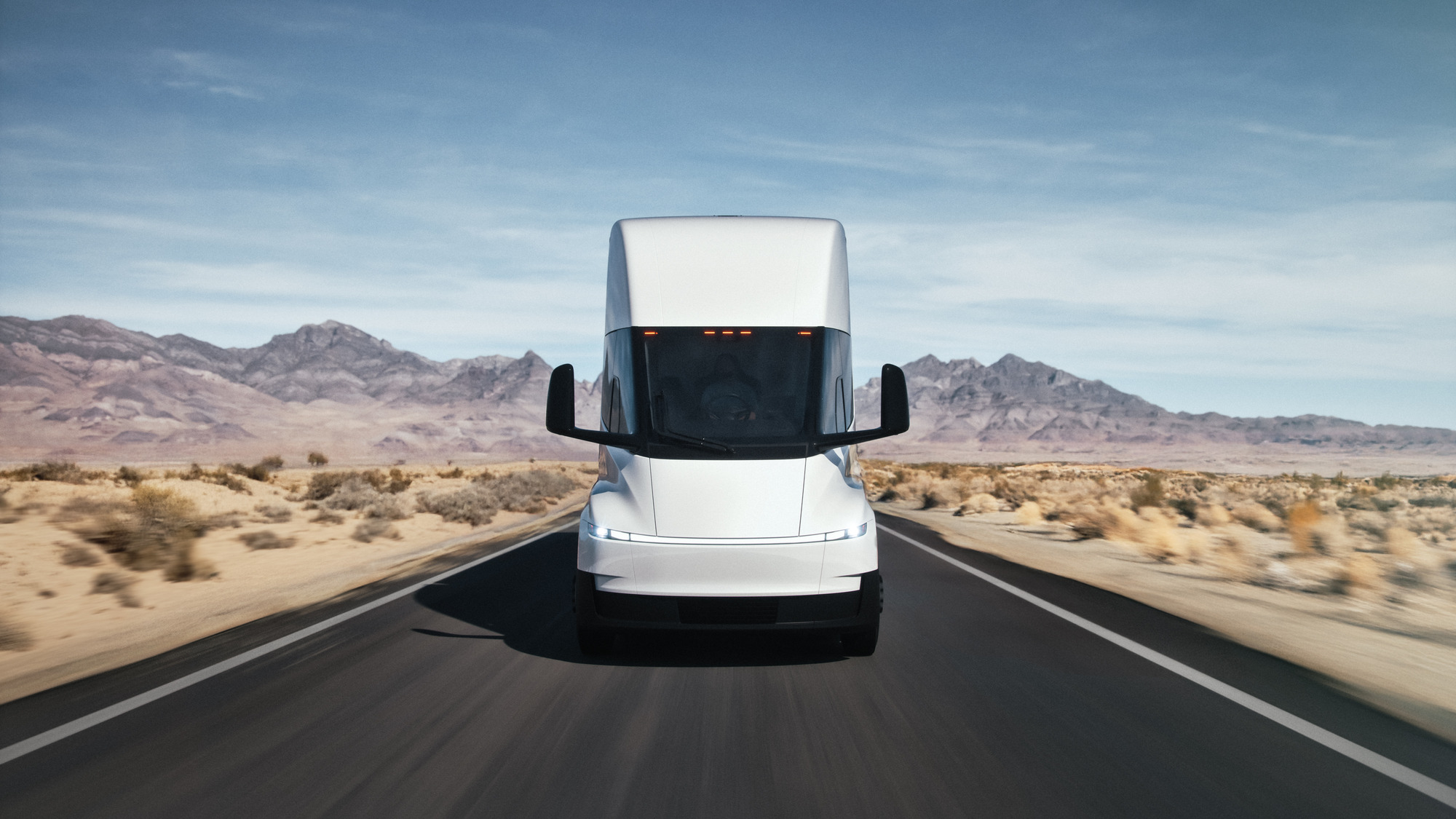
A Tesla Semi was involved in a fatal collision on U.S. Highway 50 in Dayton, Nevada, on Sunday, June 28, 2026, marking the first known fatal crash involving the electric Class 8 truck. The incident occurred around 7:20 a.m. at the intersection with Traditions Parkway, approximately 40 miles east of Reno and close to Tesla’s Gigafactory Nevada.
According to the Lyon County Sheriff’s Office and the Nevada State Police Highway Patrol, a semi-truck struck two passenger vehicles stopped at a traffic signal. The truck hit the vehicles from behind. Two people were pronounced dead at the scene, and a third person suffered life-threatening injuries and was flown to a hospital, Forbes reported.
Preliminary statements gathered at the scene by the Lyon County Sheriff’s Office suggested the truck driver may have fallen asleep at the wheel. However, the Nevada Highway Patrol, which is leading the investigation, stated that the official cause has not yet been determined.
Additional information is expected to be released early the following week. The truck was seized for evidence as part of the ongoing probe.
Responders at the scene included deputies from the Lyon County Sheriff’s Office, personnel from the Nevada Highway Patrol, Central Lyon County Fire Department, and the Nevada Department of Transportation. The crash led to the temporary closure of U.S. 50 in both directions.
The Tesla Semi is Tesla’s battery-electric heavy-duty truck, produced at the nearby Gigafactory in Nevada. Authorities initially described the vehicle as a semi-truck; its make was subsequently confirmed through reporting and scene identification; an interesting bit of information here, as the Semi is not yet available publicly and many do not know that Tesla builds electric trucks.
The investigation remains active, with no further official details on contributing factors or vehicle systems released as of early July 2026.
This incident highlights ongoing scrutiny of commercial vehicle safety on Nevada highways, particularly involving fatigue. Law enforcement continues to gather evidence and witness statements.

Texas man charged in fatal Tesla crash where he blamed Autopilot

Tesla’s strong Q2 deliveries: Four key drivers behind the surprise


