Elon Musk
Tesla officially launches Robotaxi service with no driver
Tesla launches its driverless Robotaxi in Austin, marking the first time the company has offered its ride-hailing service anywhere in the world.

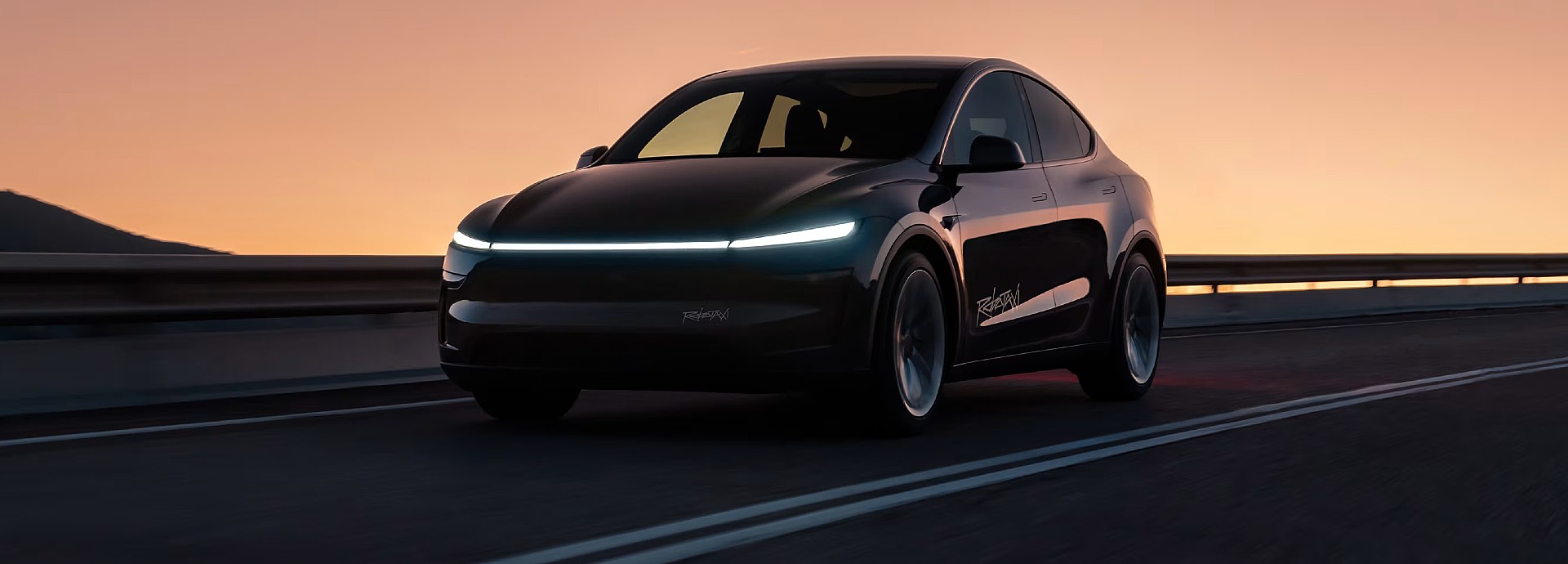
Tesla has officially launched its Robotaxi service platform with no driver in Austin, Texas. This is the first time Tesla has allowed driverless Robotaxis to pick up members of the public and take them around via the ride-sharing service the company has been developing for several years.
Teslarati had a first-hand look at the launch of the Robotaxi service in Austin, as we are part of the Early Access group, which is a limited group of people that will be able to hail a driverless Model Y in the geofenced area in Texas.
The Robotaxi platform is currently geofenced in a small portion of South Austin. It is roughly thirty minutes from end to end, and Tesla’s strategy is prioritizing safety through a number of safeguards that are implemented in this early program.
There is a fixed price of just $4.20 for any ride, regardless of duration, at this time. This will not always be the case, however. When a wider customer base is allowed to hail Robotaxis, ride fares will vary on things like travel distance, length of trip, and potentially time of day.
Here’s one of the first videos of Tesla Robotaxi ride
🎥: @BLKMDL3 https://t.co/LbVLoLtFGQ pic.twitter.com/PUQIqCRLQo
— TESLARATI (@Teslarati) June 22, 2025
The first rides kicked off at around 2 p.m. local time in Austin. They are confined to the back row of the Model Y, while a Tesla safety monitor sits in the passenger seat. Passengers will have their personal media and streaming settings available to them as the car will sync with their driver profiles.
Rides are requested through a Robotaxi addition on the regular Tesla iOS app:
🚨 Here’s our FIRST LOOK at the Tesla Robotaxi app! pic.twitter.com/kuEqP4n1SS
— TESLARATI (@Teslarati) June 22, 2025
The safety monitor is only there to ensure things go smoothly with each ride. They do not have pedals or a steering wheel on their side. The car is doing everything during these Robotaxi rides.
The big takeaway from Robotaxi’s launch is that Tesla will begin generating additional revenue through this new stream. As concerns over demand and annual growth rate continue to take focus from doubters, Tesla’s continuous rollout of the Robotaxi fleet will expand potential revenue opportunities, potentially creating billions upon trillions of dollars in value.
This is something Tesla permabulls like Cathie Wood of ARK Invest and Dan Ives of Wedbush have talked about for years: the launch of a driverless Robotaxi fleet that generates new income streams for Tesla.


Elon Musk
Tesla Semi’s official battery capacity leaked by California regulators
A California regulatory filing just confirmed the exact battery size inside each Tesla Semi variant.

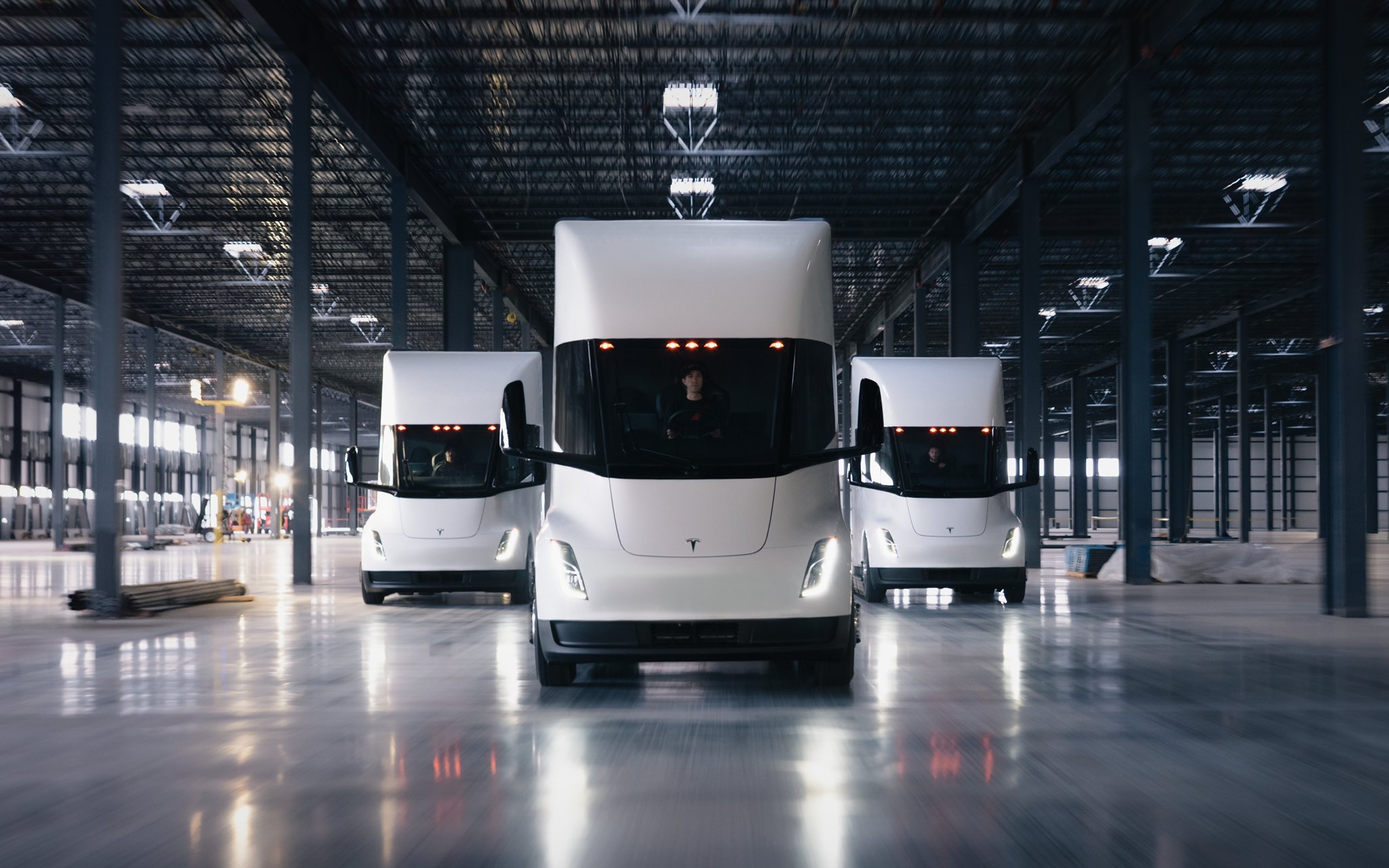
A regulatory filing published by the California Air Resources Board in April 2026 has put official numbers on what Tesla Semi owners and fleet buyers have long wanted confirmed: the exact battery capacities of both the Long Range and Standard Range Semi truck variants. CARB is California’s independent air quality regulator, and it certifies zero-emission powertrains before they can be sold or operated in the state. When a manufacturer submits a vehicle for certification, the resulting executive order becomes a public document, making it one of the most reliable sources for confirmed production specs on any EV.
The document lists two certified powertrain configurations. The Long Range Semi carries a usable battery capacity of 822 kWh, while the Standard Range version comes in at 548 kWh. Both use lithium-ion NCMA chemistry and share the same peak and steady-state motor output ratings of 800 kW and 525 kW respectively. Cross-referencing Tesla’s published efficiency figure of approximately 1.7 kWh per mile under full load, the 822 kWh pack supports roughly 480 miles of real-world range, which aligns closely with Tesla’s advertised 500-mile figure for the Long Range trim. The 548 kWh Standard Range pack works out to approximately 320 miles, again consistent with Tesla’s stated 325-mile target.
Here is a direct comparison of the two versions based on the CARB filing and published specs:
| Tesla Semi Spec | Long Range | Standard Range |
| Battery Capacity | 822 kWh | 548 kWh |
| Battery Chemistry | NCMA Li-Ion | NCMA Li-Ion |
| Peak Motor Power | 800 kW | 525 kW |
| Estimated Range | ~500 miles | ~325 miles |
| Efficiency | ~1.7 kWh/mile | ~1.7 kWh/mile |
| Est. Price | ~$290,000 | ~$260,000 |
| GVW Rating | 82,000 lbs | 82,000 lbs |
The timing of this certification is not incidental. On April 29, 2026, Semi Programme Director Dan Priestley confirmed on X that high-volume production is now ramping at Tesla’s dedicated 1.7-million-square-foot facility in Sparks, Nevada. A key advantage of the Nevada location is vertical integration: the 4680 battery cells powering the Semi are manufactured in the same complex, eliminating the supply chain bottleneck that had delayed the program for years.
Tesla’s long-term goal is to reach a production capacity of 50,000 trucks annually at the Nevada factory, which would represent roughly 20 percent of the entire North American Class 8 market. With CARB certification now in hand and the production line running, the regulatory and manufacturing groundwork for that target is in place.
Cybertruck
Tesla Cybertruck too safe for even Musk’s biggest critics to ignore
Krassenstein’s decision reveals that superior safety isn’t a partisan issue. For parents prioritizing family protection over personal or political grudges, the Cybertruck has become too safe to ignore.
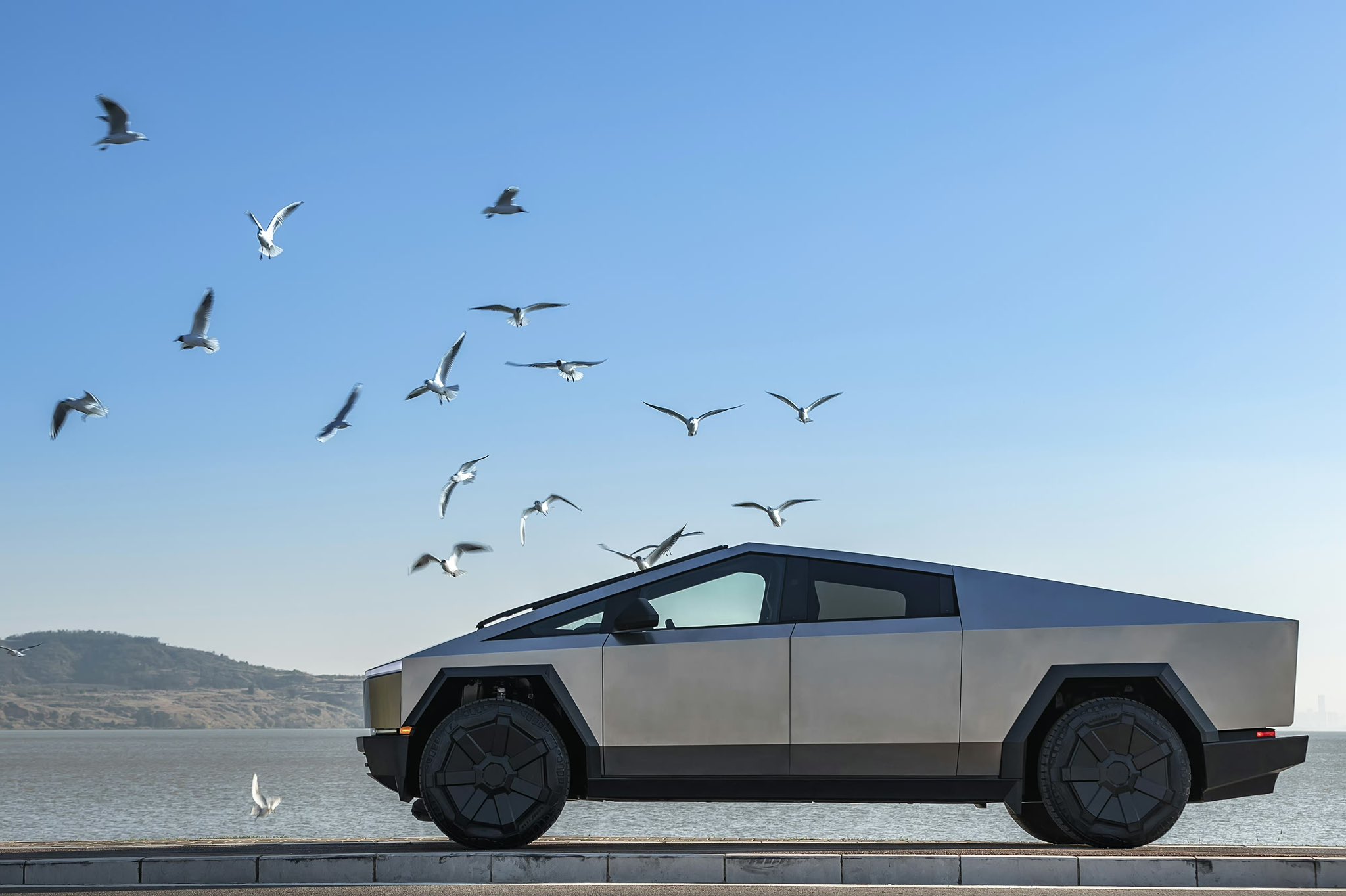
The Tesla Cybertruck is an extremely polarizing vehicle because of its potential symbolism as a political stance instead of just a pickup truck — or at least that is what many would want you to believe.
Of course, the Cybertruck is an icon of Tesla culture, and it is one of those things that never has a middle ground: you love it, or you don’t.
But maybe there is an establishment of that “grey area” happening.
In a striking illustration of engineering triumph over political tribalism, prominent Elon Musk critic Brian Krassenstein has purchased a Tesla Cybertruck, openly citing its exceptional safety as the deciding factor for his family.
The announcement on X triggered predictable backlash, yet it underscores a growing reality: the Cybertruck’s safety credentials are proving impossible for even Musk’s fiercest detractors to dismiss.
I might get hate for this too but I bought a Cybertruck.
With a young family, safety was important and so is not polluting the atmosphere with $5 a gallon gasoline. pic.twitter.com/XJqFqR6O9r
— Brian Krassenstein (@krassenstein) May 6, 2026
Krassenstein, who has repeatedly clashed with Musk over issues ranging from content moderation and “wokeness” to public health figures, made no attempt to hide his reservations. In his May 6 post, he acknowledged the coming criticism: “I might get hate for this too but I bought a Cybertruck.”
He stressed that the decision had “nothing to do with Elon or politics,” pointing instead to practical advantages—his existing Tesla charger, eligibility for Full Self-Driving upgrades, a returning-owner discount, and crucially, the vehicle’s strong safety profile.
With gasoline prices hovering near $5 a gallon in some areas, he also highlighted the environmental benefit of switching from a polluting combustion engine.
The numbers, data, and awards validate Krassenstein’s choice.
The 2025 Cybertruck earned the Insurance Institute for Highway Safety’s (IIHS) elite Top Safety Pick+ award—the only pickup truck to achieve this highest rating. It delivered “Good” scores across every crashworthiness category, including the challenging updated moderate overlap front crash test, while excelling in crash avoidance and mitigation systems.
The National Highway Traffic Safety Administration (NHTSA) awarded it a perfect 5-star overall rating, with top marks in frontal, side, and rollover categories. No other pickup truck holds both distinctions simultaneously.
Tesla Cybertruck crash test rating situation revealed by NHTSA, IIHS
Beyond lab results, the Cybertruck’s stainless-steel exoskeleton and ultra-rigid structure have demonstrated remarkable real-world resilience. Owners have reported surviving high-speed collisions with minimal cabin intrusion.
In one widely discussed incident, a Cybertruck endured a 70 mph sideswipe on the interstate; the driver reported barely feeling the impact while the other vehicle was heavily damaged.
Tesla’s crash demonstrations and independent analyses consistently show how the vehicle’s design prioritizes occupant protection through a fortified passenger cell rather than traditional crumple zones, giving families superior safeguarding in many common crash scenarios.
The online pile-on following Krassenstein’s post focused on aesthetics, politics, and perceived hypocrisy rather than the data. Critics called the angular truck “ugly” or accused him of selling out.
Yet his purchase highlights an inconvenient truth for polarized discourse: when objective safety metrics—IIHS awards, NHTSA ratings, and documented crash performance—point decisively toward one vehicle, even Musk’s biggest critics are forced to confront its merits.
Krassenstein’s decision reveals that superior safety isn’t a partisan issue. For parents prioritizing family protection over personal or political grudges, the Cybertruck has become too safe to ignore.
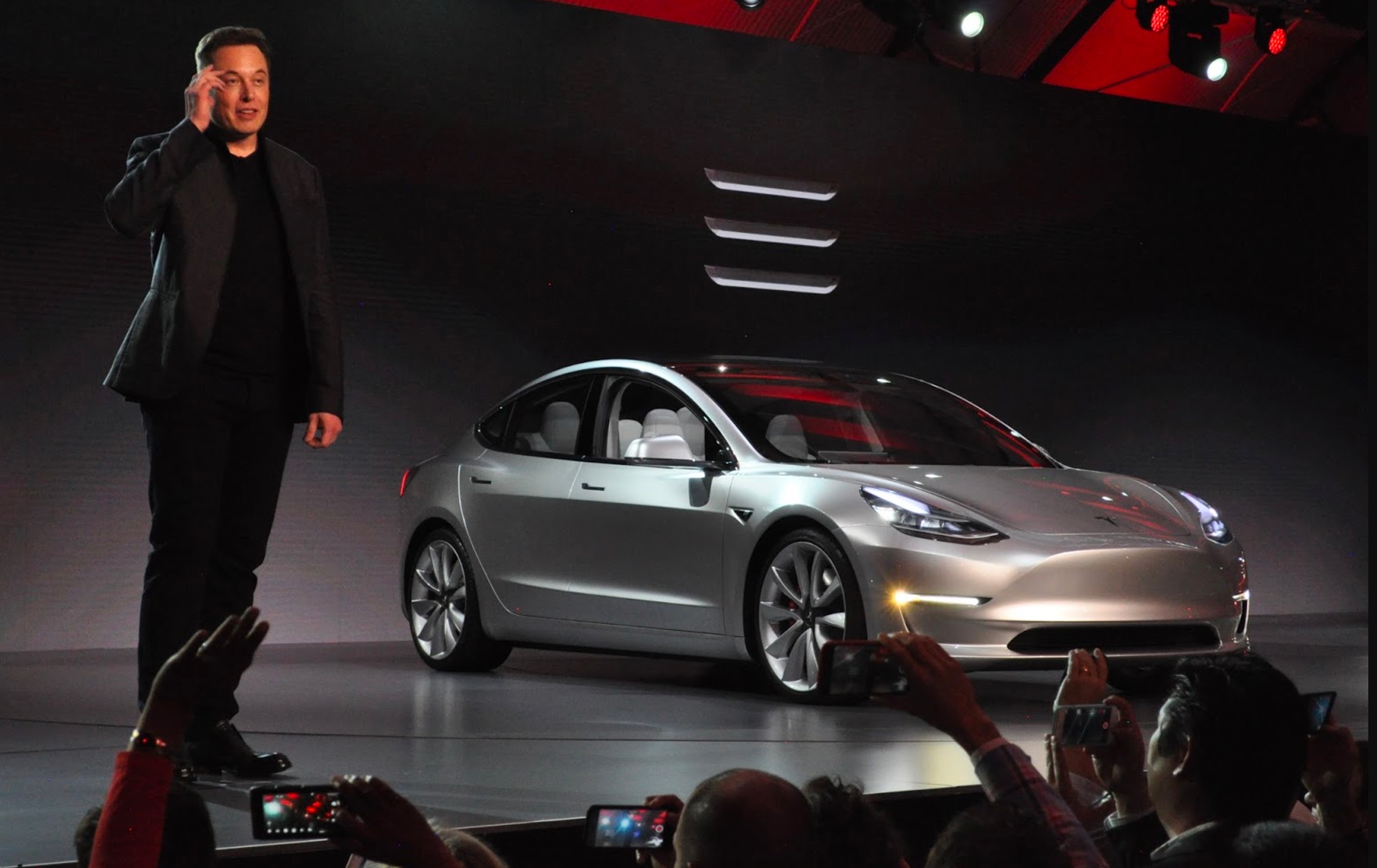
Tesla has taken home the “Overall Loyalty to Make” award from S&P Global Mobility for the fourth consecutive year, reinforcing Tesla owners’ willingness to come back. The 2025 awards are based on S&P Global Mobility’s analysis of 13.6 million new retail vehicle registrations in the U.S. from October 2024 through September 2025. The complete list of 2025 winners includes General Motors for Overall Loyalty to Manufacturer, Tesla for Overall Loyalty to Make, Chevrolet Equinox for Overall Loyalty to Model, Mini for Most Improved Make Loyalty, Subaru for Overall Loyalty to Dealer, and Tesla again for both Ethnic Market Loyalty to Make and Highest Conquest Percentage.
Tesla’s streak in this category started in 2022, and the brand has now won the Highest Conquest Percentage award for six straight years, meaning it keeps pulling buyers away from other brands at a rate no competitor has matched. Tesla’s retention among Asian households reached 63.6% and among Hispanic households 61.9%, rates that significantly outpace national averages for those groups. That breadth of appeal across demographics adds a layer of significance to a win that some might dismiss as routine.
The timing matters too. After several consecutive quarters of decline, Tesla’s share of U.S. EV sales jumped to 59% in Q4 2025. That rebound, arriving just as competitors were flooding the market with new models and incentives, suggests Tesla’s loyalty numbers are not simply the result of limited alternatives. Buyers are still choosing it when they have plenty of other options.
What keeps Tesla owners coming back has a lot to do with the and convenience of charging. The Supercharger network is the most straightforward example. With over 65,000 Superchargers globally, it remains the largest and most reliable fast-charging network in the world, and owners who have built their routines around it face a real practical cost when considering a switch. Competitors have made progress, but the consistency, speed, and availability of Tesla’s network is still the benchmark the rest of the industry is chasing. Then there is the software side. Tesla has built a model where the car you own today is functionally different from the car you bought two years ago, through over-the-air updates that add continuous game-changing improvements such as Full Self-Driving that has moved from a driver-assist feature to an increasingly capable autonomous system. For many Tesla owners, leaving the brand means starting over with a car that will not get meaningfully better over time, and that is a trade-off fewer and fewer are willing to make.

Tesla Semi’s official battery capacity leaked by California regulators

Tesla crushes NHTSA’s brand-new ADAS safety tests – first vehicle to ever pass


