Elon Musk
Tesla owners receive threatening messages from “anti-Nazi” group

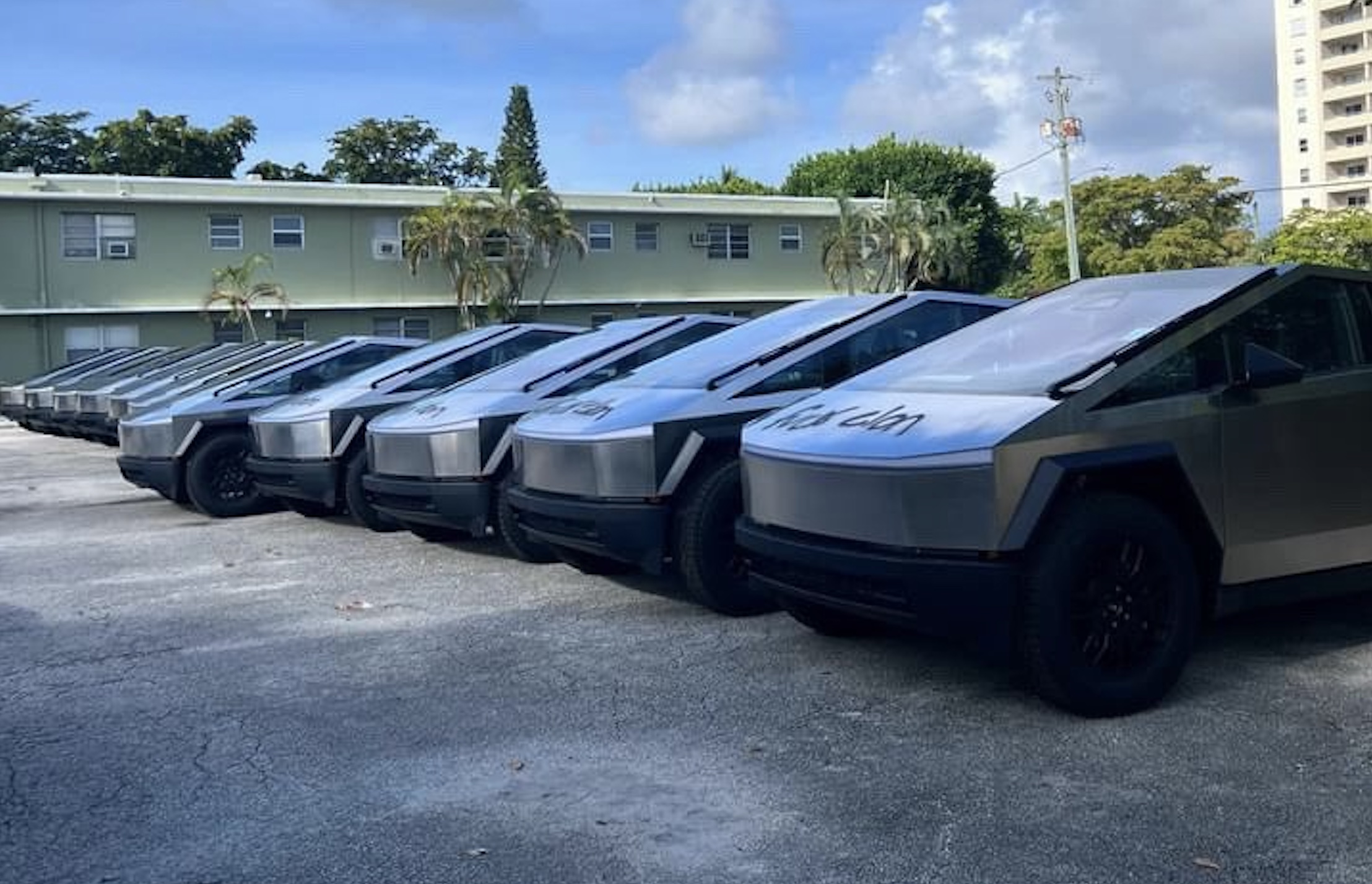
A group of Tesla owners from Northern California have reported receiving threatening messages from a group of students, urging them to dispose of their cars before Wednesday, February 12.
The incident was initially reported by the Lost Coast Outpost, which received a copy of the message from the group.
The message:
- In a comment to the SFGate, Sgt. Heidi Grossman of the Arcata Police Department noted that four Tesla owners in the city have called about threatening messages left on their vehicles.
- Grossman noted that the first report came on February 5, and three more reports were submitted over the next two days.
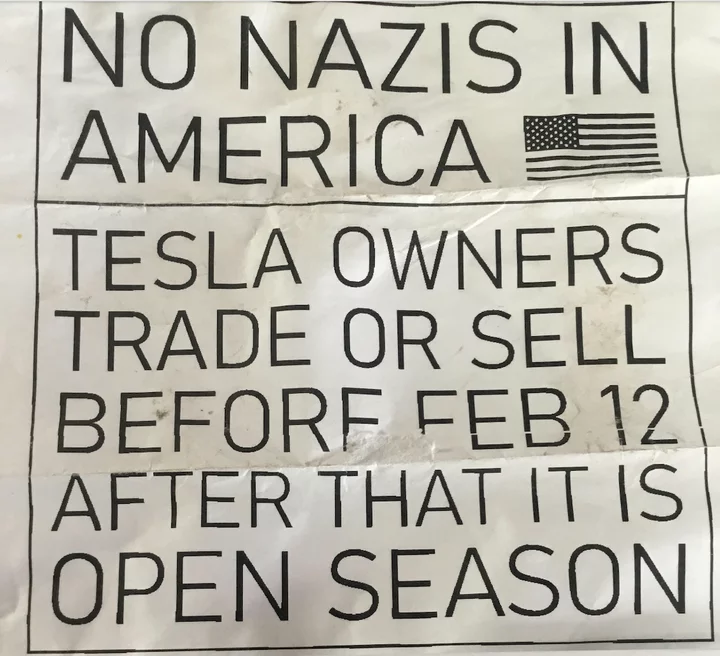
- The Lost Coast Outpost shared a copy of the message, which read “No Nazis in America. Tesla owners trade or sell before Feb 12. After that it is open season.”
- A group that calls itself Students Against Nazi Extremism (SANE) has claimed responsibility for the messages.
What SANE is claiming:
- As per the Outpost, ten students in Arcata and Seaside in Monterey County had left threatening notes on 13 Tesla vehicles.
- The group described Tesla CEO Elon Musk as an “overt Nazi with a history of fascist, racist, misogynist and criminal behavior.”
- SANE also threatened to “inflict physical damage to Tesla-branded vehicles.”
- Citing a document reportedly sent by the students, the publication noted that the SANE’s initiative is aimed at creating “enough shame to make it onerous for anyone to buy or operate a Tesla-branded vehicle.”
- The group has referenced their intentions to vandalize Teslas starting February 12, on the cities of Arcata, Rohnert Park, Seaside and Hayward, as noted in a KSBW 8 report.
What the police are saying:
- Nick Borges, the chief of police for the Seaside Police Department, for his part, noted that he has been made aware of SANE’s threats.
- The police department has started taking precautionary measures to protect a Tesla dealership in the city.
- Authorities are also alerting Tesla drivers and setting up extra patrols to monitor areas around the clock.

Don’t hesitate to contact us with news tips. Just send a message to simon@teslarati.com to give us a heads up.


Elon Musk
Tesla primes Cybercabs for 4K streaming and high bandwidth gaming with Starlink integration
Tesla is now shipping Cybercabs from Giga Texas with Starlink hardware built in as standard.

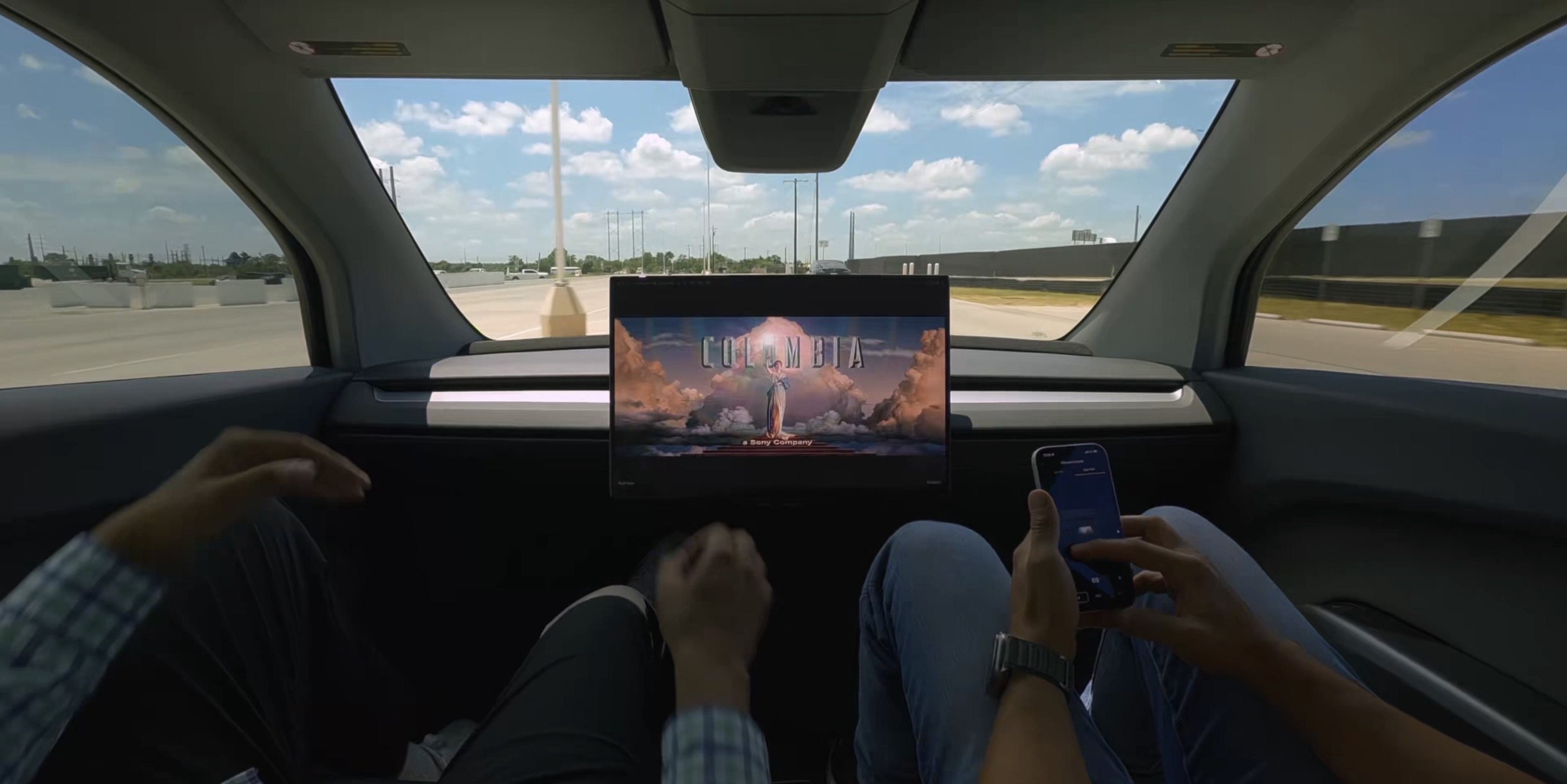
Tesla’s Cybercabs are now leaving Gigafactory Texas with Starlink hardware on the rear hatch in significant numbers, according to drone footage captured Tuesday by longtime Austin drone observer Joe Tegtmeyer. Production at the factory ramped back up after the Labor Day weekend, and his flyover of the outbound lot showed rows of gold Cybercabs alongside Model Y Long Wheelbase units, many carrying the satellite module for the first time as standard equipment rather than a one off retrofit.
Giga Texas today is busy with production coming back up following the long weekend. Of interest today in the outbound lot is the appearance of hundreds of Mode; YL’s and many more Cybercabs and for the 1st time equipped with the Starlink module one the hatch in big numbers.
At… pic.twitter.com/G9yl6s51m4
— Joe Tegtmeyer 🚀 🤠🛸😎 (@JoeTegtmeyer) September 8, 2026
Tesla first showed Starlink built into an actual Cybercab on August 10, when the Robotaxi account posted images of a single gold unit with the antenna integrated into the roofline above the taillights and called it the first Cybercab with Starlink integration. That followed a July reveal where Tesla and Starlink jointly posted a cutaway diagram of the antenna placement without a working vehicle to back it up. Ashok Elluswamy, Tesla’s VP of AI software, said at the time that the connection isn’t required for the car to drive itself. It exists mainly for navigation, customer service and keeping tabs on the fleet.
Musk has made a different case in public. During Tesla’s Q2 earnings call, he said the company can’t afford robotaxis stranded in what he called “Bermuda Triangles of lack of cellular connectivity,” and he separately claimed on X that Starlink will eventually reach every Tesla built, calling it the only way to deliver high bandwidth to billions of vehicles. He has also pitched the antenna as an entertainment upgrade, telling riders they would be able to stream 4K video or play games during a trip.
The rollout has moved fast since. Robotaxi service opened to the public in Austin on September 3, and Cybercabs had already been spotted with Starlink hardware in Houston and near Miami International Airport in the weeks before Tuesday’s factory footage showed the module shipping at volume rather than on scattered test units. Whether the satellite link earns its keep is still an open question. Tesla’s unsupervised service currently runs in dense metro geofences in Texas and Florida, markets where cellular coverage is already strong, which is not where the rural dead zones Musk describes tend to show up.
Elon Musk
Tesla Cybercabs narrowly miss deadly Amazon cargo plane crash
An Amazon cargo plane crash near Miami’s airport stopped feet from dozens of Tesla Cybercabs.
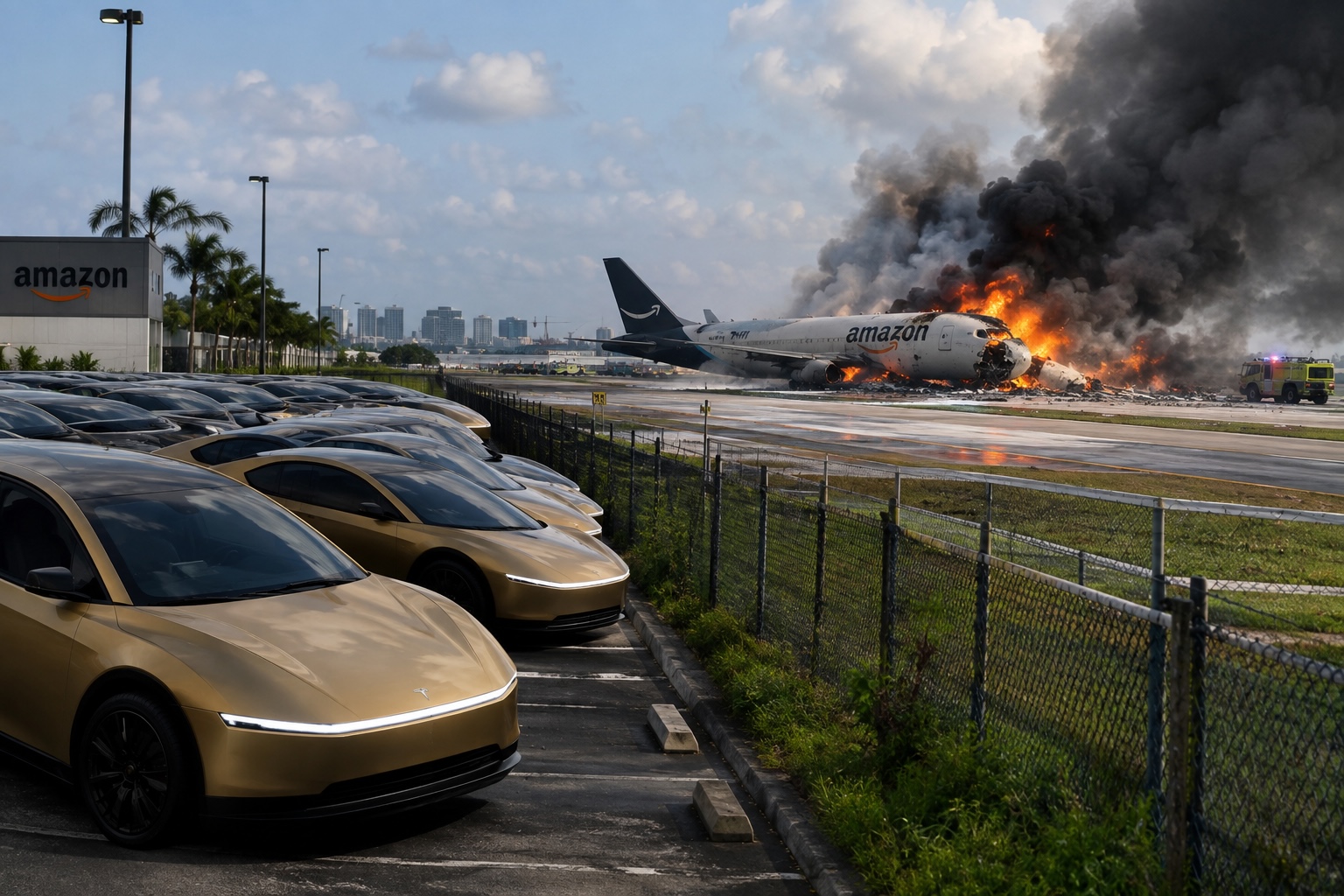
An Amazon Prime Air Boeing 767 cargo jet overran the runway at Miami International Airport on Sunday afternoon, killing five people and injuring five more. The jet, operated by North Carolina based carrier 21 Air as Flight 7598, touched down around 2 p.m. after arriving from San Juan, Puerto Rico, then crossed the airport perimeter, plowed across NW 67th Avenue and struck multiple vehicles before catching fire, according to the Associated Press.
Photos and video from the scene show the aircraft’s nose stopped within meters of a fenced staging lot holding dozens of gold painted Tesla Cybercabs, the steering wheel free robotaxi Tesla began putting on public roads in Austin last week. Miami-Dade Fire Rescue has confirmed the plane struck “multiple vehicles” but has not said whether any Cybercabs were among them, and neither Tesla nor airport officials have addressed the fleet directly.
The Cybercabs had not yet entered commercial service in Miami. Tesla’s existing Robotaxi operation there runs on modified Model Y vehicles and has been unsupervised since Ashok Elluswamy confirmed the detail on X in July.
Footage of the plane crash from earlier today | #ONLYinDADE pic.twitter.com/iGoOtnd6cD
— ONLY in DADE (@ONLYinDADE) September 6, 2026
Elon Musk offered the briefest of reactions. Replying to a Zero Hedge post about the Cybercabs sitting so close to the wreckage, he wrote a single word: “Weird.” He has not commented further, and Tesla has not issued a statement.
The timing puts Tesla’s newest vehicle near an unrelated but highly visible tragedy just days after its Austin debut, a launch that had already drawn scrutiny from federal regulators. The National Highway Traffic Safety Administration opened an audit how Tesla certified the Cybercab as compliant with federal vehicle safety standards, a process Teslarati covered after the vehicle’s September 3 launch event. That inquiry concerns the car’s lack of a steering wheel and pedals, not the Miami crash.
Investigators from the FAA and NTSB are focused on the plane, not the parking lot beside it. Flight data reviewed by outlets including Simple Flying show the 767 touched down around 170 knots, well above the 135 to 140 knot range typical for the aircraft, though investigators have not determined a cause. Amazon said it is working with authorities and that its priority is the safety of everyone affected.
Whether any Cybercabs were damaged, and what Tesla plans for the fleet parked near one of the country’s busiest airports, remain open questions.

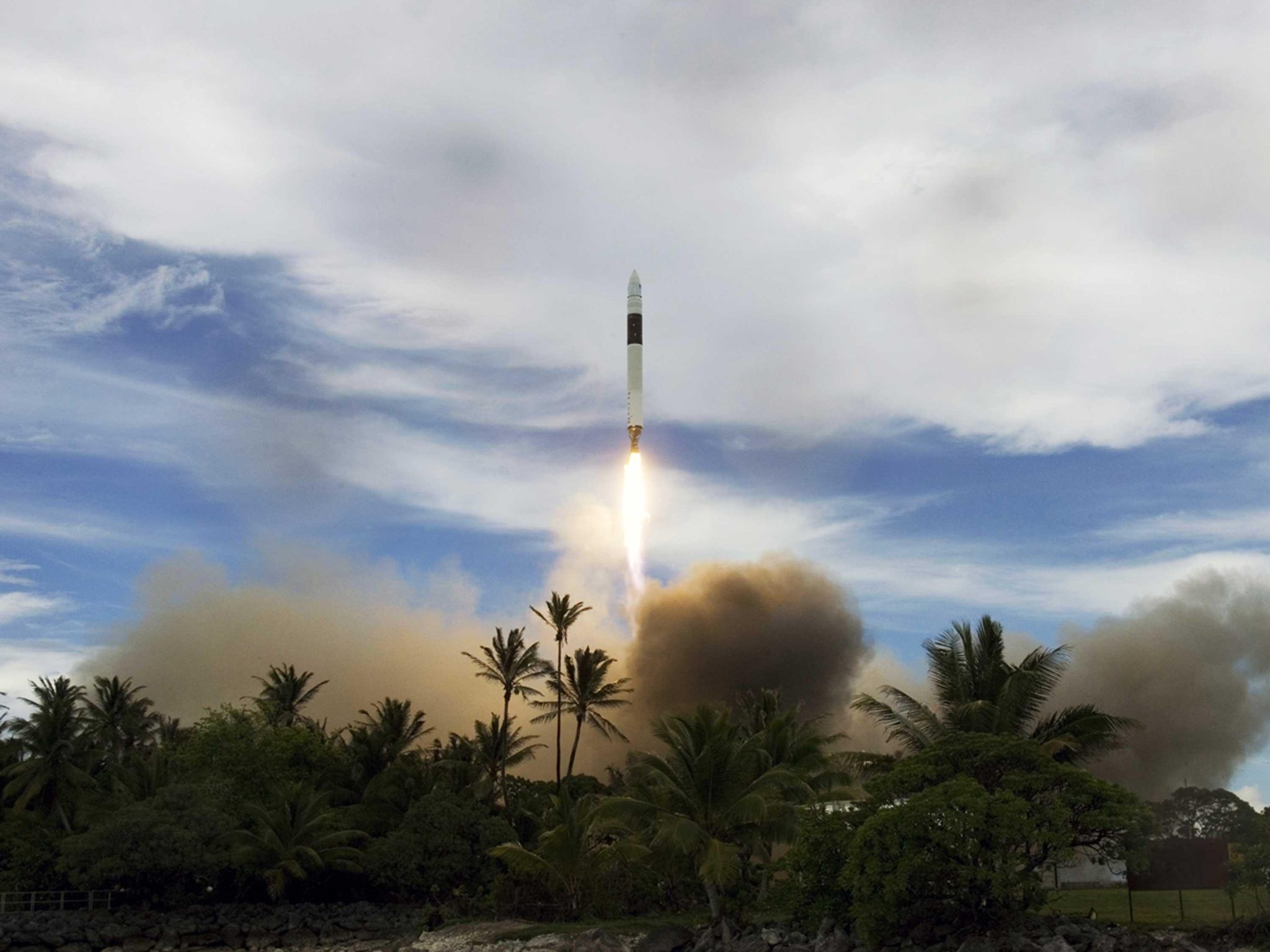
Elon Musk recently restated a fact that still defines SpaceX’s origin story: if Falcon 1’s fourth launch had failed, the company would not exist. The comment answered a reminder that after three consecutive losses, SpaceX had money for only one more attempt.
On X, Peter Diamandis said that the present-day acknowledgement of SpaceX’s success does not discount the rough start the company had. “Almost nobody remembers that Elon’s first rocket failed three times, and there was money for exactly only one more attempt.”
Musk said, “If the 4th launch had failed, SpaceX would not exist.”
If the 4th launch had failed, SpaceX would not exist
— Elon Musk (@elonmusk) August 30, 2026
In late 2008, the firm was nearly out of cash. Another failure would have ended payroll, closed the Hawthorne factory, and left the Falcon 9 and Dragon programs as unfinished drawings.
The first flight lifted off from Omelek Island on 24 March 2006. Thirty-three seconds later, a corroded aluminum fitting on a fuel line leaked. Kerosene ignited around the Merlin engine, control was lost, and the vehicle came apart. The small DARPA payload, FalconSAT-2, survived the short flight only to land on a storage shed near the pad. Investigators later traced the fitting to a materials mix-up that should never have reached the rocket.
Flight 2, on 21 March 2007, looked far better at first. The first stage burned cleanly and handed off to the Kestrel-powered upper stage. The vehicle crossed 100 kilometers and reached a peak of about 289 kilometers. Then propellant slosh in the second-stage tank started a circular coning motion that grew until the engine shut down. Telemetry faded as the stage tumbled, and SpaceX had reached space but not orbit. Over the next year, the team redesigned everything from the ground up, including tanks, baffles, and the new regeneratively cooled Merlin 1C.
That engine flew on Flight 3 on 2 August 2008. The first stage performed almost perfectly and reached 217 kilometers. After main-engine cutoff, leftover fuel in the cooling channels produced a faint residual thrust, roughly 10 pounds per square inch of chamber pressure. On a Texas test stand, the effect was invisible beneath ambient air pressure. In vacuum it was enough to push the spent first stage back into the second stage after separation. The stages collided, the upper stage spun, and the mission was lost. Musk later said a slightly longer delay before staging would have saved the flight.
Six weeks later, the team assembled Flight 4 from remaining parts and flew it on 28 September 2008 at 23:15 UTC. The payload was Ratsat, a 165-kilogram aluminum mass simulator built in-house. Staging was delayed so residual thrust could decay. The Kestrel ignited, the fairing split away, and nine and a half minutes after liftoff the vehicle was in orbit. After a coast, the second stage restarted, settling into a 621-by-643-kilometer path at 9.35 degrees inclination. Falcon 1 became the first privately developed liquid-fueled rocket to reach Earth orbit. Musk called the insertion “middle of the bull’s-eye.”
SpaceX restores a Falcon 1 rocket for 10th anniversary of first launch success
That success unlocked NASA’s Commercial Resupply Services award later that year. Without it, there would have been no Falcon 9, no reusable first stages, and no Dragon cargo or crew flights to the International Space Station. Launch prices would have remained far higher. Starlink’s constellation would not exist; broadband from low Earth orbit would still be a paper concept.
Ride-share markets, high launch cadence, and the current pace of lunar and Mars hardware would be years behind. Communications, Earth observation, and the cost of putting anything into space would look more like the 2000s than the 2020s.
One extra second of residual thrust in August 2008 would have written a different decade.

Tesla primes Cybercabs for 4K streaming and high bandwidth gaming with Starlink integration

Elon Musk hints at Tesla Cybercab’s next market


