Energy
Tesla Powerwall batteries are aiding home workers in Elon Musk’s country of birth

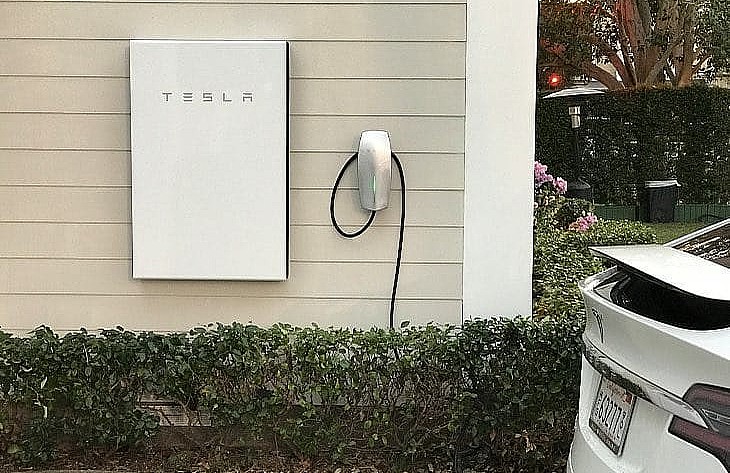
Amidst the COVID-19 pandemic, work-from-home employment has become the norm. Unfortunately, in South Africa, the country of Tesla CEO Elon Musk’s birth, the return of load-shedding practices from Eskom, an electricity public utility, meant that employees working from home are at risk of losing power during work hours. That is, at least, if they do not have backups like Tesla Powerwall batteries.
Rubicon Renewables, Tesla’s official distributor of the Powerwall in South Africa, recently revealed that there has been a significant uptake in the home battery system from companies that have a notable work-from-home workforce. With the Powerwall in place, companies can be assured that their employees could work from home without experiencing power issues, even when Eskom implements its load shedding practices.
The Powerwall, after all, is a self-contained battery and inverter system that could keep crucial appliances and other electrical devices powered during outages, or when the rolling blackouts implemented by the public utility happens.
In a statement to local media, Rubicon sales director Greg Blandford noted that the increased demand for the Powerwall would likely continue through 2021 due to the existing effects of the COVID-19 pandemic. “We have seen a consistent ramp-up since launch in South Africa and will see demand grow through 2021 irrespective of load-shedding,” he said.
Explaining further, Blanford stated that it is not just local companies that are starting to adopt the Tesla Powerwall as a way to weather the country’s power issues. The home battery system has also the home battery of choice among individual consumers, many of whom are working from home as well.
“COVID-19 has created new ways of doing business. Many companies have allowed employees to work from home, the only risk to business interruption being load-shedding. Clients have realized the need for energy security in the case of working from home and hence trust brands such as Tesla to supply them with their energy needs. It has taken some time for consumers to realize that Eskom’s woes are here to stay and the combination of load-shedding and COVID-19 has caused consumers to take control of their own power needs,” Blanford said.
Ultimately, the Rubicon sales director remarked that the demand for the Tesla Powerwall in South Africa may very well be driven in no small part by a key factor—it is simply one of, if not the best, home energy storage product available in the market today.
Don’t hesitate to contact us for news tips. Just send a message to tips@teslarati.com to give us a heads up.


Elon Musk
Tesla named by U.S. Gov. in $4.3B battery deal for American-made cells
What began as an open secret in the energy industry was confirmed by the U.S. Department of the Interior on Monday: Tesla is the buyer behind LG Energy Solution’s blockbuster $4.3 billion battery supply agreement.

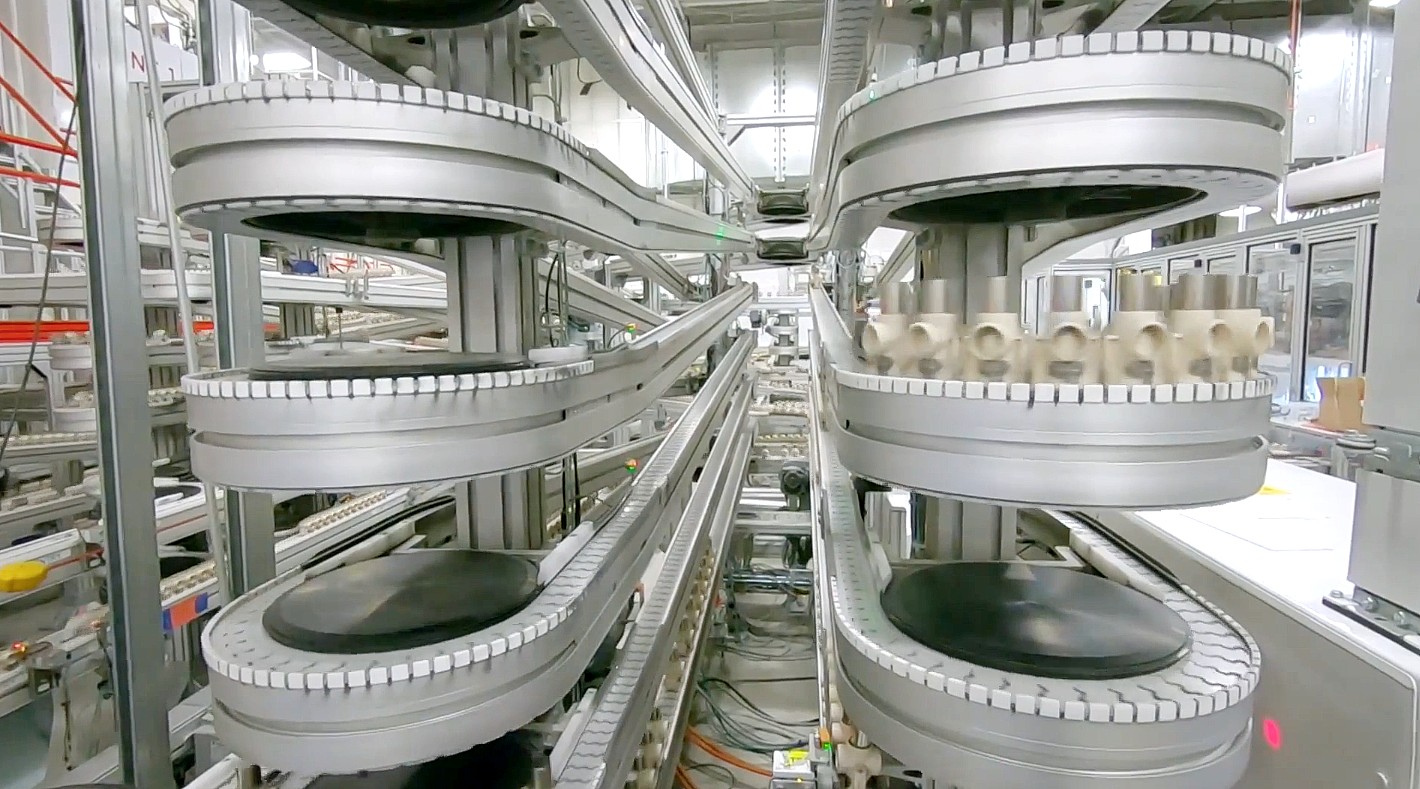
What began as an open secret in the energy industry is becoming more real after the U.S. Department of the Interior named Tesla as the stakeholder in the LG Energy Solution’s blockbuster $4.3 billion battery supply agreement.
Tesla and LG Energy Solution are expanding their partnership to build a LFP prismatic battery cell manufacturing facility in Lansing, Michigan, launching production in 2027. The announcement, made as part of the Indo-Pacific Energy Security Summit results, ends months of speculation.
“American-made cells will power Tesla’s Megapack 3 energy storage systems produced in Houston, creating a robust domestic battery supply chain.”, notes a press release on the U.S. Department of the Interior website.
Tesla has long utilized China’s Contemporary Amperex Technology Co. (CATL), the world’s largest LFP battery maker, as one of its primary suppliers. That relationship made financial sense for years, considering that Chinese LFP cells were cheap, abundant, and reliable. But with escalated tariffs on Chinese imports and an increasingly growing Tesla Energy business that’s particularly reliant on LFP cells for products including its Megapack battery storage units designed for utilities and large-scale commercial projects.
The announcement of a deepened partnership between LG Energy Solution and Tesla has strategic logic for both parties. For Tesla, it secures a tariff-compliant, domestically produced battery supply for its fast-growing energy division. LGES, now producing LFP batteries in Michigan, becomes the only major supplier currently scaling U.S. production, outpacing rivals like Samsung SDI and SK On. LG Energy Solution’s Lansing plant, formerly known as Ultium Cells 3, was previously operated as a joint venture with General Motors. LGES acquired GM’s stake in May 2025 and now fully owns the site, with a production capacity of 50 GWh per year. LG Energy said the contract includes options to extend the supply period by up to seven years and boost volumes based on further consultations.
For the broader industry, the ripple effects are significant. This deal signals that domestic battery manufacturing can be financially viable and not just aspirational. Utilities, energy developers, and rival automakers will take note as American-made LFP supply becomes a competitive reality rather than a distant promise.
For consumers, the benefits will take time but are real. A more resilient, U.S.-based supply chain means fewer price shocks from trade disputes, more stable Megapack availability for the grid storage projects that reduce electricity costs, and long-term downward pressure on energy storage prices as domestic production scales.
Deliveries are set to begin in 2027 and run through mid-2030, and as grid storage demand accelerates, reliable, US-made battery supply is no longer a future ambition. It is becoming a core requirement of the country’s energy strategy.
Energy
Tesla Energy gains UK license to sell electricity to homes and businesses
The license was granted to Tesla Energy Ventures Ltd. by UK energy regulator Ofgem after a seven-month review process.
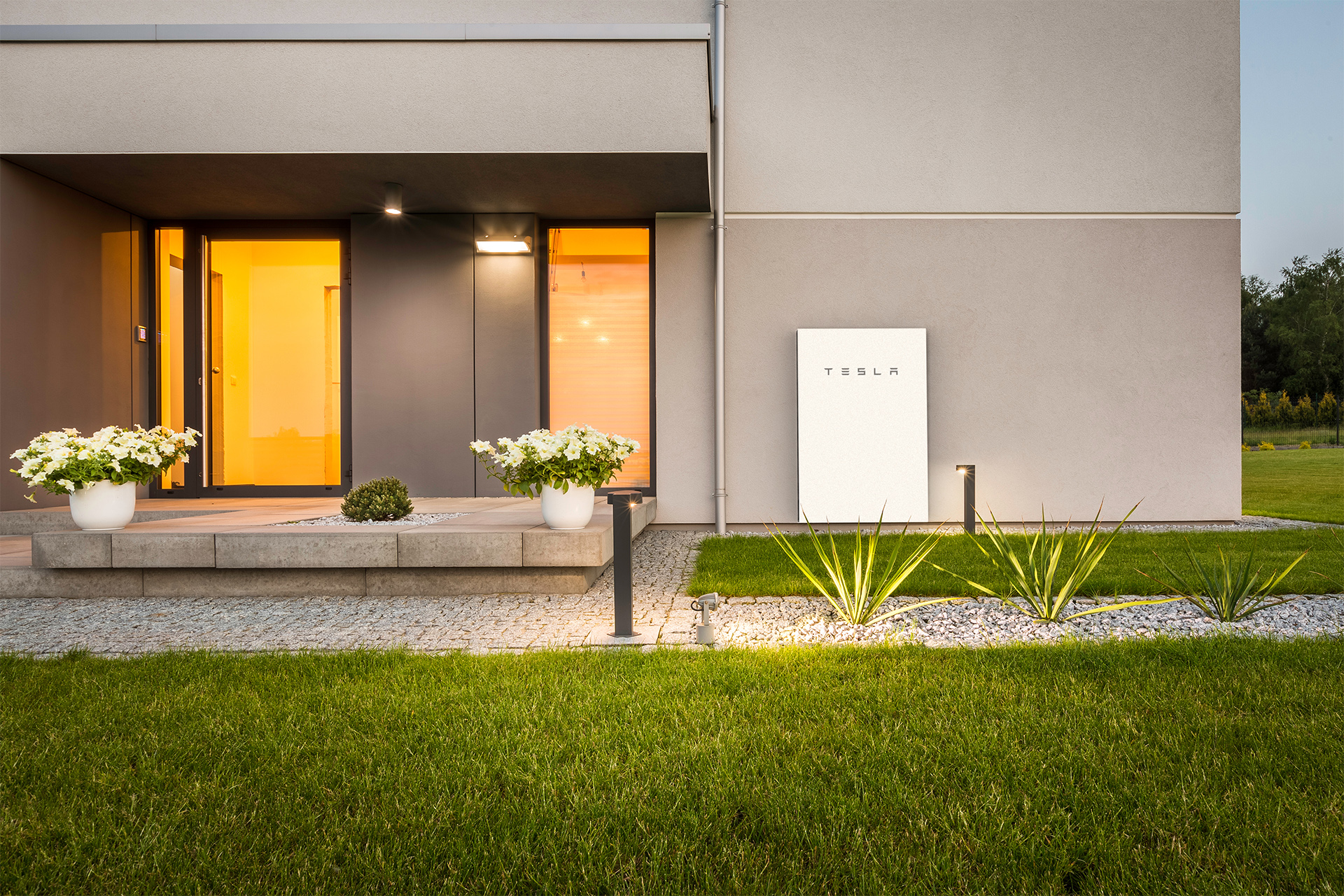
Tesla Energy has received a license to supply electricity in the United Kingdom, opening the door for the company to serve homes and businesses in the country.
The license was granted to Tesla Energy Ventures Ltd. by UK energy regulator Ofgem after a seven-month review process.
According to Ofgem, the license took effect at 6 p.m. local time on Wednesday and applies to Great Britain.
The approval allows Tesla’s energy business to sell electricity directly to customers in the region, as noted in a Bloomberg News report.
Tesla has already expanded similar services in the United States. In Texas, the company offers electricity plans that allow Tesla owners to charge their vehicles at a lower cost while also feeding excess electricity back into the grid.
Tesla already has a sizable presence in the UK market. According to price comparison website U-switch, there are more than 250,000 Tesla electric vehicles in the country and thousands of Tesla home energy storage systems.
Ofgem also noted that Tesla Motors Ltd., a separate entity incorporated in England and Wales, received an electricity generation license in June 2020.
The new UK license arrives as Tesla continues expanding its global energy business.
Last year, Tesla Energy retained the top position in the global battery energy storage system (BESS) integrator market for the second consecutive year. According to Wood Mackenzie’s latest rankings, Tesla held about 15% of global market share in 2024.
The company also maintained a dominant position in North America, where it captured roughly 39% market share in the region.
At the same time, competition in the energy storage sector is increasing. Chinese companies such as Sungrow have been expanding their presence globally, particularly in Europe.
Energy
Tesla Powerwall distribution expands in Australia
Inventory is expected to arrive in late February and official sales are expected to start mid-March 2026.
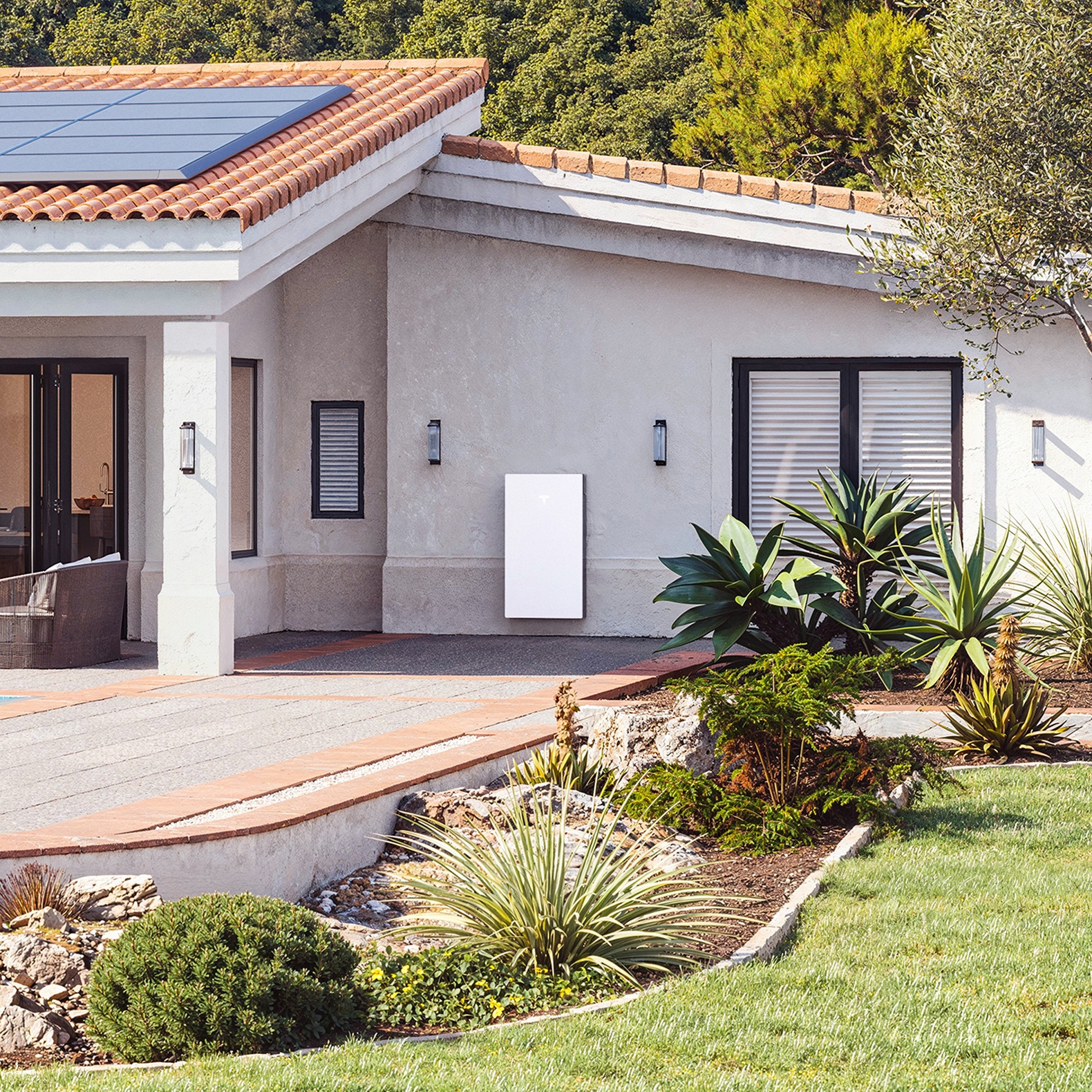
Supply Partners Group has secured a distribution agreement for the Tesla Powerwall in Australia, with inventory expected to arrive in late February and official sales beginning in mid-March 2026.
Under the new agreement, Supply Partners will distribute Tesla Powerwall units and related accessories across its national footprint, as noted in an ecogeneration report. The company said the addition strengthens its position as a distributor focused on premium, established brands.
“We are proud to officially welcome Tesla Powerwall into the Supply Partners portfolio,” Lliam Ricketts, Co-Founder and Director of Innovation at Supply Partners Group, stated.
“Tesla sets a high bar, and we’ve worked hard to earn the opportunity to represent a brand that customers actively ask for. This partnership reflects the strength of our logistics, technical services and customer experience, and it’s a win for installers who want premium options they can trust.”
Supply Partners noted that initial Tesla Powerwall stock will be warehoused locally before full commercial rollout in March. The distributor stated that the timing aligns with renewed growth momentum for the Powerwall, supported by competitive installer pricing, consumer rebates, and continued product and software updates.
“Powerwall is already a category-defining product, and what’s ahead makes it even more compelling,” Ricketts stated. “As pricing sharpens and capability expands, we see a clear runway for installers to confidently spec Powerwall for premium residential installs, backed by Supply Partners’ national distribution footprint and service model.”
Supply Partners noted that a joint go-to-market launch is planned, including Tesla-led training for its sales and technical teams to support installers during the home battery system’s domestic rollout.

Tesla Robotaxi appears to be heading to a new U.S. city

Tesla Roadster gets new unveiling date once again


