News
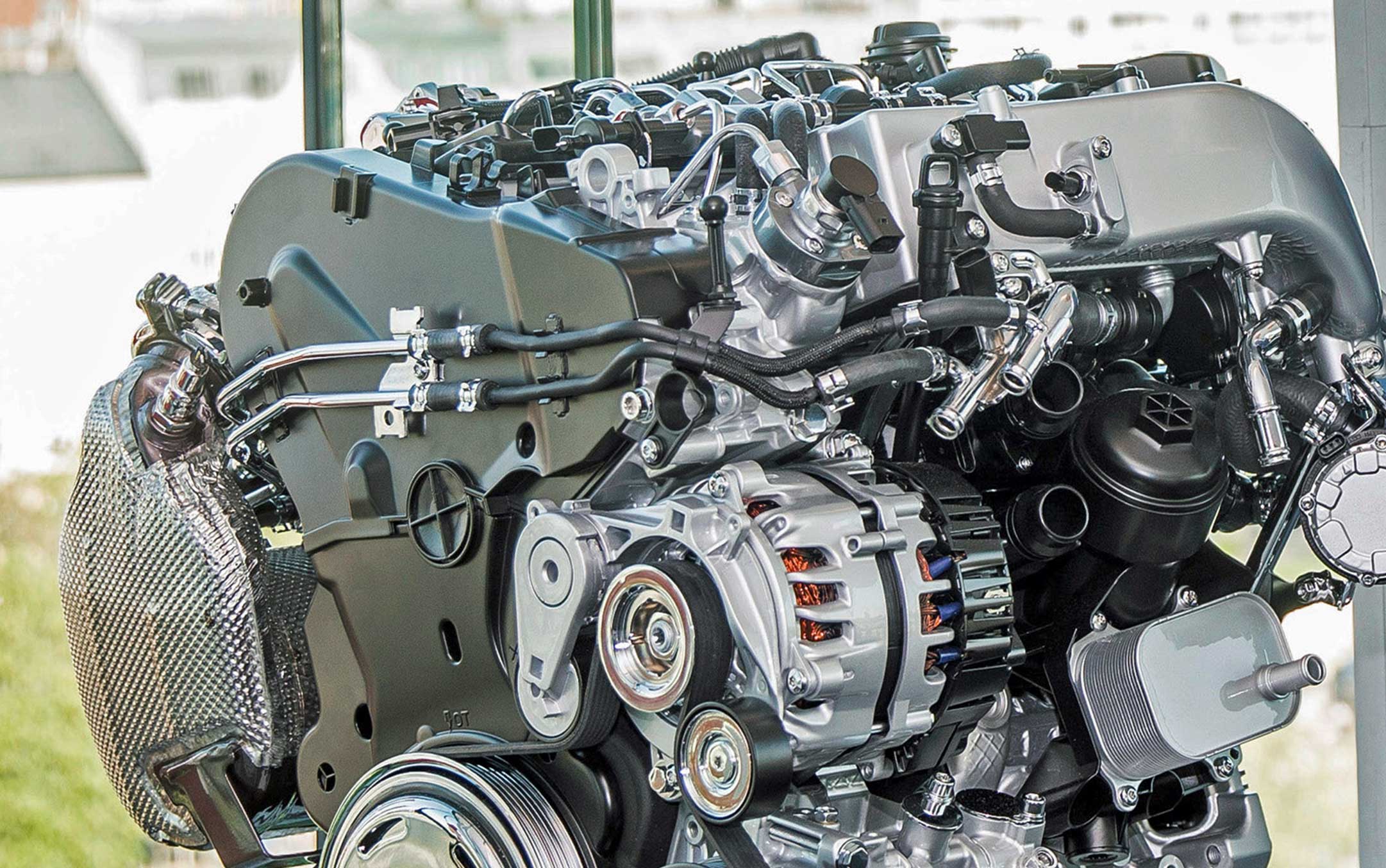
Diesel-powered Volkswagen AG cars get banned in South Korea over emissions cheating

The South Korean Ministry of Environment announced on Tuesday that it is banning the domestic sales of eight diesel-powered vehicles from three Volkswagen AG brands for violating emissions regulations. In a statement to local media, the ministry stated that it will slap fines and seek prosecution on the German-based carmakers.
According to a The Korea Herald report, a probe from the ministry has determined that the German automakers had manipulated pollution control devices used in their diesel-powered vehicles. The vehicles involved are comprised of 1,261 cars across eight models that were sold in the country from May 2015 to January 2018 under the Volkswagen, Audi, and Porsche brands.
These vehicles are the Volkswagen Touareg V6 3.0 TDI BMT, Volkswagen Touareg 3.0 TDI 4 Motion, the Audi A6 40 TDI Quattro, two Audi A6 50 TDI Quattro models, two Audi A7 50 TDI Quattro models, and the Porsche Cayenne diesel, a variant of the popular crossover that has been discontinued after the company’s decision to abandon diesel last September.
South Korean officials noted that the vehicles in question were emitting ten times more nitrogen oxide gas than normal. “They were manipulated so that the emission mitigation devices perform at lower levels in driving conditions that are different from those when they were certificated,” an official from South Korean Ministry of Environment said.
As a result of the ban, South Korea is planning on canceling the import certifications of the Volkswagen AG diesel cars. The country is also ordering correction measures and penalties, which are expected to reach about 7.9 billion won ($6.5 million) for Audi, and 4 billion won ($3.3 million) for Porsche. An investigation into the Volkswagen AG brands will also be underway.
South Korea’s announcement comes on the heels of a decision by a district court from Düsseldorf, Germany, which recently determined that Volkswagen’s software fix for vehicles affected by the Dieselgate scandal in 2015 actually contained another cheating device. According to the district court, Volkswagen’s Dieselgate software fix only worked at outside temperatures between 10-32 degrees Celsius. In the event that the weather falls below or above the range, the supposedly fixed vehicles would overly-pollute as usual. As noted in a WallStreet-Online.de report, the repercussions of the district court’s findings will likely result in more fines for the German auto juggernaut.
Ultimately, these developments come at an inopportune time for Volkswagen, especially since the company has recently announced that it has created a diesel engine that was “absolutely clean.” Apart from this, the company’s upcoming all-electric car, the ID.3, has also been receiving much excitement from the EV community. The ID.3 is designed to be a mass-market EV, and so far, the reception to the vehicle has been very encouraging, with 10,000 pre-orders for the all-electric hatchback being recorded within 24 hours of its unveiling.


Elon Musk
Elon Musk hints Tesla investors will be rewarded heavily
“Hold onto your Tesla stock. It’s going to be worth a lot, I think. That’s my bet,” Musk said.

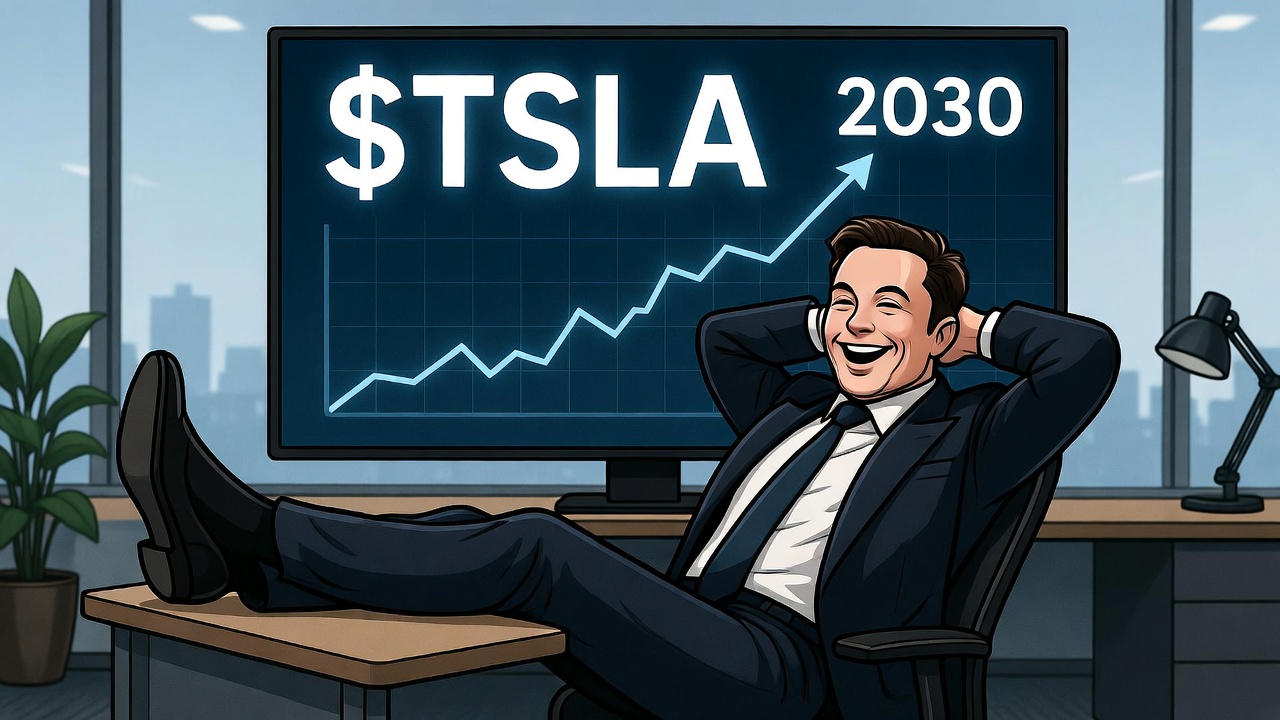
Elon Musk recently hinted that he believes Tesla investors will be rewarded heavily if they continue to hold onto their shares, and he reiterated that in a new interview that the company released on its social accounts this week.
Musk is one of the most successful CEOs in the modern era and has mammothed competitors on the Forbes Net Worth List over the past year as his holdings in his various companies have continued to swell.
Tesla investors, especially those who have been holding shares for several years, have also felt substantial gains in their portfolios. Over the past five years, the stock is up over 78 percent. Since February 2019, nearly seven years ago to the day, the stock is up over 1,800 percent.
Musk said in the interview:
“Hold onto your Tesla stock. It’s going to be worth a lot, I think. That’s my bet.”
Elon Musk in new interview: “Hold on to your $TSLA stock. It’s going to be worth a lot, I think. That’s my bet.” pic.twitter.com/cucirBuhq0
— Sawyer Merritt (@SawyerMerritt) February 26, 2026
It’s no secret Musk has been extremely bullish on his own companies, but Tesla in particular, because it is publicly traded.
However, the company has so many amazing projects that have an opportunity to revolutionize their respective industries. There is certainly a path to major growth on Wall Street for Tesla through its various future projects, including Optimus, Cybercab, Semi, and Unsupervised FSD.
- Optimus (Tesla’s humanoid robot): Musk has discussed its potential for tasks like childcare, walking dogs, or assisting elderly parents, positioning it as a massive long-term driver of company value.
- Cybercab (Tesla’s robotaxi/autonomous ride-hailing vehicle): a fully autonomous vehicle geared specifically for Tesla’s ride-sharing ambitions.
- Semi (Tesla’s electric truck, with mentions of expansion, like in Europe): brings Tesla into the commercial logistics sector.
- Unsupervised FSD (Full Self-Driving software achieving full autonomy without human supervision): turns every Tesla owner’s vehicle into a fully-autonomous vehicle upon release
These projects specifically are some of the highest-growth pillars Tesla has ever attempted to develop, especially in Musk’s eyes, as he has said Optimus will be the best-selling product of all-time.
Many analysts agree, but the bullish ones, like Cathie Wood of ARK Invest, are perhaps the one who believes Tesla has incredible potential on Wall Street, predicting a $2,600 price target for 2030, but this is not even including Optimus.
She told Bloomberg last March that she believes that the project will present a potential additive if Tesla can scale faster than anticipated.
Cybertruck
Tesla drops latest hint that new Cybertruck trim is selling like hotcakes
According to Tesla’s Online Design Studio, the new All-Wheel-Drive Cybertruck will now be delivered in April 2027. Earlier orders are still slated for early this Summer, but orders from here on forward are now officially pushed into next year:
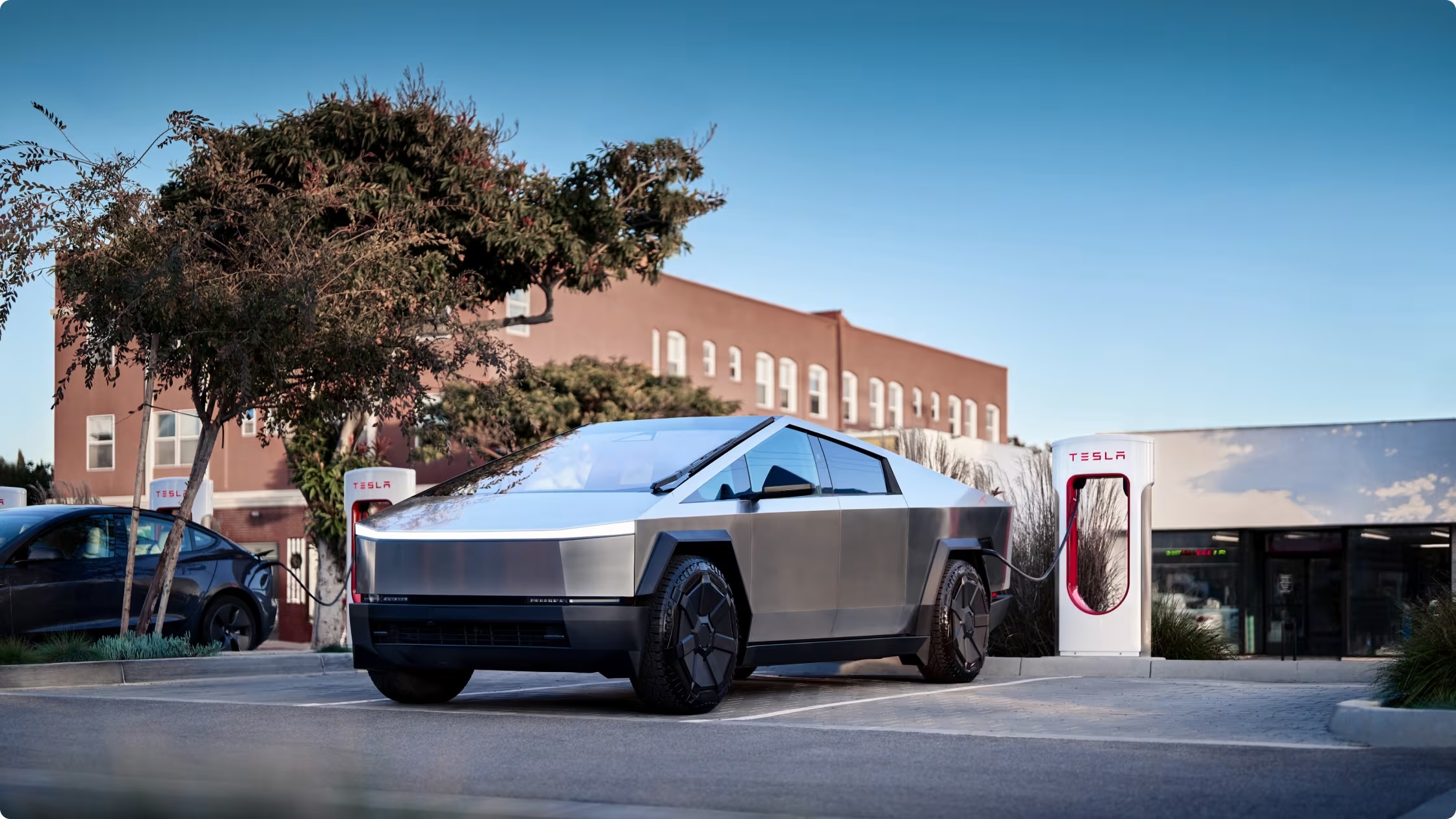
Tesla’s new Cybertruck offering has had its delivery date pushed back once again. This is now the second time, and deliveries for the newest orders are now pushed well into 2027.
According to Tesla’s Online Design Studio, the new All-Wheel-Drive Cybertruck will now be delivered in April 2027. Earlier orders are still slated for early this Summer, but orders from here on forward are now officially pushed into next year:
🚨 Tesla has updated the $59,990 Cybertruck Dual Motor AWD’s estimated delivery date to April 2027.
First deliveries are still slated for June, but if you order it now, you’ll be waiting over a year.
Demand appears to be off the charts for the new Cybertruck and consumers are… pic.twitter.com/raDCCeC0zP
— TESLARATI (@Teslarati) February 26, 2026
Just three days ago, the initial delivery date of June 2026 was pushed back to early Fall, and now, that date has officially moved to April 2027.
The fact that Tesla has had to push back deliveries once again proves one of two things: either Tesla has slow production plans for the new Cybertruck trim, or demand is off the charts.
Judging by how Tesla is already planning to raise the price based on demand in just a few days, it seems like the company knows it is giving a tremendous deal on this spec of Cybertruck, and units are moving quickly.
That points more toward demand and not necessarily to slower production plans, but it is not confirmed.
Tesla Cybertruck’s newest trim will undergo massive change in ten days, Musk says
Tesla is set to hike the price on March 1, so tomorrow will be the final day to grab the new Cybertruck trim for just $59,990.
It features:
- Dual Motor AWD w/ est. 325 mi of range
- Powered tonneau cover
- Bed outlets (2x 120V + 1x 240V) & Powershare capability
- Coil springs w/ adaptive damping
- Heated first-row seats w/ textile material that is easy to clean
- Steer-by-wire & Four Wheel Steering
- 6’ x 4’ composite bed
- Towing capacity of up to 7,500 lbs
- Powered frunk
Interestingly, the price offering is fairly close to what Tesla unveiled back in late 2019.
Elon Musk
Elon Musk outlines plan for first Starship tower catch attempt
Musk confirmed that Starship V3 Ship 1 (SN1) is headed for ground tests and expressed strong confidence in the updated vehicle design.
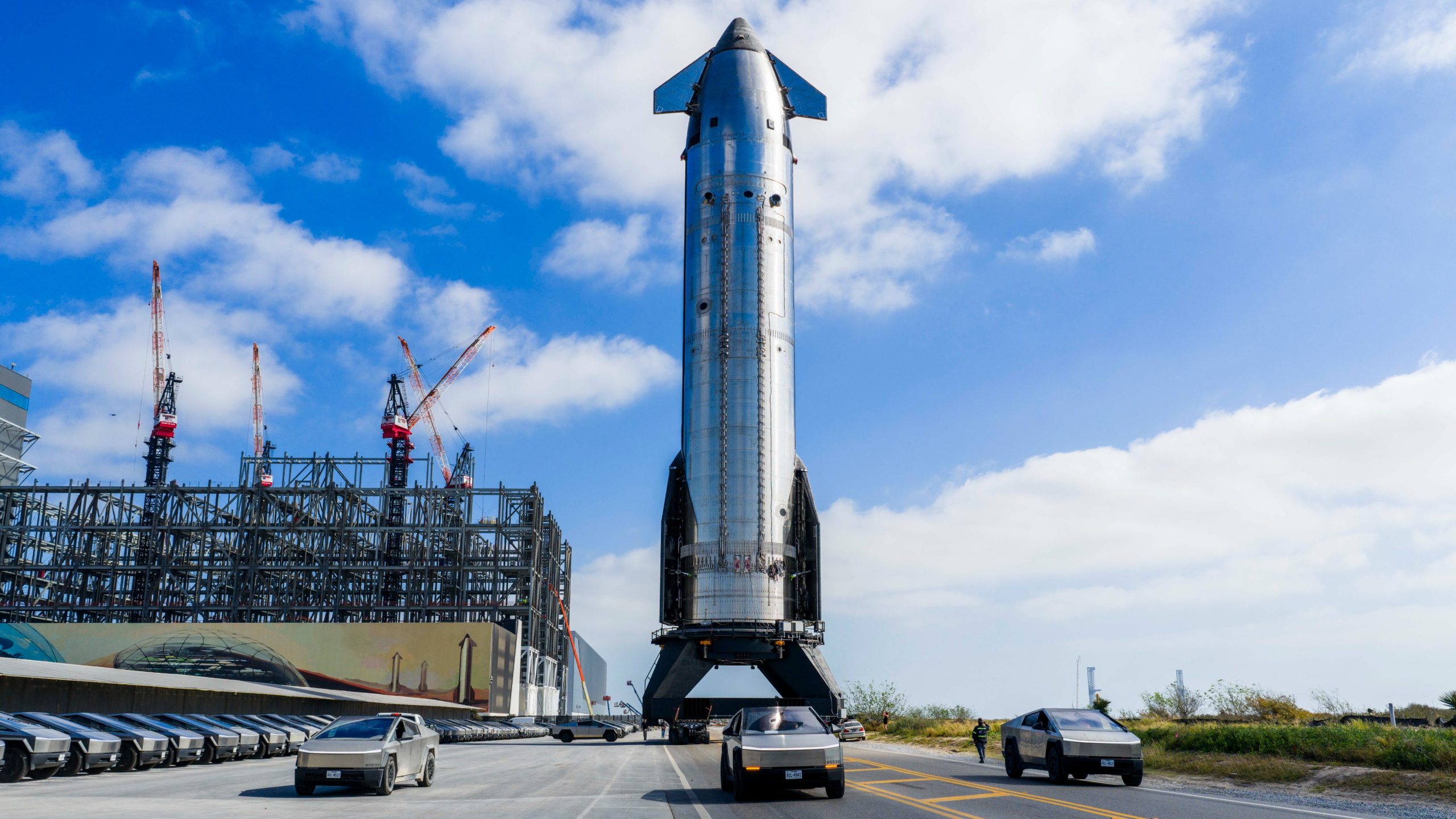
Elon Musk has clarified when SpaceX will first attempt to catch Starship’s upper stage with its launch tower. The CEO’s update provides the clearest teaser yet for the spacecraft’s recovery roadmap.
Musk shared the details in recent posts on X. In his initial post, Musk confirmed that Starship V3 Ship 1 (SN1) is headed for ground tests and expressed strong confidence in the updated vehicle design.
“Starship V3 SN1 headed for ground tests. I am highly confident that the V3 design will achieve full reusability,” Musk wrote.
In a follow-up post, Musk addressed when SpaceX would attempt to catch the upper stage using the launch tower’s robotic arms.
“Should note that SpaceX will only try to catch the ship with the tower after two perfect soft landings in the ocean. The risk of the ship breaking up over land needs to be very low,” Musk clarified.
His remarks suggest that SpaceX is deliberately reducing risk before attempting a tower catch of Starship’s upper stage. Such a milestone would mark a major step towards the full reuse of the Starship system.
SpaceX is currently targeting the first Starship V3 flight of 2026 this coming March. The spacecraft’s V3 iteration is widely viewed as a key milestone in SpaceX’s long-term strategy to make Starship fully reusable.
Starship V3 features a number of key upgrades over its previous iterations. The vehicle is equipped with SpaceX’s Raptor V3 engines, which are designed to deliver significantly higher thrust than earlier versions while reducing cost and weight.
The V3 design is also expected to be optimized for manufacturability, a critical step if SpaceX intends to scale the spacecraft’s production toward frequent launches for Starlink, lunar missions, and eventually Mars.

Elon Musk hints Tesla investors will be rewarded heavily

Tesla drops latest hint that new Cybertruck trim is selling like hotcakes


