Rumors
Tesla Model X folding second row seats may soon be arriving

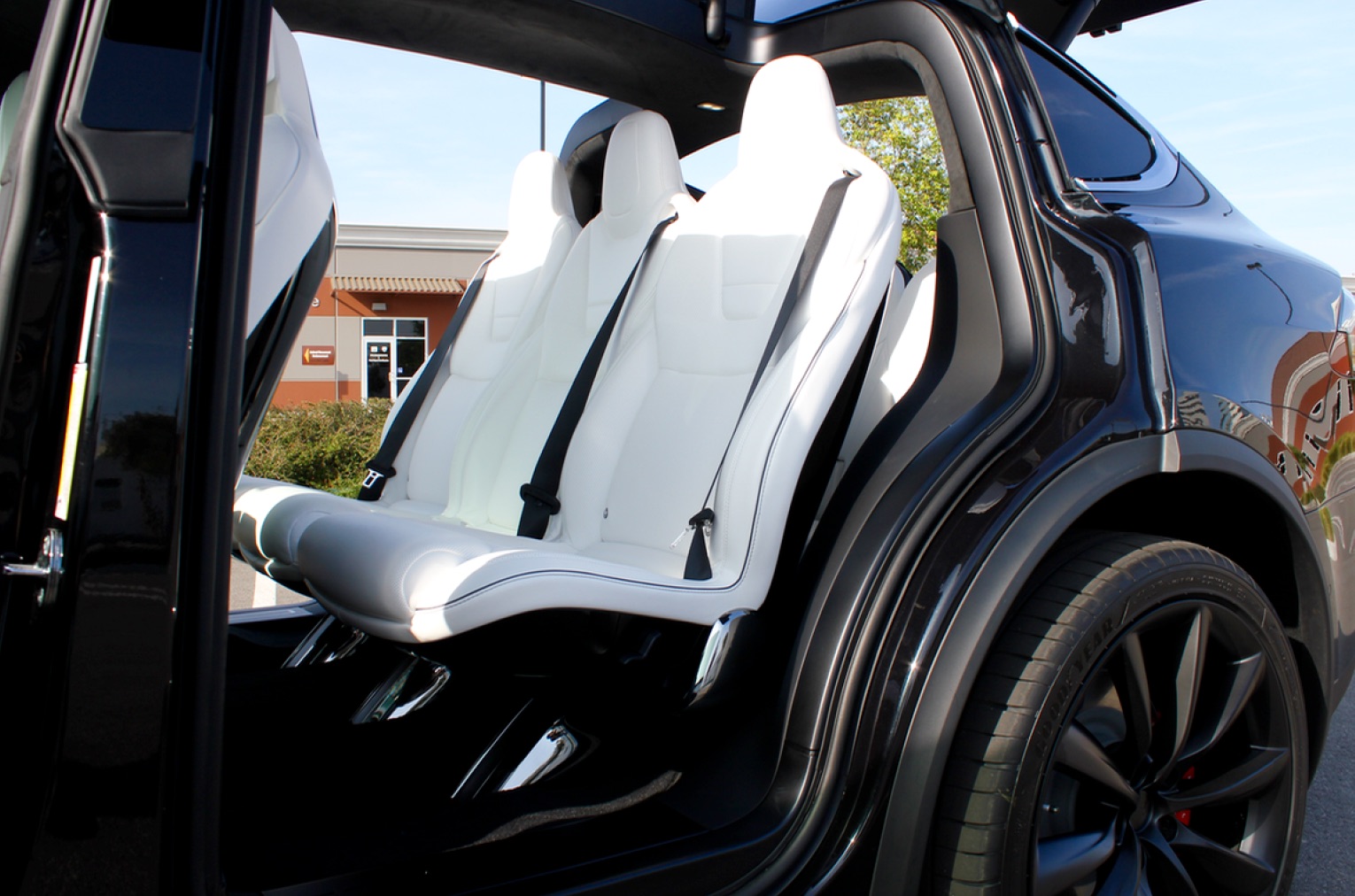
There’s good reason to believe that a much-desired folding second row seating option for the Model X may soon be making its way into the Design Studio. Would-be Model X owners who placed an order for a 5-seat interior, some having waited over a year for the magical MyTesla update that notifies them of the vehicle’s production status, may be getting a new seat design.
Prospective Model X buyers interested in the 5-seater option have told Teslarati that their Tesla Owner Advisor suggested a delivery timeframe of late 2016 or early 2017 if they are to continue with that seating configuration. This is also inline with comments coming out of the forum community from Model X buyers interested in the 5-seat option. Most of them are indicating that Tesla has communicated an end of year delivery. While this isn’t a clear indicator that a design change may be coming for the Model X second row seats, one can argue that a passage from Tesla’s Third Quarter 2016 Update letter is.
‘Additional Model X Seating Variants’
At the end of page 1 of the letter, Tesla writes, “We believe new product variants such as the P100DL, additional Model X seating variants, new product capabilities such as Enhanced Autopilot and hardware for Full Self-Driving Capability, Autopilot 8.0 software, and new store and service center openings should continue to drive strong vehicle order growth.” Considering the fact that the five seat option has been available in the Design Studio since its first arrival, and already has orders placed by buyers, one can argue that a 5-seat configuration is an existing seating variant and not an ‘additional’ one. There’s a strong possibility that Tesla may introduce a more affordable and less complicated second row seating option, sans the motorized monopost seat design, that will fold flat to maximize cargo space.
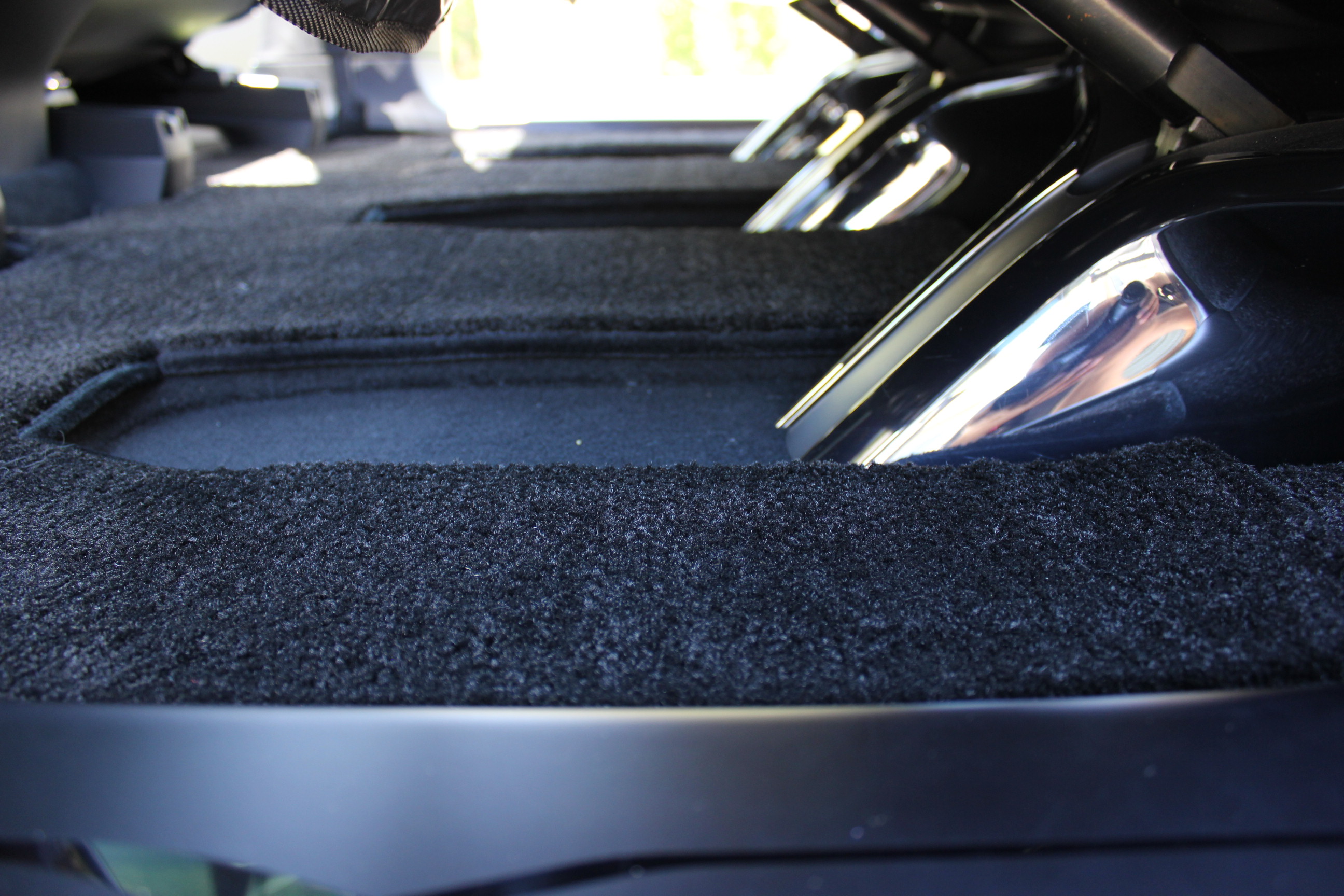
Tesla Model X monopost second row seats
Less is also more. Because a Model X with a 5-seat configuration won’t have a third row, having a complex electronically actuated monopost seat that can pivot and lean forward independently of one another is completely unnecessary. The touted benefit of having additional foot room for third row passengers when using a monopost design is also not applicable.
It wouldn’t come as a surprise if a fold-flat second row seat would come in a 2-seat and 3-seat set up to complement those looking for the 6-seat and 7-seat configuration.
Streamlining Production
Tesla continues to streamline production by decreasing the number of unique options made available for each vehicle while promoting cross functional design. In the last month alone, Tesla has discontinued the Model X 60D, removed the factory installed accessory hitch and require Smart Air Suspension on all Model X. There’s also signs that Tesla may discontinue the P90D.
By minimizing the number of options made available for a vehicle, Tesla is able to decrease the number of vendors to source product from, and thus reduce its risk of any production bottlenecks. Tesla’s factory will also be able to maintain a more efficient production line if components can be shared across its fleet of vehicles.
If Tesla does in fact reveal a fold-flat second row seat for the Model X, we would expect the seat back to also make its way to the Model S someday.


Elon Musk
Another Tesla SpaceX merger prediction by ARK Invest has Elon Musk talking
Elon Musk again denies a Tesla China split as new SpaceX merger speculation resurfaces quickly.
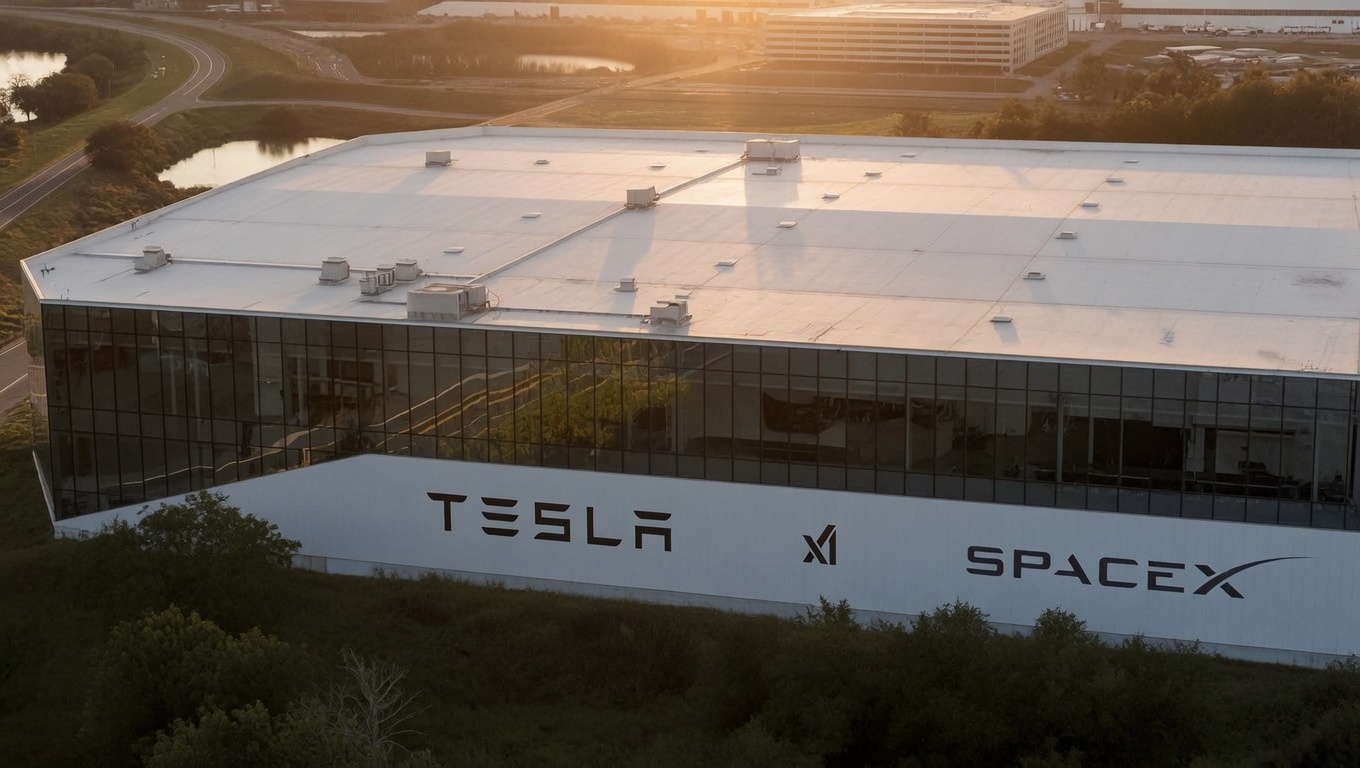
Elon Musk restated that Tesla has no plans to separate its China business from the rest of the company, responding to a new round of merger speculation from ARK Invest.
On the firm’s “Brainstorm” podcast, Cathie Wood’s team, including chief futurist Brett Winton and research director Nick Grous, argued a Tesla and SpaceX combination remains likely, with an announcement possible before the end of the year even if the deal itself would not close that quickly. Winton called Tesla’s Shanghai operations a “small ish wrinkle” for a merger rather than a real obstacle, since SpaceX’s national security work with the U.S. government sits uneasily next to Tesla’s manufacturing base in China.
Musk pushed back on the framing directly. “China is awesome. I strongly encourage people to visit,” he wrote on X. He also repeated language he first used in late July, when the Wall Street Journal reported that Tesla executives had been told to prepare for a possible spinoff, sale, or closure of the China business ahead of a SpaceX tie up. Musk called that report “absurdly fake news” at the time, adding that a separation had “never even come up in a discussion ever,” a line he echoed again this week.
The repeated denial has not settled the underlying question, because Shanghai’s role in Tesla’s business is exactly what makes a merger complicated. Gigafactory Shanghai still ships more than half of Tesla’s global deliveries and functions as the company’s main export hub for Europe and Asia. Teslarati previously reported on Musk’s initial denial, and the merger conversation itself has been building since SpaceX’s IPO gave it public shares to use as acquisition currency.
Wedbush’s Dan Ives has pegged the odds of a Tesla SpaceX merger at 80 to 90 percent by early 2027, and ARK’s prediction of a year end announcement adds another data point to that timeline, even as Musk keeps rejecting the specific mechanics reporters have described. Neither position rules out the other. Musk can deny a China spinoff was ever discussed while analysts still expect some form of combination to move forward, since ARK and Ives are both describing convergence at the corporate level, not necessarily the internal restructuring the Journal described in July.
For now, Tesla’s China business remains intact, and Musk’s comments this week make clear he has no interest in publicly walking that position back, no matter how often the merger question resurfaces.
News
Tesla Model Y L reportedly entered mass production in Giga Shanghai
The vehicle is expected to be a larger version of the best-selling Model Y crossover.

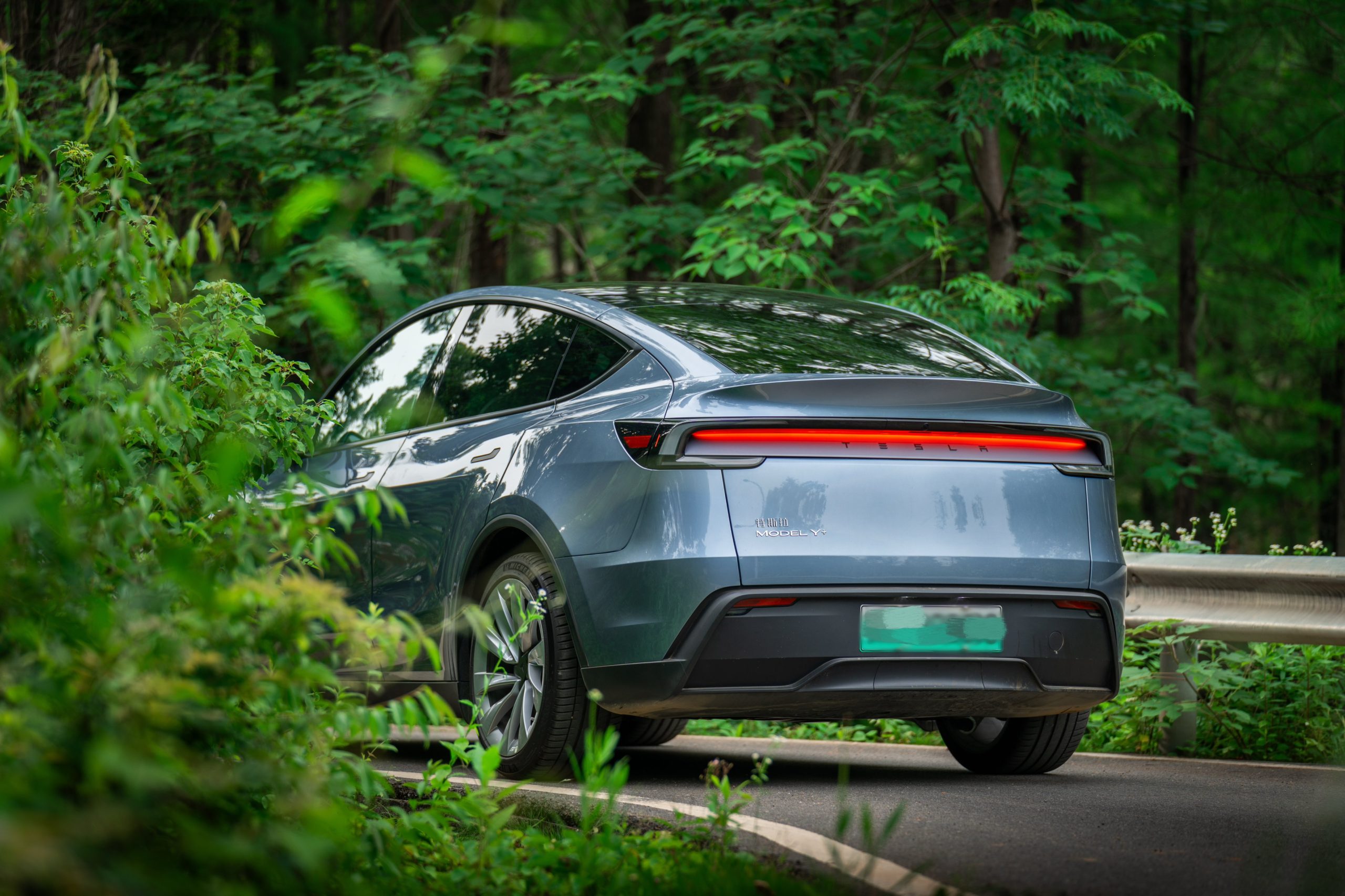
Reports from industry watchers in China have suggested that the Tesla Model Y L has started mass production at Gigafactory Shanghai. The vehicle is expected to be a larger version of the best-selling Model Y crossover, offering three rows and six seats thanks to a longer wheelbase.
Tesla Model Y L Production Rumors
Reports about the new Model Y variant’s alleged milestone were initially shared on Weibo, with some industry watchers stating that the vehicle has already started mass production. Tesla China is reportedly surveying which of its domestic stores would have the first display units of the six-seat Model Y.
The Model Y L’s steady march towards production was evident this past week, with recent reports indicating that the vehicle’s key specs have already been listed in the China Ministry of Industry and Information Technology’s (MIIT) latest batch of new energy vehicle models that are eligible for vehicle purchase tax exemptions.
As per the MIIT’s list, the Model Y L will be a dual motor vehicle that is equipped with an 82.0-kWh lithium-ion battery from LG Energy Solution. The vehicle will feature six seats with two captain seats on the second row, as well as a CLTC range of 751 km.
Tesla Model Y L Potential
The potential of the Model Y L is vast, considering that it is produced in the existing Model Y lines of Tesla’s factories. This should slash new vehicle tooling costs and potential ramp-up issues. Three-row SUVs also command a pretty notable market that has mostly only been accessed by the more expensive Model X. With the Model Y L’s lower price, Tesla could become more competitive in the three-row SUV segment.
As noted by longtime Tesla owner and investor @_SFTahoe, the Model Y L could also become a more premium option for the company’s Robotaxi business, thanks to its second row captain seats and spacious interior. The expansion of Model Y L Robotaxis should also be impressive considering Tesla’s mastery of mass manufacturing techniques.
Rumors
Tesla India partners with Tata Group on local supply chain: Rumor
Rumors say Tesla & Tata Group are teaming up on a local supply chain, increasing the chances of Tesla India finally being established.

Tesla India is reportedly partnering with Tata Group companies to establish a local supply chain and domestic parts production.
Tesla India has allegedly partnered with a few Tata Group companies, including Tata AutoComp, Tata Consultancy Services, Tata Technologies, and Tata Electronics. Tesla and the Tata Group companies are reportedly discussing the possibility of establishing facilities in India, near Tata Group’s manufacturing factories.
“Tesla is, in a way, readying the supplier base in India. We are very sure that once Tesla starts manufacturing here, Indian suppliers will benefit from sourcing opportunities,” an industry source told the Economic Times.
Tesla and Tata Group are supposedly discussing the possibility of developing and producing components like castings, forgings, electronics, and fabrication items. A few sources have also hinted that Tesla may intend to procure supplies from companies outside China and Taiwan, like wiring harnesses, electric motors, gearboxes, and castings.
Tesla wouldn’t be the first company to distance itself from Chinese suppliers. Earlier this year, for example, Panasonic Energy sought to reduce its reliance on Chinese sources, specifically for electric vehicles (EVs) produced in the United States.
Tesla may also be forming stronger ties within India for tax advantages and financial incentives. Last year, the Indian government was close to finalizing a new import tax policy that would encourage foreign EV automakers to invest in the country in exchange for specific tax advantages and incentives. The American EV manufacturer was supposedly set to invest $2 billion in a new plant and buy $15 billion worth of auto parts in India if the new policy would reduce Tesla’s import duties.
India’s strict rules on imported vehicles have always been a point of strain for Tesla’s entry into the country. It has a 60% import duty on vehicles below $40,000 and a 100% rate on vehicles above $40,000. U.S. President Donald Trump and his administration want India to completely eliminate or significantly reduce car import tariffs.

Tesla Roadster owners to get “Flying Stunt Mode” and looping track access

How to use Grok Bot to block spam calls and texts

Tesla’s flying Roadster just revealed something bigger than the car

SpaceX reveals how its 1 Million AI satellite network will work and prevent space collisions

Elon Musk’s Boring Company lands a new Middle East deal, and Nashville is about to get faster


