
Space
SpaceX, NASA enter final phase of training for imminent astronaut launch debut

SpaceX and NASA are working together to make sure they’re ready to start flying crews to the space station. Two astronauts, Doug Hurley and Bob Behnken are preparing to launch on a Crew Dragon capsule, with a scheduled date of mid to late May for the historic launch.
As the world deals with the coronavirus, essential personnel at both NASA and SpaceX are continuing to progress to a crew flight. Since the final shuttle flight in 2011, NASA and other space agencies around the world have been forced to rely on Russian rockets as their sole means of transporting astronauts to and from space.
That will change with the next flight of SpaceX’s Crew Dragon capsule. The gumdrop-shaped spacecraft is set to carry Behnken and Hurley to the orbiting outpost. The length of their stay is still to be determined, but training efforts suggest that it will be longer than the original planned flight.
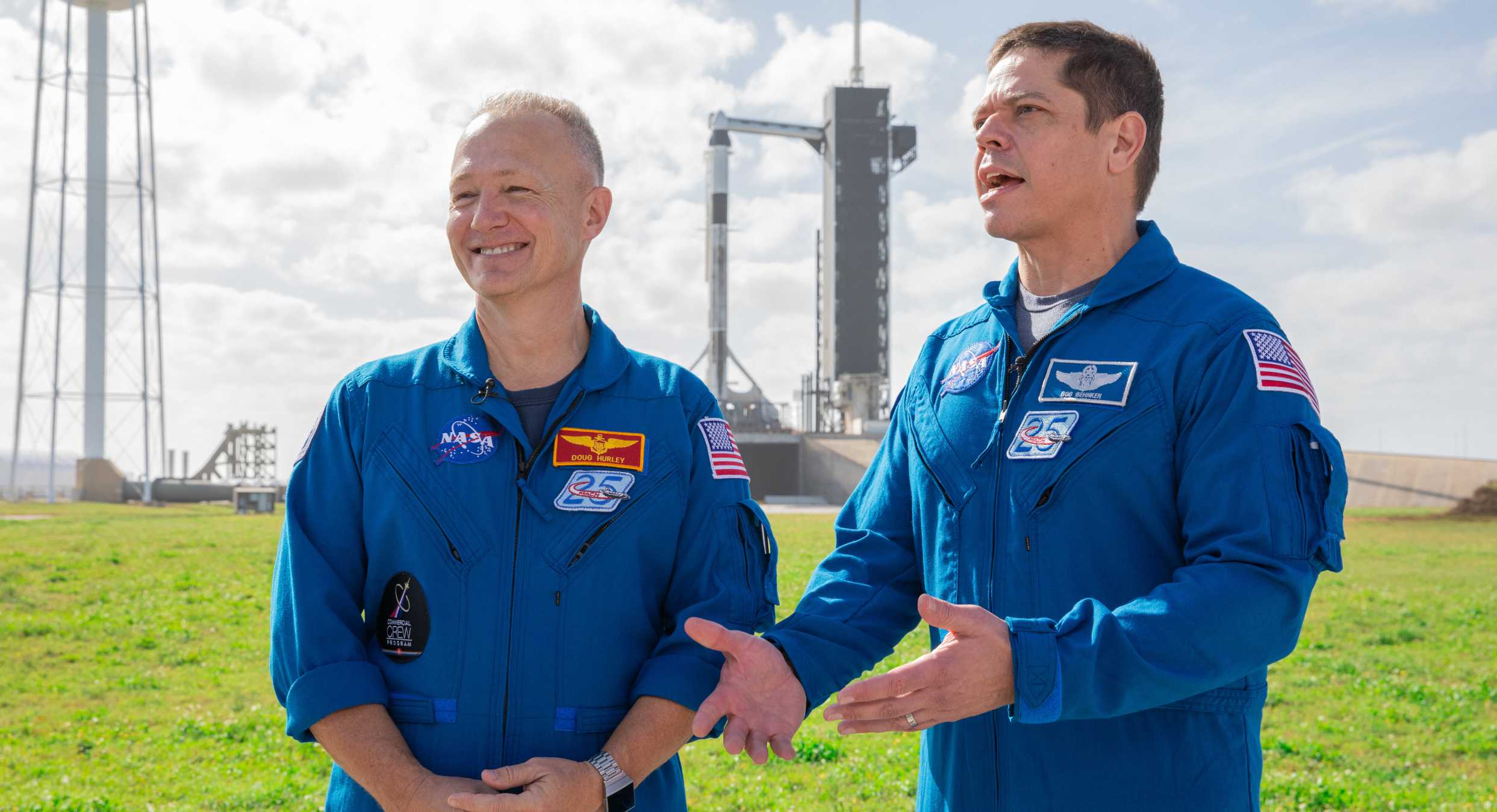
To that end, the duo has been working with NASA and SpaceX to practice day of launch procedures. On March 19 and 20, teams gathered in Firing Room 4 at NASA’s Kennedy Space Center to complete a series of full missions, from launch to landing. After the retirement of the shuttle fleet, NASA turned to the private sector to find its next generation of space taxi.
The space agency selected SpaceX and Boeing in 2014 to each build a spacecraft capable of ferrying crew to and from the space station. SpaceX’s Crew Dragon was the first to complete an uncrewed flight test, where the vehicle proved it could dock and undock itself from the space station. That test was a huge success and was followed on by a picture-perfect test of the Crew Dragon’s onboard escape system earlier this year.
Following the inflight abort test, all SpaceX needed to do was complete a few more tests of its Mark 3 parachute before NASA gave the all-clear to launch. But the company ran into a snag when it experienced two incidents back-to-back – the loss of a mock Dragon used for parachute testing and an unrelated in-flight rocket engine failure.
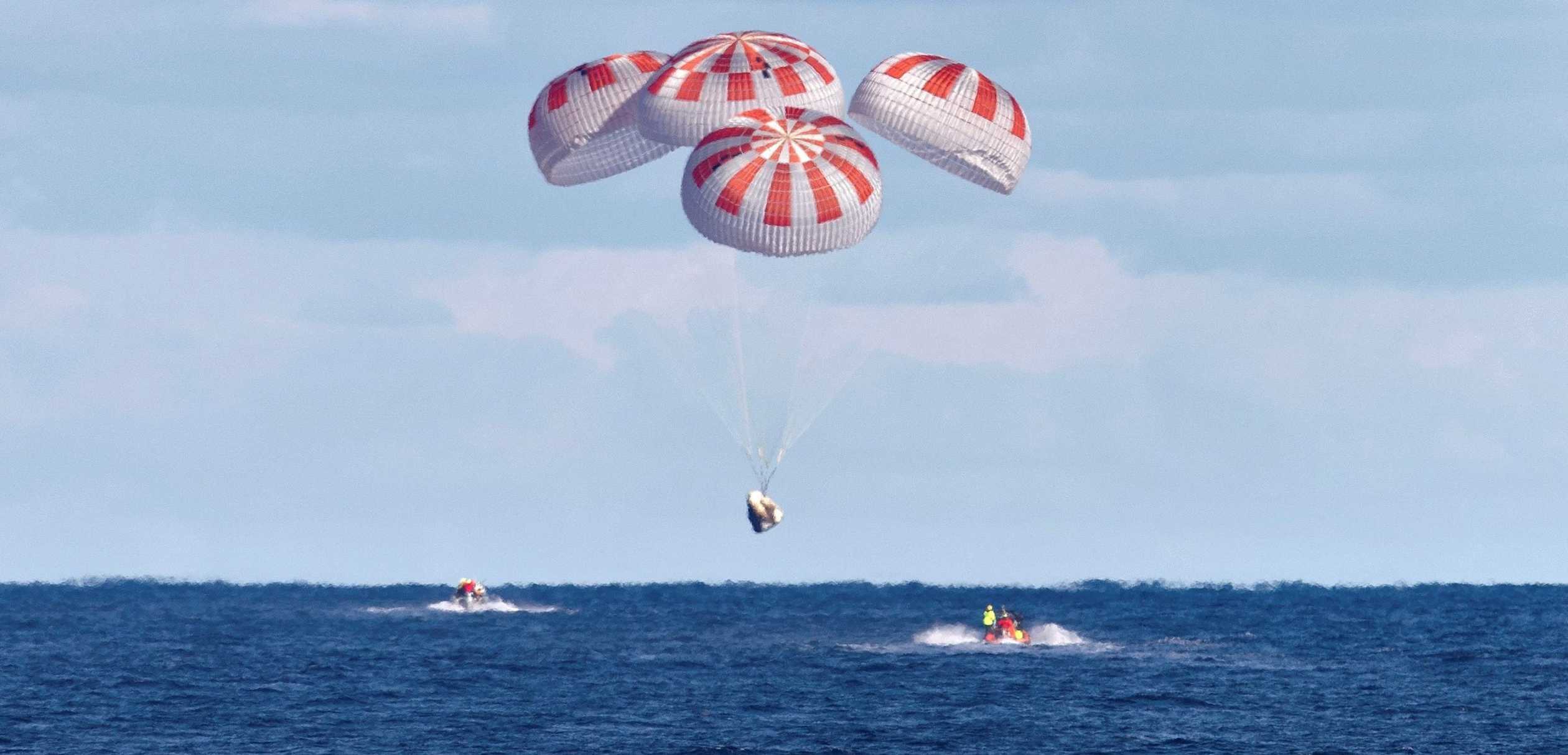
But SpaceX and NASA’s plans appear unphased, and the duo are working full steam ahead to the tentative May launch deadline. Key flight control teams stationed at their launch posts at NASA’s Kennedy Space Center, Johnson Space Center and SpaceX HQ have simulated the different phases of launch. In contrast, the astronauts have practiced launch procedures from their Crew Dragon simulator.
“The simulations were a great opportunity to practice procedures and to coordinate decision-making for the mission management team, especially with respect to weather,” Michael Hess, manager of operations integration for NASA’s commercial crew program said in a news statement.
“Simulation supervisors do a great job at picking cases that really make the team think and discuss,” he added.
During the most recent simulations, teams ran through an entire mission, from prelaunch countdown to ascent and docking with the station while previous tests ran through timelines from hatch closure to undocking from the space station as well as practiced free-flight in preparation for re-entry and splashdown.
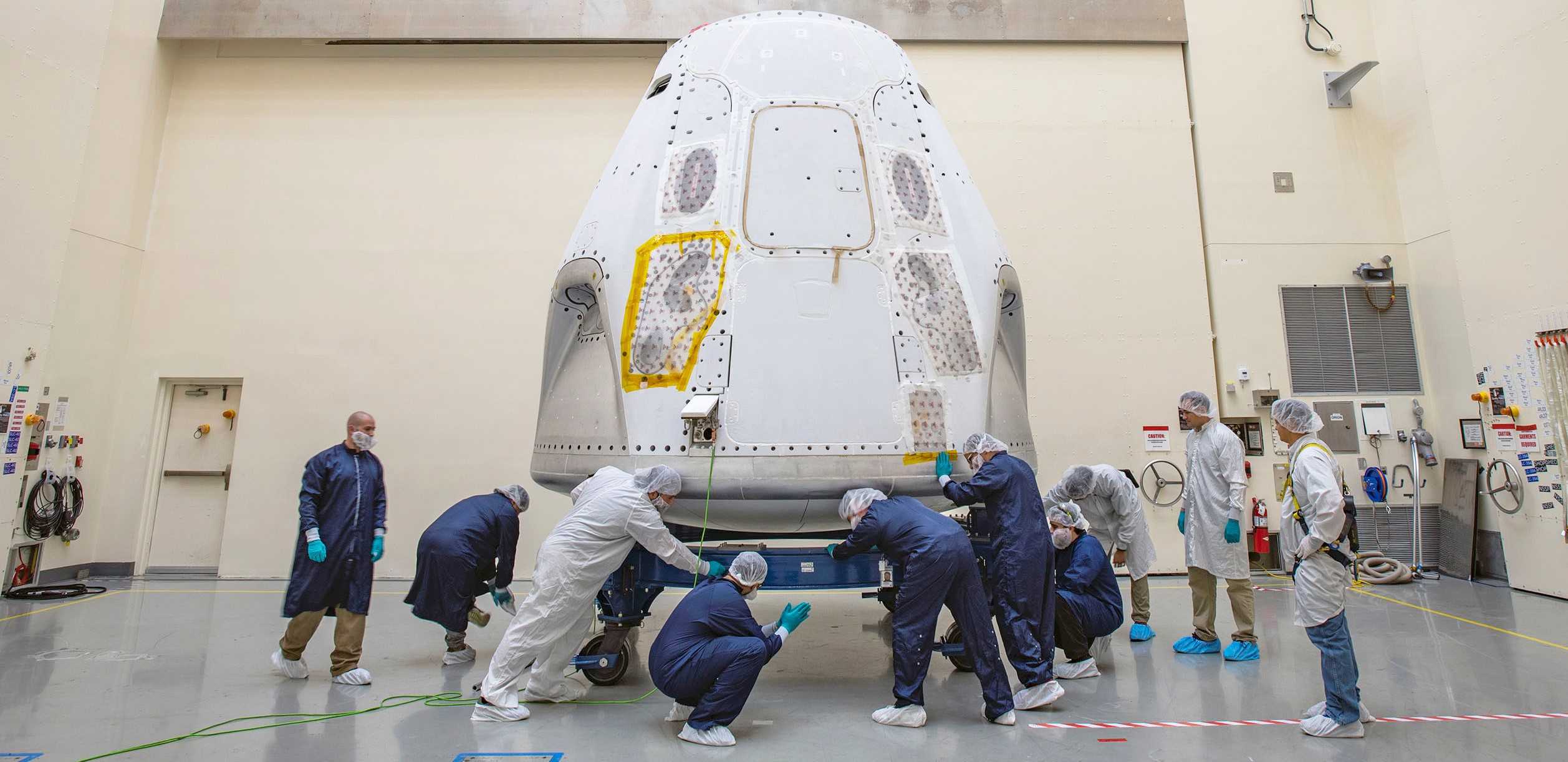
The countdown is on as the Crew Dragon capsule undergoes its final testing and preparations at SpaceX facilities at Cape Canaveral Air Force Station in Florida. Once crew training and flight readiness reviews are complete, the spacecraft will be attached to its launcher: a shiny, new Falcon 9 booster.
If all goes according to plan, in late May, Bob Behnken and Doug Hurley will strap in and blast off the space station. There they will join fellow NASA astronaut, Chris Cassidy, who launches to the space station on April 9.
To ensure the mission gets off without a hitch, NASA and SpaceX are working closely and adhering to CDC guidelines to ensure teams stay safe and healthy. All non-essential employees are working from home, and the number of people coming in contact with the astronauts is minimal.
“The Space Station Program is looking forward to [having] another way to rotate crews to station to perform science and experiments to benefit all,” Hess said.
https://twitter.com/elonmusk/status/1211493590456848385?lang=en


News
NASA taps SpaceX for more astronaut missions as Boeing Starliner remains grounded
NASA just gave SpaceX a $946 million contract for three more astronaut missions through 2030.

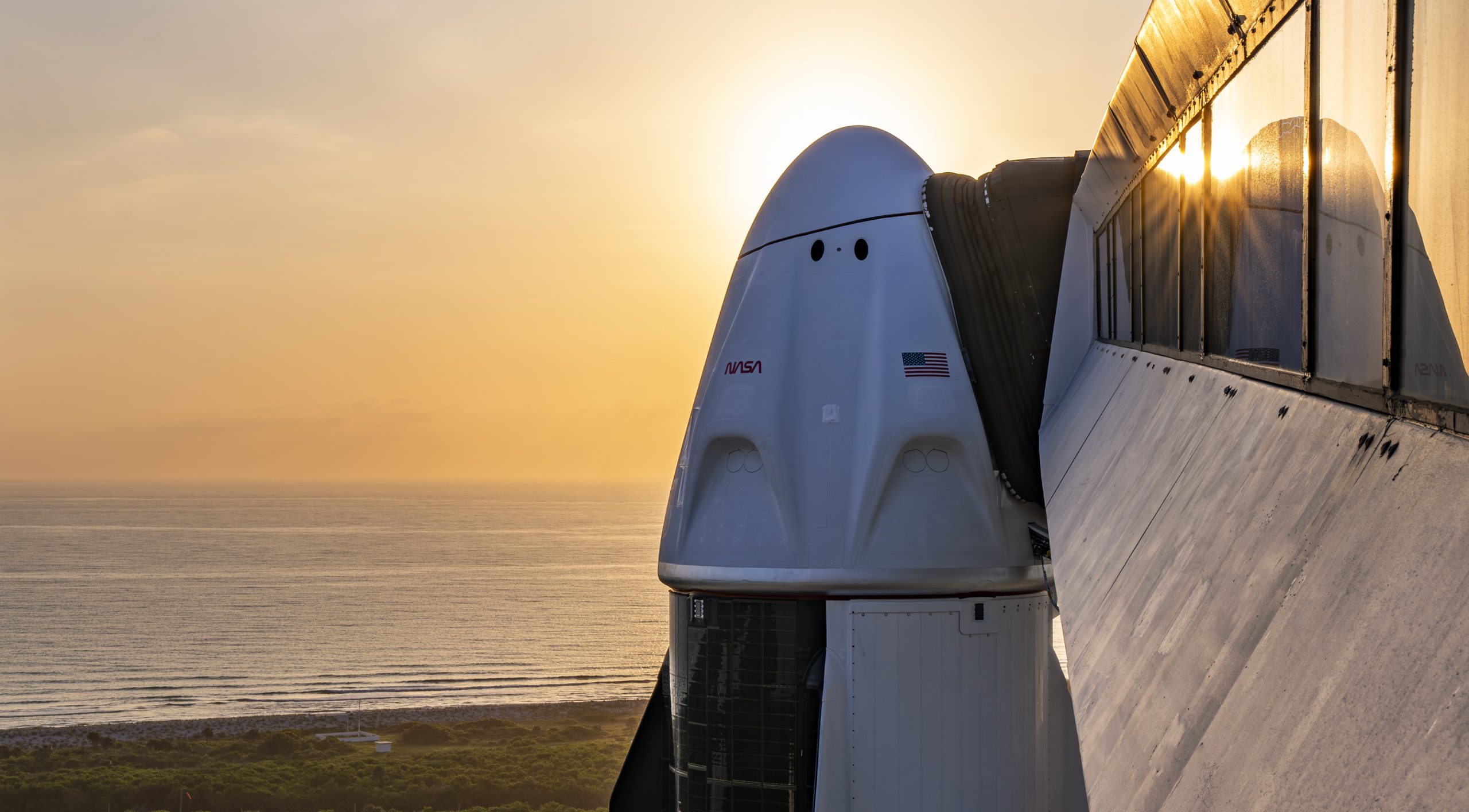
NASA has awarded SpaceX a $946 million contract modification covering three more astronaut missions to the International Space Station, according to an announcement the agency published Friday. The award adds Crew-15, Crew-16, and Crew-17 to SpaceX’s existing Commercial Crew Transportation Capability contract, bringing the agreement’s total value to $5.92 billion across 17 flights.
SpaceX confirmed the award on X, writing that it was excited for Falcon 9 and Dragon to launch NASA’s Crew-15, 16, and 17 missions to the Space Station from Florida. The new missions cover ground, launch, in orbit, and return operations, along with cargo transport and a lifeboat capability while docked at the station, and the period of performance runs through 2030.
We’re excited for Falcon 9 and Dragon to launch @NASA’s Crew-15, 16, and 17 missions to the @Space_Station from Florida https://t.co/Qm16vVK9F3 pic.twitter.com/drg3s7GtuM
— SpaceX (@SpaceX) September 18, 2026
The award follows a notice of intent NASA issued in May, when the agency first signaled it would purchase up to six additional post certification missions from SpaceX. Teslarati covered that filing at the time, noting NASA cited technical issues and schedule delays encountered by Boeing as a driving factor. Friday’s contract modification locks in three of those six missions, with the remaining three left open for NASA to award later, potentially to Boeing if Starliner clears certification.
Boeing’s CST-100 Starliner has still not flown an operational crew rotation mission for NASA. The spacecraft’s most recent crewed test flight in 2024 ended without the astronauts returning aboard Starliner, and the company has spent the time since working through thruster problems. SpaceX President Gwynne Shotwell said this week that SpaceX is not retiring Crew Dragon today, for sure, while stopping short of committing to fly it past 2030.
Crew-12 is currently docked at the space station, and NASA has said Crew-13 is targeting a launch in the coming weeks. The newly awarded Crew-15 through Crew-17 missions extend SpaceX’s role as NASA’s primary way of getting astronauts to and from orbit well into the back half of the decade, regardless of what happens with Starliner or Starship in the meantime.
Elon Musk
SpaceX’s next Starship launch is about to attempt its biggest leap yet
SpaceX targets September 22 for Starship Flight 14, its first attempt to reach real orbit.
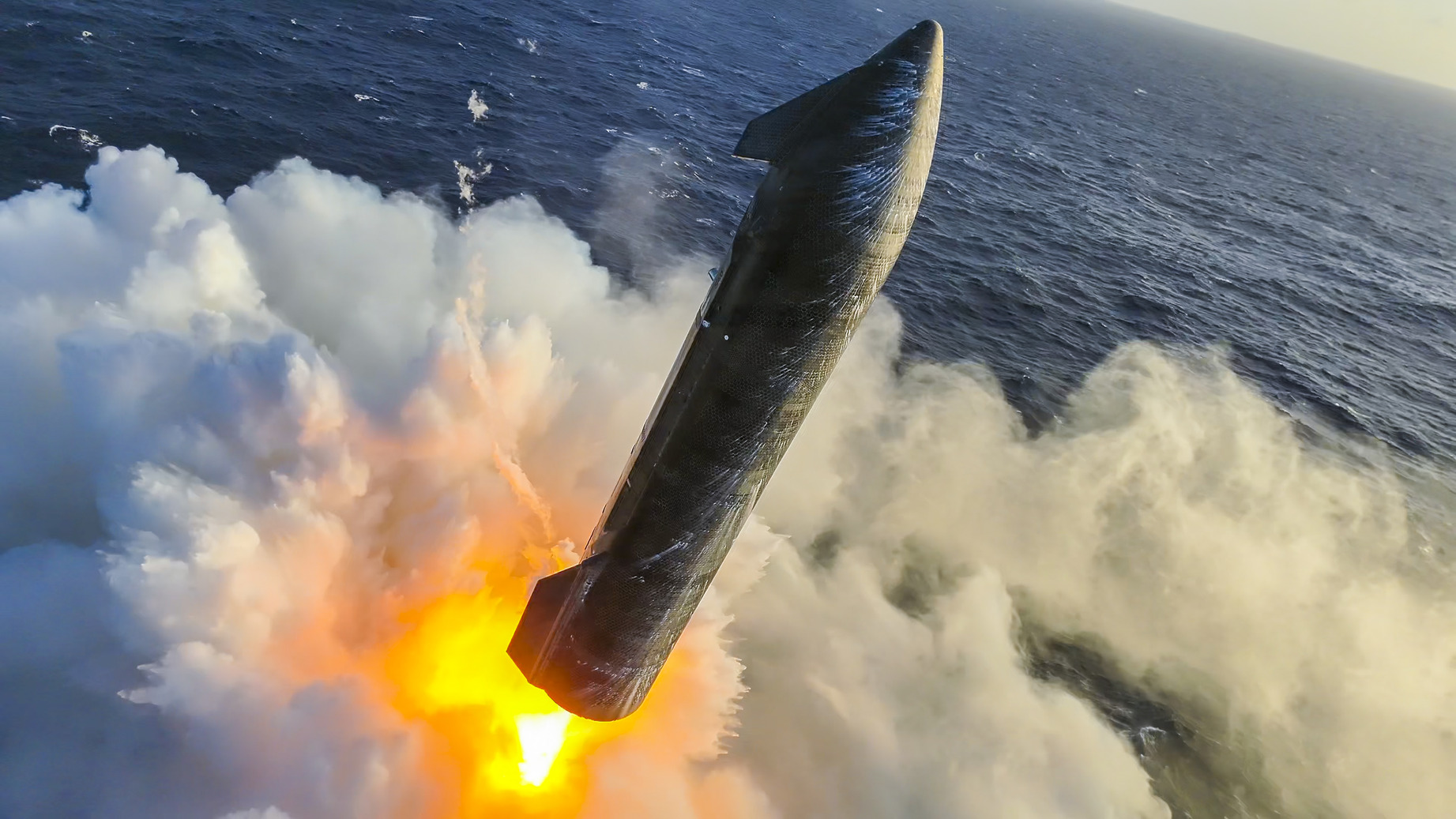
SpaceX has set September 22 as the target date for Starship’s 14th test flight, and this one carries a different goal than any of the 13 that came before it. Every previous Starship mission has intentionally flown a suborbital arc, reentering the atmosphere within the same hour it launched. Flight 14 is designed to send the craft into a genuine orbit around Earth for the first time.
The launch window opens at 7:15 a.m. Central time at Starbase in South Texas and runs for 75 minutes, pending regulatory approval, according to SpaceX’s mission description published Tuesday. If the flight goes as planned, Starship will circle the planet roughly six times at an altitude near 275 kilometers over about ten hours before a deorbit burn sends it toward a splashdown in the Pacific Ocean west of Chile, a departure from the Indian Ocean recoveries used on the last several flights.
The mission also marks the first attempt to put a working batch of Starlink V3 satellites into actual service. Flight 13 carried 20 of the new satellites in July, but because that mission never left a suborbital trajectory, the payload reentered along with the ship instead of separating into orbit.
SpaceX tells the FCC that Starship Flight 14 is going to orbit
Each V3 satellite is rated for roughly one terabit per second of downlink capacity, so a successful deployment on Flight 14 would be SpaceX’s largest single jump in network bandwidth since Starlink began flying on Falcon 9.
Flight 13 still did the heavier lifting on the technical side. That July mission flew a deliberately more stressful reentry profile to test Starship’s heat shield, and the ship survived its softest splashdown yet, intact enough for drone inspections shortly after landing. Elon Musk said the flight delivered “all the heat shield data we needed and then some,” a result Teslarati covered in detail when he later said SpaceX had solved the vehicle’s biggest reusability challenge. Flight 14 is where SpaceX starts spending that confidence on an actual orbital insertion rather than another controlled fall back to Earth.
One thing Flight 14 will not attempt is a tower catch of the ship. Musk floated the idea right after Flight 13, but walked the timeline back in August, saying a catch attempt was more likely “in a few months.” The Super Heavy booster will still aim for its own recovery, targeting an offshore landing point in the Gulf of America, the same approach used on recent flights.
September 22 is SpaceX’s own target, not a locked date. Starship’s schedule has slipped before over hardware readiness and FAA sign off, and the company has said as much in its own mission notes. But the plan itself represents the clearest marker yet that Starship is moving from a suborbital test program into something meant to carry paying payloads and, eventually, people.
News
SpaceX tells the FCC that Starship Flight 14 is going to orbit
SpaceX filed with the FCC for Starship Flight 14, its first true orbital launch attempt.
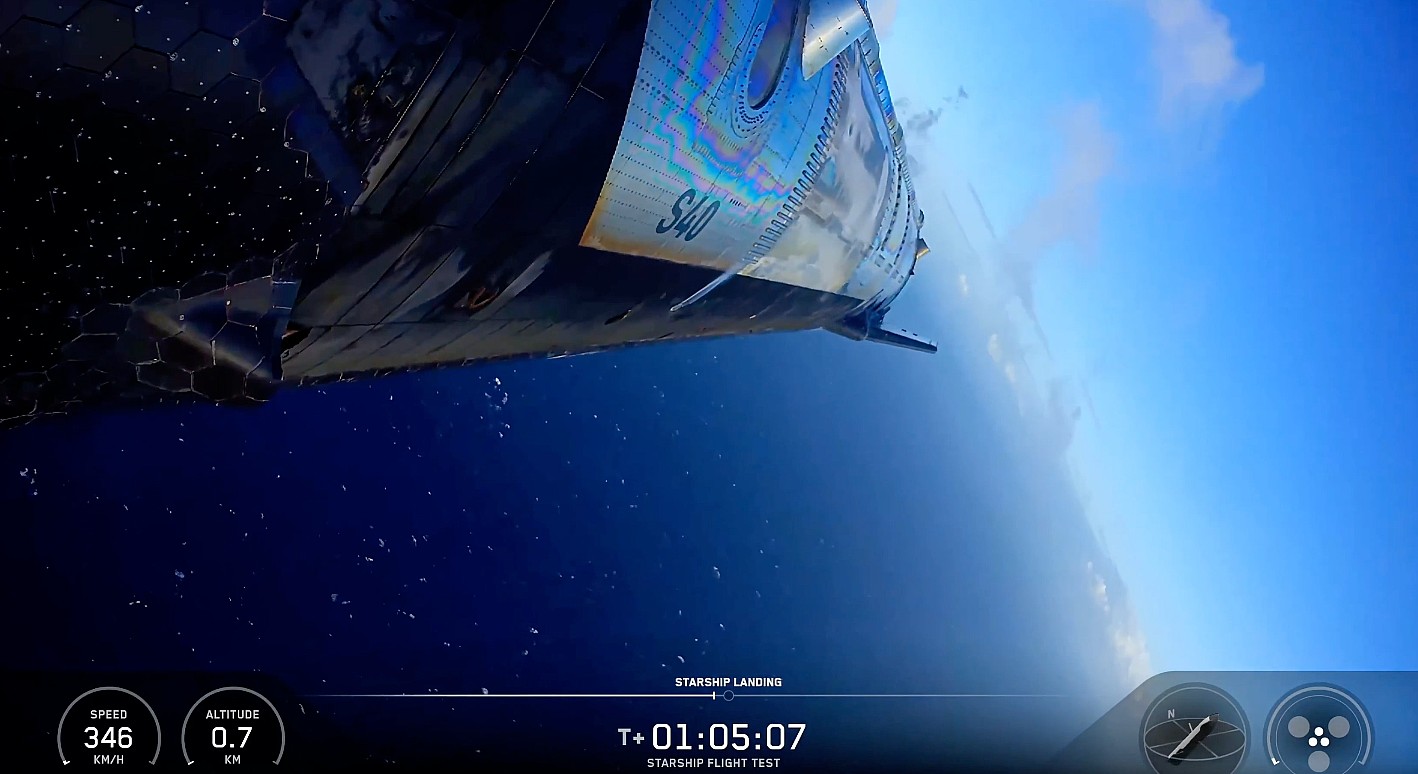
SpaceX has asked the Federal Communications Commission for permission to fly Starlink terminals during Starship’s fourteenth flight test, and the filing lays out a genuine trip to orbit, something the program has never attempted.
Every Starship flight so far, including Flight 13’s successful splashdown in the Indian Ocean on July 24, has flown a suborbital arc that ends with the ship reentering the atmosphere within the same hour it launches. The FCC paperwork describes a mission profile built around an actual orbital insertion instead.
The payload is the other half of the story. Flight 13 carried 20 production Starlink V3 satellites, but because that mission never reached orbit, the satellites reentered along with the ship rather than joining the constellation, something Teslarati covered in detail after SpaceX released footage shot from one of those satellites as it drifted away from Starship in space. Flight 14 is designed to close that gap. If the orbital insertion holds, the roughly 20 V3 satellites onboard would separate into an operational orbit and could eventually go into service, each one rated for about 1 terabit per second of downlink capacity by SpaceX’s own account.
SpaceX announces new Starbase for ‘thousands of Starship launches annually’
Elon Musk first flagged the orbital attempt during SpaceX’s August 4 earnings call, the company’s first as a public entity following its June IPO under the ticker SPCX. He also floated catching the ship with the Starbase tower on the same flight, an idea he walked back on August 20, saying the catch attempt would more likely come “in a few months,” as Teslarati reported at the time. Flight 14 will instead target a splashdown for the ship in the Indian Ocean, the same recovery method used since Flight 12.
Hardware has been catching up to the ambition. Booster 21 completed a full 33-engine static fire on August 28, and Ship 41 finished its own six-engine test the week before. An airspace briefing circulated to pilots on August 20 listed September 15 as the target date, later than the end of August window Musk mentioned on the earnings call, though SpaceX has not confirmed a launch date publicly and Starship schedules routinely slip while hardware and FAA paperwork line up.
The FCC filing itself does not guarantee a launch date. It covers communications authority, and not flight readiness, considering SpaceX still needs Ship 41 fully stacked and cleared by the FAA before Flight 14 can fly. But the filing is a real marker of intent and it puts a specific regulatory process behind what had so far only been Musk’s word on the earnings call.

Tesla’s surprise Roadster video hints the 2017 design is gone

Tesla Full Self-Driving release in the EU gets delayed


