News
Tesla Model Y demand in China remains stable despite price hike: report

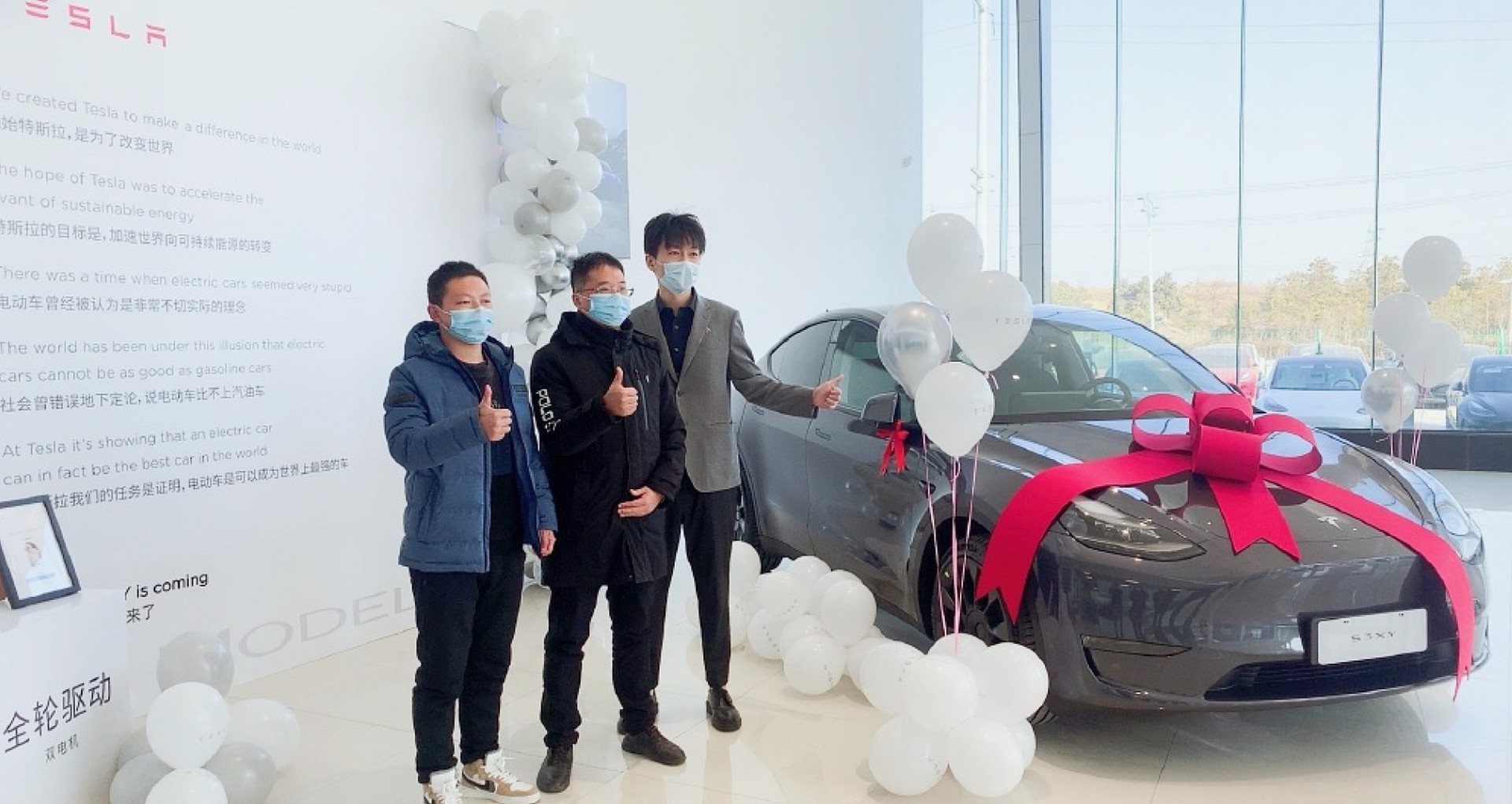
Tesla Model Y demand in China hasn’t changed much, even though the automaker raised the all-electric crossover price last week. New reports from Chinese media indicate that foot traffic in Tesla showrooms remains stable, despite the increased prices. The outlet also interviewed 20 potential buyers, who gave their insights regarding the potential purchase of the all-electric Model Y in the future.
Last week, Tesla increased the price of the two offered variants of the Model Y in China. The Dual Motor Long Range All-Wheel Drive increased from ¥339,900 to ¥347,900, while the Performance variant rose from ¥369,900 to ¥377,900. The ¥8,000 ($1,217) price increase was attributed to the Model Y’s increased demand in China, cracking into the top 3 in sales for the first time in February, just two months into its sales campaign in the country.
Despite the price increase in China, however, it does not scare potential buyers from coming in to check out the vehicle. News reports from Caijing, a Chinese media outlet, indicate that Tesla showrooms are experiencing normal amounts of foot traffic, even though the Model Y was bumped up in price by ¥8,000 last week. Several Shanghai-located Tesla showrooms were visited by reporters from Caijing, who indicated that there was no change in the number of people visiting showrooms. The visits were made over a period of two days: once on March 24th and another on March 27th.
Additionally, 20 potential buyers who were interested in the Model Y were interviewed by the Chinese outlet. 13 of them indicated they were willing to pay the additional ¥8,000 for the vehicle. Simultaneously, the other 7 said that they would consider buying the car and may place orders after the “price stabilized.”
After 8k CNY price hike, store foot traffic remains unchanged citing media report. Reporter visited Tesla stores in Shanghai multiple times between March 24 & 27. Out of 20 customers interviewed, 13 are willing to pay the difference & 7 may place orders after “price stabilized”. https://t.co/DvtByVYNO6 pic.twitter.com/Y2tKgjgcyp
— Ray4Tesla⚡️?☀️? (@ray4tesla) March 28, 2021
The report paints a clear picture of Tesla’s demand in China, a sustained and well-developed number that continues to improve over time. The Model Y, despite only being available in the market since January, broke into the top 3 in sales figures for February, only trailing the Wuling HongGuang Mini EV, the first-place car for the past six months in China, and the Model 3, the most popular electric car in China in 2020. The Model Y is likely set to be a large-scale contributor to Tesla’s ultimate growth in China, which Elon Musk has said will be the automaker’s largest market in the long-term.
“China in the long term will be our biggest market, both where we make the most number of vehicles and where we have the most number of customers,” Musk said. “I’d like to strike an optimistic note, and I’m very confident that the future of China is going to be great and that China is headed towards being the biggest economy in the world and a lot of prosperity in the future.”
Tesla’s growth in China also aligns with the government’s goal of being carbon neutral by 2060, a task that can only be reached by adopting sustainable forms of energy and transportation. “These are very aggressive goals, and I think they are great goals, and I wish other countries had these goals,” Musk said.


News
Tesla Robotaxi app update now tells riders if Cybercab is the better choice
Tesla’s Robotaxi app now shows ETAs, wait times and availability for Cybercab and Model Y.

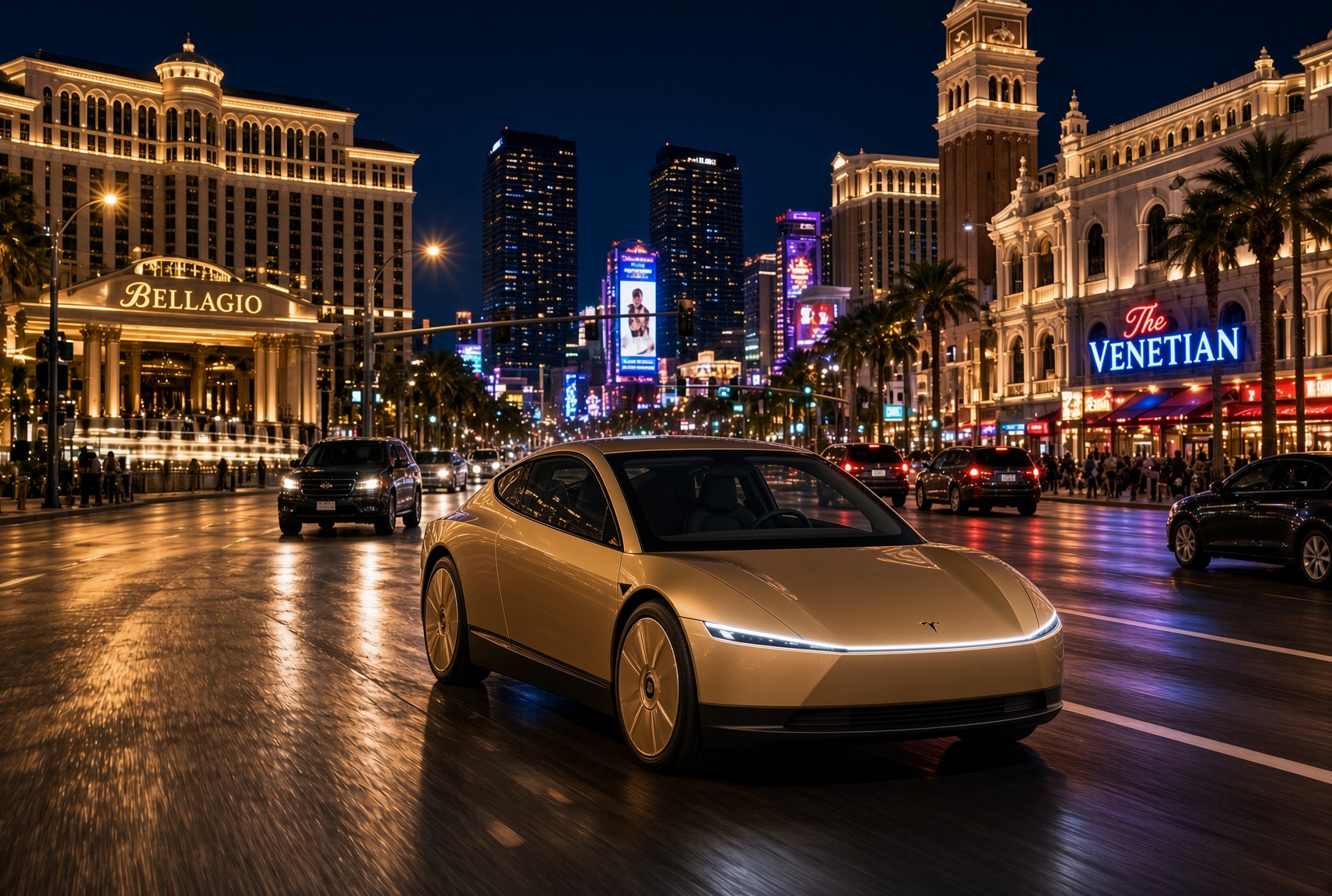
Tesla has rolled out a new vehicle selection screen in its Robotaxi app, and it puts the numbers riders care about most in front of them before they book.
Version 26.11.0 of the app shows the estimated arrival time, the expected wait and current availability for each vehicle option on a single screen, according to a video shared by @gheeunit on X on November 7. Riders deciding between a Cybercab and a Model Y Robotaxi can now compare those figures side by side instead of picking a car first and learning how long it will take afterward.
Tesla first gave riders that choice on September 3, the day paid Cybercab rides began in Austin. The original version of the screen listed the Cybercab, which seats two, next to the Model Y, which seats four. A later build, 26.8.2, added a seating capacity indicator so groups knew which car would fit them. What it did not show was whether choosing the Cybercab meant standing on the curb a few extra minutes.
Newest version of @robotaxi app has a new vehicle selector UI for choosing between Cybercab and Model Y and shows you the fare for both simultaneously! https://t.co/7qoDQ0vACX — mantequilla 🧈 (@gheeunit) November 7, 2026
That question matters more now than it did two months ago. Tesla had 45 Cybercabs on the Texas DMV roster when rides started. By late October the state listed 573, alongside 631 Model Ys, and community trackers logged a record 1,576 Cybercab sightings across Austin on Halloween alone. With two large fleets sharing one service area, the closest car and the quickest pickup are not always the same vehicle.
Inline availability also changes what happens when demand spikes. If no Cybercab is free nearby, the rider sees that on the selection screen rather than after trying to book one.
For now the comparison is mostly an Austin feature. Riders in Dallas, Houston, Fort Worth and the Florida markets are still matched with Model Y vehicles, though Tesla said on its third quarter earnings call that Cybercab rides would launch in Dallas this month.
The update follows a steady run of smaller changes to the rider experience. Late last month Tesla brought a quiet mode that blacks out the cabin screen to Model Y Robotaxis after first testing it in the Cybercab, and it has stretched Austin service to run from 6 a.m. to 2 a.m.
The Cybercab side of that selection screen is about to get much busier. Elon Musk said this week that Tesla will wind down Cybertruck production at Gigafactory Texas around the middle of 2027 to make room for more Cybercab output, and Tesla has said it is aiming to get Cybercabs to customers by the end of this year.
Tesla has not published official release notes for version 26.11.0.
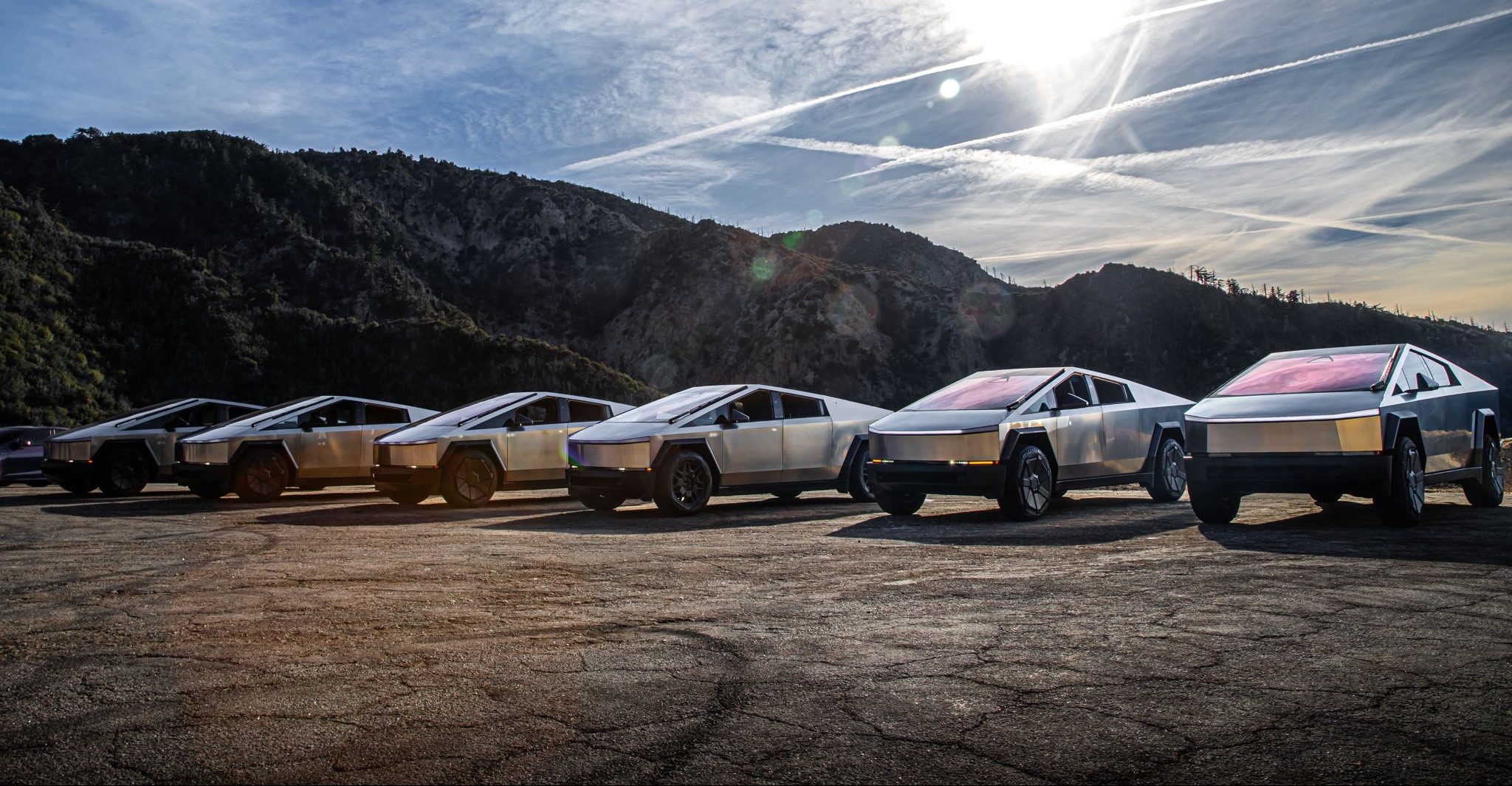
Tesla is ending Cybertruck production sometime in mid-2027, according to CEO Elon Musk.
Musk made the announcement on X last night, which came as a shock to many. He said that the Cybertruck will end production “to make room for increased Cybercab production” at Gigafactory Texas.
It is a huge blow to the fans of Tesla who have come to love the Cybertruck and identify with it as a symbol of their fandom. It has been the best-selling electric pickup, but it has had an underwhelming sales performance in terms of what was expected. This is mostly due to Tesla not meeting the prices it planned to offer the Cybertruck, as its unveiling and actual release were four years apart.
Tesla will be winding down production of the Cybertruck at Gigafactory Texas around the middle of next year to make room for increased Cybercab production
— Elon Musk (@elonmusk) November 6, 2026
Overall, the responses were mixed. Some fans understood the move toward Cybercab production, especially as Tesla is truly pushing the autonomous future through its Robotaxi platform. However, others did not understand it.
“Damn, how many Cybercabs do you guys need?” one response read. Another said it was “Sad but understandable.”Even analyst Gary Black had responded to the news, stating he hoped Tesla planned to replace it with a traditional pickup design.
It doesn’t seem like that will be the case.
Tesla is so hell-bent on delivering autonomy and eventually providing a driverless service that owning a car seems like an arbitrary idea, according to their thesis. Instead, Cybercabs will be available to pick you up and drop you off on demand, safely, without any human help.
As a result, Tesla has thinned its lineup considerably, and one can only ask where the vehicle lineup goes from here. Eventually, it seems like Cybercab could be the only vehicle that Tesla will sell.
Elon Musk
SpaceX’s next Starship flight set to make history on Friday the 13th
SpaceX is targeting Friday, November 13 for Starship Flight 15 and its first ship catch.
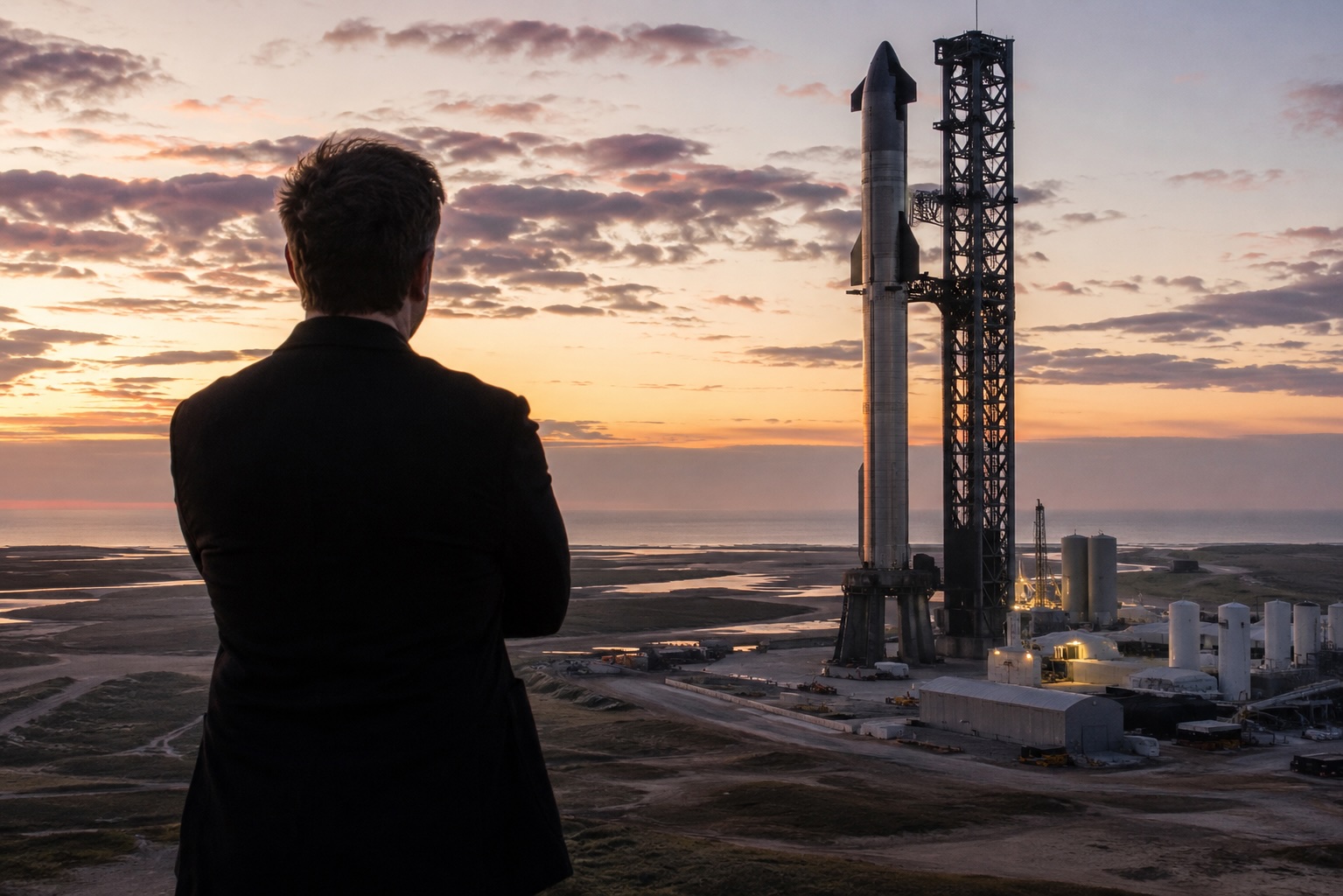
SpaceX is targeting Friday, November 13 for Starship Flight 15, the mission the company plans to use for its first attempt at catching the ship itself with the launch tower.
SpaceX Vice President of Launch Kiko Dontchev shared the date on stage at the UP.Summit on Thursday, according to Ars Technica’s Eric Berger, who was in attendance. It is the first launch target to come directly from a SpaceX executive. Until now, the public schedule had relied on FAA air traffic planning slides, which listed Flight 15 for no earlier than November 8 and later November 12. SpaceX has not posted an official mission page yet, and no launch time has been shared.
The date lands inside the window Elon Musk sketched out last month. Speaking at Giga Texas on October 10, Musk said the flight would “probably launch a little bit before Thanksgiving,” as Teslarati reported. On SpaceX’s third quarter earnings call ten days later, he confirmed that Flight 15 would try to catch both the Super Heavy booster and the ship, and put the odds of a successful ship catch at “more likely than not.” SpaceX also aired an animation of the maneuver during that webcast, showing the ship swinging vertical over Starbase before dropping into the tower’s chopsticks.
The hardware is ready. Booster 22 fired all 33 of its Raptor engines for a full duration static fire at Pad 2 on October 25. Ship 42 followed with a single engine burn simulating a deorbit maneuver on October 26 and a 60 second firing of all six engines the next day, according to NASASpaceflight. Ship 42 had already rehearsed the catch in September, when the Pad 2 arms lifted it into position and crews connected the quick disconnect arm while the vehicle hung from the tower.
The remaining hurdle is regulatory. The FAA’s Starship page does not yet list a Flight 15 license. SpaceX President Gwynne Shotwell said in October that, after “significant constructive engagement with the FAA,” she expects the license to cover a return to the launch site and a tower catch for both stages. Bringing the ship home means a reentry path that heads toward land, rather than ending over open ocean as every Starship flight so far has.
SpaceX has caught Super Heavy three times, on Flights 5, 7 and 8, but the ship comes back from orbital velocity and has never been caught. Flight 14 on September 28 was the first Starship to reach orbit, deploying 26 Starlink V3 satellites before splashing down despite an early engine shutdown that Musk blamed on engine computer software.
Musk has called a successful ship catch “the first time that there’s been full recovery of an orbital class rocket,” and he has already named the step after it: a Flight 16 where both the booster and the ship fly again. NASASpaceflight reports that Ship 43, the next vehicle in line, is set for static fire testing in December.

Tesla Robotaxi app update now tells riders if Cybercab is the better choice

Tesla is ending Cybertruck production


