Lifestyle
Boring Co’s “Loop Lift” elevator and tunnel concept are coming to life at SpaceX site

Elon Musk’s vision for an electric-powered elevator that would transport vehicles to and from a network of cost-effective, high-speed underground tunnels is quickly taking shape near SpaceX’s Hawthorne, CA headquarters.
The Boring Company released new images revealing a freshly painted tunnel in white and a shaft that’s being constructed on a private lot at 120th Street and Prairie Avenue, roughly at the halfway point of the tunneling startup’s underground 2-mile test tunnel. Dubbed O’Leary Station after Patrick O’Leary, a 13-year SpaceX veteran who transitioned in 2017 to become Structures Engineering Designer for The Boring Company, the location is part of a proof-of-concept that aims to demonstrate the efficiency of lowering vehicles into transportation systems, perhaps directly from a vehicle owner’s home garage.
It’s all part of Musk’s grander vision to counter “soul-destroying traffic”, where people either drive their vehicles or are lowered into underground tunnels in Urban Loop pods and then transported at high speed on electric skates. Prior to gaining permission from Hawthorne’s city council for the construction of a “Loop Lift” garage-elevator system at the SpaceX-adjacent testing grounds, The Boring Company highlighted the progress of development for its subterranean, electric transport system by sharing a video of a Tesla Model X being whisked away underground.
-
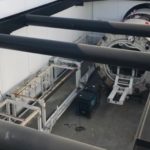
- The Boring Company has not only broken ground on its second phase in Los Angeles, but also is close to completing the first elevator depicted in a concept video last month. The system could cut 45 minute drives into five minutes. Source: The Boring Company
-
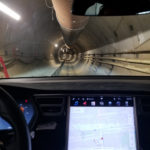
- A Tesla Model S inside a Boring Co. tunnel. [Credit: Elon Musk/Instagram]
The tunneling startup began construction of a tunnel entrance located directly across the street from SpaceX headquarters – Crenshaw Boulevard – in 2017. Not long after, a video showing a Tesla being lowered into the ground and images showing continued development of the tunnel walls pointed towards rapid progress at the test site. More importantly, ongoing research and development in the project would pave the way for future initiatives across the U.S., as the company looked to secure regulatory approval for city-scale projects in major metros like Chicago, New York, Philadelphia, and Baltimore.
Updated October 21, 2018: Shortly after we published this story, Elon Musk took to Twitter to confirm that The Boring Company is near completion of its first tunnel and will be holding a Boring Co. opening event on Monday, December 10, 2018.
The Boring Company’s recently shared photos are a good indicator that the various components in its proof-of-concept project are starting to come together. The photo of the 20-plus-ft-in-diameter hole in the ground, or tunnel shaft, is in the same residential location where Teslarati photographers Pauline Acalin and Tom Cross recently spotted excavation taking place. The location, now understood to be O’Leary Station, will be the site for The Boring Company’s “garage-elevator” concept, as well as a more convenient point access for maintenance and eventually the permanent removal of tunnel boring machine (TBM) segments.
-
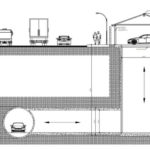
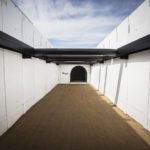
- The Boring Company’s proposed prototype garage. [Credit: The Boring Company]
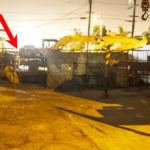
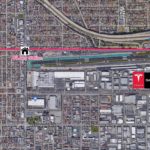
The concept elevator when complete will not be open to the public but instead used as an internal testbed for moving vehicles in and out of the private residence, which the company acquired. Cars would enter the tunnel from the SpaceX campus near Crenshaw Boulevard, move through the tunnel and on to the garage at O’Leary Station and then back to headquarters.
“It’s an important part of the longer-term vision the company is trying to build,” said The Boring Company spokesperson Jane Labanowski.
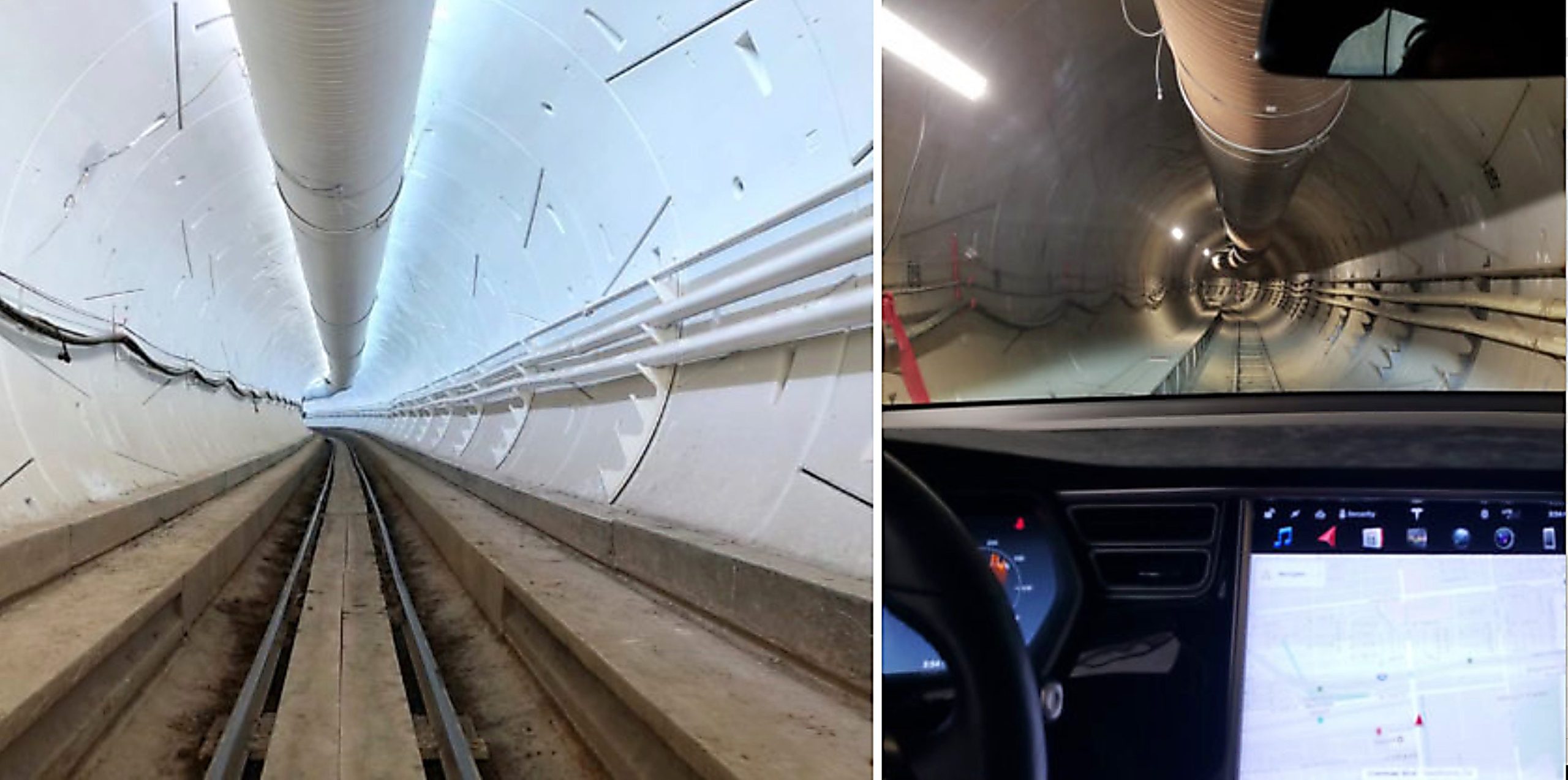
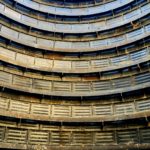
Before and after photos of the underground tunnel, which will be used to zip vehicles on platforms powered by electric motors, show a freshly painted inner wall in white.
-
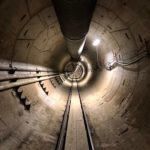
- The Boring Company’s tunnel under Hawthorne, CA. [Credit: The Boring Company/Twitter]
-
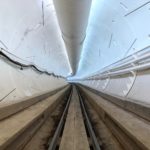
- Musk believes that TBC will finish its first test-tunnel in roughly six weeks, in early December. (TBC)
Photos of The Boring Company tunnel in July 2018 (left) and October 2018 (right)
The Boring Company looks to extend its tunneling project into the west side of Los Angeles and apply learnings from its test tunnel and streamline the process for tunnel building. Unlike traditional underground tunnels for passenger vehicles, Boring Co.’s tunnels will be smaller and able to maintain a vacuum in order to support Hyperloop transportation. Reducing the tunnel diameter by 50% will also reduce the cross-sectional area of the tunnel by a factor of four.
Musk noted in his speech at TED2017 that having a smaller tunnel just large enough for a vehicle will cut 75% of the time associated with digging, thereby introducing significant cost savings. The Boring Company’s tunnel boring machine will also look to install tunnel walls continuously while it digs, thus eliminating the need to pause operations and speeding up the process entirely.
https://www.youtube.com/watch?v=u5V_VzRrSBI


Elon Musk
Tesla eyes supply partners for Optimus mass production
Tesla certified three Chinese suppliers for Optimus mass production, signaling its robot timeline is accelerating.
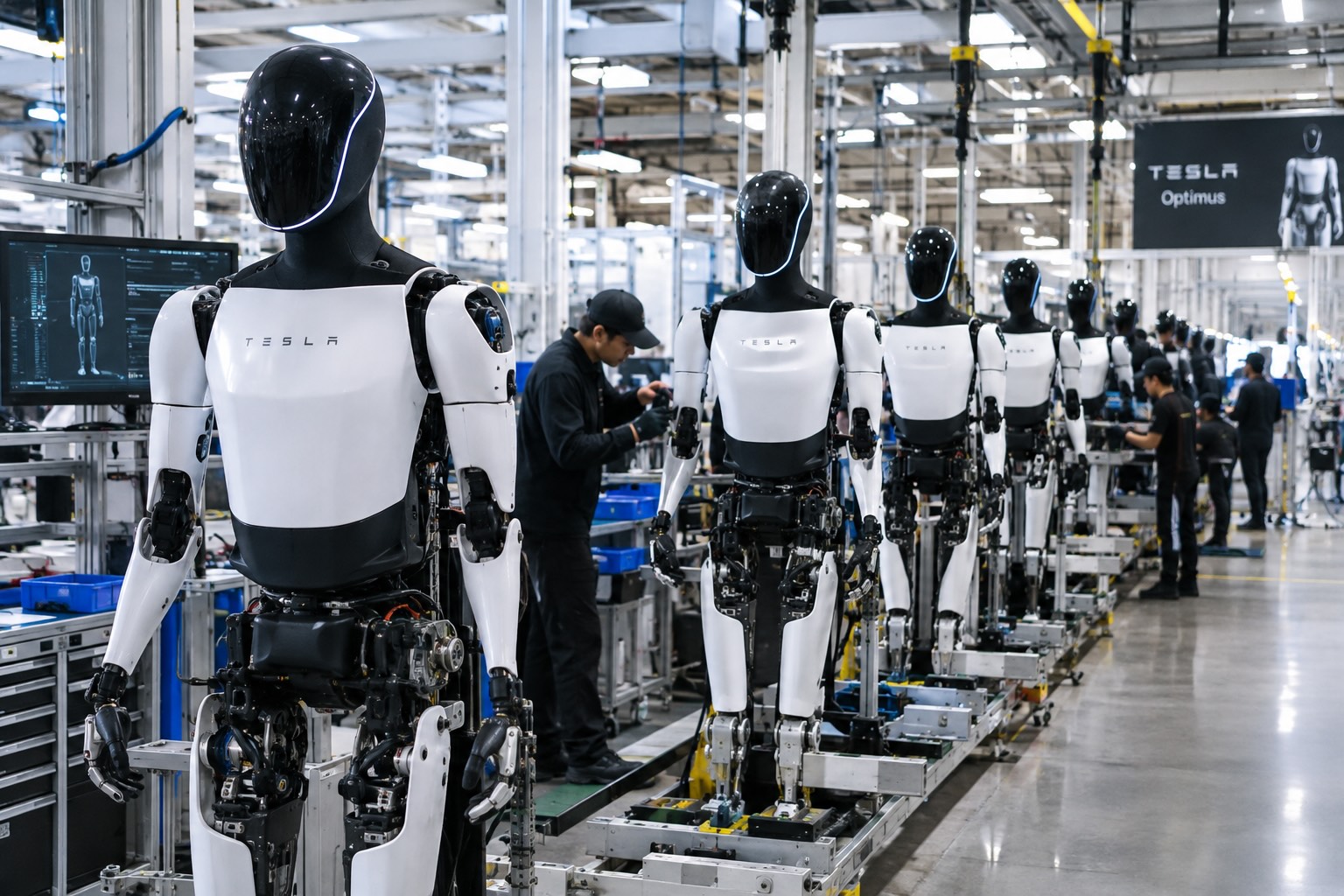
Tesla’s robotics team traveled to Ningbo, in China’s Zhejiang province, on September 16 and spent the following day auditing component suppliers for Optimus, according to a Bloomberg report cited by RobotAIGeek. The visit moved three manufacturers from provisional status to certified mass production partners: Tuopu Group, which handles actuators and chassis components, Ningbo Joyson Electronic, a sensor supplier, and Zhejiang Sanhua Intelligent Controls, which builds thermal management systems. All three already supply parts to Tesla’s electric vehicles, and the audit reportedly came with fresh orders that supply chain reports put at an initial batch of roughly 5,000 units.
Tuopu, Joyson, and Sanhua built their manufacturing base serving the automotive industry, where tolerances and volume requirements are already close to what a mass produced humanoid robot demands. Sanhua in particular has history here. Teslarati reported last October that the company had received a roughly $685 million order for linear actuators tied to Optimus, a volume industry watchers estimated could cover around 180,000 robots once production ramped.
Supply chain reports tied to this week’s audit put Tesla’s near term production goal at about 1,000 Optimus units a week by late September, rising to 2,000 to 2,500 units a week by the end of the year. That pace would put real weight behind the timeline Tesla has been building toward since May, when it wound down Model S and Model X production at Fremont to convert that floor space into a dedicated Optimus line targeting one million units annually. JPMorgan analysts who toured the factory in August confirmed the conversion took roughly four months, a pace Musk has called unprecedented for a facility that size.
New drone video shows Tesla’s Optimus Factory reaching a turning point
Fremont is only the first phase. A second, larger Optimus plant is rising at Gigafactory Texas, where drone footage shared by Joe Tegtmeyer last week showed the structural steel nearing completion on the north end of the building. Tesla has said that facility is meant to eventually support production of up to 10 million units a year, though volume output there is not expected before 2027.
Commercial sales of Optimus are still targeted for the second half of 2027, but production is expected to start well before then. JPMorgan analyst Rajat Gupta has said Tesla’s “Optimus Academy” program, which uses early units to collect real world training data inside Tesla’s own facilities, is expected to be running later this year. Bloomberg Intelligence analyst Ian Ma described the Ningbo audits as “a positive commercialization signal for China’s humanoid supply chain,” noting that sentiment could improve further if the visit leads to confirmed supplier nominations and larger orders. The Solactive China Humanoid Robotics Index rose about 1.4% on the news, though it remains down roughly 30% for the year.
Elon Musk
Tesla primes Cybercabs for 4K streaming and high bandwidth gaming with Starlink integration
Tesla is now shipping Cybercabs from Giga Texas with Starlink hardware built in as standard.
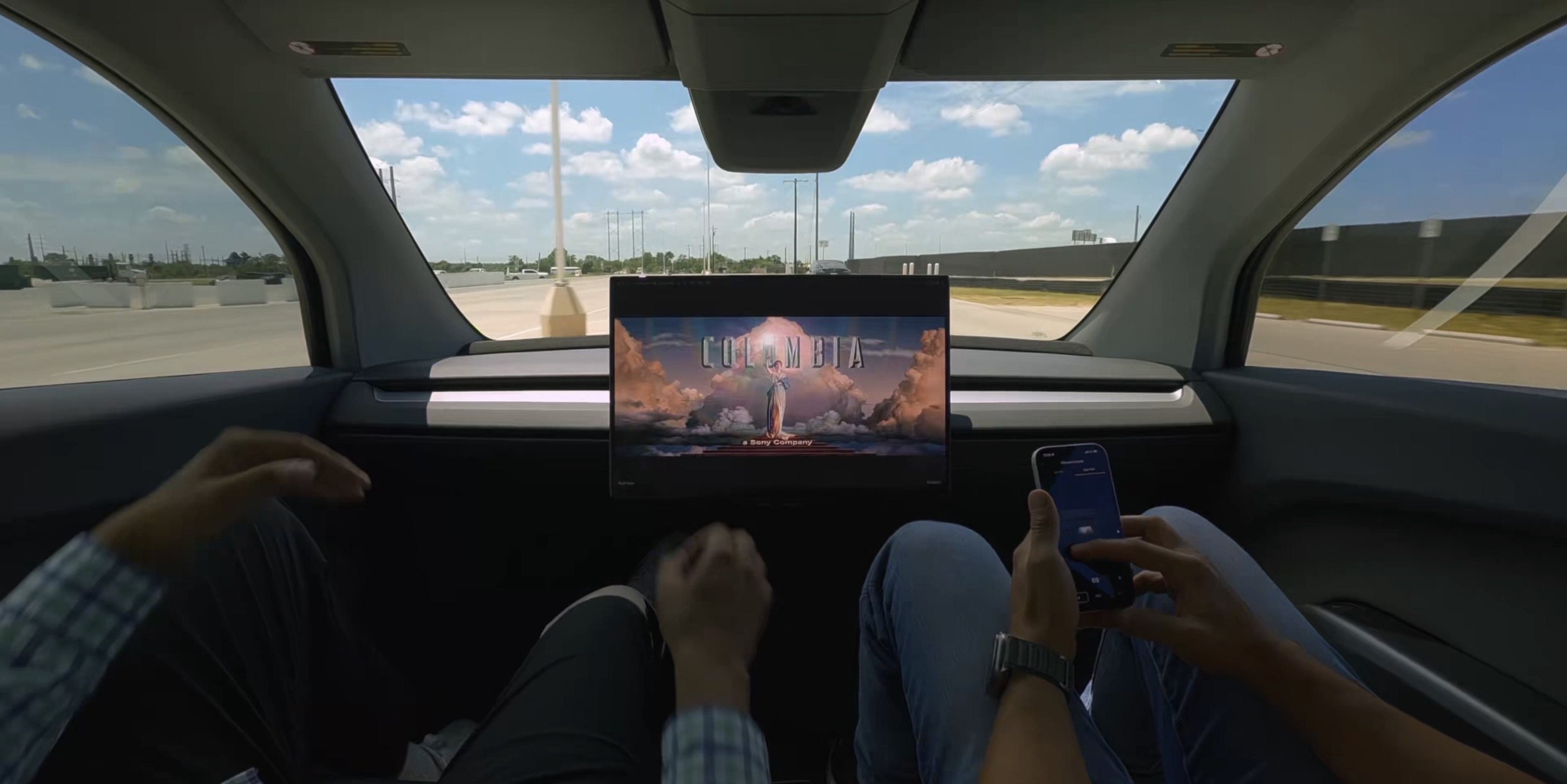
Tesla’s Cybercabs are now leaving Gigafactory Texas with Starlink hardware on the rear hatch in significant numbers, according to drone footage captured Tuesday by longtime Austin drone observer Joe Tegtmeyer. Production at the factory ramped back up after the Labor Day weekend, and his flyover of the outbound lot showed rows of gold Cybercabs alongside Model Y Long Wheelbase units, many carrying the satellite module for the first time as standard equipment rather than a one off retrofit.
Giga Texas today is busy with production coming back up following the long weekend. Of interest today in the outbound lot is the appearance of hundreds of Mode; YL’s and many more Cybercabs and for the 1st time equipped with the Starlink module one the hatch in big numbers.
At… pic.twitter.com/G9yl6s51m4
— Joe Tegtmeyer 🚀 🤠🛸😎 (@JoeTegtmeyer) September 8, 2026
Tesla first showed Starlink built into an actual Cybercab on August 10, when the Robotaxi account posted images of a single gold unit with the antenna integrated into the roofline above the taillights and called it the first Cybercab with Starlink integration. That followed a July reveal where Tesla and Starlink jointly posted a cutaway diagram of the antenna placement without a working vehicle to back it up. Ashok Elluswamy, Tesla’s VP of AI software, said at the time that the connection isn’t required for the car to drive itself. It exists mainly for navigation, customer service and keeping tabs on the fleet.
Musk has made a different case in public. During Tesla’s Q2 earnings call, he said the company can’t afford robotaxis stranded in what he called “Bermuda Triangles of lack of cellular connectivity,” and he separately claimed on X that Starlink will eventually reach every Tesla built, calling it the only way to deliver high bandwidth to billions of vehicles. He has also pitched the antenna as an entertainment upgrade, telling riders they would be able to stream 4K video or play games during a trip.
The rollout has moved fast since. Robotaxi service opened to the public in Austin on September 3, and Cybercabs had already been spotted with Starlink hardware in Houston and near Miami International Airport in the weeks before Tuesday’s factory footage showed the module shipping at volume rather than on scattered test units. Whether the satellite link earns its keep is still an open question. Tesla’s unsupervised service currently runs in dense metro geofences in Texas and Florida, markets where cellular coverage is already strong, which is not where the rural dead zones Musk describes tend to show up.
Lifestyle
Tesla Cybertruck targets job site crews with new Tailgate Utility Track and Bed Gear Box accessory
Tesla launched a $350 tailgate track and a $985 lockable Bed Gear Box for Cybertruck.
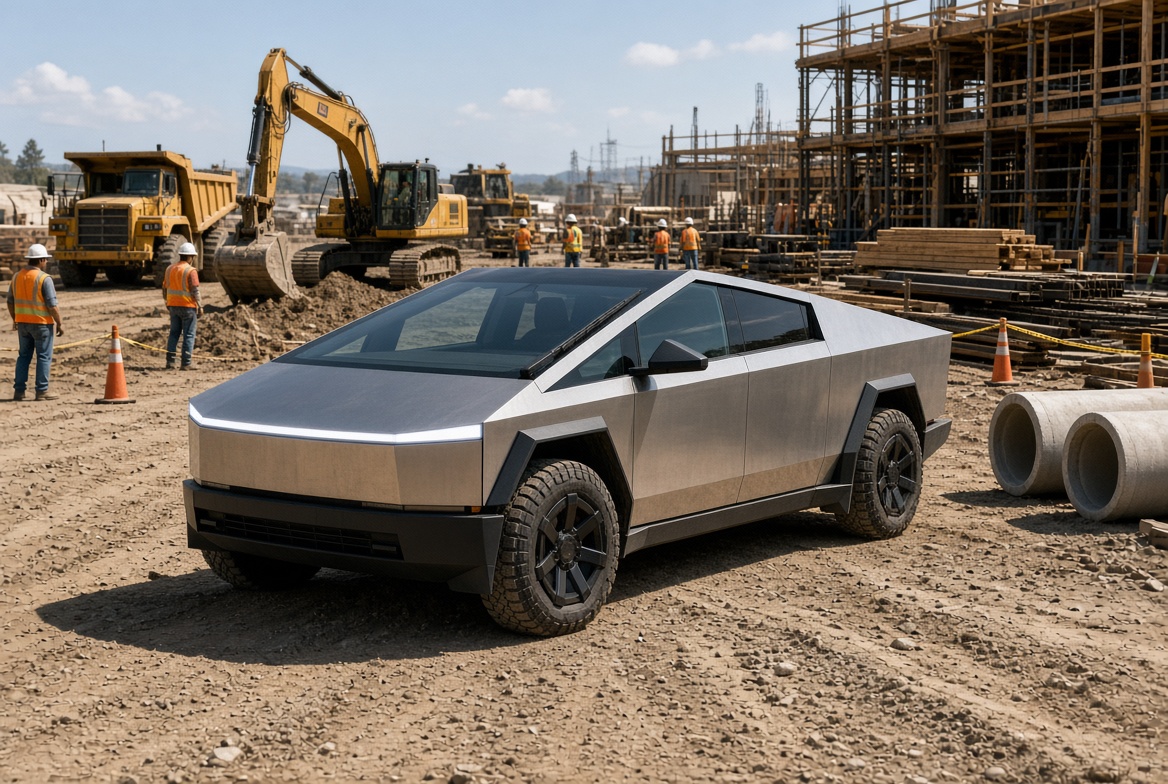
Tesla’s Cybertruck team added two more items to the Tesla Shop, targeting job site crews and owners who use the truck bed for actual work rather than just showing it off. The official Cybertruck X account posted the Tailgate Utility Track and the Bed Gear Box within minutes of each other, part of a five item batch that also included a reflective jacket, a spray paint hat and an updated reflective tee.
The Tailgate Utility Track runs $350 and turns the folded down tailgate into another mounting surface. It’s a single aluminum track with a T-slot for sliding accessories and two L-track attachment points, plus two load stops included in the box. The pitch is straightforward: strap down oversized cargo, like lumber or a cooler, that hangs off the back of the bed without it sliding out mid-drive. It bolts onto the existing tailgate and works on every Cybertruck trim.
Tailgate Utility Trackhttps://t.co/PCAYXlFBvS pic.twitter.com/sCV2NVxf1W
— Cybertruck (@cybertruck) September 3, 2026
The Bed Gear Box costs $985 and is a different kind of accessory. It’s a lockable aluminum storage box, 55.78 inches long, 19.8 inches wide and 7.79 inches tall, that mounts to the bed’s L-track rails and comes with two internal bins for smaller items. According to Tesla, at just over 57 pounds empty, it’s meant to stay in place rather than come in and out with each trip, giving owners a factory-fit alternative to loose totes for tools, recovery gear or emergency supplies. Tesla’s listing notes that Long Range and Dual Motor AWD Cybertrucks need the L-Tracks accessory installed separately before the Gear Box will mount, since L-tracks come standard only on certain configurations.
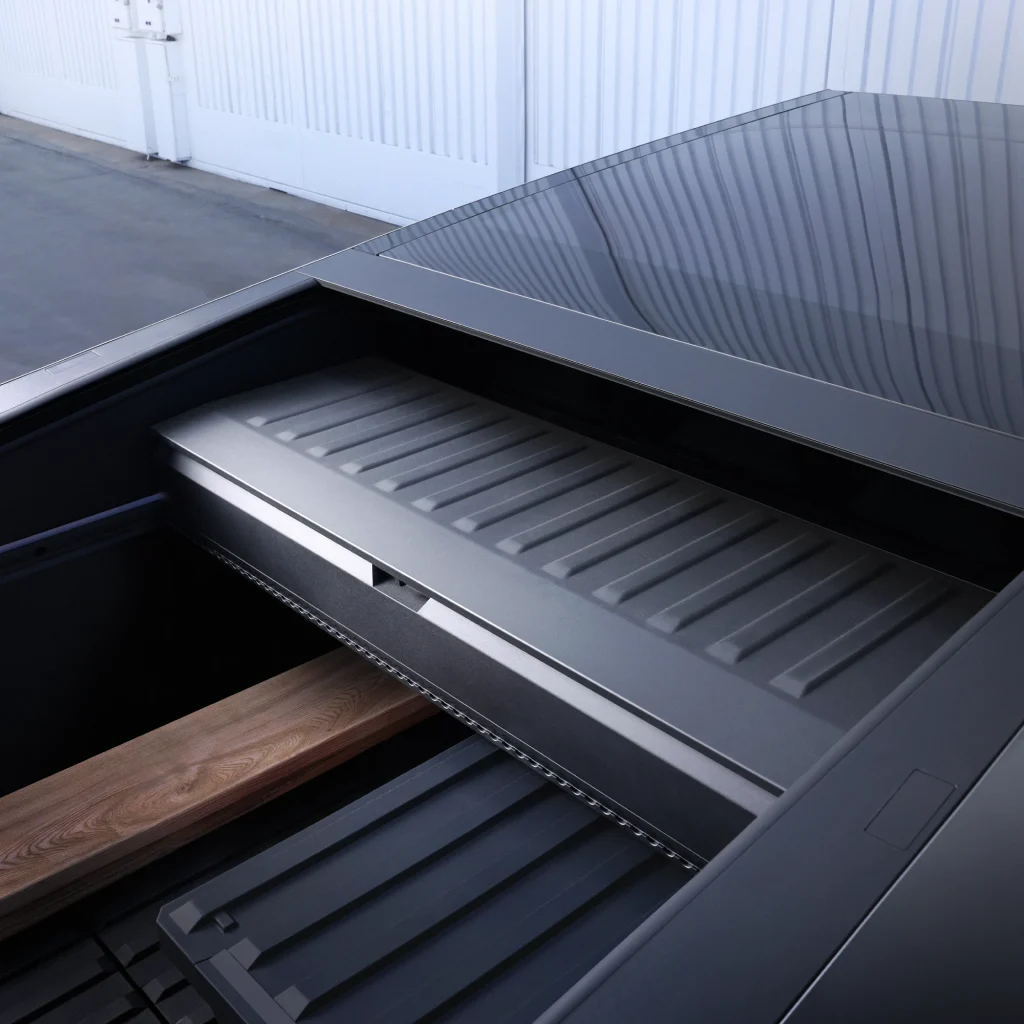
Tesla Cybertruck bed gear box accessory
Both accessories lean on the idea Tesla has been building toward since Elon Musk first described the Cybertruck’s third-party attachment strategy at the 2023 shareholder meeting, when he said the truck would ship with mounting points so outside companies, and Tesla itself, could keep adding gear without redesigning the bed. That’s the same L-track backbone underneath the tailgate shield and jumpseats Tesla launched last year, and the off-road armor package that arrived through the same X account in 2025.
Owners looking to round out the rest of the L-track ecosystem, cargo dividers, MOLLE panels, bed racks and similar gear, can find a wider range of options through our Cybertruck accessories collection.

Tesla eyes supply partners for Optimus mass production

Elon Musk’s next Uranium in Uranus merch is Boring Company’s weirdest tease yet


