News
Tesla confirms that 100% of its scrapped batteries are recycled and 0% end up in landfills

Tesla’s business is built on the strength of the company’s battery innovations. From the days of the original Roadster to the launch of the Model S Plaid this year, it was evident that Tesla’s battery technology is a critical factor that allows the company to maintain its lead against competitors in the sustainable transportation market.
Batteries, however, still tend to attract criticism, and a key talking point for anti-EV groups usually includes claims about how batteries could not be recycled. This idea was soundly debunked by Tesla in its 2020 Impact Report, with the company stating that 100% of its scrapped batteries are recycled, and 0% end up in landfills. In the recently-released document, Tesla stated that it had established an internal ecosystem to re-manufacture batteries coming from the field to Tesla service centers.
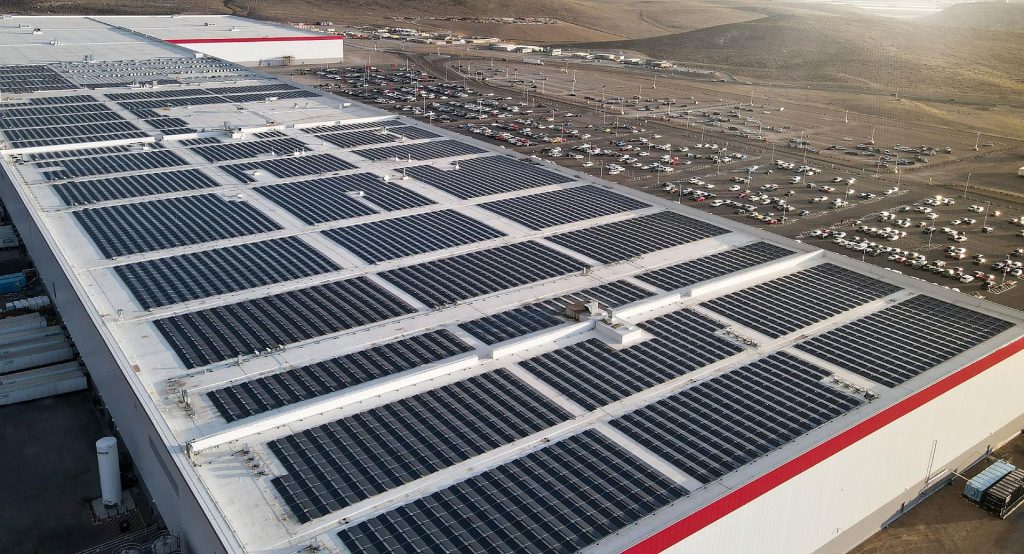
What is quite interesting is that most batteries that Tesla receives today are still pre-consumer, which means that they usually come through R&D and quality control. Batteries that have been deployed to the consumer, such as those used in vehicles like the Model S and products like the Powerwall, are still going strong today. As such, Tesla only receives a very limited number of these batteries from the field, and they tend to be from vehicles that have seen extensive use, such as taxis.
With Tesla focusing a lot of its efforts on battery recycling, the company is looking to eventually attain a closed-loop system. Onsite battery recycling facilities in the company’s battery production sites are then crucial to attain this goal. Tesla added that once battery recycling is achieved at scale, it could push the envelope for its products even further.
“While Tesla has worked for years with third-party battery recyclers to ensure our batteries do not end up in a landfill, we understand the importance of also building recycling capacity in-house to supplement these relationships. Onsite recycling brings us one step closer to closing the loop on materials generation, allowing for raw material transfer straight to our nickel and cobalt suppliers. The facility knocks the cycle of innovation for battery recycling at scale, allowing Tesla to rapidly improve current designs through operational learnings and to perform process testing of R&D products,” Tesla wrote.
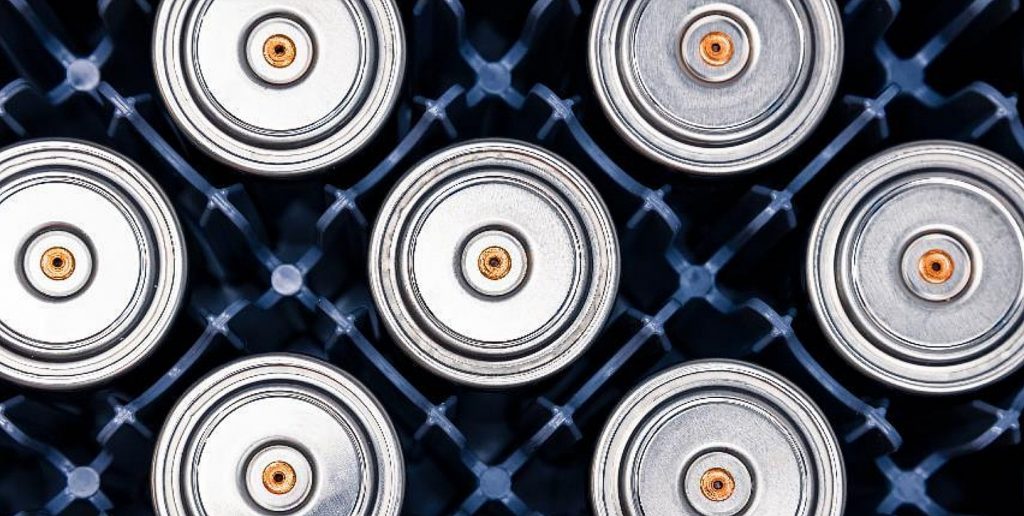
Tesla’s battery recycling efforts all but confirm that facilities like Gigafactory Berlin and Gigafactory Texas — factories that would have their own battery production site — would have a dedicated battery recycling plant onsite as well. And the more Tesla’s battery recycling systems improve, the more cost-effective the company’s operations would become.
“As the manufacturer of our in-house cell program, we are best positioned to recycle our products efficiently to maximize key battery material recovery. With the implementation of in-house cell manufacturing at Gigafactory Berlin-Brandenburg and Gigafactory Texas, we expect substantial increases in manufacturing scrap globally. We intend to tailor recycling solutions to each location and thereby re-introduce valuable materials back into our manufacturing process.
“Our goal is to develop a safe recycling process with high recovery rates, low costs and low environmental impact. From an economic perspective, we expect to recognize significant savings over the long term as the costs associated with large-scale battery material recovery and recycling will be far lower than purchasing additional raw materials for cell manufacturing,” Tesla explained.
Don’t hesitate to contact us with news tips. Just send a message to tips@teslarati.com to give us a heads up.


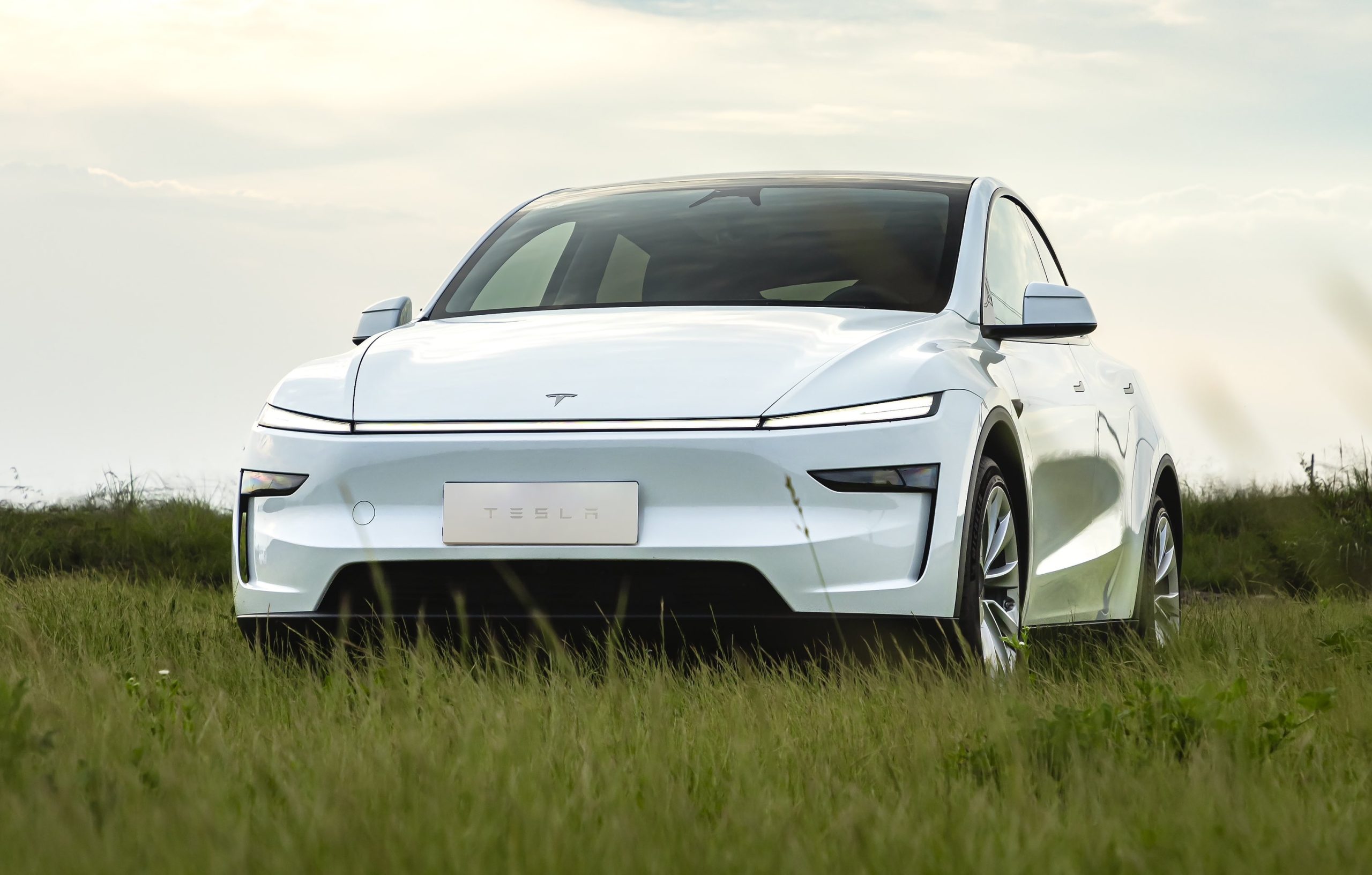
Tesla just raised Model Y prices for the first time in two years, with the largest increase being $1,000.
The move signals shifting dynamics in the competitive electric vehicle market as the company continues to work on balancing demand, profitability, and accessibility.
The new pricing affects premium trims while leaving entry-level options unchanged. The Model Y Premium Rear-Wheel Drive (RWD) now starts at $45,990, a $1,000 increase.
The Model Y Premium All-Wheel Drive (AWD)—previously referred to in the post as simply “Model Y AWD”—rises to $49,990, also up $1,000. The top-tier Model Y Performance sees a more modest $500 bump, bringing its starting price to $57,990.
Tesla Model Y prices just went up:
New prices:
🚗 Model Y Premium RWD: $45,990 – up $1,000
🚗 Model Y AWD: $49,990 – up $1,000
🚗 Model Y Performance: $57,990 – up $500 https://t.co/e4GhQ0tj4H pic.twitter.com/TCWqr3oqiV— TESLARATI (@Teslarati) May 16, 2026
Base models remain untouched to preserve affordability. The entry-level Model Y RWD holds steady at $39,990, and the base Model Y AWD stays at $41,990. This selective approach keeps the crossover accessible for budget-conscious buyers while extracting more revenue from higher-margin configurations.
After years of aggressive price cuts to stimulate volume amid slowing EV adoption and rising competition from rivals like BYD, Ford, and GM, Tesla appears confident in underlying demand. Recent lineup refreshes for the 2026 Model Y, including refreshed styling and efficiency gains, have helped maintain its status as America’s best-selling EV.
By protecting base prices, Tesla avoids alienating price-sensitive customers while improving margins on the more popular variants.
Tesla Model Y ownership review after six months: What I love and what I don’t
For consumers, the changes are relatively modest—under 3% on affected trims—and still position the Model Y competitively against gas-powered SUVs in the same class. Federal tax credits and potential state incentives may further offset costs for eligible buyers.
This marks a subtle but notable shift from the deep discounting era that defined much of 2024 and 2025. As the EV market matures into 2026, Tesla’s pricing strategy will be closely watched for clues about production ramps, new variants like the rumored longer-wheelbase Model Y, and broader profitability goals.
In short, today’s adjustment reflects a company that remains dominant yet pragmatic—willing to test higher pricing where demand supports it. It is unlikely to deter consumers from choosing other options.
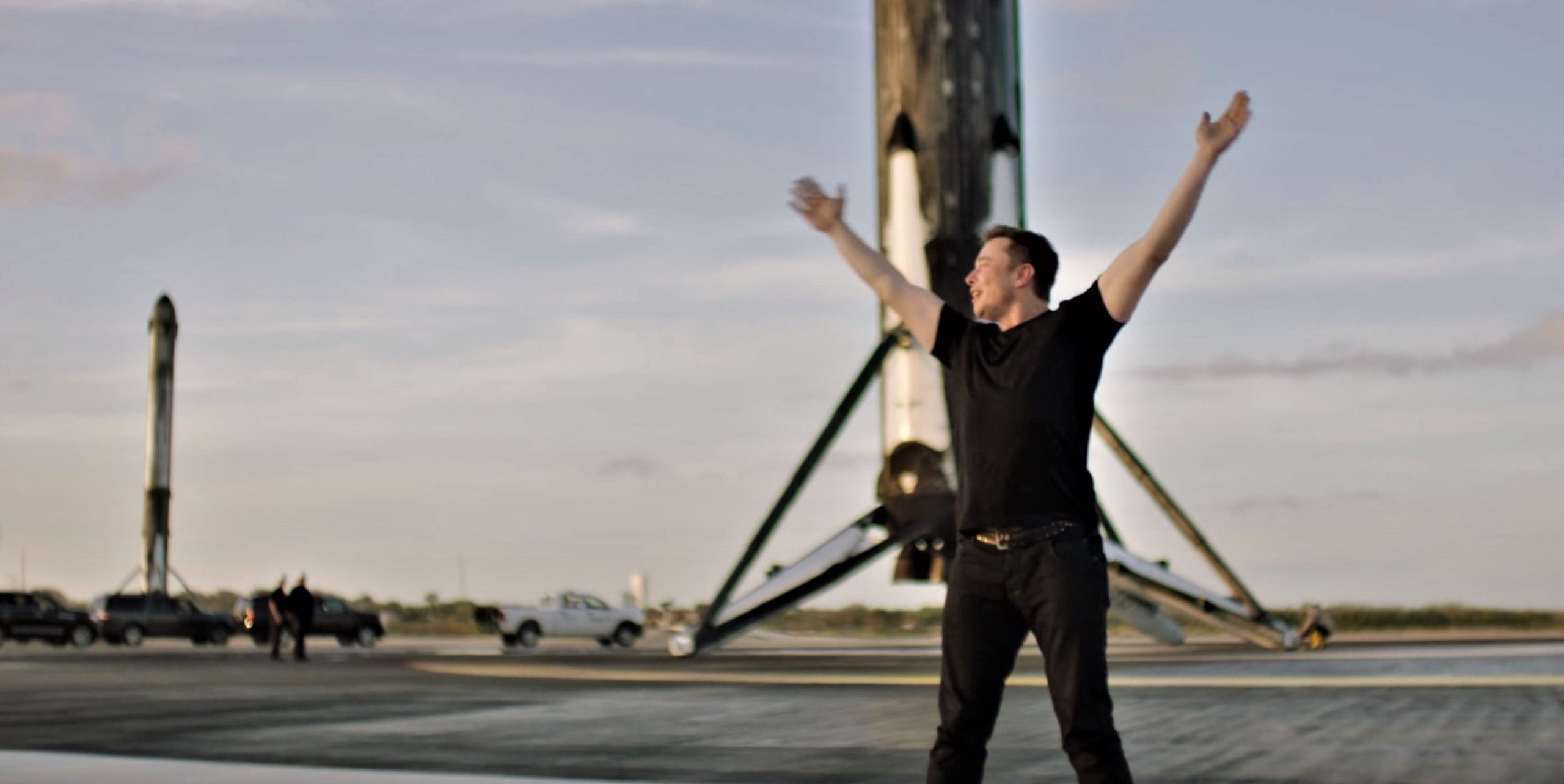
Elon Musk cannot be fired from SpaceX, and there’s a reason for that.
In a blunt post on X on Friday, Elon Musk confirmed plans to structurally shield his leadership at SpaceX, ensuring he cannot be fired while tying a potential trillion-dollar compensation package to the company’s long-term goal of establishing a self-sustaining colony on Mars.
Yes, I need to make sure SpaceX stays focused on making life multiplanetary and extending consciousness to the stars, not pandering to someone’s bullshit quarterly earnings bonus!
Obviously, IF SpaceX succeeds in this absurdly difficult goal, it will be worth many orders of…
— Elon Musk (@elonmusk) May 15, 2026
The revelation stems from a Financial Times report detailing SpaceX’s intention to restructure its governance and compensation framework. The moves are designed to protect Musk’s control and align his incentives with the company’s founding mission rather than short-term financial pressures. Musk’s reply left no ambiguity:
“Yes, I need to make sure SpaceX stays focused on making life multiplanetary and extending consciousness to the stars, not pandering to someone’s bullshit quarterly earnings bonus!”
He added that success in this “absurdly difficult goal” would generate value “many orders of magnitude more than the economy of Earth,” though he cautioned that the journey will not be smooth. “Don’t expect entirely smooth sailing along the way,” Musk wrote.
The strategy reflects Musk’s deep concerns about how public-market expectations could derail SpaceX’s core objective. Founded in 2002, SpaceX has repeatedly stated its purpose is to reduce the cost of space travel and ultimately make humanity a multiplanetary species.
Unlike Tesla, which went public in 2010 and has faced repeated battles over Musk’s compensation and board influence, SpaceX remains privately held. Musk has long resisted taking the rocket company public precisely to avoid the quarterly earnings treadmill that forces most CEOs to prioritize short-term stock performance over ambitious, high-risk projects.
By embedding protections against his removal and linking any outsized pay package to verifiable milestones—such as a functioning Mars colony—SpaceX aims to insulate its leadership from activist investors or board members who might demand faster profits or safer bets.
Musk has referenced past experiences, including his ouster from OpenAI and shareholder lawsuits at Tesla, as cautionary tales. In those cases, he argued, external pressures risked diluting the original vision.
Critics may view the arrangement as excessive, especially given Musk’s already substantial voting power and wealth. Supporters, however, argue it is a necessary safeguard for a company pursuing goals measured in decades rather than quarters. Achieving a Mars colony would require sustained investment in Starship development, orbital refueling, life-support systems, and in-situ resource utilization—technologies that may deliver no immediate financial return.
Musk’s post underscores a broader philosophical point: true breakthrough innovation often demands tolerance for volatility and a willingness to ignore conventional business wisdom. As SpaceX prepares for increasingly ambitious Starship test flights and eventual crewed missions, the new governance structure signals that the company’s North Star remains unchanged—humanity’s expansion beyond Earth.
Whether the trillion-dollar package materializes depends on execution, but Musk’s message is clear: SpaceX exists to reach the stars, not to chase the next earnings beat. For investors or employees who share that vision, the protections are not a perk—they are a prerequisite for success.
News
Tesla discloses two Robotaxi crashes to NHTSA
Newly unredacted data filed with the National Highway Traffic Safety Administration (NHTSA) reveals the two incidents.

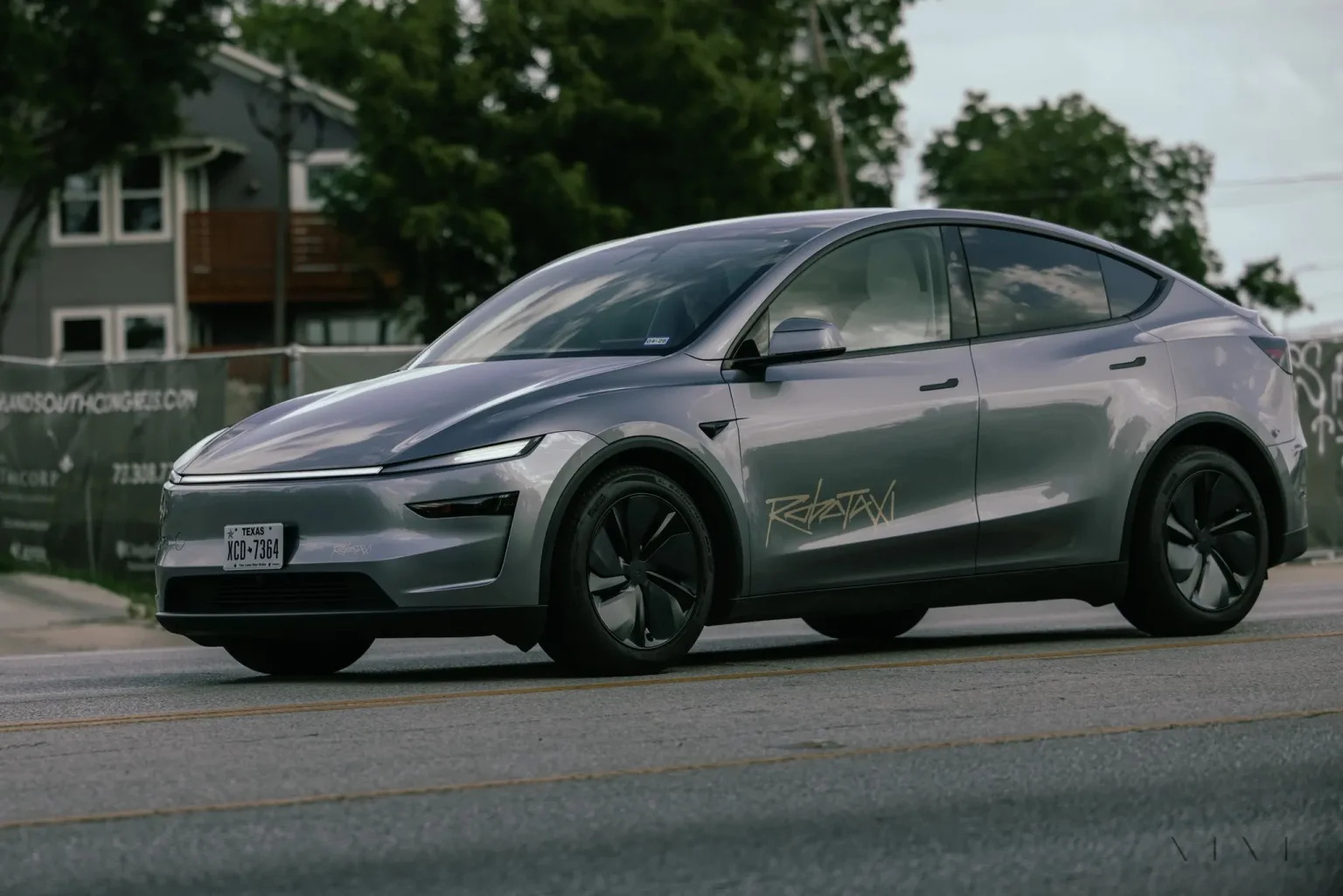
Tesla has disclosed information on two low-speed crashes that occurred in Austin with its Robotaxi platform. These incidents occurred with teleoperators steering the vehicle, and there were no passengers in the car at the time they happened.
Newly unredacted data filed with the National Highway Traffic Safety Administration (NHTSA) reveals the two incidents.
The first crash took place in July 2025, shortly after Tesla launched its nascent Robotaxi network in Austin. The ADS reportedly struggled to move forward while stopped on a street. A teleoperator assumed control, gradually accelerating and turning left toward the roadside. The vehicle then mounted the curb and struck a metal fence.
In the second incident, in January 2026, the ADS was traveling straight when the safety monitor requested navigation support. The teleoperator took over from a stop, continued forward, and collided with a temporary construction barricade at approximately 9 mph, scraping the front-left fender and tire.
Tesla Robotaxi service in Austin achieves monumental new accomplishment
Tesla has previously told lawmakers that teleoperators are authorized to pilot vehicles remotely—but only at speeds below 10 mph, as the only maneuvers they were approved to perform were repositioning in awkward areas.
“This capability enables Tesla to promptly move a vehicle that may be in a compromising position, thereby mitigating the need to wait for a first responder or Tesla field representative to manually recover the vehicle,” the company stated in filings earlier this year.
Before this week, Tesla redacted the NHTSA reports, but they decided to reveal all 17 Robotaxi incidents recorded since the launch in Austin last Summer. Most of the other crashes involved the Tesla being struck by other road users and were not caused by the self-driving suite itself.
There were other incidents, including two additional self-caused accidents involving the ADS clipping side mirrors on parked cars. In September 2025, one Robotaxi struck a dog that darted into the roadway (the dog escaped unharmed), while another made an unprotected left turn into a parking lot and hit a metal chain.
Although Waymo and Zoox have reported more total crashes, Tesla operates at a far smaller scale. The cautious pace reflects the company’s broader safety concerns; it has been very slow with the Robotaxi rollout to ensure the suite is ready for operation.
Last month, CEO Elon Musk acknowledged that “making sure things are completely safe” remains the primary bottleneck to expanding the network, describing the company’s approach as “very cautious.”
The unredacted filings arrive amid heightened regulatory scrutiny of autonomous vehicles. NHTSA recently closed a separate probe into Tesla’s Full Self-Driving software repeatedly striking parking-lot obstacles such as bollards and chains—a problem that also prompted a recall at Waymo last year.
Tesla Robotaxi has been a widely successful program in its early days of operation, and the transparency Tesla brings here is greatly appreciated. Incidents will happen, of course, but the honesty gives customers and regulators a sense of where Tesla is in terms of developing its self-driving and fully autonomous ride-hailing suite.

Tesla Model Y prices just went up for the first time in two years

Elon Musk explains why he cannot be fired from SpaceX


