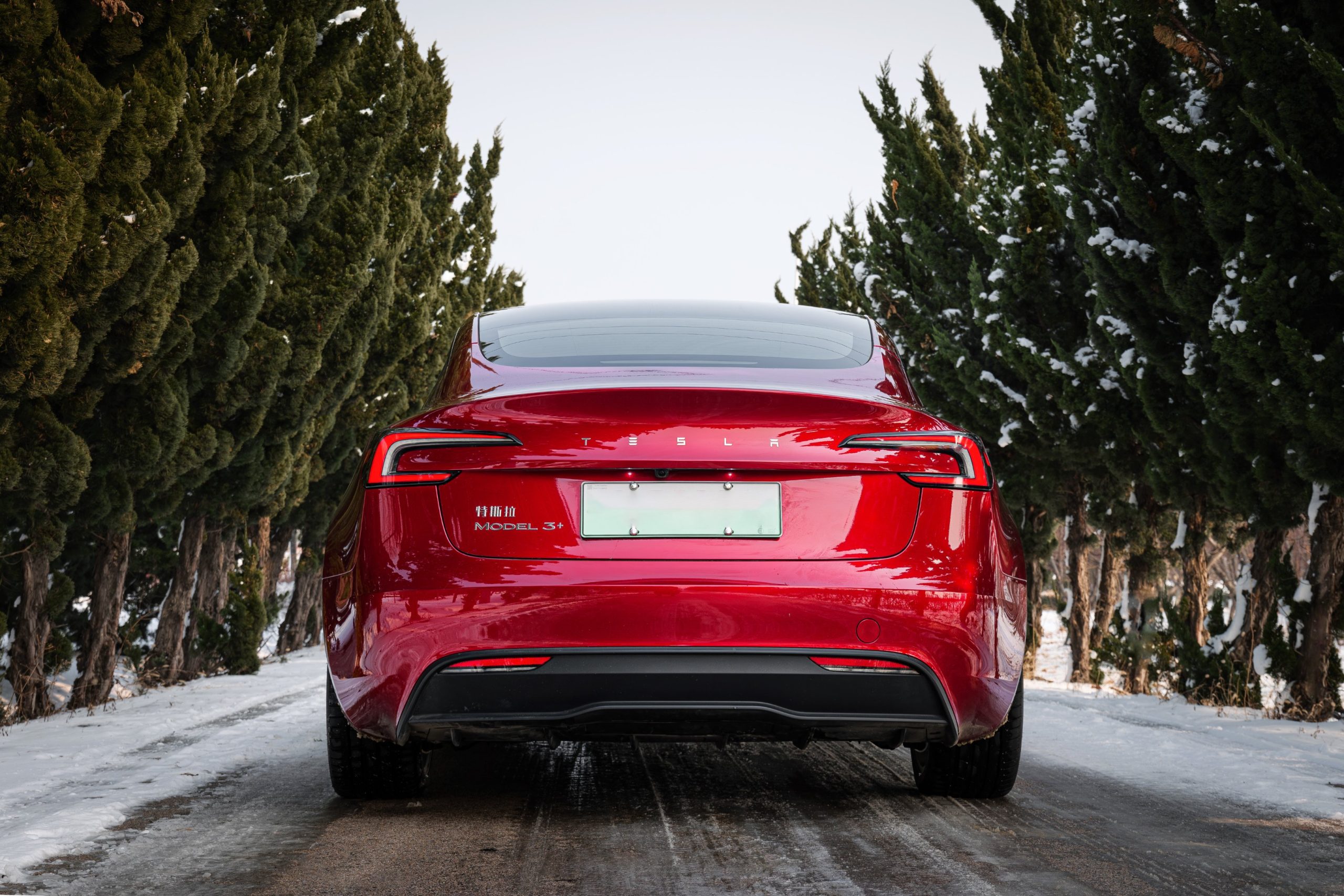
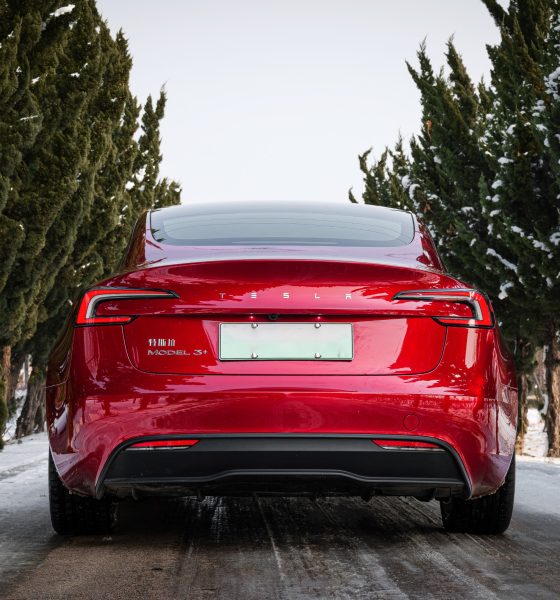

Tesla China has implemented a round of price cuts for the Giga Shanghai-made Model 3 sedan and Model Y crossover. As can be seen in the two vehicles’ official order pages, both versions of the upgraded Model 3 and two variants of the Model Y were affected by the recent price adjustments.
Tesla is among the world’s largest electric vehicle makers. It is also one of the rare EV makers today that is making substantial profit from its electric cars. Tesla China’s price cuts for the Model 3 and Model Y could then be seen as a way for the electric vehicle maker to assert itself in the domestic Chinese market. China, after all, is the world’s largest electric car market, but it is also the most competitive.
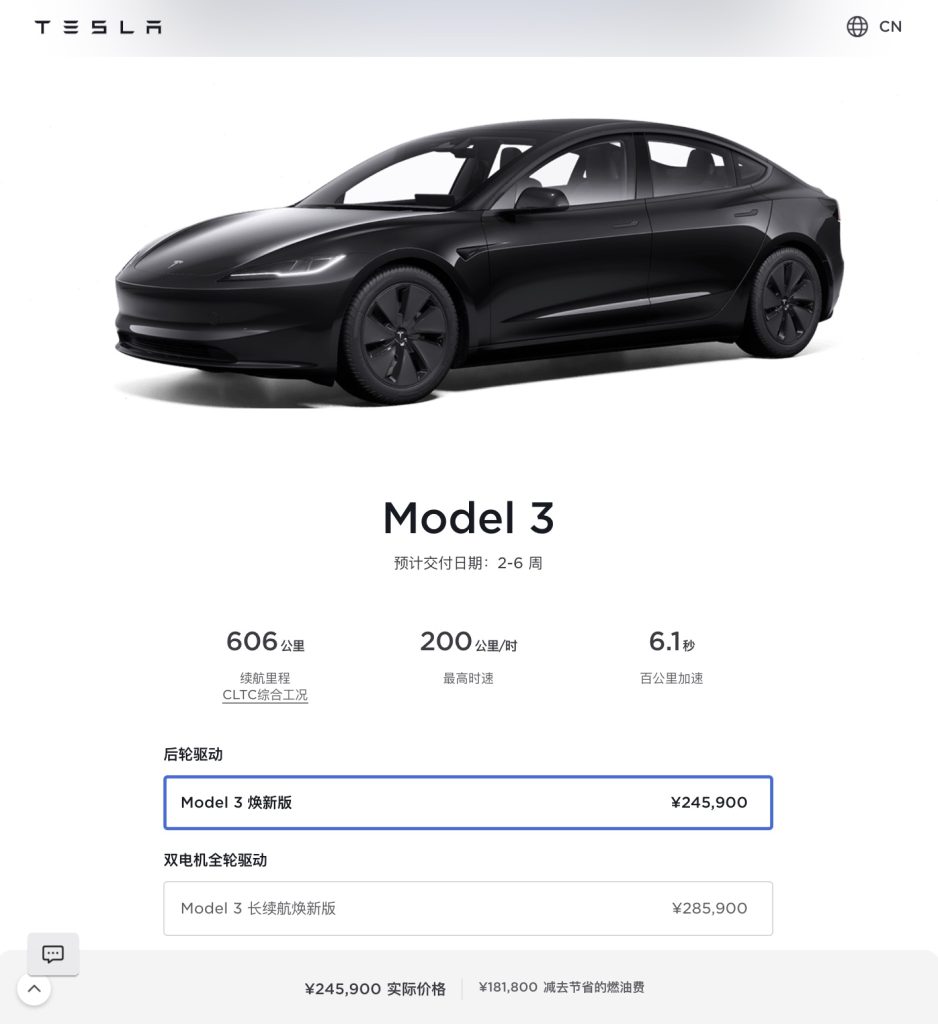
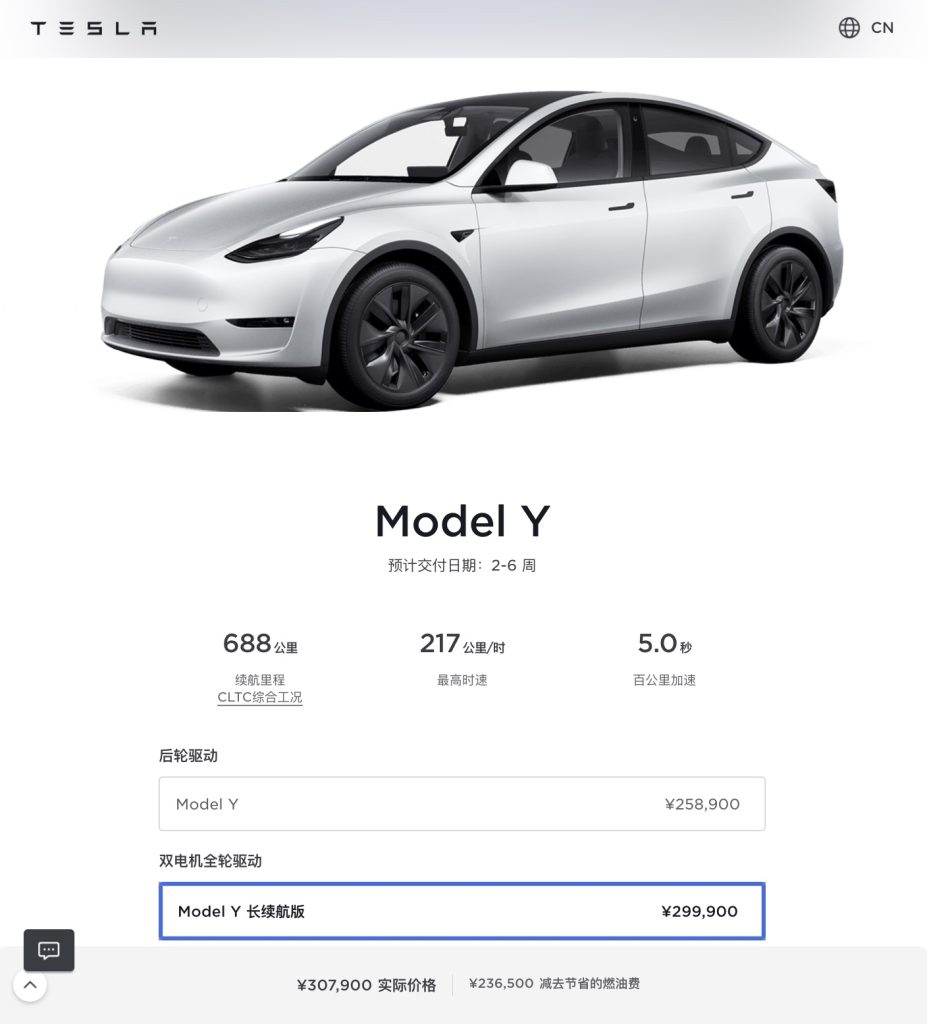
As can be seen in Tesla China’s order pages for the upgraded Model 3, the Model 3 Rear Wheel Drive (RWD) and Model 3 Long Range Dual Motor All Wheel Drive (AWD) received a price reduction of 3.87% and 5.93%, respectively. The Model Y RWD and the Model Y Long Range Dual Motor AWD, on the other hand, received a price reduction of 2.12% and 2.82%, respectively. The Giga Shanghai-made Tesla Model Y Performance maintained its starting price of RMB 363,900 ($51,100).
Prior to the recent round of price cuts, the upgraded Model 3 RWD started at RMB 261,400 ($36,700), and the Model 3 Long Range Dual Motor AWD started at RMB 297,400 ($41,870). But with the recent round of price cuts, the base Model 3 RWD now starts at RMB 245,900 ($34,500), and the Model 3 Long Range Dual Motor AWD starts at RMB 285,900 ($40,170).
Tesla just dropped its prices in China. Here is what happened:
Source:https://t.co/AcMeccuY9Fhttps://t.co/00U060F1Ja pic.twitter.com/Rz4fCVhHPT— Troy Teslike (@TroyTeslike) January 12, 2024
The Giga Shanghai-made Model Y, for its part, previously started at RMB 266,400 ($37,500) for the base RWD version and RMB 306,400 ($43,100) for the Long Range Dual Motor AWD version, as noted in a CNEV Post report. Following the price cuts that were recently implemented by Tesla China, the Model Y RWD now starts at RMB 258,900 ($36,400), and the Model Y Long Range Dual Motor AWD now starts at RMB 299,900 ($42,200).
By making the Model 3 and Model Y more affordable, Tesla China is effectively making the two vehicles more attractive to consumers. While both the Model 3 and Model Y are still premium-priced cars, after all, their bleeding-edge tech, performance, and safety suggest that they are bang for the buck. This means that with a lower price, some consumers may consider the Model 3 and Model Y a steal.
Don’t hesitate to contact us with news tips. Just send a message to simon@teslarati.com to give us a heads up.



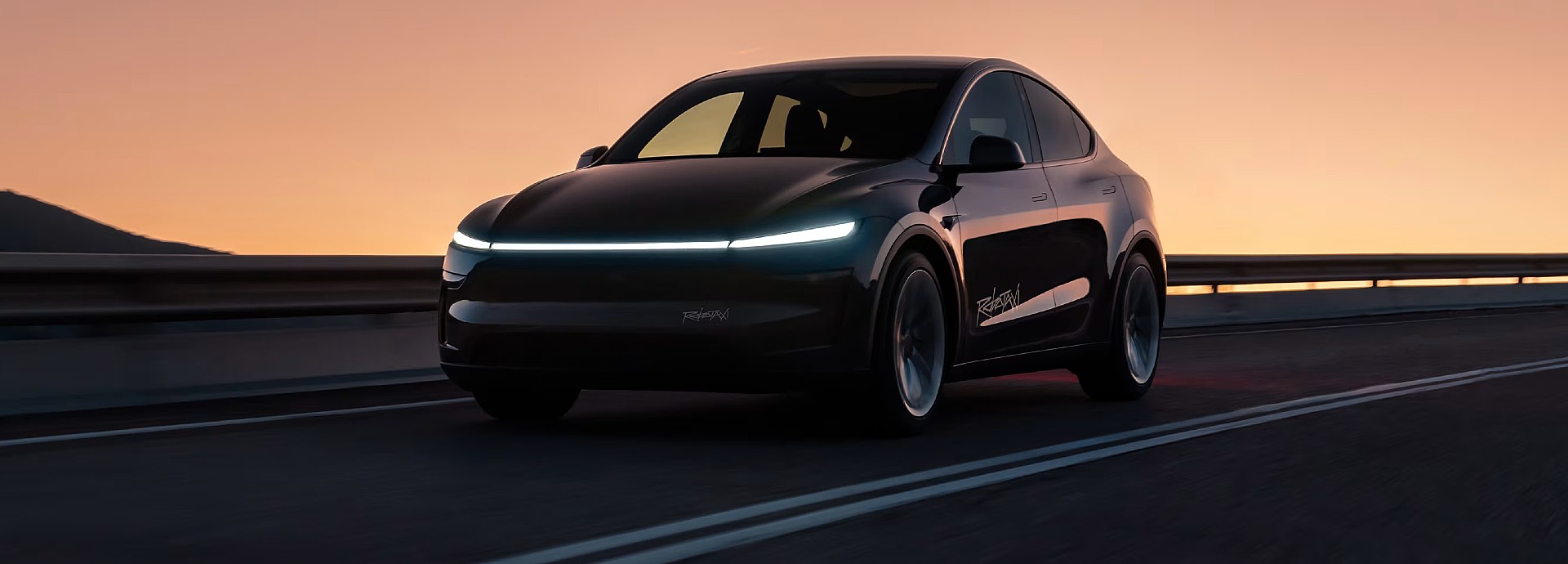
Tesla has extended its Bay Area ride-hailing service to include pickups and drop-offs at San Francisco International Airport (SFO). The update, shared via the company’s official channels on July 21, allows users in the region to request rides directly to and from one of California’s busiest airports.
The expansion builds on Tesla’s secured limousine permit for SFO operations. Public records show the permit became effective March 20, 2026, and remains active through January 31, 2027. Tesla vehicles operating the service now display authorized limousine permits issued by the City and County of San Francisco.
Our Bay Area rideshare service now goes to SFO ✈️
— Tesla AI (@Tesla_AI) July 21, 2026
Tesla’s ride-hailing program in California relies on Model Y vehicles equipped with Full Self-Driving (Supervised) technology. Human safety drivers remain present in compliance with state regulations, distinguishing the service from fully driverless operations.
The Bay Area geofence covers a broad area spanning north of San Francisco to south of San Jose, offering extensive connectivity across the region.
UPDATE: Elon Musk reveals why Tesla didn’t say ‘Robotaxi’ upon California launch
This SFO addition follows earlier progress at other Bay Area airports. Tesla previously expanded service to San Jose Mineta International Airport (SJC) in late 2025. The company had engaged with SFO, SJC, and Oakland International Airport officials as early as September 2025 to secure necessary approvals for passenger transport.
The service provides a new option for travelers seeking electric, app-based transportation integrated with Tesla’s ecosystem. Rides are booked through Tesla’s dedicated ride-hailing application, which handles matching, routing, and payments. Pricing follows standard ride-hailing models, with potential adjustments based on distance, time, and demand.
Tesla’s California ride-hailing program launched in July 2025 with an initial invite-only rollout in the Bay Area. It started alongside operations in Austin, Texas, marking the company’s second major U.S. market.
The Bay Area remains a primary focus in California, with service centered on high-demand corridors connecting residential, commercial, and now major transportation hubs. This latest airport integration represents a practical step in Tesla’s broader mobility ambitions within the state.
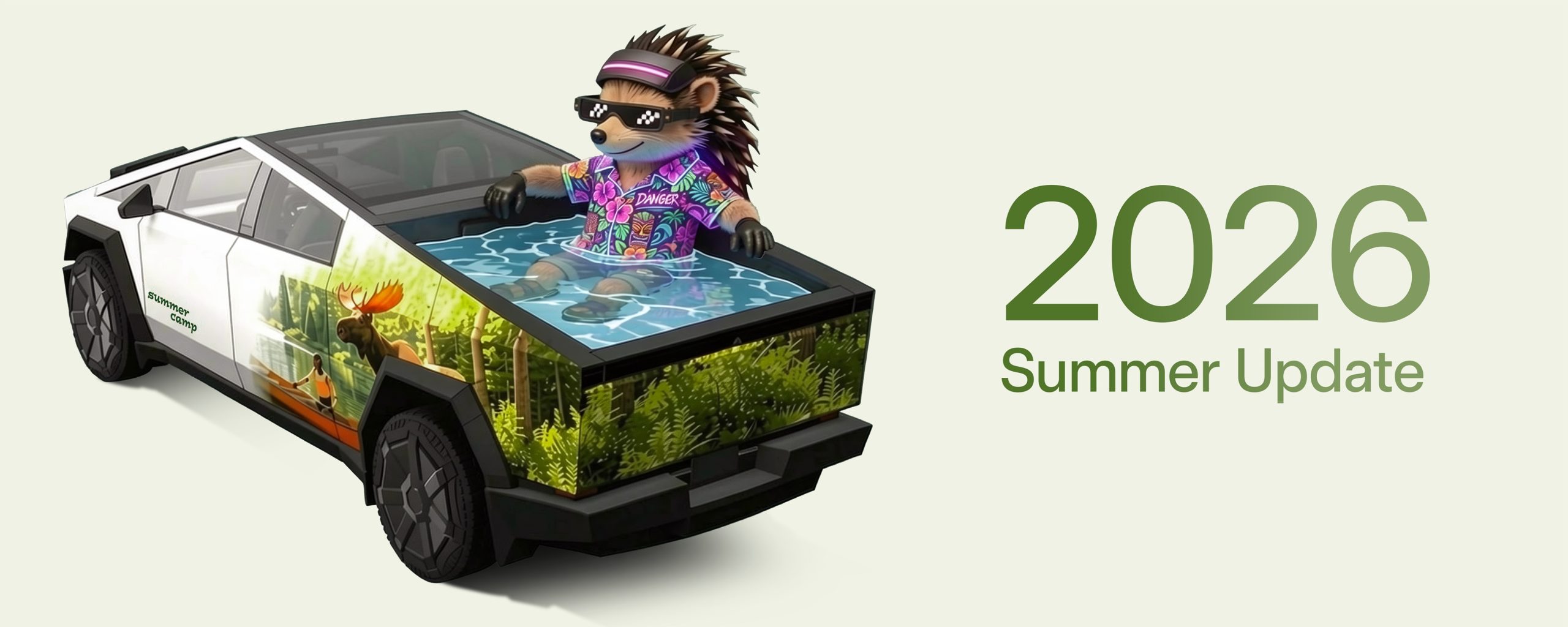
Tesla has officially revealed its 2026 Summer Update, which comes with a variety of crazy new features, including Navigation fixes that owners have been wanting for months.
Tesla routinely releases a larger update with the Spring, Summer, Fall, and Winter updates, where it ships a variety of new features, bug fixes, and other additions to customer cars.
The 2026 Spring Update featured things like “Hey Grok” voice assistance, a redesigned self-driving app, Unreal Engine visual upgrades, and more.
🚨 TESLA’S SUMMER UPDATE FOR 2026 IS HERE:
Featuring:
✅ Self-Driving Stats in Mobile App
✅ Caraoke with Scoring
✅ Automatic Navigation
✅ Preferred Routes
✅ Set Arrival Energy from Mobile App
✅ Send Custom Wraps from Mobile App
✅ Rear Display Lock
✅ Other Improvements
🔌… https://t.co/C9IW3egEhH
— TESLARATI (@Teslarati) July 21, 2026
Tesla’s Summer Release has about ten new features; we’ll show you each and detail them below:
New Grok Voice Commands
“Grok can now make phone calls, search and play music, adjust climate, open the glovebox, and answer questions about your Tesla.”
Self-Driving Stats in Mobile App
“View and share self-driving stats from the mobile app.”
Caraoke With Scoring
“Caraoke now scores your singing while in Park. High scores are saved to your Tesla profile.”
Automatic Navigation
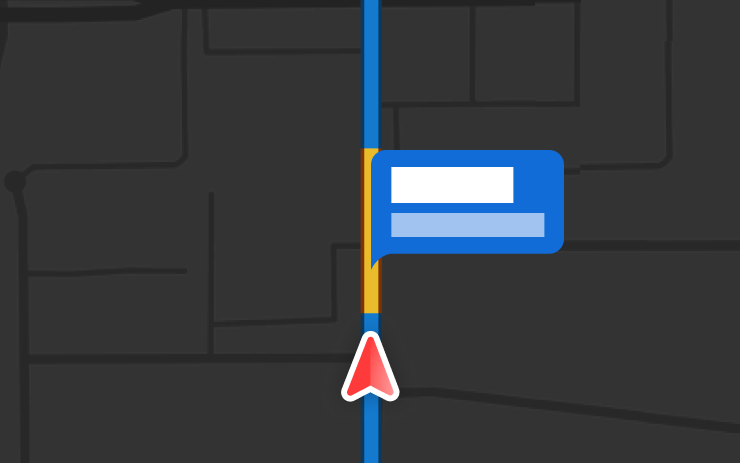
“Automatic Navigation now adapts to your routine.
In addition to Home, Work, and upcoming calendar events, your vehicle can now suggest and route to places you visit regularly – like a school drop-off on the way to work, or the gym on the way home.”
Preferred Routes
“For a more personalized experience, navigation now prioritizes routes that you’ve taken before”
Set Arrival Energy from Mobile App
“Set your desired Arrival Energy from your phone.”
Send Custom Wraps from Mobile App
“Skip the USB drive and upload a custom wrap of your car from the mobile app. Instructions for creating a custom wrap here: https://github.com/teslamotors/custom-wraps.”
Rear Display Lock
“Kids can watch content on the rear screen, but only the front row can control it through the rear screen app.”
Other Improvements
- Find Superchargers by name when searching for a destination
- Add Apple Music songs to queue from search and artist page
- Set your preferred zoom level for the Self-Driving visualization
- Intro animations for new Model 3 and Y
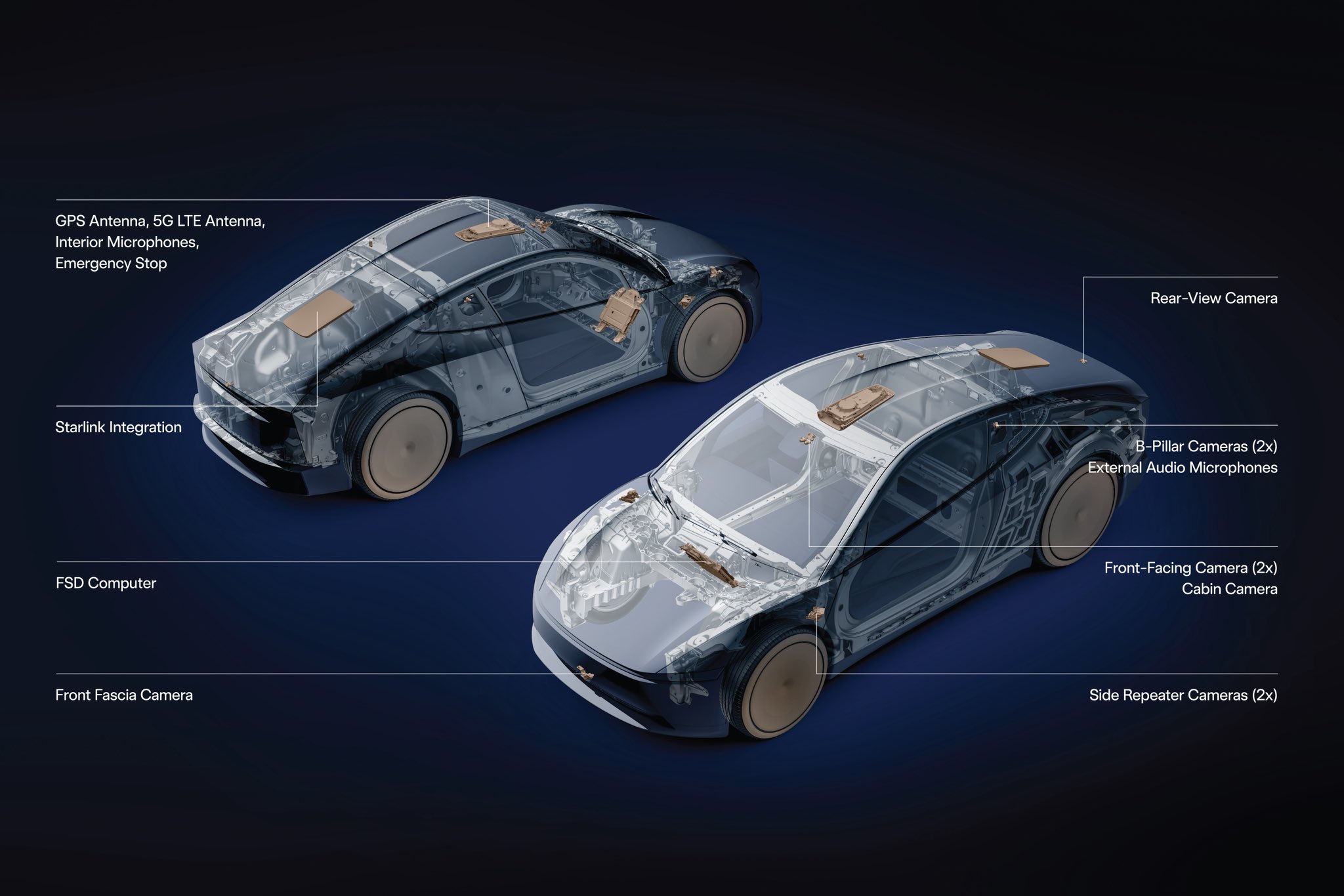
Tesla’s reason for Starlink integration on Cybercab might surprise you, as the company’s Head of AI, Ashok Elluswamy, finally shed some light on the reason they are putting a satellite internet terminal on its ride-hailing-geared vehicle.
On Monday, Tesla officially confirmed that it would integrate Starlink V5 terminals into Cybercab vehicles, something many Tesla fans had figured the company would do, as the vehicle is primarily geared toward giving rides without any passenger intervention.
Starlink V5 directly integrated in Cybercab pic.twitter.com/FxzTtzjB6I
— Tesla (@Tesla) July 20, 2026
The ability to access the internet would allow riders to work or play in the car with their devices. It seemed like a more-than-reasonable feature to add to the Cybercab, which made its way off the production lines for the first time earlier this year.
Tesla reveals first vehicle model to receive Starlink integration
However, the move is not for the rider, as Elluswamy confirmed on Monday night. Instead, it’s actually for Tesla to be able to have a constant connection to the cars in the Robotaxi fleet so it can troubleshoot issues, contact riders, or resolve other issues.
Elluswamy said:
“It is still not required for safe operation of the vehicle. Connectivity is primarily meant for navigation, customer service and, in general, fleet management.”
It is still not required for safe operation of the vehicle. Connectivity is primarily meant for navigation, customer service and, in general, fleet management.
— Ashok Elluswamy (@aelluswamy) July 20, 2026
Many initially assumed the option of constant connectivity would be enabled on the Cybercab for passenger entertainment or work. With the Cybercab, passengers won’t be doing anything but enjoying the ride, so it seemed more than logical that they would be hanging out with Starlink internet access as an amenity.
However, Tesla’s primary concern with Robotaxi is safety, and nailing these first unsupervised rides is a crucial step to setting a good narrative on how effective driverless transportation can be.
Being able to get in touch with passengers or a vehicle if something is wrong is a crucial part of the overall experience, and preventative measures are being taken by Tesla to ensure a smooth process, even in the worst-case.

Tesla expands ridesharing service in California to new hotspot

Tesla reveals 2026 Summer Update with crazy fixes to Nav and more


