


It appears that Tesla is attempting to enforce its no-resale agreement on the Cybertruck, as one owner says that they’ve been blacklisted from buying future vehicles from the company.
In recent months, there has been much speculation as to whether Tesla can enforce its Cybertruck no-resale agreement, which asks early owners to avoid selling the limited-quantity vehicle within the first year of ownership. Several Tesla Cybertrucks have been popping up for sale around the internet, and some have been debating whether or not the no-resale clauses were enforceable.
However, in a post in the Cybertruck Owner’s Club forum on Sunday night, owner malinecentral says that Tesla emailed them, canceling additional Cybertruck reservations and canceling future orders, after the user posted the vehicle on multiple online sales platforms.
Credit: malinecentral | Cybertruck Owner’s Club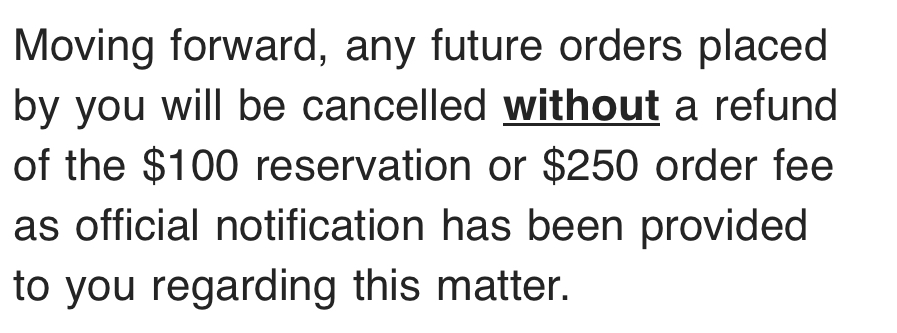
“Moving forward, any future orders placed by you will be cancelled without a refund of the $100 reservation or $250 order fee as official notification has been provided to you regarding this matter,” Tesla wrote in the email.
Technically, the buyer says they haven’t sold anything, though they listed the Cybertruck on multiple sites to “feel it out.” The user explains that they took delivery of one Cybertruck, had two more reserved, and Tesla went on to cancel the other reservations and refund them.
The poster also says they think they were found through a listing on CarGurus, noting that they did share the VIN on the posts and that they had it listed for $242,069. At the time of writing, there are 20 separate Cybertruck listings on CarGurus, none of them matching malinecentral’s description.
Tesla does seem to take the issue pretty seriously in the agreement:
Credit: Tesla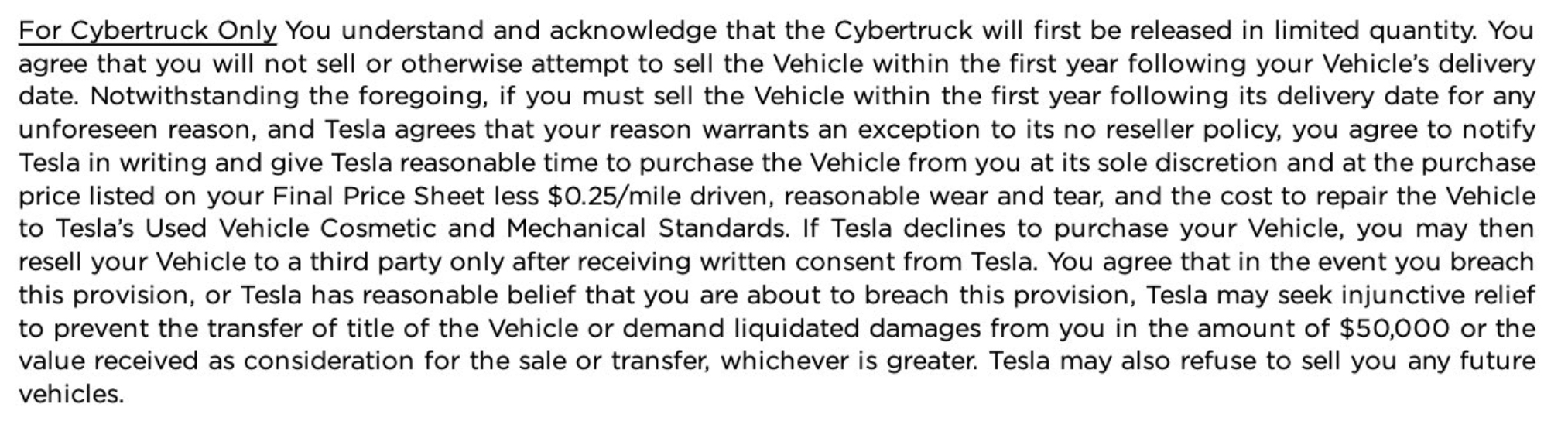
“Tesla may seek injunctive relief to prevent the transfer of title of the Vehicle or demand liquidated damages from you in the amount of $50,000 or the value received as consideration for the sale or transfer, whichever is greater,” Tesla writes. “Tesla may also refuse to sell you any future vehicles.”
As early Cybertruck deliveries have begun going out over the last few months, Tesla has also been ramping up production at its Gigafactory in Austin, Texas. The automaker expects to take between 12 and 18 months following the initial delivery event to reach volume Cybertruck production, hence the “limited quantity” mentioned in the no-resale policy.
What are your thoughts? Let me know at zach@teslarati.com, find me on X at @zacharyvisconti, or send your tips to us at tips@teslarati.com.


News
Tesla parked 50+ Cybercabs outside its Texas Factory with some crash tested
Dozens of Tesla Cybercabs have been spotted at Giga Texas crash testing facility ahead of launch.

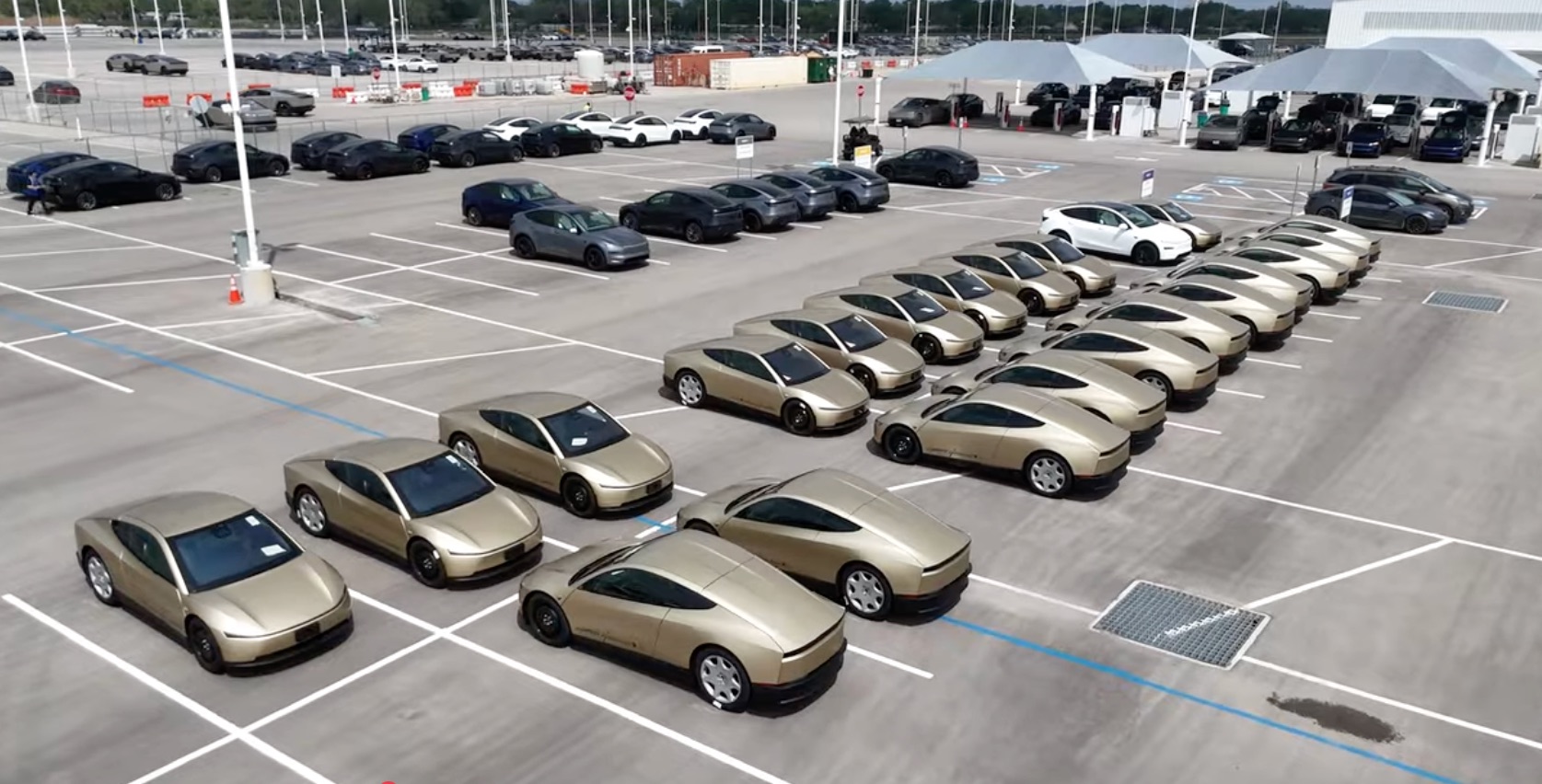
Drone footage captured by longtime Giga Texas observer Joe Tegtmeyer shows over 50 units of Tesla Cybercab at the Austin factory campus, including several units clustered by Tesla’s on-site crash testing facility.
The outbound lot at Gigafactory Texas sits just outside the factory exit and serves as the primary staging area where finished vehicles are held before being loaded onto transport carriers or dispatched for validation testing. On any given day, the lot holds a mix of Model Y and Cybertruck units alongside the growing Tesla Cybercab fleet, as can be seen in the drone footage captured by Joe Tegtmeyer.
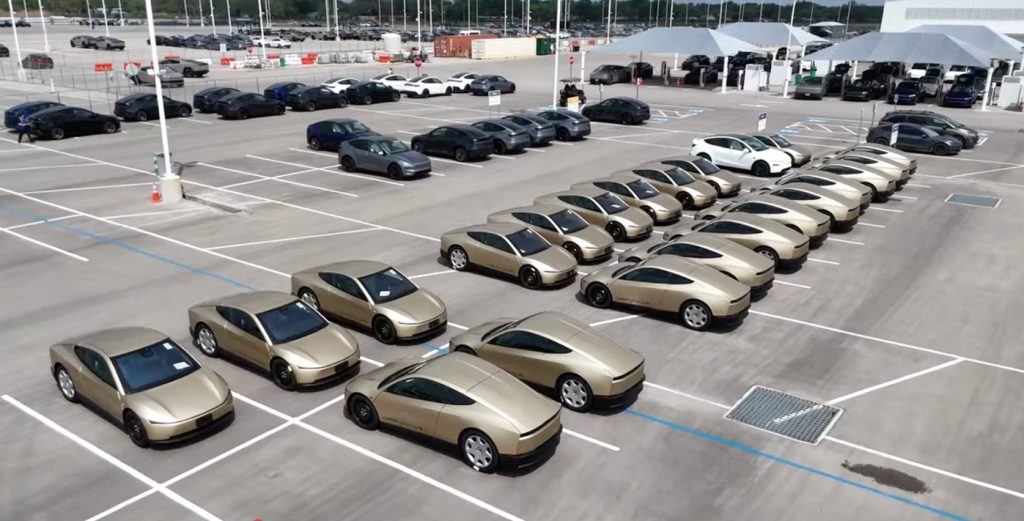
Tesla Cybercab fleet spotted at Gigafactory Texas on April 13, 2026 [Credit: Joe Tegtmeyer)
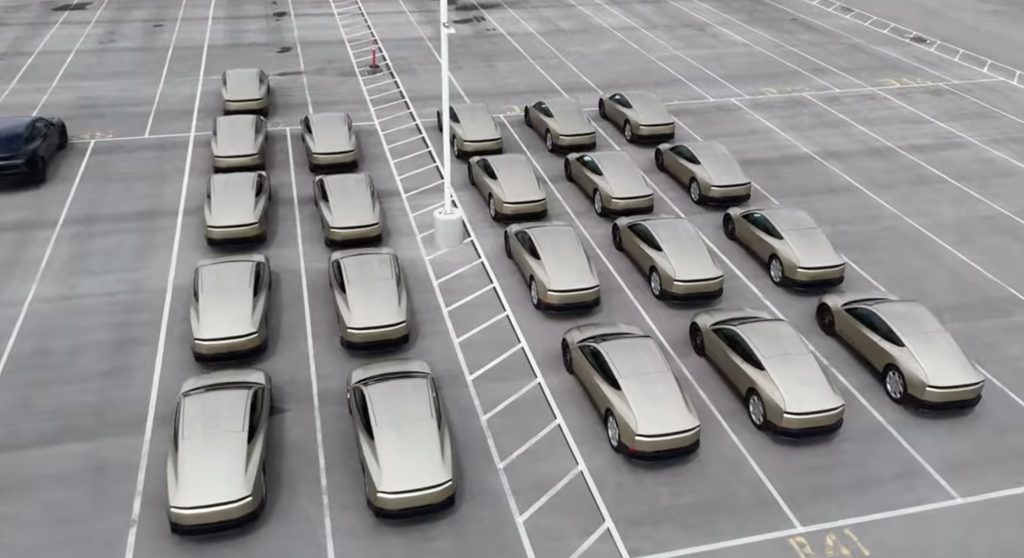
Tesla Cybercab fleet spotted at Gigafactory Texas [Credit: Joe Tegtmeyer)
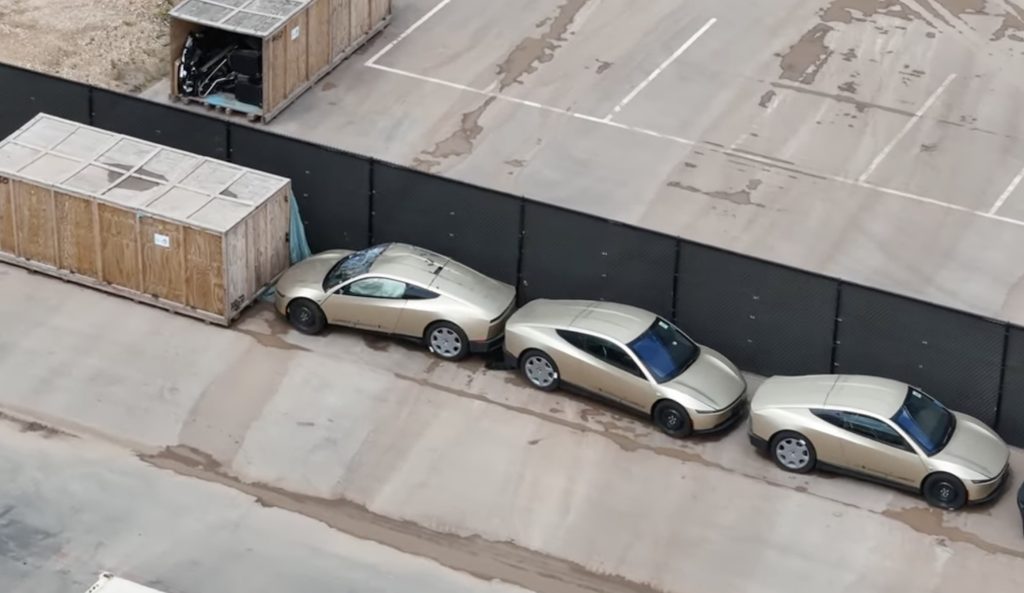
Tesla Cybercab crash test units spotted at Gigafactory Texas [Credit: Joe Tegtmeyer)
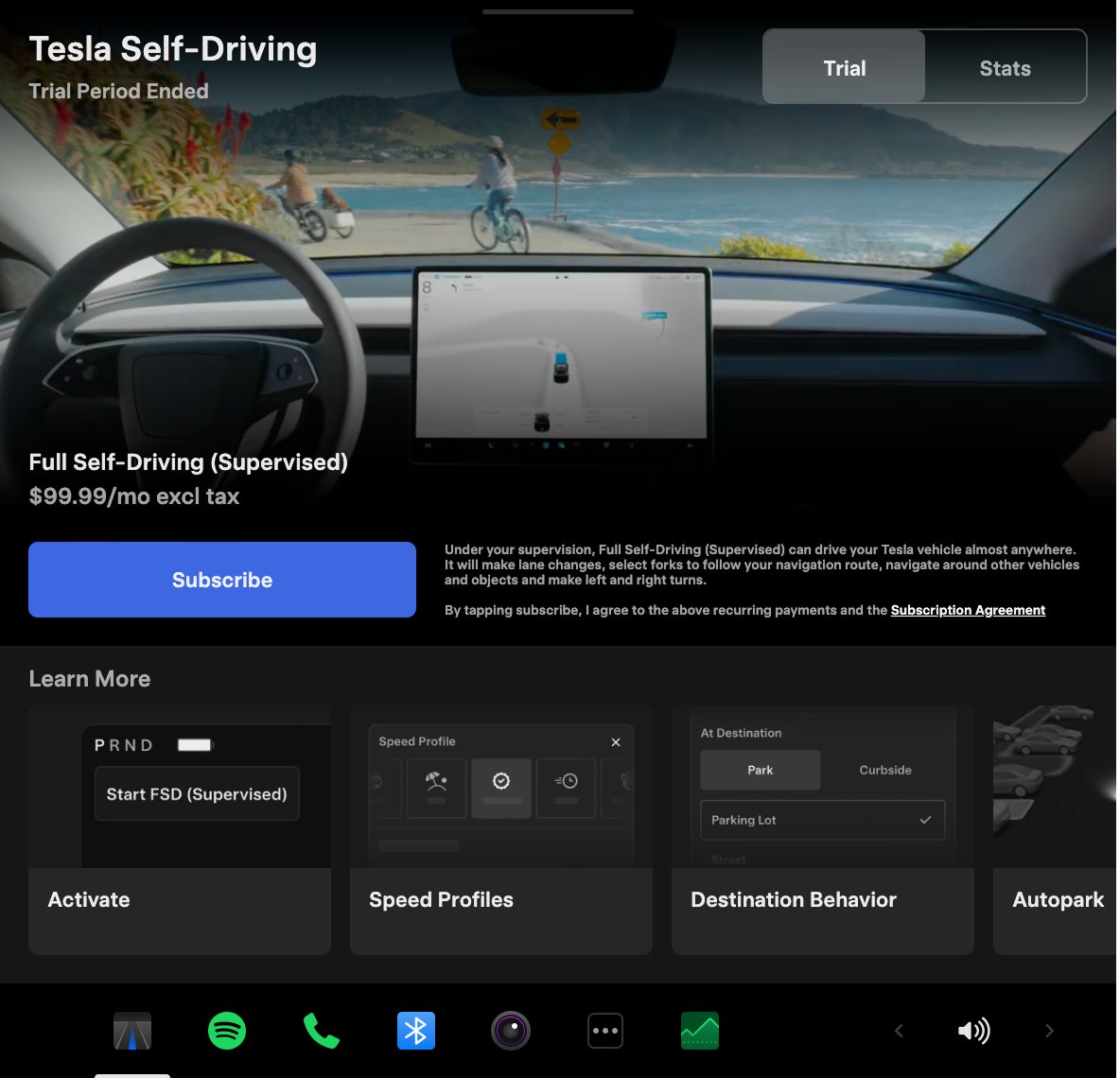
Tesla announced its Spring 2026 software update, and it’s the most feature-dense seasonal release the company has put out. The update covers twelve named changes spanning FSD, voice AI, safety lighting, dashcam storage, and pet display customization, among other things.
The centerpiece for owners with AI4 hardware is a redesigned Self-Driving app. The new interface lets owners subscribe to Full Self-Driving with a single tap and view ongoing FSD usage stats directly in the vehicle.
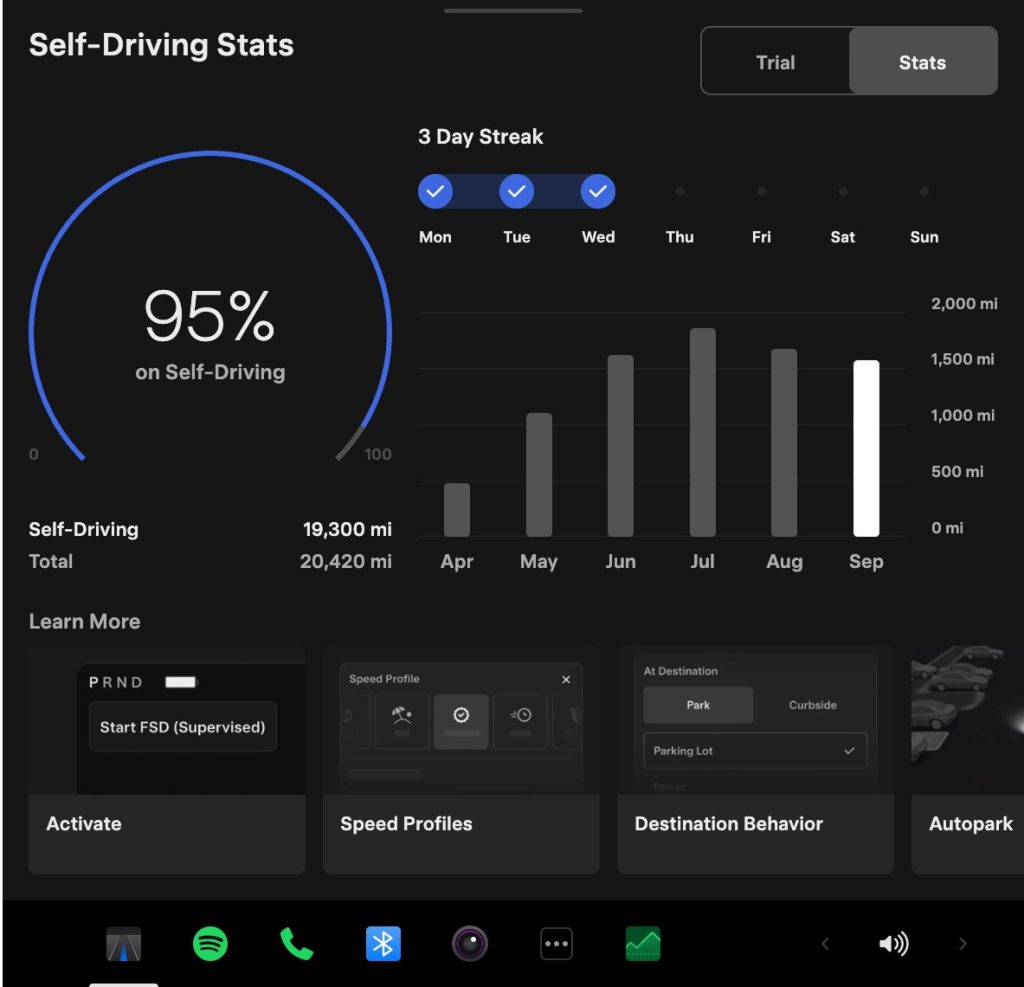
Grok gets its biggest in-car upgrade yet. The update adds a “Hey Grok” hands-free wake word along with location-based reminders, so a driver can now say “remind me to pick up groceries when I get home” without touching the screen. Grok first arrived in vehicles in July 2025, but each update has pushed it closer to genuine daily utility. Musk framed the broader vision clearly at Davos in January, saying Tesla is “really moving into a future that is based on autonomy.”
On safety, the update introduces enhanced blind spot warning lights that integrate directly with the cabin’s ambient lighting, building on the blind spot door warning that arrived in update 2026.8.

Dog Mode has been renamed Pet Mode and now lets owners choose a dog, cat, or hedgehog icon and add their pet’s name to the display.
Dashcam retention now extends up to 24 hours, up from the previous one-hour rolling loop, with a permanent save option for any clip. Weather maps now show rain and snow with better color differentiation and include the past hour of precipitation data along the route.
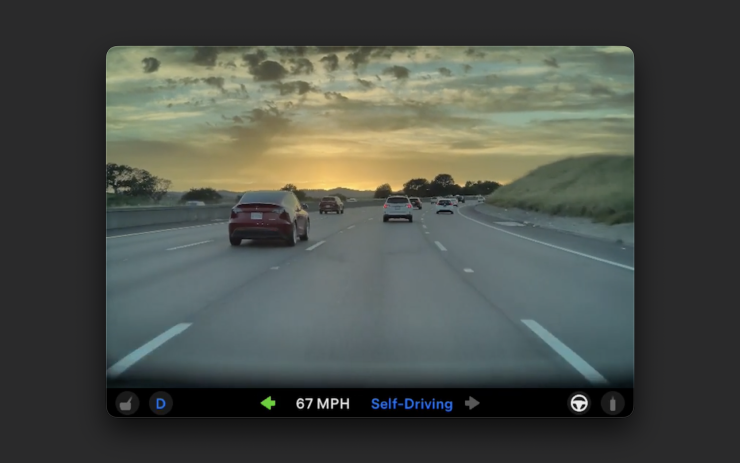
Tesla has now established a clear rhythm of two major OTA pushes per year. As with last year’s Spring update, that cycle started taking shape in 2025 with adaptive headlights and trunk customization. The 2025 Holiday Update then added Grok to the vehicle for the first time. This Spring follows that structure: the Holiday update introduces new architecture, and the Spring update broadens it across the fleet.
Two notable features still did not make it. IFTTT automations, which launched in China earlier this year, were held back from this North American release for unknown reasons, and Apple CarPlay remains absent, reportedly still delayed by iOS 26 and Apple Maps compatibility issues.
Below is the full list of feature updates released by Tesla.
— Tesla (@Tesla) April 13, 2026
News
Tesla launches new Model Y interior option
Produced at Gigafactory Shanghai, the update applies to all five-seat Premium Model Y configurations and started being seen on customer deliveries this week. The move marks the first major interior refresh for the compact crossover since its global debut.

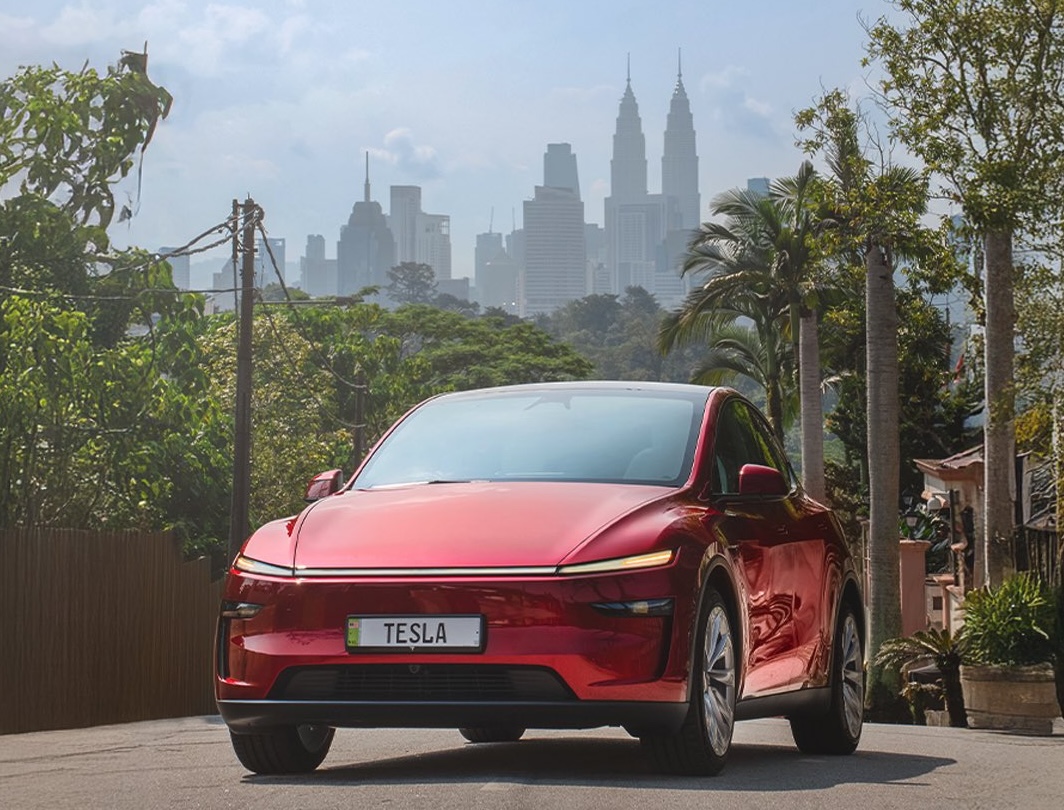
Tesla has rolled out a striking new interior choice for its best-selling Model Y in China, replacing the long-familiar white cabin with a fresh option: Zen Grey.
Produced at Gigafactory Shanghai, the update applies to all five-seat Premium Model Y configurations and started being seen on customer deliveries this week. The move marks the first major interior refresh for the compact crossover since its global debut.
The Zen Grey interior swaps the classic black-and-white contrast for a softer, more unified palette. Seats, door panels, and center console trim now feature a warm light-grey tone that covers far more surface area than before.
Previously, black accents on the console, door handles, and lower dashboard are now color-matched in the same pebbled vegan leather, creating a brighter, less clinical cabin.
Tesla describes the material as durable and easy to maintain while delivering a noticeably more premium feel. Early photos and videos from Chinese owners show the new shade reflecting natural light beautifully, giving the spacious Model Y an even airier, more inviting atmosphere without sacrificing the minimalist design customers expect:
🚨 First look at Tesla’s new Zen Grey interior, which differs slightly in tone and in placement compared to the now discontinued White Interior https://t.co/rRRuEOrbm4 pic.twitter.com/p7uyNfO3xY
— TESLARATI (@Teslarati) April 13, 2026
The change is not an added-cost upgrade but a direct replacement for the discontinued white interior on Shanghai-built vehicles. Customers configuring a new Model Y in China, Hong Kong, or Macau now see Zen Grey as the default light-colored choice.
The update also flows to export markets supplied by Giga Shanghai, including Australia, New Zealand, South Korea, Japan, and the Philippines. Tesla has used its Chinese factory as an innovation hub before, and executives appear to be testing broader appeal with this subtler, warmer tone that avoids the high-maintenance reputation sometimes associated with bright white leather.
Beyond the interior, the refreshed Model Y from Shanghai includes minor exterior tweaks such as blacked-out badges on some trims and optional dark 20-inch wheels.
These changes arrive as Tesla faces stiff competition from domestic EV makers in its largest market. By refreshing the Model Y’s cabin without raising prices, the company is signaling continued commitment to value and constant improvement.
With over 1.2 million Model Y units already on Chinese roads, the Zen Grey launch gives existing owners a fresh talking point and new buyers another reason to choose Tesla. As deliveries ramp up this month, the updated interior is expected to become the dominant light-colored choice across the Asia-Pacific region.
Tesla has not yet confirmed whether the Zen Grey will reach Fremont, Austin, or Berlin-built Model Ys, but Shanghai’s track record suggests the option could spread quickly if customer feedback remains strong.

Tesla parked 50+ Cybercabs outside its Texas Factory with some crash tested

Tesla 2026 Spring Update drops 12 new features owners have been waiting for


