News
Tesla orders 450K heat pumps for Giga Shanghai’s Made-in-China Model 3

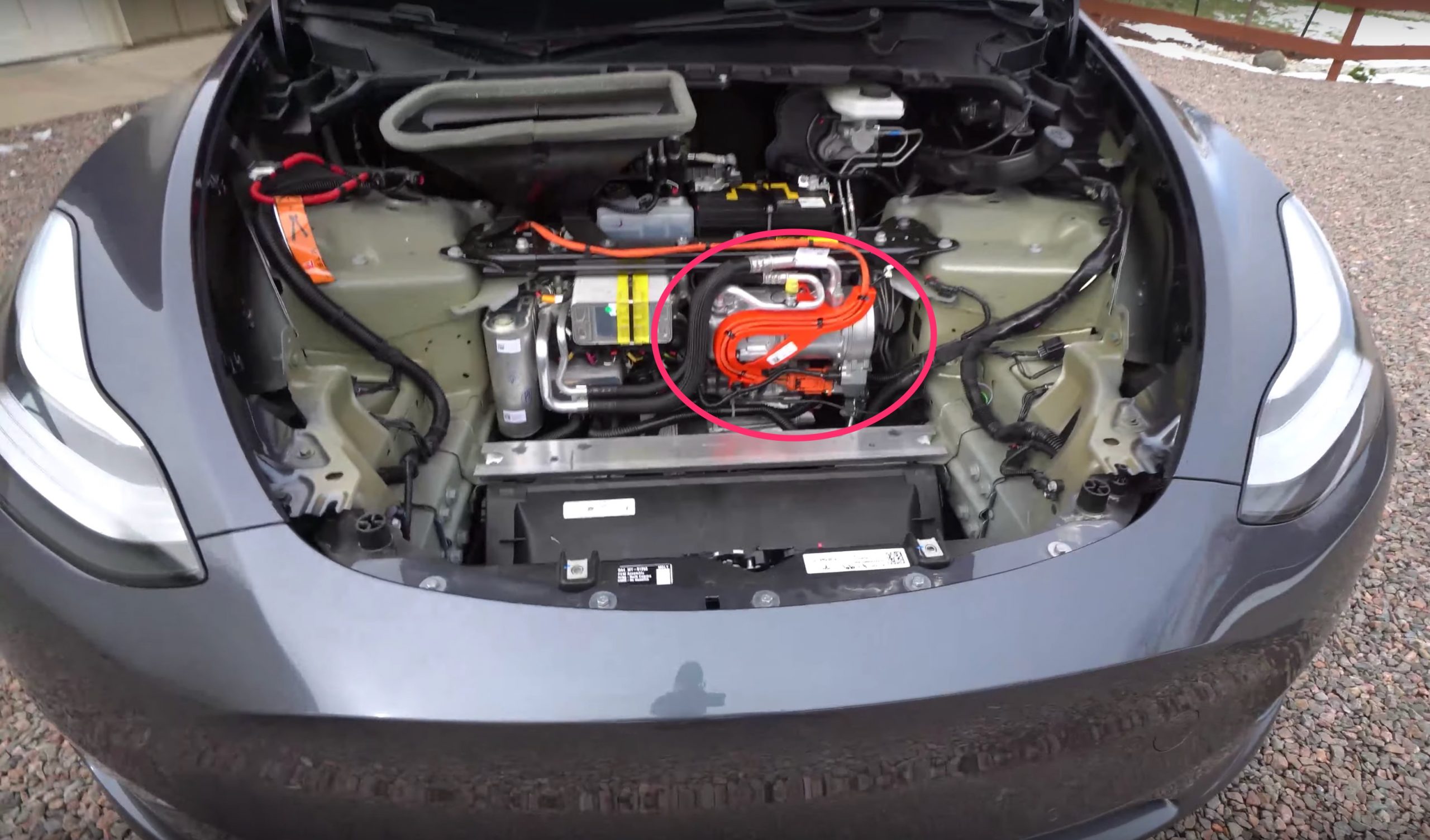
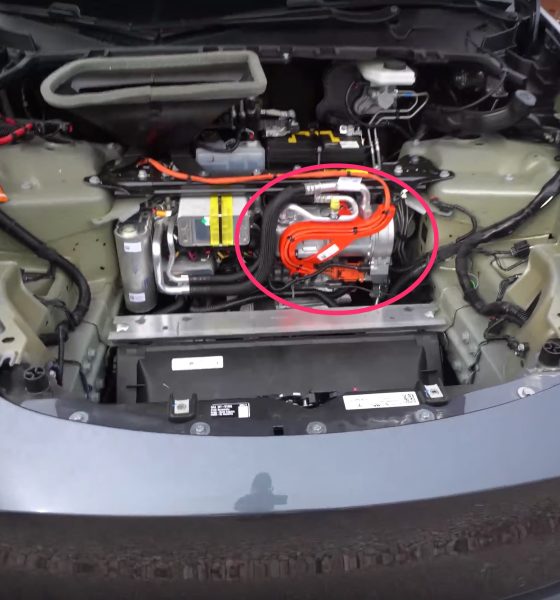
Amidst rumors that Tesla is poised to roll out some notable improvements to the Model 3 in China, a Nanjing-based auto supplier has revealed that it has received a massive order of 450,000 heat pumps from the electric car maker. The heat pumps, which are presumably for the Made-in-China Model 3, reportedly started deliveries since August.
The update was related in a document from Aotecar, the heat pump supplier itself. While the document did not specify Tesla by name, it did mention that an American electric car maker has placed two massive orders for the Aotecar’s heat pumps. The first order was for 450,000 units annually that were set to be delivered since August, and another was for 200,000 units yearly that will be shipped starting January 2021. In the document, Aotecar expressed its optimism about its deal with Tesla, citing strong local sales of the Model 3.
“In terms of new customers, the company has won another model order from a well-known North American electric vehicle manufacturer in China. The output is very large, and it has been mass-produced in August 2020. Since 2020, the domestic models of the customer’s Shanghai plant had been put on the market. The response is good, the sales performance is excellent, and the sales are expected to be high. This provides a guarantee for the future sales of the company’s products,” Aotecar noted.
With this update in mind, it would appear that Tesla China is indeed set on rolling out Model 3s that are equipped with heat pumps, making them even more similar to their crossover sibling, the Model Y. Considering that Aotecar reportedly started delivering the components since August, there seems to be a good chance that Made-in-China Model 3s are already being built with heat pumps now, or at least in the near future.
Especially interesting is the volume of Tesla’s heat pump orders from Aotecar, since 450,000 units translate to a very large number of Model 3s. In a way, this may support recent reports indicating that Tesla is looking to start exporting vehicles from Gigafactory Shanghai to other Asian territories, and perhaps even to Europe. With the facility catering to more areas, after all, the output of the China-based electric vehicle factory must rise to even more impressive levels.
The 200,000 heat pumps that have been ordered for January 2021 were not explained by Aotecar, though the timing of the orders suggests that the components would be used for the Made-in-China Model Y, which would likely be starting customer deliveries then. Considering that Tesla expects the Model Y to outsell the Model 3, however, there’s a good chance that suppliers like Aotecar would find even more business from Tesla’s Chinese operations in the coming years.


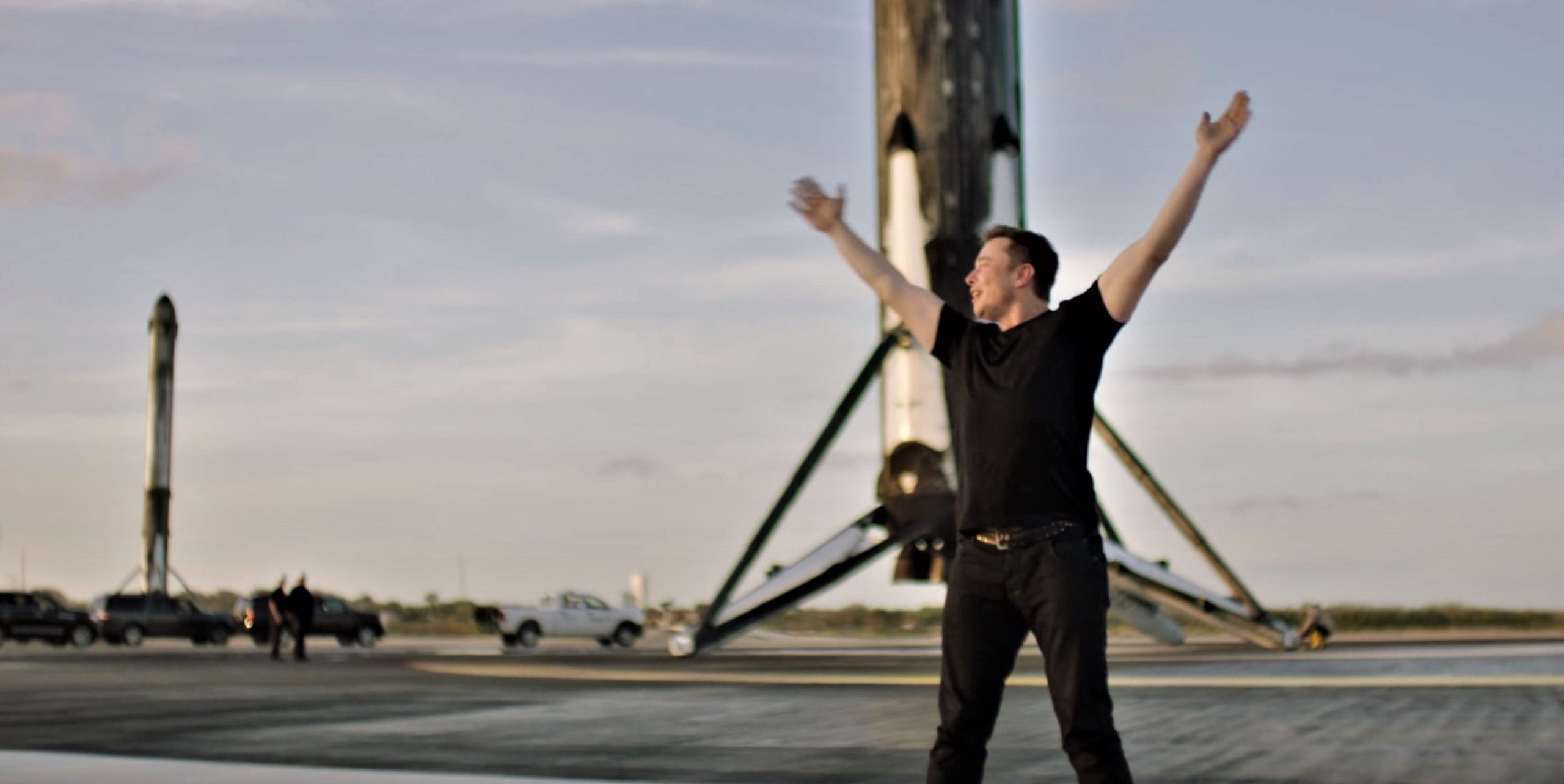
Elon Musk cannot be fired from SpaceX, and there’s a reason for that.
In a blunt post on X on Friday, Elon Musk confirmed plans to structurally shield his leadership at SpaceX, ensuring he cannot be fired while tying a potential trillion-dollar compensation package to the company’s long-term goal of establishing a self-sustaining colony on Mars.
Yes, I need to make sure SpaceX stays focused on making life multiplanetary and extending consciousness to the stars, not pandering to someone’s bullshit quarterly earnings bonus!
Obviously, IF SpaceX succeeds in this absurdly difficult goal, it will be worth many orders of…
— Elon Musk (@elonmusk) May 15, 2026
The revelation stems from a Financial Times report detailing SpaceX’s intention to restructure its governance and compensation framework. The moves are designed to protect Musk’s control and align his incentives with the company’s founding mission rather than short-term financial pressures. Musk’s reply left no ambiguity:
“Yes, I need to make sure SpaceX stays focused on making life multiplanetary and extending consciousness to the stars, not pandering to someone’s bullshit quarterly earnings bonus!”
He added that success in this “absurdly difficult goal” would generate value “many orders of magnitude more than the economy of Earth,” though he cautioned that the journey will not be smooth. “Don’t expect entirely smooth sailing along the way,” Musk wrote.
The strategy reflects Musk’s deep concerns about how public-market expectations could derail SpaceX’s core objective. Founded in 2002, SpaceX has repeatedly stated its purpose is to reduce the cost of space travel and ultimately make humanity a multiplanetary species.
Unlike Tesla, which went public in 2010 and has faced repeated battles over Musk’s compensation and board influence, SpaceX remains privately held. Musk has long resisted taking the rocket company public precisely to avoid the quarterly earnings treadmill that forces most CEOs to prioritize short-term stock performance over ambitious, high-risk projects.
By embedding protections against his removal and linking any outsized pay package to verifiable milestones—such as a functioning Mars colony—SpaceX aims to insulate its leadership from activist investors or board members who might demand faster profits or safer bets.
Musk has referenced past experiences, including his ouster from OpenAI and shareholder lawsuits at Tesla, as cautionary tales. In those cases, he argued, external pressures risked diluting the original vision.
Critics may view the arrangement as excessive, especially given Musk’s already substantial voting power and wealth. Supporters, however, argue it is a necessary safeguard for a company pursuing goals measured in decades rather than quarters. Achieving a Mars colony would require sustained investment in Starship development, orbital refueling, life-support systems, and in-situ resource utilization—technologies that may deliver no immediate financial return.
Musk’s post underscores a broader philosophical point: true breakthrough innovation often demands tolerance for volatility and a willingness to ignore conventional business wisdom. As SpaceX prepares for increasingly ambitious Starship test flights and eventual crewed missions, the new governance structure signals that the company’s North Star remains unchanged—humanity’s expansion beyond Earth.
Whether the trillion-dollar package materializes depends on execution, but Musk’s message is clear: SpaceX exists to reach the stars, not to chase the next earnings beat. For investors or employees who share that vision, the protections are not a perk—they are a prerequisite for success.
News
Tesla discloses two Robotaxi crashes to NHTSA
Newly unredacted data filed with the National Highway Traffic Safety Administration (NHTSA) reveals the two incidents.

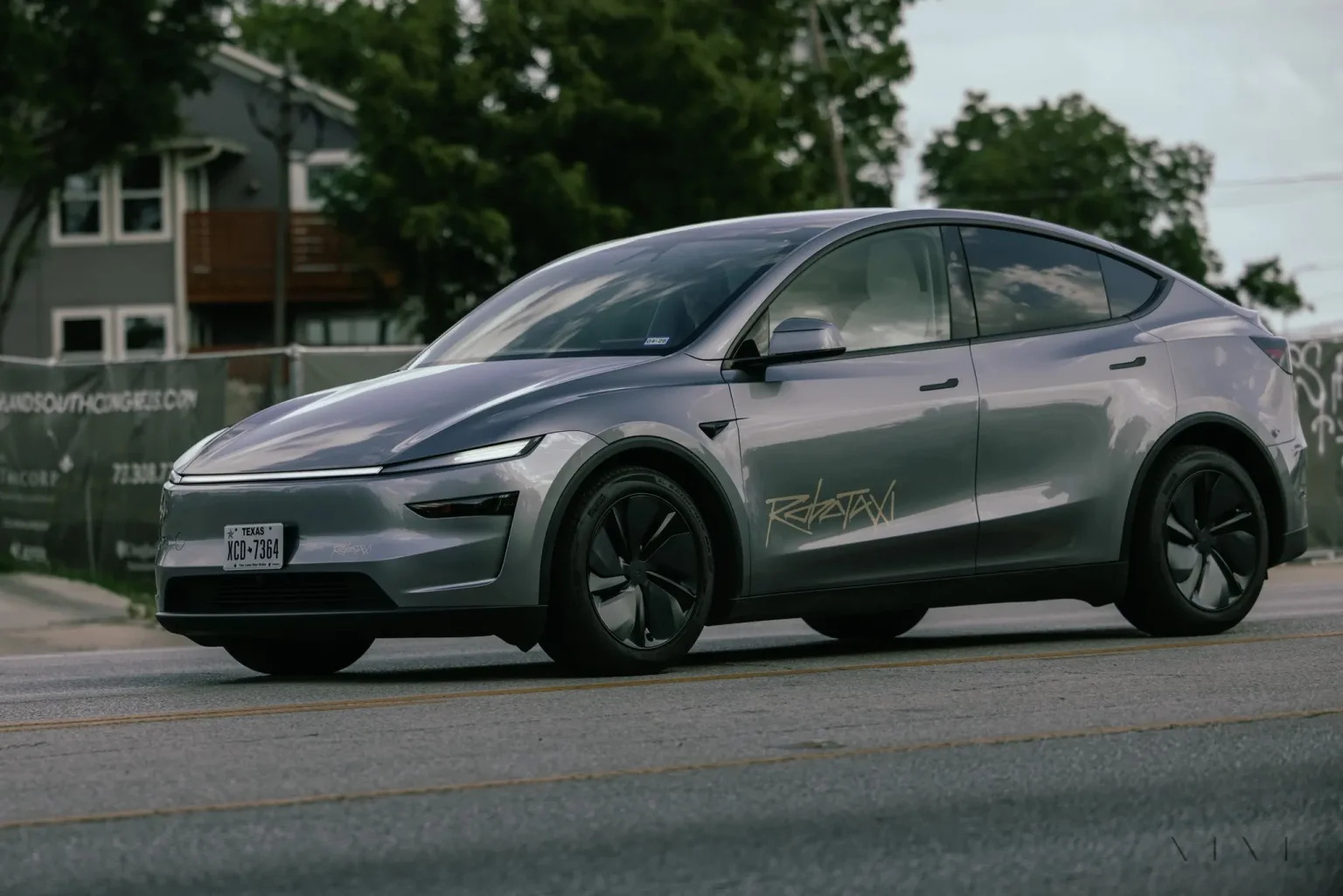
Tesla has disclosed information on two low-speed crashes that occurred in Austin with its Robotaxi platform. These incidents occurred with teleoperators steering the vehicle, and there were no passengers in the car at the time they happened.
Newly unredacted data filed with the National Highway Traffic Safety Administration (NHTSA) reveals the two incidents.
The first crash took place in July 2025, shortly after Tesla launched its nascent Robotaxi network in Austin. The ADS reportedly struggled to move forward while stopped on a street. A teleoperator assumed control, gradually accelerating and turning left toward the roadside. The vehicle then mounted the curb and struck a metal fence.
In the second incident, in January 2026, the ADS was traveling straight when the safety monitor requested navigation support. The teleoperator took over from a stop, continued forward, and collided with a temporary construction barricade at approximately 9 mph, scraping the front-left fender and tire.
Tesla Robotaxi service in Austin achieves monumental new accomplishment
Tesla has previously told lawmakers that teleoperators are authorized to pilot vehicles remotely—but only at speeds below 10 mph, as the only maneuvers they were approved to perform were repositioning in awkward areas.
“This capability enables Tesla to promptly move a vehicle that may be in a compromising position, thereby mitigating the need to wait for a first responder or Tesla field representative to manually recover the vehicle,” the company stated in filings earlier this year.
Before this week, Tesla redacted the NHTSA reports, but they decided to reveal all 17 Robotaxi incidents recorded since the launch in Austin last Summer. Most of the other crashes involved the Tesla being struck by other road users and were not caused by the self-driving suite itself.
There were other incidents, including two additional self-caused accidents involving the ADS clipping side mirrors on parked cars. In September 2025, one Robotaxi struck a dog that darted into the roadway (the dog escaped unharmed), while another made an unprotected left turn into a parking lot and hit a metal chain.
Although Waymo and Zoox have reported more total crashes, Tesla operates at a far smaller scale. The cautious pace reflects the company’s broader safety concerns; it has been very slow with the Robotaxi rollout to ensure the suite is ready for operation.
Last month, CEO Elon Musk acknowledged that “making sure things are completely safe” remains the primary bottleneck to expanding the network, describing the company’s approach as “very cautious.”
The unredacted filings arrive amid heightened regulatory scrutiny of autonomous vehicles. NHTSA recently closed a separate probe into Tesla’s Full Self-Driving software repeatedly striking parking-lot obstacles such as bollards and chains—a problem that also prompted a recall at Waymo last year.
Tesla Robotaxi has been a widely successful program in its early days of operation, and the transparency Tesla brings here is greatly appreciated. Incidents will happen, of course, but the honesty gives customers and regulators a sense of where Tesla is in terms of developing its self-driving and fully autonomous ride-hailing suite.
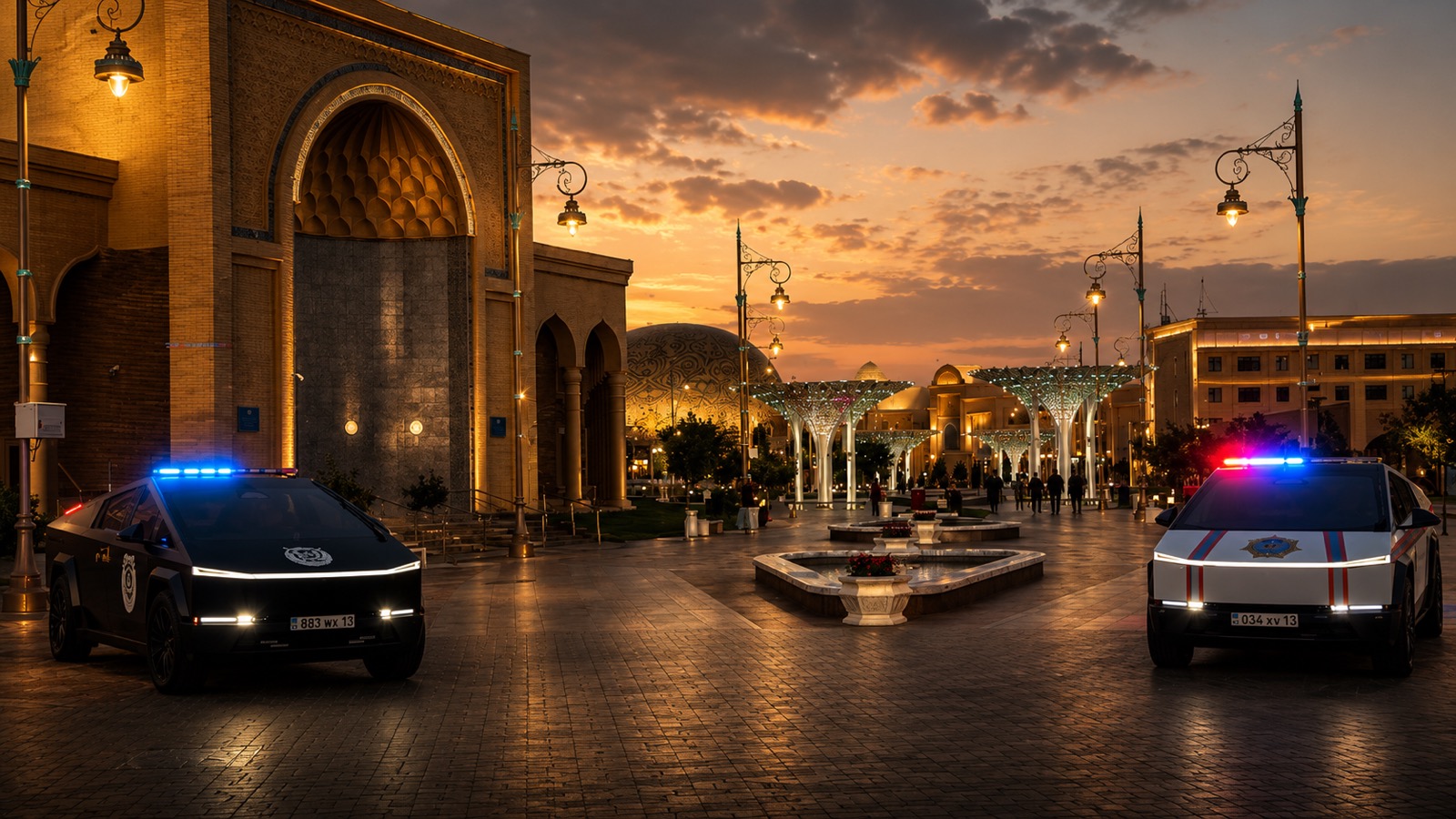
Tesla Cybertruck was chosen by a Middle Eastern government agency because of its capability, safety, and other advantages that it offers over traditional pickups.
In a striking display of futuristic security technology, Kazakhstan’s State Guard Service has integrated Tesla Cybertrucks as mobile command-and-control vehicles for the Informal Summit of the Organization of Turkic States, held today in Turkistan.
🚨 Kazakhstan’s State Guard Service is deploying Tesla Cybertrucks as mobile command-and-control vehicles for the Informal Summit of the Organization of Turkic States in Turkistan on May 15, 2026. pic.twitter.com/m4gHCyy5uS
— TESLARATI (@Teslarati) May 14, 2026
The deployment, announced by Teslarati on May 14, marks one of the first known instances worldwide of the electric pickup truck being used in official state security operations.
The Cybertrucks are supporting a range of real-world tasks, including rapid response, field coordination, communications, and command functions.
Officials highlighted the vehicles’ suitability for the challenging mountainous terrain around Almaty, where superior off-road mobility allows them to navigate rugged landscapes that might challenge conventional vehicles. Their quiet electric operation enables discreet deployment, while the high onboard power output provides sustained energy for communications equipment and external devices—critical during a high-profile international gathering.
The Cybertrucks will support real operational security tasks, including rapid response, field coordination, communications, and command functions — particularly in the challenging mountainous terrain around Almaty.
Key advantages cited by Government Officials were superior… pic.twitter.com/zRznabs389
— TESLARATI (@Teslarati) May 14, 2026
The summit brings together leaders from Turkic-speaking nations to discuss cooperation in politics, economy, and culture. Against this backdrop, the Cybertrucks stand out not only for their angular, stainless-steel exoskeleton and imposing presence but also for their practical advantages in modern security protocols.
This move underscores Kazakhstan’s push toward innovative and sustainable solutions in public safety. The Cybertruck, Tesla’s rugged all-electric pickup, was designed from the ground up for versatility, boasting impressive range, durability, and power capabilities that align well with governmental needs.
By choosing the vehicle, Kazakh authorities signal confidence in electric mobility even for demanding operational roles—potentially setting a precedent for other nations exploring green alternatives to traditional fleet vehicles.
Tesla Cybertruck too safe for even Musk’s biggest critics to ignore
As the summit unfolds on May 15, the presence of Cybertrucks symbolizes a broader shift: electric vehicles transitioning from consumer roads to critical infrastructure.
For Tesla, the development offers valuable real-world validation of the Cybertruck’s capabilities beyond civilian use. For Kazakhstan, it blends cutting-edge American engineering with national security priorities, creating a memorable visual and functional statement at this landmark regional event.

Elon Musk explains why he cannot be fired from SpaceX

Tesla discloses two Robotaxi crashes to NHTSA


